Blog

  • Free Fire MAX July 11 Redeem Codes: Unlock Exclusive Skins, Emotes & Diamond Vouchers Today

    Free Fire MAX July 11 Redeem Codes: Unlock Exclusive Skins, Emotes & Diamond Vouchers Today

    Garena Free Fire MAX has released its daily redeem codes for July 11, 2026. These alphanumeric codes grant free skins, emotes, and diamond vouchers, offering a quick way for players to regain momentum and stay competitive without spending real money.

    Active Free Fire MAX Redeem Codes for July 11, 2026

    The following codes are live as of July 11, but they expire quickly — most within 18–24 hours. Redeem them as soon as possible to secure your rewards.

    FF5B6YUHBVF3
    FFSKTXVQF2NR
    FFDMNSW9KG24
    ST1ZTBZBRP9BR
    43FMAPYEZZUPQ7X5NMJ64V
    FFR3GT5YJH76FP
    STQ7MXNPY54N8M2XL9R1G3H8YC4TN6
    VKQ9B1RK7C5ZL8YT
    FF1V2CB34ERT
    FFB2GH3KJL56
    FFRSX4CYHLLQS
    9QK2L6VP3MR6KWMFJVMQQYGJ3ZKQ57Z2P2P
    FFK7XC8P0N3M
    FFCBRAXQTS9S
    FFSGT7KNFQ2X3
    IBBMSL7AK8GB3
    G7A22TWDR7X
    

    How to Redeem Codes in Garena Free Fire MAX

    1. Visit the official Garena Free Fire MAX Rewards Redemption website.
    2. Log in using your Gmail, Facebook, X (formerly Twitter), or VK account.
    3. Copy and paste the code into the designated box (do not type manually to avoid errors).
    4. Click the Confirm button.

    Once redeemed successfully, cosmetic items like skins, bundles, and emotes appear in your in-game mailbox within 24 hours. Diamond vouchers are credited instantly.

    Important Notes to Remember

    • Some codes can only be redeemed by the first 1,000 players — aim to be among the first.
    • Each code can be used only once per account.
    • Guest accounts are not eligible for code redemption.
    • Codes are case-sensitive and region-specific; codes intended for one server cannot be used on others.

    Why This System Works

    The daily reward code system is a deliberate engagement strategy. By introducing scarcity and time sensitivity, Garena encourages players to log in frequently. For players, it’s an easy way to access premium content and reduce frustration from slow progression. For developers, it drives consistent traffic, retention, and community activity — turning simple giveaways into powerful behavioral triggers.

  • Software Architects and Tech Leads: 7 Essential Books for 2026

    Software Architects and Tech Leads: 7 Essential Books for 2026

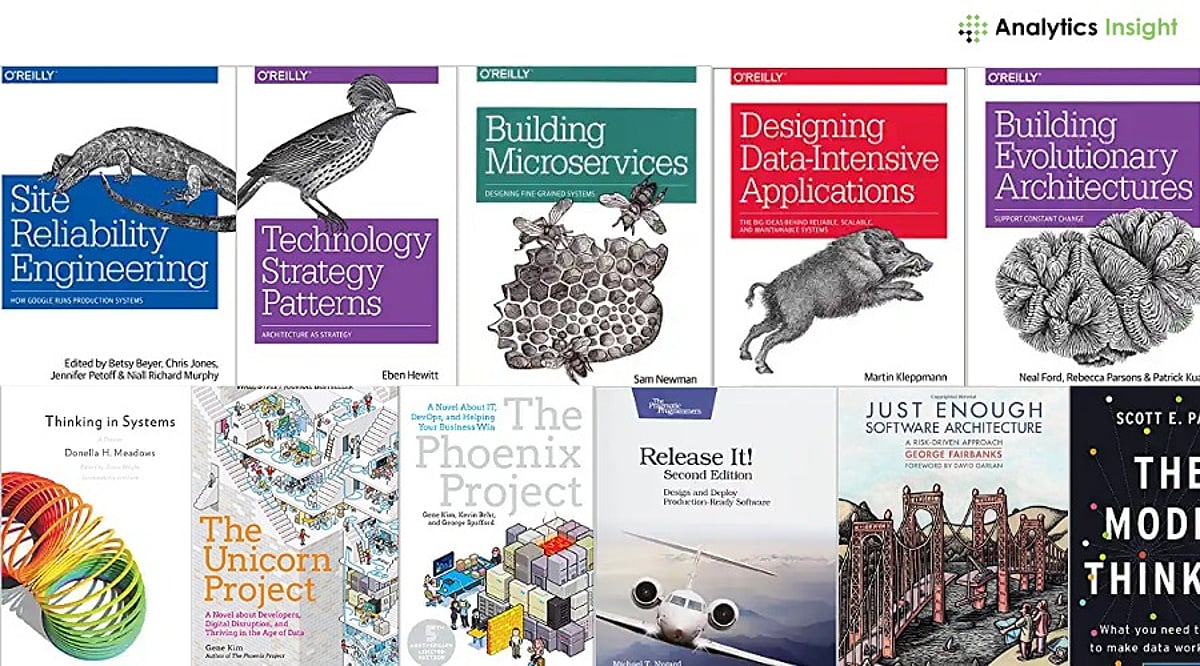
    Software architecture isn’t just about designing systems anymore. Today’s architects are expected to make decisions that affect scalability, security, cloud adoption, AI integration, and even business outcomes. As companies continue to modernize their technology stacks, experienced software architects and tech leads are becoming harder to find. According to the Stack Overflow Developer Survey 2025, more than 84% of developers already use or plan to use AI tools in their workflows, making strong architectural thinking more valuable than ever. If you’re planning to step into an architecture role or simply want to become a better technical leader, these seven books deserve a place on your reading list.

    1. Designing Data-Intensive Applications

    Martin Kleppmann’s classic explains distributed systems, databases, replication, and scalability in an understandable way. Essential for cloud-native and large-scale data systems.

    2. Fundamentals of Software Architecture

    Mark Richards and Neal Ford cover architecture patterns, trade-offs, and decision-making for developers transitioning to leadership roles.

    3. Software Architecture: The Hard Parts

    Neal Ford, Mark Richards, Pramod Sadalage, and Zhamak Dehghani explore real-world trade-offs in distributed transactions, event-driven systems, and evolutionary architecture.

    4. Clean Architecture

    Robert C. Martin emphasizes separating business logic from dependencies to build maintainable, long-lasting software.

    5. Software Engineering at Google

    Titus Winters, Tom Manshreck, and Hyrum Wright share Google’s engineering culture insights on code reviews, testing, documentation, and technical debt—applicable anywhere.

    6. Building Microservices (Second Edition)

    Sam Newman provides practical guidance on microservices boundaries, API management, and cloud-first architecture.

    7. Head First Software Architecture

    Raju Gandhi and Mark Richards offer a visually engaging introduction to architecture fundamentals for aspiring architects.

    Looking Ahead

    The role of a technical leader today involves having good judgment, communicating ideas well, and knowing system design. Technologies will change, but the principles in these books will remain valid for years.

    FAQs

    Which book is best for beginners? Head First Software Architecture is excellent for transitioning developers.

    Why should software architects read books in 2026? To stay current with AI, cloud, and distributed systems best practices.

    Is Clean Architecture still relevant? Yes, its principles of maintainability and separation of concerns endure.

    Which book is best for distributed systems? Designing Data-Intensive Applications is the go-to resource.

    Can these books help developers become tech leads? Absolutely, they build technical knowledge and leadership skills.

  • Top 7 Technical Writing Books to Master Documentation Skills in 2026

    Top 7 Technical Writing Books to Master Documentation Skills in 2026

    Technical writing has quietly become one of the most valuable skills in today’s workplace. Every software application, cloud platform, AI tool, medical device, or engineering product depends on clear documentation that users can actually understand. That demand is creating new opportunities for technical writers across industries.

    According to Grand View Research, the global books market is expected to reach USD 162.6 billion, while the technical documentation and content services market continues to expand as businesses invest in better customer support and developer experiences.

    Read Better, Write Better, Document Everything With Confidence: Top 7

    Whether you’re starting out or looking to sharpen your writing, these seven books deserve a place on your shelf:

    Technical Writing Process by Kieran Morgan

    If you’re looking for one book that explains technical writing without overwhelming jargon, this is it. Morgan breaks down the entire documentation process, from understanding your audience to publishing polished manuals and guides. The practical examples make it especially useful for software writers and professionals transitioning into technical communication.

    Handbook of Technical Writing by Gerald J. Alred, Charles T. Brusaw, and Walter E. Oliu

    Few books have stood the test of time like this one. Rather than reading it cover to cover, you’ll keep returning to it whenever you need guidance on grammar, document structure, reports, proposals, or professional correspondence. It’s the kind of reference every technical writer eventually owns.

    The Insider’s Guide to Technical Writing by Krista Van Laan

    Technical writing is about much more than putting words on a page, and Krista Van Laan understands that well. She explains how documentation teams collaborate with developers, product managers, and designers and offers honest advice on building a successful career. The conversational tone makes it an easy and enjoyable read.

    Docs Like Code by Anne Gentle

    Documentation has changed dramatically over the past decade. Today’s writers often work with Git, version control, and automated publishing pipelines. Anne Gentle explains these modern workflows in a way that feels approachable, helping writers become valuable members of agile development teams instead of simply producing manuals.

    Every Page Is Page One by Mark Baker

    Most people no longer read documentation from beginning to end; they search for answers. Mark Baker builds his entire book around that simple idea. His approach encourages writers to create independent, searchable topics that solve problems quickly, making the book particularly relevant for modern knowledge bases and help centers.

    Technical Communication by Mike Markel and Stuart A. Selber

    Used in universities and corporate training programs around the world, this book covers nearly every aspect of professional communication. From instructions and reports to presentations and visual design, it combines academic depth with practical examples that readers can immediately apply at work.

    Microsoft Manual of Style

    Every writing team needs consistency, and Microsoft’s style guide has become an industry benchmark. It covers everything from terminology and grammar to accessibility and inclusive language. Even if you never write software documentation, the principles inside will make your writing cleaner, clearer, and easier to follow.

    Why These Books Remain Industry Essentials

    AI can draft content in seconds, but it cannot replace the judgment that good technical writers bring to the table. Someone still has to verify information, organize complex ideas, ask the right questions, and write with the reader in mind. That’s why experienced technical writers remain in demand across software, healthcare, engineering, finance, and manufacturing.

    The best professionals aren’t necessarily the fastest writers; they’re the clearest communicators. These books help build that skill through experience, proven techniques, and practical advice that has stood the test of time.

    The Road Ahead

    Technical writing is not confined to thick user manuals. It extends to API documentation, cloud platforms, AI products, cybersecurity, SaaS applications, and interactive knowledge bases. As companies continue investing in digital products, the need for people who can explain complex technology in simple language will only grow. For professionals willing to keep learning, technical writing remains one of the most stable and rewarding career paths in the technology industry.

    Frequently Asked Questions

    Which book is best for beginners in technical writing?
    Technical Writing Process by Kieran Morgan is an excellent starting point because it explains documentation basics, audience analysis, writing workflows, and publishing practices using practical examples that are easy to understand.

    Are technical writing books still useful in the age of AI?
    Yes. While AI can assist with drafting content, these books teach critical thinking, information organization, accuracy, clarity, and audience-focused communication—skills that remain essential for professional technical writers.

    Which technical writing book is best for software documentation?
    Docs Like Code by Anne Gentle and Microsoft Manual of Style are excellent choices for software documentation, covering version control, documentation workflows, consistency, accessibility, and modern developer documentation practices.

    Can these books help improve career opportunities?
    Absolutely. Strong technical writing skills are valued across software, healthcare, engineering, finance, manufacturing, and SaaS industries, helping professionals create clearer documentation and advance into higher-paying communication roles.

    What skills can I learn from technical writing books?
    These books teach document planning, technical editing, information architecture, grammar, usability, API documentation, visual communication, and writing techniques that help explain complex concepts in simple, reader-friendly language.

  • Weekend Binge Guide: Must-Watch Crunchyroll Anime Series for Every Fan

    Weekend Binge Guide: Must-Watch Crunchyroll Anime Series for Every Fan

    Crunchyroll offers a vast library of anime spanning action, fantasy, sports, adventure, and emotional storytelling. Whether you’re a longtime devotee or just dipping your toes into the medium, these ten standout series deliver epic battles, heartfelt narratives, unforgettable characters, and immersive worlds perfect for a weekend watchlist.

    Your Next Unforgettable Anime Binge Starts Here

    From battles in fantasy realms to tales of friendship and personal growth, each of these shows has earned a dedicated following. Here’s what to add to your queue:

    Demon Slayer: Kimetsu no Yaiba

    After demons slaughter his family, kindhearted Tanjiro Kamado sets out to become a Demon Slayer, hoping to find a cure for his sister Nezuko, who has been turned into a demon. An emotional journey of sacrifice and perseverance.

    Dragon Ball Z

    Goku’s peaceful life is shattered as powerful enemies threaten Earth. With friends and former rivals by his side, he pushes beyond his limits in epic battles to protect his planet and loved ones.

    Gachiakuta

    Wrongfully accused of murder, Rudo is thrown into a wasteland of trash monsters. Refusing to accept his fate, he turns discarded objects into weapons and fights against an unjust world.

    The Beginning After the End

    King Grey is reincarnated as Arthur Leywin in a magical world. Growing up again, he discovers his purpose, defends those he loves, and faces formidable opponents.

    Mushoku Tensei: Jobless Reincarnation

    A lonely man gets a second chance at life, reincarnated as Rudeus Greyrat. Learning from past mistakes, he studies magic, builds relationships, and strives to become a better person.

    Naruto Shippuden

    After years of training, Naruto returns with renewed determination to protect his home. Facing powerful foes, he never wavers in his dream of becoming Hokage.

    Rising of the Shield Hero

    Naofumi Iwatani is summoned as the Shield Hero, only to be betrayed and falsely accused. Alone and disgraced, he slowly earns true allies and proves his worth while defending the kingdom from catastrophic waves.

    BLUE LOCK

    Japan launches an intense football training program to create the ultimate striker. Hundreds of gifted forwards compete in ruthless games where ego and survival matter more than teamwork.

    Re:Zero – Starting Life in Another World

    Subaru Natsuki is transported to a fantasy world with one ability: resetting time upon death. Trapped in a cycle of pain and sacrifice, he makes heroic choices to protect those he loves.

    Fairy Tail

    Lucy Heartfilia joins the spirited Fairy Tail guild, where mages are like family. Alongside Natsu, Happy, Erza, and Gray, she embarks on thrilling quests and learns the true meaning of friendship.

    Final Takeaway

    Each anime on this list offers a compelling storyline, intriguing characters, and an engrossing setting. Whether you love action, emotion, magic, or sports, there’s something here for you. These Crunchyroll series are more than just entertainment—they’re immersive experiences that will keep you hooked from episode to episode.

  • Best Data Mining Courses and Certifications to Master in 2026

    Best Data Mining Courses and Certifications to Master in 2026

    Data mining is growing fast as companies look for better ways to turn large volumes of data into useful decisions. Market estimates by Mordor put it at $1.66 billion in 2026, rising to $2.82 billion by 2031, which reflects an 11.25% CAGR. A different prediction suggests that the tools will be worth $1.2 billion by 2026, rising from $634.7 million in 2020, at a CAGR of 11.1%. Consistent growth proves high demand for skills like data cleaning, pattern detection, and predictive analysis.

    With data driving decisions across industries, the right training can help you build the skills needed to stay relevant, practical, and job-ready.

    Top 10 Courses to Build Data Mining Skills

    Professional Certificate in Data Mining: Coursera (University Specialization)

    A hands-on concentration that addresses preprocessing, association rules, clustering, classification, and modeling evaluation through Python and R. This degree involves a capstone project in which you apply what you have learned from real data sets and receive guidance from instructors.

    Data Mining and Business Intelligence: Indian Statistical Institute Certificate

    This course emphasizes statistical foundations and pattern discovery, with a strong focus on business workflows and decision support. It’s suited to analysts who want rigorous theory combined with applied business intelligence techniques.

    Advanced Data Mining Bootcamp: Simplilearn ProTrack

    A bootcamp course focused on scaling mining techniques, feature engineering, and deployment through the use of Spark and MLlib in the cloud.

    Data Mining with Python: DataMites Professional Course

    A brief, hands-on course focused on applying Python tools and packages like pandas and scikit-learn. This is an ideal choice for quick upskilling and preparation for technical interviews.

    Applied Data Mining: University Capstone on Coursera

    Hands-on project-based learning course taking students through the full process of working with raw data: cleansing, discovering patterns, making predictions, and presenting results.

    Certificate in Data Mining & NLP with R: Online Provider

    This combined course covers structured data mining plus text mining and NLP in R, including preprocessing, topic modeling, and sentiment analysis methods for unstructured datasets common in industry projects.

    Postgraduate Diploma in Big Data Science: University Programs (IIT-level)

    A diploma integrating data mining with big-data engineering and distributed algorithms. It’s tailored for professionals aiming to move into scalable analytics or data engineering roles that require both theory and systems knowledge.

    Data Mining Professional: Vendor-Neutral Certification

    A recognized credential focused on algorithmic understanding, evaluation metrics, and cross-industry case studies. This certification helps validate conceptual mastery independent of specific vendor tools.

    Full-Stack Data Science with Data Mining Specialization: Scaler / InterviewBit

    A curriculum combining software engineering best practices with mining tasks: production ML pipelines, feature stores, experiment tracking, and deployment. It’s ideal for engineers building end-to-end machine learning systems.

    Data Mining Essentials: Short Course (Knowledge Academy)

    A concise course on the basics of association rules, clustering, and classification. This will be a good starting point for those who want to go further into projects and more advanced courses.

    Choosing the Right Course

    Data mining is an essential skill for careers in data science, analytics, and machine learning. Whether you’re just starting out or looking to advance your expertise, choosing a course with hands-on projects, industry-relevant tools, and a recognized certification can help you stay competitive and prepare for real-world data challenges.

    FAQs

    Q1. What is a data mining course?

    A data mining course teaches techniques for collecting, cleaning, analyzing, and interpreting large datasets using statistical methods, machine learning, and programming tools like Python to uncover meaningful patterns and support decision-making.

    Q2. Who should enroll in a data mining certification?

    Data mining certifications are suitable for students, data analysts, software developers, business intelligence professionals, and anyone looking to build practical data analytics skills or transition into data science careers.

    Q3. Which programming language is best for learning data mining?

    Python is the most widely recommended language for data mining because of its extensive libraries, ease of use, and strong support for data analysis, visualization, machine learning, and automation.

    Q4. Are online data mining courses recognized by employers?

    Yes, reputable online courses from universities and established learning platforms are valued by many employers, especially when they include hands-on projects, industry-relevant tools, and recognized certification credentials.

    Q5. How do I choose the right data mining course?

    Choose a course based on your experience level, career goals, curriculum, practical projects, instructor expertise, certification value, and coverage of essential tools like Python, SQL, and machine learning frameworks.

  • The Best Beard Trimmers for Every Budget in 2025

    The Best Beard Trimmers for Every Budget in 2025

    Maintaining a well-groomed beard requires the right tools, and with so many options on the market, choosing the best trimmer for your needs and budget can be challenging. We’ve rounded up the top beard trimmers across various price points, from affordable everyday models to premium grooming kits.

    Budget-Friendly Options

    Philips BT1232/15

    An affordable trimmer featuring self-sharpening stainless steel blades, USB charging, and up to 30 minutes of cordless runtime—perfect for quick, everyday grooming.

    Xiaomi Beard Trimmer 2C

    Offers 40 length settings, stainless steel blades, Type-C charging, a washable design, and long battery life at a highly competitive price point.

    Mid-Range Performers

    Philips BT3241/15

    Equipped with Lift & Trim technology, 20 length settings, self-sharpening blades, and 90 minutes of runtime for consistent beard maintenance.

    Havells BT9005

    Designed with titanium-coated blades, multiple trimming lengths, an ergonomic grip, and cordless operation for comfortable, precise grooming sessions.

    Panasonic ER-GB37

    Features 19 adjustable trimming lengths, sharp stainless steel blades, wet and dry usability, and easy maintenance for versatile grooming.

    Premium Choices

    Braun Series 5 Beard Trimmer

    Comes with ultra-sharp blades, multiple comb attachments, a precision wheel, and excellent battery life for effortless beard styling every day.

    Wahl Stainless Steel Lithium Ion+

    A premium grooming kit with all-metal construction, interchangeable heads, and a long-lasting lithium-ion battery for professional-quality performance.

    Philips OneBlade Pro

    Combines trimming, edging, and shaving capabilities with dual protection technology, making it suitable for different beard styles and lengths.

    Upcoming Release

    Dyson Beard Trimmer (Expected)

    Rumored to feature advanced motor technology, precision engineering, and premium build for effortless beard care—though details remain unconfirmed.

    Choosing the right beard trimmer depends on your budget, grooming habits, and desired features. Whether you prioritize affordability, versatility, or professional-grade performance, there’s a perfect option for you.

  • Top Smart Thermometers for Home Health Monitoring This Monsoon Season

    Top Smart Thermometers for Home Health Monitoring This Monsoon Season

    As the monsoon season brings fluctuating temperatures and increased risk of fevers, having a reliable smart thermometer at home can help you monitor your family’s health quickly and accurately. Here are the best smart thermometers available today, offering contactless readings, app integration, and user-friendly features.

    • Withings Thermo: A contactless smart thermometer delivering fast, accurate readings while syncing results to a companion app for easy family health monitoring.
    • Kinsa QuickScan: Provides one-second forehead temperature readings, symptom tracking, and personalized health guidance through its connected smartphone application.
    • iHealth No-Touch Thermometer: Uses infrared technology for hygienic, contact-free temperature checks with a clear LED display suitable for children and adults alike.
    • Omron Gentle Temp 720: A reliable forehead thermometer featuring quick measurements, memory recall, silent operation, and easy-to-read results for convenient home use.
    • Braun No Touch + Forehead Thermometer: Supports both touch and no-touch measurements while offering color-coded fever guidance for faster understanding of temperature readings.
    • ThermoPro TP30 Infrared Thermometer: Measures body and surface temperatures accurately with infrared sensors, making it useful for health monitoring and household applications.
    • Dr Trust Smart Infrared Thermometer: Offers fast, non-contact readings, fever alerts, memory storage, and user-friendly controls for convenient daily temperature monitoring.
    • BPL Smart Oxy Thermometer: Combines accurate infrared sensing with quick response times and simple operation, making it ideal for family healthcare during monsoon.
    • Beurer FT 90: A German-engineered contactless thermometer featuring infrared technology, silent operation, memory storage, and precise readings for dependable home health monitoring.
  • Best Wrist-Based Heart Rate Monitors of 2026: Expert Picks

    Best Wrist-Based Heart Rate Monitors of 2026: Expert Picks

    Heart rate monitoring has become a cornerstone of modern fitness tracking, and wrist-based devices now offer hospital-grade accuracy alongside everyday wearability. Whether you are a competitive athlete, a weekend runner, or someone who simply wants to keep a closer eye on their health, the latest generation of wrist monitors delivers impressive capabilities. Below, we take a closer look at the top 10 wrist-based heart rate monitors available in 2026.

    1. Apple Watch Series 12

    The Apple Watch Series 12 continues to set the standard for wrist-based heart rate tracking. It delivers highly accurate readings, supports ECG functionality, automatically detects workouts, and monitors sleep patterns. Seamless integration with the Apple ecosystem makes it a daily essential for iPhone users.

    2. Samsung Galaxy Watch Ultra 2

    Samsung’s flagship wearable combines continuous heart rate monitoring with advanced health sensors and AI-powered wellness insights. Its rugged durability and impressive battery life make it an excellent choice for active users who need a device that can keep up with demanding workouts and outdoor adventures.

    3. Garmin Fenix 9

    Built for athletes who push their limits, the Fenix 9 offers precise heart rate monitoring, GPS tracking, endurance analytics, recovery metrics, and multi-sport performance tools. It is the go-to companion for hikers, runners, and triathletes who rely on data to optimize their training.

    4. Garmin Forerunner 975

    The Forerunner 975 is tailored for serious runners and triathletes. It provides dependable heart rate accuracy, training readiness scores, recovery analysis, detailed running dynamics, and extended battery life to support long training sessions and race days.

    5. Fitbit Sense 3

    Fitbit’s premium health smartwatch features continuous heart rate tracking, stress management tools, sleep analysis, ECG functionality, and personalized wellness recommendations. The Sense 3 leverages Fitbit’s comprehensive health platform to offer a holistic view of your well-being.

    6. Polar Vantage V4

    The Polar Vantage V4 delivers professional-grade heart rate accuracy designed for competitive athletes. It excels in recovery tracking, training load analysis, sleep insights, and provides advanced coaching tools that help athletes fine-tune their performance and avoid overtraining.

    7. COROS Pace 4

    COROS continues to impress with the Pace 4, which offers reliable heart rate monitoring in a lightweight, comfortable package. Long battery life, accurate workout tracking, and comprehensive performance metrics make it a strong contender for endurance sports enthusiasts.

    8. Huawei Watch GT 6 Pro

    The Huawei Watch GT 6 Pro combines advanced optical heart rate monitoring with blood oxygen tracking, sleep analysis, and an elegant design. Its extended battery life ensures it can be worn day and night without frequent charging, making it ideal for everyday health tracking.

    9. Amazfit Balance 2

    For health-conscious consumers seeking great value, the Amazfit Balance 2 packs continuous heart rate tracking, AI fitness coaching, sleep monitoring, and stress analysis into an affordable package. It proves that advanced health features do not have to come with a premium price tag.

    10. Whoop MG

    Whoop’s latest device focuses entirely on continuous heart rate monitoring, recovery scores, strain analysis, and sleep optimization. With a subscription-based model, it provides dedicated fitness enthusiasts with deep, actionable insights to maximize performance and recovery.

    From rugged outdoor companions to sleek everyday wearables, the wrist-based heart rate monitors of 2026 offer a wide range of features to suit different lifestyles and budgets. When choosing a device, consider what matters most to you — whether that’s battery life, accuracy, ecosystem integration, or specialized training metrics.

  • iPhone Air 2 Drops Below ₹1 Lakh: Full Deal Analysis and Buying Guide

    iPhone Air 2 Drops Below ₹1 Lakh: Full Deal Analysis and Buying Guide

    Apple’s premium iPhone Air has just received one of its most significant price cuts since launch, now available for under ₹1 lakh. This makes the flagship device a far more attractive option for buyers who have been waiting for a better deal.

    The discount comes via Vijay Sales, where the iPhone Air is now listed at ₹98,990, down from its original ₹1,19,900 — a flat ₹20,000 reduction. But the savings don’t stop there. Buyers using eligible bank cards from HDFC Bank, ICICI Bank, SBI Bank, or Axis Bank can get an additional ₹4,000 discount. Trade-in offers on old smartphones can further reduce the price, depending on the device’s condition. Vijay Sales is also offering no-cost EMI options, making the purchase more manageable without paying the full amount upfront.

    This deal is particularly noteworthy because Apple phones usually don’t see such steep discounts outside major shopping festivals. At this price, the iPhone Air directly competes with Samsung’s Galaxy S26, both targeting premium buyers with distinct strengths.

    iPhone Air vs. Galaxy S26: Which Should You Choose?

    If cameras are your top priority, the Galaxy S26 has the edge with more camera options, a larger battery, and useful AI features for photo editing and daily tasks. However, the iPhone Air excels in other areas: it’s lightweight, runs smoothly, and integrates seamlessly with other Apple devices like MacBook, Apple Watch, or iPad.

    Both phones feature bright screens and snappy performance suitable for everyday use. If you prefer Android and want more control over your phone, the Galaxy S26 is a solid choice. But if you’re a fan of iOS and want to stay within the Apple ecosystem, the iPhone Air makes more sense.

    Is the Discounted iPhone Air Worth Buying?

    At ₹98,990, the iPhone Air offers better value than at launch. Apple typically provides software updates for many years — if the phone gets updates for about six years, the ownership cost comes to roughly ₹16,600 per year, making the price easier to justify for long-term users.

    Another advantage is resale value. iPhones generally sell for more than most Android flagships after a few years, further reducing the real cost of ownership. If you’ve been waiting for the right time to buy the iPhone Air, this is one of the strongest deals available so far.

  • Ethereum at Critical Crossroads: Key Support Level Holds the Key to Next Move

    Ethereum at Critical Crossroads: Key Support Level Holds the Key to Next Move

    Ethereum has reached a pivotal moment after a strong upward move, with traders and investors closely watching a key support zone between $1,700 and $1,720. The next few days could determine whether the second-largest cryptocurrency resumes its rally or enters a short-term correction.

    Key Support Zone Under Scrutiny

    The $1,700 to $1,720 area has become the most important support level for Ethereum. Buyers have previously stepped in at this zone, helping the price recover. If Ethereum holds above this support, it could boost buyer confidence and pave the way for further gains. However, a break below this level could shift market sentiment quickly, potentially driving the price down to the next support range of $1,550 to $1,600.

    Resistance at $1,800 Remains the Next Hurdle

    While support holds firm, Ethereum faces strong resistance near $1,800. This level has repeatedly attracted sellers. A daily close above $1,800 with robust volume would be a bullish signal, potentially opening the door to the $1,900 to $2,000 range.

    RSI Signals Strong Momentum

    The Relative Strength Index (RSI) stands at 67.73, indicating that buyers remain in control. However, the RSI is approaching the overbought threshold of 70, which may prompt caution among traders after the recent rally.

    ETF Inflows and Institutional Demand Bolster Outlook

    Spot Ethereum ETFs have seen steady inflows, boosting market confidence. Institutional investors, including firms like Bitmine, have increased their ETH holdings, signaling long-term bullish sentiment. These factors provide a solid foundation for Ethereum’s price.

    Global Economic Factors and Leverage Risks

    Global economic events, particularly US Federal Reserve interest rate decisions, continue to influence cryptocurrency markets. Lower rates tend to support risk assets like Ethereum. Additionally, the futures market shows many leveraged long positions, which could amplify volatility if the price drops below key support.

    What’s Next for Ethereum?

    Ethereum’s immediate future hinges on holding the $1,700-$1,720 support. A successful hold keeps the bullish outlook intact, with the next target at $1,800. A break above $1,800 could lead to a rally toward $1,900 and $2,000. Conversely, a breakdown below support could trigger selling pressure and a drop to $1,550-$1,600. The RSI, ETF demand, and institutional buying will all play key roles in determining Ethereum’s next move.