Blog

  • NYT Connections Puzzle #1126: Hints and Answers for July 11, 2026

    NYT Connections Puzzle #1126: Hints and Answers for July 11, 2026

    NYT Connections for July 11, 2026: A Blend of Circus, Water, Toy Story, and Wordplay

    The New York Times Connections puzzle for July 11, 2026, brings together circus equipment, peaceful water descriptions, beloved Toy Story characters, and a clever alphabet-based wordplay category. The yellow group is easy to spot, but the purple category is today’s biggest brain teaser.

    How NYT Connections Works

    Connections is one of the most popular word games from The New York Times. The primary objective is to carefully observe the entire grid and determine whether the provided words share a similar theme. Groups are marked with colors according to difficulty:

    • Yellow – Typically the most direct.
    • Green – Calls for a little more logical thinking.
    • Blue – More oriented to cultural or linguistic knowledge.
    • Purple – Often contains complex wordplay or references to popular culture.

    You get three wrong guesses to solve the puzzle. If you cross that limit, the game ends for you. So every selection is crucial.

    Today’s 16 Words List (July 11)

    Here are the words presented to players:

    CANNON, STILTS, GLASSY, STILL, WOODY, AARDVARK, TWIDDLE, TRAPEZE, UNICYCLE, BO PEEP, JESSIE, SLINKY, CALM, FLAT, BOCCE, EBBING

    Today’s Connections Hints

    • Yellow Group: These terms are associated with different circus tasks.
    • Green Group: Look for words that convey a peaceful, unmoving vibe.
    • Blue Group: Fan of Toy Story? These are renowned characters from the show.
    • Purple Group: This is the trickiest group because it includes double letters placed in special positions.

    Full NYT Connections Answers for July 11, 2026

    If you’re still struggling, here are the complete solutions:

    • Yellow Group (CIRCUS EQUIPMENT): CANNON, STILTS, TRAPEZE, UNICYCLE
    • Green Group (UNDISTURBED, AS WATER): CALM, FLAT, GLASSY, STILL
    • Blue Group (“TOY STORY” CHARACTERS): BO PEEP, JESSIE, SLINKY, WOODY
    • Purple Group (DOUBLE LETTERS APPEARING IN THAT LETTER’S ALPHABETICAL POSITION): AARDVARK, BOCCE, EBBING, TWIDDLE

    Final Thoughts

    The July 11 edition of NYT Connections highlights how ordinary-looking words can conceal surprisingly clever relationships. The yellow group offers a relatively approachable start. As players progress, they will find the other categories steadily increase in complexity. What makes the puzzle more enjoyable is the variety—whether it’s circus equipment, iconic Toy Story characters, or cleverly crafted terms, the grid constantly pushes players to reconsider their assumptions before making a choice.

    Stay tuned for more hints and answers for upcoming puzzles!

  • Top 5 Washer Dryer Combos Under ₹80,000 in India (2026)

    Top 5 Washer Dryer Combos Under ₹80,000 in India (2026)

    Overview

    Five verified washer-dryer combos from LG, IFB, and Electrolux, priced ₹45,000 to ₹64,000 on Amazon India. The comparison table covers wash and dry capacity, price and best-fit household for each model. A buying guide explains why dry capacity, not wash capacity, decides real-world performance.

    Waiting for clothes to dry often ends up taking longer than the wash itself. A washer-dryer combo cuts that wait out completely, handling both jobs in one appliance instead of two separate steps. With several solid models now available under ₹80,000, this guide compares five strong options from LG, IFB, and Electrolux to help identify the right fit for different households.

    How to Choose the Best Washer-Dryer Combo

    Wash capacity and dry capacity are not the same figure, and that single detail decides how a machine actually performs day to day. An 11 kg wash unit commonly dries only 7 kg per cycle, so sizing a purchase around the dry number matters more than the larger figure printed on the box. Every model listed here uses condenser drying, which needs no external venting and suits apartment installations well. Motor warranty length is worth comparing too. This signals how the manufacturer expects the machine to hold up over years of use rather than months.

    Best Washer-Dryer Combos Under ₹80,000 Compared

    Prices on Amazon shift during sales events, so checking the current listing before purchase is worthwhile. Figures above exclude GST.

    LG FHD0905SWM – Best Washer-Dryer Combo for Couples and Small Homes

    Couples and small families will get real value from the LG FHD0905SWM. Its AI Direct Drive motor reads the fabric type and adjusts the wash motion on its own, which keeps clothes in better shape over time. TurboWash59 gets a full cycle done in under an hour, handy on a busy morning. Steam-based allergy care also helps cut down on common allergens like dust mites. One thing worth planning for: a full drying load can run past three hours, so starting it early makes sense if the clothes are needed that same day.

    IFB WDR Executive ZMN – Best Washer-Dryer Combo for Hard Water Areas

    Homes dealing with hard water will find the IFB WDR Executive ZMN a strong match. Aqua Energie softens hard water, helping detergent clean better and keeping clothes looking fresh for longer. The 9 Swirl Wash system keeps things gentle, while a separate Cradle Wash program looks after delicates like silk and lace. Between the wash quality and the fabric care, it strikes a fair balance. A quick check on IFB’s service availability in the area is worth doing before buying.

    LG FHD1107SWM – Best Front-Load Washer-Dryer for Families

    Families of four tend to get the most out of the LG FHD1107SWM. An 11 kg wash capacity pairs with the same AI Direct Drive and TurboWash technology, giving faster, more efficient washes at a larger scale. The 6 Motion DD system shifts drum movement depending on the fabric being washed. Even at high spin speeds, it stays fairly quiet. A full drying cycle takes around three to four hours, which is fairly typical for washer-dryer combos at this size.

    Electrolux EWW8024D3WB – Best Washer-Dryer Combo for Fabric Care

    Anyone looking for extra fabric care should take a closer look at the Electrolux EWW8024D3WB. The HygienicCare cycle finishes each wash with a gentle vapor spray that helps reduce allergens and bacteria. SensiCare and AutoSense work quietly in the background, adjusting water, energy, and wash time to match the load size. The EcoInverter motor runs quietly too, and comes backed by a 10-year warranty. Smaller households that care more about gentle fabric handling than sheer capacity will likely find this a better fit.

    IFB WDR Executive Plus ZBG – Best High-Capacity Washer-Dryer Combo

    Bigger families with the biggest laundry loads should look at the IFB WDR Executive Plus ZBG, the largest model on this list. It carries over Aqua Energie for hard water treatment and Cradle Wash for delicates, then adds smart fabric detection that picks suitable wash settings on its own. Warranty coverage stands out here too: four years comprehensive, plus 10 years each on the motor and spare parts. The price sits close to ₹80,000, so festive sales are worth watching to bring it down further.

    Which Washer-Dryer Combo Is Right for Your Household?

    A couple in an apartment does well with the LG FHD0905SWM or the Electrolux model. Hard water regions favor the IFB ZMN. A family of four gets the most consistent results from the LG FHD1107SWM. Anyone needing maximum capacity and the longest warranty coverage, and whose budget allows it, should look at the IFB ZBG.

    Final Thoughts

    Every washer-dryer combo on this list strikes its own balance of capacity, features, and convenience. The right pick really comes down to household size, laundry habits, and how much drying gets done in a typical week. A model chosen to match those needs will perform better day to day than one picked simply for having the most features.

    FAQs

    1. What is the best washer-dryer combo under ₹80,000 in India?

    The best washer-dryer combo depends on household size, required capacity, and preferred features. Models from LG, Samsung, Bosch, IFB, and Haier offer some of the strongest options in this price range.

    2. Is a washer-dryer combo better than buying separate appliances?

    A washer-dryer combo is ideal for homes with limited space and those seeking the convenience of washing and drying in a single machine. Separate appliances may be better for larger laundry volumes.

    3. How much drying capacity should a washer-dryer combo have?

    Drying capacity is usually lower than washing capacity. For a family of three to four members, a model with around 6–7 kg of drying capacity is generally suitable for everyday laundry.

    4. Are washer-dryer combos energy efficient?

    Most modern washer-dryer combos include inverter motors, energy-saving wash programs, and sensors that optimize water and electricity consumption. Actual efficiency varies by model and usage.

    5. Which features should be considered before buying a washer-dryer combo?

    Important factors include wash and dry capacity, drying technology, inverter motor, energy efficiency, wash programs, steam or hygiene cycles, smart connectivity, and after-sales service support.

  • DMart Q1 Revenue Rises 14.9% as Margin Squeeze Persists Amid Higher Costs

    DMart Q1 Revenue Rises 14.9% as Margin Squeeze Persists Amid Higher Costs

    DMart, operated by Avenue Supermarts, has reported its first-quarter results for fiscal year 2027, revealing steady revenue growth driven by increased footfall. However, rising operational expenses continue to pressure profit margins, reflecting broader challenges faced by the retail sector.

    Consolidated revenue for the quarter reached Rs. 18,794.5 crore, a 14.9% increase year-over-year. Total expenses climbed to Rs. 17,637.2 crore from Rs. 15,321.7 crore in the same period last year. The company’s managing director, Anshul Asawa, noted that stores open for two years or more saw same-store sales growth of 5.5% in Q1 FY27, down from 7.1% in Q1 FY26.

    Food and grocery items accounted for 54.9% of total revenue, a slight decline from 55.6% a year ago, while general merchandise and apparel contributed 25.5%, up from 24.7%. The results indicate that DMart continues to attract shoppers despite intense competition from online grocery platforms like Zepto and Instamart, as well as traditional retailers.

    Higher employee costs, store maintenance expenses, and general inflation are eating into margins. DMart’s strategy of offering low prices makes it difficult to pass on cost increases to customers. The company’s ability to maintain profitability while expanding its store network will be closely watched by investors in the coming quarters.

    These results underscore a broader trend in India’s retail market: consumers are spending cautiously, and retailers must balance cost control with competitive pricing in an environment of rising expenses and shifting shopping habits toward online and quick-delivery services.

  • 2026 Best Silent Ceiling Fans for Bedrooms and Living Rooms: Top Quiet Picks Compared

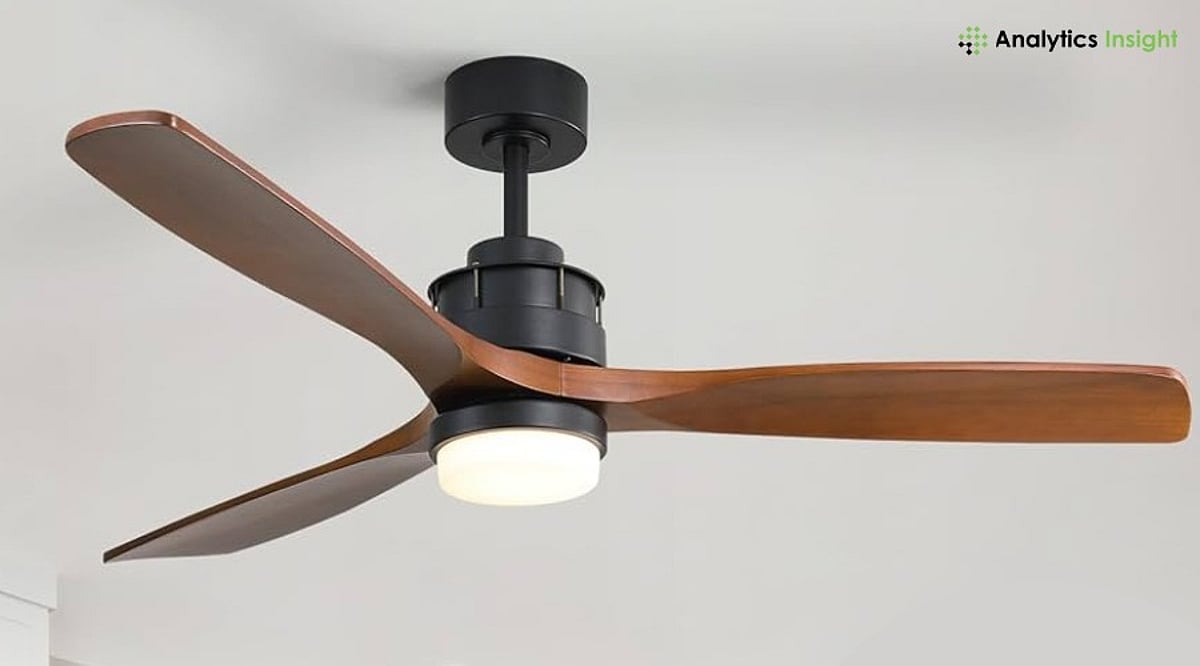
    2026 Best Silent Ceiling Fans for Bedrooms and Living Rooms: Top Quiet Picks Compared

    The latest silent ceiling fans are designed to keep your home cool without the constant humming associated with conventional models. This guide compares the best options in 2026 based on quiet performance, airflow, energy efficiency, features, and overall value.

    Overview

    Ten BLDC ceiling fans from Atomberg, Orient Electric, Havells, Crompton, and TVS, chosen for quiet operation and strong airflow. The comparison table covers sweep size, noise performance, air delivery, and price, with confirmed decibel figures marked separately from marketing language. The buying guide explains why decibel rating and air delivery (CMM) matter more than brand reputation alone.

    A ceiling fan’s job is to cool the room, not add to the noise in it. A fan that hums, clicks, or drones on can mess with your sleep, your focus, and just general comfort at home. This is where BLDC fans come in, since they run quieter than old-style fans and use a lot less power too. This guide looks at ten of the best silent ceiling fans you can buy in 2026, based on real specs, actual airflow, prices, and noise numbers the manufacturers themselves have put out.

    What Actually Makes a Fan Silent

    A decibel (dB) rating measures how loud a fan is directly beneath it at top speed. Anything under 55 dB is noticeably quieter than a standard fan, which typically runs at 65 dB or above. Air delivery, measured in CMM (cubic meters per minute), tells you how much actual airflow the fan produces. A fan can be dead silent and still underwhelming in a large room if its CMM figure is too low, so noise rating and air delivery need to be checked together, not one instead of the other. Sweep size also matters: 1200mm suits most standard 10×12 bedrooms, while larger living rooms benefit from a wider sweep or higher CMM.

    Not every silent fan on the market publishes an exact dB number. Several brands market fans as whisper-quiet or noiseless without an independently verified figure to back it up. Where that’s the case below, we’ve said so plainly rather than presenting a soft number as fact.

    Ten Silent Ceiling Fans Compared

    Prices marked entry tier or given as ranges are drawn from multiple retailer/aggregator listings rather than a single confirmed live price; check the current listing before buying. Figures exclude GST.

    Top Quiet Fans Compared in Detail

    1. Orient Electric Aerosilent – The quietest one on the list, backed by real lab testing at under 50 dB. It also picked up a Red Dot Design Award this year and is great for light sleepers. BUY NOW
    2. Atomberg Aris Contour Smart – Looks sharp, works with Alexa and Google, and runs on IoT. Since there is no official dB number, silence here is more of a promise than a proven fact. BUY NOW
    3. Crompton SilentPro Enso – Rated at 52 dB, Crompton actually stands by that number. It handles rough voltage well and is a safe pick for areas with power fluctuations. BUY NOW
    4. Crompton SilentPro Blossom – Same 52 dB motor as the Enso, but with smart controls and a built-in night light. A nice option if you want more tech. BUY NOW
    5. Atomberg Renesa Enzel – A solid budget pick under 58 dB. Price barely moves across sellers. Good if you want something reliable without extra features. BUY NOW
    6. Atomberg Renesa Elite Smart – Step up from the Enzel with app and voice control. Some buyers mention a slight whistle at one specific speed, so worth a listen before you commit. BUY NOW
    7. Havells Stealth Air BLDC+ Voice – Voice control works without Wi-Fi or an app. Noise rating is murky (listings disagree between 40 and 55 dB), so don’t take that number as gospel. BUY NOW
    8. Orient Aeroquiet Neu BLDC Pro – Simple, no smart features, just a solid quiet fan with a 5-star rating. No published dB number. Ensure you buy the Neu version; the older AeroQuiet has reviews for being noisier. BUY NOW
    9. Havells FAB BLDC ULED – Budget-friendly with reverse rotation for winter. Havells calls it low-noise but doesn’t give a number. Reviews are mixed on durability, so check recent ones. BUY NOW
    10. TVS Green Eternia – Runs both directions, handy for winter. One review site claims under 56 dB, but TVS hasn’t confirmed that number. BUY NOW

    Choosing the Right One for the Room

    A bedroom used for sleep should prioritize the Orient Aerosilent, the only fan on this list with an independently confirmed sub-50 dB rating. The Crompton SilentPro Enso or Blossom, both confirmed at 52 dB, are close seconds. A living room, where some background conversation or TV sound already exists, has more room to consider fans marketed as quiet without a hard number, like the Aris Contour or Aeroquiet Neu. Homes in areas with unstable voltage should lean toward the Crompton SilentPro Enso for its 90–300V tolerance.

    Final Thoughts

    Chasing a brand name alone won’t guarantee a quiet fan, and neither will a marketing phrase like whisper-quiet on its own. Where a manufacturer actually publishes and stands behind a decibel figure, checked against a real air delivery number for the room size, you have something to compare. Where they don’t, it’s worth asking why before assuming the fan is as silent as the packaging suggests.

    FAQs

    1. What makes a ceiling fan silent? A silent ceiling fan typically uses a BLDC motor, aerodynamic blade design, and balanced construction to minimize vibration and operating noise while maintaining efficient airflow.
    2. Are BLDC ceiling fans quieter than conventional ceiling fans? Yes. BLDC ceiling fans generally operate more quietly than conventional induction motor fans because they produce less vibration and offer smoother motor control, while also consuming less electricity.
    3. Which silent ceiling fan is best for a bedroom? The best silent ceiling fan for a bedroom is one that combines quiet operation, efficient airflow, low power consumption, and features such as a remote control or sleep mode for added convenience.
    4. Do silent ceiling fans consume less electricity? Most silent ceiling fans use BLDC motors that typically consume significantly less power than conventional ceiling fans, helping reduce electricity bills without compromising performance.
    5. What should I consider before buying a silent ceiling fan? Look for factors such as motor type, airflow (CMM), power consumption, sweep size, remote or smart features, warranty, and overall build quality to choose a fan that suits your room and cooling needs.
  • Razorpay vs PayU vs Cashfree: The Ultimate Payment Gateway Comparison for 2026

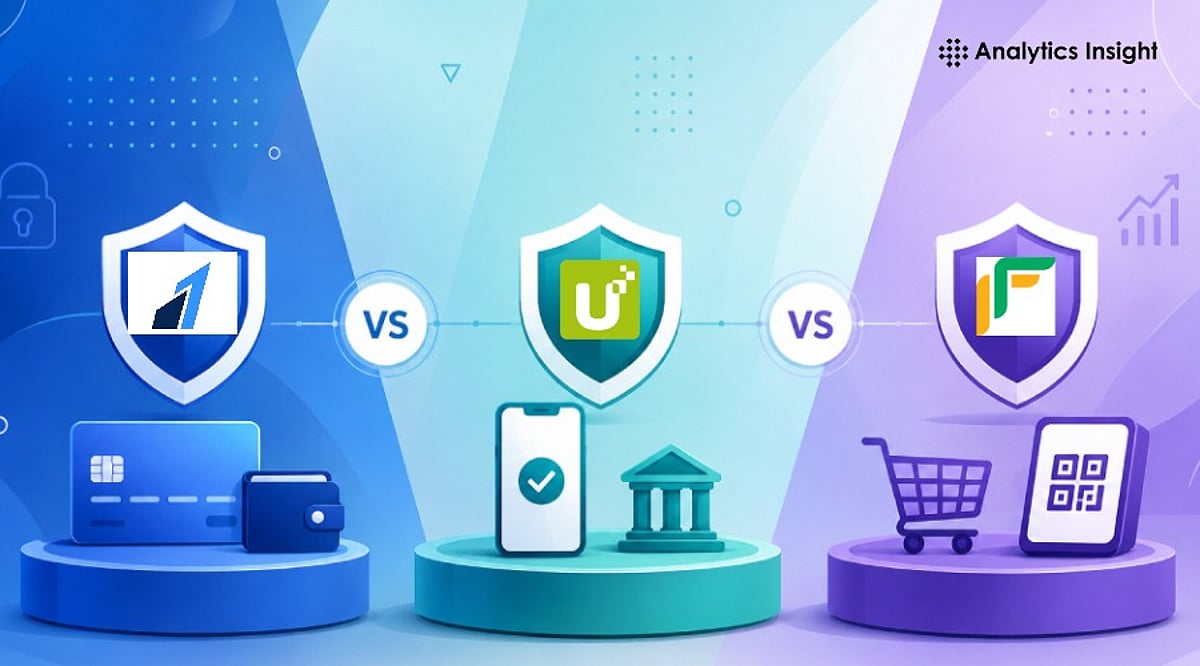
    Razorpay vs PayU vs Cashfree: The Ultimate Payment Gateway Comparison for 2026

    Choosing the right payment gateway is more than a technical decision—it directly impacts your customer experience, settlement speed, and long-term business growth. As we look ahead to 2026, three major Indian payment gateways stand out: Razorpay, PayU, and Cashfree. Each offers distinct strengths, making the best choice dependent on your specific business needs rather than just transaction fees.

    What Really Matters in a Payment Gateway

    Four key factors set these gateways apart: pricing, settlement speed, features, and developer experience. While transaction fees are important, integration quality, recurring billing support, payout capabilities, and payment success rates often have a greater impact on your bottom line. A low fee is attractive, but delayed settlements or poor operational support can quietly increase your costs over time.

    At a Glance

    This comparison focuses on pricing, settlement cycles, integrations, and business capabilities specific to India’s market, helping merchants make an informed decision for 2026.

    Payment Methods and Integrations

    All three gateways support UPI, credit and debit cards, net banking, and digital wallets. The real differences lie in advanced features:

    • Razorpay and Cashfree offer UPI AutoPay for recurring payments, payment links, and seamless integrations with Shopify, WooCommerce, and Magento.
    • PayU excels in international payments, with strong EMI and Buy Now Pay Later support, plus a broader range of global payment options.

    Security is consistent across all three: PCI DSS compliant, with fraud detection and tokenization.

    Razorpay: Broad Ecosystem, Transparent Pricing

    Razorpay charges a flat 2% + 18% GST on most domestic transactions (cards, UPI, net banking, wallets). Premium methods like EMI, corporate cards, and Amex/Diners cost 3% + GST. There are no setup or annual fees under the standard plan. Domestic settlements run on a T+2 cycle; international settlements take T+7. Note that UPI transactions may have zero MDR under government regulation, but platform fees can still apply.

    Razorpay stands out for subscription tooling, UPI AutoPay, and fast integration—ideal for SaaS and D2C businesses. High-volume merchants (above ~Rs. 50 lakh/month) can negotiate custom rates. Its dashboard provides success-rate breakdowns by payment method and issuing bank, helping diagnose failed transactions.

    PayU: Enterprise Scale, Negotiated Pricing

    PayU does not publish a standard rate card. Independent sources typically cite domestic pricing around 2% for cards, net banking, BNPL, and wallets, rising to ~3% for Amex, Diners, EMI, and international transactions. UPI fees can be negotiated below 1% at higher volumes. This approach offers flexibility for merchants with negotiating leverage.

    PayU’s value at scale comes from dedicated account management, established chargeback handling, and cross-border infrastructure supporting over 150 payment methods globally. The trade-offs include a longer onboarding process with more documentation and a merchant dashboard that users rate lower than Razorpay’s in usability.

    Cashfree: Lower Published Rate, Stronger Payouts

    Cashfree’s standard rate is 1.95% across payment modes for auto-activated merchants—slightly undercutting Razorpay’s published TDR. Setup and integration are free. Settlement follows the same T+2 default, with instant settlement available within 15 minutes for an additional charge.

    Cashfree’s primary differentiator is its payout infrastructure, widely recognized as best-in-class for marketplace and vendor disbursement workflows. Merchants should confirm current promotional pricing and any annual fees directly with Cashfree’s sales team, as some third-party sources report a fixed annual charge not listed in their public FAQ.

    Which Payment Gateway Suits Your Business?

    Subscriptions and Recurring Billing

    Razorpay is the stronger choice for subscription-driven and SaaS businesses. Its UPI AutoPay support and fast integration make it the most complete option for recurring billing.

    Vendor Payouts and Marketplace Settlements

    Cashfree is best positioned for marketplaces and vendor-heavy models. Its payout infrastructure and competitive transaction costs make it ideal where bulk disbursements are a core requirement.

    High Transaction Volume and Enterprise Scale

    PayU is the more appropriate choice for enterprises processing high volumes. Its negotiated pricing model and dedicated account support suit businesses with the scale to justify custom terms.

    Complex or Multi-Factor Requirements

    Businesses with international payment needs or those balancing success rates and costs should evaluate all three providers directly. The right choice depends on your specific payment mix and operational requirements.

    Final Thoughts

    Selecting a payment gateway is a long-term decision that shapes how your business handles money. Razorpay, PayU, and Cashfree each excel in different areas. The businesses that get this right are those that take the time to compare details, verify actual terms with each provider, and avoid jumping at the first option. This extra effort builds payment infrastructure that will hold up well beyond 2026.

    FAQs

    1. Which is the best payment gateway for 2026?

    There is no single best gateway for every business. Razorpay suits SaaS and subscriptions, Cashfree is ideal for marketplaces and payout-heavy operations, and PayU works well for enterprises needing negotiated pricing and dedicated support.

    2. How do Razorpay, PayU, and Cashfree differ in fees?

    Razorpay publishes a standard domestic fee of 2% + GST. Cashfree lists 1.95% for eligible merchants. PayU generally offers negotiated pricing based on volume.

    3. Which gateway is best for startups and small businesses?

    Razorpay is popular for its developer-friendly APIs, subscription tools, and straightforward onboarding. Cashfree is another strong option for competitive pricing and payout capabilities.

    4. Do they support UPI payments?

    Yes. All three support UPI, cards, net banking, and wallets. Razorpay and Cashfree also offer UPI AutoPay for recurring payments.

    5. What should businesses compare besides transaction fees?

    Compare settlement speed, success rates, integrations, recurring billing, payout capabilities, security, customer support, and scalability. These factors often have a greater long-term impact than fees alone.

  • How AI Data Centers Are Driving a Surge in Utility Mergers and Acquisitions

    How AI Data Centers Are Driving a Surge in Utility Mergers and Acquisitions

    The electric utility sector, once defined by predictable demand and slow infrastructure planning, is undergoing a seismic shift. AI data centers are driving unprecedented electricity demand, forcing utilities to merge, acquire assets, and expand infrastructure at a pace the industry hasn’t seen in years. This consolidation wave is reshaping the energy sector, highlighting the growing link between AI growth, grid modernization, and long-term energy security.

    The Deal That Changed the Conversation

    No transaction captures this shift better than NextEra Energy’s proposed acquisition of Dominion Energy. The $66.8 billion all-stock deal would create the largest regulated utility in US history, with an enterprise value of roughly $420 billion. The logic is straightforward: Dominion controls the electricity infrastructure across Virginia’s “Data Center Alley,” the world’s largest concentration of data centers, with nearly 51 gigawatts of contracted capacity serving customers like Amazon, Microsoft, Meta, and Google. For NextEra, acquiring that footprint isn’t just about adding customers; it’s about controlling the physical infrastructure that AI companies depend on to operate.

    Why Demand Growth Broke the Old Grid Planning Model

    For decades, US electricity demand stayed largely flat, allowing utilities to plan incrementally and regionally. That model has become obsolete. US data center power demand is projected to rise from 75.8 gigawatts in 2026 to 134.4 gigawatts by 2030, according to 451 Research, part of S&P Global. A single hyperscale AI campus can draw as much electricity as a small city, and utilities now face years-long buildout timelines just to keep pace. Nearly 2,300 gigawatts of generation and storage projects are currently sitting in US interconnection queues, a volume that exceeds the country’s entire installed power base, underscoring the severity of the grid capacity bottleneck.

    The Scale of the Dealmaking Wave

    The NextEra-Dominion deal is the headline transaction, but it’s far from the only one reshaping the sector. Power and utility M&A hit $203.6 billion in just the first five months of 2026, already surpassing all of 2025 combined. Deloitte’s M&A survey found that 78% of power and utilities executives pursuing transactions cited acquisitions or mergers as their top strategic priority, reflecting how scale itself has become necessary to access capital and execute deals efficiently.

    Why Scale Has Become Survival

    The strategic logic driving this wave comes down to a few compounding pressures: record capital expenditure needs, balance-sheet constraints, aging infrastructure, and the sheer speed at which hyperscalers need new capacity. Smaller, regionally focused utilities increasingly can’t fund the multi-decade infrastructure buildouts AI demand requires on their own, while larger, merged entities can spread that capital burden across a bigger regulated asset base. This is also pulling private capital deeper into a sector once dominated by traditional utility holding companies, with infrastructure investors like BlackRock’s Global Infrastructure Partners and EQT now directly acquiring utility platforms rather than simply financing them.

    Risks Consumers and Regulators Are Watching

    Not everyone views this consolidation wave favorably. Lawmakers and consumer advocates have warned that these mergers could translate into higher electricity costs and greater market concentration, since regulated utilities typically pass infrastructure spending on to ratepayers. At least 28 states had introduced bills by mid-2026 to roll back data center-related incentives, reflecting growing political pushback in regions where AI’s power demands are colliding with local affordability concerns. The Federal Energy Regulatory Commission is also under pressure to finalize new interconnection rules, while the future pace and shape of this consolidation wave will likely hinge on how regulators balance the need for infrastructure investment against concerns over pricing power and market concentration.

    Why This Matters

    Artificial intelligence is becoming one of the largest new consumers of electricity. As AI infrastructure expands, utilities must invest billions in generation and transmission capacity, making consolidation a strategic necessity while raising important questions about energy affordability, competition, and long-term grid resilience.

  • 5 Proven Smartphone Hacks to Extend Your Battery Life

    5 Proven Smartphone Hacks to Extend Your Battery Life

    Keeping your smartphone charged throughout the day can be a challenge. Fortunately, a few simple adjustments can significantly improve battery performance. Here are five effective hacks to help you get the most out of your device’s battery.

    1. Enable Battery Saver Mode

    Most smartphones include a built-in battery saver or low-power mode. Activating it reduces background activity, limits processor performance, and extends battery life—perfect for everyday use or emergencies when you need to conserve power.

    2. Reduce Screen Brightness

    The display is one of the biggest drains on your battery. Lowering screen brightness or enabling adaptive brightness can dramatically cut power consumption. Your eyes will thank you, and so will your battery.

    3. Limit Background Apps

    Apps running in the background consume battery through data syncing and processor activity. Close or restrict unnecessary apps to prevent them from draining power throughout the day. Check your phone’s settings to manage which apps can run in the background.

    4. Disable Unused Connectivity Features

    Bluetooth, GPS, Wi-Fi, and mobile hotspot continuously draw power even when not actively in use. Switch off these features when you don’t need them to stop silent battery drain. A quick toggle in your settings can make a noticeable difference.

    5. Keep Software Updated

    Manufacturers and app developers regularly release updates that include battery optimizations and power-related bug fixes. Installing the latest operating system and app updates ensures your device runs efficiently and helps maximize battery life.

  • Top GPUs for AI and Machine Learning Workloads in 2026: A Comprehensive Guide

    Top GPUs for AI and Machine Learning Workloads in 2026: A Comprehensive Guide

    As artificial intelligence and machine learning continue to evolve, the demand for powerful graphics processing units (GPUs) has never been higher. In 2026, several new and updated GPUs are set to dominate the market, offering exceptional performance for training, inference, and deployment of AI models. Below is a curated list of the best GPUs for AI and machine learning workloads in 2026, covering options from NVIDIA, AMD, and Intel.

    NVIDIA RTX 6090

    The NVIDIA RTX 6090 delivers exceptional AI training performance, massive VRAM, advanced Tensor Cores, and outstanding capabilities for generative AI and deep learning projects. It is the top choice for researchers and developers who need maximum compute power.

    NVIDIA RTX 6080

    The RTX 6080 offers powerful AI inference, high-speed processing, efficient energy consumption, and excellent value for researchers and AI developers building modern applications. It strikes a strong balance between performance and cost.

    NVIDIA RTX Pro 7000 Blackwell

    Built for enterprise AI, the RTX Pro 7000 Blackwell features enormous memory capacity, workstation reliability, advanced ray tracing, and the ability to handle demanding machine learning workloads worldwide.

    NVIDIA H300 Tensor Core GPU

    Optimized for large-scale AI model training, inference acceleration, enterprise deployment, and high-performance computing, the H300 Tensor Core GPU is a powerhouse for modern data centers globally.

    AMD Instinct MI400

    AMD’s Instinct MI400 provides competitive AI acceleration, strong memory bandwidth, enterprise scalability, and efficient processing for machine learning and scientific computing applications worldwide.

    AMD Radeon AI Pro R9700

    The AMD Radeon AI Pro R9700 delivers workstation-grade AI performance, creative acceleration, efficient multitasking, and optimized support for professional AI development environments and workflows.

    Intel Gaudi 4 Accelerator

    Intel’s Gaudi 4 Accelerator focuses on cost-effective AI training, scalable infrastructure, efficient networking, and enterprise deployment for advanced machine learning applications across industries.

    NVIDIA L50 GPU

    Designed for AI inference, virtualization, graphics acceleration, cloud deployment, and efficient enterprise AI workloads, the NVIDIA L50 GPU offers balanced performance and flexibility consistently.

    AMD Radeon RX 9900 XTX

    The AMD Radeon RX 9900 XTX offers strong local AI performance, gaming capabilities, content creation acceleration, and affordability for enthusiasts experimenting with machine learning projects regularly.

    NVIDIA RTX 5080

    The NVIDIA RTX 5080 balances AI performance, gaming power, efficient Tensor processing, and competitive pricing for developers, creators, and AI enthusiasts building personal workstations.

    For the latest news, exclusives, and videos, join our WhatsApp Channel.

  • 8 Virtual Game Cities That Would Make Amazing Real-World Homes

    8 Virtual Game Cities That Would Make Amazing Real-World Homes

    Video games transport us to incredible worlds, and some of their cities feel so alive and full of character that we can’t help but imagine living there. From neon-lit metropolises to serene canal towns, here are eight gaming cities that offer a surprisingly appealing lifestyle—if you’re brave enough to take the leap.

    Night City – Cyberpunk 2077

    Despite its dangers and corporate warfare, Night City pulses with endless opportunities. Adventurous residents can find jobs, nightlife, cutting-edge technology, and a raw sense of freedom that makes every day unpredictable. It’s a place for those who thrive on chaos and ambition.

    Los Santos – Grand Theft Auto V

    Los Santos blends sun-soaked beaches, rolling hills, and a vibrant entertainment scene. Every corner offers something new—from luxury mansions to gritty back alleys. It’s a lively, ever-changing city where excitement is just a drive away, perfect for thrill-seekers.

    Kamurocho – Yakuza Series

    Kamurocho is a bustling district that feels both overwhelming and welcoming. Packed with restaurants, arcades, bars, and quirky characters, it’s a place where you can always find a story or a meal. The neon glow and tight-knit community make it feel like home, even at midnight.

    Novigrad – The Witcher 3

    Novigrad is a medieval metropolis brimming with culture. Its thriving markets, talented craftsmen, and rich history create an atmosphere of endless discovery. Whether you’re a merchant, scholar, or adventurer, this city offers a vibrant, story-filled life.

    Vivec City – The Elder Scrolls III: Morrowind

    Built around canals and giant floating structures, Vivec City is a spiritual and architectural marvel. Its mysterious atmosphere and peaceful corners make it ideal for explorers seeking a sense of belonging in a fantastical setting. The city’s quiet beauty invites contemplation.

    Midgar – Final Fantasy VII

    Midgar may be crowded and flawed, but its energy and innovation are undeniable. The city’s strong communities and industrial heart offer a unique charm. For those who appreciate resilience and a sense of purpose, Midgar is a fascinating place to call home.

    Rapture – BioShock

    Rapture’s underwater Art Deco beauty and bold vision of a utopia still captivate the imagination. Despite its troubled history, the city’s grand architecture and isolated elegance make it a dream for anyone who loves mystery and ambition. Living here would be a daily adventure.

    Lumiose City – Pokémon X and Y

    Lumiose City shines with its cafés, fashion boutiques, and friendly locals. Its walkable streets and cheerful atmosphere make it a paradise for Pokémon trainers and anyone seeking a vibrant, safe urban life. It’s the perfect blend of modern comfort and whimsy.

    Which virtual city would you pack your bags for? Let us know in the comments!

  • Apple Files Lawsuit Against OpenAI, Alleging Theft of AI Hardware Trade Secrets

    Apple Files Lawsuit Against OpenAI, Alleging Theft of AI Hardware Trade Secrets

    Apple has initiated legal proceedings against OpenAI, accusing the ChatGPT developer of misusing confidential information to accelerate its artificial intelligence hardware initiatives. This lawsuit marks a significant shift in the previously collaborative relationship between the two tech giants, who had partnered on AI features in 2024. The dispute could reshape competitive dynamics in the rapidly evolving AI sector.

    Filed in the U.S. District Court for the Northern District of California, Apple’s complaint alleges that OpenAI and two former Apple employees improperly accessed and used proprietary information. The confidential data reportedly includes product designs, manufacturing processes, supplier details, and internal business strategies related to future hardware projects.

    Apple specifically names Tang Tan, former Vice President of Product Design, and Chang Liu, former Senior System Electrical Engineer, as defendants. The lawsuit also targets OpenAI entities and io Products, a hardware startup acquired by OpenAI. Apple asserts that these actions enabled OpenAI to expedite hardware development without investing equivalent resources in research and development.

    According to the complaint, Liu retained an Apple-issued laptop after leaving the company and later exploited a security vulnerability to access Apple’s internal network, downloading confidential hardware files. Apple also claims Tan forwarded supplier information and internal reports to himself before departing and encouraged job candidates to bring Apple components to interviews at OpenAI.

    Apple contends these activities were part of a broader effort to acquire trade secrets. The company also alleges that some OpenAI employees contacted Apple’s suppliers for proprietary production details. In one instance, a supplier reportedly shared a confidential metal finishing process under the mistaken belief that OpenAI had authorization.

    OpenAI has denied the allegations, stating it has no interest in using another company’s trade secrets and intends to defend itself vigorously. The court has not yet ruled on the case, and all claims remain unproven at this stage.

    The relationship between Apple and OpenAI had previously been cooperative, with Apple integrating ChatGPT into its devices via Apple Intelligence in 2024. Since then, both companies have advanced their respective AI strategies, intensifying competition in the fast-growing AI market.

    Industry experts suggest the lawsuit could influence how technology firms protect confidential information when hiring experienced personnel. A court decision may clarify the boundaries between professional expertise and corporate trade secrets, particularly as AI competition heats up.

    Apple also noted that over 400 former employees now work at OpenAI, acknowledging that employee movement is common in the tech industry. However, Apple argues that confidential company information should not follow employees when they change jobs.

    The legal action comes as OpenAI expands its focus on consumer hardware. The company’s acquisition of io Products, founded by former Apple designer Jony Ive, signals ambitions to develop a new AI device offering a different interaction paradigm. Analysts believe the lawsuit could affect OpenAI’s hardware plans and set precedents for hiring practices across the tech sector.

    Apple maintains that the lawsuit is intended to protect its intellectual property amid the intensifying AI race.