Blog

  • 10 High-Growth Stocks Under ₹500 to Watch in July 2026

    10 High-Growth Stocks Under ₹500 to Watch in July 2026

    Stocks trading below ₹500 continue to attract investors due to their affordable entry points, growth potential, and sector diversification. However, a low share price alone does not guarantee a good investment. Valuation, quarterly profit growth, sales performance, return on capital employed (ROCE), promoter holding, and debt levels are critical factors to evaluate before investing.

    Here are 10 stocks under ₹500 that stand out for July 2026.

    1. SPARC (Sun Pharma Advanced Research Company Ltd) – Engaged in pharmaceutical R&D. Trades at ₹239.10 with a market cap of ₹7,759.33 crore. P/E ratio of 4.92, quarterly net profit of ₹1,760.70 crore, sales of ₹1,853.22 crore, ROCE of 165%, and promoter holding of 65.67%.
    2. Crizac Ltd – International student recruitment platform. Trades at ₹200, market cap ₹3,499.67 crore. Quarterly profit up 50.26% to ₹74.50 crore, sales up 15.02% to ₹391.73 crore, ROCE of 52.34%, promoter holding of 79.94%, and zero debt.
    3. Emmvee Photovoltaic Power Ltd – Solar PV module and cell manufacturer. Trades at ₹362.95, market cap ₹25,128.66 crore. Profit up 89.43% to ₹392.38 crore, sales up 62.25% to ₹1,738.81 crore, ROCE of 44.83%, and promoter holding above 80%.
    4. Garuda Construction – Civil construction for residential and commercial projects. Trades at ₹179.50, market cap ₹1,670.08 crore. Profit up 90.80% to ₹34.42 crore, sales up 84.15% to ₹149.05 crore, ROCE of 41.81%, and debt-to-equity ratio of 0.03.
    5. Canara Robeco Asset Management Company Ltd – Mutual fund and investment advisory. Trades at ₹255.10, market cap ₹5,087.14 crore. Highest dividend yield in this list at 1.57%, quarterly profit of ₹41.36 crore, sales up 2.81% to ₹103.63 crore.
    6. Avana Electrosystems Ltd – Manufacturer of customized control and relay panels. Trades at ₹128, market cap ₹289.86 crore. Quarterly profit of ₹6.12 crore, sales of ₹48.11 crore, ROCE of 38.13%, and debt-to-equity of 0.01.
    7. DAM Capital Advisors Ltd – Investment bank. Trades at ₹151.70, market cap ₹1,072.34 crore. Profit of ₹0.26 crore (down 96.93%), sales down 20.05% to ₹29.23 crore, but strong ROCE of 35.64%.
    8. Fujiyama Power Systems Ltd – Rooftop solar solutions. Trades at ₹343.60, market cap ₹10,545.14 crore. Profit up 107.49% to ₹106.32 crore, sales up 87.52% to ₹900.77 crore, promoter holding of 86.77%, debt-to-equity of 0.41.
    9. Indo Thai Securities Ltd – Stock and share broking. Trades at ₹242.25, market cap ₹3,140.02 crore. Profit up 1,114.73% to ₹26.18 crore, sales up 555.38% to ₹38.34 crore, ROCE of 34.58%.
    10. Goel Construction – Trades at ₹427.90, market cap ₹618.30 crore. Profit up 36.84% to ₹29.49 crore, sales up 29.61% to ₹411.92 crore, ROCE of 34.23%, promoter holding of 71.83%, and debt-to-equity of 0.03.

    Also Read: NVIDIA Stock Struggles Below $200 as Vera Rubin Launch Draws Investor Focus

    Final Thoughts

    Stocks under ₹500 such as SPARC, Crizac, Emmvee Photovoltaic, Garuda Construction, Fujiyama Power, and Indo Thai Securities exhibit strong profit growth, attractive ROCE, and sector-specific opportunities. However, investors should evaluate valuations, earnings consistency, debt levels, and underlying business fundamentals before making any decisions.

    Frequently Asked Questions

    1. Which stocks under ₹500 are worth watching in July 2026?

    SPARC, Crizac, Emmvee Photovoltaic, Garuda Construction, Canara Robeco, Avana Electrosystems, Dam Capital Advisors, Fujiyama Power, Indo Thai Securities, and Goel Construction are key names due to valuation, growth, ROCE, promoter holding, or low debt.

    2. Why is SPARC included?

    SPARC trades at ₹239.10 with a low P/E of 4.92, market cap of ₹7,759.33 crore, quarterly profit of ₹1,760.70 crore, and ROCE of 165%.

    3. Which stock has the highest dividend yield?

    Canara Robeco offers the highest dividend yield at 1.57%, trading at ₹255.10 with sales growth of 2.81%.

    4. Which companies showed strong quarterly profit growth?

    Indo Thai Securities (1,114.73% jump), Fujiyama Power (107.49%), Garuda Construction (90.80%), and Emmvee Photovoltaic (89.43%) led profit growth.

    5. Are stocks under ₹500 always good investments?

    No. Low share price alone is insufficient. Investors must check earnings quality, valuation, debt, promoter holding, industry outlook, and growth consistency.

    Disclaimer: This article is for informational purposes only and does not constitute financial advice. Always conduct your own research before investing.
  • Bitcoin Price at Critical Crossroads: Will BTC Break $60K or Slide to $49K?

    Bitcoin Price at Critical Crossroads: Will BTC Break $60K or Slide to $49K?

    Bitcoin has entered July 2026 under intense market pressure. As of July 2, 2026, BTC trades near $58,800 — one of its weakest price levels in over a year. The market has remained unstable for weeks, causing concern among traders and investors worldwide.

    In recent days, Bitcoin suffered another major decline, dropping to nearly $57,950 — the lowest level in almost 21 months. After touching that low, the cryptocurrency staged a modest recovery, moving back into the $58,600–$59,000 range. Despite this slight uptick, the overall trend remains bearish.

    This latest fall has surprised many market observers, given that Bitcoin reached an all-time high near $126,000 in late 2025. The stark contrast between that peak and the current price underscores how quickly crypto markets can shift.

    Current Price Reflects Weak Market Sentiment

    Sellers have clearly taken control. Bitcoin lost nearly 20% in June 2026 alone, making it one of the worst months for the asset this year. Year-over-year, Bitcoin has fallen roughly 44%, fueling fear across the crypto ecosystem. Trading volumes remain elevated, suggesting that many traders are rapidly entering and exiting positions amid uncertainty.

    Technical indicators also point to weakness. Bitcoin now trades below key long-term levels that institutional investors typically monitor — most notably the 200-week exponential moving average. Historically, when BTC falls below this threshold, it often enters a prolonged correction. Many analysts draw parallels to the 2022 crypto crash, when Bitcoin remained under pressure for months before recovering.

    Key Price Levels Under Watch

    Bitcoin faces formidable resistance near $60,000. Every recent recovery attempt has stalled at this zone, and buyers have failed to push through with conviction. On the downside, $57,500 serves as immediate support. A breakdown below this level could trigger a slide toward $53,000–$54,000, and if selling intensifies, the market may target $49,000 — what many analysts call the most dangerous short-term level.

    Conversely, a decisive break above $60,000 could restore market confidence and set the stage for a recovery toward $64,000. Analysts view the $60,000 zone as the most critical pivot point for Bitcoin’s near-term direction.

    Headwinds From Institutional and Regulatory News

    Recent developments have added to the selling pressure. Citigroup, a major global financial institution, slashed its 12-month Bitcoin forecast from $112,000 to $82,000, citing weak investor demand and slow progress on U.S. crypto regulation. Meanwhile, Bitcoin ETFs have seen nearly $3.3 billion in outflows during 2026, signaling diminished institutional confidence.

    Investor attention has also shifted to other sectors, particularly artificial intelligence and semiconductors, diverting capital away from digital assets. Adding to the unease, Strategy Inc. (formerly MicroStrategy) reportedly sold part of its Bitcoin holdings in June, rattling a market already on edge.

    What’s Next for Bitcoin?

    The path ahead remains uncertain, with analysts offering divergent views. Conservative forecasts suggest Bitcoin could recover to $82,000–$100,000 by year-end if institutional demand returns and ETF inflows resume. More bullish projections see BTC reaching $120,000–$180,000 by late 2026, driven by limited supply, rising global adoption, and improved market confidence.

    However, bearish scenarios persist. If recession fears mount and institutional money continues to exit, Bitcoin could fall to $40,000–$50,000 before finding a stable floor.

    Final Market Snapshot

    Bitcoin stands at a pivotal juncture. The current price near $58,800 reflects fear, weak short-term confidence, and extreme caution among investors. The next move hinges on two critical levels: $60,000 resistance and $57,500 support. Long-term belief in Bitcoin remains intact, as adoption continues worldwide, but short-term signals are undeniably fragile.

    As the second half of 2026 begins, the crypto market confronts one of its most uncertain periods in recent years, and all eyes remain fixed on Bitcoin as traders await the next major move.

  • Adani Energy Solutions Shares Jump 2% to ₹1,553 Following ₹10,000 Crore QIP Announcement

    Adani Energy Solutions Shares Jump 2% to ₹1,553 Following ₹10,000 Crore QIP Announcement

    Adani Energy Solutions Ltd (AESL) shares climbed approximately 2.12% to trade around ₹1,553.60 during Thursday’s session, after the company announced plans to raise up to ₹10,000 crore through a Qualified Institutional Placement (QIP). The stock touched an intraday high of ₹1,570.30, reflecting renewed investor confidence in the company’s long-term expansion strategy.

    ₹10,000 Crore QIP to Fuel Infrastructure Growth

    The board of Adani Energy Solutions has approved raising ₹10,000 crore via a QIP or other eligible securities, subject to shareholder and regulatory approvals. A QIP allows listed firms to raise equity capital from institutional investors without the lengthy process of a public issue. Shareholders will vote on the proposal at an Extraordinary General Meeting (EGM) scheduled for July 25, while the board will review the company’s June-quarter results on July 21.

    Why the Capital Raise Matters

    India’s power sector is undergoing significant expansion, driven by rising electricity consumption, growth in renewable energy, and grid modernization. The fresh capital will help Adani Energy Solutions compete for large transmission and distribution projects, accelerate ongoing initiatives, and maintain a strong balance sheet without over-reliance on debt.

    Potential Deployment of Funds

    Although the company has not disclosed a detailed utilization plan, industry experts anticipate the capital will support expansion across key business segments, including power transmission, electricity distribution, and smart meters. The infusion is expected to strengthen financial flexibility and enable the firm to bid for additional infrastructure contracts.

    Investor Sentiment and Stock Performance

    The fundraising news has bolstered investor sentiment. The stock has recovered sharply from its 52-week low of approximately ₹745.45 and recently reached a 52-week high of around ₹1,614, indicating robust long-term interest. The proposed QIP may lead to some equity dilution, but analysts believe efficient deployment could accelerate growth and enhance shareholder value over time.

    Industry Tailwinds

    India’s heavy investments in renewable energy will require substantial transmission assets to connect new solar and wind plants to the grid. Adani Energy Solutions, with its expanding footprint in transmission, distribution, and smart metering, is well-positioned to capitalize on these trends. Key indicators for investors include project progress, regulated asset base growth, earnings per share impact, and debt management.

    Market Outlook

    The ₹10,000 crore QIP signals Adani Energy Solutions’ ambition to strengthen its position in India’s evolving power infrastructure landscape. While equity dilution is a near-term consideration, the additional capital could support sustained expansion, provided it is deployed efficiently. The upcoming June-quarter results will provide further clarity on the company’s financial health and growth trajectory.

    Disclaimer: This article is for informational purposes only and does not constitute investment advice. Readers should conduct their own research before making any investment decisions.

  • FTSE 100 Edges Higher as Brent Crude Drops; Bailey Rules Out Rate Cut, Currys and Halma Post Gains

    FTSE 100 Edges Higher as Brent Crude Drops; Bailey Rules Out Rate Cut, Currys and Halma Post Gains

    The FTSE 100 traded 24.96 points higher near 10,503 on July 2, buoyed by dovish commentary from central bankers at the Sintra forum, which offset pressure from declining oil prices linked to progress in US-Iran talks. Brent crude futures fell 0.78% to $71.01 a barrel, while US West Texas Intermediate (WTI) declined 0.74% to $68.07 a barrel.

    Gainers & Losers

    On the upside, Compass Group rose 2.47% to $32.82, Tesco advanced 2.29% to £469.80, and AstraZeneca gained 1.70% to £14,090. Babcock International Group moved up 1.65% to £1,017.50, Sainsbury’s added 1.63% to £336, and GSK climbed 1.53% to £1,959.50.

    On the downside, RELX declined 2.20% to £2,308, Spirax Group slipped 1.62% to £6,675, and Computacenter fell 1.27% to £4,358. Next moved lower by 1.23% to £14,515, Diploma eased 0.84% to £7,125, and Rio Tinto edged down 0.69% to £7,048.

    Andrew Bailey Says Interest Rate Cut Off the Table

    Bank of England Governor Andrew Bailey stated that an interest rate cut is “off the table at the moment,” the clearest signal yet that borrowing costs are likely to stay elevated. “There was an expectation that we would cut rates this year,” he said. “That was off the table in March, and it’s off the table at the moment.” Bailey backed the Monetary Policy Committee’s decision to hold rates at 3.75% in June.

    Currys Revenue Rises

    Tech retailer Currys reported a 3% uptick in UK and Ireland revenue, reaching £5.4 billion, after outperforming the market through increased AI technology sales and the launch of new gaming devices. In the Nordics, revenue increased 12%. Profit before tax climbed 29% to £153 million, which included £34 million in restructuring costs. The group’s omnichannel sales strategy contributed 33% of UK sales. The board declared a final dividend of £2.25, bringing the full-year dividend to £3, and initiated a £50 million share buyback programme.

    Halma Unveils £55 Million Deals

    Halma announced nearly £55 million worth of acquisitions this morning, buying two firms to strengthen its position in specialist health markets. The tech group purchased Dutch digital platform itemedical for £20 million to expand its hospital workflow management offering, and Swedish firm Naslund Medical for £34 million. CEO Marc Ronchetti said the firms operate in areas with “long-term growth drivers and provide a strong platform for continued innovation and international expansion.”

    Global Market View

    In the US, Wall Street closed lower: the Nasdaq fell 0.7%, the S&P 500 declined 0.2%, and the Dow Jones lost 14 points (0.03%). In Asia, South Korea’s Kospi fell 7.89% to 7,648.09, Japan’s Nikkei 225 dropped 2.47% to 68,733.15, and Taiwan’s TAIEX dipped 0.58%. India’s Nifty 50 and Sensex both rose 0.57% and 0.62%, respectively.

  • Quordle July 2, 2026: Hints, Answers, and Winning Strategies for Today’s Puzzle

    Quordle July 2, 2026: Hints, Answers, and Winning Strategies for Today’s Puzzle

    Today’s Quordle challenged players with a mix of descriptive, grammatical, and everyday vocabulary. The hints guided solvers toward four unique words, while the final answers rewarded logical thinking, word association, and pattern recognition skills.

    Quordle continues to test word-game enthusiasts with four puzzles to solve simultaneously, making it a tougher challenge than traditional Wordle. If today’s game has left you scratching your head, don’t worry. We’ve rounded up spoiler-free hints to guide you in the right direction before revealing the complete answers. Try solving the puzzle using the clues first, then scroll down only if you’re ready for the solutions.

    Today’s Quordle Hints

    Looking for some hints? Here are the hints for all four words:

    • Word 1 (Top Left): An adjective that means large, weighty, and hard to move.
    • Word 2 (Top Right): The act of analyzing a sentence by breaking it up into its parts.
    • Word 3 (Bottom Left): Ends the phrase ‘As above, so ____.’
    • Word 4 (Bottom Right): Something you watch on the big screen at a cinema.

    Additional Clues: None of today’s four words contain repeated letters. The starting letters are:

    • B (Word 1)
    • P (Word 2)
    • B (Word 3)
    • M (Word 4)

    If you’re still working through the puzzle, this is your final spoiler warning.

    Today’s Quordle Answers

    These are the answers to today’s Quordle:

    • BULKY
    • PARSE
    • BELOW
    • MOVIE

    Conclusion

    Today’s Quordle included vocabulary, grammar, and common phrases. With descriptive hints given for BULKY and MOVIE, these two were relatively easy to decipher. The word PARSE might have been difficult for those who did not understand its meaning in linguistics. As for BELOW, the hint ‘as above, so below’ would have made the word easier to solve.

    Regardless of whether you figured out all four words accurately without any hints or whether you used hints to figure out the Quordle, every Quordle makes you a better learner and improves your vocabulary skills. It does not matter if you found today’s Quordle hard; do not be disheartened; keep practicing, and you will do better. See you tomorrow for more answers.

  • DJI Mavic 4 Pro Review: Is the $2,199 Flagship Drone Worth the Investment?

    DJI Mavic 4 Pro Review: Is the $2,199 Flagship Drone Worth the Investment?

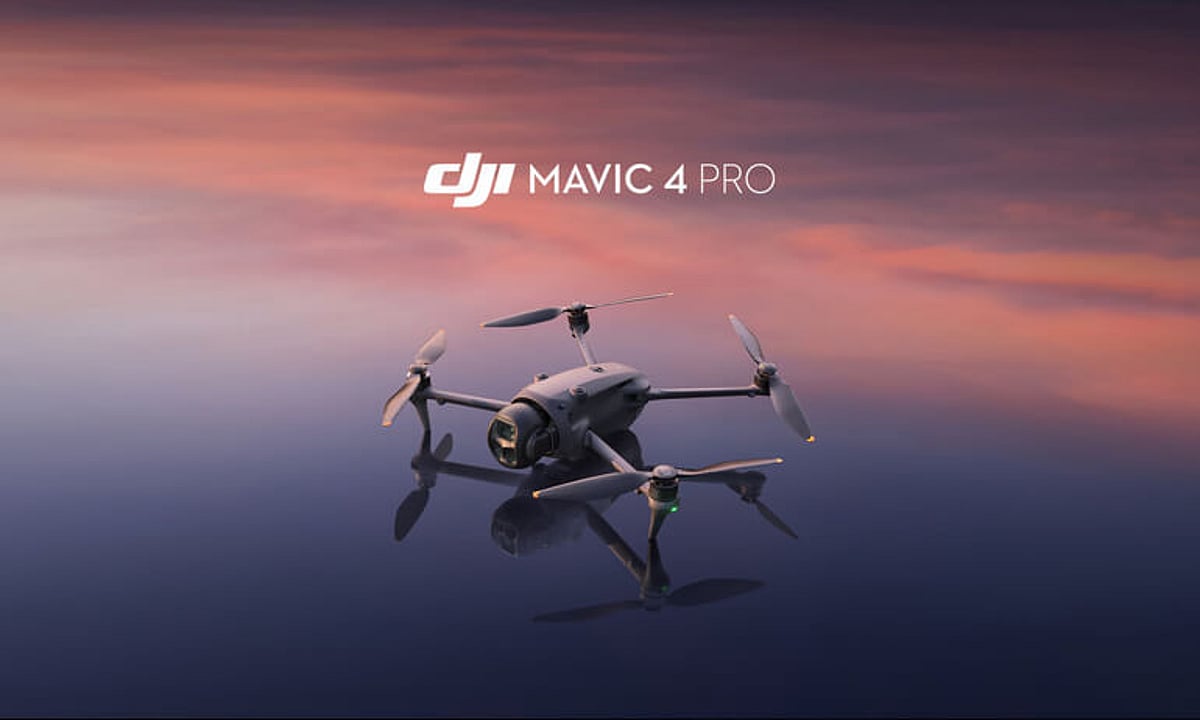
    If you are reading this, you already know the DJI Mavic 4 Pro is not a casual purchase. It starts at $2,199 for the base configuration, and the buyers who should actually own one are working photographers, professional videographers, and committed prosumers who will use every capability the drone offers. For everyone else, there are smaller, cheaper, more practical options in the lineup.

    This review is for the people in the first group. If aerial work pays you, or if you are serious enough about it that the price tag is justified by what the gear unlocks, here is what the Mavic 4 Pro actually delivers and whether it earns the investment.

    The Triple Hasselblad Camera System

    The Mavic 4 Pro carries a triple-camera system co-engineered with Hasselblad, and this is where the drone justifies most of its price.

    The three focal lengths cover the working ranges that pros actually shoot:

    • 28mm for wide establishing shots, sweeping landscapes, and immersive perspectives that put the scene in context
    • 70mm for medium-tight compositions where you need to isolate a subject without losing environmental context
    • 168mm for compressed telephoto work that makes distant subjects feel close and creates the cinematic look you cannot fake in post

    The wide camera captures up to 8K video at 30fps and 100MP stills. Real-world translation: you can crop aggressively in post and still deliver footage that holds up at 4K, you can pull stills from video clips that work as full publication-quality photographs, and you have headroom for the kind of color and detail work that distinguishes paid commercial output from hobbyist content.

    What the multi-focal system changes in practice is how you shoot. With a single fixed-focal drone, you have to fly closer to get tighter shots, which limits angles and burns battery time on repositioning. With three focal lengths in one body, you stay in optimal flight position and switch focal lengths to compose differently. Real estate shoots get faster. Travel work gets more varied. Commercial productions get more usable footage in fewer takes.

    The Infinity Gimbal

    The Infinity Gimbal is the single most creatively significant feature on the Mavic 4 Pro, and it does not get the attention it deserves in most reviews.

    Traditional drone gimbals have angular limits. They can tilt down and rotate within a constrained range. The Infinity Gimbal removes that limit and allows full 360-degree rotation. That opens up shots that were previously impossible on consumer drones:

    • True Dutch angles where the horizon tilts dramatically, creating the unsettled cinematic feel typically reserved for narrative film work
    • Straight-down perspectives that go fully vertical, then continue rotating to reveal new framings without repositioning the drone
    • Vertical panning that sweeps from ground to sky in a single continuous motion, creating reveal shots that pulled cinematographers used to need a crane or a helicopter for
    • Continuous rotational sequences that pivot the entire frame while the drone holds position

    If you have spent any time trying to fake these moves on previous drones through complicated compound flight maneuvers, you know how much work the Infinity Gimbal removes from the shoot. It is the difference between planning a shot for thirty minutes and just executing it.

    Flight Performance and Reliability

    Pro-grade aerial work demands gear that performs reliably under pressure. The Mavic 4 Pro is built around that requirement.

    Flight time reaches up to 51 minutes per battery. That is not just an impressive number on a spec sheet. It is the difference between being able to actually shoot a sequence, fly back, and reposition without burning the battery, and having to constantly cycle batteries mid-shoot. For commercial work where you are billing hours and trying to hit specific shot lists, this changes how you plan a shoot day.

    APAS 6.0 omnidirectional obstacle avoidance protects the drone from collisions in every direction. For tight environments, complex urban shooting, or low-light work where visual judgment gets compromised, this is the system that prevents the most expensive accidents.

    Return-to-home reliability has been refined across multiple generations. The Mavic 4 Pro is designed to come back to where it took off even when signal degrades, when batteries get low, or when you lose track of where you are flying. For pro work where losing a drone is not just expensive but potentially catastrophic for a client commitment, this dependability is the baseline that justifies professional gear.

    Transmission range and signal quality have similarly been engineered for working conditions. The Mavic 4 Pro maintains stable video feed at extended distances and through interference patterns that would have dropped earlier generations.

    Honest Positioning: Who Should Actually Buy This

    This part matters more than most reviews acknowledge.

    The Mavic 4 Pro is not for casual aerial enthusiasts. At $2,199 base, with realistic accessory bundles pushing total investment well past $3,000, this is a tool for people who will use the capability and recover the investment through the work they produce.

    The right buyers are:

    • Working photographers and videographers who shoot commercial, real estate, wedding, or editorial work where aerial deliverables are part of the engagement. The Mavic 4 Pro pays for itself in client retention and quality differentiation.
    • Cinematographers and documentary filmmakers producing content where production value matters and where the Infinity Gimbal and multi-focal system actually unlock shots they cannot get otherwise.
    • Committed enthusiasts with the budget, time, and creative ambition to use every capability the drone offers. If you fly multiple times a month, push your craft seriously, and want gear that will not bottleneck your development, you are in this category.

    Buyers who mainly fly occasionally, want a drone for vacation footage, or are upgrading from smartphone video may want to consider some of the smaller and more affordable options in the DJI Drone lineup first. Depending on your needs, models from the Mini or Air series can provide excellent image quality, portability, and ease of use while delivering outstanding value. The higher-end models are generally recommended for users who need advanced features, extended flight capabilities, or more demanding professional workflows.

    Being honest about this matters. The Mavic 4 Pro is DJI’s flagship consumer drone, bringing together the company’s most advanced imaging, flight, and creative features in a single platform. It is designed for users who want access to DJI’s highest-end consumer drone capabilities. But the best gear for a hobbyist is not the most expensive gear. The best gear is the gear they will actually use to its potential.

    What to Look For When Buying in the US

    At this price point, where you buy is not a small consideration. The DJI brand is the same worldwide, but the buying experience and the post-purchase support are not.

    For a Mavic 4 Pro purchase, look for a retailer that:

    • Holds US stock in domestic warehouses, not international or grey-market inventory imported through unauthorized channels
    • Provides the full official DJI manufacturer warranty on every unit, including the standard 1-year coverage
    • Ships domestically within a few business days, not weeks from overseas
    • Has US-based customer support you can actually reach if anything goes wrong

    Grey-market imports often lack warranty coverage entirely. If something fails three months in, you have no local recourse. For a $2,199 piece of equipment that you may be depending on for paid work, that risk profile is unacceptable.

    DJI USA is an authorized US reseller stocking the Mavic 4 Pro with domestic shipping and the full 1-year manufacturer warranty included on every unit. For a drone in this category, those four criteria are not optional.

    The Bottom Line

    If you make money from aerial content, or if you are committed enough to push your craft to the level that justifies professional gear, the DJI Mavic 4 Pro is worth $2,199. The triple Hasselblad camera system delivers footage that competes with significantly larger and more expensive cinema rigs. The Infinity Gimbal unlocks creative possibilities that simply do not exist on other consumer drones. Flight performance and reliability are engineered for working conditions where gear cannot fail.

    The Mavic 4 Pro is the best consumer drone DJI makes in 2026, and for the right buyer, it earns every dollar of the asking price. The only question is whether you are that buyer. If you are, you already know.

    Check the DJI Mavic 4 Pro product page for current pricing, configurations, and availability.

  • Link11 Launches Next-Gen Network DDoS Protection to Stop Attacks Before They Impact Infrastructure

    Link11 Launches Next-Gen Network DDoS Protection to Stop Attacks Before They Impact Infrastructure

    Link11, a leading European provider of cloud-based cybersecurity solutions, has announced the launch of its completely rebuilt Layer 3/4 DDoS mitigation solution. Designed to address the growing complexity of modern network attacks, the new platform combines behavior-based, AI-driven detection with full IPv4 and IPv6 coverage for modern infrastructures.

    Today’s DDoS attacks are no longer simple volume or protocol attacks. They can originate from compromised devices within trusted networks, mimic real traffic, and appear in short, high-intensity bursts that leave little time for manual response. The Next-gen Network DDoS Protection from Link11 is built to counter these evolving threats with greater automation and less reliance on manual tuning.

    The platform is designed entirely with European data sovereignty in mind, running on Link11’s own cloud infrastructure with security data hosted in Europe. This enables companies to maintain control over their data, mitigate legal uncertainties, and minimize reliance on non-European cloud providers.

    Previous solutions often relied on rigid rule systems and static thresholds. While effective against volumetric attacks, this approach is no longer sufficient against today’s AI-driven, adaptive attack patterns. Link11 rebuilt the Network DDoS solution from the ground up, combining insights from more than one million mitigated attacks with deep learning to deliver faster, smarter, and more precise protection.

    “Today’s DDoS attacks are increasingly AI-generated, precise, and designed to outsmart traditional detection logic,” said Jens-Philipp Jung, Link11’s CEO. “After more than 12 months of development and testing, we don’t see this product as just an update. Rather, we see it as a complete redesign: a platform that keeps pace with the current threat landscape and will also meet future requirements.”

    With Next-Gen Network DDoS Protection, Link11 goes beyond traditional behavioral analysis by analyzing and mitigating each attack vector individually. Rather than responding with a blanket response, targeted countermeasures are initiated. This significantly reduces false positives and accelerates mitigation time to under three seconds for unknown vectors, down from the previous under 10 seconds.

    Built on state-of-the-art technology, the new solution provides real-time logs, reason codes, and a completely redesigned dashboard. Security teams gain deep visibility into how attacks unfold and how mitigation measures are applied. During an attack, teams can quickly see which traffic is being blocked or allowed, why those decisions are being made, and which services remain available.

    “One guiding principle drove the development of this new solution: resilience is not a technical metric, but a business promise. Next-gen Network DDoS Protection is designed to help users keep this promise,” explained Marc Lamik, CPO of Link11.

    The platform continuously learns from live traffic patterns and adapts its detection logic automatically, significantly reducing the need for manual fine-tuning and SOC team intervention. It provides full IPv4 and IPv6 coverage for consistent protection across modern dual-stack infrastructures.

    For existing customers, switching to the new version requires no configuration effort. The migration involves an internal routing change and does not cause any downtime. Baselines and configurations are preserved, and protection remains uninterrupted during the switch.

    Next-gen Network DDoS Protection is now available for existing and new Link11 customers.

    About Link11

    Link11 is a leading European IT security provider that protects global infrastructures and web applications from cyberattacks. Its cloud-based IT security solutions help companies worldwide strengthen the cyber resilience of their networks and critical applications and prevent business disruptions. Link11 is a BSI-qualified provider of DDoS protection for critical infrastructure. The company meets the highest standards in data security and compliance with PCI DSS, SOC 2 Type II, BSI C5, and ISO 27001.

    This is a paid press release published via CyberNewswire, a PR newswire syndication platform for cybersecurity companies.

  • Ethereum Price Prediction: Could ETH Hit $10,000 by 2030?

    Ethereum Price Prediction: Could ETH Hit $10,000 by 2030?

    Key Takeaways

    • Ethereum remains the dominant blockchain for DeFi, stablecoins, and NFTs despite current market weakness.
    • Institutional adoption and staking mechanisms continue to strengthen Ethereum’s long-term growth prospects.
    • A $10,000 ETH price by 2030 is considered feasible if market conditions remain favorable.

    Ethereum, the second-largest cryptocurrency by market capitalization, continues to be a cornerstone of the blockchain ecosystem. Despite trading around $1,550–$1,650 in July 2026—well below its 2021 all-time high of $4,891—many analysts maintain a bullish long-term outlook. The central question remains: Can Ethereum reach $10,000 by 2030?

    Ethereum’s Current Market Position

    2026 has been a challenging year for Ethereum. High interest rates, economic uncertainty, and a broad crypto market downturn have kept prices under pressure. However, market weakness does not diminish Ethereum’s network dominance. It remains the backbone of decentralized finance (DeFi), hosts the premier NFT platforms, and handles massive stablecoin volume daily.

    Institutional Interest Could Push Prices Higher

    Rising institutional interest is a major factor behind positive analyst sentiment. Large financial firms are exploring crypto investments through ETFs and regulated products. Standard Chartered has issued one of the most aggressive forecasts, projecting Ethereum could reach $40,000 by 2030 under favorable conditions. Such predictions underscore the strong institutional belief in Ethereum’s future.

    Network Upgrades Continue to Improve Ethereum

    Developers are actively working on upgrades to improve transaction speed, reduce gas fees, and increase scalability. These technical improvements aim to address historical issues like high fees during periods of high demand. Successful upgrades could strengthen Ethereum’s position relative to newer, faster blockchains.

    Staking Creates Supply Pressure

    Ethereum’s transition to Proof-of-Stake has locked a significant portion of ETH in staking contracts, reducing circulating supply. When supply is limited and demand rises, prices tend to increase. This reduced supply is a key long-term advantage that could support price growth.

    Stablecoins and Real-World Assets Add Value

    Ethereum leads in stablecoin infrastructure, with USD Coin and Tether processing billions in transactions daily. Additionally, tokenization of real-world assets—bonds, real estate, traditional financial products—is gaining traction, and Ethereum remains the preferred network for many such projects, adding utility and demand.

    Risks That Could Slow Growth

    Despite the positive outlook, Ethereum faces challenges. Competition from newer blockchains like Solana and Sui, which offer lower fees and faster transactions, continues to attract developers. Regulatory uncertainty also looms, with governments worldwide debating crypto laws, taxation, and investor protections. Strict regulations could dampen adoption and market sentiment.

    Can Ethereum Reach $10,000 by 2030?

    For Ethereum to hit $10,000, its price would need to rise nearly sixfold from current levels. While ambitious, many market forecasts consider this target realistic if favorable conditions develop. Conservative estimates place ETH between $5,000 and $7,000 before 2030, while more bullish predictions exceed $10,000. Some institutional forecasts even suggest $40,000 during a strong crypto cycle.

    Why This Matters

    The disconnect between Ethereum’s depressed price and its unrivaled dominance in stablecoins, staking, and asset tokenization creates a unique market anomaly. This utility floor keeps banking giants bullish on a long-term structural recovery to $10,000.

    Final Outlook

    Ethereum remains a strong long-term investment option in the crypto space. Despite weak short-term performance, its fundamentals—leadership in DeFi, growing institutional adoption, stablecoin usage, and ongoing network upgrades—make it a viable candidate for future growth.

    FAQs

    1. What is Ethereum’s current price status in July 2026?

    Ethereum is trading under heavy pressure in the $1,550–$1,650 range, far below its historical peaks.

    2. Is a $10,000 target for Ethereum by 2030 realistic?

    Yes, many institutional analysts view it as structurally feasible, contingent on network upgrades, institutional inflows, and regulatory clarity.

    3. Why do financial institutions maintain a bullish long-term outlook despite the current slump?

    Ethereum processes over 50% of the world’s stablecoins, serves as the premier layer for tokenizing real-world assets, and has over 30% of its total supply locked in staking contracts.

    4. What are the main risks that could derail Ethereum’s long-term growth?

    Primary risks include competition from faster blockchains like Solana and Sui, macroeconomic pressures from high interest rates, and shifting international regulatory frameworks.

    5. What is the highest institutional price prediction for Ethereum?

    Standard Chartered has forecasted Ethereum could reach $40,000 by 2030, drawing comparisons to Amazon’s post-dot-com recovery.

    Disclaimer: This article is for informational purposes only and does not constitute investment advice. Cryptocurrency investments are risky; always conduct your own research.

  • BlockDAG Boosts World Cup Bonus to 100% While Ethereum Faces Resistance and MemeCore Rallies Briefly

    BlockDAG Boosts World Cup Bonus to 100% While Ethereum Faces Resistance and MemeCore Rallies Briefly

    The cryptocurrency market presents a mixed picture today as three major stories unfold. MemeCore (MEME) shows a short-term price jump, while Ethereum (ETH) struggles under heavy resistance. Meanwhile, BlockDAG (BDAG) has doubled its World Cup bonus to 100%, drawing significant attention from traders.

    MemeCore Crypto News: Temporary Gains with Long-Term Risks

    Recent MemeCore crypto news indicates a 15.2% price surge to $0.78, bringing its market cap back to $861.12 million. Daily trading volumes reached $16.67 million, reflecting steady liquidity. The price has climbed above its 20-day moving average of $0.7197 and 50-day average of $0.6573, leading some analysts to project a 71% chance of further upside into the $0.631 to $0.9466 range.

    However, the coin remains well below its 200-day moving average of $2.2263, indicating that the recovery is fragile and medium-term risks persist.

    Ethereum Price Chart: Weak Demand Limits Recovery

    The Ethereum price chart reveals ongoing challenges. ETH is trading within a falling channel below its 100-day and 200-day moving averages. Buyers are defending the $1,500 support zone, but strong resistance lies at $1,750 and $1,850. Weak demand from large U.S. institutional investors further dampens recovery prospects, making a sustained uptrend unlikely in the near term.

    BlockDAG’s 100% World Cup Bonus and AI Launch Fuel Momentum

    BlockDAG has captured the spotlight by doubling its World Cup bonus from 50% to 100%, meaning buyers receive double the coins for the same purchase price. This promotion coincides with the launch of BDAG AI, which boosted the project’s valuation by $500 million. Currently, BDAG is priced at $0.00000066, with a buyback program set at $0.03, offering a substantial potential return.

    Traders are moving quickly to secure the bonus before it expires. Coins are delivered instantly to wallets, allowing immediate participation in the ecosystem.

    Conclusion: A Diverging Market Landscape

    While MemeCore sees temporary gains and Ethereum faces headwinds, BlockDAG stands out with its aggressive bonus and AI-driven valuation spike. For investors seeking the best crypto to buy today, BDAG’s low entry price and 100% bonus present a compelling opportunity. As always, conduct your own research before investing.
    Disclaimer: This article is for informational purposes only and does not constitute investment advice. Cryptocurrency investments carry risk; perform your own due diligence.

  • Top Senior-Friendly Smartphones of 2026: Easy-to-Use Models Compared

    Top Senior-Friendly Smartphones of 2026: Easy-to-Use Models Compared

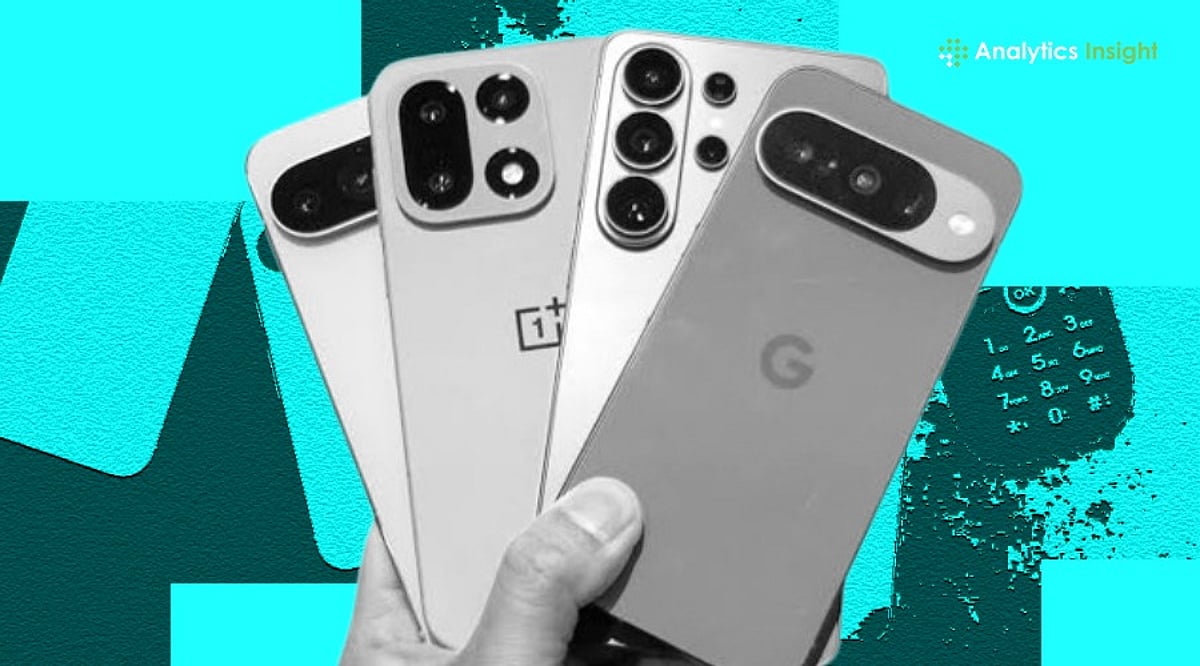
    The best smartphone for seniors should be simple, practical, and dependable. Features like larger icons, loud speakers, and emergency tools improve the overall experience. This comparison highlights the top smartphones for seniors in 2026 across different budgets.

    Overview

    Ten phones grouped by real need, from a first smartphone to a dedicated cognitive-decline device, not a single best-to-worst ranking. A comparison table with a dedicated software support column, plus a short accessibility section covering screen readers, magnifiers, and live captions. Apple’s discontinued iPhone SE was replaced with the current iPhone 17e, verified against Apple’s active lineup.

    A confusing phone does more than frustrate an elderly parent. It can cut them off from family, slow down help during a health scare, and even leave the door open to scam callers. The right phone can help solve all three problems while making everyday communication simpler and safer. Below are ten simple smartphones that get ease of use, safety, and value right for seniors in 2026, with a side-by-side comparison table and a short guide to help you pick the right one.

    What Matters Most for a Senior’s First or Next Phone

    Four things matter most: a simple, uncluttered screen, loud and clear audio, a fast way to reach help in an emergency, and protection from spam and scam calls. Battery life and drop resistance matter too, but they support daily use rather than define it. Rankings below weigh ease of use, accessibility, safety features, software support, and value for money in that order. Camera quality and gaming power are not part of the criteria. Built-in accessibility tools also matter. Features such as screen readers, magnifiers, live captions, voice typing, and hearing aid compatibility make smartphones easier to use for seniors with visual, hearing, or mobility challenges.

    Phone Selection Criteria for Seniors in 2026

    Every spec on this list was checked against the manufacturer’s own page, and safety and battery claims were confirmed with more than one source. Any claim that could not be confirmed led to that phone being dropped. Price and carrier access across the US, UK, and India shaped the final ten.

    Best Easy-to-Use Phones for Seniors Compared

    • Jitterbug Smart5: Best for a first smartphone. The list-based menu, large 6.75-inch display, and one-touch Urgent Response button keep things simple. It only works on Lively’s network.
    • Consumer Cellular IRIS Flip: Best for calling and texting only. The familiar flip design, hearing aid compatibility, and physical buttons keep the learning curve short. There is no access to apps or the internet.
    • Samsung Galaxy A26 5G: Best for the most balanced smartphone overall, especially in India. Easy Mode, IP67 water resistance, Gorilla Glass Victus+, location-sharing SOS, and six years of security updates combine accessibility, durability, and long-term value. It costs more than entry-level Android phones, but the extra years of support close the gap.
    • Samsung Galaxy A17: Best for a budget-conscious senior who still wants a modern experience. Easy mode, a large bright display, and steady performance keep navigation simple at a lower price than the A26, though durability drops a step.
    • Google Pixel 10a: Best for long-term security. Seven years of updates, crash detection, live captioning, and a clean Android interface make for a secure, accessible phone, though it has no dedicated easy mode.
    • Apple iPhone 17e: Best for a family already using Apple devices. Siri, FaceTime, and Family Sharing ease of communication, and Apple’s accessibility tools remain among the strongest available. It costs more than comparable Android phones but fits naturally into an Apple household.
    • Moto G 5G: Best for an affordable Android phone for everyday use. The clean interface, large display, and reliable battery handle calls, messaging, and WhatsApp well, though software support runs shorter than on premium models.
    • Chatsie Phone: Best for a senior who reads text more easily than icons. Text-based menus, adjustable fonts, and a dedicated support line make this one of the most accessible phones here, though it limits advanced features.
    • Xiaomi Redmi A5: Best for the lowest-cost smartphone without losing essential usability. A simplified home screen, dependable battery, and easy navigation suit a first-time user, with shorter software support than Samsung, Google, or Apple.
    • RAZ Memory Cell Phone: Best for cognitive decline. The photo-contact interface removes navigation entirely, so a single tap starts a call, and the phone works with any carrier. It offers fewer general features than the rest of this list.

    Smartphone Comparison Table for Seniors

    Prices are approximate. They may change by region and retailer. (A full comparison table would be inserted here with columns for model, price, display size, battery, software support, and key features.)

    How to Choose the Right Smartphone for Seniors

    For any senior with difficulty using a touchscreen, begin with the Jitterbug Smart5 or the IRIS Flip. If they are already capable of basic apps, the Galaxy A26, A17, or Moto G has scam protection capabilities that the majority of senior phones lack. In the case of long-term software support, the Pixel 10a or the iPhone 17e will last for years longer than the cheaper Android phones. When it comes to memory loss, go with the RAZ Memory Phone over any other.

    Final Thoughts

    The best phones for seniors are not necessarily the latest or most powerful. Taking the usability, accessibility, reliable safety, and software support into consideration is far more important than flagship specifications. A senior who is confident with the technology will benefit from improved communications, giving independence and peace of mind to the user and family. As smartphones become more advanced, there are more useful and accessible options for older people than ever before.