Blog

  • Indian Mobile Retailers Plan ‘No UPI Day’ on October 2 to Protest Proposed MDR Fees

    Indian Mobile Retailers Plan ‘No UPI Day’ on October 2 to Protest Proposed MDR Fees

    Mobile phone retailers across India are planning to observe October 2 as ‘No UPI Day’ in protest against the proposed Merchant Discount Rate (MDR) on certain UPI merchant payments. The campaign, organized by the All India Mobile Retailers Association (AIMRA), will see participating retailers temporarily halt acceptance of UPI payments and symbolically cover their QR codes with black cloth.

    Why Are Mobile Retailers Protesting?

    AIMRA states that the proposed MDR could significantly increase the financial burden on mobile retailers, especially those operating on thin margins. Under the new framework, a 0.4% MDR will apply to eligible person-to-merchant UPI transactions above Rs. 2,000, starting October 15, 2026. The charge is merchant-side only and will not be directly passed to consumers.

    The association explains that a small retailer processing between Rs. 5 lakh and Rs. 30 lakh in UPI payments monthly could face additional costs of Rs. 2,000 to Rs. 12,000 per month. AIMRA estimates the overall burden on small mobile retailers across India could reach about Rs. 40 crore per month, or nearly Rs. 500 crore annually.

    AIMRA Vice President and Delhi NCR President Tarvinder Singh emphasized that the protest is not against UPI or digital payments but against the additional financial strain on merchants.

    What Will Happen on October 2?

    Retailers participating in the protest are expected to refrain from accepting UPI payments for the day and may physically cover their UPI QR codes with black cloth. However, this is a voluntary action by individual mobile retailers and does not mean UPI services will stop nationwide. Other businesses will continue to accept UPI as usual.

    Customers planning to purchase smartphones, accessories, or other products from physical mobile stores on October 2 are advised to carry cash or card payments as alternatives.

    What Changes from October 15?

    The October 2 protest precedes the implementation of the new MDR framework on October 15. Under the framework:

    • Eligible person-to-merchant UPI transactions above Rs. 2,000 will attract a 0.4% MDR.
    • Transactions up to Rs. 2,000 and person-to-person transfers remain exempt.
    • Small merchants receiving up to Rs. 1 lakh per month through UPI QR payments are eligible for mandatory zero MDR.

    The proposed MDR is a merchant-side charge, so customers will not see any direct impact. The protest is therefore focused on retailers’ concerns about the cost of accepting eligible UPI payments, not a call for a nationwide suspension of UPI.

  • Minecraft Dungeons II Launches September 2026: India Pricing, New Sift Dimension, and Full Platform List

    Minecraft Dungeons II Launches September 2026: India Pricing, New Sift Dimension, and Full Platform List

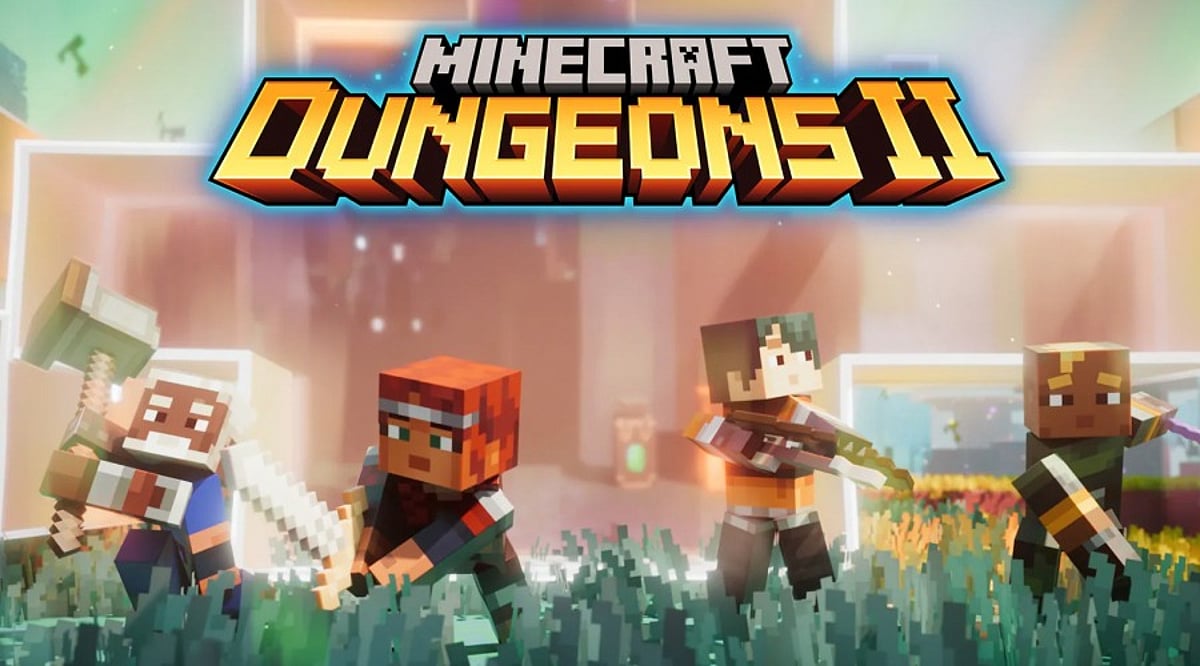
    Mojang Studios has officially announced that Minecraft Dungeons II, the sequel to the popular dungeon-crawling action-adventure game, will launch globally on September 29, 2026. The new title introduces a fresh storyline, unexplored locations, expanded combat mechanics, and enhanced multiplayer features across multiple platforms.

    Release Date and Platforms

    Minecraft Dungeons II will be available on Windows PC (via Steam), Xbox Series X|S, PlayStation 5, Nintendo Switch, and Nintendo Switch 2. Microsoft has confirmed that the game will join Xbox Game Pass on day one. Players can enjoy both single-player and local/online co-op for up to four players.

    India Pricing and Editions

    In India, the Standard Edition is priced at Rs. 2,399 on the Xbox Store, while the Deluxe Edition costs Rs. 3,999 and includes additional digital content. Pre-orders are now open, with eligible buyers receiving two hero skins, a Twisted cape, and a Twisted chicken pet. Pricing and availability may vary by platform and retailer.

    New Sift Dimension

    One of the biggest additions is the Sift, an entirely new dimension that introduces unfamiliar environments, enemies, and gameplay mechanics. Mojang describes it as a colorful world with biomes like Meadows and Carapace. Players will encounter new creatures, hazardous blocks, and changing environmental conditions that affect exploration and combat. The Sift will debut in Minecraft Dungeons II before arriving in Minecraft Java and Bedrock editions in 2027.

    Gameplay and Multiplayer

    The sequel builds on the original 2020 release, retaining the block-based visual style while expanding combat options. Players can team up with friends for online or local co-op, supporting up to four players. The game is designed for both solo and group play, with a new threat spanning two worlds.

  • iPhone Duo Leak Reveals Five New StandBy Faces and Apple Watch-Style Customization

    iPhone Duo Leak Reveals Five New StandBy Faces and Apple Watch-Style Customization

    A new leak suggests Apple’s upcoming foldable iPhone, the iPhone Duo, will introduce five previously unreported StandBy faces and offer customization options similar to the Apple Watch. The details were shared by leaker @pdfu on X, who discovered strings in iOS 27.1 and tested them via the iPhone Duo simulator.

    Five New StandBy Faces

    According to the leak, the following StandBy faces are in development:

    • Home Camera: Likely designed for smart home monitoring, it could display a single camera feed or a grid of up to nine feeds, potentially turning the iPhone Duo into a smart home display in StandBy mode.
    • Home Modular: This face may provide quick access to Home accessories and controls, though its exact interface remains unclear.
    • Flow: Described in the code as “ResponsiveArt,” it could feature animated or responsive artwork.
    • Fade: Little information is available about this face so far.
    • Snoopy: Could use Apple’s popular cartoon character in a design similar to the Snoopy experience found elsewhere in Apple’s ecosystem.

    Apple Watch-Like Customization

    The leak also reveals that existing StandBy faces—including Analog, Digital, Classic Calendar, Weather, Photos, Memories, and Shared Albums—may receive a customization interface similar to the Apple Watch face editor. Users could swipe between settings and scroll through options.

    Specifically, the Analog Clock is expected to support style, color, and two widget slots, with numeral styles including Arabic, Western/Arabic, Eastern, and Devanagari. The Digital Clock would offer font, color, and three widget slots, with five layouts: StandBy, Stacked, Top, Middle, and Bottom. The Classic Calendar face may support style, font, and color options, with one widget slot for its Date style.

    The leaker noted that the iPhone Duo simulator currently lacks a widget registry, so the full range of widget options could not be explored. Additionally, the Rushmore app—reportedly intended to host the redesigned faces—was missing from the iOS 27.1 simulator during testing.

    Apple launched the iPhone Duo earlier this month alongside the iPhone 18 Pro and iPhone 18 Pro Max. While the non-foldable models are already available, the foldable iPhone is scheduled to go on sale next month.

  • Apple iOS 27.0.1 Update Fixes Face ID Restarts, Camera Artifacts, and Touchscreen Glitches on iPhone 18 Pro

    Apple iOS 27.0.1 Update Fixes Face ID Restarts, Camera Artifacts, and Touchscreen Glitches on iPhone 18 Pro

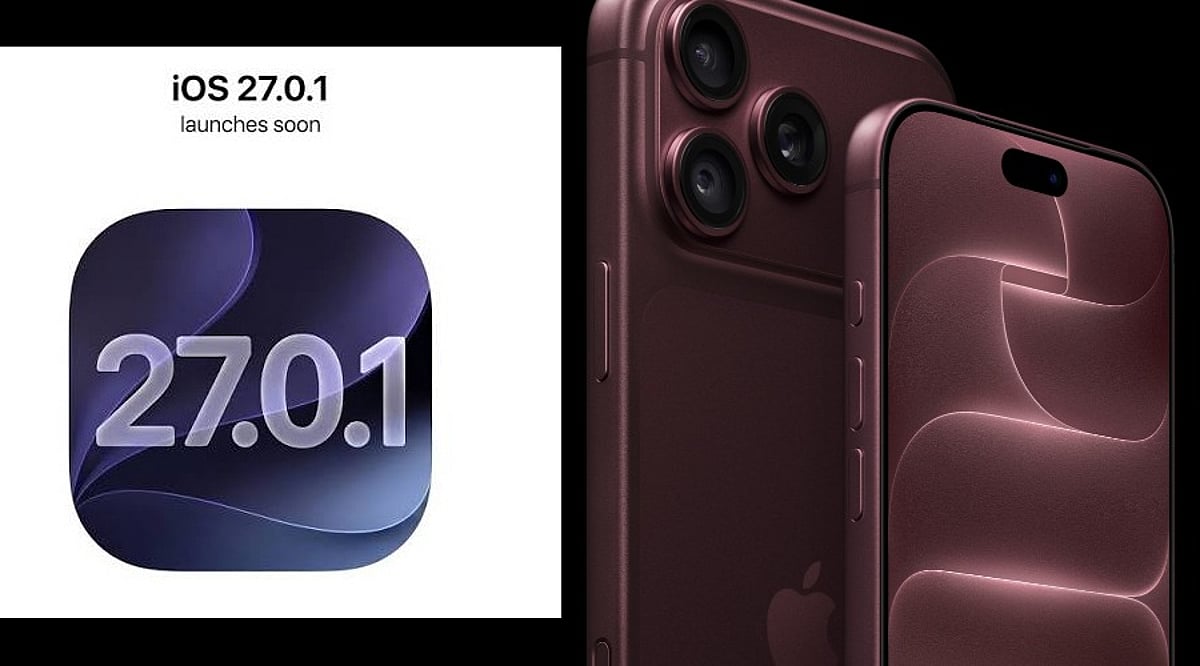
    Apple has released iOS 27.0.1, a minor but important update for iPhone users, particularly those with the iPhone 18 Pro and iPhone 18 Pro Max. Rolling out on Monday, September 28, the update addresses three significant issues that emerged after the iOS 27 launch. Users can install the patch by navigating to Settings > General > Software Update, and Apple recommends connecting to Wi-Fi and powering the device during installation.

    Key Fixes in iOS 27.0.1

    The first fix targets a Face ID-related problem that could cause unexpected restarts. According to Apple, the iPhone 18 Pro models “may unexpectedly restart when Face ID fails to authenticate.” This issue left devices frozen before returning users to the lock screen, particularly after failed biometric checks within protected apps and secure areas. The redesigned Face ID system on the iPhone 18 Pro, which places the infrared camera behind the display to enable a shorter Dynamic Island, may have contributed to the glitch.

    The second correction addresses a camera bug that produced color artifacts in 2x photos under specific lighting conditions. Apple notes that a small number of iPhone 18 Pro and Pro Max devices could show unwanted color shifts when capturing at 2x zoom with an f/1.48 aperture. The update resolves this artifact, improving photo quality for users who rely on the telephoto lens.

    The third fix resolves a touchscreen failure that occurred when Notification Center and Control Center were opened simultaneously. This interaction glitch made touch input unresponsive, disrupting normal device use. iOS 27.0.1 corrects this behavior without introducing major new features.

    Additional Improvements

    While Apple’s release notes focus on these three issues, older iPhone models may also benefit from smaller bug fixes and background performance enhancements. The company often includes undocumented improvements in incremental updates, so users across compatible devices are encouraged to install the update.

    How to Install

    To download iOS 27.0.1, go to Settings > General > Software Update on your iPhone. Ensure you are connected to Wi-Fi and have a power source available to avoid interruptions. The update is free and available for all compatible models.

    For more tech news and updates, follow our coverage of the latest Apple releases and industry developments.

  • Nothing Headphone (1) Pro Launches at $399 with Three Drivers, 46dB ANC, and Flat EQ Switch

    Nothing Headphone (1) Pro Launches at $399 with Three Drivers, 46dB ANC, and Flat EQ Switch

    Nothing has officially launched the Headphone (1) Pro in the United States at a price of USD 399. The new over-ear headphones went on sale on September 28, 2026, with availability starting September 29 via the company’s US website, Amazon, and Best Buy stores across North America.

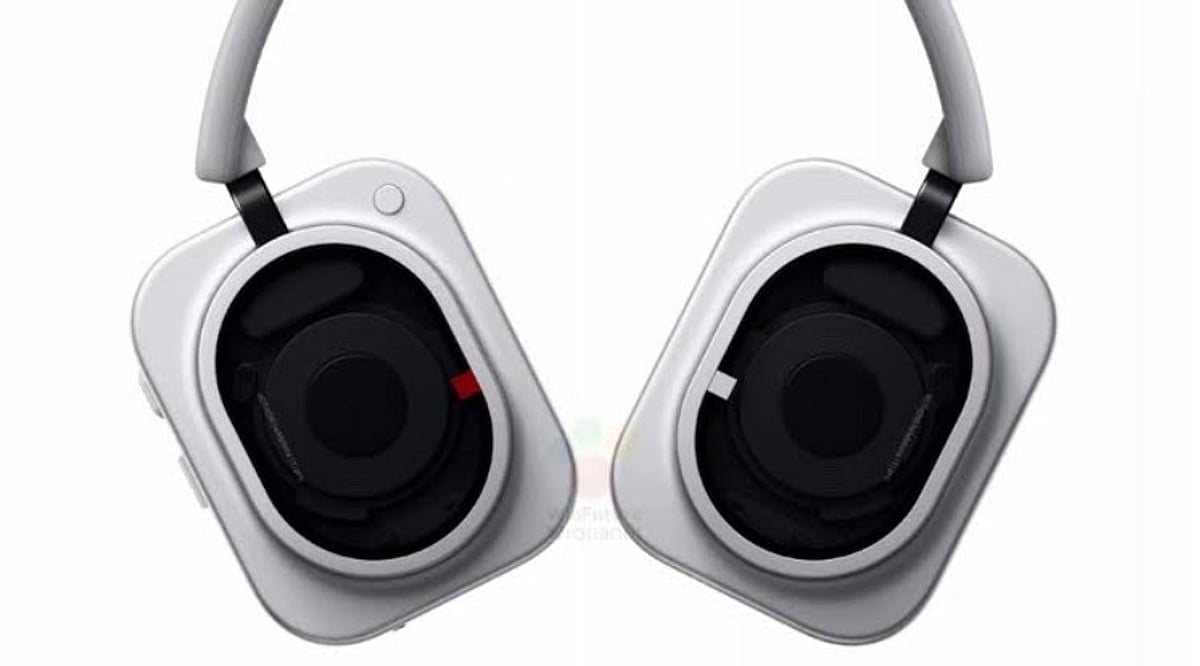
    Weighing 327 grams and offered in black and white, the Headphone (1) Pro stands out with a three-driver system in each earcup. The drivers include a 40mm dynamic driver, a 13x8mm precision driver, and an xMEMS treble driver. While three-driver headphones are not entirely new, Nothing’s aggressive pricing makes this model significantly more affordable than comparable offerings from other brands.

    The headphones feature 46 dB active noise cancellation (ANC) and a physical Flat EQ switch that disables equalization and spatial audio effects, delivering a neutral sound profile. This switch is designed for audiophiles and purists who prefer minimal sound processing.

    Nothing collaborated with Metropolis Studios on sound tuning. The Headphone (1) Pro supports Bluetooth 6.1 and lossless USB-C audio up to 24-bit/192kHz. Battery life is rated at 30 hours with ANC enabled and up to 68 hours without ANC. A customizable button allows users to launch ChatGPT, activate a voice assistant, or trigger the camera.

    The USD 399 price point places the Headphone (1) Pro in a competitive segment. Buyers typically pay a premium for enhanced sound control rather than basic wireless features. Nothing’s challenge will be convincing consumers that the additional audio capabilities justify the cost.

    For more updates, join our WhatsApp Channel for the latest news, exclusives, and videos on gadgets and headphones.

  • Gold Prices Tumble Nearly 4% Amid Strong Dollar and Climbing US Yields

    Gold Prices Tumble Nearly 4% Amid Strong Dollar and Climbing US Yields

    Gold Prices Tumble Nearly 4% Amid Strong Dollar and Climbing US Yields

    Spot gold prices fell sharply on Monday, extending their decline to a seven-week low as higher crude oil prices fueled inflation concerns. The metal also came under pressure from a stronger US dollar and rising Treasury yields.

    According to Reuters data reported by The Times of India, spot gold fell by 3.8% to USD 4,121.6 per ounce, touching its lowest level since August 5. US gold futures also declined 3.9% to USD 4,153.7.

    Oil Prices Raise Inflation Concerns

    A sharp rise in crude oil prices has changed expectations around US monetary policy. Higher energy costs can add to inflation pressures and make it harder for the Federal Reserve to ease policy. Oil prices rose after developments surrounding the conflict involving Iran and the Strait of Hormuz.

    Jim Wyckoff, a market analyst at American Gold Exchange, said, “Sharply higher crude prices could point to more persistent inflation and tighter Federal Reserve policy. The US dollar also strengthened, making gold more expensive for buyers holding other currencies.”

    The dollar index rose to a two-month high on Tuesday and was heading for its strongest monthly performance since June. A stronger dollar typically weighs on dollar-denominated commodities because it raises their effective cost for international buyers.

    Market Outlook

    Higher US Treasury yields added another layer of pressure on gold. Rising yields increase the opportunity cost of holding assets such as gold, which does not generate regular interest income. US Treasury yields have climbed as markets reassess the outlook for Federal Reserve policy. Traders are increasingly pricing in another rate increase later this year, with expectations also shaped by upcoming US inflation and employment data.

    The combination of a strong dollar, rising yields, and inflation concerns suggests continued headwinds for gold prices in the near term.

  • Infosys to Reskill One-Third of Workforce for Specialist Roles as AI Reshapes IT Jobs

    Infosys to Reskill One-Third of Workforce for Specialist Roles as AI Reshapes IT Jobs

    Infosys, the Bengaluru-based IT services giant, has announced a major workforce restructuring plan as artificial intelligence continues to reshape the technology industry. The company intends to move between 25% and 33% of its 320,000 employees into specialist roles, according to sources who attended a recent internal event.

    Frontier Engineering Team

    As part of the transformation, Infosys is building a dedicated team of around 6,000 frontier engineers focused on advanced technologies. This group will help the company respond to evolving client demands as AI becomes increasingly central to IT services.

    The company is also actively hiring from leading Indian institutes such as IITs and NITs, as well as from US campuses, competing with AI labs for top talent to strengthen its capabilities in emerging technologies.

    Focus on AI and Specialist Skills

    The workforce changes reflect Infosys’s strategy to combine broad AI adoption with deeper engineering expertise. The company plans to augment employee capabilities with AI tools while developing the specialist skills required for AI-first services.

    Infosys has expanded its internal training programs to cultivate AI talent, supplementing external hiring with hands-on training through internal bridge programs.

    AI Changing the Nature of IT Work

    According to Infosys’s latest annual report, the nature of work is shifting from code creation to orchestration, system supervision, domain interpretation, and outcome validation. This shift demands new roles, large-scale reskilling, and changes to workforce composition.

    The planned move of up to one-third of its workforce into specialist positions underscores broader changes in the IT services industry, where companies are increasingly prioritizing AI skills and specialized engineering capabilities.

  • Pixel Buds Pro 2 and 2a Now Support Gemini Voice Commands for Hands-Free Settings Adjustment

    Pixel Buds Pro 2 and 2a Now Support Gemini Voice Commands for Hands-Free Settings Adjustment

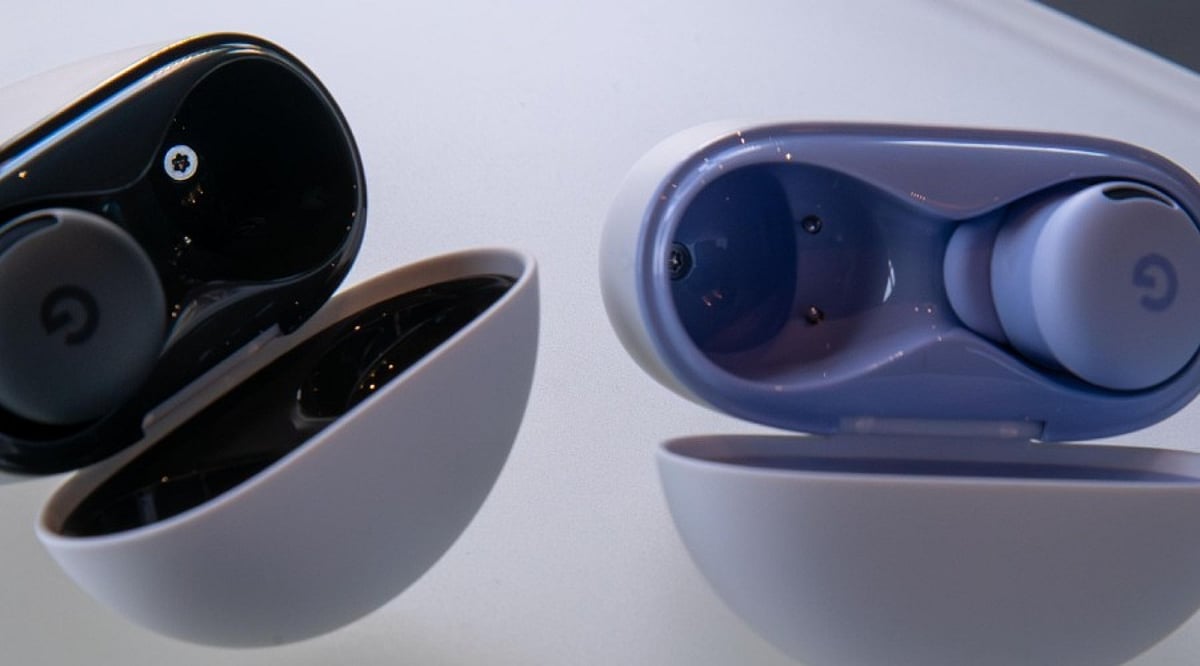
    Google has officially started rolling out Gemini voice controls for its Pixel Buds Pro 2 and Pixel Buds 2a, giving users the ability to adjust earbud settings without ever opening the companion app. The update arrives through the Pixel Buds app via the Play Store as part of Google’s September software rollout.

    With the new feature, users can simply say “Hey Google, turn up the bass” or request changes to EQ presets, noise control modes, Conversation Detection, and touch settings. Gemini processes the request on the phone and then communicates with the earbuds to apply the changes instantly.

    After issuing a voice command, an overlay appears on the phone showing “Connecting to Pixel Buds” before Gemini confirms the adjustment both visually and with spoken feedback. This streamlined integration eliminates the need to navigate through the app manually.

    Beyond voice controls, Google has also teased additional features that will require separate firmware updates. Dynamic ANC will automatically compensate for subtle changes in the earbuds’ seal during movement, ensuring consistent noise cancellation. A new Pixel Watch sleep sync feature will detect when the wearer falls asleep, pausing music and disabling touch controls. Live Translate is also set to receive an upgrade that enables translated conversations directly through earbud interactions.

    Pixel Buds Pro 2 and Pixel Buds 2a owners can check the Play Store for the latest version (1.0.981607934) of the Pixel Buds app. The Gemini feature requires Gemini to be set as the default digital assistant on a compatible Android device.

  • Naughty Dog Confirms Two New The Last of Us Games and Intergalactic Release Window

    Naughty Dog Confirms Two New The Last of Us Games and Intergalactic Release Window

    After months of silence, Naughty Dog has finally confirmed that The Last of Us franchise is far from over. The acclaimed studio currently has two new games in development, both still in their early stages, meaning no official titles or release dates have been announced yet.

    The announcement came during The Last of Us Day, when Naughty Dog hosted a charity stream, gave away prizes, and released themed welcome hub backgrounds and avatars for PS5. At the end of the celebration, studio head Neil Druckmann revealed, “We have a couple of very exciting new projects in very early stages – so we can’t say much about them at this point. I will tell you that both projects will expand the canon of The Last of Us beyond Part I and Part II.”

    Druckmann added, “The world of The Last of Us means a great deal to us, and we wouldn’t return to it unless we had something meaningful to say. We believe these stories are worth telling.”

    In addition to The Last of Us news, Naughty Dog provided an update on Intergalactic: The Heretic Prophet. First showcased in 2024, the game had gone silent for two years. Now, the studio has confirmed that the title will launch in 2027 and will follow Jordan Mun, a bounty hunter stranded on a dangerous planet. An exact release date has not yet been announced.

    Druckmann also discussed the game’s full reveal: “The team is heads down on what is shaping up to be Naughty Dog’s most ambitious game yet. There’s an electricity around the studio right now as all the pieces come together, and we’re stoked to finally unveil Intergalactic in all its glory.” He continued, “So we want to set expectations: we’re going to be quiet for the rest of this year. In 2027, that changes. We’ll fully reveal Intergalactic: The Heretic Prophet and give you a proper look at Jordan’s wild sci-fi adventure.”

    Naughty Dog is now juggling several major projects at different stages. Intergalactic is the studio’s next big release, while the two new The Last of Us projects are further down the road. Notably, the studio has not referred to any of these as The Last of Us Part III, nor has it confirmed whether familiar characters like Ellie or Abby will appear.

    By keeping details under wraps, Naughty Dog is giving itself time to refine the direction of the franchise without setting early expectations around a specific story. For now, Intergalactic: The Heretic Prophet remains the studio’s primary upcoming release, with the two new The Last of Us games hinting at what lies beyond.

  • India Supreme Court Urges Stricter Social Media Safeguards for Minors

    India Supreme Court Urges Stricter Social Media Safeguards for Minors

    India is moving toward tighter regulations on children’s access to social media, with the Supreme Court directing the central government to examine statutory safeguards for users under 18. The focus is not on banning internet access for minors but on whether they should be allowed to independently create and manage social media accounts.

    What the Supreme Court Said

    A bench led by Chief Justice of India Surya Kant, along with Justices Joymalya Bagchi and V Mohana, asked the Centre to consider strengthening existing intermediary rules to ensure social media platforms comply with Indian laws concerning minors. Justice Bagchi emphasized that safeguards should have a statutory basis rather than remain mere guidelines. Solicitor General Tushar Mehta assured the court that the government would examine possible measures.

    The proceedings follow a petition filed by the Just Rights for Children Alliance (JRCA), which seeks enforceable safeguards for minors using social media and other digital platforms.

    Why Age 18 Matters

    The petition relies on Section 11 of the Indian Contract Act, which addresses the legal capacity to enter into contracts. Senior advocate H.S. Phoolka, representing JRCA, argued that existing law already covers minors’ contractual capacity, making it unnecessary to wait for the proposed data protection framework. Signing up for social media involves accepting a platform’s terms and conditions, raising questions about how platforms allowing younger users align with Indian law.

    Parental Consent Under Consideration

    One proposed option is requiring parental or legal guardian consent before users under 18 can enter into contracts with social media platforms. The petition also suggests identity verification or e-KYC for parents or guardians. These changes would require platforms to build systems compliant with Indian legal requirements, rather than relying solely on their existing minimum-age policies. Currently, platforms like Facebook and Snapchat allow account creation from age 13.

    What Happens Next

    The JRCA petition highlights risks including online grooming, sexual exploitation, trafficking, sextortion, cyberbullying, behavioral profiling, misuse of personal information, and exposure to age-inappropriate content. The Centre is now examining whether stronger safeguards can be incorporated into the statutory framework governing digital intermediaries. The Supreme Court is expected to hear the matter again after the government reviews the issue.