
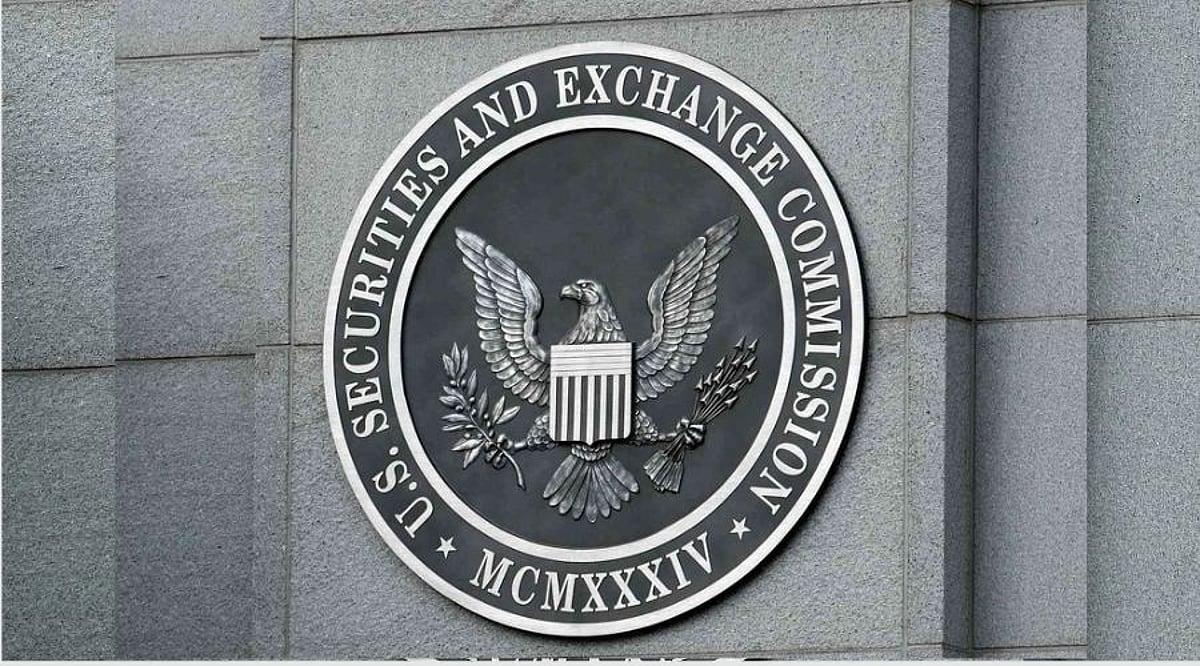
SEC Creates Regulatory Path for Tokenized Stocks on Public Blockchains
The U.S. Securities and Exchange Commission has introduced a five-year regulatory exemption for trading tokenized stocks on public blockchains. Known as the Innovation Exemption, this framework imposes strict conditions on trading venues, liquidity providers, and the tokens they support. The goal is to foster innovation while maintaining investor protections.
Key Conditions for Tokenized Securities Venues
The exemption applies to Tokenized Securities Venues that use automated market maker (AMM) pools to match buyers and sellers. These venues receive temporary relief from registering as national securities exchanges, and certain firms using their own capital to provide liquidity also get relief from dealer registration. However, every venue must operate as a U.S. person and control access to its pools. Federal anti-fraud and market manipulation rules continue to apply. SEC Chair Paul Atkins stated that the measure aims to support new market systems while upholding investor protection standards.
Permissioned AMMs Required, Open DeFi Excluded
While public blockchains can host qualifying markets, the AMM pools cannot remain fully open. Each venue must screen traders and liquidity providers before granting access. This means existing pools on Uniswap, Raydium, and other decentralized exchanges do not qualify automatically. These protocols could create separate permissioned pools with identity checks and transfer controls. Raydium already supports permissioned AMMs, giving it some suitable infrastructure, but its stock tokens must meet the SEC’s ownership and issuer requirements before a U.S. venue can list them.
Full Shareholder Rights Required, Synthetic Tokens Banned
Eligible tokens must provide the same rights as traditional shares, including dividends and voting rights. The SEC does not permit synthetic products that merely track a stock’s price without conferring ownership rights. According to regulatory conditions reported by Reuters, “Synthetic tokens offering exposure to a stock through a derivative or another product would not be permitted.” This requirement excludes several offshore products from the U.S. framework.
Securitize and Coinbase Well Positioned
Securitize appears well placed because it already works with issuers, transfer agents, and regulated financial firms. Its model focuses on tokens that represent legally recognized securities rather than instruments offering price exposure alone. Ethereum could also benefit as it hosts much of this regulated tokenization infrastructure. Coinbase may gain through its U.S. presence, compliance systems, and Base blockchain. However, neither company receives automatic approval; each venue must meet the exemption’s conditions, and every listed token must carry shareholder rights and follow required trading controls.
Robinhood, Kraken, and Ondo Face Rebuilding
Robinhood’s overseas stock tokens currently provide economic exposure through securities issued by a Jersey-based entity, meaning token holders do not directly become shareholders in the referenced companies. Kraken’s xStocks and several Ondo Global Markets products also use offshore structures serving non-U.S. users. These providers must create U.S.-compliant products to use the exemption. That process may require new custody arrangements, shareholder record systems, and issuer-approved token structures. Their strong positions on Solana, BNB Chain, and Robinhood Chain do not remove those legal requirements.
Issuers also receive notice before a venue lists their tokenized shares and may object. This condition could limit listings involving companies that oppose third-party stock tokens. As a result, established market size will not decide which platforms lead the regulated U.S. market. Compliance with ownership, access, and issuer rules will determine which projects can enter.
Leave a Reply