
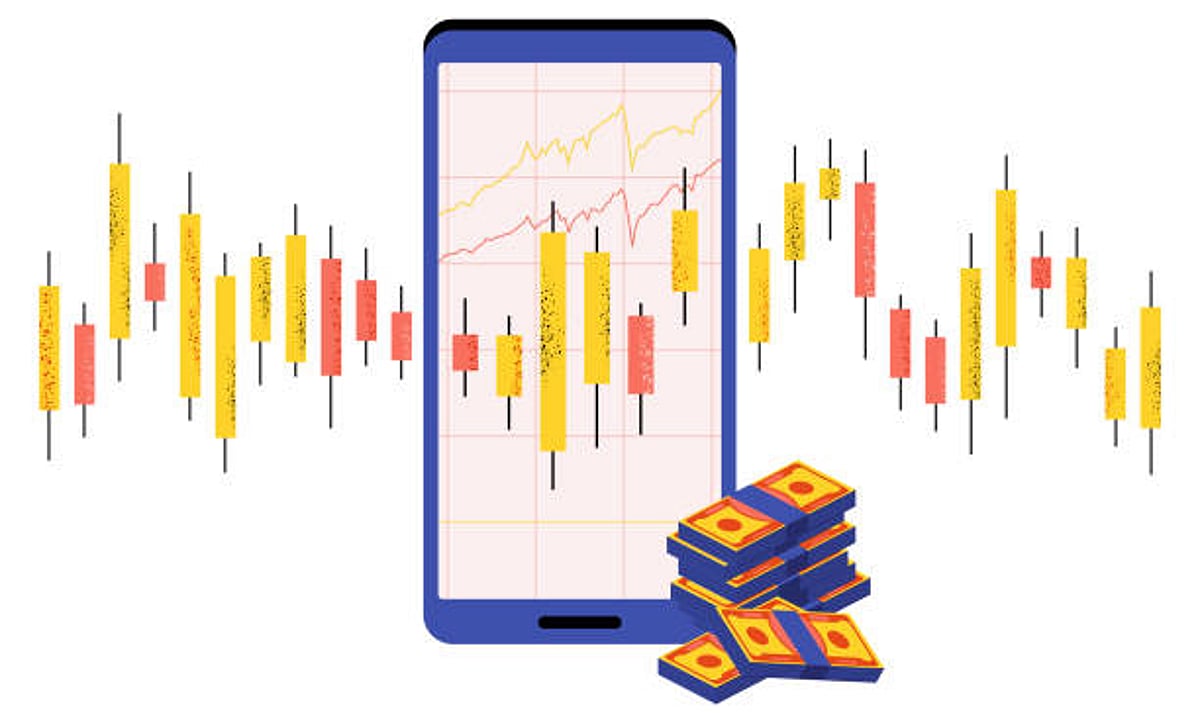
Entering the world of online trading can feel overwhelming at first. Prices move quickly, charts look complex, and the jargon can be confusing. However, with the right approach and a step-by-step plan, anyone can learn the fundamentals. Stockity is a popular platform designed to be simple and accessible for beginners. This guide walks you through the basics of trading on Stockity, from understanding how trading works to building good habits for long-term success.
What Is Trading?
Trading is the practice of anticipating price movements in financial markets. On Stockity, you can trade a variety of assets, including currencies, cryptocurrencies, stocks, and commodities. The core idea is straightforward:
- If you think the price of an asset will rise, you buy it.
- If you think the price will fall, you sell it.
When your prediction is correct, you profit; when it’s not, you incur a loss. It’s that simple—but mastering it takes time and practice.
Getting Started with Stockity
Once you sign up, take time to explore the platform before making any real trades. Familiarize yourself with the key features:
- Price charts and how to read them
- The asset selection menu
- Buy and sell buttons
- Your account balance display
- The trade history tab
Focus on learning how the platform works first. Don’t try to make a profit right away—your initial goal is to understand the system.
Practice with a Demo Account
One of the best steps for beginners is to use a demo account. This allows you to trade with virtual money, so there’s no real financial risk. A demo account helps you:
- Understand how trades work
- Learn to read charts
- Practice opening and closing positions
- Gain experience safely
Many new traders skip this step and later regret it. Practice is essential in trading—don’t underestimate its value.
Start with Simple Strategies
You don’t need complicated strategies to begin. In fact, simple approaches often work best for beginners. One effective method is trend following:
- Look for buying opportunities when prices are rising.
- Look for selling opportunities when prices are falling.
You can also use basic tools like moving averages to help identify the direction of a trend more clearly.
The Importance of Risk Management
Trading always involves risk, so learning to protect your capital is crucial. Even experienced traders don’t win every trade. Follow these basic risk management rules:
- Start with small trade amounts.
- Never risk your entire balance on a single trade.
- Set stop-loss limits to minimize losses.
- Don’t trade when you’re emotional.
Good risk management keeps you in the market longer and helps you survive the inevitable losing streaks.
Manage Your Emotions
Emotions can heavily influence trading decisions. Fear, greed, and impatience are responsible for many beginner mistakes. For example, after a loss, some traders immediately open another trade without thinking, which often leads to further losses. Staying calm and following your plan is vital.
Keep Learning and Improving
Trading is a long-term skill. Nobody becomes an expert overnight. The best traders are those who continuously learn and refine their approach. You can improve by:
- Watching educational videos and reading articles
- Understanding market behavior
- Reviewing your past trades to see what worked and what didn’t
- Practicing regularly
Final Thoughts
Stockity is a solid platform for beginners who want to learn how online trading works. By starting with a demo account, using simple strategies, and focusing on risk management, you can build confidence and trading skills step by step. Remember: successful trading requires patience, discipline, and ongoing education.
Disclaimer: This article is for informational purposes only and does not constitute financial or investment advice. Trading cryptocurrencies and other assets carries significant risk. Always do your own research before making any investment decisions.
Leave a Reply