
Tag: 2026

  • 2026 Foldable Phone Buyer’s Guide: What to Look For Before You Buy

    2026 Foldable Phone Buyer’s Guide: What to Look For Before You Buy

    Foldable phones have come a long way in 2026. Better displays, stronger hinges, and longer battery life have made them a practical choice for everyday users who want a phone that offers both portability and a larger screen.

    A few years back, foldable phones felt like expensive gadgets for a premium group of buyers. However, the picture has changed. These foldable devices have become part of the mainstream smartphone market. With better screens, stronger hinges, and longer battery life, models are now much more practical than before.

    Modern smartphone users prefer a device that functions as both a phone and a small tablet. A foldable phone gives them that option without carrying two devices. It is useful for watching videos, reading, gaming, and even working while traveling.

    Still, not every foldable phone is worth buying. Some focus on style, while others are built for people who need a larger screen every day. Before spending a large amount of money, it is worth knowing what really matters.

    How to Choose the Right Foldable Phone

    Foldable phones look impressive, but looks alone aren’t enough. Before you decide to purchase a model, you must cross-check some important aspects.

    1. Hinge Quality

    The hinge is the first thing to evaluate. Since you will open the phone multiple times a day, the hinge should feel smooth. A good hinge also helps the phone last longer.

    2. Display Quality

    The inner screen should be bright enough to read in scorching sunlight. Additionally, the latest models have a small external screen that allows you to reply to messages or check notifications without unfolding the phone.

    3. Battery Life

    If the screen is large, it will use more power. Thus, a bigger battery is always helpful. Fast charging is also worth looking for if you stay away from a charger for long hours.

    4. Performance

    Most users neglect this, but performance matters as much as others. A modern processor with enough RAM keeps apps running smoothly. This becomes even more important if you play games, edit photos, or use multiple apps at once.

    5. Software Support

    Do not ignore software support. Brands that promise several years of Android updates and security patches usually offer better value over time.

    6. Storage

    Photos, videos, and games continue to grow in size every year. Buying a model with enough storage now can save you trouble later.

    7. Budget

    Premium foldable phones offer the best experience, but several mid-range models now provide solid features at a much lower price.

    Foldable vs Flip vs Flat Phones

    The easiest way to understand the difference is to compare them side by side. A quick comparison reveals that foldable models offer the highest flexibility. Their biggest strength is larger screens, which make reading documents, editing photos, and using multiple apps simultaneously easier than ever.

    Flip phones are a good option for those who want a compact device that fits into a pocket. They save space but do not provide the same work experience as larger foldables. Flat phones remain the most popular option—they are affordable and reliable.

    For users who spend several hours on their phones every day, a foldable model often feels like a meaningful upgrade rather than just another smartphone.

    Are Foldable Phones Finally Worth Buying?

    If it were a few years back, most experts would tell people to wait. Early foldable phones were expensive, and many buyers worried about durability. Things look very different now. Newer models feel stronger, faster, and far more polished. The hinge has improved, the crease is less noticeable, and battery life is no longer a major concern. Software has also caught up, making better use of the larger screen.

    This does not mean everyone should rush to buy one. If you mainly use your phone for calls, messaging, and social media, a regular smartphone still does the job well. However, if your priority is watching videos, reading documents, or working while traveling, a foldable phone offers obvious advantages. It removes the need for a second screen in many cases.

    In the end, the best phone is the one that matches your daily routine. Foldable phones are no longer new. For many users, they have become a useful option that streamlines daily tasks.

    FAQs

    1. Which type of foldable phone is better for work?
    Book-style foldable phones are usually the better choice. Their larger internal display makes it easier to edit documents, attend video meetings, and use two apps simultaneously.

    2. How long do foldable phones usually last?
    Most modern foldable phones are built for years of regular use. Improved hinges, stronger screens, and better protection have made them much more reliable than older models.

    3. Are foldable phones good for gaming and streaming?
    Yes. The larger display gives games more room, and watching movies or sports feels much more enjoyable than on a standard phone.

    4. Should I buy a foldable phone or a regular smartphone?
    If you mainly use your phone for basic tasks, a flat phone is enough. If you want a bigger screen for work, entertainment, or multitasking, a foldable phone is the better option.

    5. What should I check before buying a foldable phone?
    Look at the hinge quality, display, battery life, processor, software update policy, storage, and price. These features have the biggest impact on long-term use.

  • How to Choose the Best Travel Credit Card in India for 2026: A Complete Guide to Comparing and Saving

    How to Choose the Best Travel Credit Card in India for 2026: A Complete Guide to Comparing and Saving

    Airport lounges look great in credit card brochures. Priority boarding sounds impressive. Travel insurance feels like a safety net. But what nobody mentions upfront is that most people with travel credit cards don’t utilize them fully. They pay ₹5,000 annual fees for cards they barely use, chase reward points that expire before redemption, and assume their “travel insurance” covers everything—only to discover it doesn’t when they need it.

    The issue isn’t that travel credit cards are scams. It’s that people pick them based on marketing instead of math. A card that’s perfect for someone flying twice a month internationally becomes a terrible deal for someone taking one domestic trip annually. So, how do you choose the best travel credit card for yourself? This article answers that question.

    What Actually Matters When Choosing

    Travel credit cards offer a mix of features, and depending on how you travel, some matter much more than others.

    • Reward points: One card gives ₹0.20 per point. Another gives ₹0.50 for the same spending. And most expire within 2–3 years, whether you use them or not.
    • Airport lounge access: Everyone wants this feature, but entry-level cards cap you at 2–4 visits yearly. If you fly twice a year, you might use it twice. The other ten months, you’re paying for access you can’t use. Premium cards offer unlimited access, but they also charge ₹10,000+ annually. Are you going to lounges often enough to justify that?
    • Foreign currency markup: International travelers lose money quietly here. Regular cards charge 3–4% every time you swipe abroad. Travel credit cards reduce this to 1–2%, sometimes zero. On ₹2 lakh spent overseas, that’s ₹4,000–6,000 saved.
    • Travel insurance: Flight delays, lost baggage, medical emergencies, and trip cancellations are covered. But the catch is that coverage applies only if you booked that trip using the specific card.

    Types of Travel Credit Cards (and Who They’re Actually For)

    • General travel rewards cards: These cards provide flexibility. You can earn on everything, redeem for flights, hotels, or whatever.
    • Co-branded airline cards: With these, you fly with one carrier, earn miles, get free baggage, and priority boarding. Makes sense if you’re genuinely loyal. Waste of money if you switch airlines constantly based on whoever’s cheapest.
    • Premium travel credit cards: Expensive, with an annual charge of ₹10,000+. However, they offer unlimited lounge access, comprehensive insurance, concierge services, and high reward rates. These are only worth it if your annual travel spend exceeds ₹4–5 lakh.
    • Entry-level cards: Perfect for someone who wants to test the waters, cost ₹500–2,000 per year, and offer basic lounge access and moderate rewards.

    How to Compare Travel Credit Cards

    Start with your real travel spending from last year. If it’s under ₹1 lakh annually, premium cards will lose you money. Pick your top three priorities—say lounge access, low forex, and flexible redemption. You can’t optimize everything. Focus on what matches your actual travel behavior.

    Now calculate the benefit value:

    • Lounge visits you’ll realistically use: ₹600 per visit.
    • Reward points from your annual spend, multiplied by the redemption value per point.
    • Forex savings if you travel internationally.
    • Insurance value (compared to the standalone policy cost).

    Add it up. If the total value is less than the annual fee, you’re paying to lose money. Check redemption rules. Some cards make it deliberately complicated. If you can’t easily use rewards, they’re worthless.

    Quick Comparison Checklist

    • Route all travel spending through the card: flights, hotels, cabs, and parking. That’s how points accumulate fastest.
    • Track points quarterly. Set calendar reminders. Banks won’t warn you before they expire.
    • Compare redemption options. Sometimes points are worth ₹0.25 per point for flights, ₹0.50 for hotels. Same points, double the value depending on how you use them.
    • File insurance claims when eligible. Flight delayed 4+ hours? Claim it. Most people forget this benefit exists.
    • Pay balances in full monthly. Interest charges destroy any reward gains within weeks.

    Common Mistakes People Make While Choosing the Best Travel Credit Card

    • Paying high annual fees without enough travel spend.
    • Assuming all travel credit cards waive forex charges. They don’t.
    • Not reading insurance terms.
    • Letting points expire unused.
    • Overspending to hit milestone bonuses.

    Eligibility and Fees

    The application usually takes about 7–14 days. First, check eligibility, compare options, then apply with your documents (PAN, Aadhaar, and income proof).

    • Eligibility: Age 21–60. Minimum income of ₹3–5 lakh annually for basic cards (₹10 lakh+ for premium). Credit score of 750+ preferred.
    • Typical fees: Joining and annual fees ₹500–10,000 (sometimes waived for the first year). Forex markup 1–3.5%. Renewal fee may be waived with a minimum spend.

    Example: How the Best Travel Credit Card Can Save You Money

    Say you take three international trips a year and spend ₹1.5 lakh on flights, ₹1 lakh on hotels, and ₹80,000 on overseas.

    • Standard card (3.5% forex): ₹2,800 in forex charges. Rewards at 1 pt/₹100 return roughly ₹1,000–₹1,500 in value.
    • Mid-tier travel credit card (1.5% forex, 4X on travel): Forex charges drop to ₹1,200, saving ₹1,600. On ₹2.5 lakh in travel spends, you earn approximately ₹3,500–₹4,000 in redeemable value.

    That’s a clear value from forex savings and rewards: ₹5,000–₹6,000.

    The Bottom Line

    There’s no universal best travel credit card. Only the one matching your actual travel habits. Flying internationally quarterly? A premium card with zero forex and global lounge access makes sense. Two domestic trips yearly? Paying ₹5,000 annually for unused benefits is wasted money. Start with your real spending from last year. Then find the card whose benefits align with that reality, not with marketing fantasies about how you should travel.

    FAQs

    What should I prioritise when choosing the best travel credit card? Your actual travel frequency decides everything. Spending ₹2–3 lakh+ annually on travel? Prioritise reward rates, lounge access, and low forex. Only travelling occasionally? Focus on low fees and flexible redemption.

    Do all travel credit cards offer lounge access? No. Entry-level might give 2–4 visits per year. Premium cards may offer unlimited. Some only cover domestic lounges. Check which networks are included.

    What happens to unused reward points? They expire, usually after 2–3 years. Set reminders to check quarterly and redeem before they vanish.

    Is travel insurance included with all cards? No. Premium cards usually include it covering delays, lost bags, and medical emergencies. Read the actual policy terms.

    What’s the minimum income required? Entry-level cards need an annual income of ₹3–5 lakh. Premium cards need ₹10 lakh or more.

    Disclaimer: Analytics Insight does not provide financial advice or guidance on cryptocurrencies and stocks. This article is provided for informational purposes and does not constitute investment advice. You are responsible for conducting your own research (DYOR) before making any investments.

  • SSD Buying Guide 2026: How to Pick the Best Solid-State Drive for Speed, Storage, and Value

    SSD Buying Guide 2026: How to Pick the Best Solid-State Drive for Speed, Storage, and Value

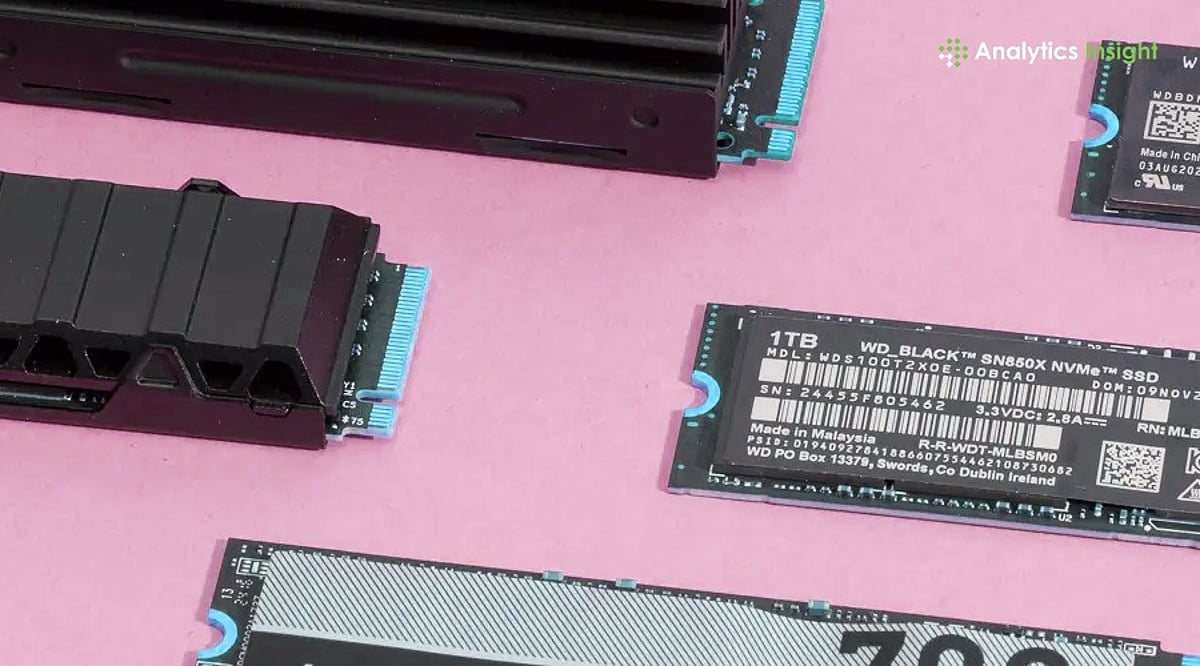
    Solid State Drives (SSDs) have become the default storage option for most modern computers, offering dramatically faster performance than traditional hard drives. However, with the rapid evolution of storage technology—including PCIe 5.0 drives, rising NAND flash prices, and growing capacity demands—choosing the right SSD requires careful consideration of speed, durability, compatibility, and long-term value. This guide will help you navigate the key factors and make an informed purchase in 2026.

    Understanding Different Types of SSDs

    Three major categories dominate the market today:

    • SATA SSDs: The most affordable option, delivering speeds up to 550 MB/s. Ideal for basic office work, web browsing, video playback, and older systems. While much faster than HDDs, they are now considered entry-level.
    • NVMe PCIe 4.0 SSDs: The mainstream choice, offering speeds between 5,000 MB/s and 7,500 MB/s. Perfect for gamers, students, professionals, and content creators who need fast file transfers and responsive system performance.
    • PCIe 5.0 SSDs: Premium drives like the WD Black SN8100 that reach read speeds up to 14,900 MB/s. Targeted at power users, video editors, AI workloads, and advanced workstations where maximum throughput is critical.

    Choosing the Right Storage Capacity

    Your capacity needs depend on your workload:

    • 500GB: Suitable for basic tasks, school projects, light software use, and web browsing.
    • 1TB: The most balanced option for average users, offering ample room for applications, files, and the operating system.
    • 2TB: Increasingly popular among gamers, as modern AAA titles regularly exceed 150GB per installation.
    • 4TB and 8TB: Best for professional creators, video editors, AI developers, and users handling huge daily file transfers. Larger SSDs often perform better due to more memory chips enabling faster internal data movement.

    Why PCIe Generation Matters

    SSD speed is limited by the motherboard’s PCIe connection. PCIe 3.0 maxes out at about 3,500 MB/s, PCIe 4.0 reaches nearly 7,500 MB/s, and PCIe 5.0 pushes toward 15,000 MB/s. However, PCIe 4.0 remains the best value for most users—PCIe 5.0 drives still command high prices, and the real-world difference for typical tasks is minimal. Consumer PCIe 6.0 SSDs aren’t expected before 2030.

    Checking the Type of NAND Memory

    The memory chips inside an SSD significantly affect speed and lifespan:

    • TLC NAND (Triple-Level Cell): The preferred choice for durability, consistent speed, and long-term reliability. Most premium SSDs use TLC memory.
    • QLC NAND (Quad-Level Cell): Focused on lowering cost. These drives are cheaper but can slow down during large file transfers and sustained heavy workloads. For long-term performance, TLC is the stronger option.

    Understanding SSD Lifespan Through TBW

    Drive endurance is measured in Terabytes Written (TBW). A budget 1TB SSD typically offers around 300 TBW, mid-range drives approach 600 TBW, and premium 2TB models often exceed 1,200 TBW. Higher endurance is important for professionals who constantly transfer large files—developers, video editors, and designers will benefit from drives with stronger ratings.

    Heat Management Has Become Important

    As SSD speeds increase, so does heat output, especially with PCIe 5.0 drives. Many premium SSDs now include built-in heatsinks or graphene cooling layers, and some motherboards offer dedicated SSD cooling. Without proper thermal management, the drive will throttle performance to protect itself. Always consider cooling when purchasing a high-speed SSD.

    SSD Prices Are Rising in 2026

    Global NAND flash shortages driven by AI infrastructure demand have pushed SSD prices sharply higher. Several high-capacity NVMe drives now cost nearly twice what they did in 2025. Analysts expect this pricing pressure to continue into 2027, making timing an important factor for buyers planning upgrades.

    Final Buying Advice for 2026

    For the majority of users, a PCIe 4.0 NVMe SSD offers the best balance of price and performance. SATA SSDs remain viable for older or low-end systems. PCIe 5.0 drives are reserved for professionals and enthusiasts who need the absolute fastest throughput. The global NVMe SSD market is projected to grow at a CAGR of about 18.9% over the next several years, driven by cloud computing, AI applications, and enterprise storage needs. Rather than waiting for the next technology leap, make your purchase decision based on required capacity, motherboard compatibility, endurance needs, and your long-term usage commitment.

    Frequently Asked Questions

    1. Which SSD is best for most buyers in 2026? A PCIe 4.0 NVMe SSD remains the best option because it delivers strong performance at a reasonable price.
    2. Is PCIe 5.0 worth buying in 2026? PCIe 5.0 is best for professionals and advanced users; high prices make it unnecessary for regular use.
    3. What SSD capacity should be chosen for gaming? A 2TB SSD works best for gaming because many modern games now exceed 150GB.
    4. Why are SSD prices increasing in 2026? Global NAND flash shortages and rising demand from AI infrastructure have pushed storage prices much higher.
    5. Does SSD cooling really matter? Yes. High-speed SSDs, especially PCIe 5.0 models, produce more heat and may slow down without proper cooling.
  • Best Packet Tracer Training Courses for 2026: Boost Your Networking Skills

    Best Packet Tracer Training Courses for 2026: Boost Your Networking Skills

    Building practical networking skills is essential for IT professionals. Cisco Packet Tracer is a powerful simulation tool that helps learners practice network configurations, troubleshoot scenarios, and prepare for certifications. In 2026, several top-tier training programs are available online to help you master networking.

    Top Packet Tracer Training Programs for 2026

    Cisco Networking Academy

    The official Cisco platform offers comprehensive Packet Tracer labs and CCNA-focused learning. This is the gold standard for networking education, providing structured courses and hands-on exercises directly from the creators of Packet Tracer.

    Udemy – Cisco Packet Tracer Labs

    A beginner-friendly course featuring practical networking scenarios and exercises. Udemy’s Packet Tracer labs are designed to build confidence through real-world simulations and step-by-step guidance.

    Coursera – Cisco Networking Basics

    Learn networking fundamentals with guided Packet Tracer practice and assessments. Coursera partners with Cisco to deliver a structured curriculum that includes quizzes and projects to reinforce learning.

    LinkedIn Learning

    Short, practical networking lessons designed for beginners and working professionals. LinkedIn Learning offers bite-sized tutorials that fit into a busy schedule, covering key Packet Tracer skills.

    INE Networking Training

    Advanced Packet Tracer labs help learners prepare for professional Cisco certifications. INE provides in-depth training for those aiming for CCNP, CCIE, or other high-level networking credentials.

    CBT Nuggets

    Interactive networking courses with expert instruction and real-world lab demonstrations. CBT Nuggets combines video training with hands-on labs to simulate actual network environments.

    Pluralsight

    Develop networking fundamentals through structured courses and hands-on simulations. Pluralsight offers a learning path from basics to advanced topics, with plenty of Packet Tracer practice.

    YouTube Free Packet Tracer Tutorials

    A great starting point for beginners looking to practice networking without spending money. YouTube hosts countless free tutorials covering everything from basic setups to complex network designs.

    Each of these resources can help you build the networking skills needed for career advancement in IT. Choose the one that fits your learning style and goals.

  • Top-Paying Tech Skills Employers Will Hire for in 2026

    Top-Paying Tech Skills Employers Will Hire for in 2026

    The demand for AI and machine learning professionals continues to grow across industries, making these skills among the most lucrative in 2026. Cybersecurity experts remain at the top of the pay scale as threats evolve and companies prioritize data protection.

    Cloud computing expertise on platforms like AWS, Azure, and Google Cloud is highly valued, with organizations migrating more operations to the cloud. Data engineers are earning competitive salaries as companies expand their AI initiatives and need robust data pipelines.

    Generative AI application development is creating new career opportunities worldwide, from content generation to automated workflows. DevOps and platform engineering roles continue to offer strong earning potential as businesses seek to streamline software delivery and infrastructure management.

    Blockchain and Web3 expertise remain valuable in specialized technology sectors, particularly in finance and supply chain. AI prompt engineering and automation consulting are emerging as fast-growing skill sets, with companies looking to optimize their use of large language models and robotic process automation.

    Continuous learning and certifications can help professionals stay competitive in the evolving tech market. Investing in these high-demand skills now can position you for top salaries and career growth in 2026.

  • Must-Have Smart Home Devices for 2026: Upgrade Your Lifestyle with AI and Automation

    Must-Have Smart Home Devices for 2026: Upgrade Your Lifestyle with AI and Automation

    As we look ahead to 2026, the smart home ecosystem is becoming more integrated, intuitive, and energy-efficient than ever. Whether you’re a tech enthusiast or simply looking to simplify daily routines, these devices are worth the investment for a smarter, more connected lifestyle.

    AI-Powered Smart Speakers

    Smart speakers continue to evolve as the central hub of the connected home. With enhanced AI assistants, they now offer better voice recognition, multi-room audio, and seamless control over other smart devices. They are the cornerstone of any modern smart home setup.

    Advanced Security Cameras

    Modern security cameras go beyond simple recording. In 2026, models feature advanced object detection—distinguishing between people, animals, and vehicles—and send real-time alerts directly to your phone. This adds a new layer of safety and convenience.

    Video Doorbells

    Video doorbells have become essential for monitoring deliveries and visitors when you’re not home. Many now include package detection, two-way audio, and cloud storage, ensuring you never miss a moment at your doorstep.

    Smart Thermostats

    Energy savings and comfort go hand in hand with smart thermostats. These devices learn your schedule and preferences, automatically adjusting temperature settings to reduce energy consumption without sacrificing comfort.

    Connected Lighting Systems

    Smart lighting offers voice control, scheduling, and customizable scenes to match your mood or activity. From dimming lights for movie night to simulating occupancy while away, these systems add both convenience and ambiance.

    Robot Vacuum Cleaners

    Robot vacuums have become remarkably efficient thanks to AI navigation. They map your home, avoid obstacles, and clean thoroughly with minimal human intervention. Many models also include mopping functionality for complete floor care.

    Smart Locks

    Forget physical keys—smart locks provide app-based access, temporary digital keys for guests, and integration with other security systems. They enhance home security and offer peace of mind whether you’re inside or away.

    Smart Plugs

    Smart plugs are an affordable way to automate any appliance. Use them to schedule coffee makers, control lamps remotely, or monitor electricity usage—all from your smartphone. They are a simple entry point into home automation.

    Matter-Compatible Devices

    The Matter standard continues to unify the smart home landscape, making devices from different brands work together seamlessly. Investing in Matter-compatible products ensures future-proof interoperability and a smoother user experience.

    These smart home devices not only add convenience but also improve energy efficiency, security, and overall quality of life. As technology advances, the home of 2026 is smarter, safer, and more responsive to your needs.

  • Expert Picks: The Best Bean-to-Cup Coffee Machines of 2026 – Reviews and Buying Guide

    Expert Picks: The Best Bean-to-Cup Coffee Machines of 2026 – Reviews and Buying Guide

    Looking for the perfect bean-to-cup coffee machine in 2026? We’ve tested the top models to bring you expert reviews and a comprehensive buying guide. Whether you’re a coffee connoisseur or a first-time buyer, these machines deliver fresh, café-quality brews at home.

    De’Longhi Rivelia

    The De’Longhi Rivelia stands out with dual bean hoppers, an intuitive touchscreen, personalized drink profiles, and exceptional espresso quality, making it ideal for demanding coffee enthusiasts.

    Jura C8

    Premium Swiss engineering delivers rich espresso, effortless maintenance, intelligent brewing technology, and compact styling for modern kitchens and daily convenience.

    Sage Oracle Jet

    Automatic grinding, tamping, steaming, and precision brewing combine with manual controls for café-quality coffee without requiring professional barista experience.

    Philips Baristina

    Affordable automatic brewing, stylish design, simple maintenance, and consistent espresso performance provide excellent value for first-time bean-to-cup coffee buyers.

    De’Longhi Magnifica Evo Next

    Fast operation, customizable beverages, a reliable grinder, and improved milk frothing deliver dependable performance for everyday coffee lovers at home.

    Bosch 300 Series

    Quiet grinding, simple controls, excellent espresso extraction, and efficient milk frothing create enjoyable coffee experiences with minimal daily effort.

    Terra Kaffe TK-02

    Smart connectivity, touchscreen controls, customizable recipes, and modern aesthetics appeal to technology-focused users seeking premium automated coffee brewing experiences.

    Smeg BCC12

    Retro-inspired styling meets reliable espresso brewing, automatic grinding, and one-touch beverage preparation for kitchens that value aesthetics alongside excellent coffee performance.

    Ninja AutoBarista Pro

    Multiple brewing styles, GrindIQ calibration, customizable beverages, and versatile functionality make it a strong all-in-one coffee solution.

    Each machine excels in different areas, so consider your budget, features, and taste preferences. For more updates on the latest gadgets, join our WhatsApp Channel.

  • Top CompactFlash Memory Cards to Buy in 2026: Reliable Picks for Photographers

    Top CompactFlash Memory Cards to Buy in 2026: Reliable Picks for Photographers

    CompactFlash (CF) cards continue to be a staple for professional and enthusiast photographers who rely on legacy DSLR systems or high-end cameras that still use this durable storage format. In 2026, the market offers a range of options balancing speed, reliability, and value. Below are the best CompactFlash cards to consider for your photography needs.

    SanDisk Extreme Pro CF

    This card delivers outstanding read and write speeds, exceptional reliability, and rugged durability. It is ideal for professional DSLR photographers who shoot high-resolution RAW images continuously without interruption.

    SanDisk Extreme CF

    An excellent balance between affordability, dependable performance, and durable construction makes this card a great choice for enthusiasts and semi-professional camera operators using older cameras that support CompactFlash.

    Lexar Professional 1066x

    Fast data transfers and stable recording performance, combined with broad camera compatibility, support demanding workflows involving continuous burst photography and Full HD video capture.

    Transcend 800x CF

    This card offers reliable storage, consistent transfer speeds, and affordable pricing. It is well-suited for photographers upgrading older DSLR systems without overspending.

    Kingston CompactFlash Elite Pro

    Dependable performance, rugged construction, and stable recording capabilities ensure reliable storage for professional photography and long shooting sessions outdoors.

    Delkin Devices CF Card

    Built for demanding environments, this card provides strong durability, consistent write speeds, and dependable performance for professionals working in challenging outdoor conditions.

    Wise Advanced CompactFlash

    Reliable high-speed performance supports continuous shooting, efficient file transfers, and dependable recording for commercial photography and creative production workflows.

    Verbatim CompactFlash

    A cost-effective storage solution that offers dependable compatibility and everyday reliability for hobbyists using older DSLR cameras that require CompactFlash media.

    PNY CompactFlash Card

    This affordable memory card provides reliable storage, stable data transfers, and broad compatibility for photographers seeking dependable backup recording without a premium price tag.

    Whether you are a professional needing maximum speed or a hobbyist looking for a budget-friendly upgrade, these CompactFlash cards offer proven performance for your camera in 2026.

  • Top 10 Google Analytics 4 Tools for 2026: Comprehensive Comparison of Leading Platforms

    Top 10 Google Analytics 4 Tools for 2026: Comprehensive Comparison of Leading Platforms

    As businesses continue to rely on Google Analytics 4 (GA4) for event-based tracking and predictive insights, the right companion tools can unlock deeper data analysis, visualization, and optimization. Here’s a detailed comparison of the top 10 GA4 tools for 2026.

    1. Google Analytics 4 (Official)

    The cornerstone platform — GA4 itself offers event-based tracking, predictive insights, audience analysis, and cross-platform performance measurement for businesses of all sizes. It remains the primary hub for digital analytics.

    2. Looker Studio

    Looker Studio (formerly Google Data Studio) creates interactive dashboards that integrate seamlessly with GA4. Customizable visualizations, automated reporting, and collaborative business intelligence capabilities make it a top choice for data storytelling.

    3. Semrush

    Semrush combines website analytics with SEO intelligence, competitor research, keyword tracking, and dedicated GA4 integrations. Its all-in-one marketing dashboard is perfect for comprehensive performance analysis.

    4. Ahrefs

    Ahrefs supports traffic analysis, backlink monitoring, keyword insights, and content performance evaluation. Its integration with Google Analytics reporting workflows enables strategic optimization for organic growth.

    5. Mixpanel

    Mixpanel delivers advanced product analytics, user behavior tracking, funnel analysis, retention insights, and customer engagement measurement. It’s ideal for digital product teams seeking granular user data.

    6. Heap

    Heap automatically captures every user interaction without manual event tagging, simplifying behavioral analytics and product optimization. This reduces setup time and provides richer GA4 data context.

    7. Hotjar

    Hotjar provides heatmaps, session recordings, and user feedback collection that complement GA4’s quantitative data. These behavioral insights help optimize website usability and conversion rates.

    8. Supermetrics

    Supermetrics automates marketing data aggregation from GA4 and dozens of other platforms. It streamlines reporting, dashboard creation, and cross-channel performance analysis, saving hours of manual work.

    9. Databox

    Databox consolidates analytics from GA4 and marketing tools into real-time dashboards. Its KPI monitoring and automated reporting support executive decision-making with actionable insights.

    These tools collectively enhance GA4’s native capabilities, enabling better data visualization, SEO, user behavior analysis, and automated reporting. Choosing the right combination depends on your specific business goals, but each platform offers unique strengths for 2026 analytics strategies.

  • Best Energy-Efficient Graphics Cards of 2026: Nvidia, AMD, and Intel Options

    Best Energy-Efficient Graphics Cards of 2026: Nvidia, AMD, and Intel Options

    As power efficiency becomes a top priority for gamers, creators, and enterprise users, the graphics card market in 2026 offers several compelling options that balance performance with lower energy consumption. From mainstream gaming GPUs to professional workstation cards, here are the most energy-efficient graphics cards to consider this year.

    Consumer Gaming GPUs

    NVIDIA GeForce RTX 5060

    Delivers excellent 1080p gaming performance with improved AI features, lower power consumption, and efficient thermal management for mainstream users.

    NVIDIA GeForce RTX 5070

    Balances performance and efficiency through advanced architecture, supporting demanding games, AI workloads, and creative applications with optimized power usage.

    AMD Radeon RX 9060 XT

    Offers competitive gaming performance, efficient power utilization, modern ray tracing capabilities, and excellent value for performance-conscious buyers worldwide.

    AMD Radeon RX 9070

    Provides efficient graphics processing, strong rasterization performance, enhanced AI acceleration, and balanced energy consumption across demanding gaming workloads consistently.

    Intel Arc B580

    Affordable graphics solution delivering respectable gaming capabilities, AI acceleration, media encoding improvements, and competitive efficiency for mainstream desktop users today.

    Professional Workstation GPUs

    NVIDIA RTX 5000 Ada Generation

    Professional workstation GPU delivering exceptional AI computing, rendering performance, advanced graphics capabilities, and optimized energy efficiency for enterprise professionals.

    AMD Radeon PRO W7800

    Professional graphics card balancing workstation performance, AI acceleration, content creation capabilities, and efficient power management for demanding production environments.

    NVIDIA RTX 4000 Ada Generation

    Compact professional GPU offering efficient rendering, CAD acceleration, AI computing, and energy-conscious workstation performance across various industries globally.

    Intel Arc Pro B60

    Professional graphics solution designed for visualization, AI workloads, media production, and reliable power-efficient performance in enterprise computing environments effectively.

    Whether you are building a gaming rig or outfitting a workstation, these energy-efficient graphics cards help reduce electricity costs and heat output without sacrificing performance.