Tag: 2026

  • 10 Undiscovered AI Businesses Poised to Transform Industries in 2026

    10 Undiscovered AI Businesses Poised to Transform Industries in 2026

    Artificial intelligence is moving far beyond chatbots and image generators. While industry heavyweights like OpenAI, Google, Microsoft, and Anthropic continue to dominate the conversation, a new crop of AI startups is quietly building technologies that could reshape industries over the next decade.

    From accelerating drug discovery and transforming legal services to simplifying software development and improving enterprise productivity, these companies are tackling highly specialized problems with AI-first solutions. Although these companies have yet to enter the mainstream, their rapid innovation, expanding customer base, and growing investor confidence position them as potential leaders of the next AI wave.

    Emerging AI Startups Quietly Reshaping Industries Across the Global Economy

    Here are 10 AI businesses that deserve far more attention:

    Exonic

    Healthcare innovation can take years of costly research work, but Exonic is trying to change that. They use AI to study biological data, make predictions about protein interactions, and find drug candidates in the early stages of their research. This way, Exonic helps to make advanced biotechnological technologies available even for research organizations and young biotech companies.

    Spring Health

    Mental healthcare is now being influenced by an increasing amount of data, and Spring Health is driving this change. With its AI-based solution, it analyzes patient data to make recommendations for personalized mental treatment solutions. It also connects patients with the best-suited therapists and delivers effective, efficient outcomes for employers and healthcare organizations that provide such services.

    EvenUp

    Legal professionals spend countless hours reviewing medical records, calculating damages, and preparing case documentation. EvenUp streamlines these repetitive processes through generative AI, enabling law firms to prepare personal injury claims more efficiently. By automating administrative work without compromising accuracy, the platform allows lawyers to devote more time to legal strategy and client advocacy.

    Baseten

    Building an AI model is just the first step, but actually deploying that model is still one of the biggest challenges in the field. Baseten offers the services companies require to deploy, manage, and scale machine learning models for enterprise usage. By providing this platform, Baseten removes much of the operational complexities involved in deploying AI technology.

    Hebbia

    Organizations have been creating massive amounts of data that have made the task of gaining insights from them more challenging. This is because Hebbia provides an AI-powered research assistant that can be used to analyze multiple files at once. Whether it’s a legal agreement, financial statement, or research paper, Hebbia will provide context-based answers within minutes.

    Harvey

    Artificial intelligence is increasingly becoming an integral part of the legal field, and one of its leading innovators is Harvey. The platform has been designed to benefit lawyers, who can use it for legal research, contract drafting, compliance reviews, and document analysis. Rather than making lawyers’ work redundant, it saves them time on mundane tasks.

    Cognition AI

    Cognition AI became known internationally when it launched Devin, an independent AI software engineer capable of writing, testing, debugging, and optimizing code. This illustrates how AI can help with software development in ways beyond providing code recommendations. As businesses continue adopting AI in software development, Cognition AI is playing an instrumental role in redefining the future of software engineering.

    Lovable

    Software development is increasingly user-friendly for people without technical expertise, and Lovable is leading this trend. Using the platform, users can develop software just by writing down what they need in plain English. By simplifying software development processes by removing the need for coding skills, Lovable is speeding up product development for entrepreneurs and startups.

    Replit

    Replit has evolved from an online code editor into a full-fledged AI-powered software development environment. Users can code, test, deploy, and work together on their applications using just their browser while enjoying the benefits of AI coding assistants at every step of the process.

    Poolside

    The development of enterprise software goes beyond mere code generation and requires considerations such as security, privacy, and reliability. Poolside focuses on AI models designed specifically for organizations developing mission-critical applications. By emphasizing security and enterprise-level performance, Poolside is tackling one of the major challenges with using AI in corporate software engineering.

    Why These AI Businesses Matter

    The next phase of artificial intelligence will not be defined solely by general-purpose chatbots. Increasingly, innovation is coming from specialized companies building AI solutions for healthcare, legal services, biotechnology, software engineering, and enterprise operations. Although they are not yet widely known beyond tech communities, these firms are addressing industry challenges through real-world solutions that have commercial potential. With ongoing investment in AI transformation by organizations, many of these startup firms will likely play significant roles in the global technology landscape. Keeping an eye on these companies today may offer an early glimpse into the future of artificial intelligence.

  • Global Smartphone Sales in 2026: Apple and Samsung Dominate the Top 10

    Global Smartphone Sales in 2026: Apple and Samsung Dominate the Top 10

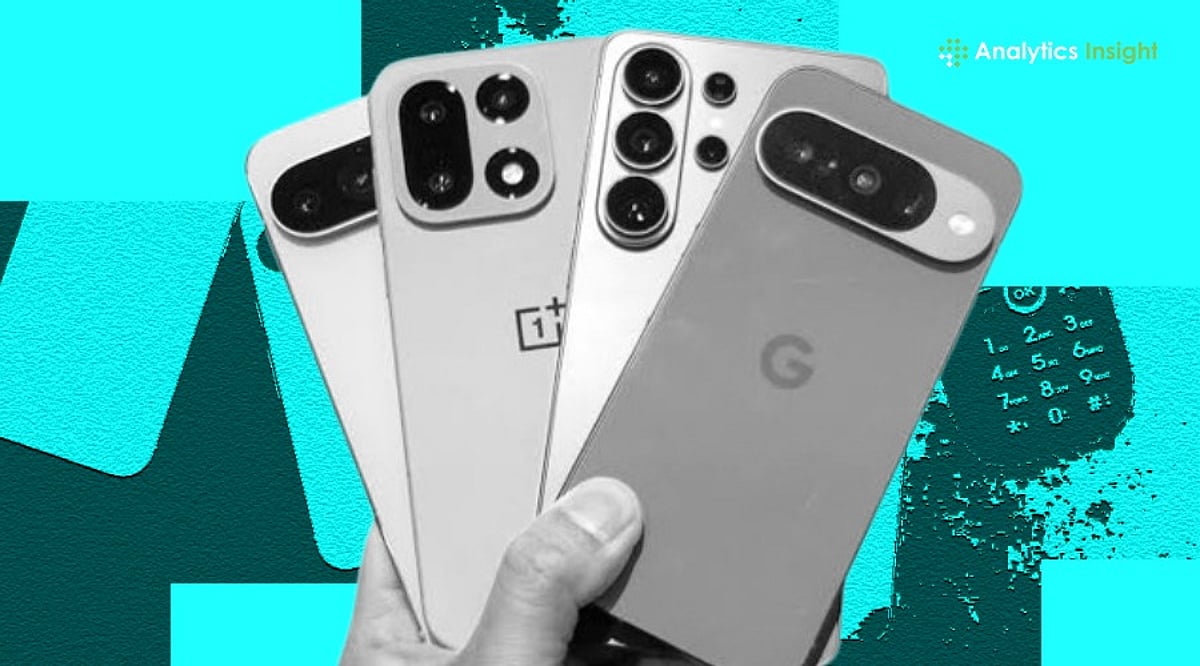
    The world’s best-selling smartphones reflect shifting consumer demand and market trends, revealing which devices are winning across different price segments. Based on the latest 2026 global sales data from Counterpoint Research, here are the top 10 smartphones leading worldwide sales in Q1 2026.

    Overview

    Apple swept the top three spots by closing the gap between its base and Pro iPhones, while Samsung won on breadth, placing five Galaxy A models across every price point to cover buyers Apple doesn’t reach. The top 10 phones made up 25% of global smartphone sales in Q1 2026, the highest first-quarter share on record, showing the market is consolidating around fewer winning models.

    “Best-selling” reflects price, timing, and availability more than raw specs, as shown by the Galaxy S26 Ultra, a genuinely improved flagship that still missed the top 10 simply because it launched too late in the quarter.

    Global smartphone shipments had a difficult first quarter, falling 6% year over year as memory chip shortages disrupted the industry. However, one company managed to defy the slowdown. According to Counterpoint Research’s Q1 2026 report, Apple claimed the top spot for the first time ever in a first quarter, capturing a 21% market share while most rivals saw shipments decline.

    How the Top 10 Best-Selling Smartphones in 2026 Were Ranked

    Counterpoint Research tracks global handset sales every quarter. This list covers Q1 2026, from January through March. It’s not a full-year ranking—it’s a snapshot of the most recent three months. Best-selling doesn’t necessarily mean best; a smartphone can top the sales charts because of its price, launch timing, availability, or marketing strategy, not because it is the most advanced or feature-packed device.

    Top 10 Best-Selling Smartphones in the World So Far in 2026

    1. Apple iPhone 17: The clear winner, with 6% of all global phone sales on its own. It picked up buyers who once paid extra for a Pro model, since this year’s base iPhone came close enough in features to feel like the smarter buy.
    2. Apple iPhone 17 Pro Max: Apple’s top-tier flagship, close behind in second place. It held on to buyers who still want the biggest screen, the best camera setup, and the longest battery life.
    3. Apple iPhone 17 Pro: Rounds out a full sweep of the top three spots for Apple. It sits between the standard and Max models, appealing to buyers who want Pro features without the largest, priciest size.
    4. Samsung Galaxy A07 4G: A budget-friendly seller, strong in developing markets where many buyers are picking up their first smartphone or replacing an aging device on a tight budget.
    5. Samsung Galaxy A17 5G: An affordable phone with 5G, popular with buyers upgrading their network speed for the first time without paying flagship prices.
    6. Apple iPhone 16: Last year’s model, still selling well to buyers who want the Apple ecosystem at a lower price now that a newer generation has taken over the spotlight.
    7. Samsung Galaxy A56: Positioned in the upper mid-range, it attracted buyers looking for premium-feeling features, such as a sharp display and a solid camera, without paying flagship prices.
    8. Samsung Galaxy A36: Another solid mid-range performer for Samsung, popular with buyers who want dependable everyday performance over flashy extras.
    9. Samsung Galaxy A17 4G: A lower-cost version of the A17, built for value shoppers who want a modern phone without the cost of 5G hardware they may not need yet.
    10. Xiaomi Redmi A5: The cheapest phone on the list and the only non-Apple, non-Samsung entry. It serves buyers for whom price is the deciding factor above everything else.

    Together, these 10 phones accounted for 25% of all phones sold worldwide in Q1 2026—the highest share any top 10 list has hit in a first quarter, ever. The market is narrowing around fewer winners.

    Why Apple Dominated the Top 3

    The interesting part isn’t just that Apple won, but how the brand took the lead. In past years, the Pro models usually outsold the base iPhone. However, this year the standard iPhone 17 received upgrades once reserved for the Pro line, such as more storage, a better camera, and a smoother screen. This made the cheaper model good enough for most buyers, increasing its sales over the more expensive Pro versions. Apple didn’t just make a better phone—it closed the gap between its cheap and expensive models, and buyers noticed.

    Why Samsung Led Android Smartphone Sales

    Samsung didn’t have a single phone in the top three, but it placed five phones in the top 10, more than any other brand. Samsung’s real strategy is not to chase the top spot with a single flagship, but to cover every price point. The Galaxy A series spans several price brackets and regions, letting Samsung reach first-time smartphone buyers, value-conscious shoppers, and people upgrading from an older device. This approach matters even more now: a global shortage of memory chips is pushing up costs for budget phone makers, and Samsung’s spread-out lineup helps it absorb the pressure better than smaller competitors can.

    Why the Samsung Galaxy S26 Ultra Missed the Top 10

    Samsung’s flagship, the Galaxy S26 Ultra, actually outsold last year’s model, but it still didn’t make the top 10 list. The reason comes down to timing—it hit shelves later in the quarter than Apple’s iPhone 17 lineup, leaving less time to rack up sales. Sometimes launch timing decides if a good phone receives a good ranking.

    What the 2026 Smartphone Sales Rankings Reveal

    The best-selling smartphones in the world tell an interesting story about what people value when buying a new device. These rankings are shaped by more than just the latest technology. Price, timing, brand trust, and availability all impact purchasing decisions. The Q1 2026 results confirm that buyers remain satisfied with brands offering a balance of high-quality experiences and value. Although flagship phones are gaining loyal customers, budget and mid-range phones are the main reason for global smartphone sales.

    Final Thought

    The world’s top-selling smartphones for 2026 reveal that it’s more than just about the latest technology. Apple made its baseline iPhone more attractive to a broader customer base, and Samsung’s product line had a larger impact across multiple price points. In addition to Xiaomi’s ongoing dominance of the budget segment, the rankings show that while innovation plays a role in any product choice, so do value, ecosystem, pricing, and availability. These trends will drive global smartphone sales throughout the year and decide who remains on top of the ever-competitive smartphone market.

  • 7 Essential Leadership Skills for Business Success in 2026

    7 Essential Leadership Skills for Business Success in 2026

    Artificial intelligence is transforming workplaces, hybrid teams are becoming the norm, and economic uncertainty continues to test businesses worldwide. In this era, leadership is no longer measured solely by experience and decision-making capabilities. Today’s leaders must keep people engaged, customers satisfied, and the business competitive amid rapid technological change.

    The best business leaders in 2026 combine digital and human skills. They are proficient with technology yet never neglect empathy, ethical values, and innovation. Below are the key leadership skills every business leader needs to thrive.

    1. AI Literacy

    Leaders need to understand how artificial intelligence impacts processes, client communication, and decision-making. Technical expertise isn’t required, but knowing where AI can add value is essential.

    2. Strategic Thinking

    Organizations operate in ever-changing environments. Leaders must analyze market trends, anticipate threats, evaluate opportunities, and make strategic decisions to guide their firms.

    3. Emotional Intelligence

    Self-awareness, empathy, and relationship management are critical. Leaders with high emotional intelligence build effective, resilient teams and foster trust and collaboration.

    4. Adaptability

    The capacity to pivot in response to technological disruptions, regulatory changes, and customer demands is vital. Adaptable leaders embrace change rather than resist it.

    5. Effective Communication

    Clear communication ensures everyone understands organizational goals and priorities. Transparency earns trust and aligns teams toward shared objectives.

    6. Ethical Decision-Making

    Responsible leadership is a competitive advantage. Leaders must ensure technology adoption is ethical, protecting privacy and fairness to maintain reputation and customer trust.

    7. Employee Development

    Today’s leaders act as mentors, not just supervisors. Developing employees improves retention and prepares the workforce for future challenges.

    Why Human Skills Still Matter in the AI Era

    While AI excels at repetitive tasks, it lacks empathy, judgment, ethics, and the ability to inspire. Technology becomes far more productive when guided by leaders who understand people. The ideal combination of automation and emotional intelligence delivers superior results.

    Organizations must also ensure ethical use of AI: considering threats, complying with regulations, protecting private data, and maintaining transparency. Those that fail risk reputation damage and loss of client trust.

    Conclusion

    Leadership in 2026 goes beyond hierarchies. AI literacy alone is insufficient; emotional intelligence, ethics, adaptability, and strategy distinguish great leaders from good managers. Companies that cultivate these attributes will innovate, attract talent, navigate uncertainty, and grow in the digital age.

  • Top SEO Conferences and Events to Attend in 2026

    Top SEO Conferences and Events to Attend in 2026

    Stay ahead in the ever-evolving world of search engine optimization by attending the most impactful SEO events and conferences in 2026. These gatherings offer unparalleled opportunities to learn from industry leaders, network with peers, and discover cutting-edge strategies. Below is a curated list of must-attend conferences for marketing professionals.

    BrightonSEO

    One of the world’s leading SEO conferences, BrightonSEO features expert speakers, practical workshops, networking opportunities, and cutting-edge search marketing insights annually. It’s a prime event for anyone serious about SEO.

    SMX Advanced

    Designed for experienced marketers, SMX Advanced delivers advanced SEO, PPC, AI search, and analytics strategies from leading global industry professionals. Attendees gain deep dives into complex topics.

    MozCon

    MozCon offers actionable SEO sessions, community networking, expert-led presentations, and practical marketing insights for agencies, brands, and content creators alike. It’s known for high-quality, data-driven talks.

    INBOUND

    INBOUND combines SEO, content marketing, AI, sales, and customer experience discussions through inspiring keynotes, workshops, and extensive networking opportunities. It’s a holistic marketing event.

    DigiMarCon

    DigiMarCon covers SEO, social media, paid advertising, content strategy, automation, and digital innovation across multiple international conference locations every year. It provides a broad digital marketing perspective.

    Chiang Mai SEO Conference

    Popular among affiliate marketers and SEO professionals, this conference offers practical case studies, networking sessions, and profitable growth strategies discussions in a unique setting.

    Search Central Live

    Google’s official event helps marketers understand Search updates, indexing, technical SEO, structured data, and website optimization best practices effectively. Essential for staying aligned with Google’s guidelines.

    Content Marketing World

    Focuses on SEO-driven content creation, storytelling, audience engagement, AI tools, and measurable digital marketing success for businesses globally. A key event for content strategists.

    Affiliate World Conferences

    Brings together affiliate marketers, SEO specialists, advertisers, and technology providers to discuss performance marketing, AI, and business growth strategies. Ideal for those focused on affiliate and performance channels.

    Plan your 2026 calendar around these events to boost your skills, expand your network, and drive measurable results for your organization.

  • Top Senior-Friendly Smartphones of 2026: Easy-to-Use Models Compared

    Top Senior-Friendly Smartphones of 2026: Easy-to-Use Models Compared

    The best smartphone for seniors should be simple, practical, and dependable. Features like larger icons, loud speakers, and emergency tools improve the overall experience. This comparison highlights the top smartphones for seniors in 2026 across different budgets.

    Overview

    Ten phones grouped by real need, from a first smartphone to a dedicated cognitive-decline device, not a single best-to-worst ranking. A comparison table with a dedicated software support column, plus a short accessibility section covering screen readers, magnifiers, and live captions. Apple’s discontinued iPhone SE was replaced with the current iPhone 17e, verified against Apple’s active lineup.

    A confusing phone does more than frustrate an elderly parent. It can cut them off from family, slow down help during a health scare, and even leave the door open to scam callers. The right phone can help solve all three problems while making everyday communication simpler and safer. Below are ten simple smartphones that get ease of use, safety, and value right for seniors in 2026, with a side-by-side comparison table and a short guide to help you pick the right one.

    What Matters Most for a Senior’s First or Next Phone

    Four things matter most: a simple, uncluttered screen, loud and clear audio, a fast way to reach help in an emergency, and protection from spam and scam calls. Battery life and drop resistance matter too, but they support daily use rather than define it. Rankings below weigh ease of use, accessibility, safety features, software support, and value for money in that order. Camera quality and gaming power are not part of the criteria. Built-in accessibility tools also matter. Features such as screen readers, magnifiers, live captions, voice typing, and hearing aid compatibility make smartphones easier to use for seniors with visual, hearing, or mobility challenges.

    Phone Selection Criteria for Seniors in 2026

    Every spec on this list was checked against the manufacturer’s own page, and safety and battery claims were confirmed with more than one source. Any claim that could not be confirmed led to that phone being dropped. Price and carrier access across the US, UK, and India shaped the final ten.

    Best Easy-to-Use Phones for Seniors Compared

    • Jitterbug Smart5: Best for a first smartphone. The list-based menu, large 6.75-inch display, and one-touch Urgent Response button keep things simple. It only works on Lively’s network.
    • Consumer Cellular IRIS Flip: Best for calling and texting only. The familiar flip design, hearing aid compatibility, and physical buttons keep the learning curve short. There is no access to apps or the internet.
    • Samsung Galaxy A26 5G: Best for the most balanced smartphone overall, especially in India. Easy Mode, IP67 water resistance, Gorilla Glass Victus+, location-sharing SOS, and six years of security updates combine accessibility, durability, and long-term value. It costs more than entry-level Android phones, but the extra years of support close the gap.
    • Samsung Galaxy A17: Best for a budget-conscious senior who still wants a modern experience. Easy mode, a large bright display, and steady performance keep navigation simple at a lower price than the A26, though durability drops a step.
    • Google Pixel 10a: Best for long-term security. Seven years of updates, crash detection, live captioning, and a clean Android interface make for a secure, accessible phone, though it has no dedicated easy mode.
    • Apple iPhone 17e: Best for a family already using Apple devices. Siri, FaceTime, and Family Sharing ease of communication, and Apple’s accessibility tools remain among the strongest available. It costs more than comparable Android phones but fits naturally into an Apple household.
    • Moto G 5G: Best for an affordable Android phone for everyday use. The clean interface, large display, and reliable battery handle calls, messaging, and WhatsApp well, though software support runs shorter than on premium models.
    • Chatsie Phone: Best for a senior who reads text more easily than icons. Text-based menus, adjustable fonts, and a dedicated support line make this one of the most accessible phones here, though it limits advanced features.
    • Xiaomi Redmi A5: Best for the lowest-cost smartphone without losing essential usability. A simplified home screen, dependable battery, and easy navigation suit a first-time user, with shorter software support than Samsung, Google, or Apple.
    • RAZ Memory Cell Phone: Best for cognitive decline. The photo-contact interface removes navigation entirely, so a single tap starts a call, and the phone works with any carrier. It offers fewer general features than the rest of this list.

    Smartphone Comparison Table for Seniors

    Prices are approximate. They may change by region and retailer. (A full comparison table would be inserted here with columns for model, price, display size, battery, software support, and key features.)

    How to Choose the Right Smartphone for Seniors

    For any senior with difficulty using a touchscreen, begin with the Jitterbug Smart5 or the IRIS Flip. If they are already capable of basic apps, the Galaxy A26, A17, or Moto G has scam protection capabilities that the majority of senior phones lack. In the case of long-term software support, the Pixel 10a or the iPhone 17e will last for years longer than the cheaper Android phones. When it comes to memory loss, go with the RAZ Memory Phone over any other.

    Final Thoughts

    The best phones for seniors are not necessarily the latest or most powerful. Taking the usability, accessibility, reliable safety, and software support into consideration is far more important than flagship specifications. A senior who is confident with the technology will benefit from improved communications, giving independence and peace of mind to the user and family. As smartphones become more advanced, there are more useful and accessible options for older people than ever before.

  • The Best No-Code AI App Builders for 2026: Build Apps Without Coding

    The Best No-Code AI App Builders for 2026: Build Apps Without Coding

    No-code AI platforms are making application development accessible by allowing users to build intelligent apps without writing traditional programming code.

    Bubble continues to be one of the most popular no-code platforms, enabling users to create web applications while integrating AI models and automation services.

    Glide transforms spreadsheets into powerful mobile and web applications with AI-powered workflows, making rapid business app development simple.

    Microsoft Power Apps combines low-code development with Microsoft Copilot AI, enabling organizations to build business applications using natural language prompts.

    Softr allows users to build client portals, internal tools, and business applications by connecting databases with customizable no-code interfaces and AI capabilities.

    FlutterFlow has become a leading visual app builder for creating cross-platform mobile applications while supporting AI integrations and custom backend services.

    Modern no-code AI builders include features like AI chatbots, workflow automation, document generation, image creation, and intelligent data processing. Businesses increasingly use these platforms to build customer support tools, CRM systems, inventory management apps, employee portals, and productivity solutions.

    Selecting the right no-code AI platform depends on deployment options, integrations, scalability, pricing, security, and the complexity of the intended application.

  • Electric vs. Petrol Cars: A 2026 Cost Comparison for Daily Driving

    Electric vs. Petrol Cars: A 2026 Cost Comparison for Daily Driving

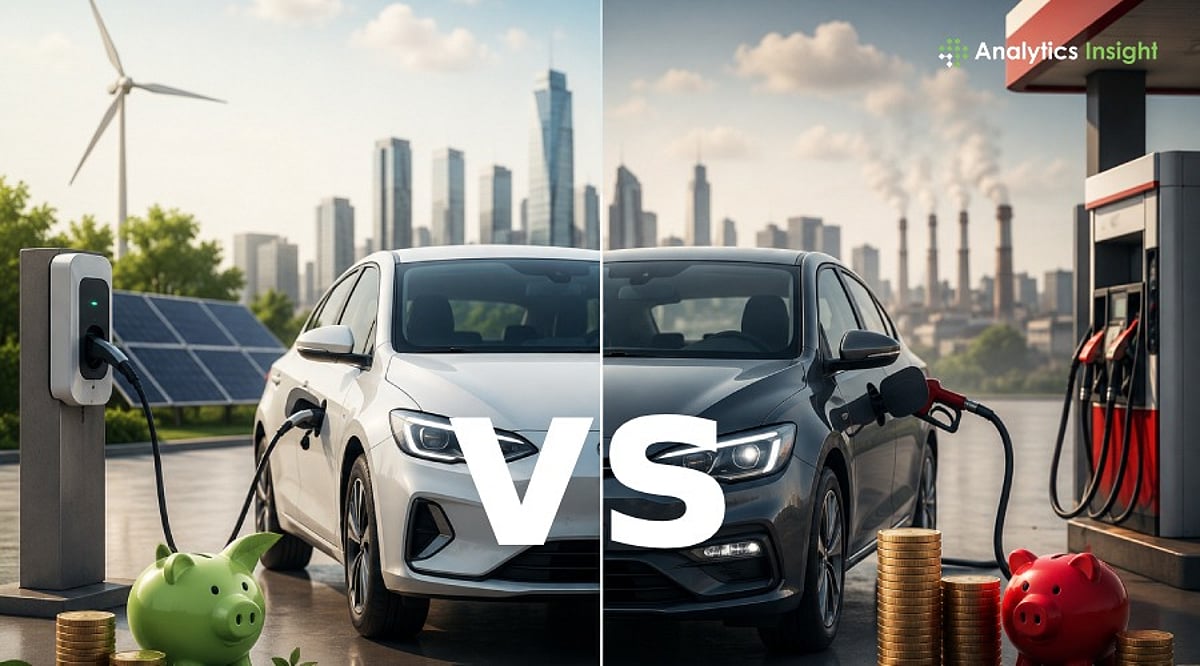
    Electric cars are more expensive upfront but offer significantly lower running costs, making them cheaper than petrol cars over time, especially for daily commutes. In 2026, the gap in total ownership costs has narrowed further, with electric vehicles (EVs) recovering their price premium within three to four years.

    Daily Cost of Driving

    Petrol prices remain near Rs. 100 per litre in many parts of India. A typical petrol car delivers about 14 km per litre, translating to roughly Rs. 7 per kilometer. In contrast, electric cars consume 15–18 kWh per 100 km. At home electricity rates of around Rs. 8 per unit, the cost drops to Rs. 1.2–Rs. 1.5 per kilometer. Even using public fast chargers, the cost stays between Rs. 2.5 and Rs. 4.5 per km — a 70–80% reduction compared to petrol.

    Yearly Fuel and Charging Expenses

    For a driver covering 15,000 km annually, petrol costs about Rs. 105,000 per year. Home-charging an electric car for the same distance costs just Rs. 20,000–Rs. 25,000. That’s over Rs. 80,000 in annual savings, a gap that widens as petrol prices rise.

    Maintenance Costs Remain Lower for EVs

    Petrol cars require regular oil changes, filter replacements, spark plug service, clutch and gearbox work, and exhaust repairs — costing Rs. 12,000–Rs. 20,000 per year. Electric cars have far fewer moving parts, no engine oil, and no exhaust system, reducing annual maintenance to Rs. 4,000–Rs. 8,000. Studies show EVs cut maintenance expenses by 40–60%.

    Purchase Price Still Favors Petrol Cars

    In 2026, a compact petrol SUV in India costs around Rs. 13–14 lakh, while a comparable electric SUV ranges from Rs. 16–18 lakh — a premium of Rs. 3–5 lakh. However, manufacturers like Tata and Mahindra are introducing lower-priced EVs, gradually closing the gap.

    Charging Infrastructure Still Creates Problems

    Petrol stations are ubiquitous, but charging stations remain limited in many areas. A June 2026 survey of Uber drivers found charging availability is now a bigger concern than vehicle price for those considering switching to EVs. Fast-charging stations also cost more than home charging, reducing savings for drivers dependent on public networks.

    Five-Year Ownership Cost Comparison

    A petrol car priced at Rs. 13.5 lakh incurs about Rs. 5 lakh in fuel and Rs. 70,000 in maintenance over five years — total approximately Rs. 19.2 lakh. An electric car at Rs. 17 lakh needs only Rs. 70,000 for charging and Rs. 25,000 for maintenance, totaling about Rs. 17.95 lakh. Despite the higher upfront cost, the EV recovers the difference within three to four years.

    Final Verdict

    Electric cars clearly cost less to run. Daily expenses are much lower, yearly fuel savings are significant, and maintenance remains minimal. Petrol cars still appeal to buyers seeking a lower purchase price and easy access to fuel stations, especially for long-distance travel. However, for regular city driving and higher annual mileage, EVs offer better long-term value. The shift toward electric vehicles continues because lower running costs have become impossible to ignore.

    FAQs

    1. Are electric cars cheaper to run than petrol cars in 2026? Yes, electric cars cost much less per kilometer because electricity remains far cheaper than petrol.
    2. How much does a petrol car cost per kilometer in 2026? A petrol car costs around Rs. 7 per kilometer based on average fuel prices and mileage.
    3. How much does an electric car cost per kilometer in 2026? An electric car usually costs between Rs. 1.2 and Rs. 1.5 per kilometer with home charging.
    4. Why do electric cars have lower maintenance costs? Electric cars have fewer mechanical parts and do not require engine oil changes, exhaust repairs, or spark plug replacement.
    5. Which car type saves more money over five years? Electric cars usually save more money over five years because charging and maintenance costs stay much lower than petrol cars.
  • Top Tablet Stylus Pens of 2026: Best Picks for iPad, Android, and Windows Devices

    Top Tablet Stylus Pens of 2026: Best Picks for iPad, Android, and Windows Devices

    Overview

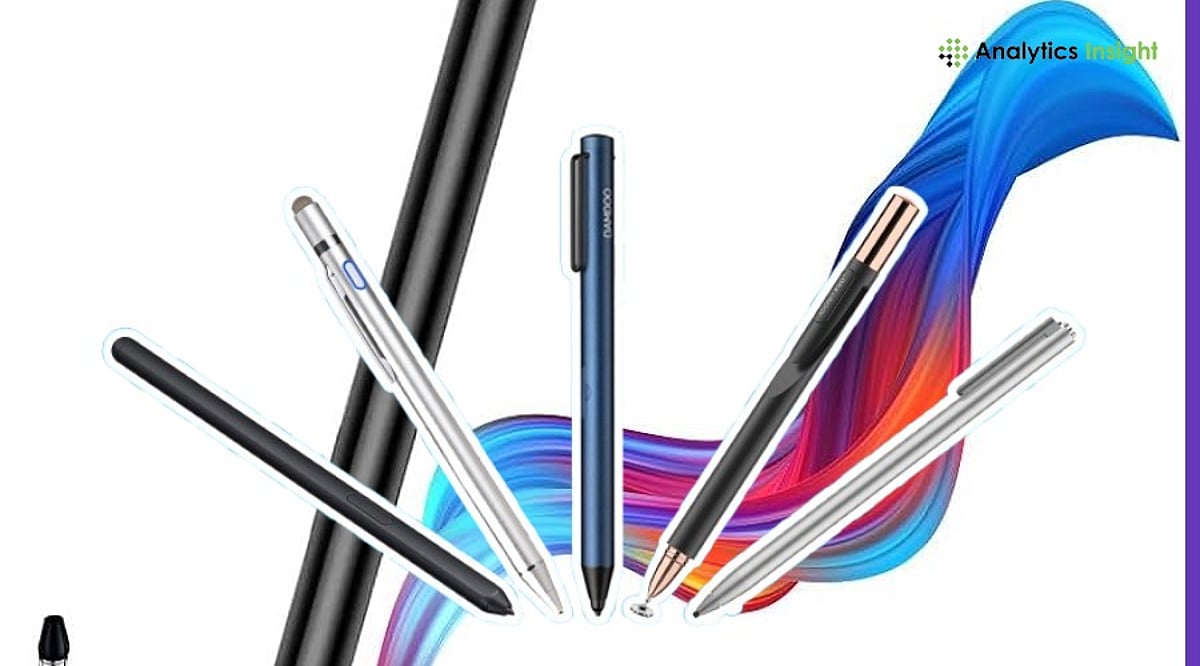
    Discover top tablet pens compatible with iPad, Android, and Windows devices for every budget and workflow. Compare essential stylus features including pressure sensitivity, charging methods, compatibility, and productivity-focused capabilities before purchasing. Find the ideal tablet pen for note-taking, sketching, studying, creative work, and professional productivity tasks.

    Global demand for tablets continues to rise, and so does the need for capable stylus pens. Worldwide tablet shipments reached 151.9 million units in 2025, marking a 5% year-on-year increase, according to IDC. The global stylus pen market was valued at $19.45 billion and is projected to exceed $40 billion by 2034.

    Top Stylus Pens for iPad, Android, and Windows Tablets

    With more users embracing digital note-taking, sketching, and hybrid working, selecting a compatible stylus has become as crucial as selecting the tablet itself.

    Apple Pencil Pro

    Apple Pencil Pro is the highest-performing stylus designed specifically for creators and professionals. This stylus features pressure and tilt sensing, haptics, squeezing, barrel rotation, and Find My capabilities. Apple Pencil Pro can be magnetically docked and charged to compatible iPads.

    Buy Now!

    Apple Pencil (USB-C)

    Apple Pencil (USB-C) makes for an excellent iPad stylus that does not cost a great deal if you want quality and reliability. This stylus offers pixel-level accuracy, tilt functionality, magnetic attachment, and USB-C charging. Pressure sensitivity may be missing from the list, but it works well for annotation.

    Buy Now!

    Samsung S Pen

    Samsung’s S Pen is included with many Samsung Galaxy Tab models and is among the most affordable styluses on the market. This stylus includes 4,096 pressure levels, low latency, palm rejection technology, and tilt functionality. It does not require charging to function properly.

    Buy Now!

    Xiaomi Focus Pen

    Xiaomi Focus Pen is specifically designed for Xiaomi Pad series tablets. The pen features 8,192 levels of pressure sensitivity, shortcut buttons, and USB-C charging. It gives you an accurate writing and drawing tool at an affordable price.

    Buy Now!

    Microsoft Surface Slim Pen 2

    Surface Slim Pen 2 is designed to work flawlessly with any Microsoft Surface device. The pen has 4,096 pressure levels, supports tilt, provides haptic feedback, and supports wireless charging. It has a comfortable grip and is ideal for note-taking and sketching with Windows Ink.

    Buy Now!

    Lenovo Digital Pen 2

    Lenovo Digital Pen 2 is a good choice for all compatible Lenovo tablets and Windows computers. It offers pressure sensitivity of up to 4,096 levels, tilt recognition, custom buttons, and long battery life. This ergonomic pen will suit both students and professionals.

    Buy Now!

    Tablet Pen Features Compared Side-By-Side

    When comparing these styluses, key factors include pressure sensitivity levels, tilt support, charging method, and ecosystem compatibility. The Apple Pencil Pro leads with haptic feedback and barrel rotation, while the Xiaomi Focus Pen offers the highest pressure sensitivity at 8,192 levels. The Samsung S Pen stands out for not requiring a battery for basic functions, and the Microsoft Surface Slim Pen 2 integrates haptic feedback for a more natural writing experience.

    Final Take

    The right tablet pen depends on the device you use and how you plan to use it. The use of advanced styluses with features such as pressure sensitivity and tilt may benefit artists. In contrast, affordable mid-range styluses may be more advantageous for students and professionals in terms of cost savings. One must consider the stylus’s compatibility with their tablets before purchasing.

    Frequently Asked Questions

    Which tablet pen is best for iPads in 2026?

    Apple Pencil Pro is the best choice for compatible iPads, offering pressure sensitivity, tilt support, haptic feedback, and wireless charging. Apple Pencil (USB-C) is a more affordable alternative for everyday note-taking, document annotation, and casual creative work.

    Can I use the same stylus on iPad, Android, and Windows tablets?

    Most active styluses are built for specific tablet ecosystems and may not work across different brands. Universal capacitive styluses offer broader compatibility but usually lack premium features such as pressure sensitivity, palm rejection, and tilt support.

    Is pressure sensitivity important in a tablet pen?

    Pressure sensitivity is especially valuable for artists, designers, and illustrators because it allows natural line variation while drawing. For students and professionals focused on writing or annotating documents, it is less important.

    Does the Samsung S Pen require charging?

    The Samsung S Pen does not need charging for regular writing, drawing, or navigation. However, Bluetooth-enabled Air Actions available on select Galaxy Tab models may require the stylus to be charged periodically.

    What should I consider before buying a tablet pen?

    Before purchasing, check whether the stylus is compatible with your tablet model. Also compare features such as pressure sensitivity, tilt support, palm rejection, charging method, battery life, and overall comfort for your intended use.

  • India’s 10 Most Promising Tech Startups Shaping 2026

    India’s 10 Most Promising Tech Startups Shaping 2026

    India’s startup ecosystem is undergoing a significant transformation. While previous years were dominated by conversations about massive funding rounds and valuations, the focus in 2026 has shifted toward sustainable growth, real-world problem-solving, and long-term profitability. Investors are now asking more critical questions: Is the business growing steadily? Does it solve a genuine problem? Can it generate sustainable revenue?

    This shift has created fertile ground for a new generation of startups across artificial intelligence, healthcare, financial services, electric vehicles, cloud computing, and space technology. These companies are building products that businesses and consumers actually need—from efficiency tools to accessible financial services. Below are ten Indian tech startups that are set to make an impact in 2026.

    Why Investors Are Paying Attention

    The startup landscape has become more pragmatic. While innovation remains paramount, investors are backing ventures with clear purpose and viable business models. Most startups now focus on solving everyday challenges rather than chasing trends. Government support for technology development and innovation is also fueling this growth.

    What Makes These Startups Different?

    Many startups launch every year, but only a few stand out. The companies on this list prioritize solving real problems. Some help businesses manage data more efficiently, others simplify financial services, and several are advancing health tracking or building space technology. Additionally, many of these startups are designed for global markets, giving them access to a larger customer base and more expansion opportunities. Most importantly, these companies are building products people actually use—substance over hype.

    Big Trends Shaping Indian Startups in 2026

    Businesses need tools that enable employees to work faster and smarter. Startups are delivering practical, less complex AI solutions. The healthcare sector is expanding rapidly due to rising consumer interest in health and fitness, opening doors for wellness-focused tech companies. Fintech continues to thrive as demand for faster, more convenient financial services grows. Electric mobility is also gaining traction, creating a pressing need for robust charging infrastructure. Meanwhile, space technology—once the domain of government agencies—is now attracting private players, with several Indian companies already achieving notable results.

    Why These Companies Matter

    The most successful startups are often not the loudest. They quietly solve problems every day—helping businesses save costs, making healthcare more accessible, improving financial services, and supporting emerging industries. These companies are building products with real impact, which is why investors, customers, and industry experts are closely watching them.

    Looking Ahead

    India’s startup environment is maturing. The “growth at any cost” mindset is giving way to value creation, problem-solving, and sustainability. The success stories of 2026 won’t come from companies that make the most noise; they will come from those that create something useful and earn customer trust. The ten firms highlighted here are among those to watch as India’s technology industry enters its next phase of growth.

    Why It Matters

    India’s next generation of technology startups is shaping the future of innovation across multiple industries. By developing practical solutions, creating employment opportunities, attracting investment, and expanding globally, these companies are strengthening India’s digital economy and driving long-term technological growth.

    FAQs

    Which are the top Indian tech startups to watch in 2026?

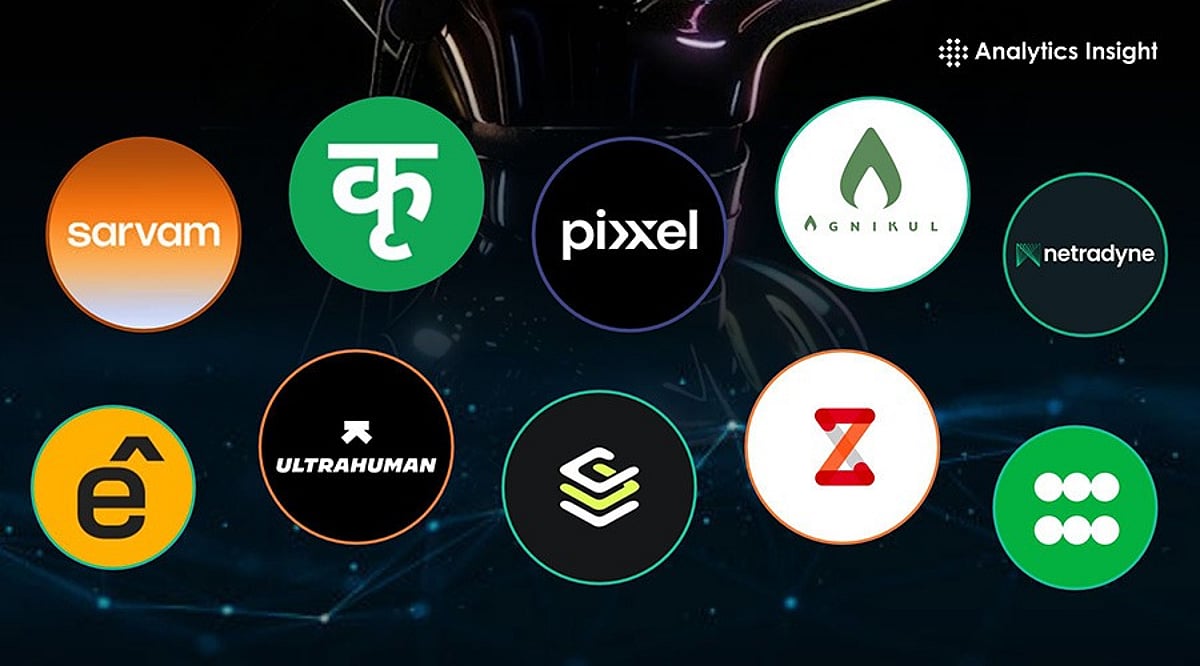
    Some of the most promising include Sarvam AI, Krutrim, Pixxel, Agnikul Cosmos, Netradyne, Exponent Energy, Ultrahuman, Lucidity, Zolve, and Equal. These companies are driving innovation across AI, space tech, fintech, healthtech, and cloud computing.

    Why are investors focusing on Indian tech startups in 2026?

    Investors are backing startups with sustainable business models, strong revenue potential, and products solving real-world problems. They prioritize long-term profitability, customer adoption, operational efficiency, and scalability across domestic and international markets.

    Which sectors are driving India’s startup ecosystem in 2026?

    AI, fintech, healthtech, electric mobility, cloud computing, identity technology, and commercial space technology are among the fastest-growing sectors. These industries benefit from digital adoption, supportive policies, private investment, and rising technology-driven demand.

    Why is AI becoming a major focus for Indian startups?

    AI startups are developing language models, enterprise automation tools, customer service platforms, and productivity solutions tailored to India’s diverse market. Businesses across industries adopt AI to improve efficiency, reduce costs, automate tasks, and enhance customer experiences.

    What makes Indian space startups attractive to investors?

    Private companies like Pixxel and Agnikul Cosmos are building satellite technologies, launch vehicles, and Earth observation solutions with global commercial potential. Government reforms and increased private participation have created new opportunities for innovation and international partnerships.

  • Leading CRM Certifications and Training Programs for 2026

    Leading CRM Certifications and Training Programs for 2026

    Customer Relationship Management (CRM) skills are in high demand as businesses seek to streamline sales, marketing, and customer service. Whether you’re starting out or advancing your career, the right certification can set you apart. Below are the top CRM courses and certifications to consider in 2026, covering major platforms like Salesforce, HubSpot, Microsoft Dynamics 365, and Zoho.

    Salesforce Administrator Certification

    Build expertise in CRM administration, automation, reporting, workflows, and data management through one of the industry’s most recognized certifications. This credential validates your ability to manage Salesforce environments and optimize business processes.

    HubSpot CRM Certification

    HubSpot Academy offers free, beginner-friendly courses on customer management, sales pipelines, email marketing, reporting, and CRM implementation. This certification is ideal for professionals looking to master inbound sales and marketing techniques.

    Microsoft Dynamics 365 Fundamentals

    Gain foundational knowledge of Dynamics 365 CRM, customer engagement, sales, marketing, and service operations. This certification is tailored for organizations that rely on Microsoft’s ecosystem and want to standardize their CRM skills.

    Zoho CRM Training

    Master lead management, workflow automation, analytics, AI-powered features, and business process optimization using Zoho’s comprehensive CRM platform. This training suits small to mid-sized businesses seeking an affordable, customizable CRM solution.

    Sales and CRM Overview

    Understand CRM fundamentals, sales processes, customer lifecycle management, and relationship-building skills through beginner-friendly professional training. This course provides a solid foundation for anyone new to CRM systems.

    Customer-Centric CRM Strategy

    Learn customer retention, loyalty programs, customer experience strategies, and marketing automation to build long-term business relationships effectively. This course focuses on strategic application rather than platform-specific skills.

    CRM Integration and AI

    Explore AI-driven customer management, predictive analytics, CRM integrations, workflow automation, and intelligent personalization for modern business operations. This advanced coverage prepares you for the intersection of CRM and artificial intelligence.

    ServiceNow CRM Architect Certification

    Advance enterprise CRM architecture, implementation, and customer workflow expertise with ServiceNow’s latest expert-level certification. Designed for experienced professionals, this credential demonstrates deep architectural knowledge.

    Each of these certifications offers unique value depending on your career goals and preferred CRM platform. To stay competitive, consider combining a platform-specific certification with a strategy-focused course. For the latest updates and exclusive content, join our community channels.