Tag: 2026

  • 10 Computer Vision Unicorn Startups Redefining Industries in 2026

    10 Computer Vision Unicorn Startups Redefining Industries in 2026

    Computer vision has become one of the fastest-growing areas of artificial intelligence, enabling machines to interpret images and video like humans. Businesses now leverage this technology to improve factory operations, inspect products, guide autonomous vehicles, detect fraud, monitor workplaces, and assist doctors with medical imaging. As AI advances, computer vision opens new business opportunities across many sectors. Industry reports project the global computer vision market will surpass $30 billion by 2030, and investors continue to back companies building practical AI solutions instead of experimental products.

    Several startups have already achieved unicorn status (valuations above $1 billion). Many have raised fresh funding, signed major enterprise deals, and expanded into new markets. Here are ten computer vision unicorn startups worth watching in 2026.

    Key Takeaways

    • Computer vision unicorns solve real business problems across multiple industries.
    • Strong funding and billion-dollar valuations reflect growing investor confidence.
    • These startups will drive the next phase of enterprise AI adoption.

    Shield AI

    Shield AI is a leading defense-focused AI company founded in 2015. Its Hivemind software enables aircraft to operate without GPS, relying on computer vision and sensors to navigate buildings, roads, and targets. In 2026, Shield AI is valued at nearly $12.6 billion, thanks to new investments and increased defense collaborations. Governments worldwide are expected to boost spending on autonomous defense solutions, positioning Shield AI for further growth.

    Netradyne

    Netradyne transforms commercial fleet safety with AI-powered dashboard cameras that analyze driver behavior in real time. It rewards safe driving and detects distracted driving, phone use, fatigue, harsh braking, lane changes, and road hazards. The company became India’s first unicorn of 2025 after a $90 million Series D round from Point72 Asset Management, Qualcomm Ventures, and Pavilion Capital. Netradyne now processes over 4 trillion sensor data points annually across more than 550,000 connected vehicles, helping logistics companies lower accidents and insurance costs.

    Gecko Robotics

    Gecko Robotics builds robotic inspection systems for large factories, power plants, oil refineries, and defense facilities. Its robots use advanced cameras and AI to detect corrosion, cracks, leaks, and structural damage early. The company crossed unicorn status in 2025 and works with major industrial firms and government organizations. As predictive maintenance investment grows, Gecko Robotics stands out as a top industrial AI company.

    Tractable

    Tractable revolutionizes insurance claims with computer vision. Customers upload photos of damaged vehicles or property, and the AI estimates repair costs in minutes. This speeds up claims, reduces fraud, and improves customer experience. Hundreds of insurers across North America, Europe, and Asia now rely on Tractable, which continues to expand as digital claims become standard.

    Runway

    Runway is a popular AI video creation platform. Its software removes objects, tracks motion, edits clips, changes backgrounds, and generates new videos from simple scripts, saving hours of manual editing. With strong investor backing and partnerships with media companies, Runway is well positioned for growth in enterprise AI.

    Covariant

    Covariant addresses the challenge of robotic grasping in warehouses. Its AI combines computer vision and machine learning to enable robots to identify and handle a wide variety of products, regardless of size, shape, or packaging. This improves efficiency, reduces costs, and speeds up operations. As e-commerce drives warehouse automation, Covariant expects strong revenue growth in 2026.

    Voxel

    Voxel uses computer vision to improve workplace safety. Its AI platform connects to existing security cameras in factories, warehouses, and industrial sites to detect safety violations like improper lifting, forklift hazards, and unauthorized access. By preventing accidents, Voxel helps businesses reduce injuries and financial losses. Stricter safety regulations are driving increased adoption.

    Magic Leap

    Magic Leap develops advanced augmented reality headsets equipped with computer vision that maps rooms, tracks eye movements, recognizes objects, and overlays information. The technology aids medical specialists, factory workers, engineers, and military personnel. Initially known for hardware, Magic Leap’s software has become equally valuable.

    Verkada

    Verkada modernizes enterprise security with cloud-connected AI cameras. Its platform recognizes faces, reads license plates, counts people, tracks occupancy, and detects unusual activity across thousands of cameras. Security teams receive instant alerts. Businesses choose Verkada for smarter security without large on-site infrastructure, making it one of the fastest-growing companies in the market.

    Afresh

    Afresh applies computer vision to grocery store inventory management. The AI analyzes product images and inventory data to predict demand for fresh produce, reducing food waste and improving stock availability. Retailers using Afresh see better profit margins and sustainability, gaining attention across the retail industry.

    Why This Matters

    Computer vision now supports tasks once done manually, helping businesses save time, lower costs, improve safety, and make faster, more accurate decisions. As AI adoption grows, companies leading computer vision innovation will shape the future of healthcare, manufacturing, transportation, retail, defense, and many other sectors.

    Final Thoughts

    Computer vision technology has evolved rapidly, powering unmanned vehicles, warehouse robots, insurance systems, workplace safety, and smart cameras. Companies like Shield AI, Netradyne, Gecko Robotics, Tractable, Runway, Covariant, Voxel, Magic Leap, Verkada, and Afresh are solving real organizational problems with strong funding and billion-dollar valuations, proving market confidence.

    FAQs

    1. What is a computer vision startup? A computer vision startup develops AI software that allows machines to understand and analyze images, videos, and visual data for real-world applications.
    2. What makes a startup a unicorn? A startup becomes a unicorn when its private valuation reaches $1 billion or more.
    3. Which industries use computer vision the most? Healthcare, manufacturing, logistics, retail, automotive, insurance, defense, agriculture, and security are the biggest users.
    4. Why do investors support computer vision startups? These companies build scalable AI solutions that improve efficiency, reduce costs, increase safety, and create long-term business opportunities.
    5. Why should businesses watch these startups in 2026? These companies lead innovation with advanced AI products, strong funding, expanding customer bases, and technologies that will influence enterprise automation.

  • Best Pen Display Tablets for Digital Artists and Designers: 2026 Buying Guide

    Best Pen Display Tablets for Digital Artists and Designers: 2026 Buying Guide

    Choosing the right pen display tablet depends on workflow, budget, and creative needs. From premium studio displays to portable models, buyers should compare display quality, pressure sensitivity, accessories, and overall value before making a purchase.

    What to Look for Before Buying

    • Resolution and color gamut: 4K panels with wide sRGB, Adobe RGB, and DCI-P3 coverage produce accurate artwork.
    • Pressure sensitivity: 8,192 levels is standard; newer pens push past 16,000.
    • Connectivity: Single USB-C for video and power reduces cable clutter.
    • Bundled accessories: Stands, spare nibs, key dials and cases may be extra.
    • OS support: Cross-platform compatibility with Windows, macOS, Android, and Linux.

    Premium Studio Displays

    Wacom Cintiq Pro 27

    27-inch 4K LCD, 120Hz refresh, 99% Adobe RGB, 98% DCI-P3, HDR support. Bundled Wacom Pro Pen 3 with 8,192 pressure levels. Stand sold separately.

    Xencelabs Pen Display 24

    4K OLED, Super AG etched surface, 44 customisable quick keys. Includes two pens and all accessories.

    Huion Kamvas Pro 27

    PenTech 4.0 with 0.35mm nib, 16,384 pressure levels. Keydial Mini controller with 18 programmable keys.

    Mid-Range and Portable Displays

    Wacom Cintiq 16 (2025)

    2.5K display, battery-free Pro Pen 3, weighs 2kg with foldable legs.

    Xencelabs Pen Display 16

    16-inch 4K OLED, factory calibrated colors.

    XP-Pen Artist Pro 16 (Gen 2)

    16-inch 2.5K display, 99% sRGB, Delta E <2.2. Bundled X3 Pro Smart Chip Stylus with 16,384 pressure levels, Mini Keydial controller, dual reversible ports, 1.79kg.

    Crossover and Budget Options

    Apple iPad Pro 11-inch

    Ultra Retina XDR tandem OLED, M5 chip. Apple Pencil Pro sold separately (£129).

    Gaomon M10K Pro

    Affordable, pairs with Android smartphones.

    Remarkable Paper Pro Move

    Handwriting-to-text, cloud sync, made from 50% recycled materials.

    Wacom Movinkpad 11

    Standalone Android OS, preloaded with Wacom Canvas and two-year Clip Studio Paint licence.

    Comparison at a Glance

    Model Screen Size Resolution Pressure Levels Price Point
    Wacom Cintiq Pro 27 27″ 4K 8,192 Premium
    Xencelabs Pen Display 24 24″ 4K OLED 8,192 Premium
    Huion Kamvas Pro 27 27″ 4K 16,384 Premium
    Wacom Cintiq 16 16″ 2.5K 8,192 Mid-range
    Xencelabs Pen Display 16 16″ 4K OLED 8,192 Mid-range
    XP-Pen Artist Pro 16 Gen 2 16″ 2.5K 16,384 Mid-range
    Apple iPad Pro 11 11″ Tandem OLED N/A (Pencil) Premium
    Gaomon M10K Pro 10″ HD 8,192 Budget
    Remarkable Paper Pro Move 10.3″ E Ink N/A Budget
    Wacom Movinkpad 11 11″ HD 8,192 Budget

    Final Word

    There is no one-size-fits-all pen display tablet. Professionals should consider the Wacom Cintiq Pro 27 or Huion Kamvas Pro 27. Students and beginners may prefer the XP-Pen Artist Pro 16 (Gen 2) or Wacom Cintiq 16. For portability, the Remarkable Paper Pro Move or Gaomon M10K Pro are solid choices. Always check the total cost of accessories before buying.

    Frequently Asked Questions

    Which is the best pen display tablet?

    It depends on your needs. Wacom Cintiq Pro 27 is top for professionals; XP-Pen Artist Pro 16 (Gen 2) offers great value.

    What should I check before buying?

    Display resolution, color accuracy, pressure sensitivity, OS compatibility, connectivity, and included accessories.

    Are expensive tablets worth it?

    Premium tablets offer better accuracy and build quality. Mid-range models provide excellent features at lower prices.

    Which tablet is best for beginners?

    XP-Pen Artist Pro 16 (Gen 2), Wacom Cintiq 16, or Gaomon M10K Pro are good choices.

    Do tablets include all accessories?

    Not always. Check if stand, stylus, or keydial are included to avoid extra costs.

  • 2026 iPhone Buying Guide: How to Select the Perfect Model for Your Needs

    2026 iPhone Buying Guide: How to Select the Perfect Model for Your Needs

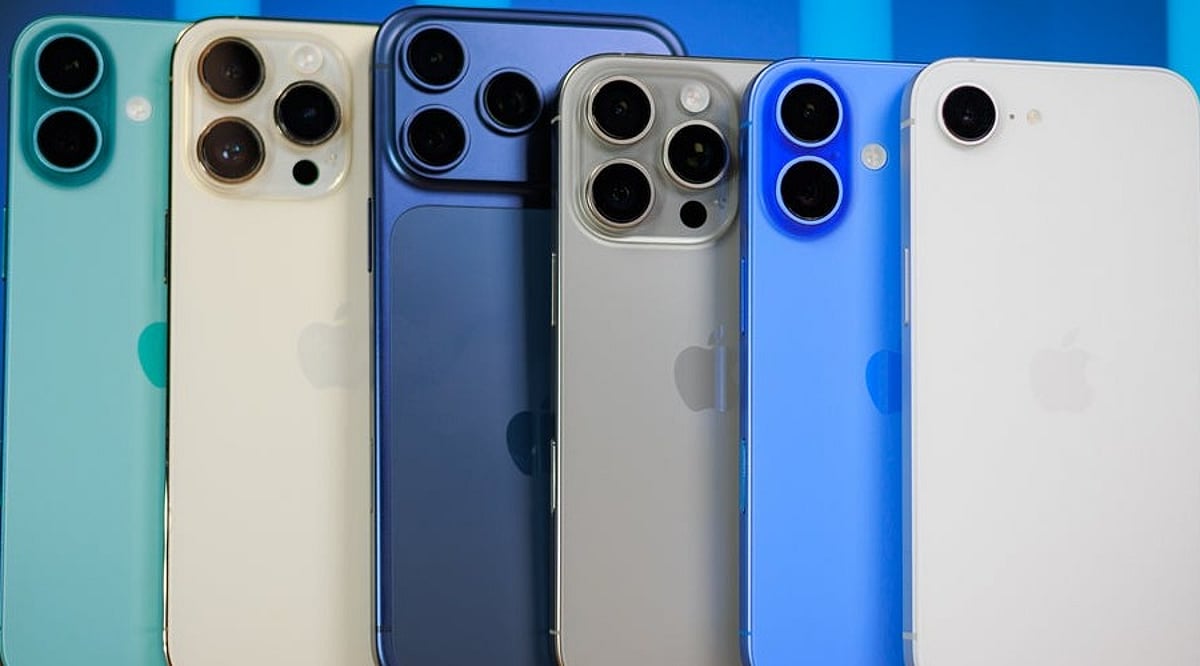
    Choosing the right iPhone in 2026 depends on your budget, daily usage, and long-term needs. Comparing camera quality, battery life, performance, and software support helps narrow the options. Understanding Apple’s lineup ensures you invest in a model that offers the best value and longevity.

    Overview

    Apple’s 2026 iPhone lineup spans budget, mainstream, and flagship models, with differences centered on camera systems, battery life, display quality, performance, storage, and Apple Intelligence capabilities. Choosing the right model depends on balancing everyday usage, photography needs, productivity, gaming, and long-term software support rather than simply opting for the newest device. Older and refurbished iPhones continue to offer strong value for many users, while premium models deliver advanced features suited to creators, professionals, and power users.

    Apple sells five iPhone generations right now, new or certified refurbished. Picking the right one is not about buying the newest phone. It is about matching a phone to real habits and a real budget. This guide breaks the decision into three parts: how the phone gets used, how much to spend, and which specs actually matter.

    How to Choose the Right iPhone Based on Needs

    Most buyers fit into four groups. Casual users mostly text, scroll social apps, and watch videos. They rarely push a phone to its limits. Creators and power users shoot video, edit photos, and run heavy apps every day. For them, speed and storage matter as much as the camera. Professionals want a phone that works every time, with strong battery life and steady calls. Budget buyers and first-time buyers want a reliable phone at a fair price, often from the refurbished market. Every pick below fits one of these four groups.

    Apple’s 2026 iPhone Lineup Explained

    The iPhone 17 series sits at the top right now. That includes the iPhone 17, the 17 Pro, the 17 Pro Max, and the new iPhone Air, which took the place of the old Plus model. The iPhone 18 has not launched. Apple is expected to hold an event in September, but pricing is not confirmed yet. So the iPhone 18 has no place in a buying decision made today. Below the flagships, the iPhone 16 and 16e offer current software at a lower price. Older models and certified refurbished devices, including the iPhone 13 through iPhone 15, make up the budget tier. They still run the latest iOS and handle daily tasks well.

    Best iPhone Models by Budget in 2026

    Apple has not confirmed any price hike, but recent dealer reports point to a possible increase for the iPhone 17 lineup, along with stock shortages on the base model. Treat these prices as a snapshot. Check current pricing before buying.

    Key Features to Compare Before Buying an iPhone

    • Camera: Pro models add extra lenses and sharper low-light shots. That matters most for photography and video work, less for someone who mostly shares photos on WhatsApp.
    • Battery and Charging Speed: Newer models last longer and charge faster, which helps heavy users and frequent travelers.
    • Chip: A faster chip runs Apple Intelligence more smoothly, while older phones support fewer AI features.
    • Storage: This gets ignored too often, and it shouldn’t. 128GB works for light users who lean on cloud backup. 256GB fits most people without much thought. 512GB or 1TB suits anyone who shoots a lot of video, plays large games, or keeps offline files without deleting them every week.

    Best iPhone Models to Buy in 2026

    The iPhone 17 is the best all-around pick for most buyers. Fast chip, solid camera, full Apple Intelligence support, at a lower price than the Pro models. For creators, the iPhone 17 Pro Max carries the strongest camera and screen on the market today. The extra cost makes sense for anyone earning money from photos or video. The iPhone 16 offers the best value in the mid-range, with a modern design and a good camera at a lower price. For a new phone on a tight budget, the iPhone 16e is a solid pick without the wear of an older refurbished unit. The iPhone Air suits buyers who want a thin, light phone without giving up the latest chip, a sharp screen, or a full day of battery. A certified refurbished iPhone 13 or 14 works well as a backup phone or a first phone for a teenager, as long as it still carries a warranty. One mistake worth avoiding: buying a Pro model just for the camera name, then never touching the modes that make it worth the extra money.

    How to Choose the Right iPhone Model in 2026

    1. Set a budget first, this narrows things down faster than any spec sheet.
    2. Be honest about cameras and Apple Intelligence. Do these actually matter for daily use, or would they mostly go untouched?
    3. Shortlist two or three models. Weigh storage against real usage, not the number printed on the box.
    4. Check trade-in and festival sale prices before deciding. A discounted last-year flagship often beats a new mid-range phone on value.

    Final Thoughts

    The iPhone 18 will change this picture soon, but that’s still months away and not confirmed. Buyers shopping today already have a strong lineup to pick from, from the iPhone 17 Pro Max down to a well-kept refurbished iPhone 13. The better long-term habit is checking real needs and storage before checking the model number. That habit still works no matter what chip Apple builds next.

    FAQs

    1. Which iPhone is the best to buy in 2026? The best iPhone depends on your budget and usage. Current flagship models suit power users, while last-generation and base models often offer the best balance of features and value.
    2. Is it worth buying an older iPhone in 2026? Yes, if it still receives software updates and meets your performance needs. Older and refurbished iPhones can be excellent choices for everyday tasks at a lower price.
    3. Should I buy a Pro iPhone or a standard model? Choose a Pro model if you need advanced cameras, premium displays, and top-tier performance. Standard models are ideal for most users seeking great everyday performance.
    4. How much storage should I choose for an iPhone? Select storage based on your usage. Casual users can opt for 128GB, while photographers, gamers, and content creators may benefit from 256GB or higher.
    5. What should I consider before buying an iPhone in 2026? Focus on your budget, camera requirements, battery life, storage, software support, and how long you plan to keep the device. Comparing these factors helps you choose the right model.
  • Top Crypto Payment Gateways for Businesses to Accept Bitcoin, Ethereum & Stablecoins in 2026

    Top Crypto Payment Gateways for Businesses to Accept Bitcoin, Ethereum & Stablecoins in 2026

    As cryptocurrency adoption accelerates, businesses of all sizes are looking for reliable ways to accept digital payments. In 2026, several crypto payment gateways stand out for their security, ease of integration, and support for multiple assets including Bitcoin, Ethereum, and stablecoins.

    Leading Crypto Payment Gateways for 2026

    • Coinbase Commerce – A beginner-friendly platform that enables businesses to accept cryptocurrency payments with minimal setup and strong security.
    • BitPay – One of the most trusted names in crypto payments, offering global merchant support and instant settlement options.
    • NOWPayments – Supports hundreds of cryptocurrencies with flexible APIs suitable for businesses of any size.
    • CoinGate – A versatile gateway that handles crypto payments, invoicing, and seamless e-commerce integrations.
    • Binance Pay – Zero-fee crypto payments within the Binance ecosystem, ideal for merchants and consumers worldwide.
    • Crypto.com Pay – Fast and secure payment processing with rewards and multi-asset support.
    • Stripe Crypto – Expanding crypto payment capabilities with stablecoin transactions and business-friendly APIs.
    • TripleA – A licensed crypto payment gateway that helps businesses accept digital assets while reducing fraud risks.

    These gateways provide the tools needed to tap into the growing crypto economy, making it easier for businesses to offer modern payment options to their customers.

  • Leading AI Clinical Trial Companies Shaping Drug Development in 2026

    Leading AI Clinical Trial Companies Shaping Drug Development in 2026

    Discover the top companies leveraging artificial intelligence to transform clinical trials and accelerate drug development in 2026.

    • IQVIA: Combines AI-powered analytics with clinical research expertise to accelerate trial execution.
    • Tempus AI: Uses AI and real-world healthcare data to improve precision medicine and clinical research.
    • Saama: AI-driven clinical analytics platform helping sponsors improve trial efficiency and data quality.
    • Medidata: Leverages AI and cloud technology to streamline decentralized and digital clinical trials.
    • Insilico Medicine: Uses generative AI to discover drug candidates and optimize clinical development timelines.
    • Owkin: Applies federated AI to analyze healthcare data while preserving patient privacy.
    • Deep 6 AI: Accelerates patient recruitment by using AI to match eligible participants quickly.
    • Unlearn AI: Creates AI-generated digital twins that enhance clinical trial design and reduce placebo requirements.
  • Elon Musk Announces Grok Imagine Will Produce AI-Generated Film of Homer’s The Odyssey by 2026

    Elon Musk Announces Grok Imagine Will Produce AI-Generated Film of Homer’s The Odyssey by 2026

    Elon Musk has announced that Grok Imagine, his AI-powered content generation tool, will produce a full-length movie based on Homer’s The Odyssey before the end of 2026. The announcement was made via a post on X (formerly Twitter) on Wednesday, accompanied by a short AI-generated video. Musk emphasized that the film would remain “historically accurate and true to the art of Homer.”

    The announcement comes as Christopher Nolan’s big-budget adaptation of The Odyssey enjoys a record-breaking opening weekend, grossing $264.1 million globally. Despite weeks of online debate over Nolan’s casting choices, the film has drawn massive audiences and is now one of the biggest movie launches of 2026.

    In his X post, Musk wrote: “Before this year ends, Grok Imagine will make a full-length movie of The Odyssey that is historically accurate and true to the art of Homer.” The video shared with the post was reportedly created by an X user using Grok Imagine.

    Musk has been openly critical of Nolan’s film since early casting reports surfaced online. He questioned the decision to cast Lupita Nyong’o in a prominent role and also reacted to rumors that Elliot Page would play Achilles. However, later reports confirmed that Page is playing Sinon, not Achilles.

    Christopher Nolan dismissed the criticism ahead of the film’s release, stating: “These conversations that happen before people see the film are always irrelevant, because no one having them knows what the film actually is yet.”

    The online debate has not dampened the film’s commercial success. The Odyssey earned $264.1 million worldwide in its opening weekend, marking Nolan’s biggest global opening and one of the strongest launches of 2026.

    As the AI filmmaking space heats up, Musk’s latest announcement signals a new frontier in generative AI—where tools like Grok Imagine aim to challenge traditional filmmaking by producing full-length, historically accurate narratives autonomously.

  • Top 7 Affordable Automatic Cars Under ₹10 Lakh for First-Time Buyers in 2026

    Top 7 Affordable Automatic Cars Under ₹10 Lakh for First-Time Buyers in 2026

    Buying your first car is exciting, but navigating the options under ₹10 lakh can be overwhelming, especially when you want an automatic transmission for easy city driving. We’ve rounded up the best automatic cars available in 2026 that combine affordability, reliability, and modern features — perfect for newcomers behind the wheel.

    Maruti Suzuki Celerio AMT: Effortless Urban Commuting

    The Maruti Suzuki Celerio AMT remains one of the most budget-friendly automatic cars for first-time buyers. Its compact size, light steering, and fuel-efficient petrol engine make daily commuting stress-free. The Auto Gear Shift transmission delivers smooth operation in city traffic, while low maintenance costs and an extensive service network keep ownership convenient and affordable.

    Hyundai Grand i10 Nios AMT: Premium Comfort Meets Style

    The Hyundai Grand i10 Nios AMT blends stylish design with a refined automatic driving experience. It offers a feature-rich cabin, touchscreen infotainment, wireless smartphone connectivity, rear AC vents, and multiple safety features. Its smooth AMT gearbox and comfortable ride quality make it an excellent choice for beginners seeking convenience without exceeding the ₹10 lakh budget.

    Maruti Suzuki WagonR AMT: Practical Value and Space

    The WagonR AMT continues to attract buyers with its spacious cabin, tall seating position, and excellent fuel economy. The automatic transmission reduces driver fatigue during heavy traffic, while generous headroom and boot space improve practicality. Reliable performance, affordable servicing, and strong resale value make it a dependable first automatic car.

    Tata Tiago AMT: Safety and Features First

    The Tata Tiago AMT stands out with its solid build quality, modern styling, and impressive safety credentials. Equipped with multiple airbags, electronic stability features, and a responsive automatic transmission, it offers confidence to new drivers. Its balanced ride, premium interiors, and competitive pricing make it one of the strongest value-for-money automatic hatchbacks.

    Renault Kwid AMT: SUV-Inspired Design for Young Buyers

    The Renault Kwid AMT offers high ground clearance, compact dimensions, and an easy-to-use automatic transmission suited for urban driving. Its modern digital instrument cluster, touchscreen infotainment system, and efficient petrol engine provide a pleasant ownership experience. Affordable pricing and stylish SUV-inspired looks make it appealing to young first-time buyers.

    Maruti Suzuki S-Presso AMT: Simplicity and Visibility

    The Maruti Suzuki S-Presso AMT features a high driving position that provides excellent road visibility for beginners. Its lightweight controls, efficient petrol engine, and compact footprint help drivers confidently navigate crowded city streets. The automatic gearbox minimizes effort in stop-and-go traffic, while low running costs enhance its appeal as a practical entry-level car.

    Choosing the Right Automatic Car in 2026

    When selecting an automatic car under ₹10 lakh, consider safety ratings, after-sales service, fuel efficiency, features, and long-term ownership costs — not just the price tag. With several reliable automatic hatchbacks available in 2026, first-time buyers can enjoy a comfortable, stress-free driving experience while staying within a practical budget and meeting everyday mobility needs.

  • Top Free Quantum Computing Courses for Beginners to Explore in 2026

    Top Free Quantum Computing Courses for Beginners to Explore in 2026

    Quantum computing is rapidly emerging as a transformative field, and 2026 offers an abundance of free resources for beginners eager to dive in. From industry giants like IBM, Microsoft, and Google to academic platforms such as edX and Coursera, learners can access high-quality courses without spending a dime. Below is a curated list of the best free quantum computing courses and learning platforms available this year.

    IBM Quantum Learning

    IBM’s free learning platform remains a premier starting point for newcomers. It covers the fundamentals of quantum mechanics, quantum circuits, and Qiskit programming. Learners gain hands-on experience by accessing real quantum computers through the cloud. Interactive labs and guided learning paths help bridge theory and practical skills.

    Microsoft Azure Quantum Learning

    Microsoft offers free modules that introduce quantum computing concepts, quantum algorithms, and the Azure Quantum ecosystem. The content includes quantum-inspired computing and programming fundamentals via structured tutorials. The self-paced format is ideal for students, developers, and tech enthusiasts entering the field.

    Google Quantum AI Resources

    Google provides free educational materials explaining quantum computing principles, qubits, error correction, and quantum algorithms. Resources include research articles, tutorials, videos, and open-source tools, helping learners understand how quantum differs from classical computing while staying current with cutting-edge developments.

    Qiskit YouTube Channel and Documentation

    IBM’s Qiskit documentation and YouTube tutorials offer an accessible path into quantum programming. Learners explore quantum gates, circuits, simulations, and algorithms through detailed examples. The active developer community contributes additional tutorials, projects, and troubleshooting guides for self-paced study.

    edX Quantum Computing Courses

    edX hosts several free audit courses from leading universities covering quantum mechanics, computing principles, and introductory programming. While certificates require payment, all course materials are freely accessible. These structured academic programs combine lectures, quizzes, and assignments, making them ideal for university-level instruction.

    Coursera Free Audit Courses

    Coursera allows learners to audit many introductory quantum computing courses from top universities at no cost. Topics include foundational theories, quantum algorithms, and applications in computing and cryptography. Auditing provides access to video lectures and reading materials, offering an affordable way to start learning.

    Class Central Course Directory

    Class Central aggregates free quantum computing courses from universities, educational platforms, and tech companies worldwide. Rather than offering a single course, it helps learners compare ratings, duration, difficulty, and providers. This makes it easy for beginners to find the most suitable learning path in 2026.

    Whether you’re a student, developer, or hobbyist, these free resources provide a solid foundation in quantum computing without financial barriers. Start exploring today and build skills for the next computing revolution.

  • 2026 Buyer’s Guide: Best AI Humanizer Tools for Email Marketing & Newsletters

    2026 Buyer’s Guide: Best AI Humanizer Tools for Email Marketing & Newsletters

    Why AI Humanizer Tools Are Now Essential for Email Marketing

    Email marketing has evolved dramatically. Marketers now rely on artificial intelligence to draft cold emails, write newsletters, and produce marketing copy at scale. However, AI-generated content often sounds robotic, and readers quickly detect that tone. A prospect may skip a mechanical-sounding email, subscribers might unsubscribe from generic newsletters, reply rates drop, and email filters can flag robotic copy—harming the sender’s domain reputation. This directly impacts business growth.

    As a result, many teams now treat AI humanizer tools as a standard step in their workflow. A quality humanizer does more than swap a few words; it rewrites entire sentences and paragraphs to create natural variation that passes both human readers and AI detectors. But choosing the right tool isn’t straightforward—many options exist, each with different strengths.

    This guide covers five key areas to consider before deciding on an AI humanizer. Whether you’re a small business owner sending a few emails a week or an agency managing large campaigns, the goal is the same: choose a tool with confidence.

    How These Tools Perform in the Real Market

    Humanizer tools don’t perform equally. Independent tests reveal clear gaps that carry real financial weight for email campaigns. For example, Walter Writes AI scores around 12% on Turnitin’s AI detector, while a common paraphrasing tool like QuillBot scores closer to 62%. For teams that need emails to reliably clear detection, this difference determines campaign success.

    Market data reinforces this: Walter Writes AI, Undetectable AI, and AIHumanizer.so lead the space with consistent results. Some teams report a 20% to 40% increase in reply rates after switching from raw AI text to humanized text.

    Simple tools still have a place—a basic paraphraser works for internal notes or casual social posts. But client-facing emails and major newsletters require a stronger tool built for detection avoidance and meaning retention.

    Price also factors in. A free tool like AIHumanizer.so offers 500 words per day without signup. Paid tools range from $8 to $129 per month. Most teams find that a paid humanizer costs far less than the revenue lost from weak email performance.

    Key Features That Matter Most

    When reviewing humanizer tools, focus on these five features:

    • Detection Strength: A tool that rewrites at the sentence and paragraph level outperforms one that only swaps words. Always test with your own email content before committing.
    • Meaning Retention: The rewritten email must preserve the original offer, names, and key terms. Weak tools can quietly alter details.
    • Speed: A tool should finish a rewrite within two to five minutes—most strong options now complete it in under 30 seconds.
    • Tone Control: Settings for formal, casual, academic, and professional tones let you match your brand voice.
    • Built-in Detector: Tools like Walter Writes AI include their own detector, saving time and building confidence without switching tabs.

    How Well These Tools Fit Into a Workflow

    A strong team doesn’t just pick a humanizer—it integrates the tool into its existing process without friction. A good tool handles multiple content types: cold emails, newsletters, proposals, and blog posts. Existing software matters too—teams using QuillBot can add its humanizer feature easily; those with Suites like Surfer SEO or Ahrefs may already have humanizing capabilities. Standalone options like Walter Writes AI and Undetectable AI offer maximum flexibility for teams without existing tools.

    The smartest setup uses one main tool with a speed backup. Stacking multiple humanizers adds confusion and slows down the process.

    How to Pick the Right Tool for Your Needs

    Different teams need different tools. Here’s a quick guide:

    • Small Business Owners: Walter Writes AI—free 300-word trial, no signup, built-in detector, and tone options.
    • High-Volume Teams: Undetectable AI—batch processing and bulk detection save time.
    • Tight Budget or Testing: AIHumanizer.so—500 words per day free for evaluation.
    • Agencies Managing Multiple Clients: Walter Writes AI or StealthWriter—strong detection protects client reputations.

    Final Thoughts

    AI humanizer tools now play a key role in email marketing. The real question isn’t whether to use one—it’s which tool fits your specific needs. Teams that test these tools report steady gains in reply rate, deliverability, and campaign results. A $10 monthly tool that lifts reply rates by 25% pays for itself many times over.

    Start by reviewing the five areas in this guide: the core problem, real market data, key features, workflow fit, and personal need. Then test free trials of top choices. The right tool becomes clear once you test it against real email content.

    Strong marketing teams treat humanizer tools as a standard part of their process. Skipping this step means missing a clear opportunity to improve results.

    Frequently Asked Questions

    1. What is an AI humanizer tool? It rewrites AI-generated content to sound more natural and conversational while preserving meaning, improving readability and engagement.
    2. Why should email marketers use AI humanizer tools? They help create emails that feel personal, build reader trust, increase reply rates, and reduce robotic tone.
    3. Can AI humanizer tools help with AI detection? Many advanced tools reduce detectable AI patterns by rewriting sentence structure and improving flow. Results vary by tool and detector.
    4. Are free AI humanizer tools good enough for email marketing? Free tools work for testing or small volumes; regular campaigns benefit from paid tools with better accuracy, tone control, and bulk processing.
    5. What should I look for before choosing an AI humanizer tool? Focus on detection performance, meaning retention, rewriting quality, speed, tone customization, pricing, and workflow compatibility.
  • 10 Sustainable Gadgets to Embrace in 2026 for a Greener Lifestyle

    10 Sustainable Gadgets to Embrace in 2026 for a Greener Lifestyle

    As environmental consciousness grows, innovative gadgets are making it easier to adopt eco-friendly habits without sacrificing convenience. From solar-powered chargers to intelligent home monitors, these ten devices help reduce energy consumption, cut waste, and shrink your carbon footprint. Here are the top sustainable gadgets worth trying in 2026.

    Solar Power Banks

    Harness the sun to recharge your smartphones and other portable devices. Solar power banks reduce reliance on grid electricity while offering reliable backup power during travel, camping, or outdoor adventures. They are a practical step toward renewable energy use in daily life.

    Smart Energy Monitors

    Track your household electricity usage in real time with smart energy monitors. These devices help identify energy waste, allowing families to adjust habits and lower monthly utility bills. They provide actionable insights to make your home more efficient.

    Solar Outdoor Lights

    Illuminate gardens, pathways, and patios using renewable solar energy. Solar outdoor lights eliminate electricity costs and provide dependable nighttime lighting year-round. They are easy to install and require no wiring, making them a simple eco-friendly upgrade.

    Rechargeable Batteries

    Replace disposable batteries with rechargeable alternatives. These batteries reduce landfill waste and save money over time by being reusable hundreds of times. They are ideal for powering remote controls, toys, flashlights, and other household gadgets.

    Water-Saving Smart Showers

    Intelligent shower systems monitor water consumption and encourage shorter showers without compromising comfort. By tracking usage and providing feedback, they help conserve water—a critical resource—while still delivering a satisfying experience.

    Energy-Efficient Air Purifiers

    Modern air purifiers consume less electricity while improving indoor air quality through advanced filtration technologies. Look for models with high CADR ratings and low wattage to ensure sustainable living without sacrificing clean air.

    Smart Thermostats

    Automatically adjust home temperatures based on your schedule and preferences. Smart thermostats optimize heating and cooling, reducing unnecessary energy consumption and lowering utility bills. They learn your routines and adapt to save energy effortlessly.

    Portable Wind Chargers

    Compact wind-powered chargers generate renewable electricity during outdoor activities like hiking, camping, or cycling. They offer an eco-friendly alternative to conventional charging methods, allowing you to stay powered without relying on fossil fuels.

    Eco-Friendly Wireless Keyboards

    Keyboards made from recycled materials and featuring solar charging reduce electronic waste while delivering reliable everyday productivity. They combine sustainability with performance, making them a smart choice for eco-conscious professionals.

    These gadgets represent the intersection of innovation and environmental responsibility. By integrating them into your daily life, you can reduce your ecological impact while enjoying modern conveniences. Stay tuned for more updates on sustainable technology.