Tag: 2026

  • 7 Deep Tech Startups in India Poised for Global Impact in 2026

    7 Deep Tech Startups in India Poised for Global Impact in 2026

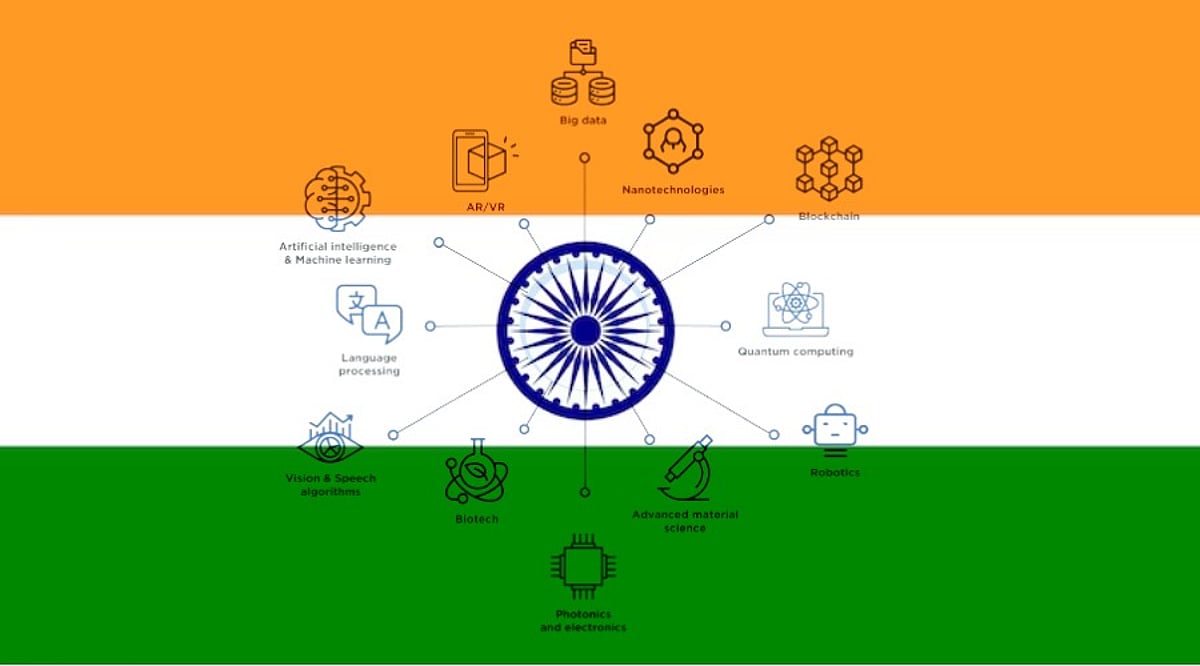
    India’s deep-tech ecosystem is entering a transformative phase as artificial intelligence, space technology, quantum computing, robotics, and advanced manufacturing move from research labs to commercial markets. Backed by rising venture capital investments, government initiatives such as the National Deep Tech Startup Policy discussions and IndiaAI Mission, and growing global demand for frontier technologies, 2026 is shaping up to be a defining year for Indian startups building intellectual property with worldwide impact.

    Leading Deep Tech Companies in India

    Deep-tech ventures are driving innovation through supportive government policies, research institutions, and increased funding. Unlike typical software startups, these companies develop intellectual property in fields like AI, space technology, quantum computing, robotics, and mobility. Here are seven startups to watch in 2026:

    1. Pixxel (Space Technology)

    Founded in 2019 by Awais Ahmed and Kshitij Khandelwal, Bengaluru-based Pixxel is building the world’s largest hyperspectral satellite constellation. Its Earth Observation Platform delivers high-quality imagery for agriculture, climate monitoring, mining, and defense. With global investments and commercial satellite launches, Pixxel has strengthened its international position and advanced analytical capabilities. As demand for geospatial intelligence soars, Pixxel stands out as one of India’s most promising space tech companies in 2026.

    2. Agnikul Cosmos (Space Launch)

    Set up in 2017 by Srinath Ravichandran and Moin SPM, Chennai-based Agnikul Cosmos offers custom-built launch vehicles for small satellites. The company gained worldwide attention by demonstrating a rocket launch using a 3D-printed engine made from a single piece. Supported by institutional and individual investors, Agnikul serves the commercial space sector, research institutions, and defense.

    3. QpiAI (Quantum Computing & AI)

    Founded in 2019 by Dr. Nagendra Nagaraja, QpiAI specializes in using AI and quantum computing to solve complex optimization problems. The company develops quantum computers, software, and AI for enterprise applications in manufacturing, pharma, logistics, and finance. With significant investments and government partnerships, QpiAI is accelerating India’s quantum sector.

    4. Sarvam AI (Generative AI)

    Founded in 2023 by Vivek Raghavan, Pratyush Kumar, and Ankit Jain, Bengaluru-based Sarvam AI focuses on developing sovereign generative AI models tailored for India’s multilingual environment. Its large language models, enterprise AI, and conversational systems support business and government initiatives. Having attracted funding from prominent investors and being selected for the IndiaAI Mission to build sovereign AI, Sarvam AI is poised to become a key player in India’s AI landscape in 2026.

    5. Qure.ai (Healthcare AI)

    Formed in Mumbai in 2016 by Prashant Warier and Pooja Rao, Qure.ai enhances medical imaging using AI. Its diagnostic tools help doctors identify diseases such as tuberculosis, lung conditions, and strokes from radiology images. The company operates in multiple countries, expanding through partnerships, and is one of the most commercially successful Indian healthcare AI firms.

    6. Ati Motors (Autonomous Industrial Robotics)

    Established in 2017 by Saurabh Chandra, Saurabh Agarwal, and Sikander Khan, Bengaluru-based Ati Motors specializes in Autonomous Mobile Robots (AMRs) for material movement in factory floors and warehouses. With enterprise adoption worldwide and additional funding, the company has gained a strong market position. As smart factories become more common, Ati Motors is well-positioned for growth in industrial automation.

    7. Vecmocon Technologies (EV Deep Tech)

    Headquartered in New Delhi and founded in 2016 by Peeyush Asati, Pallav Gupta, and Aman Raj, Vecmocon Technologies provides intelligent electronics, battery management systems, IoT platforms, and vehicle control units for electric vehicles. Serving two-wheelers, three-wheelers, and commercial EVs, the company continues to attract investment amid India’s growing electric mobility push, making it a leading innovator in clean mobility.

    Deep Tech Market Overview

    Rising enterprise adoption, defense requirements, and global demand for frontier technologies are accelerating commercialization. As startups increasingly collaborate with academia, industry, and public institutions, India’s deep-tech ecosystem is expected to expand further. For enterprise AI, Sarvam AI leads the way, while Pixxel and Agnikul Cosmos are reshaping space and defense technologies. Qure.ai continues transforming healthcare diagnostics, Ati Motors strengthens industrial automation, Vecmocon advances clean mobility, and QpiAI represents India’s growing ambitions in quantum computing. Together, these companies showcase the breadth and maturity of India’s rapidly evolving deep-tech ecosystem heading into 2026.

    Frequently Asked Questions

    What are deep tech companies?

    Deep tech companies create breakthrough technologies rooted in scientific research and engineering, including artificial intelligence, robotics, quantum computing, biotechnology, semiconductors, and space systems with strong intellectual property.

    Why is India’s deep tech sector growing rapidly?

    India’s deep tech sector is expanding due to increasing venture capital, government initiatives, research collaboration, skilled talent, and rising enterprise demand for frontier technologies across multiple industries.

    Which Indian company is leading in space technology?

    Pixxel specializes in hyperspectral Earth observation satellites, while Agnikul Cosmos develops customizable launch vehicles, making both companies pioneers in India’s rapidly growing private space industry.

    Which startups are driving AI innovation in India?

    Sarvam AI develops multilingual foundation models for enterprises, while Qure.ai uses artificial intelligence to improve medical imaging, disease detection, and clinical decision-making across healthcare systems worldwide.

    Which deep tech sectors offer the biggest opportunities in 2026?

    Artificial intelligence, quantum computing, space technology, robotics, healthcare AI, clean mobility, and semiconductor innovation are expected to drive investment, commercialization, and global competitiveness throughout India’s deep tech ecosystem in 2026.

  • Top MetaMask Alternatives for Crypto Users in 2026: Trust Wallet, Rabby, Phantom, and More

    Top MetaMask Alternatives for Crypto Users in 2026: Trust Wallet, Rabby, Phantom, and More

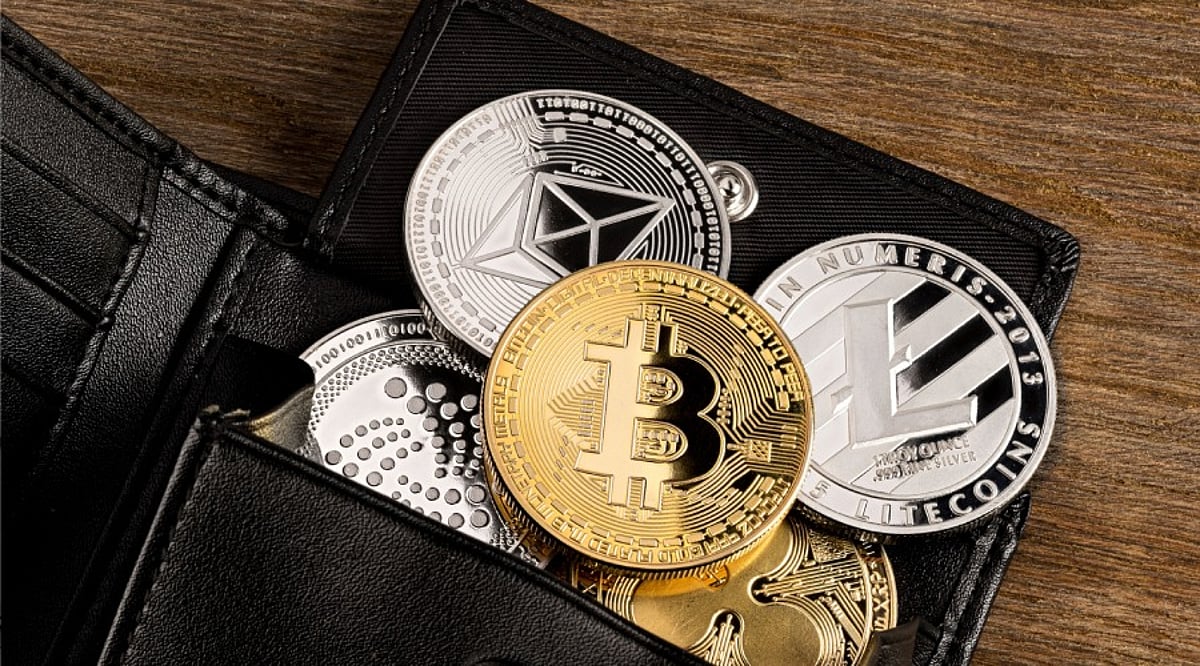
    MetaMask remains one of the most popular crypto wallets worldwide, with over 100 million users and support for Ethereum and EVM-compatible blockchains. However, the crypto landscape has expanded far beyond Ethereum, and many users now seek wallets that offer broader multi-chain support, stronger security, and smoother experiences. In 2026, wallets like Trust Wallet, Rabby, Phantom, Coinbase Wallet, Exodus, and Zengo provide compelling alternatives for managing digital assets across multiple networks, staking, NFTs, and DeFi.

    Why Many Crypto Users Choose Other Wallets

    The crypto ecosystem has diversified significantly. Leading blockchains such as Solana, Bitcoin, Base, Polygon, Avalanche, and BNB Chain now host thriving dApps and communities. Users increasingly hold assets across multiple chains, driving demand for wallets that natively support many networks without manual configuration. Modern wallets also offer improved mobile apps, lower swap fees, better recovery options, and enhanced scam protection, making them attractive for both beginners and experienced users.

    Key Takeaways

    • Trust Wallet excels in multi-chain asset management with support for over 100 blockchains.
    • Rabby and Zengo prioritize advanced security via transaction protection and seedless recovery.
    • Phantom, Exodus, and Coinbase Wallet deliver smooth experiences for NFTs, DeFi, and portfolio management.

    Top MetaMask Alternatives

    Trust Wallet

    Trust Wallet supports more than 100 blockchains and millions of cryptocurrencies, allowing users to manage diverse assets from one app. It includes staking, NFT storage, token swaps, and direct dApp access. Its intuitive design makes it especially beginner-friendly, while supporting Ethereum, BNB Chain, Solana, and many other networks.

    Rabby Wallet

    Rabby Wallet is popular among DeFi users for its smart security features, including automatic network detection. When you open a dApp, Rabby switches to the correct blockchain without manual intervention. It also checks every transaction for risks before approval and supports hardware wallets, making it a trusted choice for frequent DeFi interactions.

    Phantom Wallet

    Originally built for Solana, Phantom has expanded to support Ethereum, Bitcoin, Polygon, Base, and more. Its clean interface displays NFT collections in an organized gallery, and token swaps are straightforward. Phantom is favored by both new and experienced crypto users for its simplicity and performance.

    Coinbase Wallet

    Coinbase Wallet gives users full control over their digital assets without requiring funds on the Coinbase exchange. It supports thousands of cryptocurrencies, connects easily with dApps, and offers NFT storage and simple recovery options. Hardware wallet support adds extra security for long-term holders.

    Exodus Wallet

    Exodus focuses on simplicity and portfolio management. It supports hundreds of cryptocurrencies on desktop and mobile, with an inbuilt exchange and portfolio charts. Exodus is also compatible with Ledger hardware wallets, providing an extra layer of safety.

    Zengo Wallet

    Zengo uses Multi-Party Computation (MPC) technology, eliminating the traditional seed phrase and reducing the risk of loss or theft. It offers biometric login, NFT storage, and crypto purchases, appealing to users who want robust protection without the burden of managing recovery phrases.

    Latest Wallet Trends in 2026

    The crypto wallet market is booming, with innovations in smart wallets, passkey authentication, gas abstraction, and seamless cross-chain transactions. MetaMask continues to expand its ecosystem with products like the MetaMask Card and broader chain support. Meanwhile, other wallets focus on phishing protection, transaction previews, and scam detection to keep users safe.

    Final Thoughts

    Crypto wallets have evolved far beyond storage devices. They now integrate staking, NFTs, DeFi, token exchanges, and portfolio management into a single interface. While MetaMask remains a strong choice, alternatives like Trust Wallet, Rabby, Phantom, Coinbase Wallet, Exodus, and Zengo offer features tailored to modern crypto investors. The best wallet depends on your preferred blockchains, security needs, and intended crypto activities.

    FAQs

    1. Why are more users choosing MetaMask alternatives in 2026?
    Many users want better multi-chain support, stronger security, easier recovery, and built-in features like staking and cross-chain swaps.
    2. Which wallet is best for DeFi users?
    Rabby Wallet is a top choice thanks to automatic network detection, transaction previews, and enhanced security features.
    3. Which wallet is ideal for beginners?
    Trust Wallet and Coinbase Wallet offer intuitive interfaces that make crypto management simple for new users.
    4. Is MetaMask still a good wallet?
    Yes. MetaMask remains one of the leading self-custody wallets, especially for Ethereum and EVM-compatible blockchains.
    5. Which wallet offers the most unique security approach?
    Zengo uses Multi-Party Computation (MPC), eliminating traditional seed phrases while providing strong account protection.
  • Top Tech Skills to Boost Your Freelance Income in 2026

    Top Tech Skills to Boost Your Freelance Income in 2026

    As the freelance economy continues to expand, certain tech skills are emerging as particularly lucrative in 2026. Professionals who invest in these areas can unlock significant earning potential and secure consistent project work.

    Artificial Intelligence (AI) Skills

    AI expertise is in high demand as businesses seek specialists to build, manage, and optimize AI tools. Key areas include AI automation, prompt engineering, and designing AI-based workflow solutions. These skills open up freelance opportunities across nearly every industry.

    Web Development

    Web development remains a cornerstone of freelance work. Companies need professionals to create and maintain websites, web applications, and customized digital platforms. Proficiency in modern frameworks and responsive design is essential.

    Cybersecurity

    With rising cyber threats, companies are hiring freelancers for security testing, risk assessment, and data protection. Cybersecurity skills are increasingly valuable for short-term and long-term projects.

    Cloud Computing

    Knowledge of cloud platforms like AWS, Azure, and Google Cloud enables freelancers to work on modern IT infrastructure projects. Cloud skills are crucial for deploying scalable applications and managing remote systems.

    Data Analytics

    Freelancers who can transform raw data into actionable insights are in demand. Skills in data visualization, reporting, and business intelligence help companies make informed decisions.

    Mobile App Development

    As businesses invest in digital products and customer-focused applications, mobile app development continues to offer steady freelance opportunities. Expertise in iOS and Android platforms is highly valued.

    UI/UX Design

    User experience and interface design remain critical as companies strive to create seamless digital experiences. Freelancers with strong design portfolios and user research skills can command premium rates.

    Soft Skills Matter Too

    Professionals who combine technical expertise with strong communication and problem-solving abilities often find more freelance opportunities. These soft skills help in client management and project delivery.

    By focusing on these high-demand tech skills, freelancers can position themselves for success in 2026 and beyond.

  • 10 Best Non-Stick Sandwich Makers for 2026: Reviews and Buying Guide

    10 Best Non-Stick Sandwich Makers for 2026: Reviews and Buying Guide

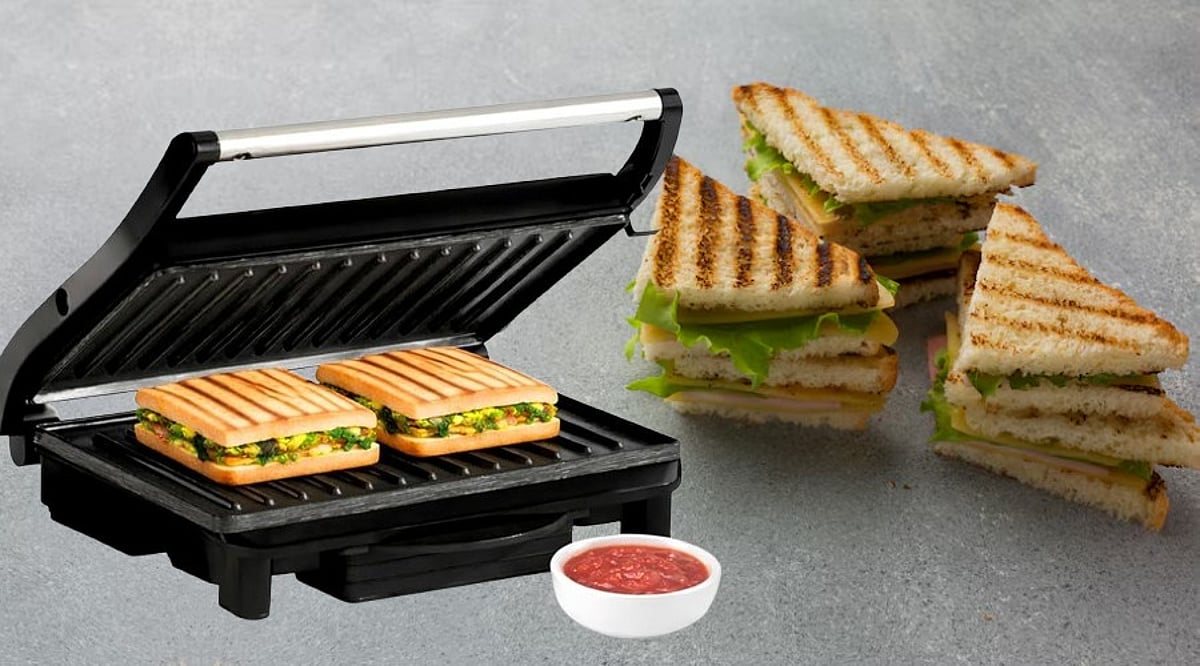
    A sandwich maker is one of those kitchen appliances you don’t think much about until you need one. Whether it’s a quick breakfast before work, a late-night grilled cheese, or an evening snack for the family, a good machine should heat evenly, clean up easily, and last for years.

    The latest models do more than just toast bread. Many now come with larger grill plates, ceramic or PTFE-free coatings, floating hinges for thicker sandwiches, and auto cut-off for safer cooking.

    Here’s a look at 10 sandwich makers that stand out in 2026 for their performance, features, and value:

    MILTON Express 800W Grill Sandwich Maker

    The MILTON Express remains one of the strongest value picks in its segment. Its 800W heating element grills sandwiches quickly, while the non-stick plates make cleaning simple. Auto cut-off, indicator lights, and a compact design make it a practical choice for everyday use.

    Philips HD3000/80 XL Sandwich Maker

    Philips has focused on convenience with this XL model. The larger cooking plates fit oversized bread slices without trimming the edges, while the non-stick surface ensures easy food release. Even heating and a sturdy locking system make it suitable for daily use.

    KENT Sandwich Grill

    The KENT Sandwich Grill is designed for more than basic toasties. Its ceramic-coated grill plates, adjustable height, and 180-degree opening make it suitable for stuffed sandwiches, paninis, and light grilling. The auto cut-off feature adds an extra layer of safety.

    Prestige PGMFB 800W Grill Sandwich Toaster

    Prestige keeps things simple with this model. It features fixed non-stick grill plates, quick heating, and a cool-touch handle. The compact build also makes it easy to store, especially in smaller kitchens.

    iBELL SM1301 3-in-1 Sandwich Maker

    If versatility matters, the iBELL SM1301 is worth considering. It comes with interchangeable plates for sandwiches, waffles, and grilling, allowing one appliance to handle different cooking tasks without taking up extra counter space.

    Milton Royal Express 800W Griller Sandwich Maker

    The Royal Express builds on Milton’s proven design with non-stick grill plates, auto cut-off, and quick heating. It is built for regular household use and delivers consistent results without unnecessary extras.

    AGARO Galaxy 1000W Sandwich Maker

    AGARO Galaxy provides quick cooking due to the 1000W heat system. The flexible hinge system adjusts depending on the thickness of the fillings used, ensuring even cooking without flattening the sandwich.

    Hafele Grilla 2000W Sandwich Maker

    Grilla by Hafele is specifically designed for consumers who require advanced qualities. It provides 2000 watts of power, huge grill plates, a 180-degree swing door, automatic temperature control system, and a BPA- and PTFE-free non-stick coating. It also facilitates the grilling of vegetables and other meals.

    Lifelong LLSM120G Sandwich Griller

    The Lifelong LLSM120G offers affordability without sacrificing utility. It features non-stick plates, fast heating, indicator lights, and a compact body for easy storage.

    Cello Non-Stick Gas Sandwich Toaster

    Constructed of non-stick aluminum with heat-resistant handles, this device produces uniformly toasted sandwiches without any need for electricity.

    Final Verdict

    Depending on personal needs and affordability, there are several machines to choose from. The MILTON Express 800W represents the best balanced choice for daily use, delivering great performance and quality at moderate prices. The Philips HD3000/80 XL is a great choice for bigger sandwiches, whereas the Hafele Grilla 2000W is for those who prefer a machine with more options and high-quality features. If you’re looking for a multifunctional device, the iBELL SM1301 is the right choice due to its ability to perform several functions using various plates.

    FAQs

    Which sandwich maker is best for everyday home use?
    The MILTON Express 800W is a reliable everyday option with quick heating, non-stick grill plates, auto cut-off, and a compact design. It offers a good balance of performance, ease of use, and affordability.

    What features should I look for in a sandwich maker?
    Look for non-stick plates, sufficient wattage, auto cut-off, cool-touch handles, indicator lights, and easy cleaning. Features like floating hinges or interchangeable plates add flexibility for different recipes.

    Are non-stick sandwich makers safe to use?
    Yes, quality non-stick sandwich makers are safe when used as directed. Many newer models also feature BPA- and PTFE-free coatings, along with auto shut-off systems to improve safety during cooking.

    Can a sandwich maker be used for foods other than sandwiches?
    Yes, many grill sandwich makers can cook paninis, wraps, vegetables, burgers, and even waffles if they include interchangeable plates. Premium models offer greater versatility beyond making toasted sandwiches.

    Which sandwich maker offers the best value for money?
    The Prestige PGMFB 800W and MILTON Express 800W are excellent value-for-money choices. They combine reliable performance, useful safety features, durable non-stick plates, and affordable pricing for everyday household use.

  • Top 5 Neck and Shoulder Massagers for 2026: A Comprehensive Performance and Value Guide

    Top 5 Neck and Shoulder Massagers for 2026: A Comprehensive Performance and Value Guide

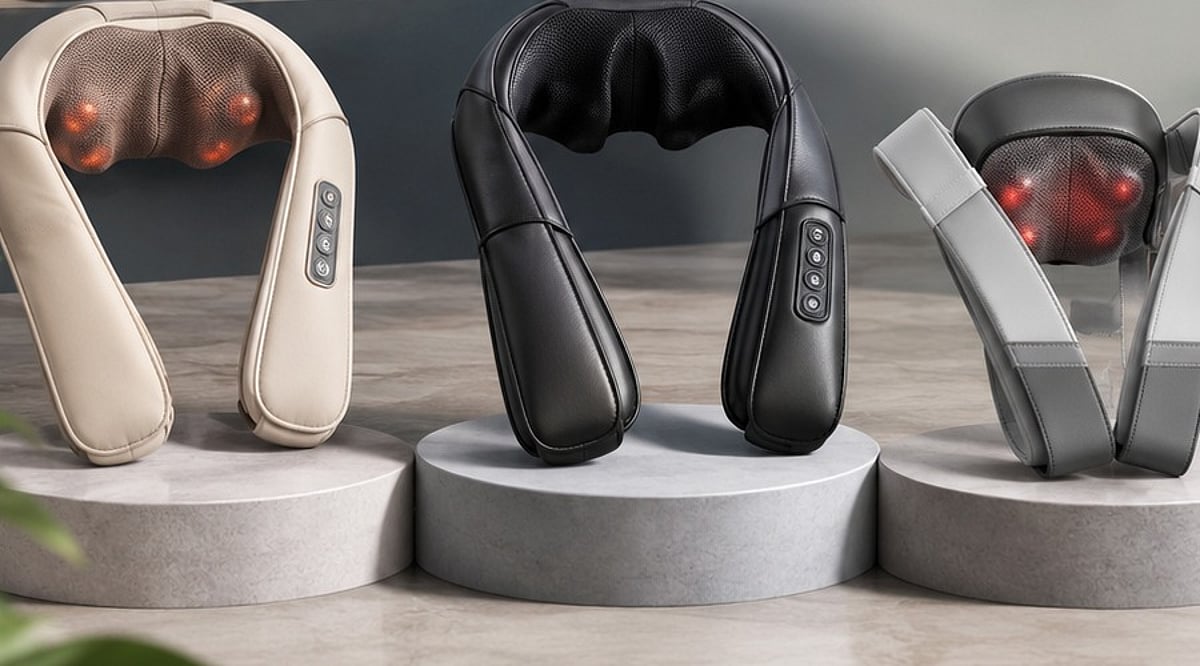
    Neck and shoulder pain has become increasingly common, whether from long hours at a desk, frequent travel, or everyday stress. A good neck and shoulder massager can help relieve muscle tension, improve circulation, and provide quick relaxation at home. With several models offering Shiatsu massage, heat therapy, and cordless operation, choosing the right one can be difficult.

    Find Lasting Relief with Every Soothing Massage Session: Top 5

    This article highlights five of the best neck and shoulder massagers in 2026, covering their key features, strengths, and overall value to help you make an informed choice:

    RENPHO Back & Neck Massager with Heat

    The RENPHO Back & Neck Massager comes with eight Shiatsu massage heads providing deep tissue massage to your muscles. The product is equipped with three speed settings, a heating function, and arm straps for adjusting the intensity of the massage. There is also a breathable cover made of fabric for comfortable use.

    COMFIER 4D Shiatsu Neck & Shoulder Massager

    The COMFIER uses 4D Shiatsu massage balls, which can operate in more than one direction to mimic the effects of manual massages. There are two heating options, three intensity options, and the device features a rechargeable battery without wires for free movement. The shoulder straps can be adjusted for secure positioning.

    Nekteck Shiatsu Neck & Back Massager

    Nekteck offers eight Shiatsu massage nodes that rotate and move in different directions to ensure proper muscle treatment. Its infrared heat function allows for relaxation of tight muscles, while its arm loops adjust massage pressure based on the user’s comfort level.

    Dr Physio USA 1048 Shiatsu Massager

    The Dr Physio USA 1048 is a massager that has eight Shiatsu rollers with infrared heating capacity for massaging the neck, shoulders, back, waist, and legs. Bi-directional rotation ensures proper application of pressure with the use of PU leather material together with a breathable mesh fabric.

    Boldfit Cordless Shiatsu Neck Shoulder Massager

    With Boldfit’s unique combination of dual-directional Shiatsu rollers and three different speed levels for massaging and heating, you can easily relieve your muscles’ tension. With a 3,600mAh removable battery, Boldfit offers a wireless experience, along with a buckle that is able to adjust to give a tight hold on your body.

    Comparison Table

    Each massager offers distinct advantages in performance, portability, and heat therapy. For a detailed side-by-side comparison, refer to the original article. Key factors include massage intensity, heating options, battery life, and build quality.

    Final Verdict

    Choosing the appropriate neck and shoulder massager depends on your usage. The more expensive options give you greater massage power and added comfort features, whereas the more affordable options emphasize reliability. Prior to purchase, look into different factors such as massage options, heating levels, portability, battery strength, and overall construction. Choosing the right massager can mean long-lasting comfort and muscle recovery for years to come.

    Frequently Asked Questions

    What is the best type of neck and shoulder massager?

    Shiatsu neck and shoulder massagers are the most popular choice because they combine deep-kneading massage with heat therapy, helping reduce muscle stiffness, improve circulation, and relieve everyday neck and shoulder tension.

    Can a neck and shoulder massager help with pain relief?

    A quality massager can help ease muscle soreness, reduce stiffness, and improve blood flow. However, persistent or severe pain should be evaluated by a healthcare professional before relying on massage devices.

    Are heated neck massagers safe to use daily?

    Most heated neck massagers are designed for daily use and include safety features such as auto shut-off and overheat protection. Following the manufacturer’s recommended session duration ensures safe and comfortable use.

    What features should I look for before buying a neck massager?

    Look for Shiatsu massage nodes, adjustable intensity levels, heat therapy, ergonomic design, cordless operation if needed, battery life, and automatic shut-off for a safer and more comfortable massage experience.

    Which neck and shoulder massager offers the best value?

    Value depends on your needs. Premium models provide stronger performance and extra features, while budget-friendly options offer reliable massage, heat therapy, and comfort at a more affordable price.

  • Top Electric Vehicle Makers to Track in 2026

    Top Electric Vehicle Makers to Track in 2026

    The electric vehicle (EV) landscape is evolving rapidly, with several manufacturers poised to make significant strides by 2026. From established giants to ambitious newcomers, these companies are driving innovation in battery technology, autonomous driving, and global market expansion. Here are the key EV manufacturers to watch.

    • Tesla – Continues advancing autonomous driving, battery innovation, and global manufacturing while expanding affordable electric vehicle options across major international markets.
    • BYD – Dominates electric vehicle production through vertically integrated manufacturing, advanced battery technology, and rapidly growing exports across Europe and emerging regions.
    • Rivian – Focuses on premium electric trucks and SUVs while expanding commercial delivery partnerships and improving manufacturing efficiency for sustainable long-term growth.
    • Hyundai – Strengthens its EV lineup with dedicated electric platforms, competitive pricing, longer driving ranges, and advanced connectivity features for global customers.
    • Kia – Expands affordable electric mobility through stylish models featuring fast charging, practical interiors, improved software integration, and strong worldwide consumer demand.
    • BMW – Combines luxury engineering with electrification by introducing premium electric sedans, SUVs, and high-performance models featuring innovative digital technologies consistently.
    • Mercedes-Benz – Accelerates premium electric mobility through advanced battery platforms, intelligent software ecosystems, and luxury-focused design for discerning global buyers everywhere.
    • Lucid Motors – Impresses with long-range luxury electric sedans featuring high efficiency, premium interiors, and innovative engineering targeting premium automotive markets worldwide.
    • VinFast – Expands internationally with competitively priced electric vehicles, aggressive manufacturing investments, and customer-focused strategies supporting rapid global brand recognition successfully.

    These manufacturers represent the forefront of EV innovation and are set to shape the industry in 2026 and beyond.

  • Best Bluetooth Speaker Brands for Premium Audio in 2026

    Best Bluetooth Speaker Brands for Premium Audio in 2026

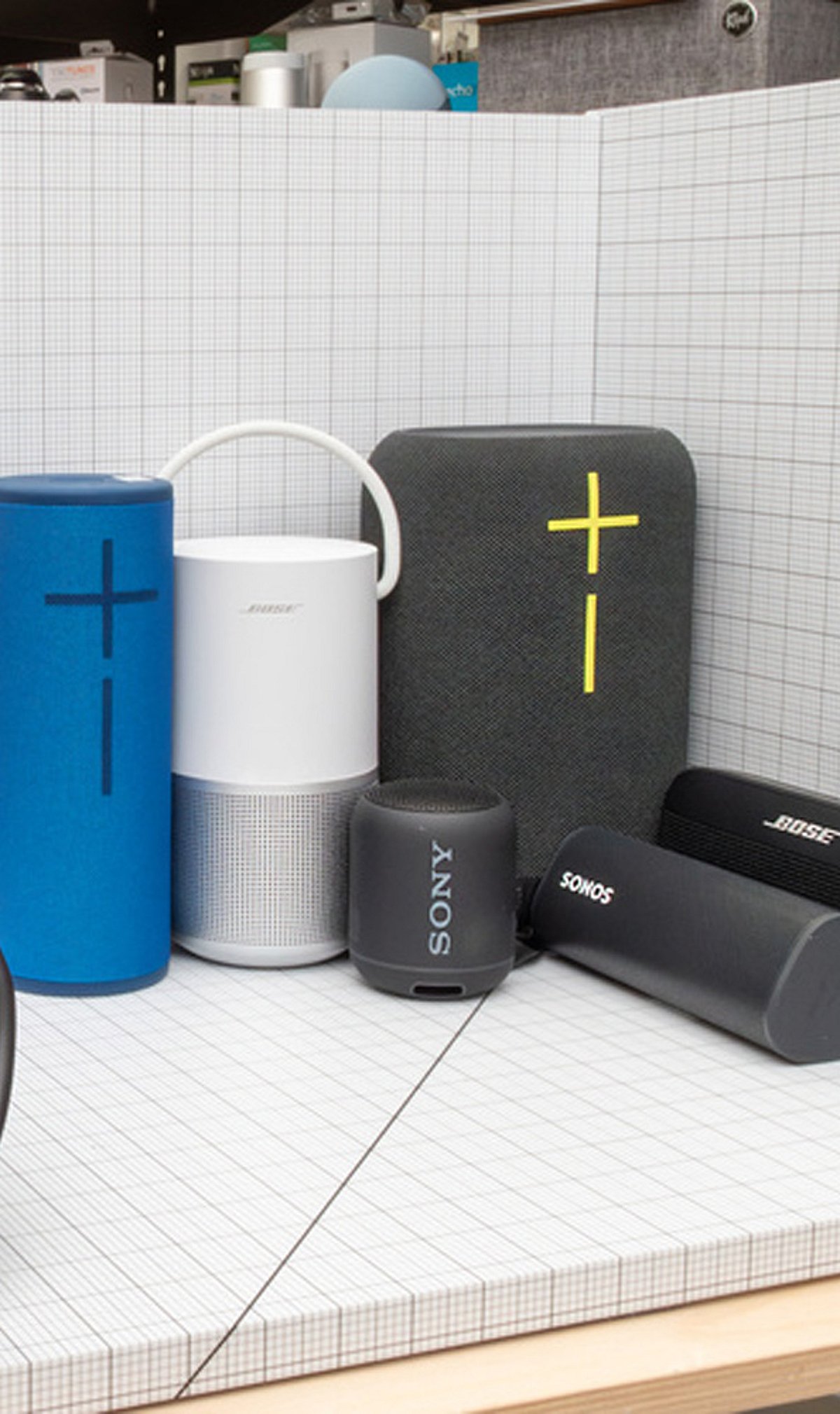
    Experience powerful bass, crystal-clear audio, and premium designs with the best Bluetooth speaker brands dominating 2026.

    • JBL: Known for booming bass, rugged waterproof designs, and party-ready portable speakers.
    • Sony: Delivers balanced sound, long battery life, and powerful EXTRA BASS technology.
    • Bose: Premium sound quality with exceptional clarity and immersive listening experiences.
    • Marshall: Classic vintage styling combined with rich, room-filling audio performance.
    • Ultimate Ears (UE): Compact speakers with 360-degree sound and outstanding outdoor durability.
    • Harman Kardon: Elegant home speakers delivering refined sound and premium aesthetics.
    • Bang & Olufsen: Luxury craftsmanship paired with audiophile-grade wireless performance.
    • Anker Soundcore: Excellent value with impressive battery life and customizable EQ settings.
  • Best Smart Glasses 2026: AI, AR Display, and Standalone Models Compared

    Best Smart Glasses 2026: AI, AR Display, and Standalone Models Compared

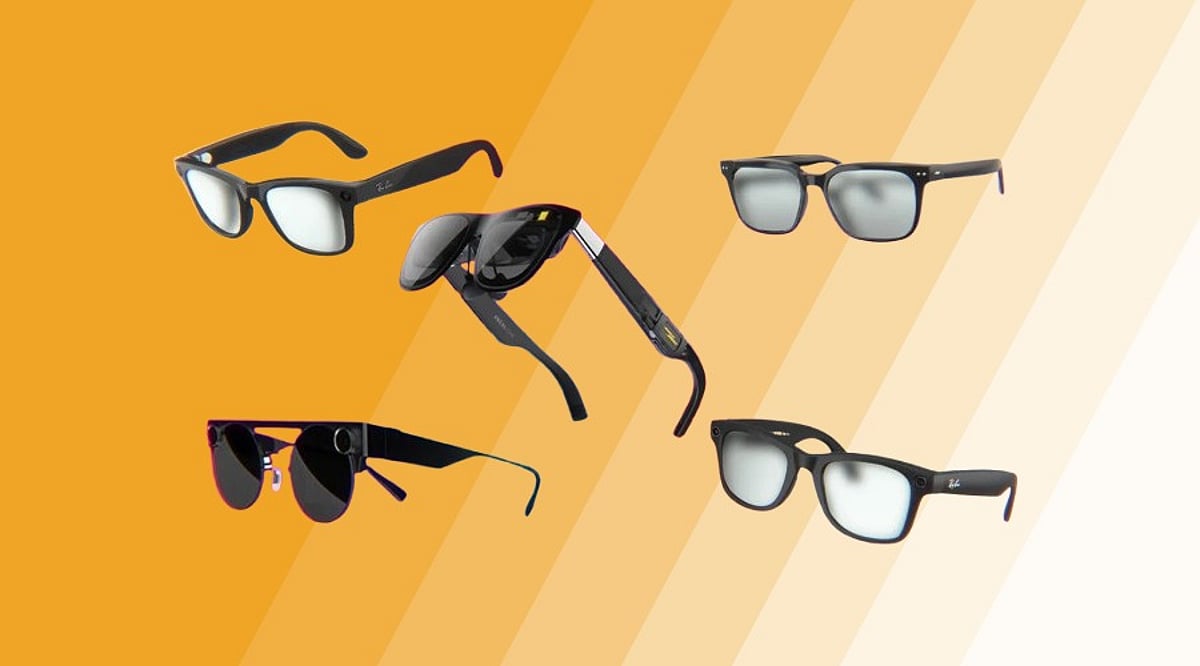
    Smart glasses now split into three distinct categories: AI camera and audio glasses, tethered AR display glasses, and standalone AR glasses with a built-in HUD. The category matters more than the model. Once the use case is clear, the shortlist narrows fast.

    Every spec here comes from manufacturers or retailers, including weight, battery, and connection type, not just headline features.

    A pair of smart glasses is sold every ninety seconds somewhere in the world, and the surprising part is not the sales figure. It is that three completely different products now share the same shelf. One pair replaces a phone call. Another replaces a monitor. A third tries to replace both at once and pays for it in battery life.

    That split is the real story behind the buying decision. Meta’s Ray-Ban line proved AI glasses could sell at scale, pulling Google, Samsung, and Warby Parker into a competing Android XR platform launching later this year. Meanwhile, the AR display category, led by Xreal, Viture, and RayNeo, moved past prototype status into something people actually use for a workday or a long flight. Anyone shopping this category for the first time needs to understand the split before comparing a single spec.

    Types of Smart Glasses in 2026: AI, AR Display, and Standalone AR Explained

    AI camera and audio glasses (led by Ray-Ban Meta Gen 2) skip the display entirely. They record video, take calls, and run an AI assistant through bone-conduction audio, pairing over Bluetooth rather than a cable. They look like ordinary glasses, which is the point.

    AR display glasses (including the Xreal, Viture, and RayNeo Air series) tether to a phone, laptop, or console over USB-C and project a large virtual screen through micro-OLED panels. Most carry no camera and no battery of their own; power and video come from the connected device.

    Standalone AR glasses (represented here by RayNeo’s X3 Pro) combine a lightweight HUD, a camera, and onboard AI in one frame with their own battery. That independence is the trade for shorter runtime, and the comparison table below shows exactly how much shorter.

    Best Smart Glasses for Work, Travel, Gaming, and Everyday Use

    Compatibility, comfort, and what to check before buying smart glasses:

    Tethered AR glasses need a source device with USB-C video output, often called DisplayPort Alt Mode. Xreal, Viture, RayNeo’s Air line, and Rokid Max 2 work with recent iPhones, most Android phones, Macs, Windows laptops, the Steam Deck, the ROG Ally, and the Nintendo Switch 2. Older phones without Alt Mode need an HDMI-to-USB-C adapter. Ray-Ban Meta Gen 2 pairs over Bluetooth instead, with no cable or Alt Mode requirement. RayNeo X3 Pro connects over Wi-Fi and Bluetooth as a standalone device rather than a tethered display.

    Weight alone does not decide comfort. RayNeo distributes the Air 4 Pro’s 76g at roughly 47 percent in the front and 53 percent in the rear to ease nose pressure, a design choice that matters more over a long session than the raw number on a spec sheet. The VITURE Luma Pro, the heaviest tethered pair here at close to 90g, offsets that with two frame sizes for different IPD ranges. Anyone who wears prescription lenses should confirm exact diopter support directly with the brand before buying, since ranges shift between hardware revisions.

    Best Smart Glasses to Buy in 2026

    Ray-Ban Meta Gen 2

    Ray-Ban Meta Gen 2 carries no screen and no cable, unlike every AR display pair on this list. Battery life roughly doubled over the first generation, and the camera now shoots 3K video. Giving up a private screen is the exchange for a frame that wears like ordinary sunglasses.

    Xreal One

    Xreal One suits a routine built around a laptop and a train seat. Its 50° field of view and 147-inch perceived screen sit below the Pro model’s numbers, though the gap rarely shows up during document work.

    Xreal One Pro

    Xreal One Pro pairs a 57° field of view with a 171-inch perceived screen through Sony’s 0.55-inch micro-OLED panel and X-Prism optics that hold sharpness at the edges. At 87g and a $150 premium over the standard One, it targets people who sit in front of the screen for hours, not casual users.

    VITURE Luma Pro

    VITURE Luma Pro stays visible in bright rooms where most AR glasses wash out, thanks to a 1,000-nit panel. Built-in myopia adjustment removes the need for a lens insert for milder prescriptions. Fixed tint, rather than electrochromic dimming, is the compromise.

    RayNeo Air 4 Pro

    RayNeo Air 4 Pro balances 76g of weight toward the rear of the frame, making it the most wearable tethered pair here over long flights. HDR10 support, rare in this category, is clearly visible during movie playback. It functions as a personal cinema rather than a work display.

    RayNeo X3 Pro

    RayNeo X3 Pro is the only pair here with a true waveguide HUD, a 12MP camera, and onboard AI in one 76g titanium frame. The 245 mAh battery caps active use at roughly three hours, a real limit for anyone expecting a full workday from it. Short navigation stretches or quick capture suits it better than sustained wear.

    Rokid Max 2

    Rokid Max 2 delivers a 215-inch perceived screen and 600-nit brightness in a 75g package, a strong match for Steam Deck and ROG handheld gaming. Without a camera or onboard AI, it stays focused on watching and playing rather than capturing.

    Final Thoughts

    AI glasses have reached a point where they can replace real phone interactions, not just supplement them, while AR display glasses now offer a workable substitute for carrying a second monitor. The category a buyer picks will shape daily use far more than any single spec inside it. Checking a workplace’s camera policy before wearing anything with a lens built in is worth doing before the purchase, not after.

  • Leading Non-Custodial Crypto Neo Banks Reshaping Digital Finance in 2026

    Leading Non-Custodial Crypto Neo Banks Reshaping Digital Finance in 2026

    Non-custodial crypto neo banks are gaining momentum as more users demand full control over their digital assets. These platforms blend traditional banking features with self-custody, offering services such as crypto payments, DeFi access, staking, and debit cards — all while keeping private keys in the user’s hands. With over 700 million crypto users worldwide and the self-custody market growing at 20–25% annually, these banks are set to become a cornerstone of digital finance. Here are the top platforms to watch in 2026.

    Bitwala: Banking Meets Self-Custody

    Based in Germany, Bitwala combines a traditional bank account with a non-custodial Bitcoin wallet. Users can save, spend via a Visa debit card, and transfer funds via SEPA, all while retaining control of their private keys. The platform serves 29 EEA countries and has raised approximately €42 million.

    Argent: Simplified Crypto Banking

    Argent simplifies the wallet experience with social recovery instead of seed phrases, reducing the risk of losing assets. It offers direct access to DeFi, stablecoin payments, and Ethereum Layer-2 networks. With over 2 million app downloads, it’s a favorite among newcomers.

    Safe: Enterprise-Grade Multi-Sig Security

    Formerly Gnosis Safe, Safe is trusted by businesses and DAOs for multi-signature security. The ecosystem protects over $100 billion in digital assets, making it one of the largest self-custody platforms globally.

    Ledger Live: Beyond Hardware Wallets

    Ledger’s Ledger Live app now offers buying, swapping, staking, and NFT management. With over 7 million hardware devices sold, it leverages a vast user base to expand into crypto financial services.

    Trust Wallet: Largest Self-Custody Community

    Trust Wallet supports over 100 blockchains, thousands of tokens, NFTs, and staking. With more than 220 million users, it’s the most widely used non-custodial wallet, offering a comprehensive mobile experience.

    Coinbase Wallet: Full Ownership Within the Coinbase Ecosystem

    Coinbase Wallet is a fully non-custodial wallet that integrates with the Coinbase exchange while supporting DeFi, NFTs, and multiple blockchains. Users get exchange services without sacrificing control.

    Blockchain.com Wallet: A Trusted Veteran

    Blockchain.com has evolved from a blockchain explorer to a full crypto platform with self-custody, trading, and rewards. With around 39 million verified wallets, it remains a reliable choice.

    Rabby Wallet: DeFi Power User’s Choice

    Rabby Wallet excels for DeFi enthusiasts, offering seamless network switching, transaction previews, and security alerts. Though smaller, it’s rapidly gaining traction in the DeFi community.

    Best Wallet: Rapidly Growing Newcomer

    Best Wallet launched recently but already offers portfolio management, token discovery, cross-chain swaps, and staking. Upcoming features like MEV protection and gas optimization aim to challenge larger players.

    Ctrl Wallet: Multi-Chain Compatibility

    Ctrl Wallet focuses on cross-chain operations, including swaps, NFT management, and dApp access via browser extensions and mobile. Its broad compatibility suits users who move assets across ecosystems.

    The Road Ahead

    Future innovations like account abstraction, MPC security, stablecoin payments, and regulatory frameworks (e.g., MiCA) will drive growth. With a $300 billion stablecoin market and $150–200 billion locked in DeFi, non-custodial crypto neo banks are poised to lead global digital finance.

    FAQs

    1. What is a non-custodial crypto neo bank? A digital platform where users control their private keys while accessing banking-like services.
    2. Why are they popular? Users prefer full ownership over trusting third parties.
    3. Which has the largest user base? Trust Wallet with over 220 million users.
    4. Can they handle everyday payments? Yes, many offer debit cards, stablecoin payments, and fiat transfers.
    5. What trends will shape them in 2026? Account abstraction, MPC security, stablecoin adoption, and stronger regulation.
  • Top 10 Kanban Software Solutions to Supercharge Your Project Workflow in 2026

    Top 10 Kanban Software Solutions to Supercharge Your Project Workflow in 2026

    Kanban boards have become a cornerstone of effective project management, helping teams visualize workflows, limit work in progress, and deliver results faster. Whether you are a solo entrepreneur or part of a large enterprise, the right Kanban tool can transform how you organize tasks and collaborate. Here are the 10 best Kanban software options for accelerating project delivery in 2026.

    Jira Software

    The industry standard for Agile teams, Jira offers highly customizable Kanban boards, powerful automation rules, and advanced reporting capabilities to keep development projects on track.

    Trello

    Known for its intuitive drag-and-drop interface, Trello is ideal for individuals, startups, and small teams looking for a simple yet effective way to manage tasks visually.

    ClickUp

    ClickUp combines Kanban boards with docs, goals, and AI-powered project management, making it a versatile all-in-one productivity platform for teams of any size.

    Monday.com

    With visual workflows, robust automations, and customizable dashboards, Monday.com helps teams streamline processes and deliver projects faster.

    Asana

    Asana excels at cross-functional project management, offering timeline views alongside Kanban workflows to keep multiple projects organized and aligned.

    Notion

    Notion’s flexible databases and Kanban board views make it a favorite among content creators and product teams who need a blend of documentation and task management.

    Azure DevOps Boards

    Built for software development teams, Azure DevOps Boards provides enterprise-grade Agile planning, tracking, and Kanban capabilities integrated with the Microsoft ecosystem.

    Zoho Projects

    Zoho Projects offers an affordable solution with Kanban boards, issue tracking, and team collaboration features, making it suitable for small to mid-sized businesses.

    Each of these tools brings unique strengths to the table. The best choice depends on your team size, workflow complexity, and budget. Evaluate the features that matter most to your process and start accelerating your project delivery today.