Tag: AI

  • Reddit Claim That Claude Fable 5 Replaced 90% of Developers Reignites AI Layoff Debate

    Reddit Claim That Claude Fable 5 Replaced 90% of Developers Reignites AI Layoff Debate

    A Reddit post alleging that a software services company laid off nearly 90% of its development team after embracing artificial intelligence has triggered a heated debate over AI’s growing role in the workplace.

    While the claims have not been independently verified, the post has resonated with developers concerned about how rapidly generative AI is reshaping the tech industry.

    The anonymous developer claimed that their mid-sized services company reduced a department of around 70 software engineers to just eight employees, with executives reportedly citing productivity improvements from Claude Fable 5 as the reason behind the decision.

    “Nearly the entire team of ~70 laid off citing efficiency from Claude Fable, 8 of us remain. This is insane,” the Reddit user wrote.

    According to the post, the company had employed a large number of developers before 2023 but had not hired any new engineers since 2025. The employee said the decline in client projects had already suggested difficult times ahead, but the scale of the layoffs still came as a surprise.

    “The writing was already on the wall because the number of projects drastically reduced, but today morning I got to know they laid off over 90% of the dev team,” the developer added.

    Employee Says Executives Believe AI Can Handle Remaining Workload

    The Reddit user further claimed that company executives told the remaining employees that Claude Fable 5 would enable the reduced team to manage all ongoing projects.

    “CXOs basically saying Claude Fable 5 is enough for those of us remaining (supposedly the top performers) to handle the projects the company has left,” the employee wrote.

    The post also reflected growing anxiety among software professionals. The developer admitted they had once dismissed AI as ‘just fancy autocomplete,’ but said recent advances in large language models had significantly changed their outlook, raising concerns about long-term career security.

    Reddit Users Question AI Explanation

    The post drew mixed reactions from Reddit users. Some questioned whether AI alone could realistically replace dozens of software engineers, arguing that the costs of running advanced AI models would be substantial.

    However, others noted that the layoffs could be triggered by poor business performance rather than AI. One contributor who self-identifies as a CTO stated that sometimes corporations use the implementation of AI as an excuse for laying off employees, rather than mentioning the actual business or financial difficulties.

    On the other hand, some developers advised laid-off programmers to develop higher-level skills, such as software architecture, product design, testing, and requirements gathering. They claimed that although AI can speed up programming, experienced programmers were still necessary to create, review, and maintain robust software systems.

    Even though the Reddit thread was not verified, it once again sparked debate on whether generative AI replaces software engineers or serves as an excuse for cost-cutting efforts in the tech sector.

  • Rami Fahim: The CEO Driving AI-Powered Transformation at FlairsTech

    Rami Fahim: The CEO Driving AI-Powered Transformation at FlairsTech

    Rami Fahim is a technology executive recognized for shaping global IT service delivery and innovation. As Chief Executive Officer of FlairsTech, he leads an international organization that provides software development and customer operations services to businesses worldwide. Known for championing innovation, talent, and operational excellence, Fahim has helped position the company as a trusted technology partner for thousands of organizations.

    Early Life and Education

    Rami Fahim built his career on a strong combination of technical expertise and business insight. He earned a Bachelor of Engineering in Computer Engineering from Concordia University in 2000, developing a solid foundation in technology. Later, he pursued a Master of Business Administration from McGill University in 2007, strengthening his leadership, strategy, and global business management capabilities.

    Professional Career

    Rami Fahim assumed the role of Chief Executive Officer at FlairsTech, where he oversees global strategy, operations, and innovation. He leads teams delivering software development and customer operations services to organizations worldwide. His leadership focuses on building high-performing teams, expanding international reach, and creating technology-driven solutions that help businesses improve efficiency and customer experience.

    Business Intervention in AI

    FlairsTech uses AI-driven solutions to help organizations transform their operations through automated processes combined with workflow optimization and decision support systems which improve efficiency and decrease operational expenses while enabling teams to deliver results that meet organizational goals in all areas of their work.

    • Smart Operations: AIMY uses artificial intelligence to conduct automated quality checks while it retrieves information immediately and it helps users make faster decisions by combining artificial intelligence with human knowledge to enhance precision and provide consistent customer service.
    • Workflow Intelligence: The AI platform analyzes workflows to decrease manual work while it delivers practical insights which help organizations boost their operational performance and efficiency and their teams achieve quicker and more precise business results.
    • PMO Optimization: AIMY-powered PMO Services enable organizations to optimize their project workflows while they achieve better resource management and make informed decisions which help them complete projects on schedule and within budget while they meet their strategic goals.
    • Intelligent Monitoring: It uses artificial intelligence to forecast application problems while it carries out repetitive work and decreases false alarm notifications which results in better operational efficiency and lower expenses and lets teams work on important strategic projects.
    • Intelligent Automation: It uses artificial intelligence to streamline IT operations, customer experience management, project management office functions and business processes which helps teams work more efficiently while reducing their operational costs and producing measurable effects on all service areas.
    • AI-Driven Finance: It uses artificial intelligence to automate all aspects of bookkeeping and invoice processing and dispute resolution which results in better accuracy and faster work processes and lower expenses and complete financial compliance and the ability to grow business operations.

    Business Achievements

    FlairsTech has established international offices in Egypt and Poland and Canada under Rami Fahim’s leadership. The company now supports more than 2,500 organizations through a team of over 600 professionals. Fahim has developed the company through his dedication to innovation and his commitment to developing talent and operational excellence. The company’s software development services and customer operations services have established it as a trustworthy global provider.

    Controversies

    Rami Fahim currently lacks any public personal controversies which he needs to address. He has gained recognition for his role in developing FlairsTech because he successfully led the company’s expansion while driving innovation through managed services and AI-based business solutions and his dedication to ethical professional practices and value-based technology implementation.

  • Siemens’ Smart Factory Blueprint: Integrating IoT, AI, and Digital Twins for Next-Gen Manufacturing

    Siemens’ Smart Factory Blueprint: Integrating IoT, AI, and Digital Twins for Next-Gen Manufacturing

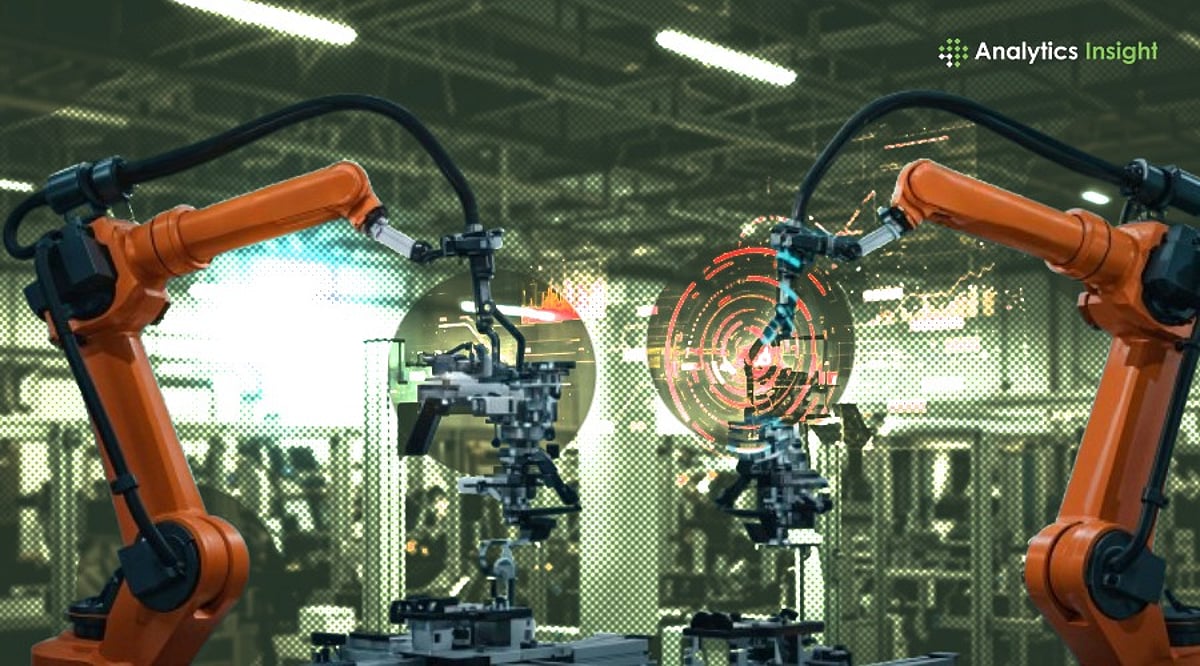
    Manufacturers need smarter ways to increase productivity while reducing downtime and operational complexity. Siemens is building next-generation factories by combining IoT connectivity, AI-driven insights, and digital twin technology into a unified digital ecosystem. This approach enables continuous monitoring, virtual testing, and data-driven optimization across production.

    The Three-Part System Behind the Strategy

    Siemens leans on three technologies: Industrial IoT, AI, and digital twins. IoT sensors and connected machines log real-time data from the factory floor. This raw data feeds into the AI layer, which identifies bottlenecks, flags equipment likely to fail, and runs production scenarios before commitments are made. The digital twin—a working copy of the factory—lets engineers experiment without touching physical assets. Siemens has bundled all three into a single platform called Digital Twin Composer.

    Digital Twin Composer: A Unified Platform

    Unveiled at CES 2026, Digital Twin Composer merges 2D and 3D digital twin data with live operational information from manufacturing execution systems, plus physics-based simulation built on NVIDIA Omniverse libraries. The output is a photorealistic virtual environment mapping an entire plant, not just a single machine. This marks the point where an industrial digital twin stops being a design tool and begins functioning as a live operational model.

    Where the Tool Lives Inside Siemens’ Stack

    Digital Twin Composer sits within Siemens Xcelerator, the company’s broader software portfolio, and will be available on the Xcelerator Marketplace in mid-2026. One Xcelerator tool, Tecnomatix, handles manufacturing directly—optimizing material flow, equipment use, and supporting virtual commissioning to validate automation logic and production workflows before physical deployment. This cuts commissioning time and engineering risk.

    What Early Numbers Show

    PepsiCo offers the clearest evidence. Using Digital Twin Composer to transform select U.S. manufacturing and warehouse facilities, the company recreated machines, conveyors, pallet routes, and operator paths with physics-level accuracy. The pilot identified up to 90 percent of design issues in advance and lifted throughput by 20 percent before construction began. PepsiCo plans to scale globally.

    The Bigger Platform Siemens is Building

    Siemens ties all of this to what it calls the industrial metaverse—a unified environment where engineering, operations, and AI teams share the same live, contextualized model of the factory. Together with NVIDIA, Siemens is working toward an Industrial AI Operating System, a shared foundation linking design, engineering, and daily operations across a plant’s full lifecycle.

    Analysts at Verdantix note that large-scale digital twin adoption has moved slowly, with barriers outside the technology itself. Manufacturers need IT and OT data convergence, stronger cybersecurity, proper data governance, and core systems like MES and MOM in place before a digital twin can generate real value.

    Final Thoughts

    The competitive edge in manufacturing is shifting from who collects the most data toward who can act on it fastest and with the least risk. Siemens has built a platform designed for that shift, and PepsiCo’s early numbers give other manufacturers a concrete benchmark. The next test will be whether that performance holds once Digital Twin Composer moves from early access into wide industrial use.

  • China Considers New Restrictions on Overseas Access to Advanced AI Models

    China Considers New Restrictions on Overseas Access to Advanced AI Models

    Beijing Reviews Frontier AI as Strategic Technology

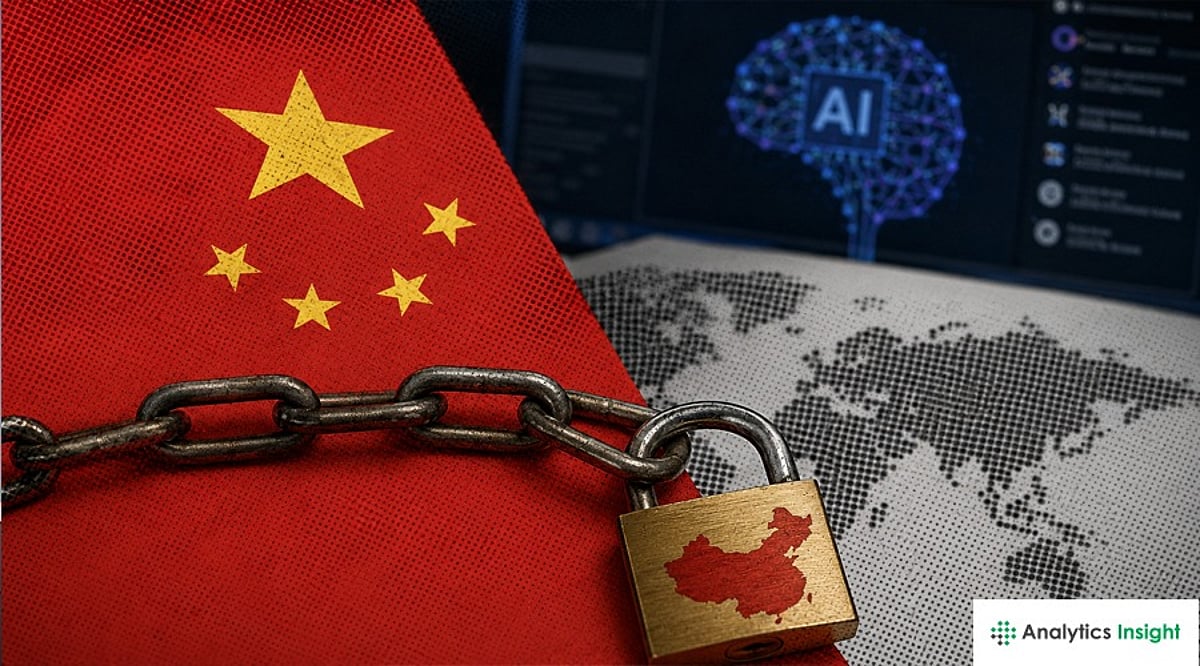
    China is evaluating potential new controls that would restrict overseas access to its most advanced artificial intelligence models, according to sources familiar with recent government-led discussions. The talks signal that Beijing now views frontier AI systems as strategic assets rather than mere commercial software, raising the stakes for global developers and businesses that rely on Chinese AI technology.

    Over the past month, officials from China’s Ministry of Commerce and the state planning agency met with major technology firms including Alibaba, ByteDance, and Z.ai to discuss possible limits on the use of top AI models outside the country. The proposals cover both closed-source systems and open-weight models, which allow users to download and modify parts of the technology. Sources told Reuters that the plans remain under review and that no final decision has been made.

    National Security Concerns Drive the Initiative

    The Ministry of Commerce led the meetings, with one proposal suggesting that leaks or theft of proprietary AI technology could be treated as an offense under China’s national security law. Officials also discussed tightening controls on who can fund domestic AI startups, adding another layer of oversight around sensitive technology and data.

    Chinese authorities are reportedly worried about advanced US AI systems, such as Anthropic’s Mythos model, and their potential use in finding software vulnerabilities. This mirrors US concerns that foreign actors could misuse frontier AI tools for military or intelligence purposes. The talks reflect a growing mutual anxiety between the two countries over AI security.

    Scope of Restrictions Remains Unclear

    Alibaba’s Qwen, ByteDance’s Doubao, and Z.ai’s GLM-5.2 are among the Chinese models that have gained global attention for their lower costs and strong performance. However, officials indicated that any new rules may apply only to future models, leaving existing systems unaffected. The scope and timeline remain uncertain, creating ambiguity for companies that integrate Chinese AI tools into software, research, automation, and customer service.

    Legal experts in China have already discussed a tiered approach for open-source AI. Under one proposal, basic tools would require simple filing, more powerful systems would face security reviews, and the most sensitive frontier models could be limited to domestic use only.

    Global Developers Face Potential Disruption

    Chinese AI models, particularly DeepSeek’s R1, have become a low-cost alternative for developers worldwide. If Beijing proceeds with restrictions, foreign companies may lose access to affordable AI options, potentially shifting to US or European alternatives or seeking domestic solutions. Costs could rise for businesses that have come to rely on Chinese AI systems.

    For now, formal rules have not been announced. Sources said it is not clear when, or even whether, the curbs will take effect. The global AI community continues to watch closely as China’s advanced models become central to national technology policy.

  • How AI and Data Analytics Are Reinventing Sleep Apnea Care

    How AI and Data Analytics Are Reinventing Sleep Apnea Care

    Roughly one billion people worldwide are estimated to live with obstructive sleep apnea, and a large share of them don’t know it. For those who do get diagnosed and treated, the experience of managing the condition looks nothing like it did a decade ago. Sleep medicine has quietly become one of the more compelling case studies in applied health data analytics, and the transformation offers a useful window into how AI is reshaping at-home healthcare more broadly.

    What was once a field defined by overnight lab studies, tangled wires, and manual chart review by a technician is now being reshaped by connected devices, real-time data streams, and machine learning models that can detect and respond to breathing irregularities as they happen. For an industry historically plagued by poor patient adherence, that shift matters enormously.

    From Overnight Labs to Continuous Data Streams

    For decades, diagnosing sleep apnea meant a night in a clinical sleep lab, wired to sensors, followed by a specialist manually reviewing hours of recorded data the next morning. It was accurate, but slow, expensive, and difficult to scale to the scope of the problem. Today, a growing share of that diagnostic and monitoring work happens at home, generating continuous streams of breathing, oxygen saturation, and movement data that machine learning models can analyze automatically rather than reviewed frame by frame by a human.

    This shift toward continuous, at-home data collection is exactly the kind of trend that tends to accelerate technology adoption once it takes hold. Sleep therapy providers are increasingly building products around it, and patients researching treatment options are now just as likely to compare data features and app connectivity as they are price when shopping for CPAP machines.

    Smarter Machines: AI-Driven Pressure Adjustment

    One of the more significant advances in sleep apnea therapy has been the move from fixed-pressure devices to auto-adjusting systems. Rather than delivering a static level of air pressure all night, modern devices use onboard algorithms to analyze breathing patterns in real time and adjust pressure automatically, responding to changes in sleep position, airway resistance, or apnea events as they occur, often hundreds of times over a single night.

    This is applied machine learning quietly improving a health outcome, one micro-adjustment at a time. These algorithms don’t make headlines, but they meaningfully improve therapy comfort and effectiveness, which in turn improves the single strongest predictor of treatment success: whether a patient actually keeps using the device. It’s also why compliance data, tracked automatically and often synced to a companion app, has become a core feature rather than an afterthought in newer machines.

    6 Ways Data and AI Are Reshaping Sleep Apnea Care

    • Automatic pressure titration. Algorithms adjust air pressure breath by breath, replacing the old model of a fixed setting determined once during a lab visit.
    • Cloud-synced compliance tracking. Machines now upload nightly usage data automatically, giving both patients and clinicians a clear picture of adherence without manual logs.
    • Predictive maintenance alerts. Connected devices can flag filter changes, mask leaks, or performance drift before they become a problem the patient notices on their own.
    • Facial-mapping-informed mask design. Manufacturers use aggregated fit and return data to refine mask shapes, reducing the trial-and-error patients used to face.
    • Remote clinician monitoring. Physicians can review a patient’s therapy data remotely between appointments, catching adherence drop-off or efficacy issues earlier.
    • Personalized therapy recommendations. As more usage data accumulates, some platforms are beginning to surface individualized comfort and setting suggestions rather than generic defaults.

    Personalization Extends to Fit, Not Just Function

    Data-driven design hasn’t stopped at the machine itself. Mask design has undergone a similar transformation, moving away from one-size-fits-most models toward options informed by facial mapping data, materials testing, and patient feedback loops that manufacturers use to refine fit and seal quality. Since mask leaks are one of the most common reasons patients abandon therapy altogether, this kind of iterative, data-informed design has a direct and measurable impact on outcomes.

    Patients today have considerably more choice when selecting a sleep apnea mask, with options tailored to sleep position, facial structure, and comfort preferences. That range of choice is itself a byproduct of manufacturers using real-world usage and return data to identify exactly where older, generic designs were failing patients.

    Why This Matters Beyond Sleep Medicine

    The broader lesson here extends well past sleep apnea treatment. It’s a case study in what happens when a chronic condition management category moves from episodic, clinic-based monitoring to continuous, data-rich, at-home tracking. Adherence goes up, personalization improves, and providers get a feedback loop they never had before. Similar shifts are playing out across diabetes management, cardiac monitoring, and remote patient care generally, all built on the same underlying pattern: more granular data, analyzed continuously, feeding back into better-designed devices and more responsive care.

    Sleep therapy providers navigating this shift are having to think less like traditional medical equipment suppliers and more like connected health companies. Local providers such as Rockingham CPAP reflect that broader trend, offering the newer generation of data-enabled machines and masks alongside the fitting and support services that continuous, at-home therapy increasingly depends on.

    Looking Ahead

    As wearable sensors get cheaper and machine learning models get better at parsing noisy, real-world physiological data, the line between “medical device” and “connected health platform” will keep blurring, in sleep medicine and well beyond it. For an industry that has spent decades trying to solve a stubbornly low patient adherence problem, that shift, driven by better data rather than dramatic new hardware, may end up being the more consequential story of the next few years.

  • How AI, Data Sovereignty, and Sustainability Are Reshaping Cloud Strategy: Insights from OVHcloud’s Terry Maiolo

    How AI, Data Sovereignty, and Sustainability Are Reshaping Cloud Strategy: Insights from OVHcloud’s Terry Maiolo

    As AI accelerates cloud adoption, enterprises are placing greater emphasis on transparent pricing, energy-efficient infrastructure, data governance, and regulatory compliance to build resilient cloud strategies for long-term business growth.

    Key Takeaways

    • Cloud strategy is shifting beyond IT, with data sovereignty, compliance, and governance becoming critical business priorities worldwide.
    • Sustainable cloud infrastructure can reduce energy use, improve efficiency, and support AI workloads without compromising performance or security.
    • Businesses should evaluate cloud providers based on transparent pricing, responsible data handling, and long-term scalability for AI-driven growth.

    Cloud computing is evolving rapidly, but businesses are also facing new challenges, including rising costs, security concerns, compliance requirements, AI-driven workloads, and sustainability goals. In this exclusive podcast interview, Priya Diyalani speaks with Terry Maiolo, Vice President and General Manager, APAC, at OVHcloud, about how organizations can build a cloud strategy that drives innovation, protects data, and supports long-term sustainability.

    Q: Could you tell us about OVHcloud, your role, and what makes the company different from other cloud providers?

    Absolutely. At OVHcloud, we are a pure cloud provider with 46 data centers across four continents and 30 local zones worldwide. In APAC, we operate one data center in Mumbai, two in Singapore, and three in Sydney, and I oversee the entire Asia-Pacific region. What makes us different is that we are a European cloud provider, so we comply with GDPR standards, giving customers greater data sovereignty. Another major difference is that we build our own servers and use our direct-to-chip water cooling technology, which we have developed over the last 20 years. This allows us to run data centers without traditional air conditioning while improving energy efficiency.

    Q: Regulations and global developments are changing the cloud industry. How are these factors influencing enterprise decisions?

    I believe cloud decisions are no longer only about technology. Businesses are becoming much more aware of where their data is stored and who has access to it. Regulations like India’s Data Protection Act are encouraging organizations to take data sovereignty seriously. At the same time, many customers are looking for cloud providers that are not governed by laws such as the US Cloud Act. I see cloud strategy becoming a discussion about business, governance, and compliance rather than just an IT decision.

    Q: Sustainability has become a major boardroom topic. How is OVHcloud approaching it?

    We believe sustainability should not come at the cost of performance. Our direct-to-chip water cooling captures heat directly from the processors, so we use less electricity and less water while increasing server density. We also manufacture our own servers, extend their life through reuse, recycle components whenever possible, and have achieved zero waste. I think organizations can meet sustainability goals while still improving efficiency and reducing costs.

    Q: AI is changing how data is created and used. How should businesses think about data sovereignty today?

    I think companies need to consider two things: how they use their own data and how their cloud provider handles it. At OVHcloud, we have made a clear decision not to monetize customer data in any form. At the same time, I believe businesses need a provider with a global presence so their data stays close to their operations while maintaining security, compliance, and low latency.

    Q: AI is increasing the demand for computing power. How can organizations balance AI growth with sustainability?

    I believe this is one of the biggest challenges for the industry. AI requires more computing power, energy, and infrastructure, so cloud providers must continue improving efficiency. I also encourage businesses to ask cloud providers about hidden costs, including data transfer fees, because these can become significant as AI usage grows. Sustainable infrastructure should also provide predictable costs.

    Q: Finally, what does a successful cloud strategy look like over the next decade?

    I believe organizations should move beyond talking about sustainability and sovereignty and start putting those goals into action. Responsible cloud infrastructure already exists, and businesses do not have to choose between performance, security, sustainability, and cost. I believe they can achieve all of these together by selecting the right cloud partner and making long-term strategic decisions.

  • Meta Unveils Muse Image: AI-Powered Photo Creation and Editing Comes to Facebook, Instagram, and WhatsApp

    Meta Unveils Muse Image: AI-Powered Photo Creation and Editing Comes to Facebook, Instagram, and WhatsApp

    Meta has officially launched Muse Image, the first image-generation model developed by its newly formed Meta Superintelligence Labs (MSL). The AI model is now integrated into Meta AI, allowing users to generate, edit, and transform images using natural language prompts, uploaded photos, sketches, and annotations directly within Meta’s suite of apps.

    What Makes Muse Image Different?

    Unlike traditional AI image generators that rely solely on text prompts, Muse Image understands complex instructions, interacts with user-uploaded images, and even allows modifications by drawing on images or adding annotations. This makes the creation and editing process more interactive and flexible—all without leaving apps like Facebook, Instagram, WhatsApp, and Messenger.

    Key Features of Meta Muse Image

    • Text-to-Image Generation: Describe almost any scene in natural language, and Muse Image will produce a corresponding image, handling intricate requests with multiple details.
    • Image Editing: Upload an existing photo and ask Meta AI to modify it—change backgrounds, lighting, clothing, or add new objects—without regenerating from scratch.
    • Sketch-Based Editing: Draw simple sketches or annotations over an image, and the AI will replace, remove, or enhance those specific areas.
    • Instagram Stories Effects: Over 30 new AI-powered effects, enabled by Muse Image, are rolling out to Instagram Stories for creative visual enhancements.
    • In-Chat Image Creation on WhatsApp: Users can generate images directly within WhatsApp conversations using Meta AI, initially rolling out in select countries before a global launch.

    How to Use Muse Image

    Using Muse Image is straightforward through Meta AI:

    1. Open Meta AI in a supported app (e.g., Instagram or WhatsApp).
    2. Type a text prompt describing the image you want to create.
    3. If modifying an existing image, upload a photo.
    4. Use sketches or annotations to highlight specific areas for change.
    5. Review the generated image and refine it further with additional prompts.

    Support for Facebook and Messenger will expand as Meta continues to roll out the feature.

    Meta’s Bigger AI Ambitions

    Alongside Muse Image, Meta teased its upcoming Muse Video AI model, which aims to generate video content from prompts. Although still in development, it signals Meta’s commitment to building not only advanced image generation but also AI-powered video creation. By embedding these capabilities into apps used by billions, Meta hopes to make AI-driven content creation accessible to everyone.

  • How AI and Self-Healing Systems Are Revolutionizing Retail Technology

    How AI and Self-Healing Systems Are Revolutionizing Retail Technology

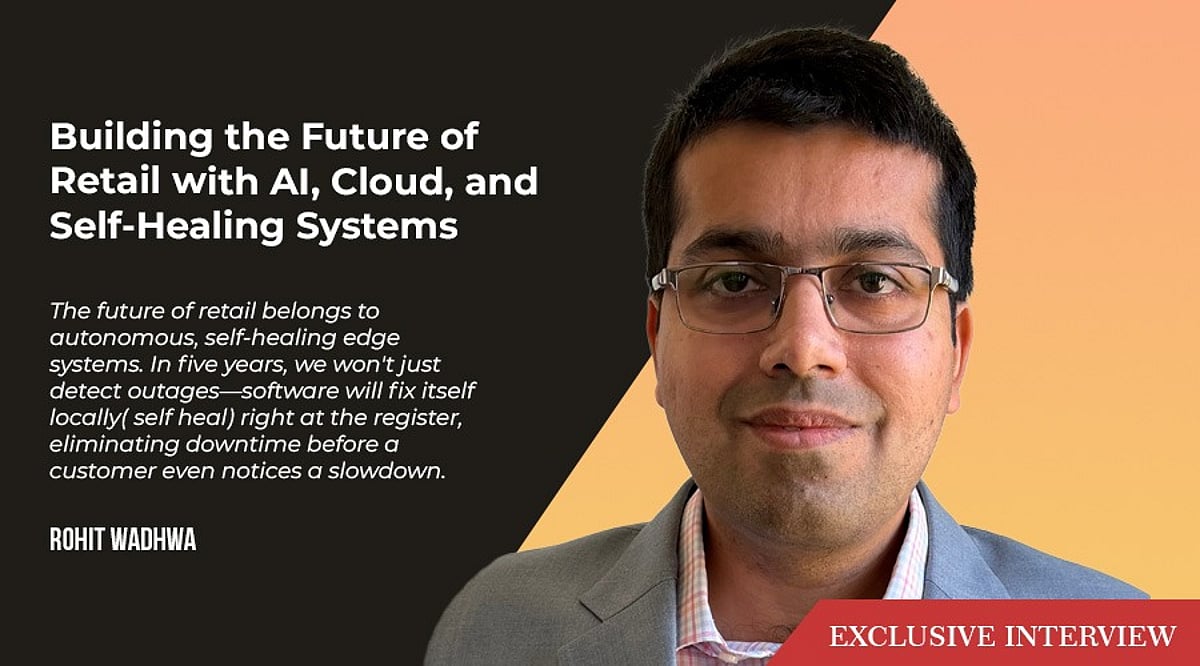
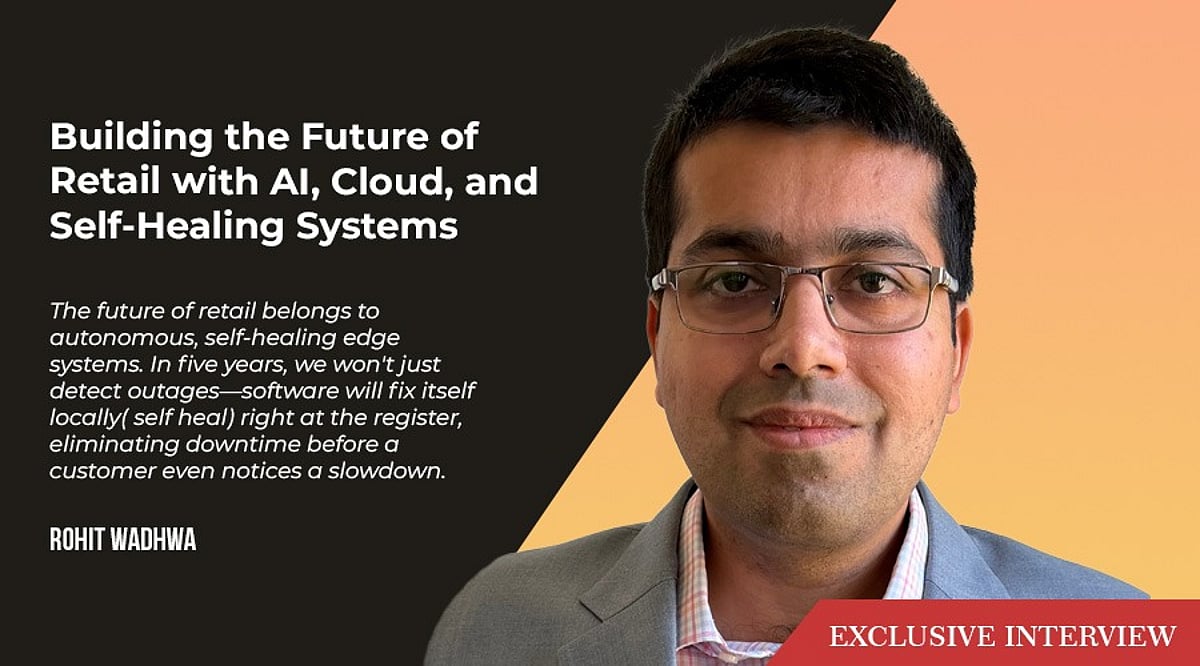
    In an era where retail transactions exceed $1 billion in volume, senior software engineer and architect Arundhati Kumar shares insights from over 15 years of building high-performance distributed systems. Her journey, from modernizing Fannie Mae’s mortgage platforms to leading global retail technology, reveals how AI, cloud, and self-healing infrastructure are redefining the shopping experience.

    From Finance to Retail: A Leap in Scale

    Kumar’s transition from banking to retail meant moving from secure, precise transactions to a flood of real-time data from thousands of physical stores. Today, she leads cross-functional teams designing omnichannel point-of-sale applications for one of the world’s largest retailers. The key challenge: ensuring software runs fast and reliably across legacy registers and modern mobile apps, even with unpredictable network connections.

    Checkout Doctor: Bridging the Visibility Gap

    Inspired by register glitches that stalled checkout lines, Kumar created Checkout Doctor—an automated diagnostic assistant that analyzes local device logs in real time. When a scale or peripheral fails, it instantly alerts associates via mobile devices, shifting support from reactive to proactive. This self-healing approach keeps lines moving and reduces downtime.

    AI in Site Reliability Engineering

    Large language models (LLMs) are transforming incident management by providing plain-English summaries from error logs, cutting down time to diagnose outages. Kumar emphasizes that AI delivers the most measurable value in noise reduction and early triage—correlating telemetry spikes to pinpoint root causes before thresholds are breached.

    Cloud Migration Lessons

    Leading a migration from legacy SQL to Azure Cosmos DB, Kumar learned that you can’t copy-paste old database mindsets. Rethinking data organization around partition keys like store numbers and lanes, and accepting eventual consistency, reduced costs and improved availability during peak shopping seasons.

    Event-Driven Architecture and Loss Prevention

    Event-driven architecture replaces batch processing with instant event streams via websocket servers. This enables real-time visibility and automated decisions—such as pausing a checkout when a barcode mismatch is detected, and prompting associates to intervene. Such techniques help combat the multi-billion-dollar challenge of retail shrink.

    The Future: Autonomous Infrastructure

    Kumar is most excited about predictive workflow integrity, where machine learning models on edge devices autonomously fix anomalies—like routing around a slowing database—before humans even see an alert. Her advice to leaders: build systems that survive locally without cloud dependency, and treat AI as a co-pilot, not a replacement for human intuition.

  • Revolutionizing Retail: How AI, Cloud, and Self-Healing Systems Are Reshaping the Industry

    Revolutionizing Retail: How AI, Cloud, and Self-Healing Systems Are Reshaping the Industry

    In an era where retail technology is evolving at breakneck speed, senior software engineer and architect Arundhati Kumar offers a deep dive into the innovations driving the future of omnichannel commerce. With over 15 years of experience building high-performance distributed systems across healthcare, banking, and now global retail, Kumar shares insights on how AI, cloud computing, and self-healing infrastructure are transforming the way retailers operate at scale.

    The Challenges of Engineering at Massive Scale

    When you’re supporting thousands of physical stores with diverse hardware—from legacy cash registers to modern mobile checkout apps—the biggest challenge is ensuring speed and reliability across unpredictable network conditions. Kumar explains that her team had to build custom adapter layers to standardize conflicting data payloads, and engineer systems that can instantly drop into offline mode, saving transactions locally and syncing back to the cloud once connectivity is restored—without losing a single cent of revenue.

    Checkout Doctor: A Self-Healing Solution

    Inspired by store associates struggling with checkout glitches, Kumar designed Checkout Doctor, an automated real-time diagnostic assistant. Instead of waiting for centralized IT support, the system analyzes local device logs, isolates issues like a scale malfunction or peripheral disconnect, and triggers alerts directly on the associate’s mobile device. This shifts the support model from reactive to proactive, keeping lines moving and reducing customer frustration.

    How AI Is Changing Site Reliability Engineering

    Large language models (LLMs) are revolutionizing incident detection by reducing the time engineers spend digging through disparate dashboards and logs. Kumar notes that feeding real-time error logs and alerts into an LLM provides on-call engineers with a plain-English summary of the problem, along with context from past incidents. This acts as an intelligent co-pilot, dramatically cutting the time to understand and resolve critical outages.

    The Measurable Value of AI in Operations

    Rather than fully automated fixes, Kumar believes the greatest value of AI today lies in extreme noise reduction and early triage. In massive enterprise setups, a single microservice failure can trigger cascading alerts. AI correlates telemetry spikes, filters out background noise, and points engineers directly to the root cause. Additionally, machine learning models can flag anomalies—like a spike in database latency—long before a threshold is breached, enabling preemptive patching.

    Lessons from Migrating to Cloud-Native Architecture

    Leading a migration from legacy relational systems to Azure Cosmos DB, Kumar learned that you can’t simply replicate old database patterns. Her team had to completely rethink data organization, grouping by store numbers and register lanes as partition keys, and accepting some data duplication. This trade-off slashed expensive cross-partition queries, kept cloud costs low, and ensured maximum availability during peak shopping seasons.

    Event-Driven Architecture for Real-Time Decisions

    Event-driven architecture replaces batch processing by treating every register action—a barcode scan, a voided item, a payment—as an instant event broadcast via websocket servers. This gives business leaders a live view of store performance and enables automated decisions, such as sending an alert to a nearby associate when an unusual pattern is detected during a live checkout session. It catches faults and errors before the customer leaves the lane.

    Combating Retail Shrink with Intelligent Automation

    Retail shrink is a multi-billion-dollar problem, but Kumar’s approach prevents losses at the checkout lane by linking real-time register logs with overhead camera feeds. If a missed scan or barcode mismatch is detected, the system pauses the session mid-transaction with a friendly nudge to rescan. If the issue persists, a silent notification goes to an associate’s mobile device, protecting the bottom line while keeping the experience seamless.

    Emerging Trends: Autonomous Infrastructure

    Looking ahead, Kumar is most excited about autonomous, self-healing infrastructure and edge-computed intelligence. Instead of using AI reactively to summarize logs after an outage, future systems will run predictive models directly on local edge hardware—like thousands of retail registers. These models will monitor health and transaction patterns, fixing anomalies autonomously (e.g., routing around a slowing database) long before a human engineer is alerted. This marks the end of the traditional on-call nightmare, turning software into something that actively looks after itself.

    Advice for Enterprise AI Implementation

    Kumar offers two key pieces of advice for leaders: First, build systems that survive locally without relying on the cloud. Local hardware must be smart enough to run in offline mode, catch errors, and make decisions on the spot. Second, treat AI as an intelligent co-pilot, not a replacement. Use a tiered intervention model: let the system handle noise reduction and simple self-healing, but when complex failures occur, use AI to arm engineers with a plain-English context summary rather than letting the machine guess blindly. Build guardrails that empower teams, not black boxes.

    As retail continues to evolve, the integration of AI, cloud, and self-healing systems is not just a trend—it’s a necessity. Kumar’s insights provide a roadmap for building resilient, customer-friendly technology that can handle the demands of modern commerce.

  • Top 9 Long-Term Growth Stocks to Buy in July 2026

    Top 9 Long-Term Growth Stocks to Buy in July 2026

    Investors seeking stable, long-term growth should consider these nine stocks that are well-positioned for sustained performance across technology, healthcare, and financial services. Each company benefits from strong fundamentals, recurring revenue streams, and exposure to secular trends such as AI, cloud computing, digital payments, and advanced manufacturing.

    1. NVIDIA

    NVIDIA maintains its leadership in AI hardware innovation through advanced GPUs that power data centers, autonomous vehicles, enterprise computing, and AI applications worldwide.

    2. Microsoft

    Microsoft continues to expand its cloud computing and AI software offerings while maintaining robust recurring revenues from enterprise services, supporting long-term shareholder value and consistent growth.

    3. Amazon

    Amazon benefits from e-commerce dominance, AWS cloud leadership, and growing investments in AI, driving sustained revenue and profitability across global markets.

    4. Alphabet

    Alphabet strengthens its digital advertising, cloud computing, and AI platforms while investing aggressively in future technologies, supporting diversified long-term business expansion globally.

    5. Meta Platforms

    Meta Platforms continues to grow advertising revenue while advancing AI infrastructure, smart devices, and immersive technologies for future digital experiences.

    6. Taiwan Semiconductor Manufacturing Company (TSMC)

    TSMC manufactures advanced semiconductor chips that power smartphones, AI servers, automotive technologies, and next-generation computing platforms worldwide.

    7. Eli Lilly

    Eli Lilly strengthens its pharmaceutical leadership through innovative treatments for diabetes, obesity, and neuroscience, supported by expanding global healthcare demand and robust research pipelines.

    8. Visa

    Visa benefits from increasing digital payment adoption and cross-border transactions, along with resilient financial services that support dependable long-term earnings growth across international markets.

    9. Broadcom

    Broadcom delivers semiconductor and infrastructure software solutions while benefiting from accelerating AI networking demand and enterprise digital transformation investments globally.