Tag: AI

  • Bollywood Stars Backing AI, Fintech, and EdTech Startups: A Look at Celebrity Investors

    Bollywood Stars Backing AI, Fintech, and EdTech Startups: A Look at Celebrity Investors

    Bollywood celebrities are increasingly diversifying their portfolios beyond the silver screen, investing in cutting-edge technology startups spanning artificial intelligence, fintech, and edtech. Here is a roundup of notable Bollywood personalities who have placed strategic bets on innovative ventures.

    Shilpa Shetty – AI Wellness

    Shilpa Shetty has invested in AI-powered wellness and health technology ventures, reflecting a growing trend among celebrities to back preventive healthcare and digital fitness innovations.

    Suniel Shetty – Fintech

    Suniel Shetty has backed fintech startups focused on digital payments and financial inclusion, expanding his investment interests beyond entertainment and traditional business sectors.

    Deepika Padukone – EdTech

    Through her investment initiatives, Deepika Padukone has supported education-focused technology companies that help learners access quality digital education and skill development opportunities.

    Ranveer Singh – AI Marketing

    Ranveer Singh has invested in AI-driven consumer technology and marketing startups that enhance brand engagement through advanced analytics and personalized customer experiences.

    Madhuri Dixit – EdTech Learning

    Madhuri Dixit has backed online education platforms promoting accessible learning, combining educational innovation with technology-driven student engagement across diverse audiences.

    Ajay Devgn – AI Content

    Ajay Devgn has entered AI-enabled media technology ventures that explore content creation, production efficiency, and innovative entertainment solutions for digital-first consumers.

    Alia Bhatt – Sustainable Tech

    Alia Bhatt has invested in technology startups that combine AI with sustainability, highlighting her interest in environmentally responsible innovation and future-focused business models.

    Karan Johar – Digital Startups

    Karan Johar has expanded his investment interests into technology-led startups, supporting scalable digital businesses across entertainment, fintech, and consumer technology ecosystems.

    Riteish Deshmukh – Startup Ecosystem

    Riteish Deshmukh has actively invested in emerging startups spanning AI, fintech, and edtech, encouraging innovation while diversifying his entrepreneurial ventures beyond cinema.

    These investments underscore a broader shift where Bollywood celebrities are leveraging their influence and capital to shape the future of technology and education in India.

  • Apple Seeks Dismissal of AI Lawsuit Over YouTube Video Training – Here’s Why It Matters

    Apple Seeks Dismissal of AI Lawsuit Over YouTube Video Training – Here’s Why It Matters

    Apple has asked a US court to dismiss a lawsuit filed by three YouTube creators who accuse the company of using millions of copyrighted YouTube videos to train its artificial intelligence systems without permission. The case centers on whether publicly available online content can be legally used for AI development.

    The lawsuit, filed in April in the US District Court for the Northern District of California, was brought by the channels h3h3Productions, MrShortGame Golf, and Golfholics. They claim Apple bypassed YouTube’s download restrictions and violated the Digital Millennium Copyright Act (DMCA) by scraping their videos. The creators also argue that technology companies should not profit from creators’ work without sharing benefits or seeking consent.

    Apple’s Defense: Public Is Public

    Apple’s response emphasizes that the videos were accessible to anyone without a password, payment, or special permission. The company contends that public videos are fundamentally different from private or protected content, and that YouTube’s Terms of Service do not prohibit accessing public videos. Apple therefore argues the lawsuit lacks legal grounding and should be dismissed before proceeding to discovery.

    Legal observers note that the case could become a landmark test for copyright law in the age of artificial intelligence. A ruling could help define how companies may use public online material when training AI models, and what responsibilities they have toward content creators.

    Broader Implications for AI and Copyright

    The same trio of creators has also filed similar lawsuits against Meta, Nvidia, ByteDance, and Snap. All raise the same fundamental questions about the legality of using YouTube content for AI training. As AI companies increasingly rely on publicly available data, creators, publishers, and artists continue to push for stronger protections and fair compensation.

    The court will now decide whether to dismiss Apple’s case or allow it to proceed. Its decision could shape future rules for AI training and copyrighted content, influencing both industry practices and legislative efforts.

  • Rockwell Automation and Cisco Partner to Transform Manufacturing in India with Software-Defined Solutions

    Rockwell Automation and Cisco Partner to Transform Manufacturing in India with Software-Defined Solutions

    Rockwell Automation (NYSE: ROK) and Cisco (NASDAQ: CSCO) have announced a strategic collaboration aimed at reimagining the future of manufacturing in India. The partnership unites IT and industrial automation to support the country’s ambitions for advanced, resilient, and globally competitive manufacturing.

    At the core of this initiative is the launch of a Full-Stack Software-Defined Manufacturing reference design. Additionally, a Software-Defined Manufacturing Demo Pod has been established at Rockwell Automation’s Gurugram facility, developed in collaboration with Cisco’s Country Digital Acceleration program. The companies have also introduced a joint digital skills initiative to address the manufacturing digital skills gap, leveraging Cisco Networking Academy and Rockwell’s Learning+ program.

    These efforts reflect a shared commitment to help India’s manufacturing sector transition from traditional automation toward AI-enabled autonomous operations. The Full-Stack Software-Defined Manufacturing reference design integrates Cisco’s software-defined networking with Rockwell Automation’s software-defined automation, delivering secure, observable, and resilient operations. By enabling secure data flow across IT and OT, manufacturers gain real-time visibility and actionable insights to improve efficiency, reduce risk, and support AI-enabled decision-making while maintaining compliance and protecting critical operations.

    “India’s manufacturing sector is at a defining moment,” said Dilip Sawhney, managing director of Rockwell Automation India. “By bringing together industrial automation expertise and modern digital infrastructure, we are helping manufacturers build operations that are more resilient, intelligent, and ready for the future.”

    The Software-Defined Manufacturing Demo Pod in Gurugram will serve as a collaborative innovation environment where customers, partners, and ecosystem players can experience, validate, and co-create solutions tailored to India’s manufacturing needs. It provides a practical foundation for organizations to move from pilot projects to scalable deployment across plants and production lines.

    A key aspect of this collaboration is skills development. Through a social impact initiative, Rockwell Automation and Cisco Networking Academy are committed to equipping India’s manufacturing workforce with essential digital, networking, and cybersecurity skills for modern, software-defined industrial environments. This initiative supports India’s goals for workforce readiness and inclusive growth as manufacturing becomes more digital.

    “Cisco is proud to work alongside Rockwell Automation to support India’s manufacturing transformation,” said Kartika Prihadi, Vice President of Partner and Routes to Market Sales at Cisco APJC. “By unifying secure networking, automation, and AI-ready infrastructure, we are helping manufacturers move from automation to autonomy, unlocking new levels of efficiency, innovation, and trust.”

    As India continues to strengthen its position as a global manufacturing hub, the Rockwell Automation and Cisco collaboration provides a blueprint for how technology, skills, and ecosystem partnerships can come together to support sustainable growth and operational excellence.

  • HCLTech Lands $1.14B European Mega-Deal, Ending Three-Year Drought in Large Outsourcing Contracts

    HCLTech Lands $1.14B European Mega-Deal, Ending Three-Year Drought in Large Outsourcing Contracts

    HCLTech has secured a landmark $1.14 billion contract from a Europe-based Fortune Global 50 client, marking its first mega-deal in over three years. The agreement, announced on July 3, 2026, underscores a resurgence in large-scale outsourcing contracts driven by demand for AI-powered digital transformation.

    Deal Details and Revenue Impact

    The multi-year partnership will see HCLTech establish an AI-driven operating model to manage the client’s global digital workplace and enterprise networks. The contract guarantees annual revenue of approximately $228 million, contributing about 1.6% growth in FY27. HCLTech expects constant currency growth of 1% to 4% for the fiscal year, slightly down from the 2-5% range projected in April 2025.

    Strategic Significance

    This deal ends a three-year hiatus in mega-deals for HCLTech, the last being a $2.1 billion managed services contract with Verizon in August 2023. The company also acquired a 10% stake in Bengaluru-based AI startup Sarvam AI for about $150 million in June 2026, becoming the first Indian IT services firm to invest directly in an AI company.

    Phil Fersht, CEO of HFS Research, commented: “The deal also strengthens HCLTech’s credibility in large-scale competitive pursuits at a time when enterprises are consolidating strategic technology partners.”

    Context in Indian IT Sector

    The contract is the fourth mega-deal secured by Indian IT firms since January 2024, following Infosys’s $1.6 billion NHS deal, TCS’s $1 billion Telefónica UK contract, and TCS’s $2.5 billion Aviva deal. HCLTech ended fiscal 2025 with $14.66 billion in revenue, up 6% year-over-year, making it the fastest-growing among the top five Indian IT services companies.

    The deal is extendable by five years and reinforces India’s reputation as a global hub for enterprise technology services and AI-led innovation.

  • Meta’s Brain2Qwerty V2 Reads Brain Waves to Type Text Without Surgery

    Meta’s Brain2Qwerty V2 Reads Brain Waves to Type Text Without Surgery

    Meta has unveiled Brain2Qwerty v2, a cutting-edge AI system that translates brain signals directly into text using non-invasive magnetoencephalography (MEG) technology. Unlike traditional brain-computer interfaces that require surgical implants, this system uses a helmet equipped with sensors to detect the magnetic fields generated by neural activity while a user types.

    In tests, Brain2Qwerty v2 achieved significant improvements over its predecessor, marking it as Meta’s most accurate end-to-end sentence decoder to date. The technology holds particular promise for individuals with paralysis, brain damage, or speech-related neurological disorders, offering them a potential future means of communication through thought alone.

    Despite the breakthrough, Meta acknowledges that the system remains experimental. Current MEG equipment is bulky, expensive, and requires a controlled environment, making it impractical for everyday use. Further advancements in both hardware miniaturization and AI algorithms are necessary before Brain2Qwerty v2 can become a viable communication aid outside research settings.

    The development underscores the accelerating progress in brain-computer interface technologies and their potential to transform healthcare and human-computer interaction.

  • Build an AI-Powered Lead Machine: Three Pillars for Modern Growth

    Build an AI-Powered Lead Machine: Three Pillars for Modern Growth

    In the modern landscape of digital growth, marketing optimization, and B2B sales development, go-to-market teams face a massive paradigm shift. Manual execution has given way to automated, intelligent infrastructure. This guide explains how to build a comprehensive growth engine using three interconnected architectural pillars: agentic AI lead generation systems, Generative Engine Optimization frameworks, and algorithmic booking systems. Orchestrating these pillars converts modern buying signals into a continuous pipeline.

    What Does It Mean to Build an AI-Powered Lead Generation Machine?

    An AI-powered lead generation machine replaces manual list building with autonomous software workflows that track real-time intent signals, execute sequential data validation, and programmatically generate hyper-personalized outreach assets. This automated infrastructure qualifies inbound prospects using interactive form gatekeepers, removing the operational burden of lead qualification from human sales teams.

    Shifting to Agentic Prospecting Workflows

    Modern B2B lead generation relies on autonomous agents rather than manual execution. These agents operate iteratively to accomplish multi-tiered objectives without human intervention between sequence phases. The software independently maps the Ideal Customer Profile and identifies precise purchasing triggers. Teams deploy these workflows to maintain a continuous outbound pipeline natively, eliminating static database reliance.

    Intent Sourcing Mechanics and Data Tracking

    High-intent data capturing focuses on tracking real-time business signals rather than pulling static firmographic lists. High-leverage buying signals include recent venture capital funding rounds, key executive hires, and technological stack updates. Systems monitor real-time content consumption patterns across B2B data exchanges. Databases like Apollo and 6sense isolate these metrics to flag prospective buyers preparing for a purchase.

    Waterfall Enrichment Infrastructure

    Data management layers run programmatic waterfall validation algorithms to circumvent spam filters and preserve deliverability rates. This methodology uses an extraction pipeline that queries independent databases iteratively. The orchestrator passes lead records into a data framework like Clay to resolve missing corporate data points, email syntaxes, and social profiles. The pipeline queries a sequential hierarchy from one provider network to another when previous sources register as null.

    Hyper-Personalization and Asset Production

    Generative algorithms programmatically evaluate open data fields, executive interviews, or target company website updates to compose individualized cold messaging or tailored lead magnets. This strategy focuses on producing programmatically tailored high-value digital deliverables to incentivize contact acquisition. A webhook listener module intercepts new lead capture alerts from landing forms. The system routes the captured domain into an integration block to pull background variables and passes the metrics into an LLM generation node.

    Autonomous Sales Delivery and AI Gatekeeping

    The deployment phase relies on safe multi-channel sequences across secure electronic mail networks and automated professional networking touchpoints. Scalable delivery applications like Instantly deploy mass outbound communication sequences without suffering deliverability degradation. Incoming responses face continuous monitoring by predictive model scoring frameworks within CRM databases. Interactive, dynamic form gatekeepers filter incoming inquiries on landing sites to qualify intent prior to sales calls. These automated form agents verify traffic characteristics before permitting human sales interaction. For instance, companies like KIS Finance optimize their data ingestion layers by implementing predictive validation structures to evaluate risk and intent variables before routing prospects to human operators.

    Turning Incoming AI Search Traffic into Conversions: Seamless Booking Portals

    Converting outbound intent and conversational search visibility into bottom-line conversions demands automated, 24/7 client booking engines. These programmatic conversion portals eliminate back-and-forth scheduling friction by embedding responsive, full-stack calendaring layers directly onto primary digital assets to manage real-time enterprise availability, capacity-limited events, and transactional gates seamlessly.

    The Role of On-Site Booking Gateways

    Converting outbound intent and conversational visibility into bottom-line conversions demands automated client booking engines. These systems eliminate back-and-forth friction by embedding responsive calendaring layers directly onto primary digital assets. Prospective clients schedule sessions immediately upon landing on the corporate interface. Automation maintains operational continuity across global time zones 24/7.

    Enterprise Scheduling Mechanics

    Enterprise scheduling platforms orchestrate structural components across staff records, service catalogs, individual provider availability calendars, and custom resource rules. These tools automate recurring client sessions, capacity-limited team events, multi-tier pricing structures, and real-time payment capture gates. The infrastructure updates availability in real time across all integrated networks. Staff members receive individual schedule definitions matching their specific resource capacities. The system binds production API keys for credit processing networks to activate automated invoicing sequences simultaneously.

    Full-Stack Tool Customization

    Advanced scheduling architectures offer developers complete structural control over transactional interfaces. Customization capabilities include custom styling parameters, direct API pipelines, and webhooks data pipelines. The platform connects directly with major ecommerce frameworks to unify transactional operations. Programmed conditional communication protocols dispatch confirmation alerts, custom calendar assets, and automated tracking notifications via email and SMS text messaging. Growth teams can instantly implement this exact full-stack booking architecture using a WordPress booking plugin for appointments and events called Amelia, which deploys responsive shortcode values or platform block elements directly into targeted page templates to automate logistics natively.

    What Is Generative Engine Optimization (GEO) and Why Is It Crucial?

    Generative Engine Optimization (GEO) is the technical framework used to optimize digital footprints for consumption and citation by Large Language Models and conversational search engines. It is crucial because user behavior is moving toward chat interfaces that deliver direct answers, requiring brands to maintain machine-readable semantic layers to earn citations.

    The Paradigm Shift to Generative Visibility

    Generative Engine Optimization addresses the optimization of digital footprints for consumption and citation by Large Language Models. This framework moves past classical algorithmic page-ranking rules that govern traditional search engines. GEO builds textual depth and semantic relevance to become the chosen answer source inside the text paragraph outputted by an LLM. This shift is critical because user searches are moving away from traditional engines and towards chat interfaces like ChatGPT, Gemini, Perplexity, and Google AI Overviews.

    Machine-Readable Revenue Pipelines and Citations

    For an organization to earn citations in AI search interfaces, brand indices must maintain open-source, easily parsable semantic data layers. This structural necessity shifts organizational assets from traditional closed-loop funnels into accessible, machine-readable knowledge formats. Search visibility metrics within generative platforms are determined by citation share, link depth within expandable conversational user interface elements, and continuous token attribution across conversational threads. Growth teams must analyze the hidden layout architecture of generative search results pages, including the Document Object Model. Primary source citations often sit buried inside expandable code blocks, drop-down toggles, or structural containers within the DOM. Specialized enterprise applications like AthenaHQ, Authoritas, and the best GEO tools allow content teams to track specific prompt volumes, measure citation share, and audit brand perception within LLMs.

    Algorithmic User Intent Matching

    Discovery mechanics within conversational search engines rely on semantic clustering. This methodology involves gathering thousands of autocomplete user queries and transforming them into intent-based informational clusters. Software platforms like Answer Socrates group these autocomplete search queries to discover the specific structural answers required by conversational AI tools. Content teams use utilities like Frase, Writesonic, Genrank, and Dageno AI to map out source material for LLM consumption, ensuring accurate brand indexing.

    Architecting the Future of B2B Growth

    Building an automated lead machine requires integrating autonomous prospecting networks, conversational search optimization frameworks, and programmatic booking portals. This synchronized architecture allows enterprise growth teams to transform real-time buying intent signals into continuous client acquisitions, securing a dominant digital footprint within modern machine-readable revenue pipelines.

    Unifying the Three Growth Pillars

    Modern pipeline development demands the systematic integration of agentic data workflows, generative search visibility, and algorithmic scheduling interfaces. Go-to-market teams establish an optimized ecosystem by linking these independent layers. This structural approach ensures no high-intent demand slips through organizational cracks. The system processes external intent signals and internal transaction data simultaneously.

    The Machine-Readable Competitive Advantage

    Organizations must shift their digital assets into open, easily parsable semantic knowledge formats to maintain long-term market authority. Large Language Models and automated scraping tools rely completely on accessible data layers for citation attribution. Companies that hide information behind closed funnels risk immediate erasure from generative search results. Maintaining an indexable presence guarantees consistent citation share across conversational threads.

    Strategic Directives for Go-to-Market Teams

    Go-to-market teams must immediately audit their existing technical stacks to eliminate manual list validation and scheduling frictions. Deploying autonomous workflows allows human operators to focus entirely on closing qualified deals. The engineering of automated conversion paths transforms inbound traffic into concrete revenue pipelines. Organizations that deploy these integrated frameworks early will capture the highest share of AI-native demand.

  • Tech Roundup: Samsung Stocks Dip, Indian Startups Thrive Under Digital Rules, Robinhood Unveils Blockchain, and Anthropic Releases Claude Sonnet 5

    Tech Roundup: Samsung Stocks Dip, Indian Startups Thrive Under Digital Rules, Robinhood Unveils Blockchain, and Anthropic Releases Claude Sonnet 5

    Good morning! Here’s your quick roundup of today’s biggest developments across semiconductors, digital policy, enterprise AI, cryptocurrency, and generative AI.

    What’s New Today

    • South Korean technology stocks took a hit after a Nasdaq-led selloff.
    • India’s digital regulatory measures are helping startups scale rapidly.
    • Ford is hiring hundreds of engineers despite the rise of AI automation.
    • Robinhood launched its own public blockchain for tokenized assets.
    • Anthropic released Claude Sonnet 5 with improved agentic AI capabilities.

    Fast-Track Insights

    • Samsung and SK Hynix shares decline amid global tech weakness.
    • India’s digital ecosystem strengthens startup growth.
    • Ford adds 350 engineers to support product development.
    • Robinhood launches a public blockchain for tokenized assets.
    • Claude Sonnet 5 expands AI capabilities with API access.

    Samsung and SK Hynix Shares Fall After Global Tech Selloff

    Samsung Electronics and SK Hynix stocks fell amid an acute selloff in U.S. tech shares on the Nasdaq. The downturn followed rising concerns about valuations tied to artificial intelligence and semiconductor demand. Analysts, however, maintain a long-term growth outlook, citing sustained investments in AI infrastructure and memory chips.

    India’s Digital Rules Strengthen Startup Ecosystem

    An Oxford Economics report indicates that India’s evolving digital regulations are helping startups expand by boosting consumer trust, encouraging innovation, and creating a more predictable business environment. The study highlights that balanced policies are supporting investment, digital adoption, and economic growth, enabling emerging companies to compete more effectively in the technology sector.

    Ford Hires Engineers Despite AI-Driven Automation

    Ford is looking to hire approximately 350 engineers, recognizing that AI cannot fully replace human skills in automobile production. Experts note that while AI can increase productivity, it is not a substitute for human engineering creativity, product design, and safety expertise. The hiring drive reflects the lasting importance of human talent in modern vehicle development.

    Robinhood Launches Public Blockchain for Tokenized Assets

    Robinhood has introduced its own public blockchain, deepening its engagement with digital assets. The blockchain will support tokenized financial products and fast transactions. This development marks a significant step for Robinhood in the blockchain space.

    Claude Sonnet 5 Brings More Agentic AI Capabilities

    Anthropic has launched Claude Sonnet 5, its latest AI model featuring enhanced reasoning, coding, planning, and tool-use capabilities. The model is available through the Claude API, Claude Code, Amazon Bedrock, Google Cloud, and other platforms. Sonnet 5 now serves as the default model for Free and Pro users, while offering developers improved performance at lower API pricing.

  • The Best No-Code AI App Builders for 2026: Build Apps Without Coding

    The Best No-Code AI App Builders for 2026: Build Apps Without Coding

    No-code AI platforms are making application development accessible by allowing users to build intelligent apps without writing traditional programming code.

    Bubble continues to be one of the most popular no-code platforms, enabling users to create web applications while integrating AI models and automation services.

    Glide transforms spreadsheets into powerful mobile and web applications with AI-powered workflows, making rapid business app development simple.

    Microsoft Power Apps combines low-code development with Microsoft Copilot AI, enabling organizations to build business applications using natural language prompts.

    Softr allows users to build client portals, internal tools, and business applications by connecting databases with customizable no-code interfaces and AI capabilities.

    FlutterFlow has become a leading visual app builder for creating cross-platform mobile applications while supporting AI integrations and custom backend services.

    Modern no-code AI builders include features like AI chatbots, workflow automation, document generation, image creation, and intelligent data processing. Businesses increasingly use these platforms to build customer support tools, CRM systems, inventory management apps, employee portals, and productivity solutions.

    Selecting the right no-code AI platform depends on deployment options, integrations, scalability, pricing, security, and the complexity of the intended application.

  • How AI Is Transforming Jobs, Leadership, and Business Strategy for the Future of Work

    How AI Is Transforming Jobs, Leadership, and Business Strategy for the Future of Work

    Artificial intelligence is reshaping business strategy, workforce planning, and leadership priorities. While many organizations have yet to realize measurable gains from AI, others are seeing significant improvements in productivity and job redesign. This article explores expert insights and the latest research on AI’s growing impact on jobs, business strategy, and the future of work.

    Two Tracks Are Opening — and They’re Pulling in Opposite Directions

    PwC’s research describes a two-track labor market. Some roles are being ‘professionalized’ by AI — made more expert, complex, and valuable. These roles are growing twice as fast as those being ‘democratized,’ made simpler and accessible to less-skilled workers. The wage gap between the two tracks has widened 42% since 2021. For business leaders, the strategic read is uncomfortable: AI is amplifying the gap between high-value and low-value work, not compressing it.

    The most striking data point from PwC: junior roles in the most AI-exposed jobs are now seven times more likely to require skills traditionally associated with senior-level work — leadership, strategic thinking, and stakeholder management. The career ladder is compressing. Entry-level roles in AI-exposed organizations are no longer genuinely entry-level in terms of the demands they entail.

    Why Most Organizations Are Getting Zero Return

    Despite the $40 billion investment in generative AI, 95% of organizations are getting zero return as of 2025. The limiting factor isn’t model quality or access to tools — it’s leadership structure. Microsoft’s Work Trend Index, surveying 20,000 workers across ten countries, found that organizational factors (culture, management support, governance) account for twice the variance in AI impact compared to any individual skill or effort.

    According to the WEF Chief Strategy Officers Dialogue 2026, the future of jobs will be shaped less by technology than by leadership choices — particularly around inclusive reskilling, responsible AI, and the ability to anticipate signals from technology, policy, and labor markets.

    What the Research Actually Agrees On

    BCG’s April 2026 workforce analysis makes a point that cuts through both optimism and alarm: task automation is not the same as job loss. Most roles will remain, but their content will shift substantially. A BCG framework distinguishes between roles where AI absorbs expert tasks (which tends to lower wages and increase employment) versus roles where AI absorbs routine tasks (which tends to raise wages and reduce headcount). The accounting clerk versus inventory clerk comparison illustrates this precisely: both roles saw routine task automation, but accountants saw wages rise and headcount fall, while inventory clerks saw wages fall and headcount grow.

    The implication for strategy: organizations that treat AI as a simple automation question — ‘what can we eliminate?’ — will get the wrong answer. The correct question, which MIT researchers frame explicitly, is whether a given task should be automated at all — and what happens to the expertise level of the remaining work if it is.

    Where the Leadership Gap Actually Sits

    Only 26% of AI users surveyed by Microsoft said their leadership is clearly aligned on AI strategy. That statistic has stayed roughly constant for two years. Leadership teams that talk about AI in strategy documents but haven’t changed performance metrics, incentive structures, or onboarding programs are experiencing what Microsoft calls the Transformation Paradox: employees ready to work differently, inside systems still rewarding the old way.

    The WEF’s blueprint is blunt on what closes this gap: connecting strategy to skills, shifting from services to IP-led value creation, and redesigning work so people and AI perform together. The organizations getting results aren’t treating AI as a cost-cutting project. They’re treating it as a capability redesign — and building the human skills that make the AI capabilities worth having.

    Why This Matters

    Artificial intelligence is no longer just a technology initiative — it has become a business transformation priority. Leaders who successfully integrate AI into strategy, talent development, and operations will be better positioned to improve productivity, strengthen competitiveness, and prepare their organizations for the evolving future of work.

    Frequently Asked Questions

    How is artificial intelligence changing the future of work?

    Artificial intelligence is changing the nature of work by automating repetitive tasks, supporting better decision-making, and increasing demand for skills such as leadership, creativity, and critical thinking. Most experts believe AI will redesign jobs rather than replace them entirely, requiring continuous learning and workforce adaptation.

    Will AI replace jobs or create new opportunities?

    Current research suggests AI is more likely to transform existing roles than eliminate them. While certain routine tasks may be automated, organizations are also creating new positions focused on AI management, governance, data analysis, and human-AI collaboration, resulting in evolving career opportunities.

    What skills will become more valuable in an AI-driven workplace?

    Leadership, communication, strategic thinking, creativity, emotional intelligence, problem-solving, and collaboration are becoming increasingly valuable. As AI automates routine work, employees who can make complex decisions, manage teams, and apply human judgment will become even more important to organizations.

    How should business leaders prepare their workforce for AI?

    Business leaders should invest in continuous learning, reskilling programs, responsible AI governance, and organizational change management. Preparing employees to work alongside AI technologies helps improve productivity while ensuring businesses remain competitive as technology continues to evolve rapidly.

    What industries are experiencing the biggest impact from AI?

    Industries including finance, healthcare, manufacturing, retail, customer service, technology, and professional services are experiencing significant AI-driven transformation. These sectors are using AI to improve operational efficiency, automate repetitive tasks, enhance customer experiences, and support better business decisions.

  • India’s 10 Most Promising Tech Startups Shaping 2026

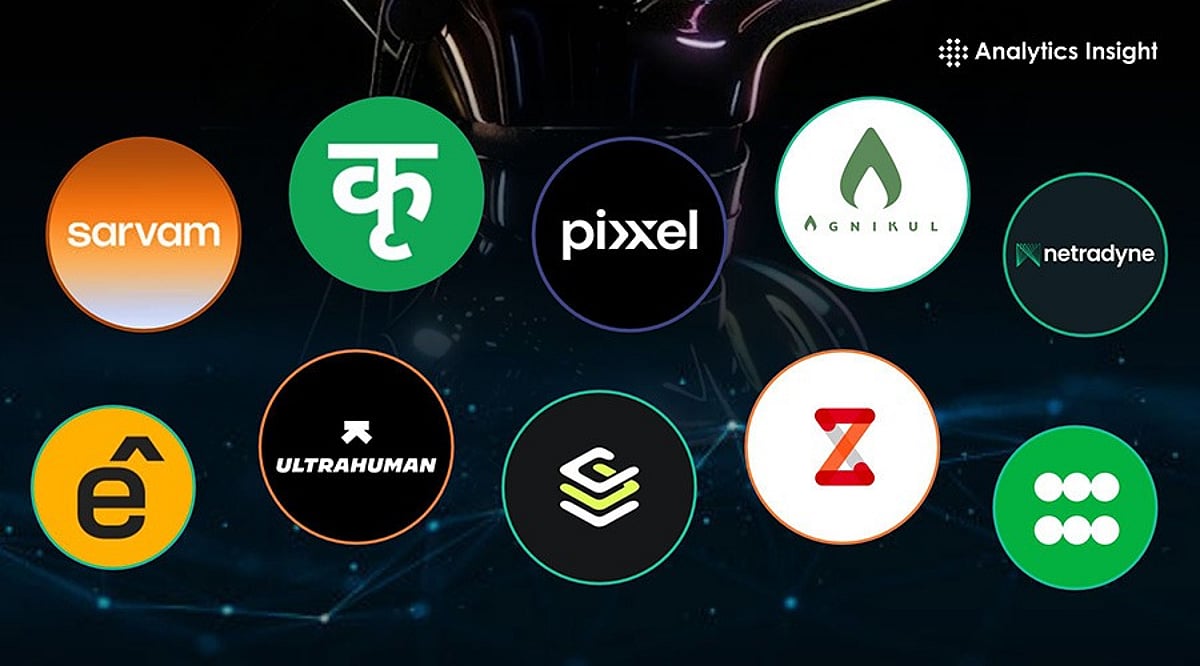
    India’s 10 Most Promising Tech Startups Shaping 2026

    India’s startup ecosystem is undergoing a significant transformation. While previous years were dominated by conversations about massive funding rounds and valuations, the focus in 2026 has shifted toward sustainable growth, real-world problem-solving, and long-term profitability. Investors are now asking more critical questions: Is the business growing steadily? Does it solve a genuine problem? Can it generate sustainable revenue?

    This shift has created fertile ground for a new generation of startups across artificial intelligence, healthcare, financial services, electric vehicles, cloud computing, and space technology. These companies are building products that businesses and consumers actually need—from efficiency tools to accessible financial services. Below are ten Indian tech startups that are set to make an impact in 2026.

    Why Investors Are Paying Attention

    The startup landscape has become more pragmatic. While innovation remains paramount, investors are backing ventures with clear purpose and viable business models. Most startups now focus on solving everyday challenges rather than chasing trends. Government support for technology development and innovation is also fueling this growth.

    What Makes These Startups Different?

    Many startups launch every year, but only a few stand out. The companies on this list prioritize solving real problems. Some help businesses manage data more efficiently, others simplify financial services, and several are advancing health tracking or building space technology. Additionally, many of these startups are designed for global markets, giving them access to a larger customer base and more expansion opportunities. Most importantly, these companies are building products people actually use—substance over hype.

    Big Trends Shaping Indian Startups in 2026

    Businesses need tools that enable employees to work faster and smarter. Startups are delivering practical, less complex AI solutions. The healthcare sector is expanding rapidly due to rising consumer interest in health and fitness, opening doors for wellness-focused tech companies. Fintech continues to thrive as demand for faster, more convenient financial services grows. Electric mobility is also gaining traction, creating a pressing need for robust charging infrastructure. Meanwhile, space technology—once the domain of government agencies—is now attracting private players, with several Indian companies already achieving notable results.

    Why These Companies Matter

    The most successful startups are often not the loudest. They quietly solve problems every day—helping businesses save costs, making healthcare more accessible, improving financial services, and supporting emerging industries. These companies are building products with real impact, which is why investors, customers, and industry experts are closely watching them.

    Looking Ahead

    India’s startup environment is maturing. The “growth at any cost” mindset is giving way to value creation, problem-solving, and sustainability. The success stories of 2026 won’t come from companies that make the most noise; they will come from those that create something useful and earn customer trust. The ten firms highlighted here are among those to watch as India’s technology industry enters its next phase of growth.

    Why It Matters

    India’s next generation of technology startups is shaping the future of innovation across multiple industries. By developing practical solutions, creating employment opportunities, attracting investment, and expanding globally, these companies are strengthening India’s digital economy and driving long-term technological growth.

    FAQs

    Which are the top Indian tech startups to watch in 2026?

    Some of the most promising include Sarvam AI, Krutrim, Pixxel, Agnikul Cosmos, Netradyne, Exponent Energy, Ultrahuman, Lucidity, Zolve, and Equal. These companies are driving innovation across AI, space tech, fintech, healthtech, and cloud computing.

    Why are investors focusing on Indian tech startups in 2026?

    Investors are backing startups with sustainable business models, strong revenue potential, and products solving real-world problems. They prioritize long-term profitability, customer adoption, operational efficiency, and scalability across domestic and international markets.

    Which sectors are driving India’s startup ecosystem in 2026?

    AI, fintech, healthtech, electric mobility, cloud computing, identity technology, and commercial space technology are among the fastest-growing sectors. These industries benefit from digital adoption, supportive policies, private investment, and rising technology-driven demand.

    Why is AI becoming a major focus for Indian startups?

    AI startups are developing language models, enterprise automation tools, customer service platforms, and productivity solutions tailored to India’s diverse market. Businesses across industries adopt AI to improve efficiency, reduce costs, automate tasks, and enhance customer experiences.

    What makes Indian space startups attractive to investors?

    Private companies like Pixxel and Agnikul Cosmos are building satellite technologies, launch vehicles, and Earth observation solutions with global commercial potential. Government reforms and increased private participation have created new opportunities for innovation and international partnerships.