Tag: Amazon

  • Why Acquiring Existing Capability Is Fueling the Biggest Telecom Deals of 2026

    Why Acquiring Existing Capability Is Fueling the Biggest Telecom Deals of 2026

    Telecom operators spent 2026 chasing growth without the capital drag of building everything themselves. From Stockholm to Sydney, many of the year’s most visible deals share the same quiet logic. Across each one, operators acquired or leased networks, spectrum and platforms that already existed, sidestepping much of the expense and time involved in building from scratch.

    The reward is faster access to capability without the expense of developing it internally.

    Why buying capability became the growth story of 2026

    Acquiring or leasing existing capability, rather than developing it internally, is increasingly a core growth strategy. The wholesale model alone is expanding fast. According to Future Market Insights, the global market for mobile virtual network operators is expected to grow from around USD 94 billion in 2026 to USD 195.6 billion by 2036, a compound annual rate of 7.6%.

    Two forces are driving the shift:

    • Subscriber growth has slowed in mature markets, so network owners lease spare capacity to lift utilization and add revenue without new customer-acquisition costs.
    • Challenger brands lease tier-1 access to compete on price and experience, sidestepping the billions a national build would demand.

    Dealmaking has followed. PwC’s US telecom deals outlook recorded 37 transactions in the first quarter of 2026, the second-highest quarterly volume in two years.

    Four moves worth watching

    Four deals from the past few months show how differently operators are putting this into practice.

    Telia doubles down on MVNOs in the Nordics

    Telia agreed on 8 April 2026 to acquire Telness, a Swedish mobile virtual network operator, from Nordic Communications Group. At closing, Telia will become the first mobile network operator to run Telness Tech’s Seamless OS platform, a cloud-native system that Telness Tech says already powers more than 24 operators across the US and Europe. Telia, which has around four million mobile subscribers in Sweden, will keep Telness under its own brand inside its business-to-business arm. For Telia, the acquisition adds an established MVNO brand and technology platform without having to develop either in-house.

    Nexfibre pushes for a wholesale challenger to BT Openreach

    In the United Kingdom, the owners of the nexfibre joint venture (InfraVia, Liberty Global and Telefonica) agreed in February 2026 to acquire Substantial Group, the parent of alternative fibre operator Netomnia and the retail brands YouFibre and brsk. The £2 billion deal is expected to unlock £3.5 billion of investment and create a scaled wholesale fibre challenger to BT Openreach. It has not been waved through. The UK Competition and Markets Authority has referred the transaction to an in-depth Phase 2 investigation, with a decision due by mid-December 2026, so the targeted third-quarter completion depends on that clearance.

    Amazon buys its way into satellite connectivity

    Amazon announced on 14 April 2026 a roughly USD 11.6 billion agreement to acquire Globalstar, handing it Globalstar’s low-Earth-orbit satellite network, global spectrum licenses and ground infrastructure. Those assets will feed direct-to-device services on Amazon Leo, extending cellular coverage beyond the reach of terrestrial networks. Expected to close in 2027 subject to regulatory approval, the deal is a reminder that the next wave of competition may arrive from well outside traditional telecom.

    Swoop turns wholesale access into margin

    In Australia, ASX-listed challenger Swoop Holdings signed a mobile wholesale agreement with TPG Telecom on 16 June 2026, giving its Moose Mobile brand access to TPG’s national network. Swoop expects the new terms to improve its gross margin percentage by 50% across FY27 to FY29, while growing its mobile base from about 135,000 to more than 180,000 subscribers over three years. The company is pairing the deal with a new billing platform and an eSIM launch to deepen its relationships with households, complementing its residential nbn plans. Chief revenue officer David Michaels said securing tier-1 terms gives the business ‘the commercial discipline and the network capability to grow mobile profitably’. For Swoop, leasing network capability offers a path to subscriber growth while improving the economics of each customer.

    What these moves share, and where they head next

    So what links a Swedish MVNO buyout, a British fibre deal, an American satellite acquisition and an Australian wholesale agreement? Each one reaches for capability that already exists. Three threads run through them:

    • Capital efficiency, with operators acquiring or leasing capability instead of funding years of construction.
    • A focus on margins and cost per user, so deals are judged on economics as much as coverage.
    • Speed to market, where a ready platform, network or spectrum holding can shortcut years of build and regulatory groundwork.

    For challengers, that shift is encouraging. Access to tier-1 networks, spectrum and turnkey platforms means a well-run brand can compete on value and customer experience without the cost of a national build. The names worth following through the rest of 2026 are the ones turning acquired or leased capability into loyal subscribers and durable margins.

    Marshall Thurlow is Director and Founder of Orion Marketing Pty Ltd. He is a digital marketer with expertise in SEO, website design, content marketing and project management.

  • Top Dehumidifiers for Monsoon: Beat Humidity at Home with These Amazon Picks

    Top Dehumidifiers for Monsoon: Beat Humidity at Home with These Amazon Picks

    The monsoon season can make your home feel damp and uncomfortable. High humidity often leads to musty smells, mold, and moisture on walls and furniture. A good dehumidifier helps keep indoor air dry and fresh. Here are some of the best dehumidifiers you can buy on Amazon this monsoon.

    SIMSEN 95oz Dehumidifier

    The SIMSEN 95oz Dehumidifier is a great choice for bedrooms, study rooms, and small living areas. It removes excess moisture while running quietly, making it suitable for day and night use. Its large water tank, auto shut-off feature, and soft LED light add to its convenience.

    TABYIK Small Dehumidifier

    If you need a compact solution for bathrooms, wardrobes, or small bedrooms, the TABYIK Small Dehumidifier is worth considering. It consumes less electricity, operates with very little noise, and automatically turns off when the water tank is full, making maintenance simple.

    ToLife Dehumidifier

    The ToLife Dehumidifier is designed to control indoor humidity without creating much noise. It offers different operating modes, a timer function, and an easy-to-use control panel. Its sleek design also blends well with modern home interiors while keeping rooms dry and comfortable.

    NineSky Dehumidifier

    The NineSky Dehumidifier is suitable for people looking for longer operation between water tank emptying. It features a larger tank, quiet performance, and an auto shut-off function. It also helps reduce dampness, mold growth, and unpleasant odors caused by excess humidity.

    Midea Cube Smart Dehumidifier

    For larger rooms or basements, the Midea Cube Smart Dehumidifier offers powerful moisture removal. It supports Wi-Fi connectivity and app control, allowing users to monitor and adjust settings remotely. Its expandable water tank also reduces the need for frequent emptying.

    Frigidaire 35-Pint Dehumidifier

    The Frigidaire 35-Pint Dehumidifier is designed for medium-sized spaces that experience high humidity. It offers adjustable humidity settings, continuous drain support, and easy-roll wheels for convenient movement. The simple controls make it easy for anyone to use every day.

    hOmeLabs Energy Star Dehumidifier

    The hOmeLabs Energy Star Dehumidifier is a reliable option for larger homes and living spaces. It removes moisture efficiently while keeping energy use low. With a user-friendly control panel, washable filter, and continuous drain option, it is well suited for long monsoon months.

  • Top 9 Long-Term Growth Stocks to Buy in July 2026

    Top 9 Long-Term Growth Stocks to Buy in July 2026

    Investors seeking stable, long-term growth should consider these nine stocks that are well-positioned for sustained performance across technology, healthcare, and financial services. Each company benefits from strong fundamentals, recurring revenue streams, and exposure to secular trends such as AI, cloud computing, digital payments, and advanced manufacturing.

    1. NVIDIA

    NVIDIA maintains its leadership in AI hardware innovation through advanced GPUs that power data centers, autonomous vehicles, enterprise computing, and AI applications worldwide.

    2. Microsoft

    Microsoft continues to expand its cloud computing and AI software offerings while maintaining robust recurring revenues from enterprise services, supporting long-term shareholder value and consistent growth.

    3. Amazon

    Amazon benefits from e-commerce dominance, AWS cloud leadership, and growing investments in AI, driving sustained revenue and profitability across global markets.

    4. Alphabet

    Alphabet strengthens its digital advertising, cloud computing, and AI platforms while investing aggressively in future technologies, supporting diversified long-term business expansion globally.

    5. Meta Platforms

    Meta Platforms continues to grow advertising revenue while advancing AI infrastructure, smart devices, and immersive technologies for future digital experiences.

    6. Taiwan Semiconductor Manufacturing Company (TSMC)

    TSMC manufactures advanced semiconductor chips that power smartphones, AI servers, automotive technologies, and next-generation computing platforms worldwide.

    7. Eli Lilly

    Eli Lilly strengthens its pharmaceutical leadership through innovative treatments for diabetes, obesity, and neuroscience, supported by expanding global healthcare demand and robust research pipelines.

    8. Visa

    Visa benefits from increasing digital payment adoption and cross-border transactions, along with resilient financial services that support dependable long-term earnings growth across international markets.

    9. Broadcom

    Broadcom delivers semiconductor and infrastructure software solutions while benefiting from accelerating AI networking demand and enterprise digital transformation investments globally.

  • How Leading Companies Are Redefining Leadership Development in 2026

    How Leading Companies Are Redefining Leadership Development in 2026

    The definition of corporate leadership is rapidly evolving. By 2026, organizations are no longer grooming executives simply to deliver quarterly results. Instead, they are cultivating leaders who can drive digital transformation, navigate uncertainty, harness artificial intelligence, and build resilient teams. As technology reshapes every industry, leadership development now revolves around lifelong learning, mentorship, global exposure, and data-driven decision-making.

    Companies that excel in this arena create work environments that encourage experimentation, collaboration, and strategic thinking. Below, we explore how nine of the world’s most influential organizations are setting the benchmark for next-generation leadership.

    Leadership Development Moves Beyond Traditional Training

    The era of classroom-only leadership training is over. Today’s best employers embed learning into daily operations through AI-powered learning platforms, executive coaching, cross-functional projects, and international assignments. Employees gain hands-on experience solving real business problems rather than working through theoretical case studies. Equally important is the renewed emphasis on soft skills: emotional intelligence, adaptability, communication, ethical judgment, and resilience are now as critical as technical expertise.

    Companies Setting the Benchmark

    Microsoft

    Microsoft continues to position itself as a leadership powerhouse by fostering an AI-first workplace culture. Employees have access to advanced learning resources, leadership coaching, and opportunities to collaborate with global teams. The company’s relentless focus on innovation allows individuals to deepen their technical skills while sharpening strategic thinking.

    Amazon

    Amazon’s famous Leadership Principles remain central to employee development. Team members are expected to take ownership, think long term, and make customer-centric decisions. Internal mobility and challenging business assignments help professionals gain the experience needed before stepping into senior leadership roles.

    Alphabet

    Alphabet encourages leadership growth by giving employees autonomy to innovate, experiment, and learn from outcomes. A collaborative culture sparks creative thinking and cross-functional teamwork, even when projects are complex. Exposure to cutting-edge tools and technologies prepares emerging leaders to tackle tough business problems with confidence.

    NVIDIA

    With the rapid rise of AI, NVIDIA has become a hub for technological innovation. Employees work in a fast-paced environment where agility, technical rigor, and continuous learning are paramount. This exposure helps future leaders build strategic decision-making skills in highly competitive markets.

    JPMorgan Chase

    As banking embraces AI and digital modernization, JPMorgan Chase has broadened its leadership development beyond traditional finance. Employees now lead technology-driven initiatives while reinforcing strong risk controls, innovative thinking, and customer-centric judgment.

    Deloitte

    Deloitte’s consulting ecosystem offers professionals ongoing exposure to diverse industries, clients, and real-world business challenges. This breadth sharpens strategic thinking, communication, and problem-solving abilities, making employees well-suited for leadership roles in a changing sector.

    PwC

    PwC invests heavily in structured learning tracks focusing on digital skills, sustainability, and responsible leadership. Employees receive mentoring, certifications, and team-based projects that build the ability to lead transformation efforts effectively.

    EY

    EY emphasizes inclusive leadership and future-ready capabilities. Employees participate in leadership academies, global mobility programs, and innovation-driven assignments, equipping them to manage diverse teams and navigate shifting business environments.

    IBM

    IBM remains a strong supporter of technology leaders. Combining decades of enterprise expertise with ongoing investment in AI, cloud computing, and digital skills, IBM enables employees to develop leadership strengths alongside technical excellence.

    Common Traits Behind Their Success

    Despite operating in different industries, these organizations share several characteristics: a commitment to continuous learning, mentorship, cross-functional collaboration, and real-world problem-solving. They prioritize emotional intelligence and adaptability as much as technical prowess.

    Why This Matters

    For professionals planning long-term careers, choosing the right employer is akin to choosing the right learning environment. Organizations that invest in leadership development offer smoother career progression, stronger mentoring relationships, and more opportunities to lead high-impact initiatives. As AI continues to reshape industries, leadership will depend less on hierarchy and more on adaptability, shared thinking, and a commitment to growth.

    By building these strengths now, companies are not only preparing their teams for the future—they are shaping the next generation of executives who will define the global business landscape.

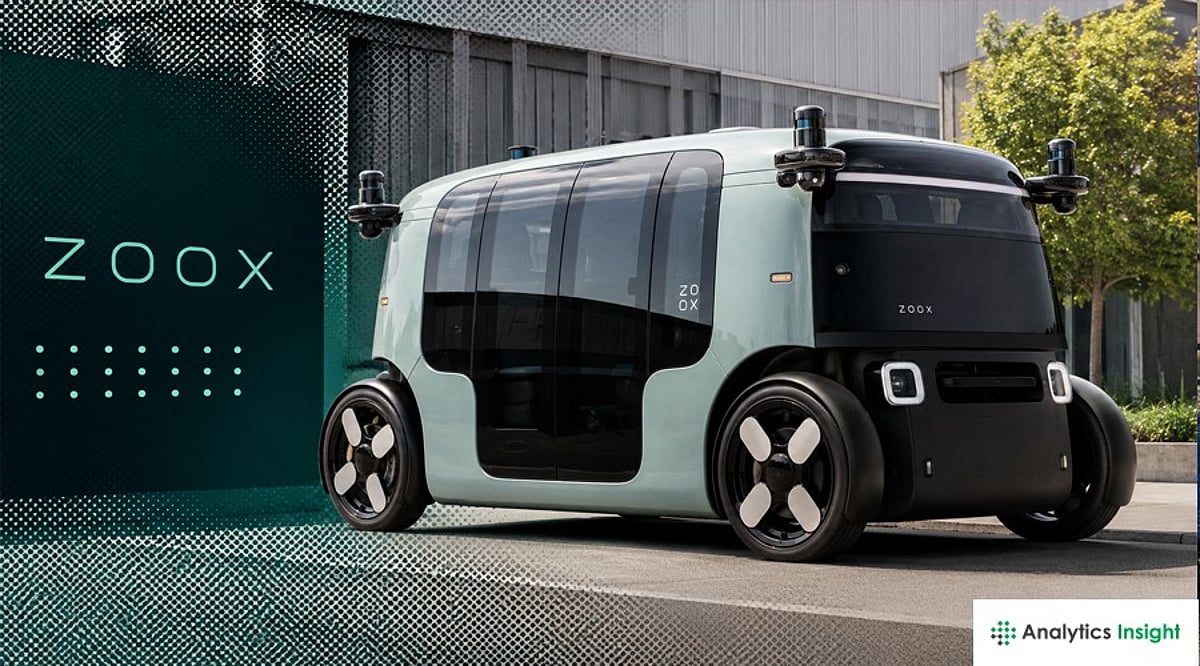
  • Zoox Unveils Updated Production-Ready Robotaxi, Targets 100 Units Per Week

    Zoox Unveils Updated Production-Ready Robotaxi, Targets 100 Units Per Week

    Amazon-owned Zoox has introduced an updated version of its purpose-built robotaxi as it prepares to ramp up production at its Hayward, California facility. The company says the new model incorporates feedback from approximately 500,000 riders and will join its autonomous ride-hailing fleet directly from the production line.

    Cabin Gets Rider-Focused Upgrades

    The updated Zoox robotaxi retains its signature face-to-face, carriage-style seating layout. Zoox has replaced the previous interior color scheme with aloe green seats, stone-grey flooring, and matching trim. The company also added more seat padding, refined the curves of the seats and headrests, and installed a brighter touchscreen. Additional daily-use improvements include larger cupholders and raised lines on the wireless charging surface to help keep phones in place. Lighter cabin materials make personal items easier to spot before riders exit, according to the company.

    Chris Stoffel, Zoox’s director of robot industrial design and studio engineering, said the new cabin aims to reduce visual distractions. “The simplicity of the elevated interior design does not demand a rider’s attention,” he noted. The updates stem from passenger feedback gathered during testing and early services.

    Exterior Enhancements for Communication and Visibility

    Zoox also refined the robotaxi’s exterior, moving and improving bidirectional reflectors to make them more visible to other road users. Since the vehicle has no fixed front or rear, these signals help indicate its direction of travel. The door interface now includes a new speaker and microphone, and the two-way audio system has been expanded for clearer communication among riders, support staff, and first responders both inside and outside the vehicle.

    The design continues to exclude a steering wheel, brake pedal, or other conventional controls, allowing for the face-to-face seating arrangement and complying with federal rules for automated vehicles without manual driving controls.

    Production Target Tied to Regulatory Approval

    Zoox plans to build the refreshed robotaxi at its 220,000-square-foot Hayward facility, which opened in 2025. The company states the site can assemble more than 10,000 robotaxis per year at full capacity and that production could reach 100 vehicles per week—though that target is subject to regulatory clearance. Zoox expects riders in Las Vegas to access the updated vehicle later in 2026, with expansion to other U.S. markets depending on vehicle supply, local plans, and approvals.

    On June 25, 2026, the National Highway Traffic Safety Administration began rulemaking that could eliminate the requirement for manual brake pedals in vehicles built exclusively for automated driving, potentially easing Zoox’s deployment path. Until the process concludes, the company’s production and deployment schedule remains conditional.

  • AI Chips, Battery Recycling, and Hiring Trends: Tech News Roundup for July 3, 2026

    AI Chips, Battery Recycling, and Hiring Trends: Tech News Roundup for July 3, 2026

    Good morning, tech enthusiasts! Here’s a quick roundup of today’s top headlines, from Amazon’s custom AI chips for Alexa to startup funding, AI hiring shifts, codeless automation platforms, and cryptocurrency sentiment indicators.

    Amazon Plans Custom AI Chips for Future Alexa Devices

    Amazon is designing its own AI chips to power upcoming Alexa devices, promising faster, safer, and more connected AI features. Devices chief Panos Panay confirmed the company is also working on new portable products beyond smart speakers and TVs, with a focus on natural conversation interfaces rather than screens. No official launch dates or product details have been revealed yet.

    BatX Raises Rs. 105 Crore to Expand Battery Recycling Operations

    Battery recycling startup BatX has secured Rs. 105 crore (about $12.6 million) in Series A funding led by IvyCap Ventures. The company plans to use the capital to increase its recycling and refining capacity, strengthen research, and build a more robust local supply chain for critical battery materials. BatX recovers valuable materials from used batteries and manufacturing waste and aims to expand its technology footprint in India and other markets.

    WEF Report: AI Reshaping Graduate Hiring

    A new report from the World Economic Forum and PwC highlights how AI is changing entry-level hiring. Jobs most affected by AI have seen minimal growth in graduate openings since 2012. While weak business conditions and cost-cutting also play a role, the report urges companies to maintain graduate hiring and redesign entry-level roles rather than eliminate them.

    Top Codeless AI Platforms Transforming Business Automation in 2026

    Businesses are increasingly using codeless AI platforms like Zapier, n8n, Make, Workato, Bubble, and Microsoft Power Automate to build chatbots, AI agents, and automated workflows without programming skills. AI agents that complete tasks with minimal human intervention are a major trend in 2026, democratizing AI for both small businesses and large enterprises.

    Crypto Fear and Greed Index: A Quick Sentiment Check

    The Crypto Fear and Greed Index measures market sentiment by analyzing price volatility, trading volume, social media buzz, Bitcoin dominance, and Google search trends. Scores range from 0 (extreme fear) to 100 (extreme greed). While useful for gauging market mood, the index should not be the sole basis for trading decisions.

    Stay tuned for more tech updates throughout the day.

  • Analyst Projects Amazon Could Reach $1 Trillion Annual Revenue by 2028

    Analyst Projects Amazon Could Reach $1 Trillion Annual Revenue by 2028

    Amazon is on track to become the first company to generate $1 trillion in annual revenue by 2028, according to a projection from Shay Boloor, Chief Market Strategist at Futurum Equities. The forecast highlights Amazon’s diversified business model, which spans e-commerce, cloud computing, advertising, logistics, and artificial intelligence.

    Diversified Portfolio Drives Growth

    Boloor shared his outlook on social media, stating, “$AMZN is on track to become the first company to cross $1 trillion in annual revenue by 2028.” He attributed the potential milestone to Amazon’s broad portfolio rather than a single segment, calling the company “one of the most important infrastructure companies in the world compounding across commerce, cloud, logistics, ads and AI all at once.”

    Amazon’s latest quarterly results reinforce this optimism. The company reported first-quarter revenue of $181.52 billion, surpassing analysts’ expectations of $177.30 billion. Earnings per share came in at $2.78, well above the consensus estimate of $1.66. AWS posted 28% year-over-year revenue growth, its fastest expansion in over three years, while the advertising business and retail operations also delivered double-digit sales growth.

    Massive AI and Cloud Investments

    Amazon plans to invest approximately $200 billion in capital expenditures during 2026 to expand its AI and cloud infrastructure. The company noted that major customer commitments, including over $100 billion from OpenAI, support this investment plan. Its custom chip business, powered by Graviton and Trainium processors, has surpassed a $20 billion annualized revenue run rate, growing at triple-digit rates while targeting lower operating costs.

    In a move to accelerate enterprise AI adoption, AWS launched a new Forward Deployed Engineering division with an initial $1 billion commitment. The unit will embed AI engineers directly into customer organizations for about 45 days to help build and deploy AI applications. AWS Vice President of Frontier AI Engineering and Services Francessca Vasquez said, “We have a ton of demand for customers who are asking for our help to really drive agentic AI patterns in their workflows.”

    New Engineering Unit Targets Enterprise AI

    The new division plans to deploy teams of five to six engineers to customer sites, working alongside business and security teams to accelerate AI deployment. AWS expects to staff the unit with thousands of engineers through external hiring and internal transfers. Initial customers include the National Basketball Association and electronics company Ricoh. This initiative places AWS alongside companies like Palantir Technologies, Salesforce, Anthropic, and Google Cloud that already offer embedded engineering services.

    Success for the program will be measured by how quickly customers build products and gain practical AI capabilities. As analysts continue to monitor spending and profitability, Amazon’s expanding AI investments, cloud growth, advertising business, logistics network, and retail operations remain central to projections that the company could approach the $1 trillion annual revenue milestone in the coming years.

  • Amazon Offers Apple A16 iPad at $299 Despite Apple’s Recent Price Hike

    Amazon Offers Apple A16 iPad at $299 Despite Apple’s Recent Price Hike

    Apple has raised prices across its iPad lineup, but savvy shoppers can still snag the entry-level A16 iPad at its original price on Amazon. The e-commerce giant is offering the 11-inch model with the A16 chip for $299, while Apple’s official retail price is now higher following a recent adjustment. This creates a limited-time opportunity for consumers to save up to $100.

    According to reports, the 11-inch iPad features a Liquid Retina display, 128GB of storage, Wi-Fi 6, Touch ID, and the A16 chipset. It delivers strong performance for streaming, productivity, and gaming. The tablet also supports the Apple Pencil and Magic Keyboard Folio with USB-C.

    Industry analysts believe Amazon may be selling inventory purchased before Apple’s price hike, allowing buyers to benefit from the older pricing until stock runs out. Once those units are gone, retailers will likely adopt Apple’s new pricing structure.

  • Best Stocks to Buy Now With $3,000: Turn a Small Investment Into Long-Term Wealth

    Best Stocks to Buy Now With $3,000: Turn a Small Investment Into Long-Term Wealth

    Investing doesn’t require a fortune. With just $3,000, you can build a diversified portfolio of high-quality stocks that have strong growth potential. Here are some of the top picks for long-term wealth creation.

    NVIDIA (NVDA)

    The AI chip leader continues to benefit from booming demand for data centers and artificial intelligence. NVIDIA’s GPUs are essential for training large language models and powering AI applications, making it a core holding for any tech-focused portfolio.

    Microsoft (MSFT)

    Its cloud business (Azure) and AI investments, including its partnership with OpenAI, make Microsoft one of the strongest long-term technology stocks. The company’s diversified revenue streams from productivity software, gaming, and enterprise services provide stability and growth.

    Amazon (AMZN)

    Beyond e-commerce, Amazon’s cloud platform (AWS) and AI services continue driving future growth. AWS remains the dominant cloud provider, and Amazon’s logistics network and advertising business add further upside.

    Alphabet (GOOGL)

    Google’s AI expansion and advertising business keep Alphabet among the market’s strongest performers. The company’s search dominance, YouTube growth, and investments in autonomous driving (Waymo) and cloud computing provide multiple growth engines.

    Meta Platforms (META)

    Meta is investing heavily in AI while maintaining strong revenue from digital advertising. Its social media platforms (Facebook, Instagram, WhatsApp) generate massive user engagement, and its metaverse and AI initiatives could unlock new revenue streams.

    Broadcom (AVGO)

    Its semiconductor and infrastructure software businesses continue benefiting from enterprise AI demand. Broadcom’s networking chips are critical for data centers, and its software acquisitions (VMware) provide recurring revenue.

    Eli Lilly (LLY)

    Strong demand for weight-loss and diabetes treatments makes Eli Lilly a healthcare favorite. Its drugs like Mounjaro and Zepbound have blockbuster potential, and the company’s pipeline includes promising treatments for Alzheimer’s and other conditions.

    Visa (V)

    Global digital payments continue expanding, giving Visa steady long-term growth potential. As cash transactions decline worldwide, Visa’s network effects and transaction volume growth provide reliable returns.

    Disclaimer: This article is for informational purposes only and does not constitute financial advice. Always do your own research before investing.

  • Amazon and Flipkart Launch Major Discount Campaigns as Blinkit and Instamart Prioritize Profit Over Price Cuts

    Amazon and Flipkart Launch Major Discount Campaigns as Blinkit and Instamart Prioritize Profit Over Price Cuts

    India’s quick-commerce market is heating up as Amazon and Flipkart roll out aggressive discounts and cashback offers to capture market share, while Blinkit and Instamart take a more cautious path, prioritizing profitability over slashing prices.

    Amazon has introduced cashback ranging from Rs. 50 to Rs. 200 on various order values and plans to expand its quick-commerce service to 300 cities with 500 dark stores. Flipkart Minutes is selling select fresh fruits and vegetables for as low as Rs. 1. The company already operates roughly 1,000 dark stores and aims to reach 1,500, with a strong push into tier-2 and tier-3 cities where demand for rapid delivery is surging.

    In contrast, Blinkit—which recently reported an operating profit—is keeping discounts minimal to protect its margins. Instamart is following a similar strategy, focusing on reaching contribution margin breakeven by using delivery fees and minimum order values rather than heavy price cuts. Zepto has also intensified competition by offering selected non-grocery items for just Rs. 9 as it seeks to broaden its customer base.

    While price wars quickly attract shoppers, they also inflate losses. Industry estimates suggest the quick-commerce sector is losing between Rs. 1,300 crore and Rs. 1,500 crore each month. The challenge for all players is to grow rapidly while keeping costs under control. Analysts note that companies that balance customer acquisition with sustainable financial performance will have a long-term advantage.

    Meanwhile, the Indian government has asked platforms to avoid advertising ‘10-minute delivery’ services to emphasize rider safety and responsible practices. Speed remains important, but sustainable business models are likely to determine the next market leaders.