Tag: Apple

  • Apple’s Smart Home Push: New Apple TV, HomePod Mini, and Siri-Focused Hub on the Horizon

    Apple’s Smart Home Push: New Apple TV, HomePod Mini, and Siri-Focused Hub on the Horizon

    Apple is reportedly planning a major expansion of its smart home product lineup, with an October event expected to introduce new devices including an Apple TV, a HomePod mini, and a dedicated smart home hub that puts Siri at the center of the experience.

    According to reports, the event would follow Apple’s traditional September iPhone launch and is likely to also feature updates to Macs and iPads. Among the products rumored to be in the pipeline are an OLED iPad mini, new MacBook and iMac models, along with the smart home hardware. While Apple has not confirmed the event or any specific products, Bloomberg’s Mark Gurman has indicated that most of these devices are planned for later this year, with an October reveal looking increasingly likely.

    The speculation is not without precedent. Apple has frequently used October events to announce new hardware, often through press releases rather than keynotes. For example, the company unveiled its M1 Pro and M1 Max MacBook Pro models in October 2021, and Macs were also announced during October events in 2024 and 2025.

    Siri Could Take Center Stage

    The reported launch comes at an interesting time for Apple, as the company is reportedly working on a more capable version of Siri. The new home products could give the assistant a larger role in daily life, moving beyond simple queries to controlling smart devices, checking information, and managing tasks. The screen on the rumored Home Hub could make these interactions more visual and intuitive.

    This strategy could allow Apple to connect several products through a single ecosystem. The Apple TV would handle entertainment, the HomePod mini would focus on audio, and the Home Hub would serve as the command center for Siri and device controls. If the reports prove true, Apple’s next step may be less about any single device and more about building a truly connected home—a vision that hinges on how useful Siri becomes across the product range.

    Until Apple makes an official announcement, these remain rumors, but the pattern of October hardware reveals suggests that a smart home push could be imminent.
  • Global Smartphone Market Leaders in 2026: Apple, Samsung, and Others by Market Share

    Global Smartphone Market Leaders in 2026: Apple, Samsung, and Others by Market Share

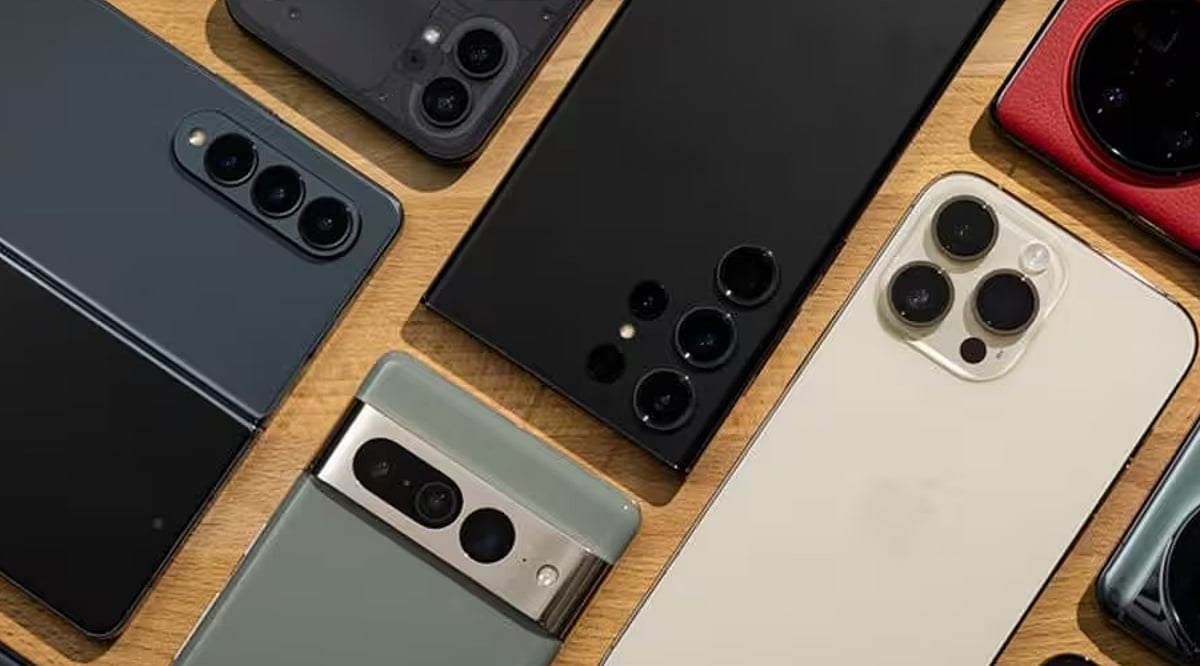
    The global smartphone market continues to evolve, with the top five brands commanding significant shares in 2026. Based on Omdia data and industry analysis, here is the breakdown of the leading smartphone brands and their market performance.

    Apple — 19% Market Share

    Apple secured the top position globally in 2025 with a 19% unit share. Omdia reported 240.6 million iPhone shipments during the year, marking Apple’s third consecutive year as the world’s largest smartphone vendor.

    Samsung — 19% Market Share

    Samsung matched Apple’s 19% global unit share in 2025. The company recorded annual shipment growth of 7%, supported by strong demand across its Galaxy portfolio and a recovery in both premium and mainstream smartphone segments.

    Xiaomi — 13% Market Share

    Xiaomi held third place globally with a 13% unit share in 2025. The company shipped approximately 163 million smartphones during the year and remains a major force in affordable, mid-range, and increasingly premium smartphone markets.

    vivo — 8% Market Share

    vivo ranked fourth worldwide with an 8% unit share in 2025. The company shipped 105.3 million smartphones, with strong performance in markets such as India helping it become the fourth-largest global smartphone vendor for the first time.

    OPPO — 8% Market Share

    OPPO completed the global top five with an 8% unit share in 2025. The company shipped 100.7 million smartphones. Its position is also significant for 2026 as realme moves under the OPPO business umbrella.

    These brands are expected to continue shaping the competitive landscape in 2026, with innovations in camera technology, 5G connectivity, and AI-driven features driving consumer demand.

  • Apple Explores Screenless Fitness Band as Potential Whoop Rival

    Apple Explores Screenless Fitness Band as Potential Whoop Rival

    Apple is reportedly working on a screenless fitness band that could directly compete with Whoop in the health wearable market. According to Bloomberg, the company has tested prototypes in California after exploring the category for several months.

    Early-Stage Development

    The device is described as a thin fabric strap with a compact computing module that contains multiple health sensors. Apple has not yet decided whether the product will reach consumers. The project is still in an internal phase referred to as a “technology investigation,” and even if approved, a commercial launch could be delayed until 2028 or later.

    Health-First Design Without a Display

    Unlike the Apple Watch, the reported band would omit a screen entirely. Instead, its design would prioritize health tracking over apps, alerts, and music controls. Sensors would continuously collect biometric data, while connected devices would handle most user interactions.

    Apple executive chairman Tim Cook and services chief Eddy Cue are said to support the initiative. Engineers from Apple’s Vision hardware group have also contributed to prototype development. Apple declined to comment on the project or its launch plans.

    Expanding Apple’s Wearable Health Strategy

    A screenless tracker would put Apple in closer competition with Whoop, Oura, Garmin, and Google’s Fitbit Air. These products appeal to consumers who want continuous health monitoring without another bright display on their wrist.

    Apple has already added health-focused features to its latest Apple Watch lineup, including readiness information, advanced heart tracking, and biological age estimates. A screenless band could extend these capabilities to people who avoid traditional smartwatches.

    The device could also complement the Apple Watch rather than replace it. A display-free tracker may attract athletes, wellness-focused users, and those who prefer mechanical watches.

    Market Reaction and Outlook

    Apple’s reported interest had an immediate market impact. Garmin shares reportedly fell as much as 2.5% after the news surfaced, while Apple shares gained roughly 1% during the same period.

    Apple has not confirmed the product, so final features and release timing remain uncertain. Still, the reported prototype signals a possible expansion of Apple’s wearable ecosystem and a more direct challenge to dedicated fitness-tracker brands.

  • Apple Reveals iPhone 18 Pro Exclusive Camera Controls for iOS 27

    Apple Reveals iPhone 18 Pro Exclusive Camera Controls for iOS 27

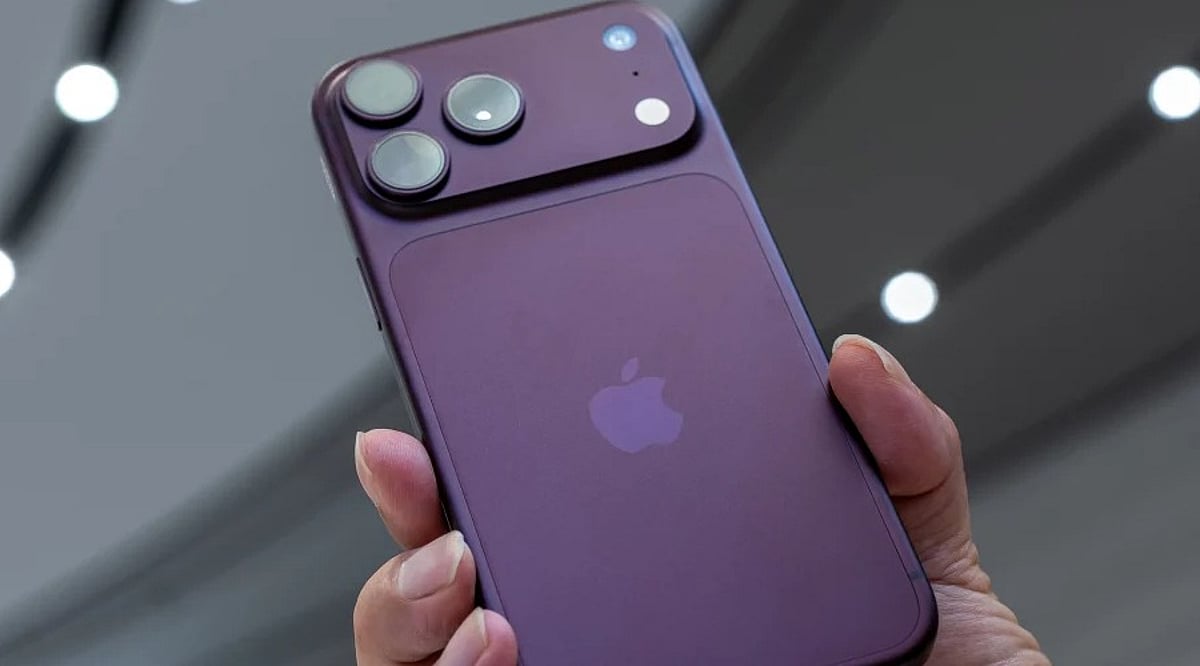
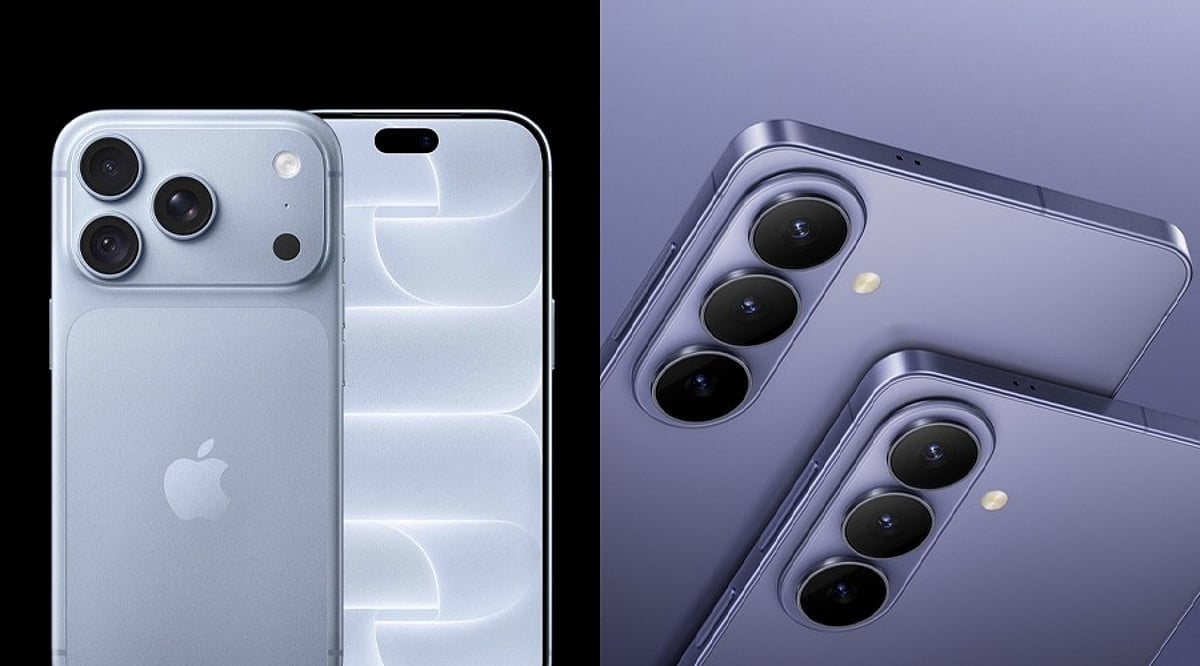
    Apple has quietly updated its official support documentation to clarify which devices will support the new Texture and Grain controls introduced with iOS 27. According to the latest information, these exclusive camera features are available only on the iPhone 18 Pro models and the iPhone Duo.

    When the iPhone 18 Pro was first announced, Apple’s Newsroom documentation suggested that the updated Photographic Styles and the accompanying Texture and Grain controls might be available on a broader set of iPhone models. However, the company has since refined that wording, and the current iPhone support page explicitly states that texture adjustments are limited to the iPhone 18 Pro lineup.

    The new controls are part of Apple’s upgraded Photographic Styles system, offering users more creative flexibility. The Texture setting lets photographers alter the visual treatment of an image, while the Grain control adds a film-like effect. Users can choose from presets such as Soft Skin, Glow, and Film, and then adjust the intensity to their preference.

    This update also affects older models like the iPhone 16 and iPhone 17 series, which were previously understood to support the feature based on Apple’s initial wording. Reports this week confirmed that those devices will not receive the new controls.

    In addition to the software enhancements, the iPhone 18 Pro features a 48MP Fusion Main camera with a variable aperture. This allows the camera to automatically adjust for lighting and depth of field, while manual aperture control is available through the Camera app for users who want a more hands-on approach.

  • iOS 27 Siri AI: Apple’s Context-Aware Assistant Makes Your iPhone More Personal

    iOS 27 Siri AI: Apple’s Context-Aware Assistant Makes Your iPhone More Personal

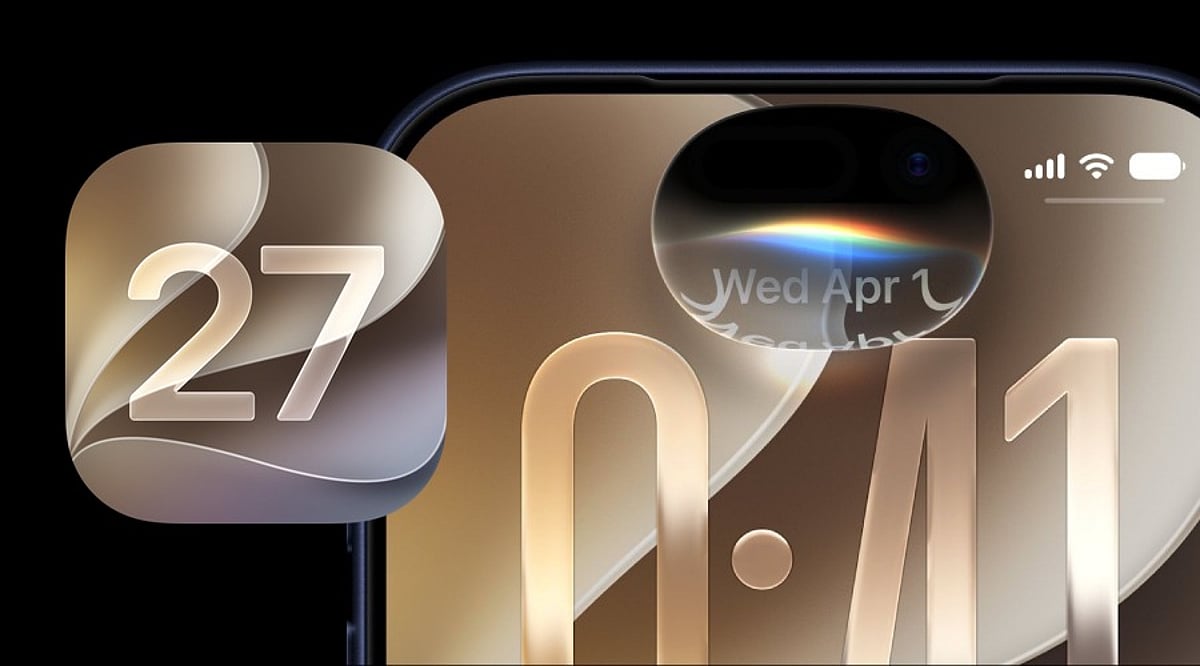
    With iOS 27, Apple is reimagining Siri as a context-aware AI assistant that goes far beyond simple voice commands. Instead of just setting alarms or checking the weather, Siri can now pull from your personal data, understand what’s on your screen, use the camera view, and draw on live web information to complete complex, multi-step tasks.

    Personal Context: Siri Works Across Your Apps and Data

    The biggest shift in iOS 27 is Siri’s access to personal context. On supported iPhones, Siri can search through Messages, Mail, Photos, Calendar, Notes, and other supported apps to find relevant information. Ask for photos from a Lisbon trip and Siri can retrieve them. If a family member shares a recipe in Messages and the ingredients arrive by email, Siri can pull those details into Reminders for you.

    Beyond finding information, Siri can also act on it. The assistant can draft emails, edit and share photos, add items to a grocery list, and interact with more third-party apps. Apple confirms support for WhatsApp and Audible, with additional actions for Outlook, Notability, and Tripsy arriving soon.

    Visual Intelligence: Siri Understands Your Screen and Camera

    Siri AI can see and interpret content displayed on your iPhone. Open a class note with a diagram and ask for an explanation—Siri will analyze the visible content and can take a related action. According to Apple Support, Siri AI works with images, PDFs, notes, and files through Visual Intelligence.

    The camera also becomes part of the assistant’s understanding. Siri mode in the Camera app can use the live view to answer questions, search for details, and initiate actions, such as splitting a bill and sending payments with Apple Cash or adding a custom pass to Wallet.

    World Knowledge and Conversational Continuity

    Siri AI taps into broad web knowledge to answer questions about sports scores, vacation planning, or nearby coffee shops. Responses can combine private device data with fresh public information.

    A new Siri app stores past conversations, and iCloud syncs that history across iPhone, iPad, Mac, Apple Watch, and Apple Vision Pro. You can also invoke Siri via the side button, Dynamic Island, Spotlight on iPad and Mac, and system context menus. The assistant maintains context across follow-up requests, so you can build on a task without starting over.

    Privacy and Device Requirements

    Apple says privacy remains a core part of the design. The system orchestrator uses the on-device Spotlight index and App Toolbox to keep personal data under user control. Some Apple Intelligence features rely on server-side models, which may come with daily usage limits that vary based on request complexity and system demand.

    As for compatibility, Siri AI requires an iPhone 15 Pro, iPhone 15 Pro Max, or iPhone 16 models or later. While iOS 27 installs on a wider range of iPhones, not every device gets the full Siri AI experience.

    Availability and Language Support

    Siri AI launches in English as a beta, with French, Japanese, Korean, Portuguese, and Spanish support planned for October. Apple will not initially offer Siri AI on iOS, iPadOS, and watchOS in the European Union, and the feature won’t be available in China while regulatory approvals are underway.

    FAQs

    What is new about Siri in iOS 27?

    Siri gains access to personal context, screen content, camera input, supported apps, and web knowledge, enabling more complex multi-step tasks.

    Can Siri search my personal information?

    Yes. On supported devices, Siri can find relevant information across areas such as Messages, Mail, Photos, Calendar, and Notes.

    Can Siri understand what’s on my iPhone screen?

    Yes. Siri can work with visible content such as images, PDFs, notes, files, and diagrams through Visual Intelligence.

    Which iPhones support Siri AI?

    Apple lists the iPhone 15 Pro, iPhone 15 Pro Max, and iPhone 16 models or later for the new Siri AI capabilities.

    Is Siri AI available everywhere?

    No. It launches in English beta, with additional languages planned for October. Apple says availability is initially restricted in the European Union and China.

  • 4 Classic iPod Models Still Worth Buying in 2026

    4 Classic iPod Models Still Worth Buying in 2026

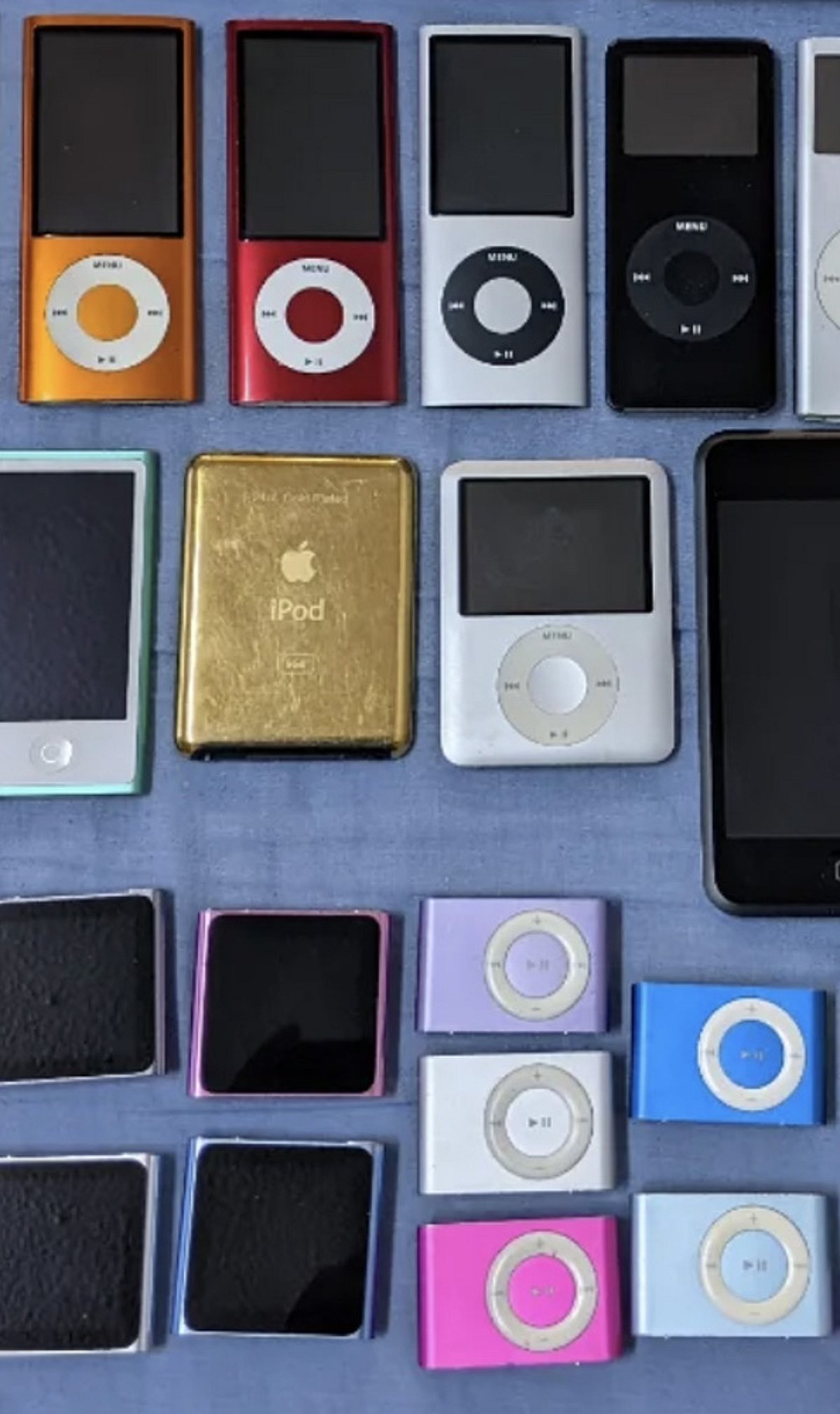
    Apple discontinued the iPod line in 2022, but older models are gaining renewed attention as listeners seek simpler, distraction-free music devices. If you’re looking to rediscover the joy of a dedicated music player, these four older iPods remain excellent choices in 2026.

    1st Generation iPod Shuffle

    The original iPod Shuffle offers a screen-free design with physical controls, making it tiny, lightweight, and ideal for workouts or running. With 512MB or 1GB of storage, it suits short playlists. Its built-in USB plug makes charging and syncing effortless.

    4th Generation iPod Nano

    The 4th generation Nano combines a slim design, color screen, Click Wheel, and up to 16GB of storage for music and video playback. Its vertical screen supports Cover Flow, and an accelerometer lets you shake the device to shuffle songs. Used models can cost between $20 and $40.

    5th Generation iPod Touch

    The 5th generation iPod Touch features a 4-inch HD display, iOS, Bluetooth, and video support, offering more versatility than classic iPod models. A used 5th generation iPod Touch typically costs $30 to $60, and its Lightning connector works with familiar Apple cables.

    4th Generation Click Wheel iPod

    The 4th generation Click Wheel iPod delivers the classic iPod experience with physical controls, a 30-pin connector, and a timeless design. Used Click Wheel iPods cost around $50 to $90, but buyers should check battery health and replacement-part availability before purchasing.

  • Apple macOS 27.2 Beta 2 Adds Multi-Language Siri AI Support and Developer Fixes

    Apple macOS 27.2 Beta 2 Adds Multi-Language Siri AI Support and Developer Fixes

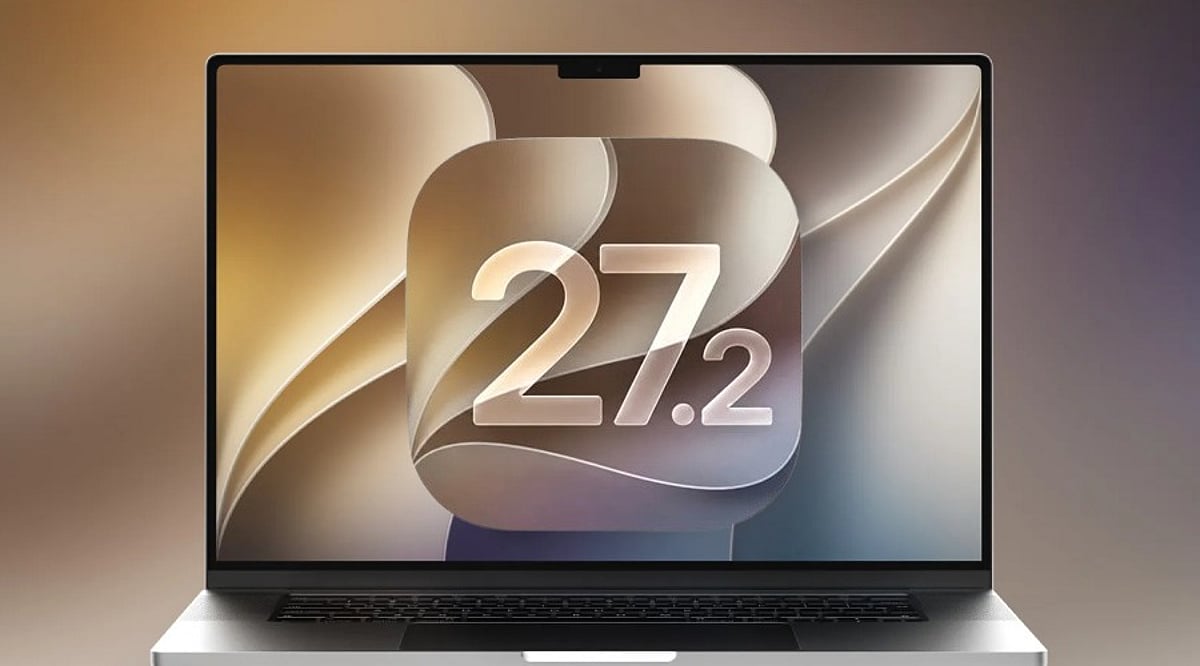
    Apple has released the second developer beta of macOS 27.2, build 26B5091g, arriving one week after the first beta and following the initial launch of macOS 27 earlier this month. This preview continues testing for the upcoming Golden Gate update, with a strong focus on refinements, bug fixes, and ongoing evaluation of known issues.

    Expanded Siri AI Language Support

    The most significant addition in macOS 27.2 is the expansion of Siri AI to multiple languages beyond English. The first beta introduced support for French, Japanese, Korean, Portuguese, and Spanish, and Beta 2 continues that effort. This marks a major step in Apple’s push to bring advanced on-device intelligence and natural-language capabilities to users worldwide through the Foundation Models framework and App Intents APIs.

    Beta 2 Focus on Testing and Stability

    Apple has not unveiled any major new user-facing features specifically for Beta 2. Instead, the release emphasizes continued testing and resolution of issues flagged in the first beta. The official release notes list several known problems under investigation, including potential Xcode crashes during code completion ranking, notification failures after a clean installation, and a glitch affecting the Shortcuts ‘Describe a Shortcut’ function. Apple advises developers to review the release notes carefully before installing.

    How to Install macOS 27.2 Beta 2

    Registered developers can download the beta via System Settings > General > Software Update, then select the macOS developer beta under Beta Updates. Apple strongly recommends backing up your Mac before installing any beta software, as preview builds may contain bugs, compatibility issues, or other problems. The stable release is expected later in October after additional beta iterations.

  • iPhone 18 Pro vs Galaxy S26 Ultra: Price, Cameras, Battery, and Performance Face-Off (2026)

    iPhone 18 Pro vs Galaxy S26 Ultra: Price, Cameras, Battery, and Performance Face-Off (2026)

    Apple’s iPhone 18 Pro and Samsung’s Galaxy S26 Ultra battle for flagship supremacy in 2026. This guide compares pricing, chips, cameras, battery life, and software to help you pick the right phone.

    Price Comparison

    Apple raised prices this year, breaking its recent habit of holding steady across generations. The iPhone 18 Pro costs $100 more than its predecessor, partly due to memory chip costs jumping from $13 to $51 per unit. Samsung kept the Galaxy S26 Ultra price flat against the S25 Ultra. Both brands dropped the 128GB base option; every buyer now starts at 256GB minimum.

    Specifications and Design

    Display Details

    The iPhone 18 Pro carries a 6.3-inch OLED screen; the Pro Max stretches to 6.9 inches. Samsung’s Galaxy S26 Ultra also measures 6.9 inches. Both phones refresh at 120Hz for smooth scrolling.

    Processing Power

    Apple’s A20 Pro chip uses a 2-nanometer process for the first time. It pairs a 6-core CPU with a 7-core GPU, delivering 40 percent faster graphics than the A19 Pro. A 32-core Neural Engine doubles AI processing speed. Samsung runs the Snapdragon 8 Elite Gen 5 for Galaxy with 12GB of RAM standard. Early benchmarks show Apple leading in single-core tasks; Qualcomm’s chip holds its own during long gaming sessions.

    Camera Systems

    Apple introduced a mechanical variable aperture on the 48MP main camera, shifting between f/1.48 and f/4.0 using six blades. This gives photographers real control over depth and light. Samsung stuck with its proven quad-camera formula, anchored by a 200MP main sensor, relying more on Galaxy AI tools for deeper image processing. Each brand chose a different path: Apple bet on mechanical innovation, Samsung on resolution and computational photography.

    Battery and Charging

    Apple says its battery gains come from chip efficiency, not a bigger cell. The Pro Max now reaches 45 hours of video playback — the largest battery jump in company history. Samsung’s 60W charging still beats Apple’s fastest wired speed, giving Galaxy owners a quicker top-up.

    Software and AI Features

    Apple’s Approach

    The iPhone 18 Pro runs iOS 27 out of the box. Siri received a major overhaul, now running on Google Gemini’s foundation models. A new Ask Siri button sits alongside a redesigned interface.

    Samsung’s Approach

    The Galaxy S26 Ultra ships with Android 16. Samsung expanded its Galaxy AI toolkit, including a built-in Privacy Display feature that blocks nearby onlookers from seeing the screen.

    Final Verdict

    Choosing between these two flagships depends on personal priorities. Apple delivers real innovation through its variable aperture camera and the 2-nanometer chip, but at a steeper price. Samsung counters with a sharper 200MP sensor and faster charging, with stable pricing. Neither phone falls short on power, camera quality, or battery life. The decision often comes down to ecosystem loyalty: Apple loyalists will find the upgrade worthwhile; Samsung loyalists gain a refined phone without losing everyday value.

    FAQs

    • Which phone offers better value for money in 2026? The Galaxy S26 Ultra offers stronger value since its price stayed flat. The iPhone 18 Pro costs $100 more due to rising memory chip costs.
    • Does the iPhone 18 Pro have a better camera than the Galaxy S26 Ultra? The iPhone adds a variable aperture for manual light control; the Galaxy relies on a 200MP sensor. Each excels in different conditions.
    • Which flagship has the longer battery life? The iPhone 18 Pro Max reaches 45 hours of video playback, ahead of the Galaxy S26 Ultra’s 5,000 mAh cell. Samsung compensates with faster 60W charging.
    • Is the A20 Pro chip faster than the Snapdragon 8 Elite Gen 5? Early benchmarks show the A20 Pro leading in single-core performance and power efficiency, while the Snapdragon stays competitive during sustained gaming.
    • When did the Galaxy S26 Ultra and iPhone 18 Pro launch? The Galaxy S26 Ultra launched on March 11, 2026. The iPhone ải Pro and Pro Max became available on S eptember 18,2026., after their September 9 announcement.
  • Apple’s iCloud+ Expansion in India Adds Apple TV, Arcade, and Music Select

    Apple has started rolling out an expanded iCloud+ subscription in India, now bundling Apple TV and Apple Arcade at no extra cost. The updated plans also introduce Apple Music Select, a new ad-free music station feature. Meanwhile, Apple One subscriptions are being closed to new users in the country.

    Apple TV and Apple Arcade Now Included

    The new iCloud+ plan gives subscribers access to Apple TV content and Apple Arcade’s library of over 200 games, including titles like Hello Kitty Island Adventure, Sneaky Sasquatch, and Football Manager 26 Touch. Users began receiving notifications about the updated plan, which combines cloud storage with video streaming and gaming services.

    The iCloud+ plan starts at Rs. 75 per month for 50GB of storage, with higher storage options available. Subscribers can share their plan with up to five family members through Family Sharing.

    Apple Music Select Added

    Apple is also adding Apple Music Select to the package for Indian users. This feature offers ad-free music stations within the existing Apple Music app. It does not provide the full Apple Music subscription; users who want complete access can subscribe separately. For iCloud+ users, Apple lists the Individual plan at Rs. 115 per month and the Family plan at Rs. 145 per month.

    The company is ending direct standalone subscriptions for Apple TV and Apple Arcade in India. Existing subscribers will continue accessing these services through their iCloud+ plans. Apple assured that Arcade game progress and saved data will be preserved.

    Apple One Closed to New Subscribers

    Apple is also closing Apple One subscriptions to new customers in India. Existing Apple One subscribers will continue with their current plans. Apple One previously combined services such as Apple Music, Apple TV, Apple Arcade, and iCloud+ storage, priced at Rs. 195 per month for an Individual plan and Rs. 365 per month for a Family plan.

    The expanded iCloud+ offering will roll out through September across more than 100 countries and regions, with India among the first markets to receive the new subscription structure.

  • iPhone Duo Too Pricey? 5 Compelling Foldable Alternatives Worth Your Money

    iPhone Duo Too Pricey? 5 Compelling Foldable Alternatives Worth Your Money

    Apple has finally entered the foldable phone market with the iPhone Duo, and the announcement has generated as much debate as excitement. The device carries a starting price of USD 1,999, which makes it the most expensive iPhone Apple has ever sold. For many buyers, this price tag raises a fair question: Is a foldable phone from Apple worth it, or would the same budget be better spent on a rival device that offers similar innovation at a lower cost?

    The foldable phone category has matured a great deal over the past few years, and several brands now offer devices that rival Apple on design, durability, and software, often at a friendlier price. This article looks at why the iPhone Duo costs so much and lists five foldable phones worth considering as alternatives.

    Why Apple’s iPhone Duo Carries a Heavy Price Tag

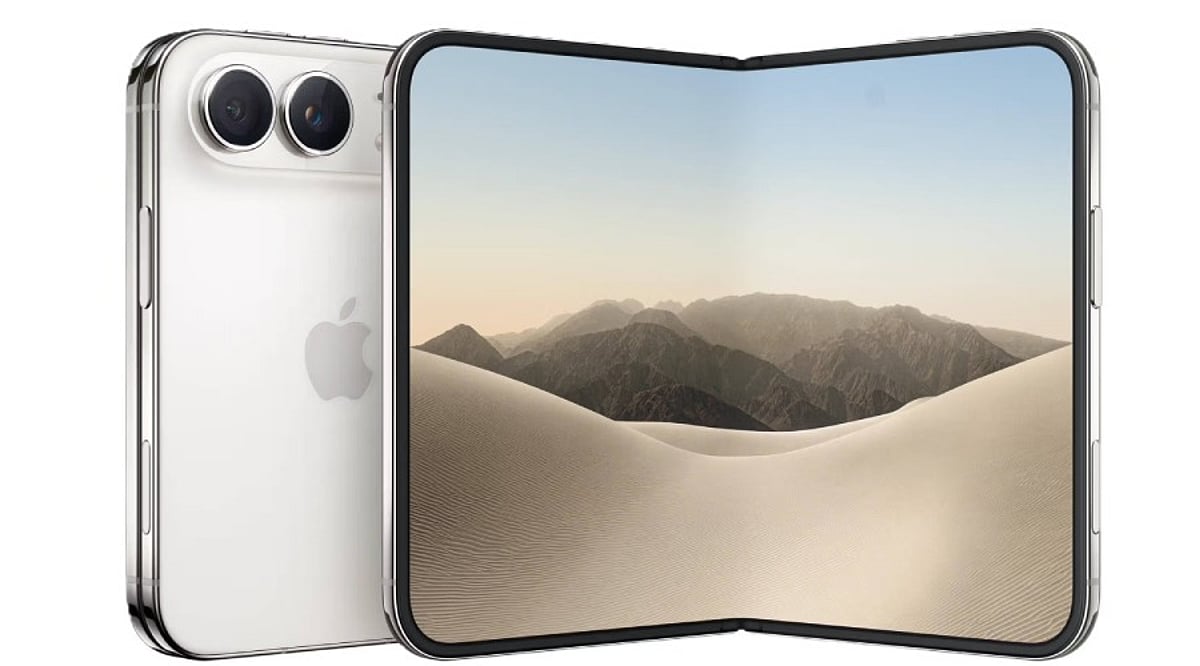
    The iPhone Duo opens like a book and reveals a 7.6-inch internal display, which Apple describes as the largest screen ever placed inside an iPhone. The cover screen measures 5.4 inches, and the device runs on Apple’s A20 Pro chip paired with a new cooling system. Apple claims this combination delivers 35% higher sustained performance compared with the iPhone 17 Pro. Battery life is rated at 31 hours of video playback, and the phone includes dual 48-megapixel rear cameras along with an under-display FaceTime camera. These components, along with the folding mechanism and reinforced hinge, add to key manufacturing costs. Foldable displays remain expensive to produce, and Apple has spent years refining the technology to avoid a visible crease, a problem that affected earlier foldables from other brands. The result is a premium device built with premium components.

    Samsung Galaxy Z Fold 7

    Samsung’s Galaxy Z Fold 7 remains one of the strongest book-style foldables on the market and starts at around USD 1,799, which is USD 200 less than the iPhone Duo. It runs on the Snapdragon 8 Elite chip, features a flagship camera system, and is noted for being one of the thinnest foldables available when closed. Samsung’s DeX mode also turns the phone into a near-laptop experience when connected to a keyboard, adding genuine productivity value beyond entertainment and browsing.

    Google Pixel 10 Pro Fold

    Pixel 10 Pro Fold is priced near USD 1,799 at launch, though it can often be found closer to USD 1,499 through retailers. What sets this device apart is durability. It carries the first IP68 water resistance rating given to a folding phone, a meaningful upgrade over earlier foldables that struggled with dust and moisture protection. Google also backs the phone with seven years of software updates, the longest commitment offered on any foldable today, which gives buyers strong long-term value for their money.

    Honor Magic V5

    Honor has positioned the Magic V5 as a direct challenger to Samsung and Apple, pricing it at EUR 1,999 in Europe, which works out to roughly 100 pounds less than the Galaxy Z Fold 7 in the UK market. The phone measures just 8.8 millimetres when folded, making it one of the slimmest foldables sold anywhere. It runs on the Snapdragon 8 Elite chipset, includes a 5,820mAh battery, and offers a triple rear camera system with a periscope telephoto lens. For buyers who want flagship specifications without paying Apple-level prices, the Magic V5 is a compelling option.

    Motorola Razr Ultra

    Not every buyer wants a large book-style device, and Motorola’s Razr Ultra 2026 caters to those who prefer a compact flip phone. Priced at USD 1,499, it features a 5,000mAh battery, dual 50-megapixel cameras suited for vlogging, and a bright cover display that supports Dolby Vision and HDR10 plus. Reviewers have noted that the price rose by 200 dollars over the previous generation, yet the phone still undercuts the iPhone Duo by USD 500 while offering a genuinely different form factor built around portability and design.

    Samsung Galaxy Z Flip 7

    For buyers who want to experience a foldable phone without spending close to USD 2,000, the Galaxy Z Flip 7 starts at around USD 999, roughly half the price of the iPhone Duo. It features a 4.1-inch cover screen that displays notifications, camera previews, and widgets without needing to open the phone. Samsung has also strengthened the hinge design in this generation, addressing a common concern among flip phone owners regarding long-term durability. It is not built for heavy multitasking the way the larger Fold models are, but it delivers the foldable experience at a price that many more people can afford.

    Foldable Phones Comparison Table

    Phone Starting Price Key Feature
    Apple iPhone Duo USD 1,999 Largest iPhone screen, A20 Pro chip
    Samsung Galaxy Z Fold 7 USD 1,799 DeX mode, thin design
    Google Pixel 10 Pro Fold USD 1,499 – 1,799 IP68 water resistance, 7-year updates
    Honor Magic V5 EUR 1,999 Slimmest foldable, 5,820mAh battery
    Motorola Razr Ultra USD 1,499 Compact flip, Dolby Vision cover display
    Samsung Galaxy Z Flip 7 USD 999 Affordable flip, 4.1-inch cover screen

    Final Thoughts

    The iPhone Duo is a genuinely impressive piece of engineering, and Apple has clearly worked to solve problems that affected earlier foldables, including screen creasing and hinge durability. However, its USD 1,999 starting price places it firmly in premium territory, and buyers now have several strong alternatives that offer comparable innovation at a lower cost. Samsung, Google, Honor, and Motorola have each built foldables that suit different needs, whether that means better software support, a slimmer design, a compact flip form, or simply a friendlier price. Choosing the right foldable ultimately depends on individual priorities such as brand ecosystem, camera quality, and long-term software support, rather than price alone. For most buyers, comparing these options carefully before committing to Apple’s most expensive iPhone yet is a sensible step.