Tag: Apple

  • Apple’s Foldable iPhone Nears Launch After Solving Key Display Durability Issues

    Apple’s Foldable iPhone Nears Launch After Solving Key Display Durability Issues

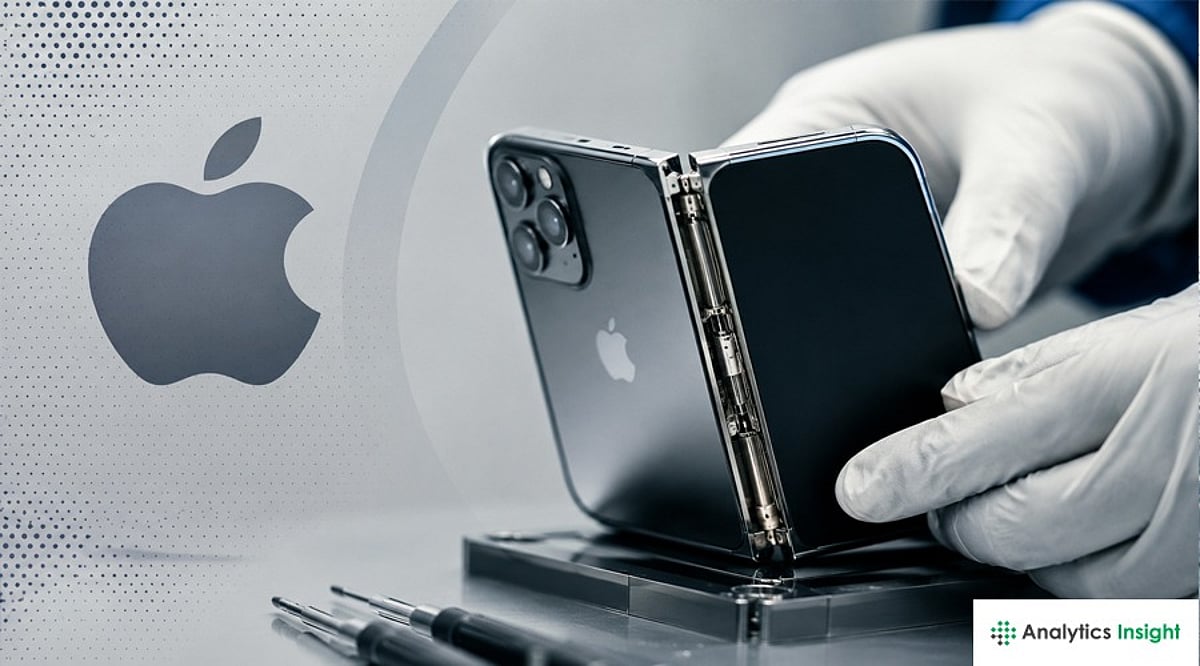
    Apple’s long-rumored foldable iPhone has reportedly achieved significant engineering breakthroughs, bringing the device closer to reality. Industry sources suggest that Apple has overcome two of the most persistent challenges in foldable design: display durability and the visible crease that has marred competing devices. These advancements could pave the way for a launch within months.

    The foldable iPhone is expected to debut alongside the iPhone 18 lineup in September 2026. According to supply chain reports, the device—likely to be named ‘iPhone Ultra’—will open like a book, offering a large tablet-like screen when unfolded while maintaining a standard phone form factor when closed. Mass production is slated between June and August 2026, with a potential delay of one to two months. The anticipated price is around $2,000.

    Apple has taken a measured approach to the foldable market, opting to refine core technologies rather than rush to compete with Samsung and other early entrants. The company invested years in perfecting the screen crease, hinge mechanism, and overall thinness of the device. This patient strategy aligns with Apple’s history of entering categories only when the technology meets its standards for everyday reliability.

    The foldable iPhone could also serve as a testbed for future Apple products. As flexible display technology matures, the innovations could influence next-generation iPads and other devices. For now, Apple remains silent on the project, but the growing evidence suggests that a foldable iPhone is no longer a distant rumor—it is an imminent product.

  • Apple Readies ‘iRing’ Smart Wearable to Challenge Samsung and Oura in Health Tracking

    Apple Readies ‘iRing’ Smart Wearable to Challenge Samsung and Oura in Health Tracking

    Apple is reportedly developing the iRing, a smart wearable designed to compete directly with the Samsung Galaxy Ring and Oura Ring. The device could expand Apple’s health ecosystem by bringing advanced tracking features and deeper integration across its portfolio of connected devices.

    The iRing appears to be in early development, and few details are available about its capabilities or launch timeline. Tipster Kosutami (@Kosutami_Ito) recently posted on X: “iRing thing under development. What a surprise.” The leak offers no further specifics but signals Apple’s intent to enter the rapidly growing smart ring market.

    How iRing Could Compete With Samsung Galaxy Ring and Oura

    The iRing is expected to rival Samsung’s Galaxy Ring, which launched in 2024 at Rs. 38,999 and offers health and fitness monitoring, sleep scoring, snoring analysis, and IP68 dust and water resistance in sizes 5 through 13. Samsung is rumored to release the Galaxy Ring 2 in early 2027 with improved battery life (up to 10 days) and sensor accuracy.

    Oura’s lineup, including the Oura Ring 4 and Oura Ring 5, also sets a high bar. The Oura Ring 5 boasts a lighter body, better accuracy, and up to 9 days of battery life.

    What Apple’s Wearable Expansion Means for Consumers

    Apple often takes a measured approach, analyzing market trends before entering new categories. The iRing would follow that pattern, similar to the company’s late but successful entry into foldable phones. If launched, the iRing could give consumers another health and fitness tracking option within the Apple ecosystem, intensifying competition and potentially accelerating innovation in the wearable sector.

    For now, the iRing remains unconfirmed, but the rumor underscores Apple’s ongoing interest in health-tech wearables.

  • Apple iPhone Air Review: A Deep Dive into Design, Performance, and Key Compromises

    Apple iPhone Air Review: A Deep Dive into Design, Performance, and Key Compromises

    Apple iPhone Air Review: Design, Performance, and the Trade-Offs You Should Know

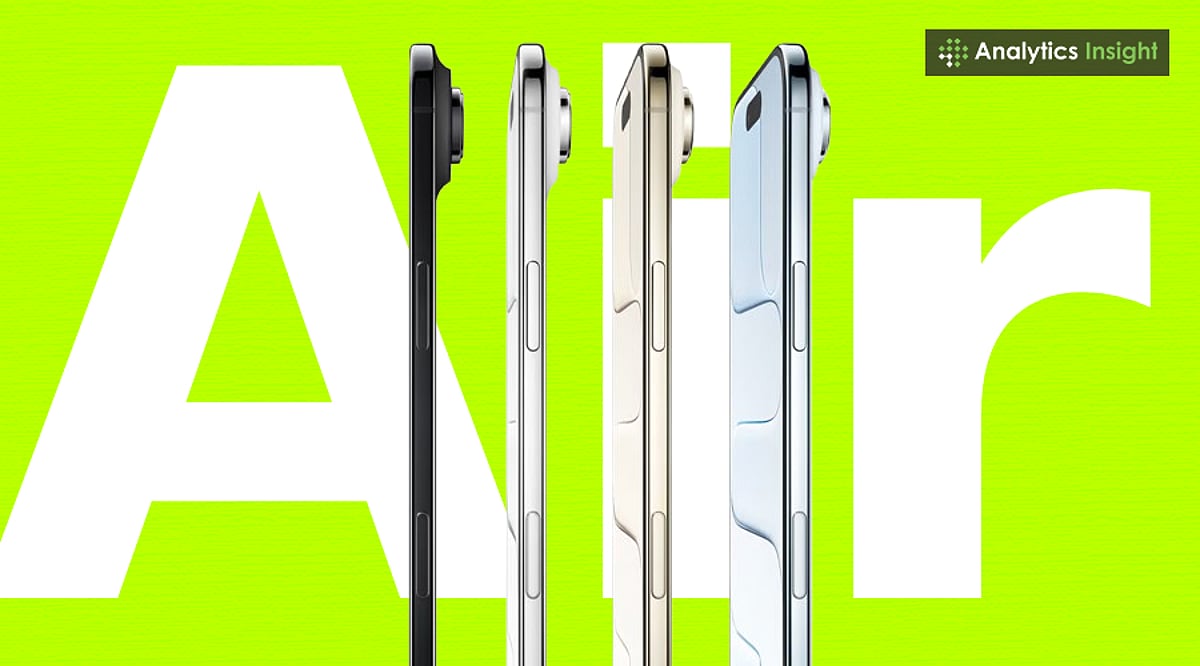
    Apple introduces the iPhone Air, its thinnest and lightest iPhone yet, designed to blend elegance with power. Featuring a titanium frame, a stunning OLED display, and the A19 Pro chip, the iPhone Air promises smooth performance with everyday usability. The Air model comes with trade-offs in the camera system, battery life under heavy use, and certain connectivity features.

    Since the announcement of the iPhone 17 lineup, one model that has drawn the most attention is iPhone 17 Air. This slimmest iPhone model has captured the interest of every tech enthusiast, despite some notable drawbacks. With a thickness of only 5.6 mm and a weight of 165 grams, iPhone 17 Air offers a featherlight experience compared to other models. Apple’s approach is clear: the company has prioritized portability over raw power. If you are considering an upgrade and wonder whether the thin design affects functionality, this detailed review of iPhone 17 Air will help you decide if it deserves your attention.

    When Will it Impress? Design, Display & Everyday Performance

    The latest lightweight iPhone model excels in two aspects that users will immediately notice. First, design and second, usability. The titanium frame, combined with Apple’s Ceramic Shield, makes this model durable, contrasting its slim build. Covering all the concerns around its design and build, the brand-new Air model feels sturdy in daily use.

    At a $999 price, the model integrates a 6.5-inch OLED display with a 120 Hz refresh rate. It is one of the standout features of iPhone 17 Air that’s bound to impress users. One interesting point is that users will notice the display size of the Air fits right between the base model iPhone 17 and iPhone 17 Pro Max. Scrolling in Air feels fluid, while streaming looks crisp. Regarding brightness, the iPhone 17 Air can withstand bright sunlight.

    On the performance aspect, A19 Pro chip ensures everything can be handled without lag. From heavy gaming to multitasking, iPhone 17 Air can handle everything. Surprisingly, the battery life, although a bit compromised by the design, can last for 24 hours under regular use. For power users, they probably need to charge the phone once in the middle of the day.

    In short, for daily tasks, including calls, web browsing, watching videos, and casual gaming, the brand-new iPhone model is more impressive than initially speculated. Therefore, if you aren’t a power user, this device is a good choice to go for.

    What Hampers the Experience? Trade-Offs You Should Consider

    All the Air products in Apple’s lineup sacrifice some features to gain the desired slimness. iPhone 17 Air isn’t an exception. So, here are the main trade-offs to consider:

    • Camera Limitations: The first thing that the model has sacrificed is the camera. The Air model sticks to a single 48MP main lens, while leaving the ultrawide and telephoto lenses behind, which are core features of premium iPhone models. Low-light shots are decent, but not as good as Pro models.
    • Heat Build-Up: Air supports gaming, but extended gaming sessions cause the phone to heat up, especially in the camera area. It’s not like the device gets too hot to use, but the heat is noticeable compared to thicker models with better cooling.
    • Connectivity & Data Transfer: iPhone Air supports only sub-6 5G (no mmWave). Notably, it comes with USB 2 transfer speeds, which doesn’t fit with a model that costs nearly $1,000.

    For casual gamers and users, iPhone Air isn’t disappointing. Instead, they will find this lightweight device impressive. On the contrary, hardcore gamers and professional photographers will be bothered by these trade-offs.

    Pros and Cons of iPhone 17 Air at a Glance

    iPhone Air is a compelling choice, but before investing in this model, consumers should consider the following positive and negative effects:

    Pros:

    • Slim and lightweight design
    • iOS 26
    • Impressive battery life
    • Enhanced durability
    • A19 Pro Chip
    • 6.5-inch OLED display

    Cons:

    • Single rear camera
    • No ultrawide and telephoto lens
    • Device heating issue
    • USB 2 Transfer Speed
    • Higher price tag

    Final Thoughts: Strategic Choice or Beautiful Compromise?

    iPhone Air is undoubtedly one of the boldest steps in iPhone design. The Air model is Apple’s lightest and thinnest model yet, striking a balance between performance and elegance. However, there are some compromises, as the camera features, connectivity, and heat management make the device less convenient for power users.

    If you’re looking for a sleek and everyday iPhone that looks premium, iPhone 17 Air is worth considering. However, for those who require professional photography, long gaming sessions, or fast data transfers, the Pro lineup best suits their needs.

  • Apple Vision Pro Launch Ushers in Spatial Computing Era

    Apple Vision Pro Launch Ushers in Spatial Computing Era

    Apple has officially announced the launch date for its first headset, the Apple Vision Pro, marking the company’s entry into the spatial computing market. The device will be available in the United States starting February 2, 2024, with pre-orders opening on January 19, 2024. CEO Tim Cook shared the news on Twitter, declaring, “The era of spatial computing has arrived!” The release is currently limited to the US, with no global availability timeline confirmed.

    Priced at $3,499 for the 256GB model, the Vision Pro is Apple’s most expensive product since the original iPhone and costs roughly three times as much as Meta’s top-tier headset. The device runs on Apple’s M2 chip alongside a new R1 chip designed to process data from sensors, cameras, and microphones in real time. Users can control the interface without a physical controller, using eye, head, and hand movements.

    Spatial computing—the integration of virtual objects with the real world—is expected to become a dominant force in technology over the next decade, leveraging AI, extended reality (XR), IoT, and advanced sensors. The Vision Pro aims to blend digital content seamlessly with physical environments, potentially transforming industries such as education and professional training.

    Despite the hype, skepticism remains. Some Apple executives reportedly referred to the project as a “science project” in 2023, according to CNBC. Meanwhile, Meta continues to lead the headset market with its Quest 3, which offers mixed reality at a starting price of $500. Apple’s stock has faced recent pressure, losing $177 billion in market value in January 2024, making the Vision Pro a critical test for the company’s future growth.

  • Today’s Top Tech Roundup: OpenAI’s Model Delay, Apple and Microsoft Price Hikes, AI Washing Concerns, and Windows 10 Extended Support

    Today’s Top Tech Roundup: OpenAI’s Model Delay, Apple and Microsoft Price Hikes, AI Washing Concerns, and Windows 10 Extended Support

    The White House has reportedly asked OpenAI to delay the release of its next-generation AI model, citing potential risks and the need for more robust safety evaluations. This development marks a significant moment in the ongoing dialogue between tech giants and government regulators.

    In other major news, both Apple and Microsoft have announced price increases for several of their key products and services. Apple’s price hike affects its hardware lineup and iCloud+ subscriptions, while Microsoft is raising prices for Microsoft 365 and Azure services, citing inflationary pressures and increased operational costs.

    The phenomenon of ‘AI washing’—where companies overstate or misrepresent the role of artificial intelligence in their products—continues to grow. Regulators are taking note, and consumers are advised to scrutinize marketing claims more carefully. This trend highlights the importance of transparency in an era of rapid technological advancement.

    On the software front, Microsoft has extended support for Windows 10, providing businesses and consumers more time to transition to Windows 11. The extended support includes critical security updates, helping users stay protected while they plan their upgrade path.

    Additionally, the Moto Pad 70 Pro has been launched, offering a new mid-range tablet option with competitive features. For the latest updates, join our WhatsApp channel to receive exclusive news and videos.

  • Trump’s Beijing Visit Opens Door for Nvidia Chips to Power Chinese AI Giants

    Trump’s Beijing Visit Opens Door for Nvidia Chips to Power Chinese AI Giants

    President Donald Trump’s recent trip to Beijing, accompanied by a delegation including Apple’s Tim Cook, Tesla’s Elon Musk, and Nvidia’s Jensen Huang, signals a potential reset in AI supply chains between the U.S. and China. The visit, focused on high-level negotiations, suggests a shift toward a transactional relationship where American semiconductor technology may support Chinese AI development.

    At the state banquet, President Xi Jinping emphasized the possibility of common cause between China’s rejuvenation goals and America’s “Make America Great Again” agenda. Behind the diplomatic smiles, however, lies a strategic contest: Beijing’s “new productive forces” policy prioritizes AI, advanced manufacturing, and robotics, exemplified by the transformation of Chongqing into a high-tech megacity. Yet China remains dependent on U.S.-controlled high-end accelerators for training frontier AI models.

    Nvidia’s Jensen Huang’s presence is particularly significant. After years of tightening export controls, Washington is now considering case-by-case reviews for advanced AI compute exports. Nvidia is positioned to ship H200 data center GPUs to major Chinese cloud platforms like Alibaba and Tencent. Although not the top-tier Blackwell-class chips, the H200 is roughly six times more powerful than any domestic Chinese alternative, potentially compressing AI training timelines for Chinese firms.

    For Apple and Tesla, the mission focuses on supply chain stability and regulatory clarity. Apple aims to protect its manufacturing resilience and consumer base, where the iPhone 17 has seen success. Tesla views China as crucial for production and full self-driving deployment, seeking clarity on mapping and data policies to compete with domestic rivals.

    This delegation represents an attempt to reverse the 20% decline in U.S. imports from China. By leveraging tech leaders for targeted access—compute in exchange for market openness and IP protections—both nations may enter a more transactional era. The true metrics of success will be the speed of Chinese hyperscalers building H200 clusters and the regulatory wins secured by Apple and Tesla. Ultimately, compute access shapes capability, and this visit suggests a hard-nosed accommodation that keeps the AI flywheel spinning on both sides of the Pacific.