Tag: Apple

  • Apple Boosts Foldable iPhone Ultra Production to 10 Million Units Ahead of 2026 Launch

    Apple Boosts Foldable iPhone Ultra Production to 10 Million Units Ahead of 2026 Launch

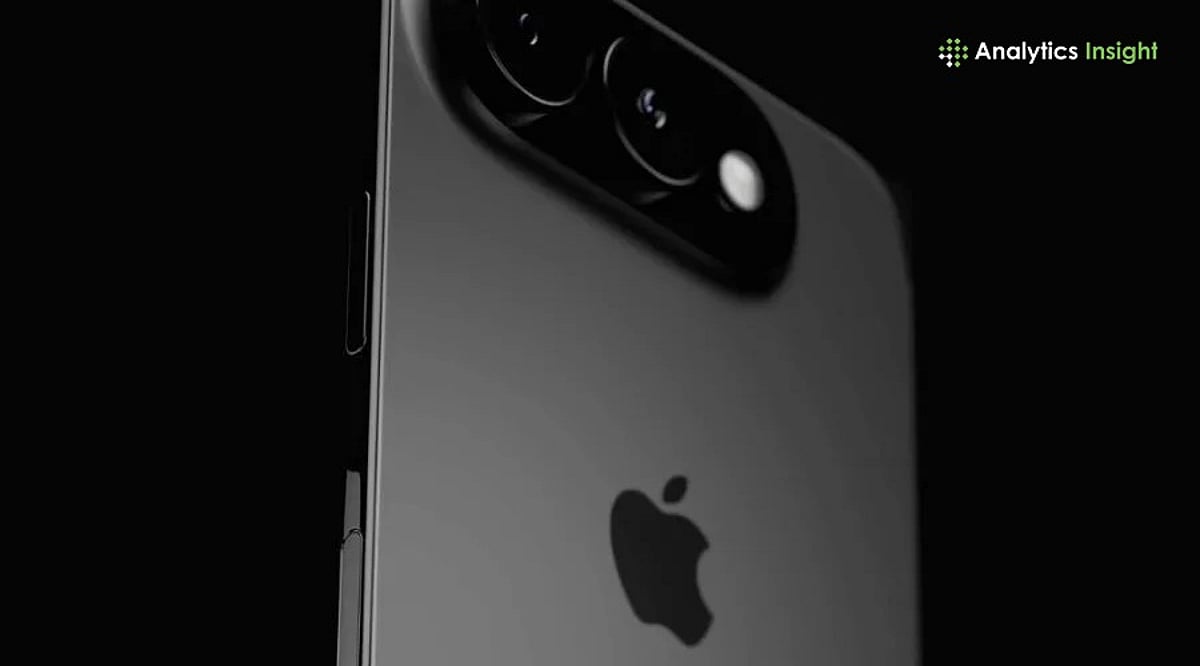
    Apple is accelerating preparations for its first foldable iPhone, widely expected to debut as the iPhone Ultra later this year. According to a new report from Nikkei Asia, the tech giant has asked suppliers to scale up production to nearly 10 million units for 2026, up from earlier estimates of 7–8 million. While Apple has not officially confirmed the device or its production plans, supply chain sources indicate the company is expanding manufacturing capacity well ahead of an anticipated September launch.

    Apple Bets Big on Its First Foldable iPhone

    The reported increase in production targets signals strong confidence in consumer demand for the upcoming foldable model. Nikkei Asia notes that Apple has raised its initial production target from the previously reported 7 million to 8 million units. Although the company remains tight-lipped, industry insiders suggest the foldable iPhone will feature several major upgrades:

    • A book-style folding design
    • A crease-minimizing display
    • Flagship-grade hardware
    • A titanium chassis

    The device is expected to compete directly with premium foldables already on the market. Suppliers have been told to prepare for additional orders if component demand exceeds expectations. Apple is also reportedly reserving certain components from the iPhone 17 series for future use.

    Apple Yet to Confirm Official Details

    The foldable iPhone is rumored to launch alongside the iPhone 18 Pro lineup at Apple’s next product event in September. However, the exact model name, specifications, release timeline, and manufacturing quantities have not been confirmed by Apple. The 10 million unit figure comes solely from supply chain sources and remains unverified.

    As the foldable smartphone market heats up, Apple’s aggressive production ramp-up underscores its ambition to capture a leading position in the premium segment. All eyes will be on Cupertino for an official announcement later this year.

  • Global Smartphone Sales in 2026: Apple and Samsung Dominate the Top 10

    Global Smartphone Sales in 2026: Apple and Samsung Dominate the Top 10

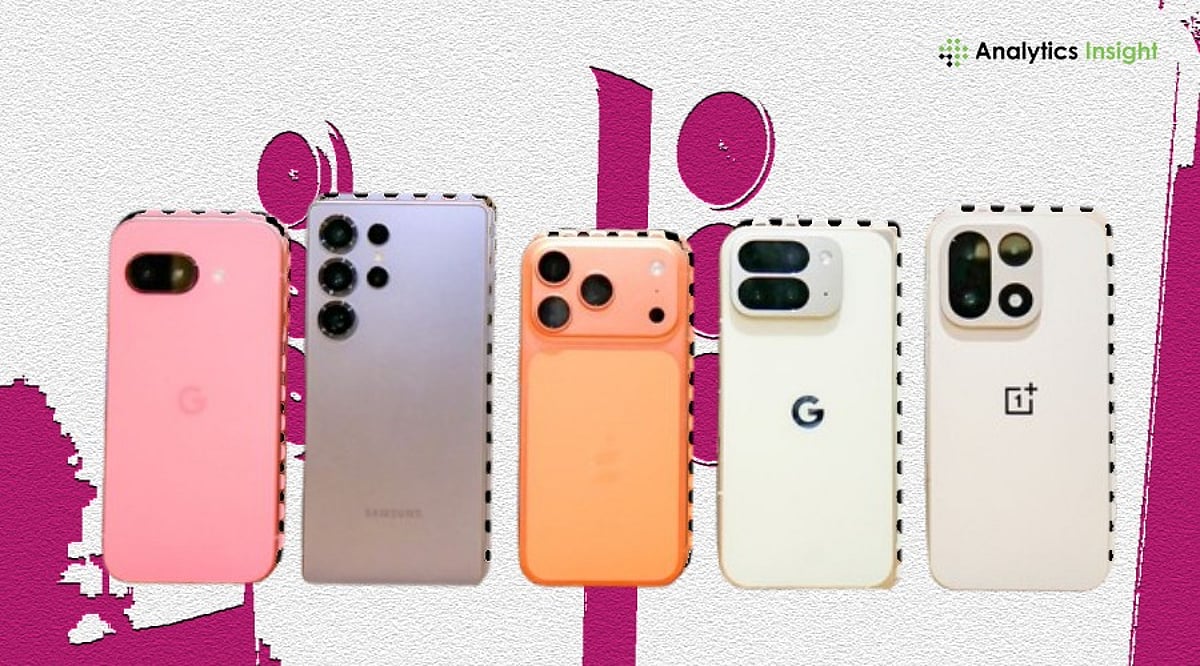
    The world’s best-selling smartphones reflect shifting consumer demand and market trends, revealing which devices are winning across different price segments. Based on the latest 2026 global sales data from Counterpoint Research, here are the top 10 smartphones leading worldwide sales in Q1 2026.

    Overview

    Apple swept the top three spots by closing the gap between its base and Pro iPhones, while Samsung won on breadth, placing five Galaxy A models across every price point to cover buyers Apple doesn’t reach. The top 10 phones made up 25% of global smartphone sales in Q1 2026, the highest first-quarter share on record, showing the market is consolidating around fewer winning models.

    “Best-selling” reflects price, timing, and availability more than raw specs, as shown by the Galaxy S26 Ultra, a genuinely improved flagship that still missed the top 10 simply because it launched too late in the quarter.

    Global smartphone shipments had a difficult first quarter, falling 6% year over year as memory chip shortages disrupted the industry. However, one company managed to defy the slowdown. According to Counterpoint Research’s Q1 2026 report, Apple claimed the top spot for the first time ever in a first quarter, capturing a 21% market share while most rivals saw shipments decline.

    How the Top 10 Best-Selling Smartphones in 2026 Were Ranked

    Counterpoint Research tracks global handset sales every quarter. This list covers Q1 2026, from January through March. It’s not a full-year ranking—it’s a snapshot of the most recent three months. Best-selling doesn’t necessarily mean best; a smartphone can top the sales charts because of its price, launch timing, availability, or marketing strategy, not because it is the most advanced or feature-packed device.

    Top 10 Best-Selling Smartphones in the World So Far in 2026

    1. Apple iPhone 17: The clear winner, with 6% of all global phone sales on its own. It picked up buyers who once paid extra for a Pro model, since this year’s base iPhone came close enough in features to feel like the smarter buy.
    2. Apple iPhone 17 Pro Max: Apple’s top-tier flagship, close behind in second place. It held on to buyers who still want the biggest screen, the best camera setup, and the longest battery life.
    3. Apple iPhone 17 Pro: Rounds out a full sweep of the top three spots for Apple. It sits between the standard and Max models, appealing to buyers who want Pro features without the largest, priciest size.
    4. Samsung Galaxy A07 4G: A budget-friendly seller, strong in developing markets where many buyers are picking up their first smartphone or replacing an aging device on a tight budget.
    5. Samsung Galaxy A17 5G: An affordable phone with 5G, popular with buyers upgrading their network speed for the first time without paying flagship prices.
    6. Apple iPhone 16: Last year’s model, still selling well to buyers who want the Apple ecosystem at a lower price now that a newer generation has taken over the spotlight.
    7. Samsung Galaxy A56: Positioned in the upper mid-range, it attracted buyers looking for premium-feeling features, such as a sharp display and a solid camera, without paying flagship prices.
    8. Samsung Galaxy A36: Another solid mid-range performer for Samsung, popular with buyers who want dependable everyday performance over flashy extras.
    9. Samsung Galaxy A17 4G: A lower-cost version of the A17, built for value shoppers who want a modern phone without the cost of 5G hardware they may not need yet.
    10. Xiaomi Redmi A5: The cheapest phone on the list and the only non-Apple, non-Samsung entry. It serves buyers for whom price is the deciding factor above everything else.

    Together, these 10 phones accounted for 25% of all phones sold worldwide in Q1 2026—the highest share any top 10 list has hit in a first quarter, ever. The market is narrowing around fewer winners.

    Why Apple Dominated the Top 3

    The interesting part isn’t just that Apple won, but how the brand took the lead. In past years, the Pro models usually outsold the base iPhone. However, this year the standard iPhone 17 received upgrades once reserved for the Pro line, such as more storage, a better camera, and a smoother screen. This made the cheaper model good enough for most buyers, increasing its sales over the more expensive Pro versions. Apple didn’t just make a better phone—it closed the gap between its cheap and expensive models, and buyers noticed.

    Why Samsung Led Android Smartphone Sales

    Samsung didn’t have a single phone in the top three, but it placed five phones in the top 10, more than any other brand. Samsung’s real strategy is not to chase the top spot with a single flagship, but to cover every price point. The Galaxy A series spans several price brackets and regions, letting Samsung reach first-time smartphone buyers, value-conscious shoppers, and people upgrading from an older device. This approach matters even more now: a global shortage of memory chips is pushing up costs for budget phone makers, and Samsung’s spread-out lineup helps it absorb the pressure better than smaller competitors can.

    Why the Samsung Galaxy S26 Ultra Missed the Top 10

    Samsung’s flagship, the Galaxy S26 Ultra, actually outsold last year’s model, but it still didn’t make the top 10 list. The reason comes down to timing—it hit shelves later in the quarter than Apple’s iPhone 17 lineup, leaving less time to rack up sales. Sometimes launch timing decides if a good phone receives a good ranking.

    What the 2026 Smartphone Sales Rankings Reveal

    The best-selling smartphones in the world tell an interesting story about what people value when buying a new device. These rankings are shaped by more than just the latest technology. Price, timing, brand trust, and availability all impact purchasing decisions. The Q1 2026 results confirm that buyers remain satisfied with brands offering a balance of high-quality experiences and value. Although flagship phones are gaining loyal customers, budget and mid-range phones are the main reason for global smartphone sales.

    Final Thought

    The world’s top-selling smartphones for 2026 reveal that it’s more than just about the latest technology. Apple made its baseline iPhone more attractive to a broader customer base, and Samsung’s product line had a larger impact across multiple price points. In addition to Xiaomi’s ongoing dominance of the budget segment, the rankings show that while innovation plays a role in any product choice, so do value, ecosystem, pricing, and availability. These trends will drive global smartphone sales throughout the year and decide who remains on top of the ever-competitive smartphone market.

  • Top Laptop Brands Offering the Longest Warranty and Best Customer Support in 2026

    Top Laptop Brands Offering the Longest Warranty and Best Customer Support in 2026

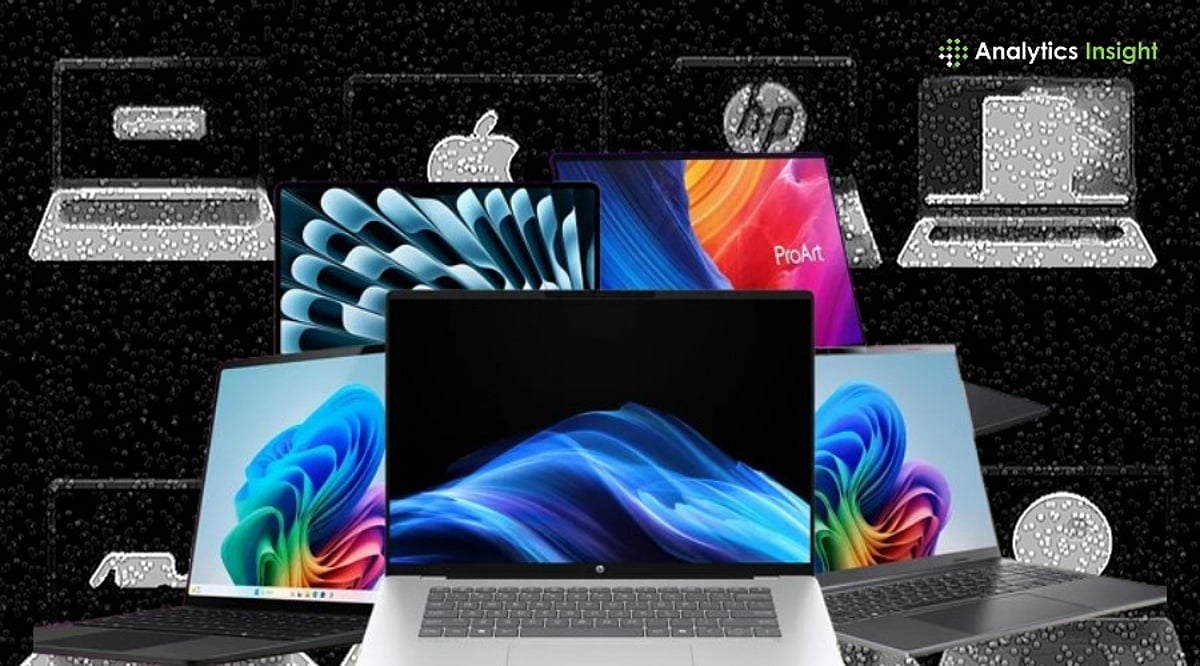
    Choosing a laptop involves more than comparing specifications and prices. Warranty coverage and customer support play a major role in the ownership experience. The leading laptop brands in 2026 stand out with reliable service, extended protection, and trusted after-sales care.

    Overview

    • ASUS and Lenovo offer the longest possible total coverage, reaching up to five years on select models.
    • Apple wins on consistency, with the same repair process and pricing in most countries.
    • Business laptop lines from Lenovo, Dell, and HP usually get faster, better support than consumer models from the same brand.

    A laptop’s real worth shows up the moment something breaks. That’s when a weak warranty turns a small fix into a costly, stressful mess. Most brands only offer the bare minimum: one year, nothing more, but there are a few who go further. They offer longer coverage, protection against drops and spills, faster repairs, and support staff who actually help. These details can make a huge difference over the lifespan of a laptop. They cut maintenance expenses, minimize downtime, and streamline maintenance. The best laptop brands of 2026 are not just about the hardware anymore but also about the warranty coverage and customer support provided after purchase.

    What Makes a Laptop Warranty and Customer Support Plan Worth It?

    A good plan does more than add extra months to a calendar. Look for five things:

    • Warranty Duration: Check how long the standard and extended warranty coverage last.
    • Accidental Damage Protection: See if the plan covers drops, spills, and other accidental damage.
    • Battery Coverage: Confirm whether battery repairs or replacements are included during the warranty period.
    • Repair Turnaround Time: Look for brands known for fast and efficient repair services.
    • Customer Support Accessibility: Choose brands that provide quick access to knowledgeable support through phone, chat, or service centers.

    A three-year warranty means little if spare parts take weeks to arrive. Business laptop lines often get better support than consumer models from the same brand, so check which line you are buying before you compare numbers.

    Best Laptop Brands with the Longest Warranty and Customer Support in 2026

    ASUS

    ASUS includes one year of accidental damage protection with many laptops, plus the option to extend total coverage to three years on consumer and gaming notebooks or five years on commercial models. This makes ASUS one of the few brands that protect against drops and spills without forcing you to buy a separate plan right away.

    Apple

    Apple keeps things simple. AppleCare+ stretches Mac coverage to three years total and covers unlimited accidental damage incidents, though each repair carries a service fee. The real strength here is consistency. Apple’s repair process and pricing stay the same no matter where you live, which matters if you travel often.

    Lenovo

    Lenovo stands out for ThinkPad buyers. Premium Care Plus adds accidental damage protection, a three-year sealed battery warranty, and on-site repair in many markets. Total coverage can stretch to five years, which is longer than most rivals offer.

    HP and Dell

    HP and Dell both lean on flexible add-on plans rather than one fixed number. HP’s Care Packs let you choose the exact coverage length and damage protection you want. Dell is known for dependable business support, especially through its enterprise service lines, even though its base consumer warranty is standard.

    Razer

    Razer takes a different angle. Its Blade laptops ship with a battery warranty of up to two years built in, which is rare in this category. RazerCare then extends full coverage to three years, though accidental damage only comes with the higher Elite tier.

    Why Business Laptops Usually Offer Better Warranty and Customer Support

    Not all laptops are offered the same level of after-sales support. Warranty plans and repair times may be faster on business laptops as compared to consumer models. Leading brands such as Lenovo, Dell, and HP often provide on-site repairs, next-business-day services, and quicker waiting times for business devices. These advantages are more beneficial to freelancers, remote workers, and small business owners than the slightly improved hardware specifications.

    The most expensive part of the repair is frequently the downtime of the laptop. Missing a project deadline can cost far more than replacing a broken screen. This is the reason why warranties and support plans are considered an investment for a business laptop.

    Which Laptop Brand Should You Choose in 2026?

    • Choose ASUS or Apple for enhanced protection against accidental damage.
    • Choose Lenovo or HP for longer warranty options and business-grade support.
    • Choose Dell for trusted enterprise-level service and responsive customer support.
    • Choose Razer for gaming laptops backed by extended battery protection.

    Final Thoughts

    A laptop warranty is more than just a piece of paper in the box. It reflects the value that a brand places on its customers post-sales. When things go wrong, the extended coverage, quick repairs, convenient service, and flexible protection options can make all the difference. Each of the five brands has its own distinct strengths, and it all comes down to the intended use of the laptop.

    Frequently Asked Questions

    1. Which laptop brand offers the longest warranty in 2026?

    Brands such as Lenovo, ASUS, HP, and Dell offer extended warranty options of up to three to five years on select laptops. The exact coverage depends on the model and any additional protection plans purchased.

    2. Which laptop brand has the best customer support in 2026?

    Apple, Dell, Lenovo, and HP are widely recognized for reliable customer support, offering multiple service channels, efficient repair networks, and premium support plans for both consumer and business users.

    3. Is an extended laptop warranty worth buying?

    An extended warranty is worthwhile if you use your laptop for work, travel frequently, or plan to keep it for several years. It can help reduce unexpected repair costs and provide faster service.

    4. Do gaming laptops come with accidental damage protection?

    Some gaming laptop brands, including ASUS and Razer, offer accidental damage protection through select models or optional protection plans. Coverage varies by region and warranty package.

    5. What should I consider besides warranty when choosing a laptop brand?

    Look beyond warranty length and evaluate customer support quality, repair turnaround time, service center availability, international warranty coverage, and the ease of accessing replacement parts and technical assistance.

  • iPhone 18 Pro Secrets Exposed After Tata Electronics Cyberattack: Apple’s Supply Chain in Spotlight

    A devastating cyberattack on Tata Electronics, one of Apple’s key manufacturing partners in India, has led to the exposure of over 200,000 confidential files related to the upcoming iPhone 18 Pro and Pro Max models. The ransomware group World Leaks has claimed responsibility for the breach, releasing more than 630 GB of classified documents on the dark web.

    The leaked data includes internal images, component lists, supplier details, motherboard layouts, battery components, camera modules, and technical specifications of Apple’s next-generation A20 Pro chip. Some documents were marked as classified and contained internal code names for future iPhones. While Apple has not confirmed every leaked document, industry experts consider this one of the most severe attacks on Apple’s supply chain to date.

    A few videos of the iPhone 18 Pro surfaced briefly on social media before being taken down, but screenshots continue to circulate online. More concerning than the hardware leaks is the exposure of Apple’s supplier network, revealing the names of hundreds of parts manufacturers and highlighting areas where Apple relies heavily on single sources. This information could provide valuable intelligence to competitors, counterfeiters, and cybercriminals.

    Apple is reportedly working with Tata Electronics to assess the breach’s impact and strengthen cybersecurity practices. The incident has raised serious questions about the security of Apple’s manufacturing operations in India and the broader supply chain.

  • Apple MacBook and iPad Price Hikes Stir Supplier Tensions; Micron Points to 2023 Pricing Pressure

    Apple MacBook and iPad Price Hikes Stir Supplier Tensions; Micron Points to 2023 Pricing Pressure

    Apple has raised prices across several MacBook, iPad, Apple TV, HomePod, and Vision Pro models, attributing the increases to soaring memory and storage costs driven by AI data center demand. The company announced the broad price hikes on June 25, affecting multiple hardware products while leaving iPhone prices unchanged. According to Apple, the rapid expansion of AI infrastructure has created exceptional demand for memory and storage chips, reducing available supply for consumer electronics.

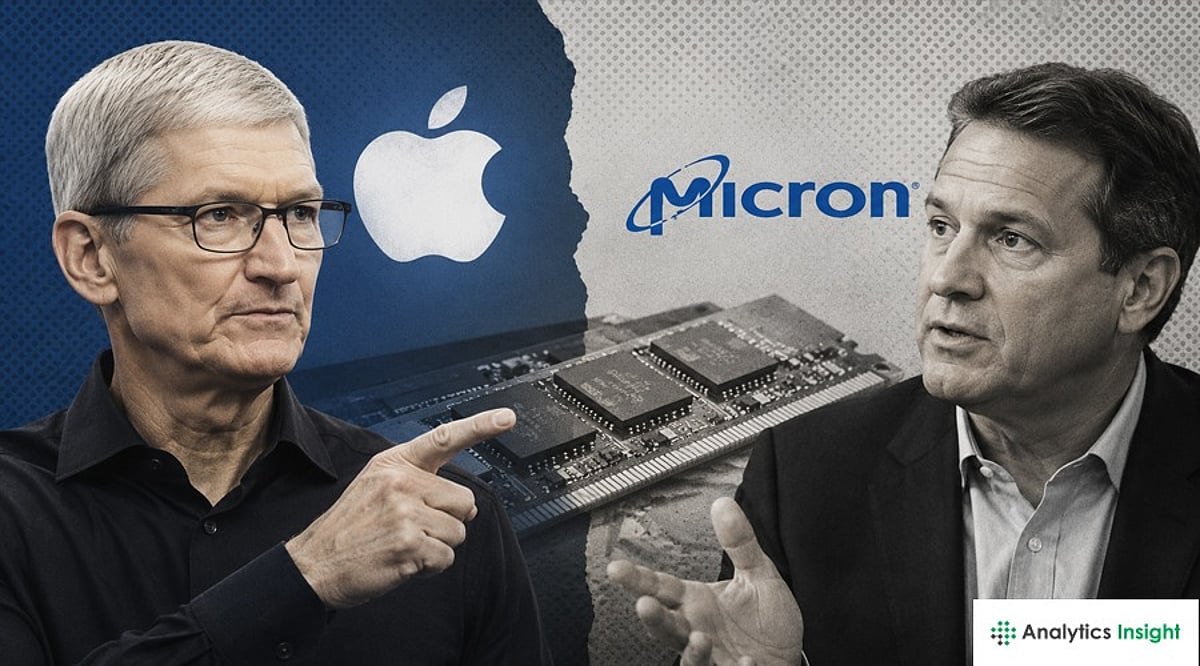
    CEO Tim Cook described the current market conditions as unlike anything Apple has experienced before. He stated, “There’s less supply at a time when consumers want devices and the memory guys are passing along huge price increases.” Cook also called the situation “unavoidable” and “unsustainable.”

    Market data supports the broader supply trend. Research firms report that memory and storage prices are now roughly four times higher than they were several quarters ago. TrendForce estimates memory chip prices rose by as much as 98% during the first quarter of 2026 and could increase by another 58% to 63% in the following quarter. Those higher component costs have reached consumers: the MacBook Neo increased from $599 to $699, while several MacBook and iPad models received price increases ranging from $100 to $300. Apple also confirmed that the affected devices did not receive additional memory or storage upgrades despite the higher prices.

    Micron Points to Pricing Pressure During the 2023 Downturn

    Shortly after Apple’s announcement, Micron Chief Business Officer Sumit Sadana offered a different explanation for today’s supply constraints in an interview with The Wall Street Journal. He said some major customers pushed suppliers to accept extremely low prices during the memory market collapse in 2023. Sadana stated, “We told a couple of the customers who were being very aggressive with pricing at that time that this is not constructive.” He added that poor pricing and weak margins forced many companies across the industry to reduce investment in new production capacity.

    Although Sadana never identified Apple by name, Apple is widely known for negotiating long-term supply agreements and purchasing large volumes of memory components. During 2023, Micron reported deeply negative margins as the memory market experienced one of its weakest periods in recent years. The company has since recovered, reporting strong quarterly financial results with revenue rising sharply alongside improved profitability. Its shares climbed after the earnings report, while Apple’s stock declined following the announcement of higher product prices.

    Supply Constraints May Continue Beyond 2027

    Industry analysts say both explanations reflect different parts of the same market cycle. AI servers require high-bandwidth memory, which uses far more manufacturing capacity than standard memory found in smartphones and laptops. As more production shifts toward AI hardware, fewer chips remain available for consumer devices. Meanwhile, reduced investment during the 2023 downturn limited the industry’s ability to expand manufacturing before AI demand accelerated. New semiconductor facilities require several years to build and reach full production, meaning additional capacity cannot arrive quickly.

    Apple has reportedly begun seeking additional memory suppliers, including Chinese manufacturer CXMT, to improve future supply. However, Tim Cook said Apple has no plans to enter the memory business itself. Several analysts expect memory costs to remain elevated through at least 2027. Research firms also estimate memory could account for a much larger share of smartphone production costs over the next two years, leading some industry observers to expect future iPhone price increases if current market conditions continue.

    Related Articles

    • Apple Stock Slides 6% After MacBook and iPad Price Hikes Worldwide
    • US Stock Market Today: NASDAQ Falls as Apple Slides Nearly 5% While Dow Surges 598 Points to Record High
    • Micron Stock Surges 16% After $9.8B Revenue Beat and $22B AI Supply Deals
    • US Stock Market Today: S&P 500 Rises as Oil Prices Slide and Investors Await Micron’s Earnings Report
    • US Stock Market Today: S&P 500 and NASDAQ Slide as Micron Leads Global Chip Stock Sell-Off
  • Daily Tech Brief: Apple AI Creator Studio, Amazon Prime Video Lawsuit, Claude Sonnet 5, Microsoft Layoffs, and Elon Musk’s Trillionaire Milestone

    Daily Tech Brief: Apple AI Creator Studio, Amazon Prime Video Lawsuit, Claude Sonnet 5, Microsoft Layoffs, and Elon Musk’s Trillionaire Milestone

    Today’s tech landscape is buzzing with major developments: Apple upgrades its Creator Studio with AI, Amazon faces a lawsuit over Prime Video, Anthropic launches Claude Sonnet 5, Microsoft announces layoffs, and Elon Musk reaches trillionaire status. Here’s a quick rundown of the top stories.

    Apple Boosts Creator Studio with AI

    Apple has given its Creator Studio a significant upgrade by integrating new AI-powered editing tools. The move is part of the company’s broader push to embed artificial intelligence across its ecosystem, offering creators smarter, faster ways to produce content.

    Amazon Prime Video Hit with Lawsuit

    Amazon is facing a fresh legal challenge over its Prime Video service. The lawsuit alleges unfair practices, though details remain under wraps. This adds to growing regulatory and legal scrutiny of the streaming giant.

    Anthropic Unveils Claude Sonnet 5

    Anthropic has launched Claude Sonnet 5, the latest iteration of its advanced AI language model. The new version promises improved reasoning, safety features, and performance, further intensifying competition in the AI space.

    Microsoft Announces Layoffs

    Microsoft has confirmed a new round of layoffs, affecting an unspecified number of employees. The company cites restructuring efforts as part of its focus on key growth areas like AI and cloud computing.

    Elon Musk Becomes World’s First Trillionaire

    Elon Musk has officially reached trillionaire status, driven by the surging value of his companies, including SpaceX and Tesla. The milestone marks a historic moment in wealth accumulation and tech entrepreneurship.

  • Apple Supercharges Creator Studio with AI Editing Tools for Video, Images, and Music

    Apple Supercharges Creator Studio with AI Editing Tools for Video, Images, and Music

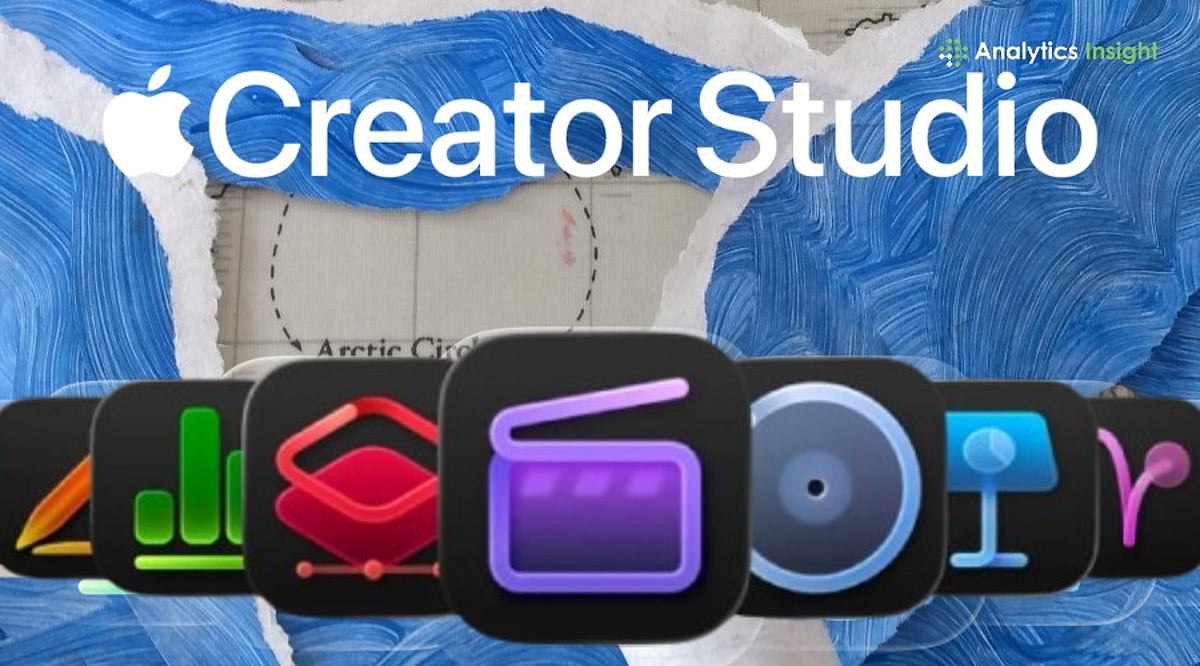
    Apple has rolled out a significant software upgrade to its Creator Studio platform, embedding machine learning capabilities across its creative applications. The update introduces automated tools for video editing, image generation, and audio production, streamlining workflows by tightening integration between Apple’s professional software and its standard productivity apps.

    Most of the AI processing runs on Apple silicon, allowing creators to work faster with on-device intelligence while maintaining user control and privacy.

    Final Cut Pro Gets Faster AI-Powered Editing

    As announced by Apple in an official blog post, “Updates bring new integrations with Pixelmator Pro across Final Cut Pro, Keynote, Pages, and Numbers; even more intelligent tools in Final Cut Pro; the ability to generate shapes to further customize a project; and a new Producer Project in Logic Pro.”

    Final Cut Pro receives the most substantial set of upgrades in this release. The new Generate Captions feature uses AI to create captions from spoken audio, and editors can edit captions directly in the timeline. Apple has also introduced the Auto Mask feature, which detects and masks subjects against their backgrounds, significantly reducing time spent on manual masking.

    Apple has expanded Pixelmator Pro’s integration across Creator Studio. Users can now open, edit, and customize images directly from apps such as Final Cut Pro, Keynote, Pages, and Numbers. The update also adds:

    • AI-assisted image editing tools
    • Background removal
    • Object cleanup
    • Detail enhancement
    • The ability to generate custom shapes

    These features are designed to reduce repetitive editing tasks while giving creators greater flexibility.

    Apple Focuses on Connected Creative Workflows

    The update enhances intelligent music tools and enables producers to create and arrange tracks more efficiently. Apple says the upgrade is designed for both professionals and first-time users.

    Experts suggest that Apple has strengthened connections across its creative ecosystem. Assets can now be transferred easily among Final Cut Pro, Pixelmator Pro, and other productivity apps, simplifying creative workflows.

    With this release, Apple continues to push the boundaries of on-device AI, making professional-grade editing more accessible while preserving the privacy and performance that Apple silicon provides.

  • iPhone Ultra Dummy Leak Reveals Black Colorway and Premium Foldable Design

    iPhone Ultra Dummy Leak Reveals Black Colorway and Premium Foldable Design

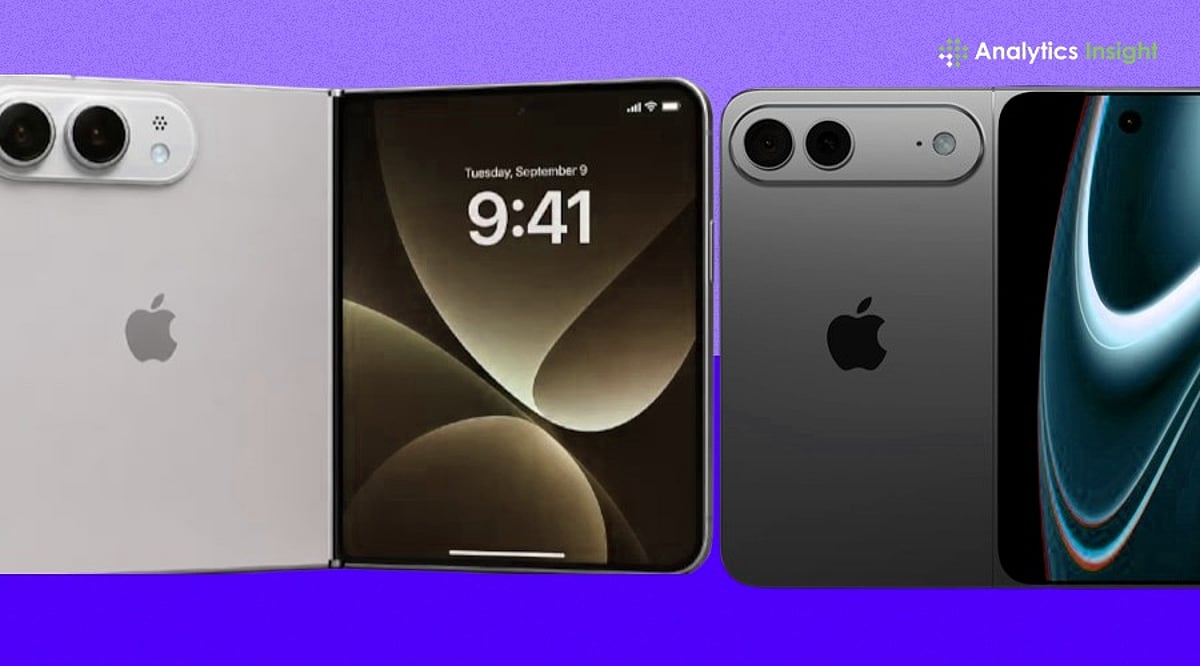
    A leaked dummy unit of Apple’s rumored iPhone Ultra has surfaced in a sleek black finish, offering the most detailed look yet at the company’s anticipated foldable flagship. The images, published by Jam Online, show a device that closely matches earlier design rumors and hint at Apple’s strategy to compete directly with Samsung’s Galaxy Z Fold 7.

    Design and Build Quality

    The dummy unit reveals a wider form factor when unfolded compared to conventional iPhones, with an aspect ratio reminiscent of the OPPO Find N rather than the tall, narrow Galaxy Z Fold 7. This makes the device more compact and button placement more accessible, especially for users with smaller hands. In its unfolded state, the phone reportedly resembles a compact iPad Mini in portrait orientation.

    The black colorway shown in the renders is likely one of several options Apple will offer. The camera module is raised to accommodate internal components, meaning the phone won’t lie flat on a table unless placed screen-first. A selfie camera is visible in the upper-left corner of the main display, while a second front-facing camera is integrated into the outer cover screen.

    Camera and Hardware Specs

    The dual rear cameras are arranged horizontally in a pill-shaped module, accompanied by an LED flash and a microphone. Both sensors are expected to be 48-megapixel units. The leaked model also includes a Camera Control button positioned below the power button, with volume keys along the upper edge. A USB Type-C port sits at the bottom between dual speaker grilles.

    Under the hood, the iPhone Ultra is rumored to ship with Apple’s A20 Pro chipset paired with 12GB of LPDDR5x RAM. It is also said to feature Apple’s in-house C2 modem. The device is expected to have a 5.3-inch cover display and a 7.8-inch foldable inner screen, offering an immersive tablet-like experience when opened.

    Competing in the Foldable Market

    Apple’s entry into the foldable market comes as Samsung continues to dominate with its Z Fold series. The iPhone Ultra is reportedly nearly as thin as the Galaxy Z Fold 7 (8.9mm thick), and Apple is likely working to make its foldable even slimmer. Some reports suggest Apple may abandon Face ID to reduce thickness further.

    While the dummy unit shows a visible crease in the middle of the inner display, this is common among prototypes and final production units are expected to have improved panels. The foldable iPhone Ultra is anticipated to launch alongside the iPhone 18 Pro and iPhone 18 Pro Max in September this year, marking Apple’s boldest design shift in years.

  • Amazon Offers Apple A16 iPad at $299 Despite Apple’s Recent Price Hike

    Amazon Offers Apple A16 iPad at $299 Despite Apple’s Recent Price Hike

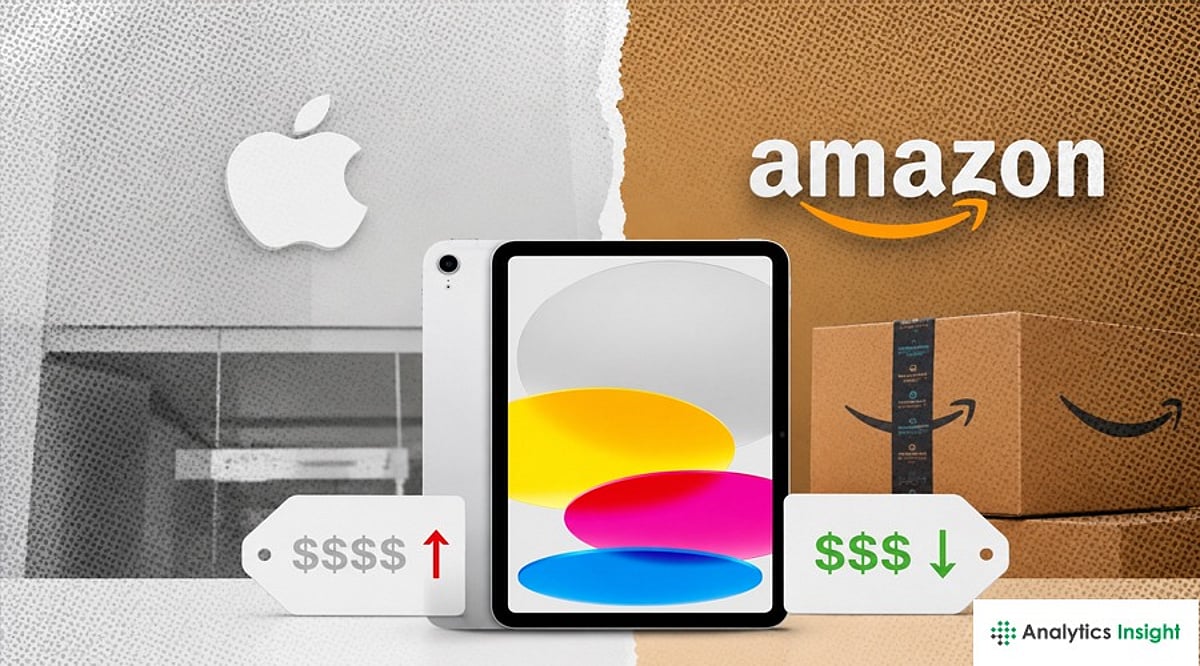
    Apple has raised prices across its iPad lineup, but savvy shoppers can still snag the entry-level A16 iPad at its original price on Amazon. The e-commerce giant is offering the 11-inch model with the A16 chip for $299, while Apple’s official retail price is now higher following a recent adjustment. This creates a limited-time opportunity for consumers to save up to $100.

    According to reports, the 11-inch iPad features a Liquid Retina display, 128GB of storage, Wi-Fi 6, Touch ID, and the A16 chipset. It delivers strong performance for streaming, productivity, and gaming. The tablet also supports the Apple Pencil and Magic Keyboard Folio with USB-C.

    Industry analysts believe Amazon may be selling inventory purchased before Apple’s price hike, allowing buyers to benefit from the older pricing until stock runs out. Once those units are gone, retailers will likely adopt Apple’s new pricing structure.

  • Australia Targets Big Tech, Apple Smart Glasses Delayed, Chip Shortage Drives Up Gadget Prices

    Australia Targets Big Tech, Apple Smart Glasses Delayed, Chip Shortage Drives Up Gadget Prices

    In today’s top tech news, Australia is ramping up regulatory pressure on Big Tech, Apple’s highly anticipated AI-powered smart glasses have been delayed once again, a persistent memory chip shortage is pushing gadget prices higher, and Apple is doubling down on its investment in premium entertainment content.

    Australia Intensifies Crackdown on Big Tech

    The Australian government is preparing tougher measures against major technology companies, signaling a more aggressive regulatory stance. The new actions aim to address concerns over market dominance, data privacy, and the impact of tech giants on local businesses and consumers.

    Apple Smart Glasses Face Another Delay

    Apple’s entry into the smart glasses market has hit another snag. The company’s AI-powered smart glasses, which were expected to launch soon, have been postponed. While Apple has not provided a new timeline, industry insiders suggest the delay is due to technical challenges in integrating advanced AI features into a compact wearable form factor.

    Chip Shortage Continues to Raise Gadget Prices

    The global shortage of memory chips is showing no signs of easing, leading to increased costs for a wide range of consumer electronics. From smartphones to laptops, manufacturers are passing on higher component costs to consumers, resulting in noticeable price hikes across the gadget market.

    Apple Backs Theaters with Premium Content Investment

    In a move that underscores its commitment to high-quality entertainment, Apple is increasing its investment in theatrical releases. The company is backing major film productions and expanding its presence in the cinema industry, aiming to strengthen its Apple TV+ brand and attract top-tier talent.

    Stay tuned for more updates on these developing stories and their impact on the tech landscape.