Tag: Apple

  • iPhone 18 Pro Rumored to Feature 12GB RAM and Major Apple Intelligence Upgrades

    iPhone 18 Pro Rumored to Feature 12GB RAM and Major Apple Intelligence Upgrades

    Apple’s next flagship smartphone is already generating significant buzz, even though it remains months away from an official launch. According to the latest leaks and industry speculation, the iPhone 18 Pro could deliver one of the most substantial upgrades in recent years, with a focus on enhanced artificial intelligence capabilities, a brighter display, improved cameras, and a next-generation processor.

    12GB RAM for Smarter AI and Multitasking

    One of the most talked-about rumors is the jump to 12GB of RAM. This memory increase is expected to power more advanced Apple Intelligence features, enabling smoother multitasking and more sophisticated on-device AI processing. The move would bring the iPhone 18 Pro closer to the memory capacities seen in many high-end Android rivals.

    Display and Design Innovations

    Apple is reportedly working on a display that hides Face ID components beneath the screen, though the technology may not be ready for the iPhone 18 Pro. If delayed, users could still benefit from a larger usable screen area without sacrificing facial recognition security.

    Camera and Performance Upgrades

    According to supply chain analyst Ming-Chi Kuo, Apple is testing larger camera sensors to improve low-light photography and zoom capabilities. Video recording is also expected to see sharpness improvements thanks to sensor enhancements. The iPhone 18 Pro is likely to be powered by the A20 chipset, built on TSMC’s 2nm process, delivering a significant leap in speed and energy efficiency.

    Keeping Pace with Android Rivals

    The premium smartphone market is fiercely competitive, with Samsung, Google, Xiaomi, and Vivo all pushing boundaries in zoom, AI, and fast charging. Apple’s rumored upgrades — including better cameras, a brighter display, a faster chip, and deeper AI integration — suggest the company is aiming to match these strengths while retaining its advantages in software support and ecosystem integration.

    While none of these features have been officially confirmed, the leaks point to an iPhone 18 Pro that focuses on improving the daily user experience rather than just changing the exterior design. Improved cooling, smarter AI-assisted photography, and performance optimizations could make this one of Apple’s most meaningful upgrades in years.

  • iPhone 18 Pro Leaks: 2nm Chip, 48MP Camera, Satellite Connectivity, and New Red Color

    iPhone 18 Pro Leaks: 2nm Chip, 48MP Camera, Satellite Connectivity, and New Red Color

    Recent leaks suggest Apple’s upcoming iPhone 18 Pro will introduce significant upgrades in design, camera technology, display, and AI performance. While nothing is officially confirmed, the rumors indicate Apple’s next flagship could deliver one of its biggest hardware improvements in years.

    Expected Specifications of iPhone 18 Pro Series

    According to leaks, the iPhone 18 Pro will feature a 6.3-inch OLED display with a 120Hz refresh rate and peak brightness of 3,000 nits. The smartphone is expected to run on Apple’s next-generation A20 Pro chipset, built on a 2nm process. This allows more transistors to be integrated into the chip, with early estimates suggesting performance gains of up to 15% and efficiency improvements of around 30% over the A19.

    The iPhone 18 Pro series is expected to integrate 12GB of RAM, with storage options ranging from 256GB to 1TB. The iPhone 18 Pro Max is expected to have a 6.9-inch OLED display with the same 120Hz refresh rate and up to 3,000-nit peak brightness. The battery size is rumored to be slightly smaller than that of the Pro Max model.

    Camera Upgrades and Hardware Improvements

    The iPhone 18 Pro is expected to integrate a 48MP rear camera with improved zoom capabilities. The upcoming model will also feature a 12MP front camera. Both the iPhone 18 Pro and iPhone 18 Pro Max will feature a variable-aperture lens on the 48-megapixel primary Fusion camera, allowing the iPhone camera to adjust the amount of light reaching the sensor. Users will have more control over the depth of field and exposure with this advanced setup.

    According to the latest leaks, the iPhone 18 Pro will support NR-NTN (New Radio Non-Terrestrial Networks), enabling the iPhone to connect to low Earth orbit satellites for internet access in places without regular cellular service.

    Brand New Color for iPhone 18?

    According to Bloomberg’s Mark Gurman, Apple is testing a new deep red color for its upcoming iPhone 18 Pro models. The move comes after the success of the orange variant, which appears to have encouraged Apple to experiment with more expressive colors.

    Release Date

    According to Gurman, Apple is likely to stick to its usual September launch window for its next-generation iPhones. Based on the company’s launch history, Gurman said the event could take place on either September 9 or September 10. In a post on X, Gurman wrote: “Based on history, the most likely date for Apple’s iPhone 18 Pro and iPhone Ultra announcement is either Tuesday Sept 8 or Wednesday Sept 9. But Labor Day is on Sept 7, so Apple may prefer a travel gap day and prefer Sept 9 for that reason.”

    Apple has already raised prices for several products in India, including Mac desktops, MacBooks, Apple TV devices, and HomePod speakers, as rising global memory and storage chip costs begin to affect retail pricing.

    What Apple’s Next Flagship Could Mean for Smartphone Innovation

    Although the foldable handset is expected to steal the headlines, the Pro models will introduce meaningful hardware improvements of their own, including Apple’s first 2nm chipset designed to enhance both speed and energy efficiency. Should the reports be correct, the iPhone 18 Pro may very well create new standards of AI-driven processing power, camera, and display technologies. In addition, the release of the iPhone 18 Pro could spur its rivals to innovate more rapidly as well.

  • Apple Requests US Government Approval for Memory Chip Purchases from Blacklisted Chinese Firm CXMT

    Apple Requests US Government Approval for Memory Chip Purchases from Blacklisted Chinese Firm CXMT

    Apple is seeking approval from the U.S. government to purchase memory chips from ChangXin Memory Technologies (CXMT), a Chinese chipmaker currently on the Pentagon’s 1260H list of companies with alleged ties to China’s military. The move comes as the iPhone maker faces rising component costs and a global shortage of memory chips.

    According to sources familiar with the discussions, Apple has contacted the U.S. Commerce Department and other officials within President Donald Trump’s administration. The company wants clear assurances that future trade restrictions will not disrupt any potential supply agreement with CXMT.

    Why Apple is Turning to CXMT

    Apple is not currently prohibited from buying chips from CXMT. However, the designation on the Pentagon’s list creates political and business risks, even though it does not automatically block commercial deals. The reported talks began more than a month ago, and Apple has since reached out to officials across the administration and influential figures in Washington. The company is seeking government support before adding CXMT to its supply network, as any later restrictions could disrupt production.

    Apple also wants assurances that the Commerce Department will not place CXMT on the Entity List, which would impose strict licensing rules and could limit the Chinese chipmaker’s access to U.S. technology, making it harder for American companies to purchase their products.

    The White House has not publicly stated whether it will approve Apple’s request, and Apple declined to comment on the reported lobbying campaign. It remains unclear whether the company will receive the guarantees it is seeking.

    Product Price Increases Add Pressure

    Apple recently raised prices for Mac computers, iPads, home devices, and the Vision Pro headset, citing higher memory and storage costs. Chief Executive Tim Cook described current memory costs as “unsustainable” and said “everything needs to be on the table” when discussing possible suppliers, suggesting Apple could consider Chinese memory producers where U.S. rules allow such purchases.

    The price increases contributed to a sharp decline in Apple shares, erasing about $263 billion from its market value in one trading session. Investors also sold shares in other technology companies amid concerns that expensive components could reduce demand for consumer devices.

    Memory shortages have affected companies across the technology sector, with several manufacturers increasing prices, adjusting production plans, or looking for alternative suppliers. Apple warned earlier that the shortage could become more severe over the year.

    Political and Security Questions

    Some U.S. lawmakers oppose any arrangement between Apple and CXMT. House China Committee Chair John Moolenaar called a possible partnership a “grave mistake,” arguing that the deal could make the U.S. technology industry more dependent on Chinese supply chains.

    U.S. officials previously raised similar concerns when Apple considered buying memory chips from Yangtze Memory Technologies (YMTC) in 2022. Both YMTC and CXMT were recently restored to the Pentagon’s 1260H list after briefly being removed.

    Apple currently purchases DRAM memory from Micron Technology, Samsung Electronics, and SK Hynix. However, increased demand for high-bandwidth memory used in artificial intelligence systems has reduced the supply of standard memory chips for phones, computers, and other devices.

    CXMT is expanding its position in China’s semiconductor industry and has received approval for a Shanghai listing. Access to its chips could give Apple another source of lower-cost memory. Still, any agreement would depend on U.S. government policy and future trade decisions involving China.

  • Musk and Cook Warn Memory Chip Shortage Could Stifle AI Growth as Prices Soar

    Musk and Cook Warn Memory Chip Shortage Could Stifle AI Growth as Prices Soar

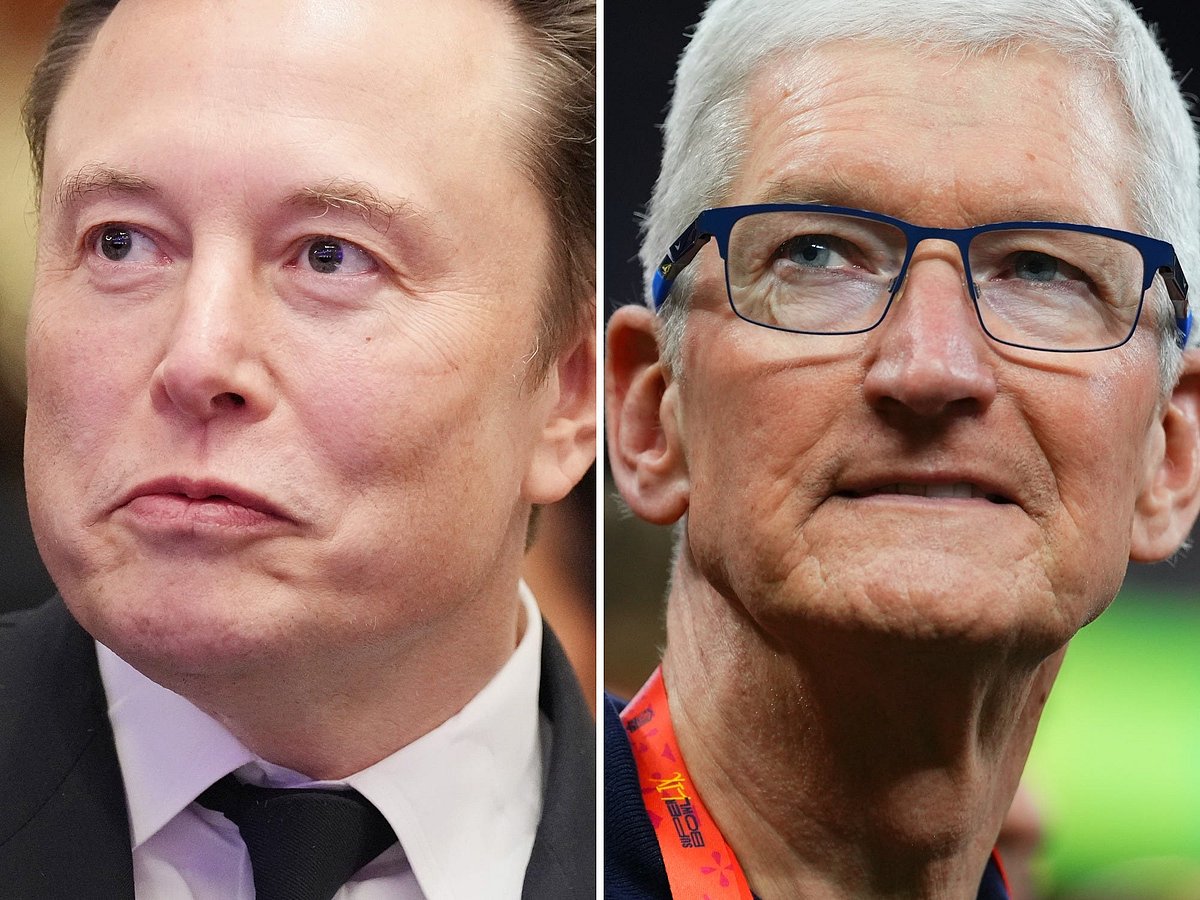
    Elon Musk has publicly backed Apple CEO Tim Cook’s stark warning about an unprecedented memory chip shortage, as surging costs driven by AI data center demand create ripple effects across the consumer electronics and automotive industries.

    Cook described the shortage as a “hundred-year flood,” noting he had not seen a similar cost shock in any sector in over four decades. Musk echoed that sentiment, calling it the “biggest price jump in anything I’ve ever seen.” Both executives are now calling for a massive expansion of production capacity to avert long-term constraints.

    AI Infrastructure Fuels Demand for Advanced Memory

    The rapid expansion of artificial intelligence infrastructure has dramatically increased demand for high-bandwidth memory (HBM) products, which are critical for running AI processors and handling large datasets. Chip manufacturers have shifted significant production capacity toward these higher-value components, creating tighter supplies of standard memory and storage chips used in smartphones, computers, televisions, and game consoles.

    Cook stated that Apple could no longer absorb the full increase in component costs, calling price hikes “unavoidable.” The company subsequently raised prices across several product lines, including Mac computers and iPads, with some increases reaching hundreds of dollars depending on the model and storage configuration. Apple also adjusted prices for its Apple TV, HomePod, and iMac products.

    Microsoft followed suit by announcing higher prices for Xbox consoles, and other electronics manufacturers have similarly adjusted their pricing as memory and storage costs climb throughout the supply chain.

    Tesla’s AI Ambitions at Risk

    Musk warned that the gap between memory demand and production capacity is “insane,” adding that the industry requires significantly higher output to alleviate the shortage. Tesla relies on advanced chips for its vehicles, AI systems, and Optimus robots. During Tesla’s fourth-quarter earnings call in January, Musk indicated that supplier output could constrain the company’s plans.

    He noted that memory could become “an even bigger limiter than AI logic.” While AI logic chips handle calculations, memory chips store and move the data those processors require. Both must be available in large volumes for AI systems to operate effectively.

    Tesla currently works with external manufacturers, including major chip producers in the United States and Asia, but Musk said the company faces risks if suppliers cannot ramp up production quickly enough. The shortage also impacts SpaceX and xAI, both of which require growing computing power for satellite systems, AI training, and data center projects.

    TeraFab Project Aims to Boost Production

    Musk has proposed TeraFab as a potential long-term solution. The project involves Tesla, SpaceX, and xAI, with Intel also announcing its participation. The planned facility would combine logic chip production, memory manufacturing, and advanced packaging, potentially reducing reliance on outside suppliers and supporting future AI and robotics projects.

    However, many details remain unclear. The companies have released limited information about production timelines, financing, and each participant’s exact role. Reports have noted that formal commitments between some parties have not been fully disclosed. Tesla has begun recruiting semiconductor workers with experience in advanced manufacturing, covering chip design, packaging, lithography, testing, and production management.

    Even with new factories, semiconductor facilities take years to build and prepare for mass production. Consequently, current supply pressure may persist as data center operators, automakers, and device manufacturers compete for available chips.

    For consumers, the immediate outcome is higher prices across computers, tablets, consoles, and other electronics that depend on memory and storage components. Both Cook and Musk have urged the industry to invest in new capacity, but relief is unlikely in the near term.

  • Apple’s Siri AI Faces EU Delays: Davis Park Management Analyzes Regulatory Hurdles and Investor Impact

    Apple’s Siri AI Faces EU Delays: Davis Park Management Analyzes Regulatory Hurdles and Investor Impact

    Apple’s upgraded Siri AI assistant, unveiled at the Worldwide Developers Conference, has hit a regulatory roadblock in the European Union. The Digital Markets Act (DMA) compliance obligations are preventing the feature from launching on European devices, creating a staggered rollout that has caught the attention of institutional investors. Davis Park Management Pte. Ltd., a Singapore-based capital management firm, is examining the implications for allocators as the regulatory landscape complicates Apple’s AI ambitions.

    Regulatory Challenges and Market Access

    The new Siri architecture, powered by a custom version of Google’s Gemini model with 1.2 trillion parameters, represents a significant leap from the previous query-and-response design. However, Apple has confirmed that the assistant will not accompany the forthcoming iOS 27 and iPadOS 27 releases within the EU. Regulators have rejected a succession of proposals, including a phased plan built around a Trusted System Agent, marking the second occasion Apple Intelligence has been withheld from European markets.

    A parallel restriction applies in China, where foreign manufacturers must submit large language models for local approval. China accounts for 17% of Apple’s group revenue, sharpening the commercial stakes of prolonged delays in either market.

    Davis Park Management’s Perspective

    Michael Sheldon, Director of Private Equity at Davis Park Management, views the licensing approach as a deliberate decision to rent frontier capability rather than fund it outright. This preserves capital for areas where Apple retains a defensible advantage and reassures investors focused on margin durability. The firm reads the friction as a question of capital allocation rather than a verdict on the technology.

    Apple’s AI revenue stands near $1.1 billion for the period, while services revenue of about $33.2 billion carries a margin of 76.5%. The active device base exceeds two billion units, and paid subscriptions surpass one billion, expanding at a double-digit rate. Market capitalization briefly overtook Microsoft’s valuation of about $3.6 trillion following the conference, a three-day move adding $358.5 billion in value.

    Broader Implications for Investors

    Sheldon emphasizes that the clearer risk lies in the durability of the ecosystem. Every regulatory concession that loosens the integration between Apple’s hardware and its services chips away at the retention mechanics behind recurring revenue. Regulatory enforcement compounds trade-policy exposure, with a penalty of about $580 million for anti-steering breaches under the DMA and tariff payments approaching $3.7 billion in aggregate.

    Equity research remains divided. One bullish brokerage maintains an “Outperform” rating with a price target near $343.1, projecting AI could add between $83 and $110.7 per share. A more cautious peer has trimmed iPhone unit-growth expectations to 2% across the forecast period, to about 232 million units, with commercial availability slipping into the next year.

    For Davis Park Management, the open question is timing. European availability rests on continuing negotiation and precedent enforcement, while the staggered rollout shows the difficulty of reconciling deep platform integration with divergent compliance regimes. The delay weighs on near-term services projections given the scale of the European installed base, yet the underlying partnership keeps Apple within the competitive frontier of applied AI, leaving the investment case finely balanced between regulatory drag and long-term value.

  • iPhone 18 Rumored to Get 12GB RAM to Supercharge Apple Intelligence and On-Device AI

    iPhone 18 Rumored to Get 12GB RAM to Supercharge Apple Intelligence and On-Device AI

    Apple is reportedly preparing a significant RAM upgrade for its iPhone 18 series as it continues to strengthen on-device artificial intelligence features. According to industry reports, the company is expected to equip the entire iPhone 18 lineup with 12GB of RAM, a notable increase over the memory configurations found in current-generation iPhones.

    The update is meant to support Apple’s expanding AI plans, and later releases of Apple Intelligence will likely require more raw processing power and memory, especially for the more advanced tasks handled directly on the device.

    More Memory to Power Apple Intelligence

    The increased RAM is designed to enhance the performance of AI-enabled features, including advanced voice recognition, AI-based writing assistants, image creation, and language processing. With the development of Apple’s AI ecosystem, increased memory is expected to enhance multitasking and enable running more AI models on the device rather than relying on cloud processing.

    Industry expert Ming-Chi Kuo suggests that the increase in RAM will allow Apple to compete with other manufacturers that are emphasizing AI in smartphones. The move will also positively influence application performance and gaming experience, especially for users who use several apps at once.

    Supply Chain Preparing for Larger Memory Orders

    Apple’s memory makers will likely benefit from the upcoming change. The manufacturers of LPDDR5X memory chips may see a boost in supply due to the introduction of the 12GB RAM standard across all iPhone 18 models. Moreover, this improvement will reduce the hardware gap between iPhones and several premium Android phones, which already offer 12GB or even 16GB of RAM on their respective AI-optimized flagships.

    AI Strategy Shapes Apple’s Next Flagship

    Apple has been moving toward AI for quite some time. Initially, the tech giant launched Apple Intelligence on qualifying devices, and future iPhones are expected to be more dependent on on-device AI, using fewer server-based operations, resulting in enhanced privacy and performance. While there is no official information on the features of the new iPhone range, one can expect Apple’s next-generation smartphones to perform better in terms of AI.

  • Apple Shares Tumble 6% After Raising MacBook and iPad Prices Globally

    Apple Shares Tumble 6% After Raising MacBook and iPad Prices Globally

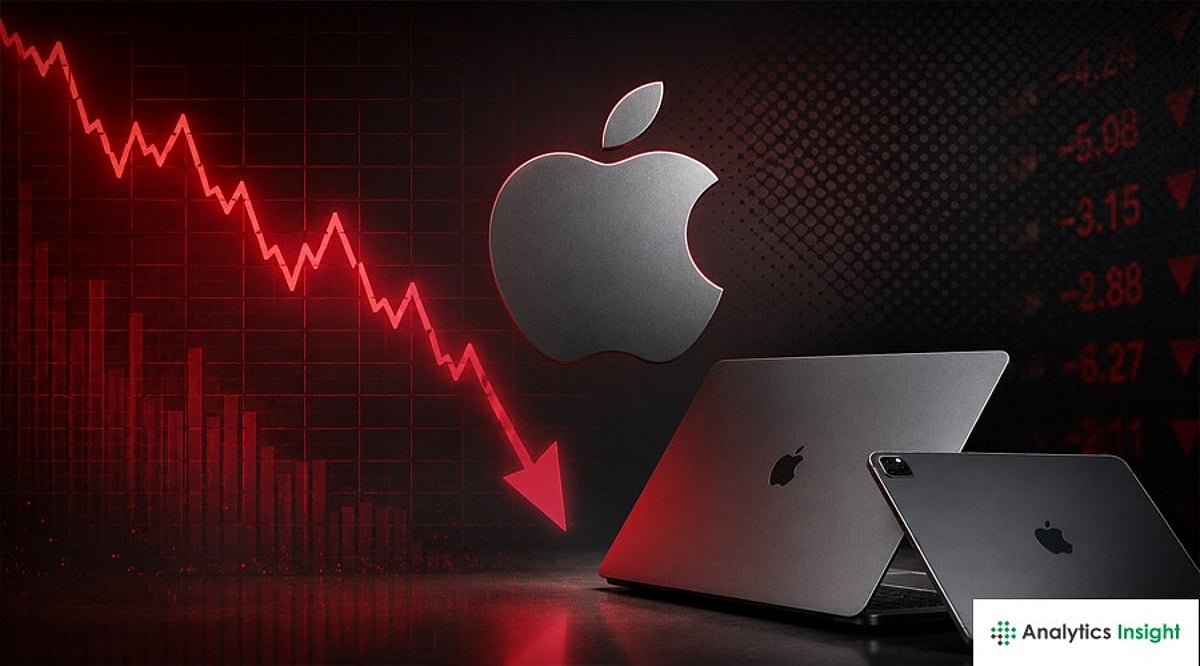
    Apple shares fell more than 6% on Thursday after the company raised prices across its MacBook and iPad lineup worldwide. The move marks Apple’s first major response to rising memory and storage costs, which have been intensified by surging demand from AI data centers. The iPhone, however, escaped a price hike for now.

    MacBook and iPad Price Hikes in Detail

    Apple increased the starting price of the MacBook Neo from $599 to $699. The MacBook Air with 512GB of storage rose from $1,099 to $1,299, while the 14-inch MacBook Pro with 1TB of storage now starts at $1,999, up from $1,699. The iPad lineup also saw significant increases: the 11-inch iPad Air jumped from $599 to $749, and the 13-inch model climbed from $799 to $949. The 11-inch iPad Pro now costs $1,199 ($999 at launch), and the 13-inch iPad Pro went from $1,299 to $1,499.

    Memory Costs Driving the Price Surge

    Apple attributed the price adjustments to an “unprecedented challenge” in the consumer electronics industry, as AI data centers consume more memory and storage components. CEO Tim Cook had warned earlier in May that rising component prices were pressuring Apple’s margins. In a later interview, he called the price increases “unavoidable” and described the shortage as a “hundred-year flood.”

    Memory and storage prices have spiked as suppliers redirect capacity toward high-bandwidth memory for AI servers, reducing supply for consumer devices. Microsoft, Sony, Nintendo, and other computer makers have also raised prices on select products. Apple has historically managed costs by discontinuing cheaper models—last month it stopped selling the $599 Mac mini with 256GB of storage, leaving buyers with fewer low-cost options.

    Investor Reaction and Market Implications

    The stock’s steep decline—its worst single-day drop in over a year—wiped an estimated $250 billion to $265 billion off Apple’s market value. Investors are concerned that higher prices could dampen demand for Macs and iPads, especially as households tighten discretionary spending. Apple’s iPhone lineup remains price-protected for now, though analysts warn that higher memory requirements for on-device AI could eventually drive up production costs for future iPhones.

    Looking Ahead: New Hardware and Software

    Apple is preparing a refreshed Siri experience with enhanced conversational abilities and in-app actions, but a European Union launch date remains unannounced. The company plans to introduce a base M6 processor for entry-level Macs later this year (current models use M5 chips). Analysts also expect Apple to enter the premium foldable phone market, which could raise average selling prices across the segment. The stock slide comes as Apple navigates a crucial balance between protecting margins and sustaining demand in a cost-sensitive environment.

  • Dow Hits Record High as Apple Slump Drags NASDAQ Lower; Micron Earnings Boost Semiconductors

    Dow Hits Record High as Apple Slump Drags NASDAQ Lower; Micron Earnings Boost Semiconductors

    The US stock market showed a sharp divergence on Thursday as investors rotated away from large-cap technology stocks. Apple led the decline, falling nearly 5% after announcing price increases on several MacBook and iPad models, which dragged the NASDAQ Composite into negative territory. In contrast, the Dow Jones Industrial Average surged 598 points (1.1%) to a record close, supported by gains in financial, healthcare, and industrial shares.

    The S&P 500 managed a modest 0.4% gain, reflecting broader market resilience outside the tech sector. Apple’s price hikes—attributed to rising memory and storage chip costs driven by AI data-center demand—raised concerns about margin pressure across the technology industry. Alphabet, Meta Platforms, NVIDIA, Amazon, and Microsoft also declined, while SpaceX shares fell about 1%.

    Micron Technology provided a bright spot, reporting fiscal third-quarter earnings above expectations and issuing a strong outlook. The memory-chip maker’s shares initially jumped over 15% before paring gains, briefly pushing its market value above $1.4 trillion. Qualcomm also gained after raising its long-term revenue forecast for non-smartphone businesses to $40 billion by fiscal 2029. Other semiconductor stocks such as Sandisk, Western Digital, KLA, and Applied Materials advanced, but these gains were insufficient to offset the losses among the largest tech names.

    The Dow’s record performance was fueled by strong moves in Johnson & Johnson, JPMorgan Chase, and Caterpillar. Additionally, Alphabet is set to join the Dow Jones Industrial Average on June 29, replacing Verizon Communications. This sector rotation indicates investors are not fleeing equities but rather reallocating capital based on earnings, product costs, and valuations.

    On the macroeconomic front, May’s Personal Consumption Expenditures (PCE) price index rose 0.4% month-over-month, slightly below the expected 0.5%. Annual headline inflation reached 4.1%, matching forecasts and marking its highest level in over three years. Core PCE increased 0.3% monthly and 3.4% annually, both in line with estimates. Consumer spending grew, and first-quarter GDP was revised up to an annualized 2.1%. Treasury yields edged lower, with the 10-year yield falling to about 4.37%.

    Brian Jacobsen of Annex Wealth Management noted that the worst of inflation and consumer angst may be behind us, but cautioned that inflation expectations depend on gasoline prices trending lower. The data keeps questions about future Federal Reserve policy open.

  • Apple Raises MacBook, iPad, and Mac mini Prices in India Amid AI-Driven Component Cost Surge

    Apple Raises MacBook, iPad, and Mac mini Prices in India Amid AI-Driven Component Cost Surge

    Apple has raised prices on several products in India, including MacBooks, iPads, Mac mini, and HomePod devices, citing rising costs of memory and storage chips driven by the global AI boom. iPhone prices remain unchanged for now.

    The price hike affects the MacBook Neo, MacBook Air M5, MacBook Pro range, Mac mini M4, iPad lineup, and HomePod lineup. The steepest increase is on the MacBook Pro M5 Max, which now starts at ₹4,99,900, up ₹1 lakh. The standard MacBook Pro M5 starts at ₹2,39,900 after a ₹70,000 increase, while the MacBook Air M5 is now priced from ₹1,49,900, up ₹29,000.

    Apple’s more affordable Mac lineup also saw significant increases. The Mac mini M4 now starts at ₹94,900, compared to its earlier launch price of ₹59,900 — one of the largest percentage jumps. The entry-level MacBook Neo starts at ₹79,900, up ₹10,000.

    For tablets, the 11th-generation iPad now starts at ₹49,900, the iPad mini at ₹69,900, the iPad Air at ₹89,900, and the iPad Pro at ₹1,39,900.

    Apple attributes the price hikes to higher costs of memory and storage chips, as suppliers prioritize manufacturers focused on AI, limiting supply to consumer electronics and raising production expenses. Industry experts note Apple has shielded iPhone customers from these increases for now.

  • FTSE 100 Opens Lower as Geopolitical Tensions and Apple Price Hike Weigh on Markets

    FTSE 100 Opens Lower as Geopolitical Tensions and Apple Price Hike Weigh on Markets

    The FTSE 100 opened 27 points lower at 10,503 on Friday, as an Iranian strike on a vessel in the Strait of Hormuz and a tech selloff in Asia weighed on European markets. Brent crude futures fell 2.25% to $73.51 per barrel, while US West Texas Intermediate declined 2.38% to $70.20 per barrel.

    Gainers and Losers

    On the upside, Imperial Brands rose 2.35% to £2,830, British American Tobacco advanced 1.94% to £4,789, and Burberry Group gained 1.52% to £1,099.50. Tesco moved higher by 1.34% to £461.10, Sainsbury’s added 1.22% to £314.70, and British Land climbed 1.15% to £422.40.

    On the downside, London Stock Exchange Group declined 1.67% to £7,894, Lion Finance Group slipped 1.09% to £10,880, Computacenter fell 2.40% to £4,146, and Diploma dropped 1.12% to £7,070. Croda International moved lower by 2.30% to £3,102, while Antofagasta eased 1.71% to £3,728.

    Heathrow Forecasts Profit Decline

    Heathrow Airport forecasts a £147 million decline in 2026 adjusted core profit from 2025, citing weaker traffic expectations due to Middle East-related travel uncertainty and higher employment costs. In a bi-annual report to bondholders, Heathrow Airport Limited said passenger volumes for the first five months of 2026 rose 0.7% despite the regional conflict. The airport now expects a traffic range of 80.1 million to 84.5 million, with a base case of 83.6 million, representing a 1.1% year-on-year fall.

    Apple to Hike Prices

    Apple announced that memory chip shortages driven by the AI boom have forced the company to raise MacBook and iPad prices by 20% globally. The company stated, “The rapid expansion of AI data centres has created an extraordinary surge in demand for memory and storage.” Apple shares slid 6.1% on Thursday’s close, trading at $287.4, with volatility spreading to Asian markets.

    Wise Profit Declines

    Money transfer firm Wise reported a profit decline in its latest financial year. The UK fintech’s profit before tax fell 8% to $660 million (£500 million), down from $717.5 million in its first results since downgrading its listing on the London Stock Exchange. This came despite revenue surging to $2.5 billion as customer numbers increased by 21% to 19 million. However, performance was squeezed by rising costs, which rose nearly 40% to $1.9 billion, outpacing revenue growth twice as fast.

    Global Market View

    In the US, stocks remained mixed on Thursday, with a decline in Apple shares dragging on the tech-heavy Nasdaq, which closed down 0.5%. The S&P 500 was nearly flat, while the Dow added 0.1%. In Asia, South Korea’s Kospi fell 5.81% to 8,411.21, Japan’s Nikkei 225 declined 4.15% to 69,360.88, and Taiwan’s TAIEX dipped 3.64%. India’s Nifty 50 and Sensex were closed on account of Muharram.

    Disclaimer: Analytics Insight does not provide financial advice or guidance on cryptocurrencies and stocks. This article is for informational purposes only and does not constitute investment advice. Always conduct your own research before making any investments.