Tag: blockchain

  • 5 Web3 Cryptocurrencies to Watch in India This July 2026

    5 Web3 Cryptocurrencies to Watch in India This July 2026

    Web3 has become one of the fastest-growing parts of the crypto market. It gives people more control over their money, data, and digital identity. Unlike traditional internet platforms, Web3 uses blockchain technology to create open and secure systems. More companies, developers, and investors now support this space since it offers real solutions instead of only digital currencies.

    In July 2026, five Web3 crypto coins stand out for their strong technology, active ecosystems, and clear purpose. Each project solves a different problem and supports the future of blockchain in its own way.

    Chainlink (LINK) Strengthens Blockchain Connections

    Chainlink is among the top players in the Web3 space. This network enables smart contracts to get reliable information from external sources. Throughout its journey, it has branched out from its original use of price feeds. Today, its Cross-Chain Interoperability Protocol (CCIP) makes it possible for numerous blockchains to send and receive data and digital assets from one another.

    Chainlink also plays an important role in the rapidly developing Real-World Asset (RWA) sector since banks and financial institutions are adopting its technology. The solution connects conventional assets like bonds and real estate to blockchain networks. Currently, Chainlink facilitates over $95 billion of on-chain value.

    Toncoin (TON) Brings Web3 to Millions of Users

    Toncoin has built a strong position led by its close relationship with Telegram. This connection gives the project access to one of the world’s largest messaging platforms. Users can open crypto wallets, make payments, play blockchain games, and explore Mini Apps without leaving Telegram.

    This simple experience attracts people who have little knowledge of blockchain technology. The ecosystem also supports NFTs, stablecoins, and many digital services. As Telegram adds more Web3 features, Toncoin could reach even more users across the world.

    Internet Computer (ICP) Creates a Different Internet

    Internet Computer follows a unique path in the blockchain industry. The project allows developers to build complete websites, applications, and online services directly on the blockchain. This approach reduces the need for traditional cloud providers in many situations.

    The platform also supports artificial intelligence projects and decentralized cloud services. Developers can create applications that stay online without central servers. Although Ethereum has a larger developer community, Internet Computer continues to attract attention for its innovative technology and long-term vision.

    Filecoin (FIL) Solves Data Storage Challenges

    Filecoin is dedicated to secure decentralized data storage. As artificial intelligence and blockchain adoption increase, the demand for reliable storage continues to grow. Filecoin enables individuals and organizations to store data across a distributed network instead of a single location.

    The platform is designed for long-term storage of information, digital archives, and protection of data. These qualities help Filecoin support companies working with AI, Web3 developers, and any other enterprises with huge amounts of information. Advanced technology and a broad ecosystem help keep Filecoin among the leading decentralized storage projects.

    Polkadot (DOT) Connects Blockchain Networks

    Polkadot is designed to enable communication between diverse blockchains. The network enables them to communicate using a multi-chain technology and shared security system. Polkadot is currently developing the JAM upgrade, which will allow developers to make their development processes easier and more flexible.

    Final Thoughts

    Web3 continues to reshape the crypto industry through better technology and practical use cases. Chainlink, Toncoin, Internet Computer, Filecoin, and Polkadot each solve an important challenge within the blockchain ecosystem.

    Strong development, expanding adoption, and real-world applications make these five projects the top Web3 crypto coins to watch in India during July 2026. Although the crypto market remains volatile, projects with useful technology and clear purpose often stand the best chance of long-term success.

    FAQs

    1. What is Web3? Web3 is the next generation of the internet built on blockchain technology, giving users greater control over their data, assets, and digital identity.
    2. Why is Chainlink important in Web3? Chainlink provides secure oracle services and cross-chain interoperability, helping smart contracts access real-world data and connect different blockchains.
    3. What makes Toncoin unique? Toncoin benefits from Telegram’s large user base, allowing users to access wallets, payments, Mini Apps, and blockchain services within the messaging platform.
    4. Why is Filecoin valuable for blockchain? Filecoin offers decentralized data storage, making it ideal for AI applications, digital archives, and Web3 projects that require secure, distributed storage.
    5. Are these Web3 coins good long-term investments? They have strong technology and growing ecosystems, but cryptocurrency markets remain volatile. Always conduct your own research and assess your risk before investing.
  • Top Cross-Chain DEXs for Crypto Swaps in 2026: Platform Comparison and Guide

    Top Cross-Chain DEXs for Crypto Swaps in 2026: Platform Comparison and Guide

    Cross-chain decentralized exchanges (DEXs) have transformed how users swap tokens across different blockchains in 2026. Instead of juggling multiple bridges, wallets, and exchanges, these platforms aggregate liquidity from dozens of sources and automatically select the best route for speed, cost, and price. This guide compares the leading cross-chain DEXs, their strengths, supported networks, security considerations, and ideal use cases for every type of trader.

    Key Takeaways

    • LI.FI offers the best overall cross-chain swap experience with smart routing across 30+ blockchains.
    • deBridge stands out for fast transactions and low-slippage cross-chain transfers.
    • THORChain remains the top choice for native Bitcoin swaps without wrapped assets.
    • Across Protocol excels within the Ethereum ecosystem, especially Layer-2 networks.
    • Symbiosis Finance delivers a simple multi-chain swap experience.

    LI.FI – Best Overall Cross-Chain DEX

    LI.FI has become a trusted name in cross-chain swaps. It supports more than 30 blockchain networks and integrates multiple bridges and decentralized exchanges into one platform. Rather than forcing users to compare services manually, LI.FI automatically checks numerous routes and selects the optimal balance of speed, cost, and price. This saves time and money, especially when moving assets between Ethereum, Base, Arbitrum, Polygon, BNB Chain, Solana, and other popular networks. A clear fee display appears before each transaction, so users know the expected cost upfront. Because LI.FI relies on third-party bridges for execution, transaction quality can vary based on the bridge handling it. Nevertheless, its broad blockchain support and reliable routing make it the strongest all-round choice in 2026.

    deBridge – Fastest Cross-Chain Transfers

    Speed is critical when crypto prices fluctuate by the minute. deBridge supports more than 26 blockchain networks and focuses on rapid execution with low slippage. Many swaps between Ethereum Virtual Machine (EVM) chains complete in under two minutes. It also supports Solana, offering greater flexibility than many competitors. For traders who move funds between chains several times daily, this speed provides a significant advantage.

    THORChain – Native Asset Swaps Without Wrapping

    THORChain continues to attract users who prioritize true cross-chain decentralization. Unlike many platforms that require wrapped tokens, THORChain enables native asset swaps directly. Users can exchange Bitcoin for Ethereum or other supported assets without converting them into wrapped versions. It supports Bitcoin, Ethereum, Binance Coin, Avalanche, Dogecoin, and Litecoin. This approach reduces reliance on wrapped assets and gives users more control over their funds. A trade-off exists: during periods of high market activity, transaction fees may increase. Despite this, THORChain remains the leading choice for native Bitcoin swaps and decentralized liquidity.

    Across Protocol – Best for Ethereum Layer-2

    Across Protocol has built a strong reputation for transfers within the Ethereum ecosystem, particularly for Layer-2 networks such as Base, Arbitrum, and Optimism. Its relayer-based system speeds up transactions while keeping fees low, improving capital efficiency and reducing wait times. Across Protocol focuses on doing one job exceptionally well: anyone regularly transferring assets between Ethereum and its Layer-2 networks will likely find it one of the fastest and most affordable options available in 2026.

    Symbiosis Finance – Simplicity Across Chains

    Symbiosis Finance prioritizes convenience. Users can exchange almost any supported token for another on a different blockchain without dealing with separate bridge steps. It supports more than 30 blockchain networks across both EVM and selected non-EVM ecosystems. The entire process is simplified, making it attractive for those who value ease of use. Route performance varies depending on the blockchain and liquidity source, but Symbiosis Finance remains a practical option for users seeking simplicity.

    Other Notable Platforms

    1inch continues to dominate the EVM ecosystem with its advanced Pathfinder routing system. It searches multiple liquidity sources to select the best trading path, typically yielding better prices and lower slippage. However, its native support outside EVM networks remains limited.

    Jupiter remains the top DEX for the Solana blockchain, offering excellent liquidity and competitive pricing for Solana-based assets. Cross-chain features rely on external integrations, but its performance within Solana is among the best.

    Rango Exchange appeals to experienced users who need access to many chains. It supports over 70 blockchains by combining numerous bridges and DEXs. Its interface includes many advanced options, which may overwhelm beginners, but power users appreciate the flexibility.

    Security Considerations

    Cross-chain technology has advanced but still carries risks. Bridges are common targets for hackers in decentralized finance, so users should research reputable protocols with proven security records. It is essential to understand which bridges rely on third parties and to test small amounts before making large transactions. Always verify the bridge provider and consider performing a trial transfer first.

    Final Thoughts

    Cross-chain crypto swaps have become much faster and easier in 2026. Users no longer need to switch between several platforms to move assets from one blockchain to another. Modern cross-chain DEXs automate most of the work while searching for better prices, lower fees, and faster routes. LI.FI stands out as the best overall platform for its smart routing and support for over 30 networks. deBridge is the first choice for speed. THORChain leads native Bitcoin swaps. Across Protocol dominates Ethereum Layer-2 transfers, while Symbiosis Finance offers a simple experience across many networks. Jupiter remains the leader for Solana users, and Rango Exchange provides unmatched blockchain coverage for advanced traders.

    Frequently Asked Questions

    1. What is a cross-chain DEX?

    A cross-chain DEX allows users to swap crypto assets between different blockchains without using a centralized exchange.

    2. Which cross-chain DEX is the best in 2026?

    LI.FI is widely considered the best overall option due to its broad blockchain support and intelligent route optimization.

    3. Which platform offers the fastest cross-chain swaps?

    deBridge is known for very fast transaction settlement, with many transfers completing in under two minutes.

    4. Which DEX is best for native Bitcoin swaps?

    THORChain is the leading platform for native Bitcoin swaps since it does not require wrapped BTC.

    5. Is it safe to use cross-chain DEXs?

    Well-established platforms are generally safer, but users should always verify the bridge provider and test small amounts before making large transfers.

  • Top Layer-1 Blockchain Coins to Watch in July 2026: Bitcoin, Ethereum, Solana, and More

    Top Layer-1 Blockchain Coins to Watch in July 2026: Bitcoin, Ethereum, Solana, and More

    Layer-1 blockchains are the backbone of the cryptocurrency ecosystem, enabling transactions, smart contracts, decentralized applications, and more. In July 2026, these foundational networks continue to attract significant investor attention. Here’s a look at the most promising Layer-1 coins to consider for your portfolio.

    Key Takeaways

    • Bitcoin remains the safest and most trusted Layer-1 cryptocurrency.
    • Ethereum leads the smart contract and decentralized application market.
    • Solana, Sui, and Hyperliquid offer higher growth potential with greater risk.

    Bitcoin (BTC) – The Gold Standard

    Bitcoin, currently trading at $63,056, is widely regarded as digital gold. Its limited supply and institutional adoption through ETFs make it a cornerstone of any crypto portfolio. While its growth may be slower than smaller coins, it remains the most secure choice for long-term investors.

    Ethereum (ETH) – Smart Contract Leader

    Ethereum, priced at $1,785, is the largest smart contract platform, hosting thousands of dApps, NFTs, and DeFi projects. Its robust community, staking rewards, and improved scalability keep it among the top Layer-1 investments for 2026.

    BNB and Solana – Strong Ecosystem Growth

    BNB ($570) powers one of the most extensive blockchain ecosystems, used for trading, payments, and DeFi. Solana ($76.6) is renowned for its high-speed, low-cost transactions, attracting developers in gaming and finance. Both networks continue to expand their user bases.

    TRON and Hyperliquid – Rising Stars

    TRON ($0.32) has become a key network for stablecoin transfers, handling billions daily. Hyperliquid ($60) is a newer Layer-1 focused on decentralized trading, gaining traction among traders despite higher risk.

    Cardano, Avalanche, Sui, and Aptos – Diverse Options

    Cardano ($0.16) emphasizes research-backed development and staking rewards. Avalanche ($20-25) allows custom blockchain creation, attracting enterprise users. Sui and Aptos, both modern Layer-1s, are growing rapidly with DeFi ecosystems, though they carry higher risk due to smaller market caps.

    Investment Strategy

    A balanced portfolio might include 35% Bitcoin, 25% Ethereum, 15% Solana, 10% BNB, 5% Avalanche, 5% Sui, and 5% Hyperliquid. For lower risk, stick with Bitcoin and Ethereum. For higher potential returns, consider Solana, Hyperliquid, and Sui.

    FAQs

    1. What is a Layer-1 blockchain?

    A Layer-1 blockchain is the main network that processes transactions and supports apps, smart contracts, and other blockchain services.

    2. Which Layer-1 coin is the safest to invest in?

    Bitcoin is widely considered the safest Layer-1 cryptocurrency because of its strong security and global adoption.

    3. Why is Ethereum still popular?

    Ethereum has the largest smart contract ecosystem and supports thousands of decentralized apps and crypto projects.

    4. Which Layer-1 coins have high growth potential?

    Solana, Sui, Hyperliquid, Avalanche, and Aptos are popular choices for investors seeking higher growth opportunities.

    5. Should beginners invest only in one Layer-1 coin?

    Many investors prefer a mix of Layer-1 coins to reduce risk and increase long-term growth potential.

    Disclaimer: This article is for informational purposes only and does not constitute financial advice. Cryptocurrency investments carry risk; always do your own research before investing.

  • France’s Proposed Crypto Bill Overhauls Tax Rules for Airdrops, Losses, and Executive Security

    France’s Proposed Crypto Bill Overhauls Tax Rules for Airdrops, Losses, and Executive Security

    French National Assembly member Paul Midy has introduced Bill 3090, co-signed by 91 lawmakers, aiming to reform cryptocurrency taxation, enhance executive safety, and expand blockchain testing. The proposal addresses airdrops, governance tokens, capital losses, small crypto payments, company records, and security expenses. Supporters argue that current rules create tax and safety challenges for French users and digital asset firms.

    Tax Changes Target Unrealized Crypto Assets

    The bill would tax airdropped tokens and governance tokens only when recipients sell them. Under current rules, a tax charge can arise upon receipt of tokens, before any sale generates income. Proponents say this aligns crypto assets with traditional securities in France, focusing taxation on the transaction that produces income rather than the receipt of an unrealized asset.

    The measure also permits crypto holders to carry capital losses forward for 10 years, matching existing stock market rules and allowing future gains to offset previous losses.

    Small Payments and Existing Tax Rates

    Another provision exempts annual crypto payments up to €1,000 (approximately $1,139) from taxation, reducing reporting duties for small purchases and routine digital asset payments. However, the bill does not change France’s flat tax rate on crypto gains, which rose to 31.4% at the beginning of 2026.

    Instead, the proposal modifies assessment and declaration procedures. It reportedly emerged from a legislative hackathon organized with ADAN, France’s digital asset industry association.

    Executive Safety and Competing Tax Direction

    Beyond taxation, the bill would conceal executives’ home addresses from public company registries and require companies to cover security costs when executives face credible threats. Midy introduced a related proposal in June 2025 after kidnapping attempts targeted figures in France’s Web3 industry. The new bill also seeks to open the European Union’s DLT pilot regime to SAS entities, allowing more French companies to test blockchain-based market infrastructure.

    Meanwhile, lawmakers are weighing these reforms against a separate levy on large digital asset holdings. In October 2025, the National Assembly narrowly approved an unrelated amendment targeting digital asset holdings above €2 million, imposing a 1% annual tax under an ‘unproductive wealth’ category. That amendment still requires Senate approval. Midy’s proposal remains pending as lawmakers prepare for further Senate review and National Assembly debate.

    Conclusion

    France’s proposed crypto bill would delay taxes on airdrops until sale, extend capital-loss carryforwards to 10 years, exempt small annual payments, and strengthen Web3 executive protection. As lawmakers debate competing tax approaches, users and companies should monitor the bill’s progress through the National Assembly and Senate.

  • Ethereum Fees Plunge 51% as Transactions and Staking Reach All-Time Highs

    Ethereum Fees Plunge 51% as Transactions and Staking Reach All-Time Highs

    Ethereum’s quarterly fee revenue dropped 51% year-over-year to approximately $64 million in Q2 2026, even as transaction volumes and staking activity hit new records, according to a report from Bitwise. The decline stems from cheaper and more abundant blockspace rather than weakening demand.

    Revenue measured in ETH actually rose for the first time in over a year. Ethereum generated roughly $131 million in fee revenue during Q2 2025, but that figure fell to nearly $64 million one year later.

    Cheaper Blockspace Drives Higher Ethereum Usage

    Ethereum processed 203.9 million transactions during the quarter, up sharply from 121.1 million a year earlier. Network throughput also improved to 26 transactions per second from 15. The network increased its block gas limit to 60 million, creating more room for transactions and reducing user costs even as activity expanded.

    Bitwise described rising usage and falling fees as the quarter’s dominant trend. Researchers attributed the gap to protocol changes that expanded blockspace across blockchain networks. In ETH terms, quarterly revenue increased from 27,670 ETH in Q1 to 31,166 ETH in Q2, though the weaker token price reduced the dollar total.

    Active staking reached a record 40.2 million ETH, representing about 33% of the total supply. Institutional inflows continued as more tokens entered staking contracts. The question remains whether rising usage and record staking can offset weaker dollar revenue as Ethereum faces broader market pressure.

    The same pattern appeared on other networks. Solana processed 9.8 billion non-voting transactions near its record, while its dollar revenue declined. Avalanche handled 236 million C-Chain transactions, compared with 58 million a year earlier. Lower congestion reduced fees even as network use expanded.

    ETH Price Faces Oil, Rates, and Technology Pressure

    Ethereum traded near $1,927 on July 23 after reaching an intraday high of $1,941, according to crypto.news data. The token recovered more than 27% from its June low near $1,514. However, repeated failures near $1,955 kept ETH below the psychological $2,000 level.

    Oil prices added pressure as Middle East tensions pushed crude higher for a fifth session. West Texas Intermediate moved above $90 per barrel. Attacks by Iran-aligned Houthis on Saudi oil tankers raised supply concerns. Higher energy costs could lift inflation and narrow the Federal Reserve’s policy options.

    CME FedWatch data showed the probability of a September rate hike rising to 79% from 68%. Traders still expected no change at the July meeting. Technology shares also weakened after Alphabet lifted its 2026 capital-spending forecast to between $195 billion and $205 billion.

    Alphabet reported negative free cash flow of $5.9 billion as quarterly spending doubled to $44.9 billion. Its shares fell during premarket trading. Meanwhile, US spot Ethereum ETFs recorded $72.64 million in net inflows on July 22, according to SoSoValue.

    BlackRock’s iShares Ethereum Trust led with $53.47 million. The regulated products continued attracting capital while ETH remained below $2,000. BitMEX also announced plans to stop operations on September 23 following a strategic review by parent company HDR Global Trading.

    The exchange told customers to close positions and withdraw funds before the deadline. BitMEX has served more than two million professional and institutional traders since 2014. Position transfers could shift leverage to rival platforms. Binance, Bybit, OKX, and other exchanges still operate larger Ethereum derivatives markets.

    Ethereum fee revenue fell 51% even as transactions, throughput, and staking reached record levels. Cheaper blockspace reduced user costs, while ETF inflows supported demand. Still, oil prices, rate expectations, and weaker technology shares could continue influencing ETH’s attempt to reclaim $2,000.

  • Leading Tokenized Real-World Asset (RWA) Platforms to Track in 2026

    Leading Tokenized Real-World Asset (RWA) Platforms to Track in 2026

    The tokenization of real-world assets (RWAs) is reshaping finance by bringing real estate, bonds, commodities, and other traditional assets onto the blockchain. As the RWA revolution accelerates, several platforms stand out for their innovation, compliance, and liquidity solutions. Below are the top tokenized RWA platforms to watch in 2026.

    Securitize

    Securitize is a leader in digital securities, enabling the tokenization of real-world assets while ensuring regulatory compliance. Its platform streamlines issuance and secondary trading for institutions.

    Ondo Finance

    Ondo Finance brings tokenized US Treasuries and institutional financial products to blockchain investors, offering yield-bearing assets with transparency and efficiency.

    Centrifuge

    Centrifuge connects real-world business assets with decentralized finance, allowing companies to unlock liquidity by tokenizing invoices, royalties, and other receivables.

    Polymesh

    Built specifically for regulated assets, Polymesh simplifies security token issuance and compliance, providing a purpose-built blockchain for financial instruments.

    MANTRA Chain

    MANTRA Chain focuses on institutional-grade infrastructure for tokenized real-world assets across global markets, emphasizing security and scalability.

    DigiShares

    DigiShares enables businesses to tokenize real estate, private equity, and investment funds efficiently, with a user-friendly platform for asset management.

    Brickken

    Brickken offers an easy-to-use platform for tokenizing business assets while automating compliance processes, making tokenization accessible to a wider audience.

    Backed Finance

    Backed Finance creates blockchain-based tokens backed by real-world financial securities, bridging traditional finance with decentralized ecosystems.

    These platforms are at the forefront of the RWA movement, driving adoption and innovation in 2026 and beyond.

  • Bank of America Appoints Digital Assets and AI Heads to Drive Global Markets Strategy

    Bank of America Appoints Digital Assets and AI Heads to Drive Global Markets Strategy

    Bank of America has appointed separate executives to lead its digital assets and artificial intelligence programs as it expands both technologies across its global markets business. The bank named Sonali Theisen head of its global digital assets platform and appointed Kevin Milsom head of AI transformation, according to internal memos reported by Reuters and Bloomberg.

    The appointments place blockchain infrastructure and AI integration under dedicated leadership as major banks expand tokenization, custody, settlement, trading, and market operations.

    Digital Assets Platform Gains Dedicated Leadership

    Theisen will oversee the design, development, governance, and expansion of Bank of America’s global digital assets platform. She will also retain her existing responsibilities. She currently leads electronic trading and strategic investments within the bank’s fixed income, currencies, and commodities division.

    Theisen will work with Adam Dixon, who remains responsible for the bank’s digital asset transformation strategy. His remit covers tokenized deposits, stablecoins, digital collateral, crypto settlement, and custody. Meanwhile, Milsom will lead efforts to integrate artificial intelligence across global markets. The bank aims to apply AI to trading, risk management, and operational processes.

    Could the next phase of digital finance develop quietly inside major banks instead of through separate crypto businesses?

    Wall Street Expands Digital Asset Leadership

    The appointments follow a wider shift across Wall Street, where financial institutions are moving blockchain projects into core business functions. Earlier this month, Vanguard began recruiting its first digital assets head to develop a cryptocurrency strategy for wealth management clients.

    Morgan Stanley has also expanded its digital asset strategy after advancing spot Bitcoin and Solana exchange-traded fund initiatives. Beyond banking, companies are exploring how AI can support digital asset trading, tokenization, custody, and financial market analysis.

    A Polygon Labs team member said on X that Bank of America’s platform would span stablecoins, tokenized deposits, custody, and crypto settlement. The post referred to internal memos reported on July 17. The memos gave Theisen an added mandate and named Milsom head of platforms AI transformation.

    Stablecoin Claims Require Added Context

    The appointments arrived as Bitcoin traded near $65,000 on July 20, more than $50,000 below its level one year earlier. Separate social media posts linked the staffing changes to a claim that $6 trillion in bank deposits could move into stablecoins.

    Bank of America Chief Executive Brian Moynihan made a related comment during the bank’s fourth-quarter earnings call on January 14. Moynihan said deposits could migrate if stablecoins could pay interest. The GENIUS Act does not permit interest payments on stablecoins.

    The estimate also predates the July appointments. An April 2025 Treasury Borrowing Advisory Committee presentation placed potentially exposed transactional deposits at about $6.6 trillion.

    Bank of America’s new leadership structure brings digital assets and artificial intelligence into its core global markets strategy. The appointments support wider use of stablecoins, tokenization, custody, crypto settlement, and AI tools as major financial institutions modernize their market infrastructure.

  • Samsung Wallet to Integrate Native Stablecoin Support, Galaxy Card Expands Financial Services

    Samsung Wallet to Integrate Native Stablecoin Support, Galaxy Card Expands Financial Services

    Samsung Electronics has announced plans to integrate native stablecoin support into Samsung Wallet, a move that could give millions of Galaxy device owners direct access to dollar-pegged digital currencies. The initiative was revealed during the Galaxy Unpacked 2026 event on July 22, alongside the introduction of the Samsung Galaxy Card.

    Samsung Wallet Evolves into a Financial Hub

    Samsung describes its Wallet as a unified financial hub that combines payments, identity verification, digital assets, and Galaxy services. According to South Korean publication Digital Asset, the stablecoin plan aims to extend the wallet beyond everyday payments and savings, allowing users to transfer digital assets without needing a separate cryptocurrency app.

    The company has not yet specified which stablecoin will be supported, nor has it announced a launch date or issuer. Regional availability also remains unclear.

    Galaxy Card Expands Samsung’s Finance Role

    The Samsung Galaxy Card, accessible through Samsung Wallet, will be issued by Barclays in the United States and powered by Visa’s payment network. The product ties payments and rewards into Samsung’s device ecosystem, with security provided by Samsung Knox through end-to-end encryption.

    Samsung Wallet has grown steadily since merging Samsung Pay and Samsung Pass in 2022. It now stores payment cards, digital IDs, boarding passes, and digital keys, and can display cryptocurrency holdings. Native stablecoin support would bring the service closer to enabling full digital currency transactions within the platform.

    Stablecoins Gain a Major Consumer Gateway

    Samsung’s plan comes as stablecoins become more integrated into mainstream payments. A Fireblocks survey of about 300 banks and payment providers found that nearly half viewed real-time payments as the primary benefit of stablecoins, while 85% said improved regulation now encourages adoption.

    Visa and blockchain data firm Allium have also launched a website tracking fiat-backed stablecoins like USDC and USDT across major blockchain networks. Until now, the market has lacked a consumer gateway tied to a global smartphone manufacturer. Samsung Wallet could fill that role.

    Visa executive Kirk Stuart noted that the Galaxy Card combines Samsung’s technology, Barclays’ co-brand capabilities, and Visa’s network, offering rewards, payment security, and broad merchant acceptance.

    Samsung’s stablecoin initiative, together with the Galaxy Card, signals a broader push into payments and financial services. Users should watch for further details on supported stablecoins, launch timelines, and regional availability.

  • Bengaluru Crypto Influencers Investigated in $35 Million OTC Fraud Scheme

    Bengaluru Crypto Influencers Investigated in $35 Million OTC Fraud Scheme

    India’s Enforcement Directorate (ED) has launched a money laundering probe into an alleged cryptocurrency investment fraud worth approximately $35 million (over Rs. 300 crore). The case involves Bengaluru-based crypto influencers who are accused of promising discounted token allocations to overseas investors and then failing to deliver.

    How the Alleged Scheme Worked

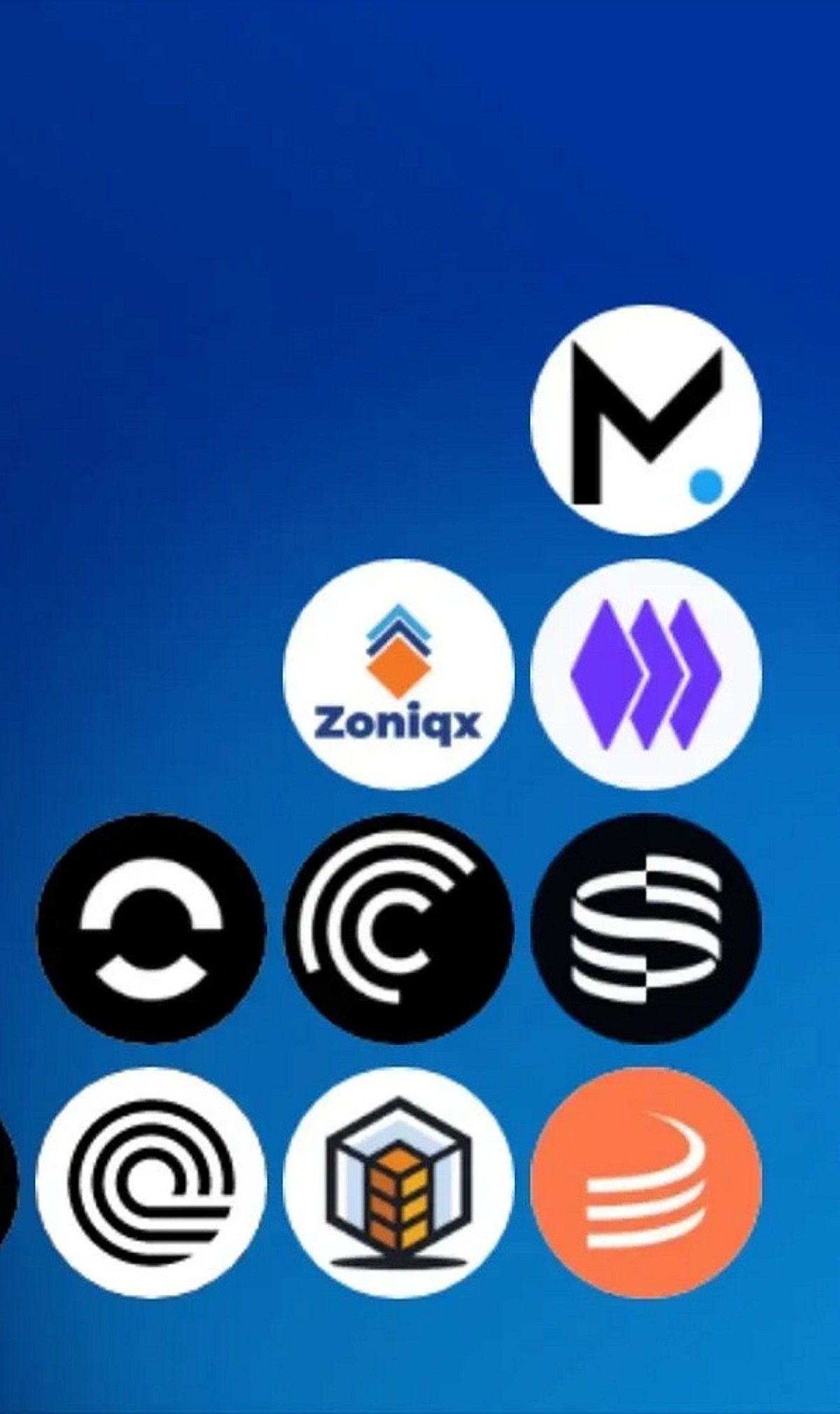
    According to the ED, the suspects operated as self-proclaimed crypto ‘key opinion leaders’ and used Telegram, WhatsApp, Instagram, websites, and in-person meetings to lure victims. They claimed to have access to guaranteed, steeply discounted direct token allocations from major blockchain projects such as MultiverseX, Kava, BEAM, GRASS, SUI, VANA, and AGLD. These private placements typically occur before public exchange listings, making the promised discounts attractive to early buyers. The accused allegedly used false credentials and claimed direct ties with blockchain developers to support their offers.

    Investigators say the group initially completed smaller deals without issues to build trust before investors transferred larger amounts. Funds were routed through a network of wallets, with large portions traced to suspect Ravindra K in Bengaluru, who is believed to be the operator behind the over-the-counter (OTC) deals. After receiving multi-million-dollar investments, the accused allegedly stopped delivering tokens when crypto prices rose, causing investors to lose access to promised allocations.

    ED Actions and Seizures

    The ED’s Bengaluru Zonal Office carried out searches on July 18 and 19, seizing digital devices, emails, wallet records, and encrypted account details. Authorities also seized virtual assets worth about 8,700 USDT (Tether stablecoin). The probe began under the Prevention of Money Laundering Act following a complaint from a Dutch commercial entity and an FIR from the South Andaman Cyber Crime Police. Initial losses were estimated at $10 million, but further checks revealed the suspected fraud exceeded $35 million.

    Officials say the seized material may help trace how funds moved between wallets and personal accounts, and may identify more victims. The ED is reviewing offshore wallets and related payment records for additional transfers. International cooperation may become necessary as the suspected transactions crossed several countries. The agency continues to examine the full network and seeks to freeze assets connected to the case. No court has convicted the named individuals, and the allegations remain under investigation.

  • Ethereum Staking Hits Record 39 Million ETH, Tightening Supply and Boosting Network Security

    Ethereum Staking Hits Record 39 Million ETH, Tightening Supply and Boosting Network Security

    Ethereum has reached a historic milestone as the amount of ETH locked in staking hits an all-time high. Fresh on-chain data reveals that nearly 39 million ETH — over 32% of the total circulating supply — is now securing the network. This surge in staking activity reflects growing investor confidence and is creating a significant supply squeeze that could support future price gains.

    Key Takeaways

    • More than 39 million ETH (over 32% of total supply) is now staked.
    • Lower exchange reserves and ongoing token burning continue to tighten Ethereum’s available supply.
    • Rising institutional participation signals strong long-term confidence in Ethereum.

    Record Staking Levels

    Just a few months ago, the staking ratio stood near 30%. Since then, millions of additional ETH have entered validator contracts. The steady climb shows that long-term investors view Ethereum as an asset with future growth potential rather than a short-term trade. Despite price volatility across the broader crypto market, commitment to staking remains high.

    Supply Squeeze Intensifies

    Once ETH is staked, it leaves the active market and cannot be freely traded unless the owner exits the validator system. As more coins move into staking, the amount available on exchanges shrinks. This lower supply could become a critical factor if buying demand increases. Many market analysts believe this supply shortage could support Ethereum’s price over time, especially if investor interest continues to grow.

    Strong Validator Demand

    The demand to join Ethereum’s validator network remains robust. More than 3 million ETH is currently waiting in the validator entry queue, meaning thousands of investors are willing to stake despite a waiting period of several weeks. At the same time, the exit queue is very small, indicating that most participants are committed to staking rather than moving their ETH back to the market.

    Institutional Adoption Accelerates

    Large financial institutions are a key driver behind this record. Investment firms, digital asset management companies, crypto treasury firms, and professional staking providers continue to expand their Ethereum reserves. Rather than simply holding ETH, many institutions now stake their coins to earn rewards while awaiting long-term price appreciation. This influx of institutional funds further reduces the amount of liquid ETH available for trading.

    EIP-1559 Burn Mechanism Adds Pressure

    Ethereum’s fee-burning mechanism, introduced with EIP-1559, permanently removes a portion of every transaction fee from circulation. During periods of high network activity, the amount of ETH burned can match or exceed the number of newly minted coins. When record staking combines with ongoing token burning, the available supply becomes even tighter.

    Exchange Balances Keep Falling

    The amount of ETH held on exchanges has continued to decline as investors move coins into staking platforms or private wallets. Lower exchange balances generally reduce immediate selling pressure, since fewer coins are ready for quick sales. While this alone doesn’t guarantee higher prices, it strengthens the overall supply squeeze. If demand rises while exchange reserves remain low, price movements could become much more pronounced.

    Liquid Staking Makes Participation Easier

    The introduction of liquid staking technology has been a major catalyst for the surge in staking. Liquid staking services allow investors to stake ETH without losing access to their funds. After staking, they receive liquid staked tokens that represent their original ETH, enabling continued use in DeFi and other applications.

    Network Upgrades Improve Efficiency

    Recent Ethereum upgrades, including the Pectra upgrade, have introduced technical improvements that simplify validator operations and allow larger validator balances. These changes reduce operational complexity for large staking providers while maintaining network security. Better infrastructure makes Ethereum more attractive for institutions managing significant capital, supporting further growth in staking participation.

    What This Means for Ethereum’s Future

    With over 32% of Ethereum’s total supply locked in staking, liquid ETH on exchanges is hitting historic lows. As institutional adoption and tokenization demand grow, this structural supply squeeze could significantly amplify future upward price movements. Short-term prices will still depend on broader economic conditions and overall crypto sentiment, but the long-term supply picture continues to tighten. If demand rises through exchange-traded funds, decentralized finance, tokenization projects, or corporate treasury purchases, the limited supply of available ETH could place additional upward pressure on prices.

    Ethereum now stands in a stronger position than at any previous point in its proof-of-stake era. Record staking participation not only improves network security but also removes millions of coins from active circulation. As this trend continues, Ethereum’s shrinking liquid supply may become one of the most important factors shaping its future market performance.

    Frequently Asked Questions

    How much ETH is currently staked?

    Nearly 39 million ETH, representing more than 32% of Ethereum’s circulating supply, is currently staked.

    What is an Ethereum supply squeeze?

    A supply squeeze happens when less ETH remains available for trading as more coins are locked in staking or removed from circulation.

    Why are institutions staking Ethereum?

    Institutions stake ETH to earn staking rewards while holding the asset for potential long-term price appreciation.

    How does Ethereum reduce its supply?

    Ethereum burns a portion of every transaction fee through the EIP-1559 mechanism, permanently removing ETH from circulation.

    Could higher staking affect ETH prices?

    If demand continues to increase while available supply remains limited, the supply squeeze could support higher ETH prices over time.

    Disclaimer: This article is for informational purposes only and does not constitute financial advice. Cryptocurrency investments carry risk. Always do your own research before making investment decisions.