Tag: blockchain

  • XRP Stays Below $1.20 Despite 70M Token Whale Buy: What’s Next for Ripple?

    XRP Stays Below $1.20 Despite 70M Token Whale Buy: What’s Next for Ripple?

    XRP remains under the $1.20 price mark even after large investors purchased around 70 million XRP tokens in the past week. This strong buying activity typically signals confidence from major holders, but the token has not yet broken through this resistance level.

    The price recently recovered from lows near $1.05 and now trades around $1.10 to $1.12. Even with this recovery, XRP faces pressure near the $1.20 zone. Many traders are watching to see whether the token can finally move above this level or continue trading within its current range.

    Whale Buying Shows Confidence

    Blockchain data from Santiment shows that addresses holding between 1 million and 10 million XRP accumulated nearly 70 million tokens during the week. After this buying spree, the total XRP held by these wallets rose to 3.83 billion units.

    Large investors, often called whales, typically accumulate cryptocurrencies when prices are stable rather than waiting for major price increases. This behavior raises interest because it implies a positive outlook on the coin.

    A further positive development comes from Binance. According to CryptoQuant, the exchange’s XRP reserves have dropped to a five-month low. A decline in exchange-held tokens can reduce immediate selling pressure because fewer assets are available for trading.

    Price Still Faces Resistance

    Despite increased whale buying, XRP has not broken through the resistance zone between $1.12 and $1.20.

    The nearest support area sits between $1.05 and $1.08. As long as the price stays above this zone, the market structure remains stable. A fall below this level could put more pressure on the token.

    Technical indicators present a balanced picture. The Relative Strength Index (RSI) remains close to 50, indicating that buyers and sellers have nearly equal control. At the same time, the MACD indicator has turned positive, which may suggest improving momentum but does not confirm a strong rally yet.

    Market analysts also note that XRP has formed a series of higher lows above $1.00. This pattern often appears before a larger price move if buying demand continues to grow.

    Futures Market Shows More Interest

    Data from CoinGlass shows that XRP futures open interest has reached about $2.5 billion, indicating increased activity in the derivatives market. Higher open interest usually means fresh money has entered the market rather than traders simply closing old positions.

    Market data also highlights a large number of short positions between $1.12 and $1.14. If XRP moves above this range, many short sellers may close their trades, potentially pushing the price even higher in a short period.

    Ripple Continues to Expand Its Ecosystem

    The company remains focused on cross-border payments, blockchain technology, and financial partnerships. These efforts support the long-term use of XRP across the payment industry.

    Ripple’s stablecoin, RLUSD, has also received more attention. Binance recently introduced an XRP rewards campaign connected to RLUSD, helping more users learn about Ripple’s growing ecosystem.

    Market Conditions Matter

    Recent inflation data from the United States has raised hopes that central banks may reduce pressure on financial markets. This outlook has helped improve confidence across digital assets. Bitcoin has also stayed relatively stable, which often supports large altcoins such as XRP.

    Even so, overall trading volume remains lower than levels seen during previous bull markets. Many investors are waiting for a stronger reason before committing more money.

    Why This Matters

    Accumulation of 70 million XRP by major whales signals strong institutional conviction despite immediate price resistance. Lower exchange supply and surging futures activity suggest an impending volatility expansion that could trigger a significant trend shift.

    What Could Happen Next

    A strong move above this resistance could open the path toward $1.30 to $1.40 if the broader crypto market also stays positive. If the price fails to move above $1.20, XRP may continue to trade between $1.05 and $1.20 for some time.

    The recent purchase of 70 million XRP by whale wallets, lower exchange reserves, higher futures activity, and steady technical signals all point toward better market confidence. However, a clear breakout above $1.20 remains necessary before the next major rally can begin. Until that happens, XRP is likely to remain in a phase of consolidation while investors watch for the next big move.

  • Solana (SOL) Long-Term Price Forecast: Scenarios for 2030 and Beyond

    Solana (SOL) Long-Term Price Forecast: Scenarios for 2030 and Beyond

    Solana remains one of the fastest-growing Layer-1 blockchains, but its long-term price outlook is far from certain. Forecasts for SOL by 2030 range from around $90–$300 in cautious scenarios to over $2,000 in highly bullish cases. The outcome will depend on adoption, regulation, and overall crypto market growth.

    Institutional interest continues to strengthen Solana’s investment case. Spot Solana ETF inflows have crossed $1.1 billion, while major financial firms are exploring Solana-based products. Growing adoption by traditional institutions could significantly increase long-term demand for the SOL token.

    Technology remains one of Solana’s biggest advantages. Upgrades like Alpenglow, Firedancer, and future scaling improvements aim to boost speed, reduce latency, and improve network reliability. These innovations could make Solana an attractive platform for payments, DeFi, tokenized assets, and high-frequency trading.

    Real-world asset tokenization is becoming another major growth driver. Tokenized assets on Solana have reached record highs, while companies including Visa, Franklin Templeton, and Société Générale have explored the network for payments and digital asset settlement. Wider enterprise adoption could support higher SOL valuations over time.

    Despite its strengths, Solana faces serious challenges. Ethereum still leads decentralized finance with a much larger ecosystem and total value locked. Solana must also overcome concerns about past network outages, execution risks, and regulatory uncertainty to maintain long-term investor confidence.

    Analysts suggest thinking about Solana in scenarios rather than one fixed price target. A cautious outlook places SOL between $90 and $300 by 2030, while a moderate case sees several hundred dollars through steady ecosystem growth. A bullish scenario above $1,000 would likely require mass stablecoin adoption, expanding institutional investment, and a strong crypto bull market.

    Looking beyond 2030, forecasts become even wider. Some experts see SOL reaching $2,000–$4,000 by 2036 if Solana becomes a key layer for global tokenized finance, while bearish projections remain below $500 if competition, regulation, or adoption disappoints. As with all cryptocurrencies, long-term returns remain highly uncertain and volatile.

  • XRPPower Cloud Mining: Crypto Holders Report Daily Earnings of $4,700 or More

    XRPPower Cloud Mining: Crypto Holders Report Daily Earnings of $4,700 or More

    The cryptocurrency market has evolved far beyond simply buying and holding digital assets. Today, many investors are exploring cloud-based services that allow them to participate in blockchain infrastructure without purchasing expensive mining equipment or managing complex hardware.

    One platform gaining attention is XRPPower, a cloud mining platform established in 2023 and operated by XRP RIPPLE LTD, a company registered in the United Kingdom. The platform combines cloud computing resources with blockchain services to provide users with a simplified participation experience.

    Unlike traditional mining, users do not need to install specialized hardware or maintain mining machines. After creating an account, they can select a suitable cloud mining plan through the platform and manage everything from a web browser or the XRPPower mobile application for Android and iOS.

    Getting Started in Three Steps

    XRPPower is designed with simplicity in mind.

    1. Create an Account

    Create a free account. Receive a $21 sign-up bonus immediately upon registration.

    2. XRP POWER Smart Contract

    Secure and transparent, earnings are real-time verifiable and data is traceable; daily earnings are automatically returned by the smart system. XRPPower currently offers several cloud mining contract options to accommodate different participation preferences. According to the platform, the $21 Starter Contract can be activated once per day and currently displays an estimated daily return of $0.60. The $100 Contract is available as a one-time lifetime purchase per account and currently displays an estimated daily return of $4.00. For users seeking larger participation options, contracts valued at $500 and above are available without a purchase limit. The $500 Contract currently displays an estimated daily return of $6.40. Additional contract options, durations, and details can be viewed after creating an account on the XRPPower platform. Contract terms, availability, and displayed returns are subject to change according to the platform’s published information. By selecting and combining contract plans that align with your participation goals, users may be able to increase their potential daily returns. Additional contract options, terms, and plan details are available on the XRPPower platform.

    3. Track Your Account

    Users can monitor their account activity and manage their participation through the platform dashboard, with withdrawals available according to the applicable platform terms.

    Supporting Multiple Digital Assets

    XRPPower supports several widely used cryptocurrencies, including:

    • Bitcoin (BTC)
    • Ethereum (ETH)
    • XRP
    • USDT
    • USDC

    This allows users to participate using different digital assets depending on their preferences.

    XRPPower Referral Bonus Program

    XRP Power also offers a referral and partner program for users who wish to grow their network. Eligible participants may receive referral commissions and qualify for additional monthly promotional bonuses after meeting the platform’s published requirements. The program currently includes two-level referral rewards of up to 3% for direct referrals and 2% for second-level referrals. Depending on the number of qualified referrals, users may also be eligible to apply for monthly incentive bonuses. Full eligibility requirements, reward details, and participation terms are available on the official XRPPower platform.

    Looking Ahead

    XRP Power combines cloud mining, multi-cryptocurrency support, mobile accessibility, and a community referral program into one platform designed for global users. With simple registration, flexible contract options, and a user-friendly experience, the platform aims to lower the barrier to participating in cloud mining. As the digital asset industry continues to evolve, XRPPower is committed to improving its services and providing users with a convenient way to explore blockchain-based opportunities.

    Disclaimer: This article is provided for informational purposes and does not constitute investment advice. You are responsible for conducting your own research (DYOR) before making any investments. Cryptocurrencies mentioned may be risky and could result in financial loss.

  • Land a Blockchain Job Without Coding: Your Complete Career Roadmap

    Land a Blockchain Job Without Coding: Your Complete Career Roadmap

    Many people think blockchain careers are only for software developers. That idea is no longer true. Today, companies in the blockchain industry need people with many different skills. They look for professionals who can manage communities, write content, build partnerships, support customers, handle projects, and promote products. This shift has opened the door for people who do not know programming but still want to build a successful career in Web3.

    The industry has also grown at an impressive pace. Research shows that the global blockchain market could cross $825 billion by 2032, with a compound annual growth rate (CAGR) of 52.8%. At the same time, Web3 job platforms feature more than 40,000 job openings across over 7,200 companies. Many of these positions focus on business, marketing, customer support, operations, compliance, and research instead of software development. This growth creates exciting opportunities for fresh graduates, career changers, and professionals from different backgrounds.

    Learn the Basics Before You Apply

    You do not need to learn coding to understand blockchain technology. Employers want successful candidates to be able to communicate using the terminology associated with blockchain technology. Start by learning about Bitcoin and Ethereum as these cryptocurrencies are at the core of the phenomenon. Learn how digital wallets function to store assets and how blockchain records transactions. Research smart contracts, even if you never plan to create one. Learn about DeFi, stablecoins, NFTs, DAOs, Layer 2 networks, and tokenomics. The acquired knowledge will help you understand how blockchain projects work and which problems they address.

    Choose a Career Path that Matches Your Strengths

    There are a large number of non-technical opportunities at blockchain companies, so choose one that matches your skills and interests. If writing is of interest, choose content writing as a way to get started in this field. Content writers communicate the meaning of blockchain to people through blog posts, newsletters, online articles, and educational materials. People proficient in communication skills usually manage to become community managers. They interact with users by means of Discord, Telegram, X, answer questions, and support communities of loyal customers using blockchain products. Business development is another great position one can choose. People in this role establish partnerships, connect with clients, and help organizations grow. Product managers cooperate with different teams to develop blockchain products and enhance user experience. Research analysts analyze market tendencies, token performance, and blockchain innovations, while compliance analysts help companies comply with financial and legal requirements.

    Build Skills that Companies Really Need

    Knowledge about blockchain technology alone is not enough. Employers are also interested in practical business skills since every project relies on communication, planning, and interaction with customers. Digital marketing helps companies connect with new audiences using online campaigns. Knowledge of SEO improves website performance, whereas content writing skill enables simplifying complicated information. Public speaking is valuable in various situations such as presentations, webinars, and public events. Sales and business development experience helps attract customers and partners for companies. In addition, you should master various essential workplace tools, including Notion, Discord, Telegram, Canva, Trello, Jira, Google Analytics, and basic Figma. All these apps are used in many blockchain companies regardless of the position.

    Learn Through Trusted Courses

    Many popular learning platforms have created useful courses about blockchain technology. Coursera offers courses such as Blockchain Basics and Blockchain Specialization that can be attended for free. Binance Academy is well known for being one of the best platforms for learning, explaining concepts like Bitcoin, Ethereum, blockchain technology, wallets, and security in simple terms. Coinbase Learn teaches blockchain technology to beginners by explaining all terms in the easiest way possible. For those who want to learn more, Consensys Academy offers courses dedicated to Ethereum, Web3, smart contracts, and blockchain technology. Alchemy University is another place to learn the basics of the Web3 ecosystem.

    Certifications Can Improve Your Profile

    A certification cannot guarantee a job, but it can strengthen a resume and show employers that you have invested time in learning blockchain. One respected option is the Certified Enterprise Blockchain Professional (CEBP) from 101 Blockchains. Blockchain Council also offers several certifications for beginners and professionals. If the plan is to work in product or project management, the Google Project Management Certificate can add value. Those who prefer marketing roles may benefit from the HubSpot Content Marketing Certification as blockchain companies actively search for professionals with strong content skills.

    Build Proof of Your Knowledge

    Most employers value practical experience more than certifications. Building a portfolio with blockchain articles, crypto project reviews, market research, or contributions to DAOs can significantly strengthen your job applications. During job searches, your work history—especially a hands-on portfolio—can be of great help. This can include articles on blockchain topics, crypto project evaluations, and market research studies placed on LinkedIn or Medium. Participation in DAO discussions and volunteering in small projects is also welcomed.

    Job Opportunities and Salary Expectations

    Blockchain companies hire through platforms such as Web3 Career, CryptoJobs, Wellfound, LinkedIn, RemoteOK, AngelList, and Bondex. Web3 Career alone lists over 40,000 blockchain jobs, including remote, entry-level, and non-technical positions. Salary levels depend on experience, company size, and location. Community managers usually earn between $45,000 and $90,000 per year, while content writers often receive $40,000 to $80,000 annually. Business development professionals can earn $70,000 to $150,000, and product managers often receive $90,000 to $180,000 each year. Marketing managers generally earn between $70,000 and $160,000, while operations managers may receive $80,000 to $170,000 annually.

    Why This Matters

    The rapid expansion of Web3 creates thousands of non-technical roles in marketing, operations, and community management. Understanding non-coding pathways allows diverse professionals to capitalize on high-paying Web3 opportunities without needing a software development background.

    Final Thoughts

    A blockchain career no longer depends on coding skills. Today, companies need professionals who can explain products, support customers, manage projects, build communities, create useful content, and develop business partnerships. With the blockchain market expected to exceed $825 billion by 2032, and more than 40,000 active Web3 jobs available across 7,200 companies, this is a good time to enter the industry. By learning the basics, choosing the right specialization, building practical skills, and creating a strong portfolio, you can start a successful blockchain career without writing a single line of code.

    Frequently Asked Questions

    Can I start a blockchain career without coding?

    Yes. Many blockchain companies hire for non-technical roles such as content writing, marketing, business development, community management, and customer support.

    Which blockchain course is best for beginners?

    Coursera, Binance Academy, Coinbase Learn, Consensys Academy, and Alchemy University offer beginner-friendly blockchain courses.

    What skills should I learn for a non-coding blockchain job?

    Focus on blockchain fundamentals, digital marketing, content writing, communication, project management, SEO, and tools like Notion, Discord, and Jira.

    Where can I find blockchain jobs?

    You can search on Web3 Career, CryptoJobs, LinkedIn, Wellfound, RemoteOK, AngelList, and Bondex.

    Is blockchain still a good career choice in 2026?

    Yes. The blockchain market is projected to exceed $825 billion by 2032, and thousands of companies continue to hire professionals across technical and non-technical roles.

  • Top Web3 Browsers for Fast Crypto and dApp Access in 2026

    Top Web3 Browsers for Fast Crypto and dApp Access in 2026

    Web3 browsers are transforming how users access decentralized applications, crypto wallets, and blockchain services, offering greater control over digital identities and a more seamless online experience.

    Leading Web3 Browsers for 2026

    Brave Browser remains a top choice thanks to its built-in crypto wallet, strong privacy protections, and native support for Ethereum and Solana ecosystems.

    Opera Crypto Browser provides an integrated non-custodial wallet, a dedicated dApp explorer, and multi-chain support for a smooth Web3 journey.

    Microsoft Edge continues to expand its Web3 capabilities with wallet integrations and improved compatibility with decentralized applications and extensions.

    Mises Browser has gained popularity among mobile users for its optimized dApp performance, extension support, and smooth blockchain interactions.

    Key Features and Security

    Many Web3 browsers now support popular blockchains including Ethereum, BNB Chain, Polygon, Solana, Base, and Avalanche without requiring complex setup.

    Security features such as phishing detection, wallet isolation, biometric authentication, and private browsing are becoming standard across leading Web3 browsers.

    Best Practices for Safe Usage

    Before connecting any wallet, verify dApps carefully and never approve unknown smart contract permissions to reduce the risk of scams.

    As decentralized finance, NFTs, gaming, and tokenized assets continue growing in 2026, choosing a secure and fast Web3 browser is becoming increasingly important.

  • Best Decentralized Crypto Lending Platforms to Watch in 2026

    Best Decentralized Crypto Lending Platforms to Watch in 2026

    The decentralized finance (DeFi) ecosystem continues to evolve, and crypto lending platforms are at the forefront of this revolution. In 2026, several protocols stand out for their innovative approaches to borrowing, lending, and earning rewards. Here are the top decentralized crypto lending platforms reshaping the landscape.

    Aave

    As the largest DeFi lending protocol, Aave offers deep liquidity across multiple assets and flexible borrowing options, including flash loans and variable interest rates.

    Morpho

    Morpho improves lending efficiency by directly matching borrowers and lenders, reducing reliance on liquidity pools and optimizing interest rates for both parties.

    Spark Protocol

    Backed by MakerDAO, Spark Protocol focuses on stablecoin lending and low-risk yields, making it a go-to platform for conservative DeFi participants.

    Compound

    A pioneer in the space, Compound allows users to earn passive interest on their crypto assets by supplying liquidity to algorithmic money markets.

    Venus Protocol

    Popular on BNB Chain, Venus offers lending, borrowing, and synthetic stablecoin minting, providing a comprehensive DeFi experience within the Binance ecosystem.

    Radiant Capital

    Radiant Capital enables cross-chain lending, connecting multiple blockchain ecosystems and allowing users to borrow and lend assets seamlessly across networks.

    Euler Finance

    Euler Finance introduces advanced lending markets with customizable risk management, giving users more control over their exposure and collateral requirements.

    Liquity

    Liquity offers zero-interest borrowing backed by Ethereum collateral, providing a unique value proposition for users seeking capital efficiency without ongoing interest costs.

    These platforms exemplify the innovation driving DeFi lending in 2026, offering users diverse options for earning yield, accessing liquidity, and managing risk in a decentralized manner.

  • Nigeria Establishes Virtual Asset Council to Regulate Crypto Market and Curb Fraud

    Nigeria Establishes Virtual Asset Council to Regulate Crypto Market and Curb Fraud

    Nigeria has taken a major step toward bringing order to its rapidly expanding cryptocurrency market. President Bola Tinubu signed an executive order on July 17, establishing a Virtual Asset Council that will coordinate regulatory efforts across multiple government agencies, protect digital asset users, and crack down on fraudulent activities.

    The newly formed council brings together key regulatory bodies, including the Central Bank of Nigeria (CBN), the Securities and Exchange Commission (SEC), the Nigeria Revenue Service, the Nigerian Financial Intelligence Unit, and the Office of the National Security Adviser. A dedicated Virtual Asset Office within the CBN will oversee the council’s daily operations and facilitate rapid information sharing among agencies.

    Under the new framework, crypto businesses will register based on the specific services they offer—such as trading, payments, or custody. The SEC will oversee crypto assets classified as securities, while the CBN will supervise crypto payment systems and related services. This clear division of responsibilities is designed to close legal loopholes and simplify compliance.

    “Too often, unregistered and fraudulent operators have exploited these gaps to prey on unsuspecting Nigerians, costing families their savings,” the Presidency stated, explaining the need for the new system.

    Nigeria also plans to release new tax guidelines for digital assets and launch a regulatory sandbox where blockchain companies can test new products under government supervision. The Virtual Asset Council is tasked with preparing detailed rules within 30 days. Meanwhile, lawmakers are considering a new bill that could introduce stricter licensing and compliance requirements for crypto businesses.

  • BlockDAG’s 95x Opportunity Nears Its End as XRP Holds Strong and Aster Struggles to Recover

    BlockDAG’s 95x Opportunity Nears Its End as XRP Holds Strong and Aster Struggles to Recover

    The cryptocurrency market is caught in a tug-of-war this week, with buyers and sellers competing for control. XRP shows cautious strength near $1.107, while Aster crypto struggles to defend the $0.620 support level. Meanwhile, BlockDAG is surging ahead with a potential 95x return opportunity that is closing in just hours.

    XRP Price Prediction: Bulls Target Key Breakout

    XRP is trading around $1.107 after bouncing off the key $1.070-$1.078 support zone. Bulls are now aiming to break and hold above $1.12, which could pave the way for a move toward $1.184. On-chain data reveals whale wallets accumulated approximately 70 million XRP between July 11 and July 15, while Binance’s XRP reserves have dropped to about 2.61 billion tokens—their lowest level since February 2026. Fewer coins on exchanges may reduce near-term selling pressure. However, the RSI at 48.57 indicates only gradual momentum improvement, with mixed technical signals. The XRP price prediction hinges on whether buyers can turn $1.12 into solid support.

    Aster Price Update: Buyers Defend $0.620

    Aster crypto is trading around $0.627, down about 0.86% over the past 24 hours amid broader market pressure. Buyers continue to defend the $0.620 support level, but the token has struggled to break above the $0.630–$0.640 resistance zone. The RSI stands at 46.86, showing neither buyers nor sellers have gained full control, while the MACD points to weak momentum. Trading volume increased to $58.88 million, reflecting active market interest, but buying pressure has not been strong enough to drive prices higher. A break above $0.640 could improve sentiment, while a drop below $0.620 may trigger further short-term losses.

    BlockDAG: Final Hours to Secure 95x ROI

    BlockDAG’s ecosystem is accelerating on multiple fronts. The X1 mobile mining app, already used by over 4 million people, just received an upgrade for a smoother user experience. BDAG AI has officially launched, bringing artificial intelligence tools into the network and contributing to a $500 million jump in valuation. Additionally, the BlockDAGX exchange is set to open within days, offering spot trading, futures trading, and dedicated apps for Apple and Google Play.

    What makes this opportunity stand out is that the entry price remains at a strikingly low $0.00000033, while the buyback rate is set at $0.03, working out to a potential 95x return. This has placed BlockDAG at the forefront of the best crypto to buy conversation. The project’s casino has already attracted over 13,000 users and processed wagers exceeding $150 million in a single month, showcasing strong adoption. With the chance to sell at $0.03 ending in just hours, anyone looking to maximize returns needs to act now.

    Which Is the Best Crypto to Buy Today?

    The XRP price prediction depends on whether $1.12 can flip into solid support, potentially opening the path toward $1.184. Aster crypto needs a clean break above $0.640 to shift sentiment, while a slip below $0.620 could send it lower. Both tokens remain caught between cautious buyers and hesitant sellers. BlockDAG, however, is not waiting for confirmation. With a $500 million valuation jump, an incoming exchange, and a casino processing $150 million in monthly wagers, the project is stacking real traction. The $0.03 buyback unlocking a potential 95x ROI—with only a few hours left—makes BlockDAG the clearest pick for the best crypto to buy in 2026.

    Disclaimer: This article is for informational purposes only and does not constitute investment advice. Always conduct your own research before making any investments.

  • UK Delays DeFi Capital Gains Tax Until 2027: What Investors Need to Know

    UK Delays DeFi Capital Gains Tax Until 2027: What Investors Need to Know

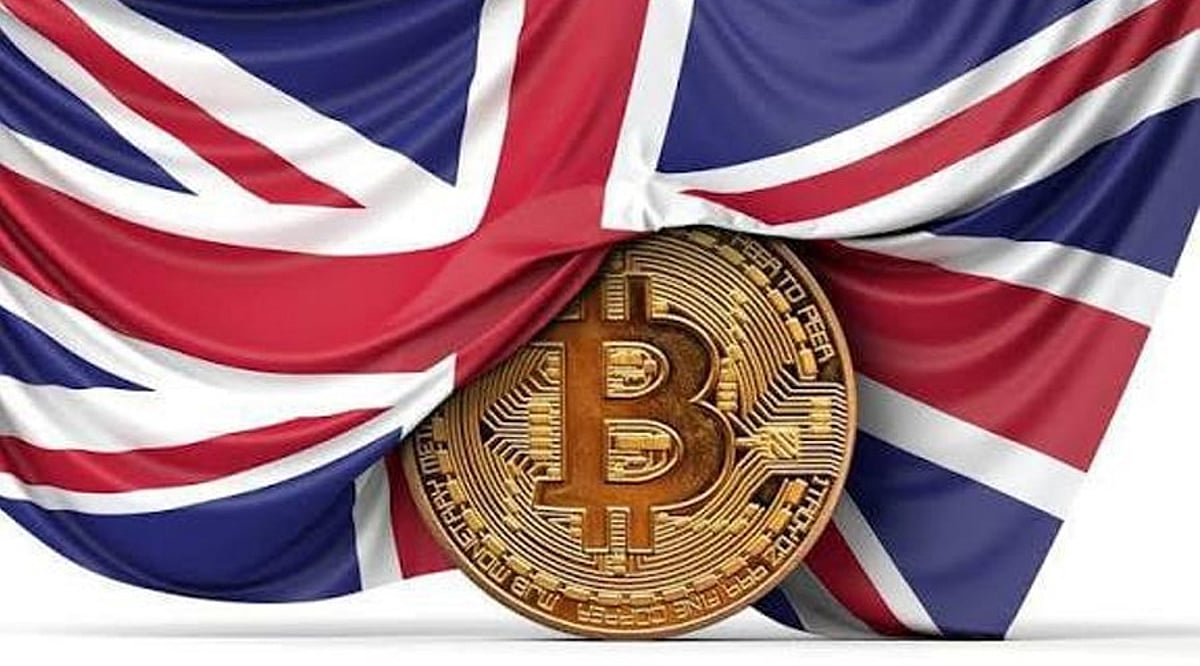
    The United Kingdom has announced a major reform to its cryptocurrency tax framework, deferring Capital Gains Tax (CGT) on qualifying decentralized finance (DeFi) lending and liquidity pool transactions until April 6, 2027. The move, unveiled by HM Revenue & Customs (HMRC), aims to simplify reporting and align taxation with actual economic gains rather than technical transfers.

    Under the new rules, many crypto lending arrangements and automated market maker (AMM) liquidity pools will receive “No Gain, No Loss” treatment. Investors will generally only face CGT when they make a genuine economic disposal of their assets. This addresses a long-standing issue where depositing crypto into lending protocols or liquidity pools could trigger a taxable event even if the investor retained economic exposure.

    New Rules Target Technical Transfers

    Previously, moving cryptoassets between wallets and protocols could create complex record-keeping requirements and potential tax liabilities before any real profit was realized. The revised framework focuses on changes in economic ownership rather than technical transactions. HMRC estimates that approximately 700,000 individuals could benefit from the reforms.

    The legislation creates separate rules for single-asset lending, crypto borrowing, and AMM liquidity pools. Each category reflects different DeFi activities:

    • Lending: Investors can lend qualifying cryptoassets without immediately triggering CGT.
    • Borrowing: Rules clarify how the tax system handles borrowed assets and supporting collateral.
    • Liquidity Pools: Providers generally receive No Gain, No Loss treatment when depositing and withdrawing assets, provided they recover substantially the same assets originally supplied. Any difference between deposited and withdrawn assets will normally create a taxable gain or loss.

    HMRC Seeks Simpler DeFi Tax Reporting

    HMRC said the reforms aim to make cryptoasset taxation fairer and easier to administer. The changes follow several years of industry engagement, including consultations launched in 2022. Industry stakeholders had argued that existing guidance created excessive compliance duties and that technical transfers should not be taxed like conventional investment sales.

    The revised policy therefore connects taxation more closely with the commercial substance of blockchain transactions. Investors will still owe CGT when they ultimately realize genuine gains. The reforms are part of the UK’s wider digital asset strategy, which has covered tokenized securities, stablecoin regulation, and blockchain-based wholesale financial markets.

    Conclusion

    The UK crypto tax reform defers CGT on qualifying DeFi lending and liquidity pool transactions from April 2027. By taxing genuine economic disposals instead of technical transfers, HMRC aims to reduce the reporting burden for investors. Crypto users should review the eligibility rules before the framework takes effect.

  • Solana Price Targets $80 as Alpenglow Upgrade and Grayscale ETF Filing Fuel Optimism

    Solana Price Targets $80 as Alpenglow Upgrade and Grayscale ETF Filing Fuel Optimism

    Solana (SOL) is trading near $76.26 after a 1.83% gain in the past 24 hours, outperforming Bitcoin and the broader crypto market. The rally comes as Grayscale updates its filing for a proposed Solana staking ETF, and on-chain metrics show strong stablecoin inflows and decentralized exchange (DEX) activity. Traders are now watching key support at $74.50 and resistance near $78–$80, with the upcoming Alpenglow upgrade in late August 2026 adding a long-term catalyst.

    Grayscale ETF Filing Boosts Institutional Sentiment

    Grayscale’s revised filing for a Solana staking ETF has injected fresh institutional interest into the market. The document outlines a structure where the fund would distribute staking rewards to shareholders at periodic intervals, offering regulated investors exposure to both SOL price appreciation and network yields. While the U.S. Securities and Exchange Commission has not yet approved the product, the update signals that asset managers continue to advance Solana-based investment vehicles. Regulatory decisions and further filing amendments will determine the next steps.

    On-Chain Data Supports Demand

    Beyond the ETF narrative, on-chain fundamentals are reinforcing Solana’s price action. Circle reportedly issued an additional $500 million in USDC on the Solana network, boosting available stablecoin liquidity for trading, payments, and DeFi applications. Meanwhile, Solana recorded approximately $1.55 billion in 24-hour DEX volume, surpassing other major chains. These metrics indicate that the current move is not purely speculative but backed by real network usage. Stablecoin growth and exchange activity provide measurable data for traders to assess alongside the ETF proposal.

    Price Levels and Technical Outlook

    Solana has held above the critical $74.50 support zone after bouncing from an intraday low near $74.54. Buyers have defended this level multiple times; a daily close below it could open the door to $72–$73. On the upside, immediate resistance lies at $76.05, $76.82, and $78.64. A clean break above this range could target $80.83, with the next major level near $84.18. Stronger volume is needed to confirm a sustained breakout. Conversely, losing $74.50 might push the price toward $70, and a deeper decline could retest the $64 region. Long-term forecasts of $400–$1,000 remain speculative and depend on future market cycles.

    Alpenglow Upgrade on the Horizon

    The Alpenglow consensus upgrade, planned for late August 2026, aims to reduce transaction finality to approximately 150 milliseconds and minimize confirmation delays for high-volume applications. Traders will monitor the rollout schedule, test results, and any pre-deployment changes. The upgrade could enhance Solana’s scalability and attract further developer activity.