Tag: cloud computing

  • Amazon’s $25B AI Bond Sale Signals Shift in Tech Debt Markets: Abishai Financial Asia Analysis

    Amazon’s $25B AI Bond Sale Signals Shift in Tech Debt Markets: Abishai Financial Asia Analysis

    A surprise $25 billion bond offering from Amazon has pushed artificial intelligence-related borrowing toward $270 billion, yet thinning order books, wider yield concessions, and shrinking free cash flow expose how heavily the cloud giants now rely on the bond market.

    The sale, characterized by Bank of America as a surprise transaction, lifts Amazon’s total borrowing to $92 billion over recent months. Across the broader market, AI-related debt now stands at approximately $270 billion over the same period—nearly double the $136 billion issued in all of the previous year. Hyperscaler bonds account for an estimated $194 billion of that total, and Abishai Financial Asia views the sale as a marker of how sharply the sector’s funding needs have shifted.

    This offering comes only months after an earlier $37 billion deal, an interval Bank of America considers unusually compressed. Amazon has signaled to underwriters that it intends no further issuance in the near term. Order books closed at 2.5 times the amount offered, down from 3.2 times on the earlier deal and the softest cover for any hyperscaler since a comparable $30 billion sale from Meta late last year. To attract buyers to maturities as long as 40 years, Amazon conceded 18 to 21 basis points above comparable securities.

    The individual deal sits within a broader repricing of technology credit. Morgan Stanley expects annual AI-related issuance to rise to $570 billion. Daniel Coventry, Director of Private Equity at Morgan Stanley, described a sector that has “moved decisively beyond operating cash flow and into the bond market as a standing source of finance,” a shift he believes warrants closer monitoring of aggregate exposure budgets. The five largest hyperscalers have together raised $121 billion in US corporate bonds over the past year, compared to an annual average of $28 billion across the preceding four years—a 332% increase.

    Amazon’s reliance on debt reflects an equally rapid rise in spending. Web Services revenue reached $35.6 billion in the most recent quarter, a 24% increase year-over-year. CEO Andy Jassy stated publicly that the division faces greater demand than it can currently supply, with chip availability the binding constraint, even as the group directs $43.2 billion toward cloud and generative AI capacity in the opening quarter alone. Committed capital expenditure now stands at $200 billion, while trailing free cash flow has contracted to $1.2 billion from $25.9 billion a year earlier. Capital spending now absorbs 94.5% of operating cash flow.

    Comparable pressures run across the sector. Oracle has raised $27.7 billion over the past year, and Meta recently arranged a $27 billion private credit facility with Blue Owl to fund a data center campus in Louisiana. Alphabet has placed the first 100-year bond from a technology issuer in decades. S&P Global warns that credit quality faces erosion should the anticipated recovery in cash flow fail to materialize. With Oracle already carrying a BBB rating on a negative outlook, Coventry observed that “an investment grade label alone is no longer a sufficient guide to the risk embedded in these balance sheets.”

    The strain reflects a widening gap between what cloud providers earn and what they spend. The five largest are on course to commit some $750 billion to capital expenditure—equivalent to 38% of revenue—and set to approach $1 trillion within four years. Quarterly operating cash flow of $26 billion sits against outlays of $44.2 billion. Rate expectations offer only a partial offset, with global investment grade credit currently yielding around 4.4%. Coventry maintains that “disciplined exposure management, rather than passive reliance on a rating, is the more defensible posture while issuance continues at this pace.”

    Set against secondary markets where roughly $50 trillion of US corporate bonds trades barely $43.5 billion on an average day, the build-out leaves institutional investors weighing resilience as closely as return. Hedging through credit default swaps has climbed sharply in recent quarters, even as secondary depth in the newest paper stays thin. Widening yield premiums and thinning cover point to a durable change in how that risk is priced, one that rewards active management of single issuer limits over confidence in a rating alone. Abishai Financial Asia reads the present wave of infrastructure-led issuance as a test of capital discipline that is only beginning.

    About Abishai Financial Asia

    Abishai Financial Asia Pte. Ltd. (UEN 201016239E) is a Singapore-based asset manager and research-led partner in capital allocation. Its approach compounds capital in public markets through active equity selection, bottom-up research, and disciplined rebalancing, supported by overlay tools such as systematic tilts, opportunistic hedging, and drawdown-aware controls. Governance rests on macro-aware risk budgeting, with explicit limits, concentration and liquidity guardrails, stress testing, and transparent attribution. Environmental, social, and governance factors are embedded wherever financially material. The firm is exploring compliant structures that could, subject to suitability, extend selected solutions to retail qualified investors over time. Further information is available at https://abishai.com; media enquiries may be directed to Peng Joon at p.joon@abishai.com.

  • Oracle Fusion Cloud Expert Builds Resilient Pricing Systems for Volatile Commodity Markets

    Oracle Fusion Cloud Expert Builds Resilient Pricing Systems for Volatile Commodity Markets

    The London Metal Exchange (LME) operates on its own relentless schedule: copper closes at one price on Tuesday, opens at another on Wednesday, and by the time a Friday shipment leaves a warehouse, the price that mattered when the order was booked may bear no resemblance to the price that matters when the invoice is cut. For metals and mining companies, that gap between booking and billing has long lived inside spreadsheets, side-channel emails, and manual reconciliation processes that quietly drain margin from the order-to-cash cycle.

    Inside a Big Four management consulting firm’s Oracle Cloud Supply Chain practice, a senior Principal Oracle Cloud SCM Consultant has spent over two decades designing systems that close that gap. Nabil Parkar specializes in Order Management, Pricing, Supply Chain, and Financial integration across Oracle E-Business Suite and Oracle Fusion Cloud. Over twenty-two years, he has built what colleagues describe as “bulletproof” pricing engines for metals and mining enterprises whose product prices are dynamically linked to global indices like the LME. The architecture handles scenarios standard ERP pricing models were never built for: next-day closing-price consideration, shipment-date repricing, future-date fixation, and floating-to-fixed conversions—all running concurrently across multi-contract environments.

    Commodity-driven industries don’t behave like the catalog businesses ERP pricing was originally designed for. “Commodity-driven industries require pricing systems that are not only technically scalable but also commercially intelligent,” Parkar says. “Traditional ERP pricing models are often insufficient for industries such as metals, mining, energy, and commodities where pricing changes daily or even hourly based on global exchanges.”

    The frameworks Parkar has architected push pricing logic out of side spreadsheets and into the order lifecycle itself. Repricing triggers automatically at order booking, shipment confirmation, delivery execution, and any future-date commodity-fixation event. Customers can lock future prices, accept next-day closing rates, reprice at the shipment stage, or move between floating and fixed pricing based on contractual rules. Every step leaves an audit trail—critical in a volatile market where the question of which LME rate was used and why is never abstract.

    Results give the work its weight. Manual pricing intervention dropped by roughly 70–80% in environments where Parkar’s frameworks were implemented. Pricing-related disputes fell by more than 60%. Order-to-cash cycle times accelerated by 30–40%. Pricing reconciliation effort during invoicing and audits dropped by more than half. These aren’t marginal gains from incremental tuning; they are structural changes that can transform how a metals business closes its books.

    Parkar’s preventive-control discipline extends beyond price into the financial instruments that secure high-value export sales. His March 2026 paper in the International Journal of AI, Big Data, Cloud and Mobile Systems describes a Financial Instrument Control architecture that embeds Bank Guarantee and Security Deposit validation directly inside Oracle’s order-booking lifecycle, replacing spreadsheets that metals exporters had long relied on to track customer coverage. In production use, the model reduced booking exceptions tied to insufficient financial coverage by roughly 85–95%.

    A separate February 2026 paper, this one in the International Journal of Engineering Trends in Computer Science and Information Technology, takes on the SKU problem from another angle. Metals customers don’t order by SKU; they order by grade, alloy, and material specification. Standard ERP forces SKU commitment at order entry. Parkar’s attribute-based fulfillment architecture decouples the two, so an attribute-driven order can land on whichever SKU is actually available.

    For Parkar, the hardest part of the design wasn’t the technology—it was the discipline. Pricing behavior varied with the customer contract, shipment timing, and the state of the underlying market, all at once. Holding all of that inside a configurable Oracle pricing architecture, instead of letting it sprawl across one-off customizations, was the engineering problem.

    Across multiple Oracle EBS R12 transformations and Oracle Fusion Cloud modernization programs at large commodity-driven enterprises, and across a body of four published papers in supply-chain and procurement journals through early 2026, Parkar has been the architect translating commercial pricing logic into something the system can execute and the finance team can audit. He has worked across supply chain teams, finance, and executive leadership to align ERP pricing with how commodity markets actually behave. Most ERP implementations gloss over that alignment; most pricing teams find out about it only after the disputes start arriving.

    What comes next, in Parkar’s view, is the end of pricing as back-office plumbing. He points to real-time market-integrated engines and AI-assisted pricing recommendations, predictive shipment optimization, event-driven repricing, and cloud-native governance frameworks—all heading in the same direction. Oracle Fusion Cloud is moving that way too, with configurable workflows, intelligent automation, and analytics built into the pricing layer itself. The deeper shift, he argues, is the move from static pricing to adaptive models, where the final price stops being a number set at booking and becomes a function of contracts, logistics events, commodity indices, customer agreements, and supply chain conditions, all weighed at once.

    “From firsthand implementation experience, successful pricing transformation depends not only on technology but also on deeply understanding the business behavior behind pricing decisions,” Parkar says. “The ability to translate complex commercial pricing logic into scalable ERP architecture is what ultimately creates long-term operational resilience and competitive advantage.” For metals businesses that have lived with the gap between the booking price and the invoice price, that translation is the difference between a margin and a reconciliation.

  • How AI, Data Sovereignty, and Sustainability Are Reshaping Cloud Strategy: Insights from OVHcloud’s Terry Maiolo

    How AI, Data Sovereignty, and Sustainability Are Reshaping Cloud Strategy: Insights from OVHcloud’s Terry Maiolo

    As AI accelerates cloud adoption, enterprises are placing greater emphasis on transparent pricing, energy-efficient infrastructure, data governance, and regulatory compliance to build resilient cloud strategies for long-term business growth.

    Key Takeaways

    • Cloud strategy is shifting beyond IT, with data sovereignty, compliance, and governance becoming critical business priorities worldwide.
    • Sustainable cloud infrastructure can reduce energy use, improve efficiency, and support AI workloads without compromising performance or security.
    • Businesses should evaluate cloud providers based on transparent pricing, responsible data handling, and long-term scalability for AI-driven growth.

    Cloud computing is evolving rapidly, but businesses are also facing new challenges, including rising costs, security concerns, compliance requirements, AI-driven workloads, and sustainability goals. In this exclusive podcast interview, Priya Diyalani speaks with Terry Maiolo, Vice President and General Manager, APAC, at OVHcloud, about how organizations can build a cloud strategy that drives innovation, protects data, and supports long-term sustainability.

    Q: Could you tell us about OVHcloud, your role, and what makes the company different from other cloud providers?

    Absolutely. At OVHcloud, we are a pure cloud provider with 46 data centers across four continents and 30 local zones worldwide. In APAC, we operate one data center in Mumbai, two in Singapore, and three in Sydney, and I oversee the entire Asia-Pacific region. What makes us different is that we are a European cloud provider, so we comply with GDPR standards, giving customers greater data sovereignty. Another major difference is that we build our own servers and use our direct-to-chip water cooling technology, which we have developed over the last 20 years. This allows us to run data centers without traditional air conditioning while improving energy efficiency.

    Q: Regulations and global developments are changing the cloud industry. How are these factors influencing enterprise decisions?

    I believe cloud decisions are no longer only about technology. Businesses are becoming much more aware of where their data is stored and who has access to it. Regulations like India’s Data Protection Act are encouraging organizations to take data sovereignty seriously. At the same time, many customers are looking for cloud providers that are not governed by laws such as the US Cloud Act. I see cloud strategy becoming a discussion about business, governance, and compliance rather than just an IT decision.

    Q: Sustainability has become a major boardroom topic. How is OVHcloud approaching it?

    We believe sustainability should not come at the cost of performance. Our direct-to-chip water cooling captures heat directly from the processors, so we use less electricity and less water while increasing server density. We also manufacture our own servers, extend their life through reuse, recycle components whenever possible, and have achieved zero waste. I think organizations can meet sustainability goals while still improving efficiency and reducing costs.

    Q: AI is changing how data is created and used. How should businesses think about data sovereignty today?

    I think companies need to consider two things: how they use their own data and how their cloud provider handles it. At OVHcloud, we have made a clear decision not to monetize customer data in any form. At the same time, I believe businesses need a provider with a global presence so their data stays close to their operations while maintaining security, compliance, and low latency.

    Q: AI is increasing the demand for computing power. How can organizations balance AI growth with sustainability?

    I believe this is one of the biggest challenges for the industry. AI requires more computing power, energy, and infrastructure, so cloud providers must continue improving efficiency. I also encourage businesses to ask cloud providers about hidden costs, including data transfer fees, because these can become significant as AI usage grows. Sustainable infrastructure should also provide predictable costs.

    Q: Finally, what does a successful cloud strategy look like over the next decade?

    I believe organizations should move beyond talking about sustainability and sovereignty and start putting those goals into action. Responsible cloud infrastructure already exists, and businesses do not have to choose between performance, security, sustainability, and cost. I believe they can achieve all of these together by selecting the right cloud partner and making long-term strategic decisions.

  • How AI and Self-Healing Systems Are Revolutionizing Retail Technology

    How AI and Self-Healing Systems Are Revolutionizing Retail Technology

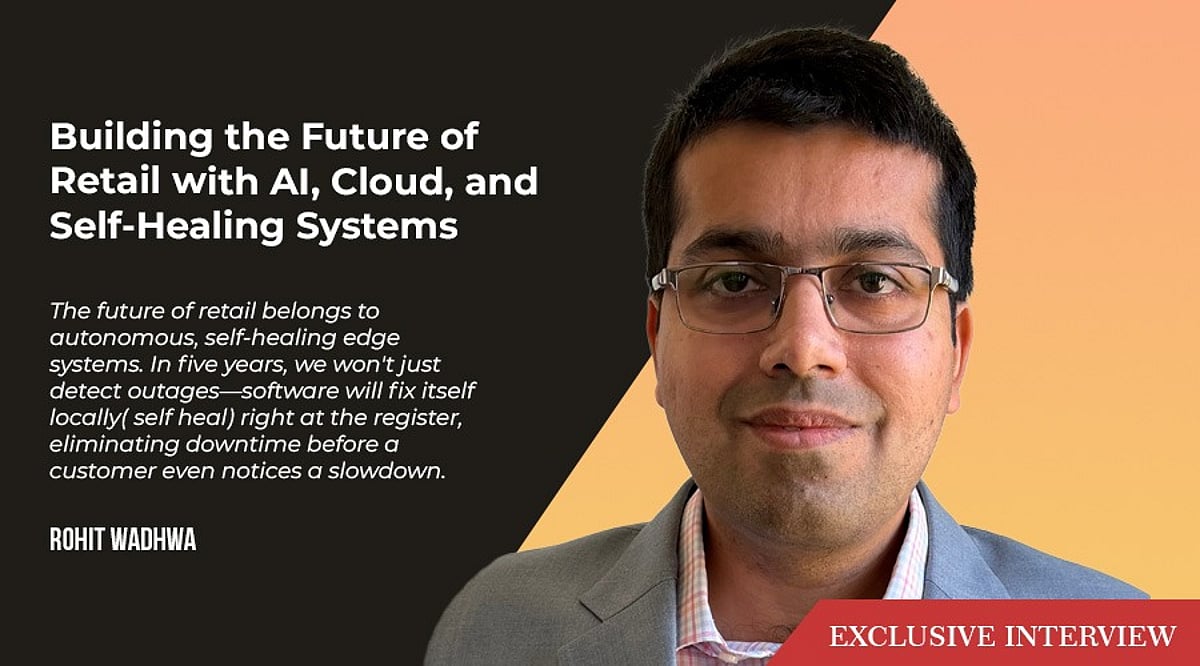
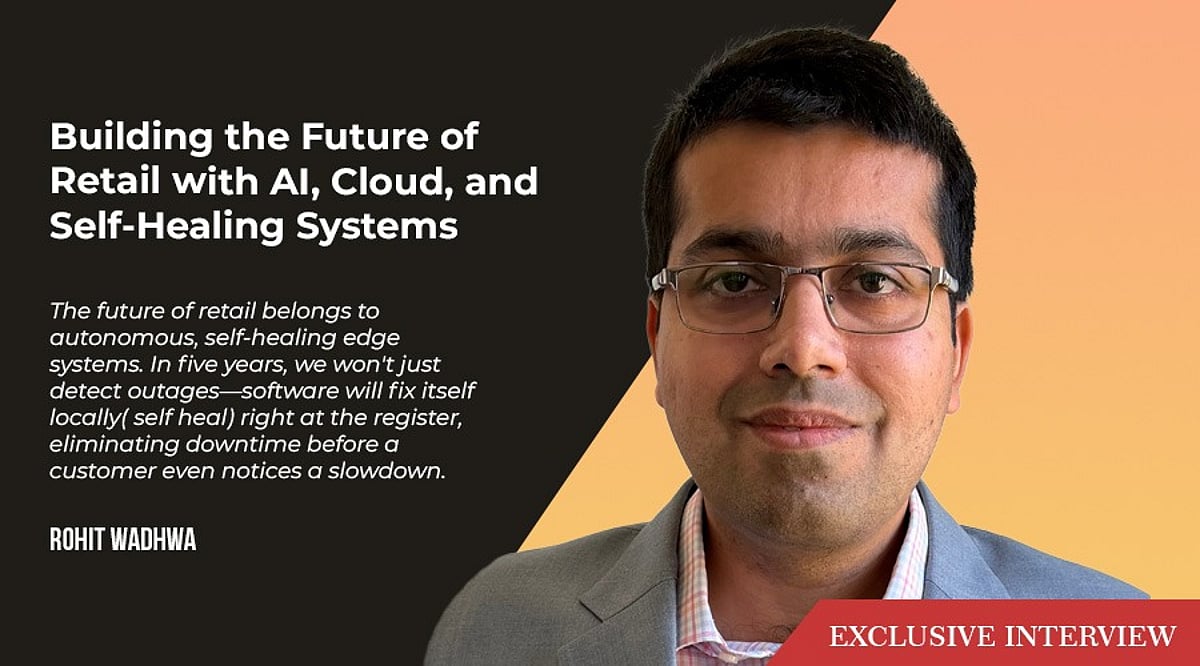
    In an era where retail transactions exceed $1 billion in volume, senior software engineer and architect Arundhati Kumar shares insights from over 15 years of building high-performance distributed systems. Her journey, from modernizing Fannie Mae’s mortgage platforms to leading global retail technology, reveals how AI, cloud, and self-healing infrastructure are redefining the shopping experience.

    From Finance to Retail: A Leap in Scale

    Kumar’s transition from banking to retail meant moving from secure, precise transactions to a flood of real-time data from thousands of physical stores. Today, she leads cross-functional teams designing omnichannel point-of-sale applications for one of the world’s largest retailers. The key challenge: ensuring software runs fast and reliably across legacy registers and modern mobile apps, even with unpredictable network connections.

    Checkout Doctor: Bridging the Visibility Gap

    Inspired by register glitches that stalled checkout lines, Kumar created Checkout Doctor—an automated diagnostic assistant that analyzes local device logs in real time. When a scale or peripheral fails, it instantly alerts associates via mobile devices, shifting support from reactive to proactive. This self-healing approach keeps lines moving and reduces downtime.

    AI in Site Reliability Engineering

    Large language models (LLMs) are transforming incident management by providing plain-English summaries from error logs, cutting down time to diagnose outages. Kumar emphasizes that AI delivers the most measurable value in noise reduction and early triage—correlating telemetry spikes to pinpoint root causes before thresholds are breached.

    Cloud Migration Lessons

    Leading a migration from legacy SQL to Azure Cosmos DB, Kumar learned that you can’t copy-paste old database mindsets. Rethinking data organization around partition keys like store numbers and lanes, and accepting eventual consistency, reduced costs and improved availability during peak shopping seasons.

    Event-Driven Architecture and Loss Prevention

    Event-driven architecture replaces batch processing with instant event streams via websocket servers. This enables real-time visibility and automated decisions—such as pausing a checkout when a barcode mismatch is detected, and prompting associates to intervene. Such techniques help combat the multi-billion-dollar challenge of retail shrink.

    The Future: Autonomous Infrastructure

    Kumar is most excited about predictive workflow integrity, where machine learning models on edge devices autonomously fix anomalies—like routing around a slowing database—before humans even see an alert. Her advice to leaders: build systems that survive locally without cloud dependency, and treat AI as a co-pilot, not a replacement for human intuition.

  • Revolutionizing Retail: How AI, Cloud, and Self-Healing Systems Are Reshaping the Industry

    Revolutionizing Retail: How AI, Cloud, and Self-Healing Systems Are Reshaping the Industry

    In an era where retail technology is evolving at breakneck speed, senior software engineer and architect Arundhati Kumar offers a deep dive into the innovations driving the future of omnichannel commerce. With over 15 years of experience building high-performance distributed systems across healthcare, banking, and now global retail, Kumar shares insights on how AI, cloud computing, and self-healing infrastructure are transforming the way retailers operate at scale.

    The Challenges of Engineering at Massive Scale

    When you’re supporting thousands of physical stores with diverse hardware—from legacy cash registers to modern mobile checkout apps—the biggest challenge is ensuring speed and reliability across unpredictable network conditions. Kumar explains that her team had to build custom adapter layers to standardize conflicting data payloads, and engineer systems that can instantly drop into offline mode, saving transactions locally and syncing back to the cloud once connectivity is restored—without losing a single cent of revenue.

    Checkout Doctor: A Self-Healing Solution

    Inspired by store associates struggling with checkout glitches, Kumar designed Checkout Doctor, an automated real-time diagnostic assistant. Instead of waiting for centralized IT support, the system analyzes local device logs, isolates issues like a scale malfunction or peripheral disconnect, and triggers alerts directly on the associate’s mobile device. This shifts the support model from reactive to proactive, keeping lines moving and reducing customer frustration.

    How AI Is Changing Site Reliability Engineering

    Large language models (LLMs) are revolutionizing incident detection by reducing the time engineers spend digging through disparate dashboards and logs. Kumar notes that feeding real-time error logs and alerts into an LLM provides on-call engineers with a plain-English summary of the problem, along with context from past incidents. This acts as an intelligent co-pilot, dramatically cutting the time to understand and resolve critical outages.

    The Measurable Value of AI in Operations

    Rather than fully automated fixes, Kumar believes the greatest value of AI today lies in extreme noise reduction and early triage. In massive enterprise setups, a single microservice failure can trigger cascading alerts. AI correlates telemetry spikes, filters out background noise, and points engineers directly to the root cause. Additionally, machine learning models can flag anomalies—like a spike in database latency—long before a threshold is breached, enabling preemptive patching.

    Lessons from Migrating to Cloud-Native Architecture

    Leading a migration from legacy relational systems to Azure Cosmos DB, Kumar learned that you can’t simply replicate old database patterns. Her team had to completely rethink data organization, grouping by store numbers and register lanes as partition keys, and accepting some data duplication. This trade-off slashed expensive cross-partition queries, kept cloud costs low, and ensured maximum availability during peak shopping seasons.

    Event-Driven Architecture for Real-Time Decisions

    Event-driven architecture replaces batch processing by treating every register action—a barcode scan, a voided item, a payment—as an instant event broadcast via websocket servers. This gives business leaders a live view of store performance and enables automated decisions, such as sending an alert to a nearby associate when an unusual pattern is detected during a live checkout session. It catches faults and errors before the customer leaves the lane.

    Combating Retail Shrink with Intelligent Automation

    Retail shrink is a multi-billion-dollar problem, but Kumar’s approach prevents losses at the checkout lane by linking real-time register logs with overhead camera feeds. If a missed scan or barcode mismatch is detected, the system pauses the session mid-transaction with a friendly nudge to rescan. If the issue persists, a silent notification goes to an associate’s mobile device, protecting the bottom line while keeping the experience seamless.

    Emerging Trends: Autonomous Infrastructure

    Looking ahead, Kumar is most excited about autonomous, self-healing infrastructure and edge-computed intelligence. Instead of using AI reactively to summarize logs after an outage, future systems will run predictive models directly on local edge hardware—like thousands of retail registers. These models will monitor health and transaction patterns, fixing anomalies autonomously (e.g., routing around a slowing database) long before a human engineer is alerted. This marks the end of the traditional on-call nightmare, turning software into something that actively looks after itself.

    Advice for Enterprise AI Implementation

    Kumar offers two key pieces of advice for leaders: First, build systems that survive locally without relying on the cloud. Local hardware must be smart enough to run in offline mode, catch errors, and make decisions on the spot. Second, treat AI as an intelligent co-pilot, not a replacement. Use a tiered intervention model: let the system handle noise reduction and simple self-healing, but when complex failures occur, use AI to arm engineers with a plain-English context summary rather than letting the machine guess blindly. Build guardrails that empower teams, not black boxes.

    As retail continues to evolve, the integration of AI, cloud, and self-healing systems is not just a trend—it’s a necessity. Kumar’s insights provide a roadmap for building resilient, customer-friendly technology that can handle the demands of modern commerce.

  • Top 9 Long-Term Growth Stocks to Buy in July 2026

    Top 9 Long-Term Growth Stocks to Buy in July 2026

    Investors seeking stable, long-term growth should consider these nine stocks that are well-positioned for sustained performance across technology, healthcare, and financial services. Each company benefits from strong fundamentals, recurring revenue streams, and exposure to secular trends such as AI, cloud computing, digital payments, and advanced manufacturing.

    1. NVIDIA

    NVIDIA maintains its leadership in AI hardware innovation through advanced GPUs that power data centers, autonomous vehicles, enterprise computing, and AI applications worldwide.

    2. Microsoft

    Microsoft continues to expand its cloud computing and AI software offerings while maintaining robust recurring revenues from enterprise services, supporting long-term shareholder value and consistent growth.

    3. Amazon

    Amazon benefits from e-commerce dominance, AWS cloud leadership, and growing investments in AI, driving sustained revenue and profitability across global markets.

    4. Alphabet

    Alphabet strengthens its digital advertising, cloud computing, and AI platforms while investing aggressively in future technologies, supporting diversified long-term business expansion globally.

    5. Meta Platforms

    Meta Platforms continues to grow advertising revenue while advancing AI infrastructure, smart devices, and immersive technologies for future digital experiences.

    6. Taiwan Semiconductor Manufacturing Company (TSMC)

    TSMC manufactures advanced semiconductor chips that power smartphones, AI servers, automotive technologies, and next-generation computing platforms worldwide.

    7. Eli Lilly

    Eli Lilly strengthens its pharmaceutical leadership through innovative treatments for diabetes, obesity, and neuroscience, supported by expanding global healthcare demand and robust research pipelines.

    8. Visa

    Visa benefits from increasing digital payment adoption and cross-border transactions, along with resilient financial services that support dependable long-term earnings growth across international markets.

    9. Broadcom

    Broadcom delivers semiconductor and infrastructure software solutions while benefiting from accelerating AI networking demand and enterprise digital transformation investments globally.

  • Top Cloud Computing Stocks to Watch in India

    Top Cloud Computing Stocks to Watch in India

    India’s cloud computing sector is rapidly expanding, driven by digital transformation across industries. Here are the leading Indian IT companies offering robust cloud services and solutions.

    Tata Consultancy Services (TCS) – A global IT leader providing enterprise cloud migration, infrastructure management, and digital transformation services across multiple industries and international markets.

    Infosys – Strong cloud capabilities through strategic partnerships, helping businesses modernize infrastructure, improve scalability, and accelerate digital transformation initiatives worldwide.

    HCLTech – A leading cloud services provider specializing in hybrid cloud, cybersecurity, application modernization, and enterprise digital transformation for global clients across sectors.

    Wipro – Expands cloud consulting and managed services through strategic collaborations with major cloud providers, supporting enterprises undergoing digital modernization successfully worldwide.

    Tech Mahindra – Offers cloud transformation, AI integration, and enterprise technology services, helping organizations improve efficiency, agility, and customer experience across industries globally.

    LTIMindtree – Delivers cloud migration, analytics, AI solutions, and managed services, enabling businesses to modernize operations and optimize digital infrastructure effectively worldwide.

    Mphasis – Focuses on cloud-native application development, migration services, automation, and financial technology solutions for enterprise customers across international markets.

    Persistent Systems – Provides cloud engineering, software development, AI integration, and digital platform services, supporting businesses embracing next-generation technology solutions globally.

    Coforge – Expands cloud transformation services across banking, insurance, aviation, and healthcare sectors, helping enterprises accelerate innovation and operational efficiency through technology.

  • Alphabet Stock at $356 in July 2026: Strong Buy Backed by AI and Cloud Growth

    Alphabet Stock at $356 in July 2026: Strong Buy Backed by AI and Cloud Growth

    Alphabet Inc., the parent company of Google, YouTube, Android, and Google Cloud, remains one of the most dominant technology stocks in July 2026. Trading near $356 to $367 per share, the stock has delivered nearly 20% gains year-to-date, driven by stellar earnings, rapid cloud expansion, and aggressive artificial intelligence investments. Despite regulatory headwinds, Wall Street analysts maintain a positive outlook, with price targets ranging from $399 to $435.

    Current Stock Price Performance

    As of July 3, 2026, Alphabet Class C shares (GOOG) trade around $356–$358, while Class A shares (GOOGL) hover between $360 and $367. The stock surged to a 52-week high of $404.47 in May 2026, and although it has pulled back slightly, momentum remains strong. Year-to-date returns of 15–20% outperform many large-cap tech peers.

    Strong Financial Results Drive Investor Confidence

    Alphabet reported quarterly revenue of $109.9 billion, a 22% increase year-over-year. Earnings per share came in at $5.11, far exceeding analyst expectations of $2.68. These robust figures underscore the company’s ability to generate massive profits while investing heavily in future technologies.

    Google Cloud Emerges as a Key Growth Engine

    Google Cloud posted a remarkable 63% year-over-year revenue growth in the latest quarter. Enterprises increasingly rely on cloud services for data storage, AI workloads, and cybersecurity, positioning Google Cloud as a formidable competitor to Microsoft Azure and Amazon Web Services. Analysts expect this segment to become a major profit driver in the coming years.

    Massive AI Investment Plans

    Alphabet is allocating $180–$190 billion in 2026 for AI infrastructure, including data centers, custom TPU chips, and its Gemini AI platform. The company recently raised $80–$85 billion to finance this expansion. While such spending may pressure short-term margins, investors view it as essential for maintaining leadership in the global AI race.

    Entry into the Dow Jones Industrial Average

    On June 29, 2026, Alphabet joined the prestigious Dow Jones Industrial Average, replacing Verizon Communications. This milestone boosts institutional demand and underscores Alphabet’s significance in the U.S. economy, adding positive sentiment around the stock.

    Regulatory Challenges Persist

    On July 3, 2026, Alphabet lost its final appeal against a €4.1 billion ($4.68 billion) EU antitrust fine related to Android practices. Shares dipped about 1% in pre-market trading. Regulatory oversight remains a key risk, though the company had already provisioned for the penalty.

    Analyst Outlook Remains Bullish

    Wall Street remains optimistic. Firms like Morgan Stanley view recent weakness as a buying opportunity, with target prices between $400 and $415. Consensus fair value estimates range from $399 to $435 over the next 12 months, implying 15–20% upside from current levels.

    Final Outlook for July 2026

    Alphabet continues to be a top large-cap tech stock, supported by superior revenue growth, expanding profitability, and leadership in AI and cloud computing. While regulatory risks and high capital expenditure may create volatility, the company’s strong fundamentals and innovation pipeline make it a compelling long-term investment.

  • Data Engineer vs. Software Engineer 2026: Choose Your Ideal Tech Career Path

    Data Engineer vs. Software Engineer 2026: Choose Your Ideal Tech Career Path

    Artificial intelligence, cloud computing, and big data have reshaped the tech landscape, creating strong demand for skilled engineers across industries. Two of the most appealing career directions are Data Engineer and Software Engineer. While they share some similarities, the roles differ significantly: data engineers focus on making data easily accessible and ensuring smooth data flow, while software engineers concentrate on building products, applications, and the systems that support them. Understanding the differences can help you map out your future career path.

    What Sets Data Engineers and Software Engineers Apart?

    At first glance, both positions involve coding, cloud technologies, and collaboration with technical teams. However, their core responsibilities diverge:

    • Data Engineer: Builds systems that collect, store, process, and deliver data. Key tasks include developing data pipelines, optimizing databases, and ensuring data quality for business intelligence and machine learning.
    • Software Engineer: Develops software products that solve real-world problems—whether for banking, e-commerce, or enterprise solutions. The output is a usable product that people interact with.

    In short, data engineers build the infrastructure for data, while software engineers create the products that use data.

    Side-by-Side Comparison

    Aspect Data Engineer Software Engineer
    Primary focus Data infrastructure, pipelines, and quality Product development, applications, and systems
    Key technologies SQL, Python, ETL, Apache Spark, cloud services, data warehousing Algorithms, system design, frameworks, APIs, version control, cloud deployment
    Typical deliverables Data pipelines, databases, analytics platforms Web apps, mobile apps, enterprise software
    Industry demand High in analytics, cloud, AI-driven firms High across all sectors (fintech, healthcare, games, e-commerce)
    Salary outlook Competitive, often slightly higher in AI-focused companies Strong, with many specialization opportunities

    Technical Skills for Success

    Both roles require programming and problem-solving abilities, but the technical skill sets differ:

    Data Engineer

    • SQL, Python, data modeling, ETL processes
    • Distributed computing (Apache Spark)
    • Cloud platforms (AWS, Azure, GCP)
    • Data warehousing and real-time data processing

    Software Engineer

    • Programming languages (Java, Python, JavaScript)
    • Algorithms, system design, software architecture
    • Front-end and back-end frameworks
    • APIs, version control, CI/CD, DevOps
    • AI-driven development skills (increasingly valuable)

    Career Opportunities and Salary Outlook

    Both careers rank among the best-paid tech jobs. Data engineer demand is rising as companies invest in analytics and cloud systems, needing clean, scalable data. Software engineering remains one of the most versatile tech careers, with roles in fintech, healthcare, gaming, e-commerce, and more. Specialization is common and often leads to higher pay.

    Which Career Matches Your Interests?

    The right choice depends on the type of work you find most rewarding. If you enjoy working with databases, cloud computing, and data management tools, data engineering is a strong fit. If you are passionate about creating applications and solving software problems, software engineering may suit you better.

    Final Verdict

    Both specializations promise good salaries, abundant job opportunities, and exposure to modern technologies. The two paths are increasingly converging due to the importance of AI and cloud technologies. Learning to code, understanding cloud fundamentals, and following AI trends will benefit you regardless of your chosen career in 2026.

    FAQs

    1. Which career pays more: Data Engineer or Software Engineer? Both offer competitive salaries; experienced data engineers often earn slightly more in AI-driven and cloud-focused companies.
    2. Is Data Engineering harder than Software Engineering? Neither is harder; each requires different technical skills and domain expertise.
    3. Can a Software Engineer become a Data Engineer? Yes. Learning SQL, databases, cloud platforms, ETL tools, and big data technologies enables a smooth transition.
    4. Which career has better future prospects in 2026? Both have excellent prospects, fueled by AI, cloud computing, digital transformation, and enterprise software innovation.
    5. Which career is better for beginners? Software Engineering offers broader entry-level opportunities; Data Engineering suits those passionate about databases, analytics, and cloud infrastructure.
  • Cloud Computing for Beginners: A Guide to IaaS, PaaS, SaaS, and Deployment Models

    Cloud Computing for Beginners: A Guide to IaaS, PaaS, SaaS, and Deployment Models

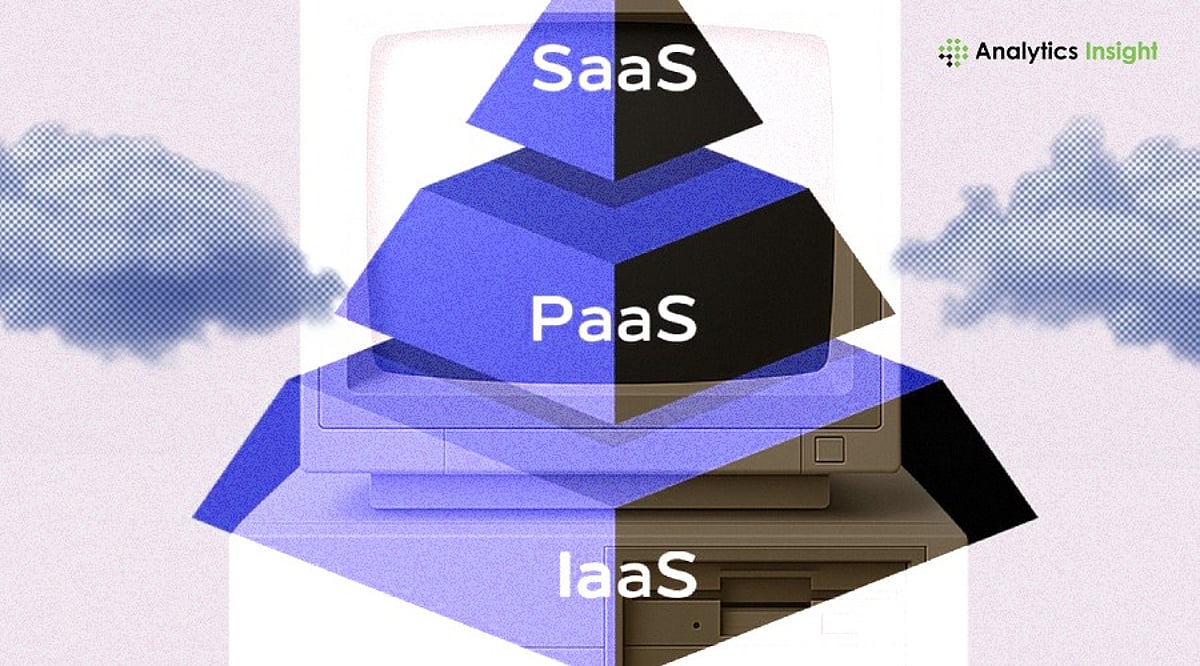
    Cloud computing has revolutionized how businesses and individuals access and manage IT resources. Instead of investing in expensive hardware, you can now rent computing power, storage, and applications over the internet. This guide breaks down the core service models—IaaS, PaaS, and SaaS—and the four main deployment models: public, private, hybrid, and community cloud. Whether you’re a small business owner or a tech enthusiast, understanding these concepts will help you choose the right cloud solution for your needs.

    What Is Cloud Computing?

    Cloud computing delivers on-demand computing services—including servers, storage, databases, networking, software, and analytics—over the internet. It eliminates the need for local hardware and offers flexibility, scalability, and cost-efficiency. Services are typically billed on a pay-as-you-go basis, making them accessible to organizations of all sizes.

    Cloud Service Models: IaaS, PaaS, and SaaS

    Infrastructure as a Service (IaaS)

    IaaS provides virtualized computing infrastructure—servers, storage, and networking—over the internet. Users have full control over the operating system, applications, and middleware. This model is ideal for organizations that need complete control but lack the budget for physical hardware. Examples: Amazon Web Services (AWS) EC2, Google Compute Engine, Microsoft Azure.

    Platform as a Service (PaaS)

    PaaS offers a managed platform for developing, testing, and deploying applications. It includes the runtime environment, development tools, and database management. Developers can focus on coding without worrying about server maintenance. Examples: Google App Engine, Heroku, Microsoft Azure App Services.

    Software as a Service (SaaS)

    SaaS delivers ready-to-use software over the internet. Users subscribe to applications like email, CRM, or collaboration tools without installing or maintaining anything. It’s the easiest model for beginners. Examples: Google Workspace, Salesforce, Microsoft 365.

    Cloud Deployment Models

    Public Cloud

    Public cloud services are delivered over the internet by third-party providers. They are cost-effective, scalable, and require minimal management. The infrastructure is shared among multiple tenants, offering less control but high convenience.

    Private Cloud

    A private cloud is dedicated to a single organization. It can be hosted on-premises or by a third-party provider. It offers higher security, customization, and control, making it suitable for large enterprises with strict compliance requirements.

    Hybrid Cloud

    Hybrid cloud combines public and private clouds, allowing data and applications to move between them. This model provides flexibility, cost optimization, and scalability. However, it requires careful integration and skilled management.

    Community Cloud

    Community cloud is shared by several organizations with common interests—such as government agencies or healthcare providers. It enables cost sharing and collaboration but may have limited scalability compared to public cloud.

    How to Choose the Right Cloud Model

    • For simple tools like email and storage, choose SaaS.
    • For building and deploying applications without managing servers, choose PaaS.
    • For full control over infrastructure and software, choose IaaS.
    • For sensitive data and compliance, consider private or hybrid cloud.

    Risks and Challenges

    Cloud computing has drawbacks: cost overruns due to unpredictable usage, vendor lock-in, security concerns in public environments, and a need for skilled IT staff for IaaS and PaaS. Planning and monitoring are essential to mitigate these risks.

    Why Cloud Computing Matters

    Cloud computing has become a backbone of modern digital transformation. It enables businesses to scale rapidly, reduce capital expenditure, and innovate faster. Understanding the service and deployment models is the first step toward leveraging cloud technology effectively.

    Final Thoughts

    There is no one-size-fits-all cloud solution. The right choice depends on your budget, technical expertise, security requirements, and growth plans. Cloud computing eliminates the hassle of physical hardware and offers a flexible path to digital success.

    Frequently Asked Questions

    What is cloud computing in simple terms?

    It’s the delivery of computing services over the internet, allowing users to access resources like servers, storage, and software on demand without owning physical hardware.

    What’s the difference between IaaS, PaaS, and SaaS?

    IaaS provides virtual infrastructure; PaaS offers a managed platform for development; SaaS delivers ready-to-use software.

    Which model is best for beginners?

    SaaS is the easiest—no installation or maintenance required. Just subscribe and use.

    What are the main deployment models?

    Public, Private, Hybrid, and Community clouds. They differ in security, control, scalability, and cost.

    What are the biggest challenges of cloud computing?

    Cost management, data security, vendor lock-in, and the need for technical expertise.