Tag: Cybersecurity

  • Indian Government Summons Meta Over Instagram Ads Allegedly Tied to Child Sexual Abuse Material

    Indian Government Summons Meta Over Instagram Ads Allegedly Tied to Child Sexual Abuse Material

    The Indian government has issued a summons to Meta after reports surfaced alleging that Instagram displayed advertisements linked to Child Sexual Abuse Material (CSAM). The move underscores growing nationwide concern over platform safety and content moderation practices.

    Union IT Minister Ashwini Vaishnaw has directed the Ministry of Electronics and Information Technology (MeitY) to demand an explanation from the social media giant regarding the alleged promotion of illegal material on its platform. According to government officials, Meta’s content moderation policies, ad review systems, and mechanisms to prevent the dissemination of such content will be scrutinized closely.

    The government intends to investigate the approval process for these advertisements and the detection methods in place. This development follows repeated calls from authorities for digital platforms operating in India to comply with national laws and ensure they do not host harmful or illegal content.

    Meta has not yet issued a public statement in response to the summons. The outcome of this inquiry will determine whether further legal action is taken against the company. The case highlights the ongoing debate about the responsibility of social media platforms to protect users, especially children, from exploitation and abuse.

  • Top Python Projects for Mastering Real-World Development Skills in 2026

    Top Python Projects for Mastering Real-World Development Skills in 2026

    Python remains the leading programming language, and project-based learning helps developers build practical skills in AI, cloud systems, automation, cybersecurity, and real-world software development. Recent industry reports show that Python holds more than 22% of the global programming market, underscoring its importance in modern software development.

    Learning Python through projects has become far more valuable than studying theory alone. Companies now prioritize developers who understand how real applications work. The best way to build practical knowledge is by creating projects that solve real problems. Below are several Python projects that teach skills aligned with actual industry demands.

    AI Chatbot Application

    Artificial intelligence is one of the biggest areas in software development, and Python plays a major role. Building an AI chatbot helps developers understand how modern intelligent systems work in business environments. This project teaches connecting with external APIs, managing user conversations, handling large datasets, and building systems that respond naturally to human language. Demand for Python in AI has grown rapidly, with AI-related Python usage increasing by nearly 42% compared to previous years.

    Full-Stack SaaS Platform

    Software as a Service (SaaS) is the backbone of modern internet businesses. Building a SaaS project helps developers understand how complete software products work—from user accounts and payment systems to databases and business dashboards. This project mirrors real-world development because most modern companies depend on subscription-based software systems, making SaaS architecture extremely valuable in today’s job market.

    Automated Web Scraping System

    Automation is a major part of software development. A web scraping project teaches how to collect data automatically, clean raw information, store records in databases, and handle errors when websites block requests. Real companies use these systems for competitor research, price tracking, trend analysis, and customer behavior studies. These skills remain highly valuable because automation saves time and money.

    Cloud-Based API Service

    Modern applications are divided into smaller services that communicate through APIs. Building an API service teaches how applications send data between systems, how security protects private information, and how cloud servers manage thousands of requests. Cloud computing continues to grow across every industry, making API development an essential skill for real-world software engineering.

    Cybersecurity Scanner

    Cybersecurity is more important than ever as software attacks increase each year. Python is a popular language for security research. A cybersecurity scanner project teaches how to detect security weaknesses in websites, servers, and applications—including open ports, weak passwords, security certificates, and dangerous vulnerabilities. Recent research found over 212 malicious Python packages in online repositories, highlighting the need for secure development practices.

    Machine Learning Recommendation System

    Digital platforms rely on recommendation systems to guide users. Building such a system teaches how software uses data to study user activity, identify trends, and make predictions. Machine learning engineering remains one of the top 10 most lucrative technical careers because companies benefit from personalized experiences.

    DevOps Automation Tool

    Modern developers manage servers, automate deployment, and maintain cloud infrastructure. A DevOps automation project teaches how software moves from development to production, including automatic deployment, server updates, backup systems, and reliability maintenance. With AI-assisted coding changing how teams operate, DevOps knowledge is highly important for future developers.

    Final Thoughts

    Python has evolved beyond basic programming to power AI, cloud infrastructure, security, machine learning, automation, and enterprise applications. Building projects that approximate real-world corporate environments gives you the best preparation. Experience is valued more than theory, and companies hire developers who understand how production applications work. The fastest route to becoming a Python developer is through project-based learning, focusing on AI chatbots, SaaS, cloud APIs, cybersecurity, machine learning, and DevOps.

    FAQs

    1. Why is Python still popular in 2026? Python remains popular due to strong demand in AI, automation, web development, cloud computing, and data science.
    2. Which Python project is best for beginners? An automated web scraping system is one of the best beginner-friendly projects for practical learning.
    3. Is Python useful for artificial intelligence development? Yes, Python remains the most widely used language for AI and machine learning.
    4. Do companies value project-based learning? Yes, companies now focus more on practical experience and real application development skills.
    5. Which Python skill has highest demand in 2026? AI development, cloud API development, cybersecurity, and automation currently have the strongest demand.
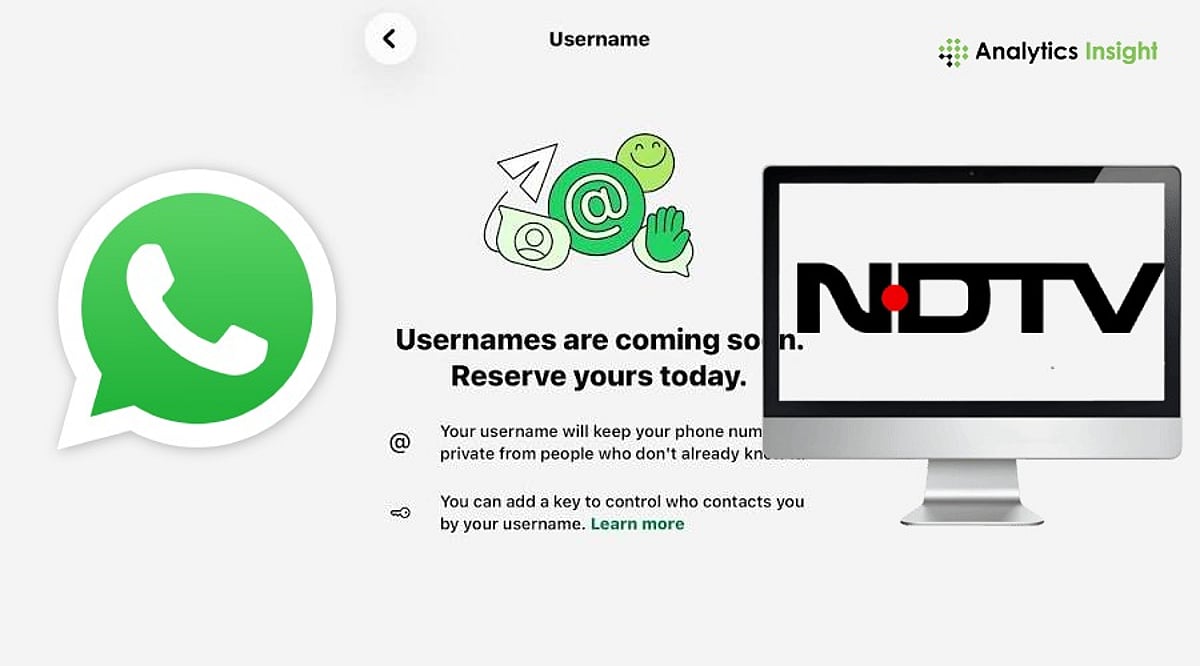
  • India Expands Scrutiny to Telegram and Signal Over Username Feature Security Risks

    India Expands Scrutiny to Telegram and Signal Over Username Feature Security Risks

    The Indian government has intensified its oversight of messaging platforms, extending its scrutiny to Telegram and Signal after raising concerns about WhatsApp’s planned username feature. The Ministry of Electronics and Information Technology (MeitY) has sent formal notices to both Telegram and Signal, requesting detailed information on how their username features operate and what safeguards are in place to prevent fraud, impersonation, and misuse.

    Why the Government is Concerned

    Username features allow users to communicate without revealing their mobile phone numbers. While this enhances privacy, it also reduces traceability and makes it easier for fraudsters to create fake identities. The government’s primary worry is impersonation of public figures, government officials, banks, and trusted institutions. Officials are also alarmed by the potential rise in phishing, online fraud, and so-called “digital arrest” scams, which have become a growing cybercrime threat in India.

    Earlier, MeitY had asked Meta to delay the launch of WhatsApp’s username feature in India, citing security concerns. The ministry gave WhatsApp a three-day deadline to provide information on its security measures and to refrain from introducing the feature until consultations are complete. India is WhatsApp’s largest market, with over 500 million users, making any new feature a major regulatory concern.

    Major Security Risks

    • Reduced traceability: Anonymity makes it harder for law enforcement to track cybercriminals who hide their phone numbers.
    • Increased impersonation risks: Usernames can mimic those of government agencies, celebrities, or financial institutions.
    • Facilitation of digital arrest scams: Fraudsters can contact users without revealing phone numbers.
    • Phishing attacks: Fake profiles can send harmful links or fraudulent messages at scale.
    • Undermined SIM identity association: Reduced traceability weakens the link between SIM identity and messaging activity.

    WhatsApp’s Safeguards

    WhatsApp has stated that usernames will be used for public accounts, government bodies, celebrities, and verified Meta accounts. It has also proposed an optional “Username Key” feature, requiring a four-digit number along with the username before unknown contacts can reach the user.

    The government will review responses from WhatsApp, Telegram, and Signal before taking any action under Indian IT laws.

  • Top Cybersecurity Threats CEOs Must Address in 2026: AI Fraud, Ransomware & Supply Chain Risks

    Top Cybersecurity Threats CEOs Must Address in 2026: AI Fraud, Ransomware & Supply Chain Risks

    Cybersecurity has become a strategic business priority rather than solely an IT concern. As cyber threats grow more sophisticated, CEOs and business leaders must address risks ranging from ransomware and AI-powered attacks to supply chain vulnerabilities, making proactive security planning essential for protecting operations, reputation, and long-term business resilience.

    The World Economic Forum’s Global Cybersecurity Outlook 2026 surveyed more than 100 CEOs alongside their CISOs and found something that doesn’t show up in most threat briefings: the two groups have stopped agreeing on what the biggest risk actually is. That gap isn’t a communication problem. It’s a perspective problem, and understanding why the views diverged is more useful than any threat list by itself.

    Why Fraud Became CEOs’ Number One Concern

    The answer is visibility. Ransomware hits operations and gets escalated internally. Fraud hits individuals first: 73% of leaders surveyed said someone in their personal or professional network was directly affected by cyber-enabled fraud in 2025, according to the WEF report. Phishing, vishing, smishing, and deepfake impersonations of senior executives aren’t abstract statistics for this group anymore. They’ve watched them happen to people they know.

    AI has changed the economics of fraud attacks in ways that still aren’t fully priced into most organisations’ defences. Vistage research from February 2026 is blunt about this: AI lets attackers produce high-quality phishing at industrial scale, scanning networks for vulnerabilities, generating personalised impersonations of executives, deploying deepfake audio and video, all at speed that human security teams can’t match manually. The click of a button that once took a specialist now takes anyone with API access to the right model.

    What CISOs Are Still Losing Sleep Over

    Ransomware remaining CISOs’ top concern in 2026 isn’t stubbornness; it’s operational reality. IBM’s X-Force Threat Intelligence Index 2026 shows supply chain incidents have quadrupled over five years, and public-facing application exploitation jumped 44% year over year. These aren’t fraud attempts against individuals. They’re systematic attacks on infrastructure, and they tend to stop operations entirely rather than costing money quietly.

    The emerging threat CISOs are actually most worried about operationally isn’t on most CEO radar yet: non-human identity exposure. Service accounts, API keys, CI/CD pipeline credentials, and AI agents accumulating access privileges faster than governance can track them. IBM X-Force found more than 300,000 ChatGPT credentials listed for sale on the dark web in 2025 alone. When an AI agent is compromised, it isn’t a phishing email someone clicks: it’s a trusted system that already has access to everything it was given.

    According to the Cybersecurity Tribe Expert Panel report of April 2026, the biggest threat in 2026 is distraction. With news cycles moving fast, leaders chase the ‘threat of the month’ and lose sight of the fundamentals that determine resilience. Most breaches still stem from familiar weaknesses: identity gaps, poor hygiene, misconfigurations.

    The Resilience Gap That Explains Everything

    WEF’s data reveals a pattern that cuts across every specific risk on the list. CEOs of highly resilient organizations worry about external ecosystem risks: supply chains, third parties, AI vulnerabilities. CEOs of insufficiently resilient organisations worry about funding and skills shortages. The thing separating these two groups isn’t which threats exist; it’s whether the internal foundation is solid enough to even see the external threats clearly.

    Only 26% of AI users in Microsoft’s Work Trend Index say their leadership is clearly aligned on AI security strategy, a figure that has barely moved over the past two years. Meanwhile, 87% of business leaders now identify AI-related vulnerabilities as the fastest-growing cyber risk, and 53% say they’re unprepared for the attack surfaces AI is opening. Those two numbers in the same room are the definition of a gap that needs closing before the threat briefing starts making sense.

    The cybersecurity fundamentals haven’t changed. Identity management, patching, multi-factor authentication, third-party governance. What has changed is the speed at which everything around those fundamentals is moving.

    Why This Matters

    Cybersecurity is no longer just an IT responsibility; it is a critical business issue that affects operations, financial performance, reputation, and customer trust. As AI accelerates both cyberattacks and defense capabilities, business leaders must align security strategies with organizational goals, strengthen governance, and prepare for increasingly sophisticated threats. Understanding today’s cyber risk landscape enables executives to make informed decisions that improve resilience and reduce the potential impact of future attacks.

  • Link11 Launches Next-Gen Network DDoS Protection to Stop Attacks Before They Impact Infrastructure

    Link11 Launches Next-Gen Network DDoS Protection to Stop Attacks Before They Impact Infrastructure

    Link11, a leading European provider of cloud-based cybersecurity solutions, has announced the launch of its completely rebuilt Layer 3/4 DDoS mitigation solution. Designed to address the growing complexity of modern network attacks, the new platform combines behavior-based, AI-driven detection with full IPv4 and IPv6 coverage for modern infrastructures.

    Today’s DDoS attacks are no longer simple volume or protocol attacks. They can originate from compromised devices within trusted networks, mimic real traffic, and appear in short, high-intensity bursts that leave little time for manual response. The Next-gen Network DDoS Protection from Link11 is built to counter these evolving threats with greater automation and less reliance on manual tuning.

    The platform is designed entirely with European data sovereignty in mind, running on Link11’s own cloud infrastructure with security data hosted in Europe. This enables companies to maintain control over their data, mitigate legal uncertainties, and minimize reliance on non-European cloud providers.

    Previous solutions often relied on rigid rule systems and static thresholds. While effective against volumetric attacks, this approach is no longer sufficient against today’s AI-driven, adaptive attack patterns. Link11 rebuilt the Network DDoS solution from the ground up, combining insights from more than one million mitigated attacks with deep learning to deliver faster, smarter, and more precise protection.

    “Today’s DDoS attacks are increasingly AI-generated, precise, and designed to outsmart traditional detection logic,” said Jens-Philipp Jung, Link11’s CEO. “After more than 12 months of development and testing, we don’t see this product as just an update. Rather, we see it as a complete redesign: a platform that keeps pace with the current threat landscape and will also meet future requirements.”

    With Next-Gen Network DDoS Protection, Link11 goes beyond traditional behavioral analysis by analyzing and mitigating each attack vector individually. Rather than responding with a blanket response, targeted countermeasures are initiated. This significantly reduces false positives and accelerates mitigation time to under three seconds for unknown vectors, down from the previous under 10 seconds.

    Built on state-of-the-art technology, the new solution provides real-time logs, reason codes, and a completely redesigned dashboard. Security teams gain deep visibility into how attacks unfold and how mitigation measures are applied. During an attack, teams can quickly see which traffic is being blocked or allowed, why those decisions are being made, and which services remain available.

    “One guiding principle drove the development of this new solution: resilience is not a technical metric, but a business promise. Next-gen Network DDoS Protection is designed to help users keep this promise,” explained Marc Lamik, CPO of Link11.

    The platform continuously learns from live traffic patterns and adapts its detection logic automatically, significantly reducing the need for manual fine-tuning and SOC team intervention. It provides full IPv4 and IPv6 coverage for consistent protection across modern dual-stack infrastructures.

    For existing customers, switching to the new version requires no configuration effort. The migration involves an internal routing change and does not cause any downtime. Baselines and configurations are preserved, and protection remains uninterrupted during the switch.

    Next-gen Network DDoS Protection is now available for existing and new Link11 customers.

    About Link11

    Link11 is a leading European IT security provider that protects global infrastructures and web applications from cyberattacks. Its cloud-based IT security solutions help companies worldwide strengthen the cyber resilience of their networks and critical applications and prevent business disruptions. Link11 is a BSI-qualified provider of DDoS protection for critical infrastructure. The company meets the highest standards in data security and compliance with PCI DSS, SOC 2 Type II, BSI C5, and ISO 27001.

    This is a paid press release published via CyberNewswire, a PR newswire syndication platform for cybersecurity companies.

  • India Orders Meta to Halt WhatsApp Username Feature Over Digital Arrest Scam Risks

    India Orders Meta to Halt WhatsApp Username Feature Over Digital Arrest Scam Risks

    The Indian government has issued a stern warning to Meta, demanding an immediate pause on the rollout of WhatsApp’s username feature. The Ministry of Electronics and Information Technology (MeitY) sent a formal notice on Wednesday, July 1, 2026, citing grave concerns that the feature could be exploited for impersonation, phishing, and the rising menace of digital arrest scams.

    In its notice, MeitY gave Meta a three-day ultimatum to provide a detailed explanation of its safety measures. The government explicitly directed the company not to proceed with the feature until consultations are concluded to the government’s satisfaction.

    Why the Government Is Concerned

    The username feature would allow WhatsApp users to create a unique identifier (e.g., @Name123) and communicate with others without revealing their phone numbers. While Meta pitches this as a privacy enhancement, regulators fear it could become a tool for bad actors.

    “It is felt that the feature may materially increase the incidence of online fraud, phishing, digital arrest scams and impersonation attacks by enabling bad actors to solicit and message victims,” the ministry stated. The notice also warned that usernames could facilitate identity spoofing of public authorities, financial institutions, and government agencies.

    Meta’s Response and Safeguards

    In response, a WhatsApp spokesperson said, “We’ve announced the option for people to reserve their preferred username on WhatsApp.” The company outlined several layers of protection, including holding high-profile names (public figures, government entities, celebrities) and lookalike derivatives so that only legitimate owners can claim them.

    WhatsApp also clarified that a phone number is still required to access the app; usernames are an optional layer. The feature will limit the number of new users an account can message, block repeated username-guessing attempts, and display safety indicators such as whether the sender is a saved contact or from another country.

    How the Username Feature Works

    To set up a username, users navigate to Settings > Account > Username and reserve a unique @-name. This name can appear in chats, groups, and calls instead of the phone number for contacts who haven’t saved the user’s number. Other users must know the exact username to initiate a conversation.

    The government will review Meta’s response and then decide whether to allow the feature to proceed. Usernames were not yet live and were originally slated for rollout later in 2026.

  • CERT-In Flags Critical Security Flaws in Apple Devices: Update Your iPhone, iPad, and Mac Now

    CERT-In Flags Critical Security Flaws in Apple Devices: Update Your iPhone, iPad, and Mac Now

    Apple users in India are being urged to update their devices immediately after the Indian Computer Emergency Response Team (CERT-In) issued a warning about multiple serious security vulnerabilities. The flaws affect iPhones, iPads, Macs, Apple Watches, Apple TVs, and the Safari browser, potentially allowing hackers to access devices, execute malicious code, or cause apps to crash.

    According to CERT-In, the risk is highest for devices running older software versions. The warning covers iOS versions before 26.5.2, iPadOS versions prior to 26.5.2, macOS Tahoe versions before 26.5.2, and Safari versions prior to 26.5.2. If left unpatched, these vulnerabilities could lead to sensitive information disclosure, privilege escalation, security restriction bypass, arbitrary code execution, cross-origin data exfiltration, and denial-of-service attacks.

    Apple has already released security updates. Users should check for updates in the Settings menu on iPhones and iPads or in System Settings on Macs. Owners of older Apple devices should verify whether their model still receives official software support and install updates as soon as they are available.

    Apple typically releases fixes simultaneously across supported devices, allowing most users to update the same day a patch is issued. In contrast, Android devices often receive security updates later due to carrier and manufacturer testing. While no platform is immune to threats, prompt updates remain the simplest way to stay protected.

    Security experts also warn buyers of refurbished iPhones to confirm that the model still receives Apple’s latest security updates. Although refurbished devices are more affordable, continued security support is critical for daily use.

  • 7 Browser Settings You Should Change to Boost Online Privacy

    7 Browser Settings You Should Change to Boost Online Privacy

    Block Third-Party Cookies

    Third-party cookies allow advertisers to track your browsing habits across multiple websites. I blocked them to reduce targeted advertising, limit cross-site tracking, and prevent companies from building detailed profiles based on my online activity. Most trusted websites continue working normally, making this one of the simplest and most effective privacy improvements available.

    Disable Automatic Location Access

    I changed location permissions from automatic approval to “Ask Every Time.” This ensures websites only receive my location when absolutely necessary, such as for maps or delivery services. Limiting location sharing reduces unnecessary data collection and prevents websites from continuously tracking my physical whereabouts during everyday browsing sessions online.

    Enable Enhanced Tracking Protection

    I enabled the browser’s strict tracking protection mode to block advertising trackers, fingerprinting scripts, malicious websites, and hidden tracking technologies. Besides improving privacy, this setting also speeds up page loading by preventing unwanted scripts from running, resulting in a cleaner, faster, and more secure browsing experience overall.

    Turn On DNS Over HTTPS

    DNS Over HTTPS encrypts the requests your browser sends when looking up website addresses. Without encryption, these requests can be visible to internet providers or attackers. Enabling this feature protects browsing activity from interception, strengthens privacy, and makes it harder for third parties to monitor the websites you visit regularly.

    Automatically Clear Browsing Data

    I configured my browser to automatically delete cookies, browsing history, and cached files whenever I close it. This reduces the amount of personal information stored locally, limits long-term tracking, and protects my browsing history from anyone who may use the same computer or device after me.

    Restrict Camera and Microphone Permissions

    Instead of permanently allowing websites access to my camera and microphone, I changed permissions to request approval every time. This simple adjustment prevents unauthorized recording, reduces security risks, and ensures only trusted websites gain temporary access when I intentionally start a video call or meeting.

    Disable Password Autofill on Shared Devices

    Password autofill saves time but can expose sensitive accounts on shared or public computers. I disabled browser autofill and switched to a secure password manager protected by strong encryption and multi-factor authentication. This provides better security while keeping passwords easily accessible only when I intentionally unlock my vault.

  • Top 10 Enterprise Cybersecurity Management Platforms for 2026

    Top 10 Enterprise Cybersecurity Management Platforms for 2026

    Enterprise security demands more than standalone tools in today’s evolving threat landscape. Modern cybersecurity platforms combine threat detection, identity protection, and cloud security in one place. This article reviews 10 leading solutions based on their capabilities, enterprise use cases, and security features.

    Overview

    Enterprise cybersecurity buying has shifted from point tools to unified platforms, driven by a wave of major 2025-2026 acquisitions. Ten leading solutions are grouped by function: XDR, SIEM, identity, and cloud, each with confirmed ownership and a ‘Best For’ label. A practical checklist and decision framework help CISOs and IT leaders match platforms to their risk profile and existing stack.

    Enterprise cybersecurity depends as much on fast decisions as on strong defenses. Organizations face nearly 2,000 cyberattacks every week, according to Check Point Software’s latest threat report. At the same time, the market itself is shifting fast. Major vendors continue to acquire smaller companies and integrate them into broader security platforms. Google now owns Wiz, Palo Alto Networks has added CyberArk, while Cisco keeps pulling Splunk deeper into its stack. This article covers 10 cybersecurity management solutions helping enterprises strengthen security operations in 2026.

    Selection Methodology

    Each platform earned its place through real enterprise adoption, breadth of capability, analyst recognition, integration depth, AI-assisted detection, and confirmed ownership as of mid-2026. This list reflects current market realities rather than vendor marketing.

    XDR and Endpoint Protection

    CrowdStrike Falcon

    CrowdStrike Falcon remains one of the leading XDR platforms for enterprise security. A single lightweight agent covers endpoint, identity, and cloud workloads at once, and its threat graph correlates billions of signals each day to accelerate threat detection and response.

    • Best For: Fast-moving SOCs that need automated containment.

    Microsoft Defender XDR

    Microsoft Defender XDR builds protection directly into identity, email, endpoints, and cloud apps. That matters most for organizations already using Microsoft 365 or Azure. Its tie to Entra ID puts identity and endpoint alerts in one console.

    • Best For: Enterprises standardized on the Microsoft ecosystem.

    SentinelOne Singularity

    SentinelOne Singularity places a strong emphasis on autonomous threat response. Its AI agents can roll back ransomware encryption before a human analyst signs in, which matters most for lean teams without round-the-clock staffing.

    • Best For: Organizations needing a strong automated response with limited headcount.

    SIEM and SOC Platforms

    Palo Alto Cortex XSIAM

    Palo Alto Cortex XSIAM has become a preferred migration destination for enterprises moving away from IBM QRadar. IBM sold QRadar’s SaaS assets to Palo Alto Networks in 2024. XSIAM bundles SIEM, SOAR, and threat intelligence into one AI-driven workspace with thousands of prebuilt detectors.

    • Best For: Enterprises consolidating legacy SIEM investments.

    Splunk Enterprise Security

    Splunk Enterprise Security reflects a similar trend in platform consolidation. Cisco bought Splunk in 2024 and has since built it into its own data fabric. It still earned a Leader ranking in the 2026 IDC MarketScape for SIEM. It handles enormous log volumes well.

    • Best For: Large enterprises with complex, high-volume log environments.

    Identity and Zero Trust

    Okta

    Okta is one of the strongest vendor-neutral identity platforms. Adaptive multi-factor authentication and lifecycle management close the identity gaps attackers exploit most.

    • Best For: Enterprises wanting identity security decoupled from their cloud vendor.

    Microsoft Entra ID

    Microsoft Entra ID takes the opposite approach, and for the right buyer, that is the point. It builds conditional access and identity governance directly into the Microsoft stack, giving existing SSO customers continuous, risk-based access decisions.

    • Best For: Microsoft-centric enterprises seeking tighter platform integration.

    CyberArk

    CyberArk changed hands in February 2026, when Palo Alto Networks completed its acquisition. It remains one of the strongest options for privileged access management at scale, now extended to machine identities and AI agents.

    • Best For: Enterprises managing large volumes of privileged and machine identities.

    Cloud and SaaS Security

    Wiz

    Wiz now operates under Google Cloud, following an acquisition that closed in March 2026. Its core strength has not changed: full visibility into multi-cloud risk without an agent on every workload.

    • Best For: Organizations needing fast, agentless visibility across multiple clouds.

    Prisma Cloud

    Prisma Cloud completes Palo Alto Networks’ platform strategy with CNAPP coverage spanning code, infrastructure, and runtime protection, sharing threat intelligence with Cortex XSIAM.

    • Best For: Enterprises building a single-vendor architecture around Palo Alto Networks.

    What Actually Matters

    While a popular brand can help sell a platform, there are a few features that make the difference. AI-powered detection should reduce alert fatigue rather than increase operational complexity. Equally important is strong integration with the existing endpoint, identity, and cloud tools. Weak integrations can create security gaps rather than enhance security.

    Independent validation, such as MITRE ATT&CK evaluations, is more trustworthy than vendor-published benchmarks. Compliance certifications like SOC 2 Type II, ISO 27001, and FedRAMP also indicate that a platform is operating under robust standards. Flexibility in deployment is important, too. Cloud-only platforms might not be suitable for organizations that have strict data residency requirements.

    How to Choose

    First, audit your existing security stack and determine where incidents were missed in the last year. Check the shortlist against the actual risk profile. Compliance should be more important for regulated industries. CNAPP and XDR capabilities should be a greater priority for cloud-native businesses.

    Then, see how well each platform aligns with the SOC’s workflow. Run a small pilot before deciding. Measure alert quality, mean time to detect, and false positive rates. A platform that works well in a demo may not work well in a real production environment.

    Why This Matters

    A cybersecurity platform is not a short-term purchase. The right choice strengthens resilience, cuts down operational complexity, and keeps the organization ready for whatever threats come next. The wrong one just adds another tool nobody fully trusts.

    Final Thoughts

    The enterprise cybersecurity market will keep consolidating through the rest of 2026. Today’s standalone product may become part of a larger security platform within a year. This shift makes architecture decisions matter more than vendor loyalty. Pick platforms that integrate cleanly with what you already run. Test claims against independent evaluations rather than sales decks. Revisit the stack every year, since ownership keeps changing.