Tag: electric vehicles

  • 7 Crucial Factors Every EV Buyer Must Consider Before Ditching Petrol

    7 Crucial Factors Every EV Buyer Must Consider Before Ditching Petrol

    Switching from a petrol car to an electric vehicle (EV) is a major decision that involves more than just environmental benefits. Before you make the leap, here are seven key factors to evaluate.

    1. Charging Infrastructure

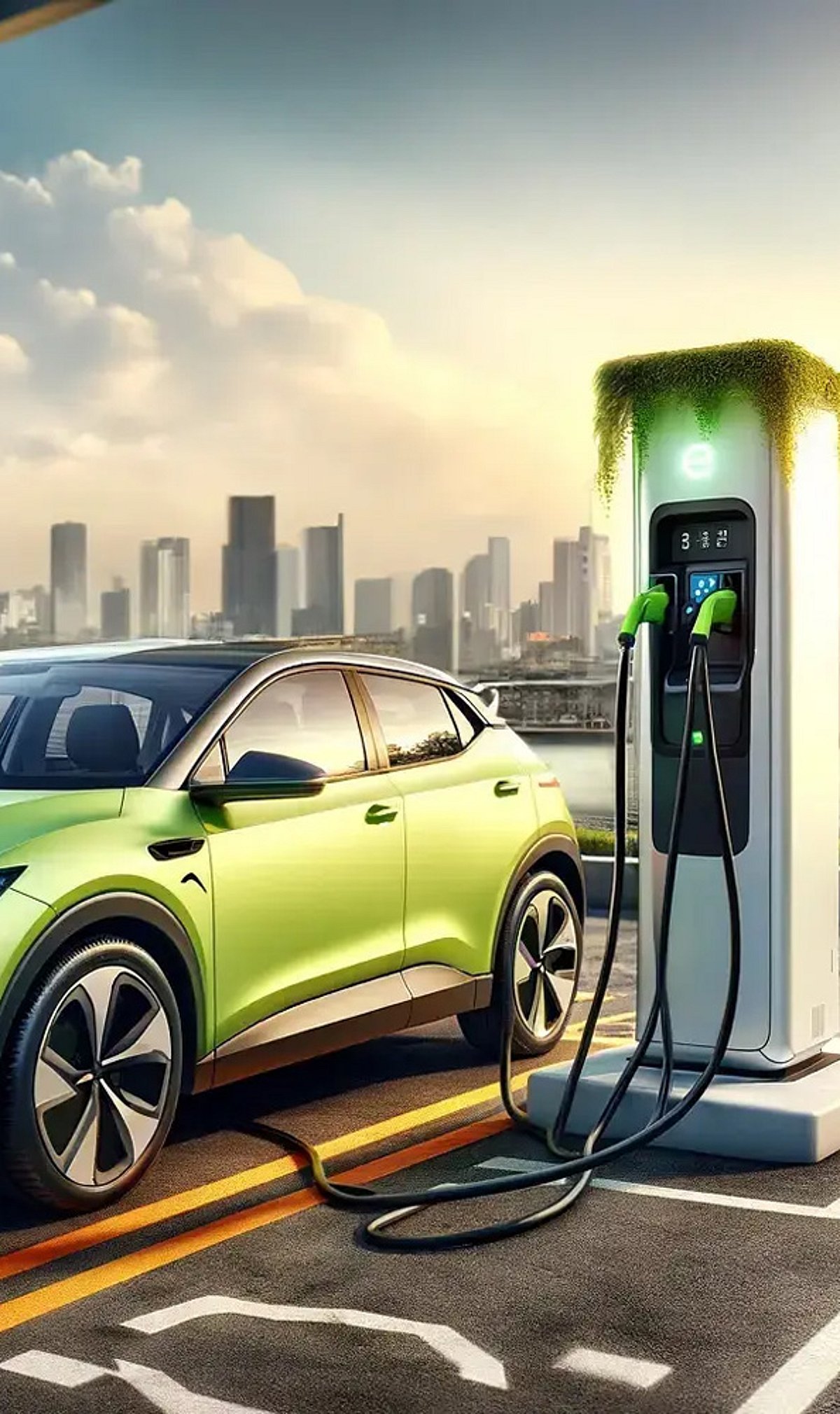
    Before choosing an EV, check the availability of charging stations near your home, workplace, and along your regular routes. This ensures convenient daily charging and reduces range anxiety.

    2. Driving Range

    Compare the manufacturer’s claimed range with your typical travel needs. Remember that real-world range can be affected by traffic, weather, driving style, and highway speeds.

    3. Charging Time

    Understand the different charging speeds and connector types. Charging an EV can take significantly longer than refueling a petrol vehicle, so plan accordingly.

    4. Purchase Cost

    EVs often have higher upfront prices. Compare financing options, available incentives, insurance premiums, and expected running costs to get a full picture of the investment.

    5. Battery Life

    Check the battery warranty, replacement coverage, and expected lifespan. These factors are crucial for understanding potential long-term ownership costs.

    6. Maintenance Costs

    EVs have fewer moving parts, which can lower routine maintenance. However, components like tyres, brakes, and battery systems still require regular attention.

    7. Home Charging

    If possible, install a suitable home charger. Overnight charging makes daily EV ownership far more convenient and practical.

    Additionally, consider resale value trends for your preferred model, as battery condition, technology updates, warranty coverage, and market demand can affect future value. Finally, be prepared for a different driving experience—EVs deliver instant torque, quiet operation, and smooth acceleration compared to conventional petrol cars.
  • India Achieves Record EV Sales on World EV Day, Infrastructure Hits Critical Turning Point

    India Achieves Record EV Sales on World EV Day, Infrastructure Hits Critical Turning Point

    India’s electric vehicle market has entered a pivotal new phase as record-breaking sales shift the spotlight from consumer adoption to the infrastructure required to sustain millions of EVs on the road. On World EV Day 2026, September 9, the country celebrates its highest-ever monthly EV retail figures while confronting the next big challenge: building a robust charging and service ecosystem.

    Record Sales Mark a Milestone

    According to data from the Federation of Automobile Dealers Associations (FADA), India retailed 327,901 EVs in July 2026, a surge of more than 66% compared to July 2025. This milestone meant EVs accounted for nearly one in every eight vehicles sold during the month. August continued the upward trend with 298,448 units sold, up 52.9% year-over-year.

    The numbers coincide with the World EV Day 2026 theme, “Switching Electric: driving down the cost of motoring,” placing affordability at the heart of the nation’s electric mobility transition.

    Two-Wheelers Lead the Charge

    Electric two-wheelers remain the primary growth driver, crossing the two-lakh mark for the first time in July. Passenger EV sales climbed more than 83% year-on-year to 32,928 units. Electric three-wheelers have solidified their segment position, and commercial EV adoption is accelerating as fleet operators ramp up electrification.

    However, as EVs move beyond early adopters into the mass market, purchase decisions increasingly hinge on running costs, charging access, service reliability, and overall ownership experience.

    Charging Infrastructure Under the Spotlight

    India’s charging network has grown significantly, but the focus now is on quality, location, and uptime. Government data shows 52,718 public charging stations exist as of July 2026, including 16,561 equipped with fast chargers for cars. The PM E-DRIVE scheme has allocated ₹2,000 crore (approx. USD 240 million) for public EV charging infrastructure.

    Industry executives point out that gaps persist outside major cities and in residential buildings, where limited parking, electrical capacity, and dedicated charging facilities complicate adoption. According to experts, reliable roadside assistance, battery and charger reliability, local service networks, grid upgrades, energy storage, and smarter charging systems are all critical components of a mature EV ecosystem.

    Home Charging and Grid Capacity

    Home charging remains a significant concern, particularly for apartment dwellers. As EV numbers rise, electricity demand will climb, making coordination between the transport and power sectors more essential than ever. For India, the record sales suggest that while consumer willingness to go electric is growing, the tougher question is whether infrastructure, service networks, and energy systems can keep pace with demand.

    World EV Day 2026 thus becomes a moment to celebrate progress while underscoring the next hurdle: building a comprehensive, reliable, and accessible EV ecosystem for all.

  • How Electric Vehicles Are Reshaping the Auto Parts Industry

    How Electric Vehicles Are Reshaping the Auto Parts Industry

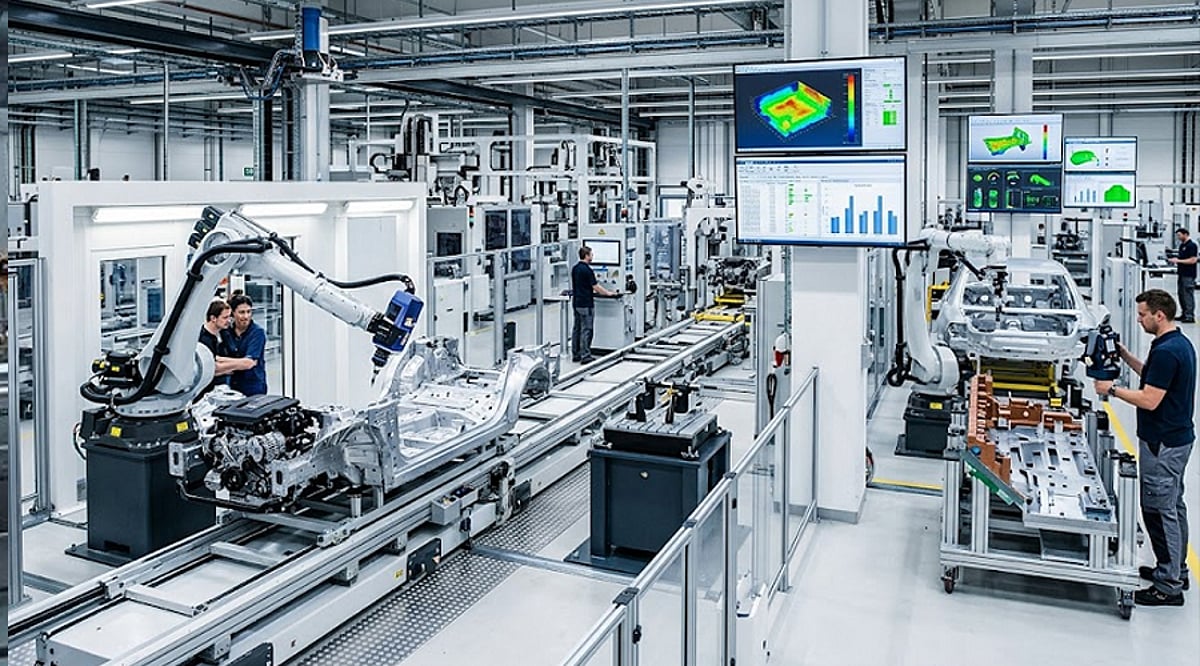
    The rise of electric vehicles is doing far more than changing what powers a car. It is fundamentally rewriting the components, technologies, and skills required to build one. Traditional auto suppliers are adapting at speed, while entirely new opportunities are emerging in batteries, electronics, software, and charging infrastructure.

    Batteries Become the New Core

    The battery has become the single most critical component in an EV. This shift is driving massive demand for battery cells, packs, thermal management systems, and battery-management electronics. Component makers are pouring investment into technologies that improve range, safety, charging speed, and overall battery life.

    Engines Give Way to Electronics

    Electric vehicles contain far fewer moving mechanical parts than conventional cars. This reduces demand for traditional engine components while boosting the importance of motors, inverters, controllers, sensors, and power electronics. Suppliers that once focused heavily on mechanical systems are now expanding into electrical and electronic technologies to stay relevant.

    Software Enters the Supply Chain

    Modern EVs depend on software for driving functions, battery management, connectivity, and vehicle controls. This opens the door for technology companies and traditional suppliers with strong software capabilities. Automotive component businesses now compete not only on hardware but also on digital systems and data-driven solutions.

    Demand for Semiconductors Rises

    Electric vehicles rely heavily on semiconductors to manage power, charging, safety, and connectivity. Chips have become increasingly vital to the automotive supply chain. Recent semiconductor shortages have exposed the risks of a limited supplier base, prompting automakers and component companies to strengthen their sourcing strategies.

    Charging Creates a New Market

    The EV boom is also generating demand beyond the vehicle itself. Charging connectors, power modules, cables, communication systems, and charging hardware are becoming essential parts of a wider ecosystem. Component manufacturers can tap into this growing market as public charging networks and home installations continue to expand.

    A New Race for Suppliers

    The transition to EVs is forcing auto component companies to rethink their future. Some traditional products may see declining demand, while batteries, electronics, software, and thermal systems gain prominence. Suppliers that invest early in new technologies could become major players in the next generation of mobility.

  • India’s Alternative-Fuel Vehicle Sales Overtake Petrol Cars for First Time in August 2026

    India’s Alternative-Fuel Vehicle Sales Overtake Petrol Cars for First Time in August 2026

    For the first time in India, sales of alternative-fuel passenger vehicles—CNG, hybrid, and electric—surpassed those of petrol-powered cars in August 2026, according to the Federation of Automobile Dealers Associations (FADA). The milestone reflects shifting consumer preferences driven by rising fuel costs, concerns over E20 petrol, and a widening selection of alternative-fuel models.

    Alternative-fuel vehicles captured 41.95% of passenger vehicle retail sales during the month, while petrol vehicles accounted for 40.85%. This marks a dramatic reversal from just over a year earlier, when petrol vehicles led alternative-fuel models by nearly 11 percentage points.

    FADA Vice President Sai Giridhar attributed the change to several factors. “This shift was bound to happen,” he said. “Concerns about E20 petrol may have pushed some buyers to consider other fuel options earlier than expected.” He noted that better electric vehicle driving ranges, expanding charging infrastructure, and a broader array of alternative-fuel models now support the trend.

    E20 Petrol and Fuel Costs Drive Buyers

    India is transitioning from E10 to E20 petrol, which contains 20% ethanol, as part of efforts to reduce dependence on imported crude oil. However, some owners of older vehicles have raised concerns about fuel economy and compatibility, fearing that E20 could reduce mileage or harm engines not designed for the higher blend. The government has dismissed these as “wild claims,” but the debate continues as E20 becomes more widely available.

    Higher crude oil prices, exacerbated by the ongoing Middle East conflict, have also heightened attention to running costs for petrol vehicles, accelerating the shift toward alternatives.

    Record August Sales, but Monthly Dip

    India’s total automobile retail sales rose 17.51% year-on-year to 24,23,201 units in August, marking the strongest August performance on record. However, sales fell 6.48% from July, which FADA linked to monsoon conditions and the shifting festive calendar—Ganesh Chaturthi and part of Onam moved into September this year.

    Rural markets outperformed urban areas, with rural vehicle sales climbing 19.79% year-on-year versus 15.17% in cities. Rural passenger vehicle sales surged 24.99%, compared to 10.93% in urban markets.

    Festive Season Outlook and Price Hikes

    Although dealers remain optimistic about the upcoming festive season, vehicle price increases and inflation are key concerns. Maruti Suzuki India announced it will raise prices on selected models by up to Rs 20,000 starting September, its third hike since May. Giridhar warned that further price increases could dampen the demand boosted by recent tax reforms.

    Passenger vehicle inventory rose to 38–40 days by end of July, up by about five days. FADA said demand from September through November will provide crucial insight into festive-season buying behavior, as buyers weigh prices, fuel costs, and their growing array of vehicle choices.

  • Jaguar Land Rover Announces 4,000 Job Cuts Globally to Drive Cost Savings

    Jaguar Land Rover Announces 4,000 Job Cuts Globally to Drive Cost Savings

    Jaguar Land Rover (JLR), the luxury automaker owned by Tata Motors, has announced plans to reduce its global workforce by approximately 4,000 roles over the next two years. The move is part of a broader restructuring strategy aimed at cutting costs by £1.7 billion and improving competitiveness in the face of rising expenses, tariffs, and intense market pressure.

    CEO PB Balaji confirmed the job reductions, which will affect salaried and management positions. The company has initiated a voluntary redundancy program, allowing eligible employees to leave voluntarily, with further details to be communicated to staff first.

    The restructuring is designed to streamline operations, enhance efficiency, and lower the company’s breakeven point to 300,000 units annually. JLR cited the need for operational simplification and greater resilience amid shifting global market conditions.

    Key challenges driving the layoffs include declining sales, escalating costs, US tariffs, and stiff competition from Chinese electric vehicle manufacturers. This announcement follows similar job cuts across the European automotive sector, reflecting broader industry pressures.

    JLR’s efforts are part of a wider trend among traditional automakers to adapt to changing consumer preferences and the rise of affordable EVs from China. The company remains focused on achieving long-term sustainability while navigating these industry disruptions.

  • Key Players in the EV Ecosystem: Stocks Powering Electric Mobility’s Future

    Key Players in the EV Ecosystem: Stocks Powering Electric Mobility’s Future

    Electric Vehicle Market Enters a New Growth Phase

    The electric vehicle industry is expanding beyond car manufacturers, creating opportunities across batteries, charging infrastructure, software, and energy solutions. Companies supporting the EV ecosystem are becoming important players as global demand for cleaner transportation increases. Investors are closely watching businesses that contribute to the development, production, and adoption of electric mobility worldwide.

    EV Manufacturers Lead the Transformation

    Electric vehicle makers remain central to the industry’s growth as they introduce new models, improve battery efficiency, and compete for global market share. Companies developing affordable, premium, and specialized electric vehicles are influencing the future of transportation. Their progress depends on innovation, production capacity, technology improvements, and the ability to meet changing consumer expectations.

    Battery Companies Power Electric Mobility

    Battery technology is one of the most important parts of the EV ecosystem because it determines range, performance, and cost. Battery manufacturers and suppliers are investing heavily in advanced materials, faster charging solutions, and improved energy storage. Companies involved in battery production are becoming increasingly important as automakers seek reliable partners for future electric vehicle growth.

    Charging Networks Build EV Infrastructure

    The expansion of electric vehicles depends heavily on charging infrastructure. Companies developing charging stations, fast-charging technology, and energy management systems are helping create a stronger EV network. As more drivers switch to electric vehicles, charging providers are expected to play a larger role in supporting convenient and accessible transportation solutions.

    Semiconductor and Software Companies Gain Importance

    Modern electric vehicles rely on advanced chips, artificial intelligence, and software systems to improve performance and safety. Semiconductor companies and technology providers are becoming key contributors to the EV ecosystem. Their innovations support autonomous driving features, battery management systems, connected services, and smarter vehicle experiences for future generations of electric cars.

    Global Competition Shapes EV Investments

    The EV market includes companies from different regions competing through technology, pricing, and innovation. Manufacturers, battery suppliers, and infrastructure providers are expanding their capabilities to capture growing demand. Investors are monitoring businesses with strong growth potential while considering challenges such as supply chain risks, changing regulations, and increasing market competition.

    The Future of EV Ecosystem Stocks

    The electric vehicle revolution extends far beyond vehicle production, creating opportunities across multiple industries. Companies involved in batteries, charging, software, and renewable energy solutions will continue influencing the future of transportation. As EV adoption increases globally, ecosystem-focused businesses are expected to remain important areas of interest for technology and mobility investors.

  • 9 Indian EV Charging Stocks to Watch as Electric Mobility Accelerates

    9 Indian EV Charging Stocks to Watch as Electric Mobility Accelerates

    India’s shift toward electric vehicles is creating significant opportunities across the EV charging ecosystem. Companies involved in manufacturing chargers, developing public charging networks, and supplying critical electrical infrastructure are emerging as key beneficiaries. Here are nine Indian stocks that are actively shaping the country’s EV charging future.

    1. Exicom Tele-Systems

    Exicom Tele-Systems is a leading EV charging manufacturer offering AC and DC fast chargers. The company has built a strong domestic presence and is steadily expanding its international business opportunities.

    2. Servotech Renewable Power System

    Servotech develops EV charging stations, solar solutions, and smart energy products. The company is positioned to benefit from India’s accelerating electric mobility ecosystem growth.

    3. Tata Power

    Tata Power operates one of India’s largest EV charging networks. It continues to expand its renewable energy capacity and public charging infrastructure across the country.

    4. ABB India

    ABB India manufactures advanced EV charging equipment, automation technologies, and power solutions that support commercial, industrial, and public electric vehicle charging markets.

    5. Siemens India

    Siemens India supplies smart electrical infrastructure, grid technologies, and EV charging solutions, supporting India’s transition to sustainable transportation and electrification initiatives.

    6. Bharat Electronics Limited (BEL)

    Bharat Electronics is expanding into EV infrastructure through advanced electronics, charging technologies, and government-backed innovation projects that support future mobility development across India.

    7. HBL Engineering

    HBL Engineering manufactures batteries and power electronics, with growing opportunities in EV infrastructure, energy storage, and charging-related industrial applications nationwide.

    8. Polycab India

    Polycab India produces electrical cables, wires, and power distribution products that are essential for building reliable EV charging infrastructure in residential and commercial locations.

    9. KEI Industries

    KEI Industries supplies high-quality electrical cables supporting EV charging installations, benefiting from rising investments in India’s expanding electric mobility infrastructure projects.

    This article is for informational purposes only and does not constitute investment advice.

  • Beyond Cars: Surprising Tesla Innovations You Didn’t Know About

    Beyond Cars: Surprising Tesla Innovations You Didn’t Know About

    Tesla is widely known as a trailblazer in the electric vehicle (EV) market, but the company’s ambitions stretch far beyond cars. From energy storage to robotics and artificial intelligence, Tesla is quietly building a portfolio of products that could reshape multiple industries. Here’s a look at some of the most surprising things Tesla makes that aren’t electric vehicles.

    Tesla Energy Products

    Tesla’s energy division is a major part of its business. The company produces solar panels, the Solar Roof (a roofing material with integrated solar cells), the Powerwall (a home battery), and the Megapack (a utility-scale battery system). These products allow homes, businesses, and utilities to generate, store, and manage renewable energy, reducing reliance on fossil fuels.

    Optimus Humanoid Robot

    First unveiled in 2021, the Tesla Optimus humanoid robot is designed to handle repetitive, dangerous, or physically demanding tasks. Currently being tested inside Tesla factories, Optimus is envisioned for future roles in warehouses, manufacturing, logistics, and even household chores. It represents Tesla’s push into advanced robotics and automation.

    Dojo AI Supercomputer

    Dojo is Tesla’s custom-built supercomputer, purpose-designed to train the neural networks behind its Full Self-Driving (FSD) technology. Instead of relying on third-party hardware like Nvidia GPUs, Dojo uses Tesla’s own D1 chips to process massive amounts of video data efficiently. This specialized architecture accelerates AI model training and gives Tesla greater control over its autonomous driving development.

    Tesla AI Chips

    Tesla designs its own artificial intelligence chips for use in its vehicles. These custom processors handle billions of calculations per second to power features like Autopilot and Full Self-Driving. By developing proprietary silicon, Tesla reduces dependency on external suppliers and optimizes performance for its specific needs.

    Tesla Supercharger Network

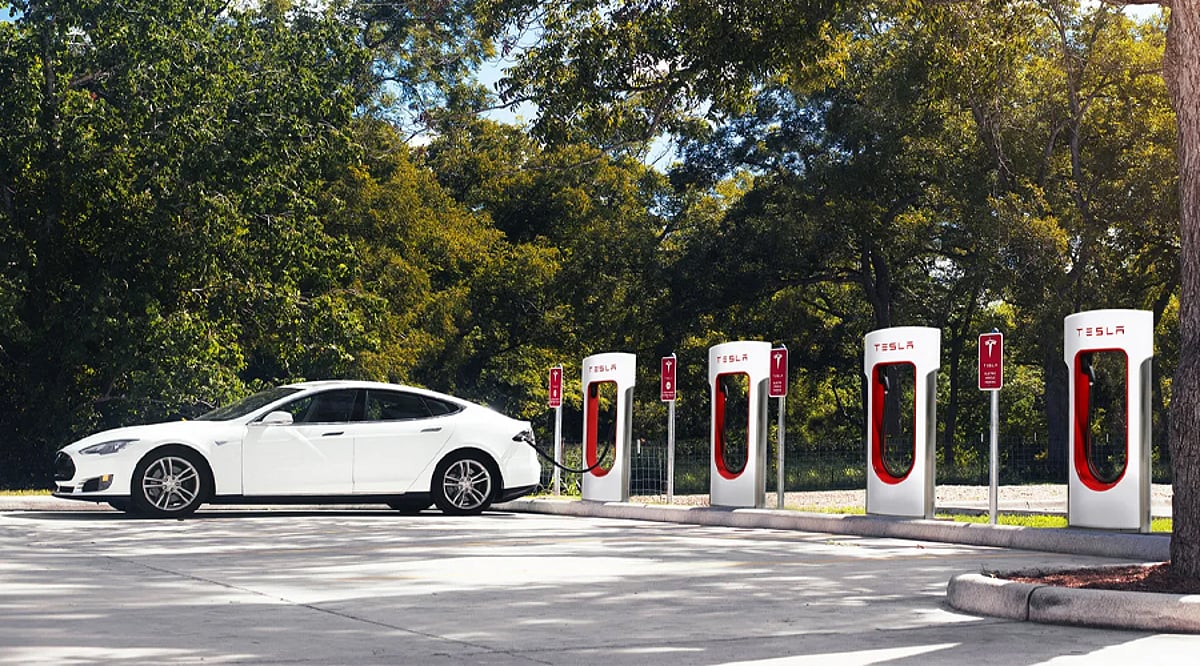
    While originally built exclusively for Tesla vehicles, the Supercharger network has evolved into a standalone infrastructure business. Tesla designs, manufactures, installs, and operates thousands of fast-charging stations worldwide. In many regions, non-Tesla EVs can now use Superchargers via compatible connectors, making the network a vital part of the broader EV ecosystem.

    Tesla Solar Roof

    The Solar Roof is a premium product that replaces traditional roofing materials with durable glass tiles that generate electricity. Unlike bulky solar panels mounted on top of an existing roof, the Solar Roof blends seamlessly with the home’s design. It allows homeowners to produce renewable energy without compromising aesthetics.

    Megapack Grid Batteries

    Megapack is Tesla’s large-scale energy storage solution for utility companies and commercial projects. These massive batteries store energy from renewable sources like solar and wind farms, then discharge it when demand is high. Utilities around the world use Megapacks to stabilize the grid, prevent blackouts, and support the transition to cleaner energy.

    Tesla’s ventures into energy, robotics, AI, and infrastructure show that the company is far more than an automaker. These innovations highlight a broader mission to accelerate the world’s transition to sustainable energy and intelligent automation.

  • BMW to Cut 8,000 Jobs in Voluntary Redundancy Program Amid China Sales Slump and EV Competition

    BMW to Cut 8,000 Jobs in Voluntary Redundancy Program Amid China Sales Slump and EV Competition

    German luxury automaker BMW is preparing to reduce its global workforce by approximately 8,000 positions through a voluntary redundancy program, marking one of its most significant restructuring efforts in recent years. The cuts are part of a broader cost-saving strategy as the company faces slowing demand in key markets, intensifying competition from Chinese electric vehicle (EV) manufacturers, and growing economic uncertainty.

    The workforce reduction will primarily affect administrative and development roles in Germany, while production jobs are expected to remain unaffected. BMW aims to improve profitability and streamline operations in an increasingly competitive automotive landscape.

    Voluntary Job Cuts to Focus on Non-Production Roles

    BMW has reached an agreement with employee representatives to implement the job reductions through voluntary severance packages rather than compulsory layoffs. The program is scheduled to begin later this year and continue through the end of 2027. It targets office-based positions across administration, research, development, and planning.

    The company currently employs around 150,000 people worldwide, with Germany accounting for more than half of its workforce. BMW intends to protect its manufacturing capacity while reducing operational costs in support functions. The restructuring is expected to lower the company’s global workforce by about 5%.

    A spokesperson stated: “The BMW Group is proactively shaping the profound changes taking place in its operating environment. These include the technological transformation of the automotive industry, geopolitical uncertainties, changing market conditions and developments in China.”

    China Slowdown and EV Competition Drive Restructuring

    BMW’s decision comes amid falling sales in China, one of its major markets. In the second quarter, the company reported a steep decline in Chinese deliveries, resulting in significant profit reductions and leading to adjustments in its financial performance forecast.

    Established European carmakers face increasing pressure from Chinese EV brands, which have grown rapidly by offering relatively low-priced products. Combined with rising tariffs, geopolitical issues, and higher operational costs, BMW has been compelled to take steps toward greater efficiency.

    Transformation Across Europe’s Auto Industry

    Several major European car manufacturers, including Volkswagen, Porsche, Mercedes-Benz, and Stellantis, have unveiled restructuring plans as the industry shifts toward an electrified and software-defined future. While automakers invest heavily in electric mobility, batteries, and digital platforms despite slowing demand in some markets, these factors have pressured them to find ways to innovate while reducing costs.

    Even with job cuts expected as part of the restructuring, BMW confirmed its commitment to developing new technologies, particularly the Neue Klasse all-electric platform, advanced software, and digital solutions.

  • Tesla Q2 2026 Revenue Tops Estimates as Earnings Slip and Cash Flow Turns Negative

    Tesla Q2 2026 Revenue Tops Estimates as Earnings Slip and Cash Flow Turns Negative

    Tesla Surpasses Revenue Expectations in Q2 2026

    Tesla reported stronger-than-expected revenue for the second quarter of 2026, driven by record vehicle deliveries and growth in its energy storage business. However, the company’s earnings fell short of analyst estimates, and free cash flow turned negative for the first time in over two years, reflecting heavy investments in artificial intelligence, robotics, and future production programs.

    The electric vehicle maker generated $28.24 billion in quarterly revenue, above market consensus. Adjusted earnings per share came in at $0.33, well below the expected $0.50. Tesla also posted negative free cash flow of $1.09 billion, as capital expenditures more than doubled from the previous quarter and the same period last year.

    Record Deliveries Boost Top Line

    Tesla delivered 480,126 vehicles during the quarter, up from 384,122 a year earlier. The Model 3 and Model Y accounted for 467,762 deliveries, while other models contributed 12,364 units. This 26% year-over-year increase in deliveries helped push trailing twelve-month revenue past $100 billion for the first time.

    Energy storage deployments also showed strong growth, reaching 13.5 gigawatt-hours, compared with 9.6 GWh in the same quarter of 2025.

    Margins and Profitability Under Pressure

    Despite higher revenue, Tesla’s profitability faced headwinds. Automotive gross margin fell to 16.3%, below analyst expectations, as the company relied on lower-priced models and incentives to sustain demand. Revenue from regulatory credits dropped to $146 million, about two-thirds below the prior-year level.

    Net income stood at approximately $1.11 billion, while operating income plunged 57% to $398 million. Rising research and development costs, along with increased spending on production and technology programs, weighed on quarterly earnings.

    Heavy Spending on AI and Future Programs

    Tesla’s capital expenditures reached $5.8 billion in Q2, more than double the amount spent in both the first quarter of 2026 and the second quarter of 2025. Chief Financial Officer Vaibhav Taneja indicated that annual capital spending would exceed $25 billion, directed toward AI systems, robotaxi services, manufacturing equipment, and robotics development.

    CEO Elon Musk described 2026 as “a massive capex year,” emphasizing that the investments will support new products and expanded production capacity. Tesla has already started Cybercab production and is installing manufacturing lines for its Optimus humanoid robot.

    Full Self-Driving Subscriptions Grow

    Tesla ended the quarter with approximately 1.48 million active Full Self-Driving (FSD) subscriptions, a 56% increase year-over-year. More than 55% of new North American deliveries included an FSD subscription. The company continues to seek regulatory approval for the driver-assistance system in Europe and China.

    Musk noted that customers are increasingly considering FSD when purchasing a vehicle, though the system remains supervised and requires driver attention. Tesla is also expanding its robotaxi operations while navigating local regulations and safety requirements.

    Market Reaction

    Tesla shares declined following the earnings release, as investors reacted to the earnings miss, weaker automotive margins, and negative cash flow. The results highlight the balancing act Tesla faces between sustaining revenue growth and funding its ambitious autonomy, energy, and robotics initiatives.