Tag: electric vehicles

  • LFP vs. NMC: Why India’s Hot Climate Favors Lithium Iron Phosphate EV Batteries

    LFP vs. NMC: Why India’s Hot Climate Favors Lithium Iron Phosphate EV Batteries

    Overview

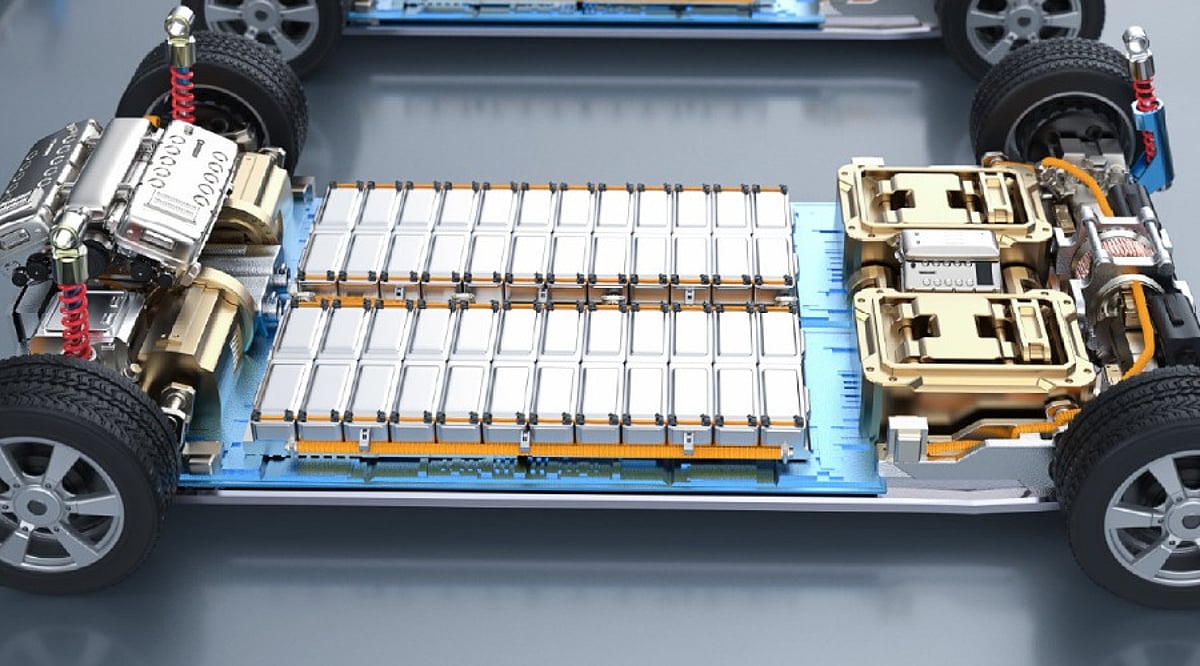
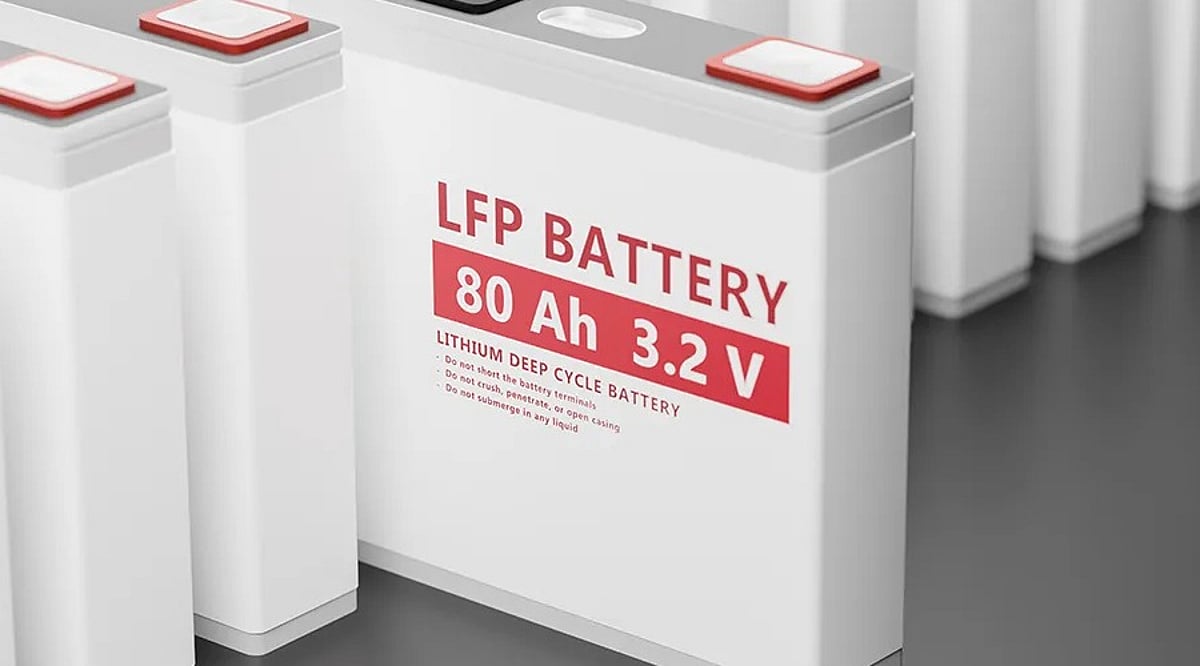
    India’s high temperatures put electric vehicle batteries under constant stress. Summer heat can exceed 40°C in many regions, and a car parked in direct sunlight can get even hotter. That heat accelerates battery aging, which helps explain why lithium iron phosphate—commonly called LFP—has become a major chemistry in India’s EV market.

    LFP is not a universal solution. It trades energy density for thermal stability, durability, and lower material costs. For many mass-market EVs designed around daily city driving, that trade-off lines up well with Indian conditions.

    Why heat is hard on EV batteries

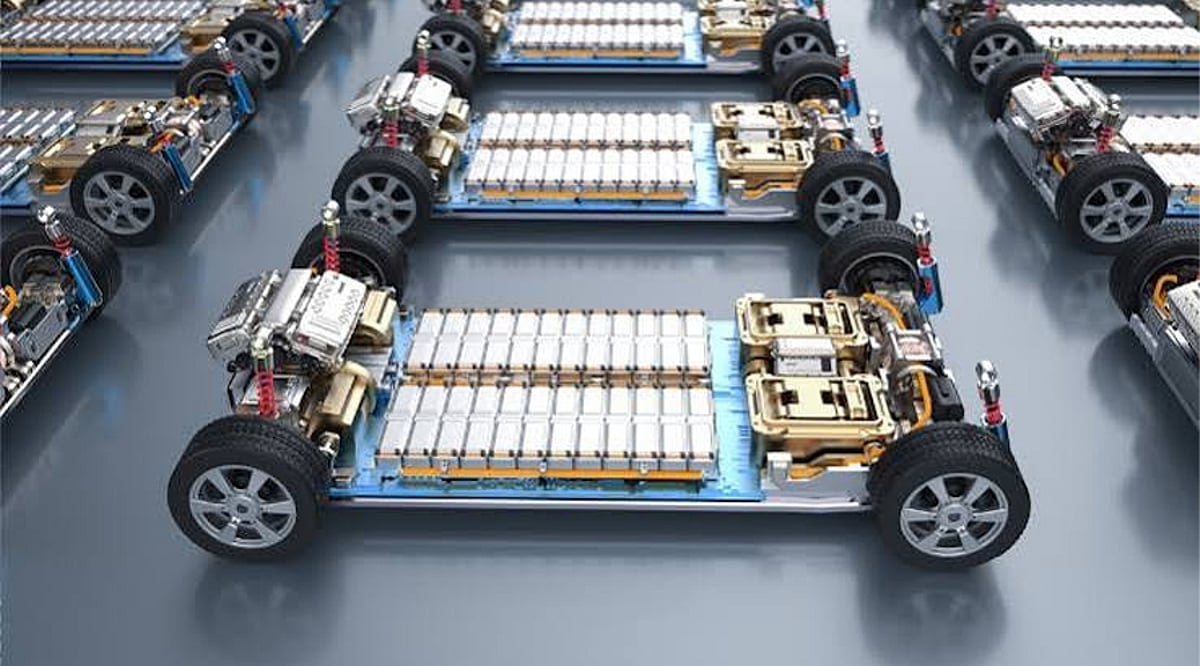
    Every charge and discharge cycle changes a battery’s internal chemistry slightly. Heat speeds up those changes. That is why EV makers include thermal management systems in battery packs regardless of where the vehicle is sold. In India, those systems often have to work harder because fast charging, stop-and-go traffic, and hot pavement all add strain.

    Battery safety and longevity are not determined by cell chemistry alone. Cooling design, battery management software, charging habits, and pack construction all play a role. Chemistry sets the baseline, but the surrounding systems determine how well a pack performs over time.

    How LFP and NMC compare

    LFP and nickel manganese cobalt, or NMC, approach the same problem from different directions. LFP offers more intrinsic thermal stability and typically costs less, while NMC stores more energy per kilogram.

    Factor LFP NMC
    Thermal stability Stronger built-in margin Depends more on pack-level cooling and controls
    Cycle life Generally strong under repeated cycling Varies by formulation and operating conditions
    Material cost No cobalt or nickel Uses cobalt and nickel
    Energy density Lower Higher
    Best fit City and short-range EVs Long-range and performance EVs

    Thermal stability and battery life

    LFP’s iron-phosphate bond is more resistant to breakdown under heat than the layered oxide structure used in NMC cells. That does not mean NMC cannot work in hot climates. NMC packs operate worldwide in warm regions, with cooling systems and battery management software managing their heat sensitivity.

    The difference is where the safety margin comes from. LFP carries more of that margin inside the chemistry itself. NMC relies more heavily on the systems built around the cells. Heat still degrades LFP over time, but LFP cells often hold up well under repeated heat exposure, especially when paired with effective cooling and sensible charging practices.

    Cost and safety considerations

    LFP cathodes avoid cobalt and nickel entirely. Both metals are expensive and depend on a limited number of global suppliers. Removing them can lower pack costs and reduce exposure to commodity price swings. In India’s price-sensitive EV market, those savings can translate into more affordable vehicles.

    Safety is broader than chemistry. Battery management, cooling design, and charging behavior all share responsibility. LFP’s additional thermal margin can provide extra headroom during demanding use, such as fast charging on a hot day. That margin supports the vehicle’s safety systems; it does not replace them.

    The energy-density trade-off

    LFP stores less energy per kilogram than NMC. A pack built to deliver the same range will generally be larger or heavier. That is why some long-range and high-performance EVs still choose NMC and manage its heat sensitivity with robust cooling systems.

    For city cars built around short daily trips, the trade-off is often easier to accept. Manufacturers can use a somewhat larger pack while gaining LFP’s cost and durability benefits. For vehicles where maximum range, low weight, or compact packaging are priorities, energy density remains a significant design consideration.

    Where LFP fits in India’s EV market

    LFP is not simply a “hot climate battery.” Its value in India comes from a combination of traits: strong thermal behavior, solid cycle life, and lower material costs, balanced against lower range per kilogram. For mass-market EVs used mainly for city commuting and short trips, that combination matches how many Indian owners actually drive.

    LFP is unlikely to replace every chemistry. Range-focused vehicles still have valid reasons to choose NMC. But for a large share of India’s EV lineup, LFP offers a practical way to balance heat resistance, cost, and durability in a single pack.

    Frequently asked questions

    Why is LFP considered suitable for EVs in India?

    LFP offers strong thermal stability, favorable cycle-life characteristics, and lower material costs. Those traits make it relevant for EVs operating in India’s hot climate, especially city-focused models.

    Are LFP batteries safer than NMC batteries?

    LFP generally has greater thermal stability and a lower tendency to release oxygen during thermal decomposition. However, EV safety also depends on cell design, battery management, cooling, and charging systems.

    Do LFP batteries degrade in high temperatures?

    Yes. High temperatures can accelerate degradation in LFP cells as well. Proper thermal management, charging practices, and battery design help control the effect.

    What is the main disadvantage of LFP batteries?

    LFP generally has lower energy density than NMC. A comparable range may require a larger or heavier battery pack.

    Can LFP batteries be used in long-range EVs?

    They can, but lower energy density can make them less attractive where maximum range, low weight, or compact battery packaging are key priorities.
  • What Makes Chinese EVs So Much Cheaper Than American Models?

    What Makes Chinese EVs So Much Cheaper Than American Models?

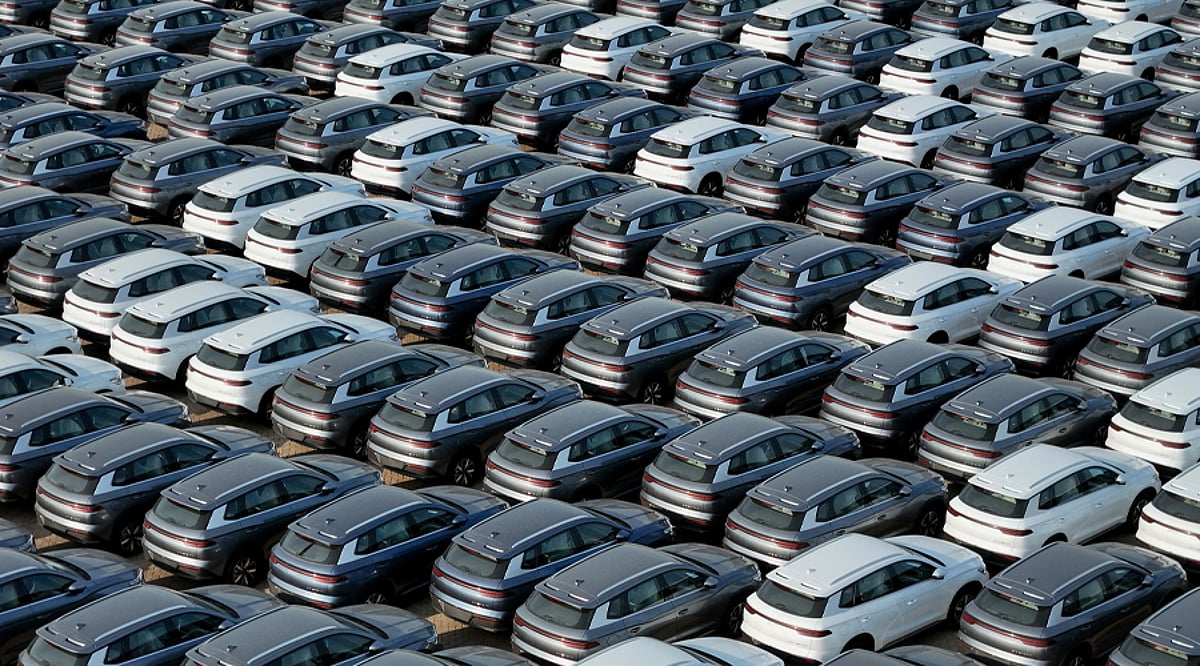
    Chinese electric vehicles have been turning heads with price tags that undercut comparable Western models by a wide margin. While government subsidies are often cited as the main reason, the real picture is more complex. A mix of battery economics, manufacturing scale, vertical integration, and a highly localized supply chain has allowed Chinese automakers to keep production costs remarkably low.

    Battery Costs Play a Decisive Role

    Battery prices are one of the biggest factors in the final price of an EV. According to the International Energy Agency (IEA), average battery-cell prices in China were more than 20% lower than in the United States and over 30% lower than in Europe. China’s enormous scale, mature supply chains, and widespread adoption of LFP (lithium iron phosphate) technology help explain this significant cost gap.

    Massive Production Scale Drives Efficiency

    Chinese manufacturers have produced EVs and batteries at volumes far beyond their global rivals. Higher production volumes lead to greater experience, better factory efficiency, and lower per-unit costs. The IEA notes that by 2024, China had produced more than six times as many EV batteries as the United States and Europe combined.

    Vertical Integration Reduces Reliance on Suppliers

    Many Chinese EV makers control far more of their production process than Western automakers. By localizing supply chains and vertically integrating key stages of manufacturing, they reduce dependence on outside suppliers. That control translates directly into lower component costs, tighter production schedules, and the ability to price vehicles very aggressively.

    Government Support Contributes, but Only Partly

    Chinese EV manufacturers have benefited from subsidies, grants, loans, and favorable access to land. Domestic buyers have also enjoyed policies such as vehicle purchase-tax exemptions. However, research cited by BGR suggests subsidies explain only a portion of the price difference. Structural advantages are doing most of the heavy lifting.

    Lower Manufacturing and Operating Costs

    Labor costs and operational efficiencies also matter. Many Chinese EV companies concentrate their manufacturing and sales within China’s highly developed domestic ecosystem. This localized approach reduces the overhead associated with globally distributed production networks and complex supply chains.

    More Than Just Cheap Cars

    The price advantage of Chinese EVs is not the result of a single factor. It comes from the combined effect of cheaper batteries, massive scale, tight supply-chain control, manufacturing efficiency, and government support. As Chinese automakers expand internationally, these structural cost advantages are becoming a central challenge for established carmakers worldwide.

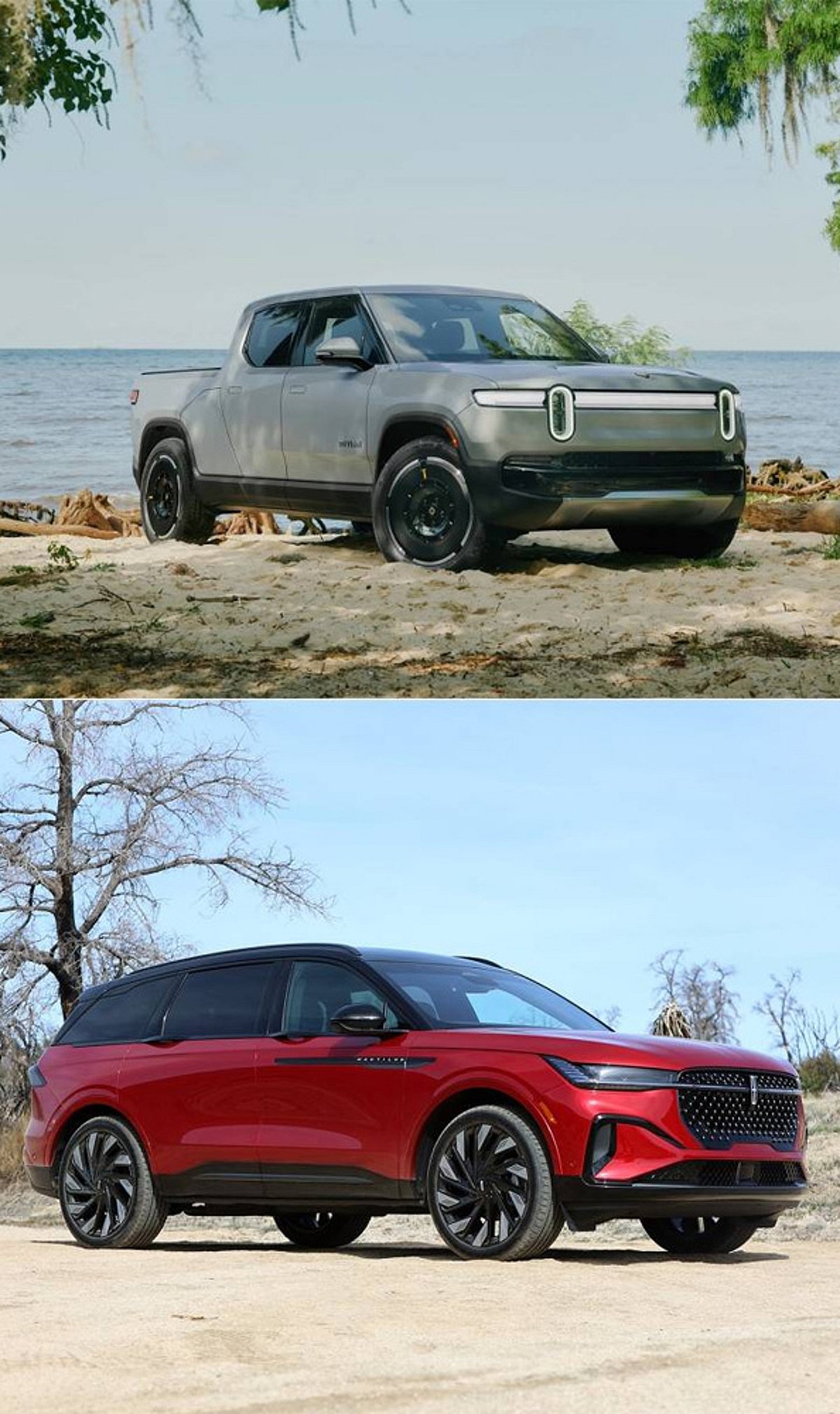
  • Consumer Reports Reveals the 9 Most Unreliable Electric Vehicles in 2025

    Consumer Reports Reveals the 9 Most Unreliable Electric Vehicles in 2025

    Consumer Reports has released its latest reliability assessments, highlighting nine electric vehicles (EVs) that fall short in predicted reliability. Based on owner surveys, recall data, and previous model performance, these models face significant concerns ranging from electrical system failures to safety-related recalls. Here’s a breakdown of the least reliable EVs according to Consumer Reports.

    Rivian R1S (2025)

    The 2025 Rivian R1S received a low predicted reliability rating, with Consumer Reports noting seven recalls involving safety-related issues. The SUV’s complex electrical systems and assembly quality have been cited as primary concerns.

    Chevrolet Blazer EV (2024)

    The 2024 Chevrolet Blazer EV earned a low predicted reliability score, largely due to problems linked to GM’s Ultium battery technology. Early adopters have reported charging issues and electrical glitches.

    Rivian R1T (2025)

    The 2025 Rivian R1T also received a low predicted reliability rating, accompanied by six recalls affecting electrical systems, exterior lighting, and potential drive-power loss. These issues raise questions about the truck’s long-term durability.

    Lucid Air

    The Lucid Air appears among Consumer Reports’ 2026 EV reliability concerns, with its predicted reliability based partly on previous model performance. While the sedan offers impressive range and luxury, its reliability record remains uncertain.

    Hyundai Ioniq 9

    The Hyundai Ioniq 9 faces concerns surrounding Integrated Charging Control Unit (ICCU) problems, along with reported issues involving steering, braking, and the infotainment system. These faults have contributed to its low reliability rating.

    Kia EV6

    The Kia EV6 also suffers from ICCU-related charging concerns affecting its 12V battery, leading to a low predicted reliability rating. Owners have reported sudden power loss and charging failures.

    Kia EV9

    The Kia EV9 has faced ICCU issues, repair delays, and recalls involving motor shafts and missing second-row and third-row seat bolts. These manufacturing defects have hurt its reliability score.

    Consumer Reports Methodology

    Consumer Reports assigns predicted reliability ratings to recent EV models based on earlier model performance when sufficient current owner survey data is unavailable. This approach highlights the importance of tracking a model’s track record over time.

    Predicted Reliability

    Using owner survey data and previous model performance, Consumer Reports estimates reliability when current-year information remains limited. For buyers considering these EVs, it’s wise to research historical issues and factor them into purchasing decisions.

  • Tesla’s Rise to Dominance in the Electric Vehicle Market: A Systematic Approach

    Tesla’s Rise to Dominance in the Electric Vehicle Market: A Systematic Approach

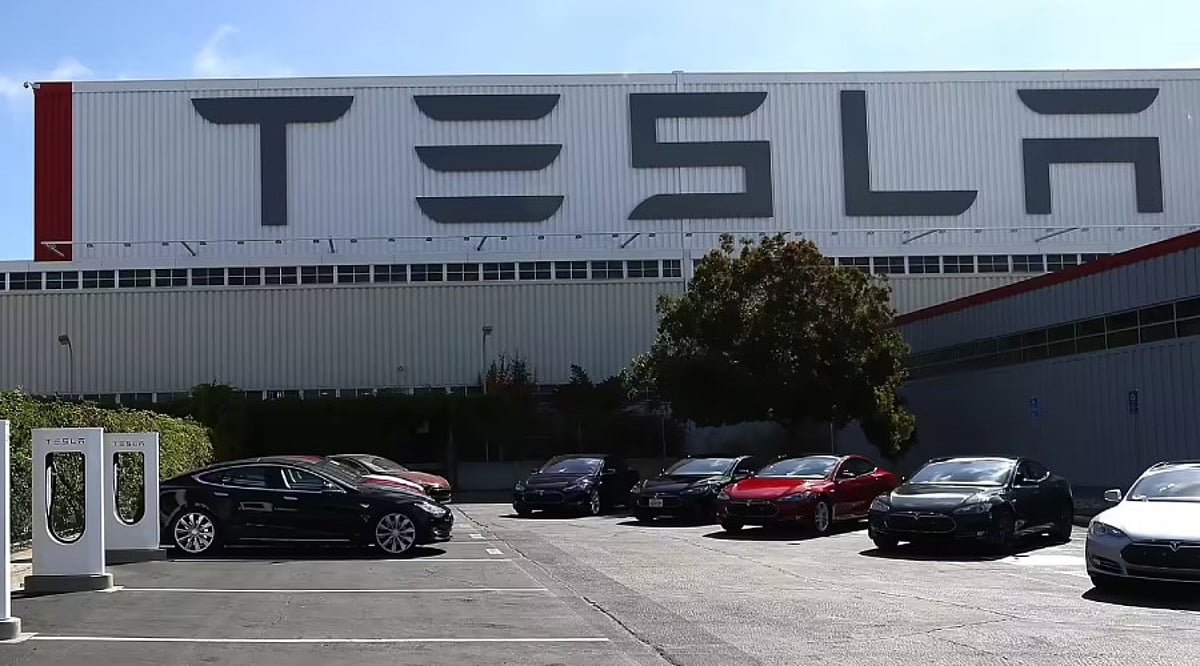
    Tesla did not become a major automaker overnight. It did not get there through one clever invention either. Its growth came from solving one problem after another. First, Tesla had to prove people wanted electric cars. Then it needed batteries, the ability to build cars at scale, and expansion into new countries. Each solution created the next challenge. This pattern explains Tesla’s rise better than any single product ever could.

    The Roadster Gamble

    Tesla was founded in 2003 by Martin Eberhard and Marc Tarpenning. Elon Musk joined as chairman and lead investor in 2004 and later became CEO. The company’s first car, the Roadster, launched in 2008. It used a Lotus Elise chassis and a battery pack made of thousands of small lithium-ion cells—the same type used in laptops at the time. This gave Tesla access to an already scalable battery supply chain. The hard part was managing heat, wiring the cells safely, and controlling the entire pack with software. The Roadster proved that a fast electric car could sell to real buyers, even at a high price.

    Model S Changes the Blueprint

    The Model S, introduced in 2012, marked a real shift for Tesla. Unlike the Roadster, it was built from scratch as an electric car, not adapted from another model. Tesla designed its own battery system, opened Supercharger stations to solve range anxiety, and introduced over-the-air updates that could change how a car worked even after it left the factory. This mix of software, batteries, and charging under one company gave Tesla more control over the driving experience than most traditional automakers had.

    Solving the Battery Bottleneck

    By 2014, demand for Tesla cars had outpaced its battery supply. The Gigafactory in Nevada was built to fix this, partnering with Panasonic to bring battery cell and pack production closer to the car assembly line. This partnership combined Tesla’s scale with Panasonic’s battery expertise, driving down costs over time. Tesla later built more Gigafactories in Shanghai, Berlin, and Texas, each one moving production closer to the markets it served.

    The Model 3 Manufacturing Crisis

    Tesla’s hardest period came with the Model 3 in 2017 and 2018, a stretch the company itself called “production hell.” Building an affordable car at scale exposed real gaps in Tesla’s factory process. Musk later said the company came close to running out of money. The fix was not simple: Tesla built a temporary assembly line in a tent outside its Fremont factory and rethought automation steps that had slowed everything down. Once stabilized, the Model 3 became one of the best-selling electric cars in the world, proving Tesla could handle mass production, not just small batches of luxury cars.

    Shanghai Proves the Model Can Travel

    Tesla broke ground on its Shanghai factory in January 2019—its first plant outside the United States. Model 3 production began there later that same year, an extremely fast timeline for any car factory. Shanghai showed that Tesla’s production approach could succeed outside California. Local suppliers and production cut costs and gave Tesla direct access to China, the world’s largest EV market.

    Model Y Builds on What Already Works

    Tesla did not design a brand-new platform for the Model Y. Instead, it leveraged much of the same engineering as the Model 3, allowing Tesla to enter the crossover and SUV market quickly without repeating years of development. Shared parts extended the value of earlier investments into a whole new vehicle type.

    A Market That Has Changed

    Tesla once had the EV market mostly to itself, but that is no longer true. Legacy automakers now offer strong electric vehicles, and Chinese companies like BYD report huge sales numbers (though often including plug-in hybrids). Tesla still has strong advantages: its charging network, software, and factory scale. But rivals are building the same strengths. What sets Tesla apart today is not being first—it’s how well Tesla integrates all these pieces into one cohesive system.

    Final Thought

    Tesla’s real story is not about inventing the electric car. It’s about building the machinery around it. Batteries, factories, charging stations, and software were once separate parts of the business. Tesla turned them into one connected system. That system, more than any single car, is what transformed a small EV startup into a global manufacturer.

  • India’s Deep-Tech Boom: 9 Defining Technologies for 2026

    India’s Deep-Tech Boom: 9 Defining Technologies for 2026

    India is entering a new era of technological innovation. By 2026, a wave of deep-tech advancements is expected to reshape industries, businesses, and public services across the country. From artificial intelligence and semiconductors to space exploration and biotech, these are the key technologies driving India’s deep-tech boom.

    AI and Generative AI

    India’s AI ecosystem continues to expand rapidly, with applications spreading across business, research, and government services. Generative AI tools and platforms are becoming central to productivity and innovation, making advanced AI one of the most significant technology drivers of 2026.

    Semiconductor Technology

    India is investing heavily in semiconductor manufacturing, chip design, and related infrastructure. New fabrication plants and design centers are being developed to reduce reliance on global supply chains and strengthen the country’s electronics ecosystem.

    Quantum Computing

    Quantum technology is gaining momentum in India, with research focused on quantum computing, secure communications, advanced sensing, and future industrial applications. These developments could unlock entirely new capabilities across healthcare, finance, and logistics.

    Space Technology

    India’s space sector is opening up to private participation, fostering innovation in launch systems, satellites, Earth observation, and commercial space services. Startups and established companies alike are exploring new ways to make space more accessible.

    Robotics and Automation

    Robotics is moving beyond factory floors. Indian startups are developing intelligent machines for healthcare, logistics, agriculture, defense, and other real-world applications, bringing automation to everyday life.

    Advanced Drones

    Drone technology is expanding into agriculture, mapping, delivery, surveillance, and infrastructure inspection. These applications are creating new opportunities for deep-tech startups and transforming traditional industries.

    Biotechnology

    India’s biotechnology sector is advancing drug discovery, genomics, medical research, and agricultural innovation. These efforts are strengthening the country’s future pipeline of high-impact technologies.

    Electric Mobility Technology

    Battery innovation, electric vehicles, and charging infrastructure are transforming mobility in India. Deep-tech companies are developing more efficient energy solutions to support the shift to electric transportation.

    Defense Technology

    India’s defense sector is embracing drones, sensors, artificial intelligence, robotics, and space systems. A renewed focus on indigenous development is helping the country build self-reliant defense capabilities.

    Together, these technologies signal a transformative period for India, positioning the country as a major player in the global deep-tech landscape.

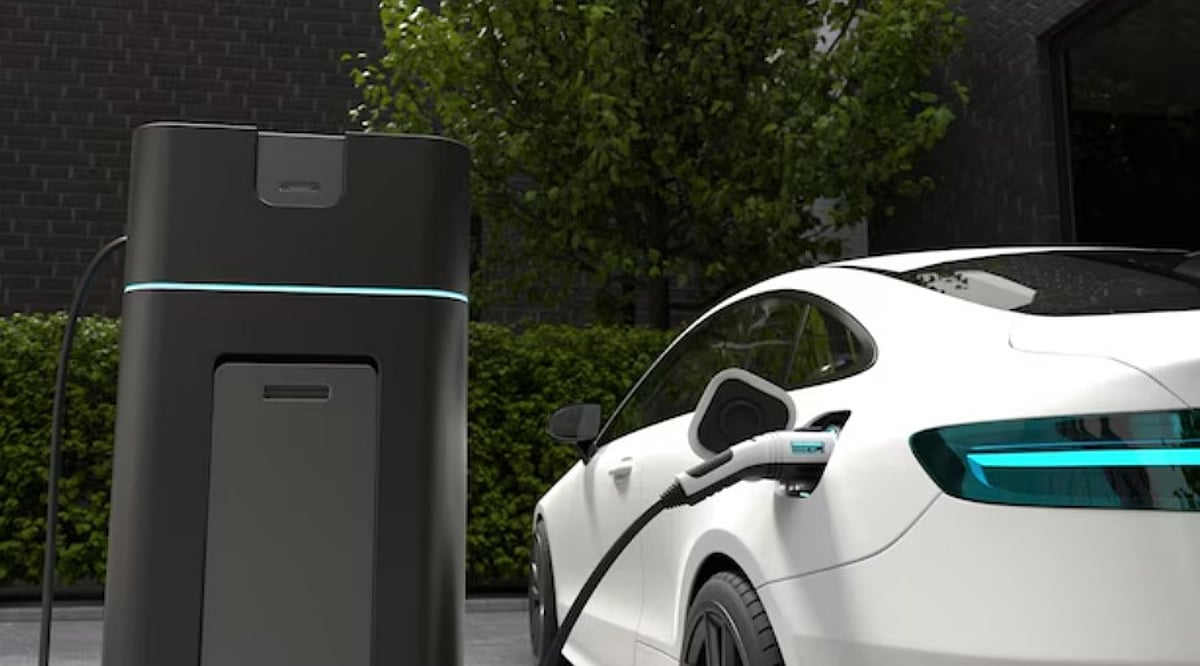
  • EV Charging Times Explained: From Home Outlets to DC Fast Chargers

    EV Charging Times Explained: From Home Outlets to DC Fast Chargers

    How long it takes to charge an electric vehicle depends on several factors, including battery size, charger output, vehicle capability, temperature, and the battery’s starting charge level. Charging can take anywhere from several hours at home to less than an hour with a compatible fast charger. There’s no single answer that applies to every EV on the road.

    According to the Bureau of Energy Efficiency (BEE), most EVs can charge from 0% to 80% in roughly one to five hours with slow or moderate chargers. Fast charging can bring that time below one hour, but the exact duration depends on battery chemistry, charging hardware, and the car’s own charging system.

    Understanding Charging Power and EV Charger Types

    Charging power is measured in kilowatts (kW). In general, a higher kW rating means the charger can deliver energy faster. However, an EV may not be able to use the charger’s full output. The vehicle’s onboard charger and battery-management system determine how much power it can safely accept.

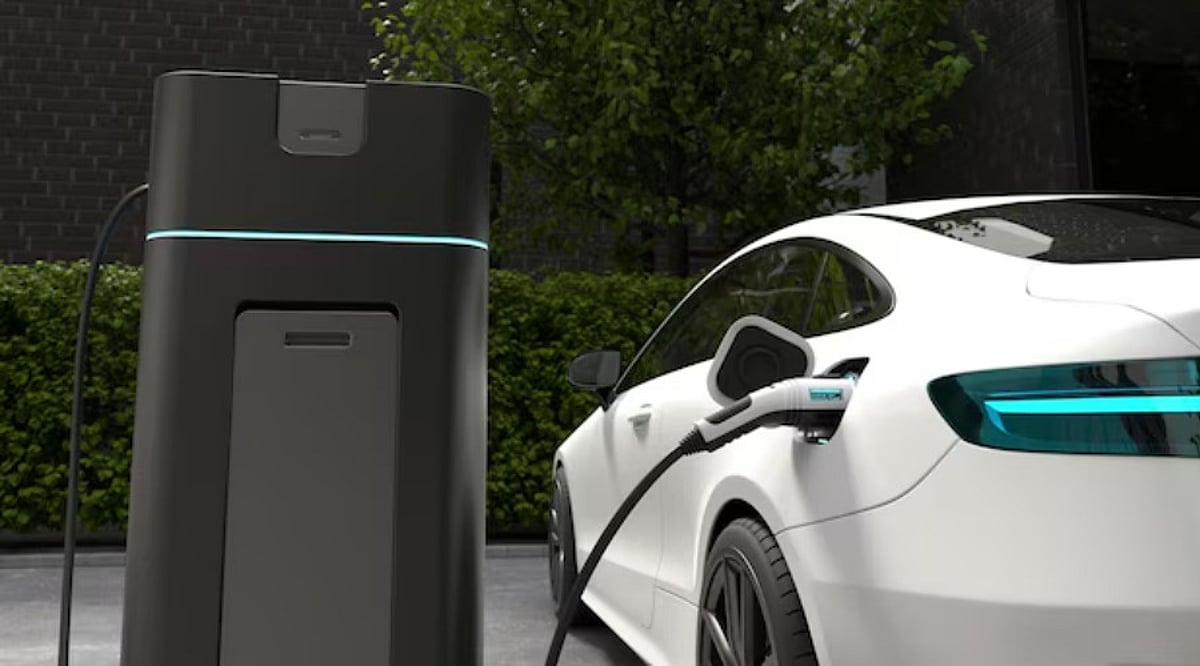
    AC slow and standard charging is the most common option for home use. In India, a standard 230V/15A household connection can deliver roughly 2.5 kW of AC charging output. AC fast charging uses higher-power equipment, with Type-2 AC systems specified at a minimum of 22 kW under the country’s charging infrastructure guidelines.

    DC fast charging bypasses the vehicle’s onboard charger. Instead of converting alternating current inside the car, the charging station sends direct current straight to the battery. BEE classifies common DC fast chargers at 50 kW or above, while newer high-power units can reach several hundred kilowatts.

    How Battery Size Affects Charging Time

    Battery capacity is measured in kilowatt-hours (kWh), which indicates how much energy the battery can store. A larger battery generally needs more electricity to reach the same percentage of charge, assuming identical charging conditions.

    For example, if two EVs are charging at the same effective rate of 7 kW, a 35-kWh battery would theoretically need about five hours to receive a full charge, while a 70-kWh battery would need about ten hours. In real-world driving, charging times vary due to energy losses, starting state of charge, and the charging curve the vehicle follows.

    The car’s maximum charging capability also plays a major role. A 100-kW charger won’t speed things up if the EV can only accept 50 kW. The battery-management system may also reduce power to manage temperature and protect battery health.

    How Long Does Home EV Charging Take?

    Home charging is generally slower than public DC fast charging, but it is often more convenient because the car can stay plugged in overnight. A standard household outlet offers the slowest option: according to BEE, a roughly 30-kWh EV battery can take around eight hours to reach 80% using a 15A slow or moderate charger.

    A dedicated home wallbox can provide significantly more power and reduce charging time, depending on the vehicle and the electrical connection. For many drivers, overnight charging is enough to prepare the car for the next day’s commute without a separate charging stop.

    How Fast Is DC Fast Charging?

    DC fast charging can dramatically reduce EV charging time. BEE cites the example of a 30-kWh electric car reaching 80% in less than one hour on a 50-kW fast charger. The U.S. Department of Energy says DC fast chargers can add roughly 100 to 200-plus miles of range in about 30 minutes, although results vary between vehicles and charger models.

    During road trips, charging from around 10% to 80% is often more practical than charging all the way to 100%. Charging power naturally drops as the battery approaches a higher state of charge, which means the final 20% can take noticeably longer than the earlier portion.

    Key Factors That Influence EV Charging Speed

    Several variables can change how long a charging session takes:

    • Battery capacity and starting state of charge
    • The vehicle’s maximum charging rate
    • The charger’s output and condition
    • Battery temperature and outdoor weather
    • Battery-management software and charging curve
    • Home electrical supply and other loads on the same circuit
    • Public station capacity and operating conditions

    Frequently Asked Questions About EV Charging Time

    1. How long does it take to charge an electric vehicle?
    Charging can take several hours at home or less than one hour with compatible DC fast chargers, depending on battery size and charger power.

    2. Is AC charging slower than DC charging?
    Yes. AC charging generally takes longer because electricity is converted inside the vehicle. DC fast charging sends direct current directly to the battery, which enables much faster speeds.

    3. Does a higher-kW charger always charge an EV faster?
    Usually, but only if the vehicle supports that charging power. The car’s charging limit determines how much electricity it can accept.

    4. Why does EV charging slow down after 80 percent?
    EVs reduce charging power as the battery approaches higher charge levels to manage heat and protect long-term battery health. This makes the final portion of the charging session slower.

    5. Is fast charging bad for an EV battery?
    Frequent high-power charging can increase battery heat and stress, but modern EVs use battery-management systems to regulate charging and protect performance over time.

  • EV Battery Health: The New Decisive Factor in Used Car Pricing

    EV Battery Health: The New Decisive Factor in Used Car Pricing

    Battery health is emerging as a critical determinant of used electric vehicle (EV) prices, with State of Health (SoH), warranty coverage, and independent battery reports influencing buyer confidence and resale value.

    Key Takeaways

    • Battery State of Health could become as important as mileage when dealers set used-EV prices.
    • Independent battery reports reduce uncertainty and help buyers assess a vehicle’s true condition.
    • Warranty coverage may support resale value by alleviating concerns about future battery costs.

    A three-year-old EV can look perfect on paper yet face a sharp price cut if the battery has poor health. While age, mileage, accident history, and service records still matter, battery condition now adds another major layer to used-EV valuation. Two cars with the same age and mileage may carry very different prices if one has a strong battery and the other shows clear capacity loss.

    The issue goes beyond battery life. Used-car buyers cannot easily see the battery’s SoH from a normal inspection. That gap creates uncertainty around range, future repair costs, and long-term value. As more early EVs enter the used-car market, battery health could become one of the most important numbers on a vehicle report. The wider market already shows signs of this shift.

    Battery Health Can Change the Value of an EV

    A petrol or diesel car typically gets a value estimate from familiar factors such as age, mileage, service records, and accident history. An EV needs another measure. Battery SoH shows how much of the original usable battery capacity remains.

    Recent data from Aviloo, based on more than 500,000 battery tests, found that most used EVs retain about 87% to 94% of their original usable capacity after 150,000 km. The results also show clear differences across models. Battery size, climate, driving habits, and charging patterns affect the rate of capacity loss.

    That data challenges a common fear around old EVs. An older battery does not always mean a weak battery. The bigger concern comes from an EV with no reliable battery record. A healthy battery with a verified report can offer far more confidence than a similar car with an unknown history.

    The SoH Number Still Needs Trust

    Battery health data helps buyers, but the number itself requires careful checks. A 2026 study of 1,114 EVs across five manufacturers found major gaps between actual battery capacity and SoH figures reported by battery management systems. The research raises concerns about using one reported figure as a universal measure of battery condition.

    That issue could shape the next stage of the used-EV market. A simple dashboard figure may not offer enough detail for a major purchase. An independent battery report could instead show usable capacity, cell balance, past thermal events, fast-charge exposure, and expected battery life.

    Such reports could eventually gain a role similar to a vehicle history report. A strong and trusted battery certificate could help separate a high-quality used EV from a risky example.

    India Needs Better Battery Price Signals

    India’s used-EV market now faces this issue at a critical stage. Autocar India’s 2026 used-car study covered more than 11,000 transactions across nine cities and identified battery concerns as a key reason for the lack of clear resale benchmarks for EVs.

    The market has already started to respond. In July 2026, JSW MG Motor India and Spinny announced a certified pre-owned EV program. The program includes EV-specific checks, a standard battery-health assessment, OEM warranty continuity, and a 200-point inspection.

    That move matters for resale prices. A certified battery check reduces uncertainty at the point of sale. It also helps sellers prove that a used EV has a healthy battery rather than relying only on age and mileage.

    Warranty Could Protect Resale Value

    Battery warranty may also become a major part of used-EV value. A car with several years of battery cover left can look safer than a similar vehicle near the end of its warranty period.

    Recent research from Strategy& found that battery warranty ranked as the strongest incentive for used-EV consideration, with 91% of APAC respondents selecting it. Dealer certification of battery SoH also ranked among the major factors that could improve buyer confidence.

    This trend could create a clear price gap between similar cars. A three-year-old EV with 95% SoH and strong warranty cover could command a premium. A similar car with 88% SoH may attract a normal market price, while a car with 75% SoH could face a much deeper discount. An EV with no reliable battery data may also lose value simply from uncertainty.

    Better Battery Data Could Change Depreciation

    The most important shift may not come from faster battery degradation. Better battery data could change how the market treats degradation.

    Some luxury EVs have already faced very steep depreciation. Barron’s reported that certain used Audi e-tron and Tesla Model S examples lost more than 70% of their original value. Rapid technology changes, higher supply, and battery concerns all contribute to weak resale prices in parts of the market.

    A trusted battery report could change that pattern. Strong batteries could hold more value, while genuinely weak batteries could face larger discounts. The used-EV market may therefore move toward a system where battery health directly shapes the price rather than remain a hidden technical detail.

    The next major step could come from banks, insurers, dealers, and automakers. If battery health starts to affect loan values, insurance terms, warranty extensions, and resale guarantees, SoH could become almost as important as mileage. At that point, the battery certificate may become one of the most valuable documents attached to a used EV.

    FAQs

    1. Why does battery health matter for used EVs?
      Battery health affects the vehicle’s usable range, future reliability, and overall resale value.
    2. What does State of Health mean?
      State of Health, or SoH, shows how much usable battery capacity remains compared with the original capacity.
    3. Can two EVs with the same mileage have different values?
      Yes. Different battery conditions can create a major price gap between otherwise similar vehicles.
    4. Does battery warranty affect resale value?
      Yes. Remaining battery warranty can give buyers greater confidence and reduce concerns about expensive future repairs.
    5. Will battery reports become standard for used EVs?
      The market is moving toward clearer battery checks, although a single universal standard has not yet emerged.
  • BMW India Plans Fourth Price Increase in 2026 as Rupee Weakens and Costs Rise

    BMW India Plans Fourth Price Increase in 2026 as Rupee Weakens and Costs Rise

    BMW Group India is preparing to raise vehicle prices for the fourth time in 2026, driven by the weakening rupee and escalating commodity costs. The luxury automaker has already implemented three price hikes this year, with total increases of up to 5% across its BMW and MINI lineups.

    Hardeep Singh Brar, President and CEO of BMW Group India, confirmed that another price revision is under consideration, potentially as early as next month. “The forex has hit us quite a bit. We have increased prices by 4-5% till now and there’s another one around the corner,” Brar said. He noted that foreign exchange conditions have deteriorated by about 18% since January 2025, putting significant pressure on margins.

    Expanding Local Production to Offset Costs

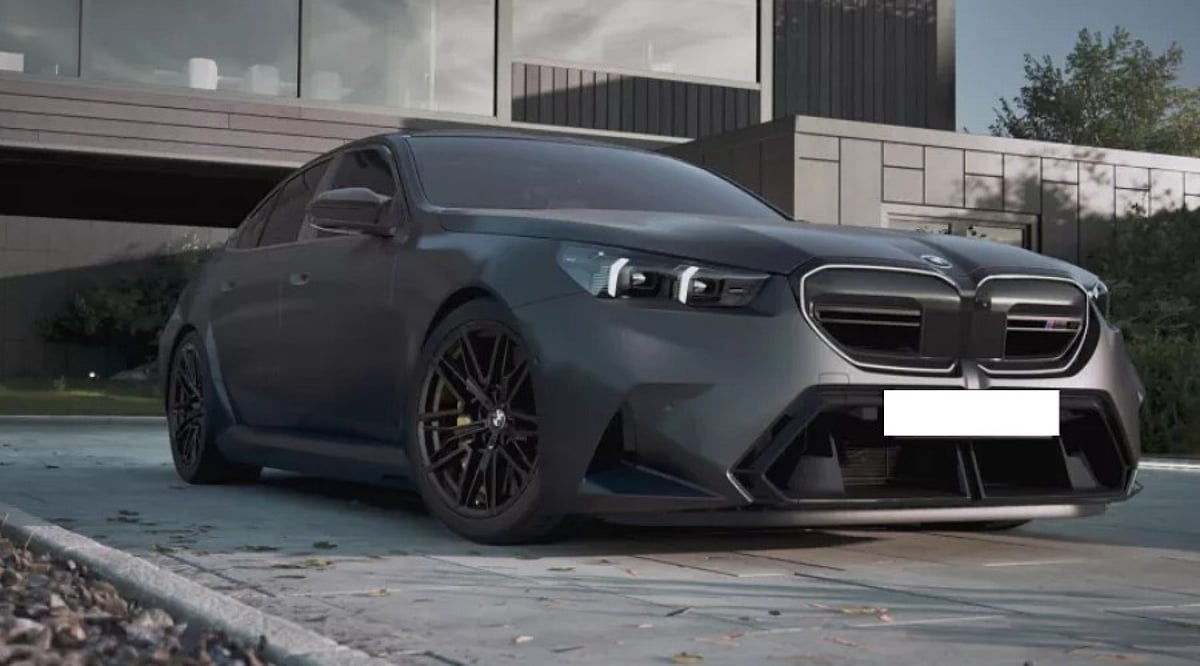
    Brar made the announcement following the launch of the new BMW 7 Series in India. The flagship luxury sedan is now available with both petrol and fully electric powertrains, including the high-performance BMW i7 M70. Bollywood actor Ranveer Singh unveiled the new models and was introduced as the brand voice for BMW India.

    To mitigate cost pressures, BMW is expanding local assembly. The new BMW i7 will be produced at the company’s Chennai plant, making India the only country outside Germany to locally manufacture the electric luxury sedan. However, the higher-performance i7 M70 will continue to be imported as a completely built-up unit.

    Pricing for the New 7 Series

    The new BMW 740 M Sport is priced at Rs 1.95 crore (ex-showroom), while the electric BMW i7 eDrive 50 xDrive M Sport carries the same ex-showroom price. The top-of-the-range BMW i7 M70 xDrive is priced at Rs 2.65 crore (ex-showroom) and will be imported.

    BMW did not specify the size of the next price increase, but Brar confirmed that another revision remains on the table as the company navigates currency volatility and rising input costs. Deliveries of the new 7 Series are expected to begin in October 2026.

  • EV Industry Outlook 2026: Key Trends Driving Growth in Europe, China, and Beyond

    EV Industry Outlook 2026: Key Trends Driving Growth in Europe, China, and Beyond

    The electric vehicle market is entering a new phase, marked by shifting regional dynamics, falling prices, and rapid technological advances. Global sales of battery-electric and plug-in hybrid vehicles reached 1.85 million units in July 2026, a 9% year-over-year increase, with total sales for the first seven months hitting approximately 11.5 million. Europe is emerging as the fastest-growing market, while China faces a saturated domestic market and North America shows mixed signals. The next wave of EV adoption will hinge on price, battery innovation, charging infrastructure, software capabilities, and trade policies.

    Europe Gains Momentum

    In 16 major European markets, battery-electric vehicles accounted for 25.7% of new car sales in July 2026. BEV sales rose 13.6% year-over-year to 224,266 units. France achieved a 35% BEV share, Germany 29.3%, and Denmark an impressive 80.1%. However, Italy saw its share drop to 5.9% after ending purchase subsidies. Stable regulations and more affordable models will be critical for Europe to maintain its lead.

    China Shifts Focus to Exports

    China’s domestic EV market is under pressure, with passenger vehicle exports rising 77.5% year-over-year in August 2026, while domestic sales fell for the 11th consecutive month. Electric and plug-in hybrid exports surged 154.7%, even as domestic sales of these vehicles declined 10.1%. Major automakers like BYD and Geely are increasingly looking overseas for growth as the home market becomes saturated.

    Price and Battery Costs Are Key

    Price remains the central factor in EV adoption. According to the International Energy Agency, nearly 70% of battery-electric cars sold in China in 2025 cost less than the average petrol or diesel car, and about 30% of electric models had an entry price below USD 20,000. In Europe, fewer than 10% of BEV models were priced below USD 30,000 in 2025. Low-cost Chinese models hold a strong advantage, but trade barriers could shift the balance.

    Global EV battery use reached 1.2 terawatt-hours in 2025, up nearly 30% from 2024. Average battery prices fell 8% in 2025, though lithium prices at the start of 2026 were more than double their level from the same period in 2025. Battery makers must balance lower pack costs with volatile mineral prices. Smaller, cheaper models could attract more buyers if range and safety remain acceptable.

    Charging Infrastructure and Software

    The world had over 43 million private light-duty vehicle charge points in 2025, with roughly one-third each in China and Europe and one-sixth in the United States. Public fast-charging rates can be up to 240% higher than residential tariffs, making home charging a key value driver. The average electric car range is now around 380 km and has largely plateaued. New 1,000-volt models and ultra-fast charging systems can cut charge times to under 10 minutes.

    Software is playing an increasingly important role. Modern EVs support remote updates, advanced driver assistance, battery management, and new digital features. Driverless taxis are already operating in more than 20 cities, primarily in China and the United States.

    India’s Unique Path

    India presents a different growth story. Alternative-fuel passenger vehicles accounted for 41.95% of retail sales in August 2026, ahead of petrol and ethanol at 40.85%. CNG and LPG held 25.28%, hybrids 9.04%, and EVs 7.63%. India recorded 297,820 EV registrations in August, with Uttar Pradesh alone contributing 42,007. The country shows strong potential across small cars, two-wheelers, three-wheelers, buses, and fleet vehicles.

    What Lies Ahead

    The next phase of the EV industry will not be defined by a single technology or market. Europe needs stable policies and lower prices. China must secure overseas access. Battery manufacturers require lower costs and stable mineral supply. Automakers need better software and faster charging. India offers room for diverse growth. The winners will be those that can deliver the right combination of price, range, software, and charging access.

    FAQs

    • What is driving the next phase of EV growth? Lower prices, battery innovation, faster charging, improved software, and supportive trade and policy frameworks.
    • Why is Europe becoming an important EV market? Europe is seeing faster BEV adoption, with several major markets recording strong growth and higher electric-car sales shares.
    • What challenge is China’s EV industry facing? A saturated domestic market is pressuring sales, encouraging Chinese automakers to expand exports and enter overseas markets.
    • Will EV prices continue to fall? Lower battery costs and increased competition could support more affordable EVs, although mineral prices and trade barriers may affect pricing.
    • What role will India play in the EV transition? India has significant growth potential across EVs, two-wheelers, three-wheelers, buses, and fleet vehicles, supported by broader growth in alternative-fuel mobility.
  • 7 Key Factors Behind EV Battery Range Loss: What Every Driver Should Know

    7 Key Factors Behind EV Battery Range Loss: What Every Driver Should Know

    Electric vehicle (EV) batteries gradually lose their ability to hold a charge, reducing driving range over time. Understanding the reasons behind this degradation can help drivers adopt habits that extend battery life. While many factors are at play, here are seven critical ones every EV owner should understand.

    1. Battery Chemistry and Natural Degradation

    Lithium-ion batteries undergo chemical and physical changes with repeated use, reducing their energy-storage capacity. The rate of degradation depends on battery chemistry, climate, charging habits, and thermal management systems.

    2. High Temperatures and Heat Exposure

    Extreme heat accelerates unwanted chemical reactions inside battery cells, leading to faster capacity loss. Modern EVs have thermal management systems, but prolonged exposure to high temperatures can still contribute to aging. Parking in shaded or cooler areas can help mitigate this effect.

    3. Frequent Fast Charging

    DC fast charging generates more heat and places greater stress on battery cells compared to slower charging. While convenient for quick top-ups, relying excessively on fast charging can hasten degradation. Balancing fast and regular charging promotes long-term battery health.

    4. Extended High or Low Charge Levels

    Keeping the battery at very high (near 100%) or very low (near 0%) charge for prolonged periods stresses the cells. Manufacturers typically recommend maintaining a charge between 20% and 80% for daily driving to reduce wear.

    5. Repeated Charging and Discharging Cycles

    Each full charge-discharge cycle causes small changes within battery cells. Over time, accumulated cycles reduce usable capacity. Driving patterns and charging frequency directly affect how many cycles a battery experiences.

    6. Battery Age and Calendar Aging

    Even when not used heavily, batteries chemically age naturally—a process known as calendar aging. This occurs alongside cycle-related degradation. Improved battery chemistry and management systems can slow these effects, but age remains an unavoidable factor.

    7. Driving Conditions and Energy Consumption

    Cold temperatures, high speeds, aggressive acceleration, heavy loads, hills, and extensive use of climate control increase energy consumption. These conditions can reduce real-world range without indicating permanent battery degradation.

    By understanding these factors, EV drivers can make informed choices about charging habits, driving style, and vehicle maintenance to maximize battery lifespan and range.