Tag: electric vehicles

  • Bajaj Auto Buyback Concludes: Stock Holds Above ₹10,000 as ₹5,633 Crore Tender Ends

    Bajaj Auto Buyback Concludes: Stock Holds Above ₹10,000 as ₹5,633 Crore Tender Ends

    Bajaj Auto shares traded above ₹10,000 on July 7, 2026, as the company’s ₹5,633 crore buyback offer entered its final day. Investors closely tracked the tender while weighing the premium offer against the company’s long-term growth trajectory in electric vehicles (EVs), exports, and earnings.

    The stock closed at ₹10,079.50 on the NSE, up ₹43 (0.43%), reflecting sustained investor confidence. The buyback, one of the largest ever by an Indian automobile manufacturer, underscores management’s commitment to shareholder value.

    Buyback Details and Capital Allocation Strategy

    Bajaj Auto is repurchasing 46.94 lakh shares at ₹12,000 per share through the tender offer route. Promoters are not participating, leaving the entire offer open to public shareholders. The move is expected to reduce outstanding equity and improve earnings per share over time.

    Auto Sector in Focus: TVS Motor, Apollo Tyres Also on Radar

    The positive sentiment isn’t limited to Bajaj Auto. Brokerage firm Kotak Institutional Equities has identified TVS Motor and Apollo Tyres as preferred picks for the June quarter, citing easing raw material costs, resilient domestic demand, and favorable product mix. The broader auto sector benefits from healthy financing conditions and rising consumer preference for premium vehicles.

    EV Competition Intensifies

    India’s electric two-wheeler market is becoming increasingly competitive. Bajaj Auto is expanding its Chetak electric scooter range with a cautious approach, balancing market share gains with profitability — a strategy that sets it apart from some rivals focused solely on volume.

    What Investors Should Watch Going Forward

    With the buyback complete, attention shifts to the company’s operational performance. Key metrics include:

    • June quarter earnings
    • Export growth trajectory
    • Chetak EV sales and market share
    • Operating margins
    • Future capital allocation plans
    • Buyback acceptance ratio
    • Management commentary on FY27 demand

    Sustainability of the Auto Rally

    The sector has shown strong momentum, but investors remain cautious about rising EV competition, export market volatility, commodity prices, and rural demand recovery. However, declining input costs, premiumization trends, and solid balance sheets provide a positive medium-term outlook.

    Bajaj Auto’s prudent capital management and consistent profitability position it well in India’s evolving mobility landscape. The buyback serves as a testament to its financial strength, but long-term value hinges on earnings growth, export recovery, and successful execution in EVs.

  • Longest-Range Electric Scooters for Indian Roads: Top Picks for 2026

    Longest-Range Electric Scooters for Indian Roads: Top Picks for 2026

    India’s electric scooter market is booming, and range remains the top concern for buyers. Here are the best EV scooters with the longest claimed range available on Indian roads, combining performance, technology, and practicality.

    Ola S1 Pro Gen 3

    The Ola S1 Pro Gen 3 offers a claimed range of up to 320 km, powerful acceleration, multiple riding modes, and a feature-rich touchscreen dashboard. It is ideal for city commutes and occasional long-distance travel, making it one of India’s most capable electric scooters for everyday riders who prioritize maximum range and modern technology.

    Simple One

    The Simple One boasts a claimed range exceeding 240 km on a single charge. Its sporty styling, powerful motor, spacious under-seat storage, and premium build quality make it perfect for riders seeking long-distance capability without sacrificing performance or comfort.

    Ather Rizta

    Built with families in mind, the Ather Rizta delivers a claimed range of around 159 km. It offers exceptional comfort, generous storage, and reliable software features. Its smooth ride quality, intelligent dashboard, and dependable battery management system make it a practical choice for urban and suburban commuting.

    TVS iQube ST

    The TVS iQube ST provides a claimed range of up to 212 km with premium features like navigation, voice assistance, and connected technology. Backed by TVS’ extensive service network, it offers peace of mind for buyers looking for dependable long-range electric mobility across cities and towns.

    Bajaj Chetak 3501

    Reviving an iconic name, the Bajaj Chetak 3501 blends timeless design with modern electric technology. It delivers a claimed range of over 150 km, with premium metal construction, smooth performance, refined ride quality, and reliable battery management, making it a strong option for everyday urban commuters.

    Vida V2 Pro

    Hero MotoCorp’s Vida V2 Pro offers a claimed range of approximately 165 km, with removable batteries, connected technology, fast charging support, and comfortable ergonomics. Its practical design and expanding service network make it an attractive choice for riders seeking flexibility and dependable daily performance.

    Ultraviolette Tesseract

    The Ultraviolette Tesseract brings futuristic styling, advanced rider-assistance systems, connected technology, and a claimed range of over 260 km. Designed for enthusiasts and premium buyers, it combines long-distance capability with cutting-edge innovation, making it one of the most anticipated electric scooters for Indian roads.

  • Ather Energy Eyes $200 Million QIP to Boost EV Expansion in India

    Ather Energy Eyes $200 Million QIP to Boost EV Expansion in India

    Electric two-wheeler maker Ather Energy is reportedly preparing to raise approximately $200 million (around Rs 1,700 crore) through a qualified institutional placement (QIP) as the company seeks to strengthen its expansion plans following its listing on Indian stock exchanges earlier this year. According to sources familiar with the matter, the share sale could begin as early as next week.

    The Bengaluru-based EV manufacturer has reportedly appointed HSBC, Axis Capital, and Nomura to manage the institutional fundraising. While the final size and timing of the issue remain subject to market conditions, the offering is expected to attract both domestic and global institutional investors.

    Expansion Plans Drive Fundraising

    The fresh capital is anticipated to be used for expanding Ather Energy’s manufacturing capacity, widening its retail footprint, and accelerating the development of new electric vehicle platforms. The company has been progressively increasing its presence in India amid intensifying competition in the electric two-wheeler segment.

    Ather has made aggressive investments in production, dealer network expansion, and innovative product development, as it competes with both established automobile giants and emerging EV startups.

    Increasing Competition in the EV Industry

    India’s EV industry has become increasingly competitive with the entry of new players such as Ola Electric, TVS Motor, and Bajaj Auto. These companies have invested heavily in developing new products, distribution channels, and manufacturing facilities to meet rising consumer demand for electric vehicles.

    Analysts note that further investment will be required for companies to scale operations, improve profitability, and roll out products across various price segments, rather than focusing solely on one market tier.

    Shift in Focus from IPO

    Ather Energy’s new plan to raise funds through an institutional equity offering follows its recent IPO, signaling the company’s determination to push ahead with its expansion strategy despite intense industry competition. This sequence of fundraising efforts indicates a proactive approach to securing capital for growth initiatives.

  • India’s 10 Most Promising Tech Startups Shaping 2026

    India’s 10 Most Promising Tech Startups Shaping 2026

    India’s startup ecosystem is undergoing a significant transformation. While previous years were dominated by conversations about massive funding rounds and valuations, the focus in 2026 has shifted toward sustainable growth, real-world problem-solving, and long-term profitability. Investors are now asking more critical questions: Is the business growing steadily? Does it solve a genuine problem? Can it generate sustainable revenue?

    This shift has created fertile ground for a new generation of startups across artificial intelligence, healthcare, financial services, electric vehicles, cloud computing, and space technology. These companies are building products that businesses and consumers actually need—from efficiency tools to accessible financial services. Below are ten Indian tech startups that are set to make an impact in 2026.

    Why Investors Are Paying Attention

    The startup landscape has become more pragmatic. While innovation remains paramount, investors are backing ventures with clear purpose and viable business models. Most startups now focus on solving everyday challenges rather than chasing trends. Government support for technology development and innovation is also fueling this growth.

    What Makes These Startups Different?

    Many startups launch every year, but only a few stand out. The companies on this list prioritize solving real problems. Some help businesses manage data more efficiently, others simplify financial services, and several are advancing health tracking or building space technology. Additionally, many of these startups are designed for global markets, giving them access to a larger customer base and more expansion opportunities. Most importantly, these companies are building products people actually use—substance over hype.

    Big Trends Shaping Indian Startups in 2026

    Businesses need tools that enable employees to work faster and smarter. Startups are delivering practical, less complex AI solutions. The healthcare sector is expanding rapidly due to rising consumer interest in health and fitness, opening doors for wellness-focused tech companies. Fintech continues to thrive as demand for faster, more convenient financial services grows. Electric mobility is also gaining traction, creating a pressing need for robust charging infrastructure. Meanwhile, space technology—once the domain of government agencies—is now attracting private players, with several Indian companies already achieving notable results.

    Why These Companies Matter

    The most successful startups are often not the loudest. They quietly solve problems every day—helping businesses save costs, making healthcare more accessible, improving financial services, and supporting emerging industries. These companies are building products with real impact, which is why investors, customers, and industry experts are closely watching them.

    Looking Ahead

    India’s startup environment is maturing. The “growth at any cost” mindset is giving way to value creation, problem-solving, and sustainability. The success stories of 2026 won’t come from companies that make the most noise; they will come from those that create something useful and earn customer trust. The ten firms highlighted here are among those to watch as India’s technology industry enters its next phase of growth.

    Why It Matters

    India’s next generation of technology startups is shaping the future of innovation across multiple industries. By developing practical solutions, creating employment opportunities, attracting investment, and expanding globally, these companies are strengthening India’s digital economy and driving long-term technological growth.

    FAQs

    Which are the top Indian tech startups to watch in 2026?

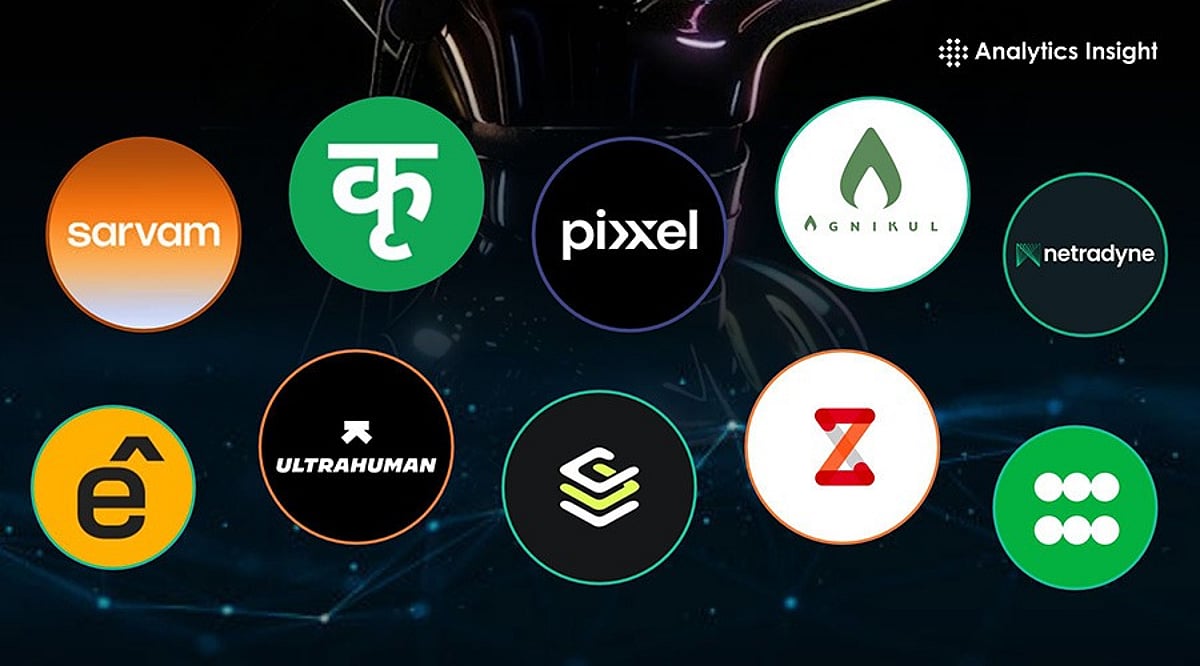
    Some of the most promising include Sarvam AI, Krutrim, Pixxel, Agnikul Cosmos, Netradyne, Exponent Energy, Ultrahuman, Lucidity, Zolve, and Equal. These companies are driving innovation across AI, space tech, fintech, healthtech, and cloud computing.

    Why are investors focusing on Indian tech startups in 2026?

    Investors are backing startups with sustainable business models, strong revenue potential, and products solving real-world problems. They prioritize long-term profitability, customer adoption, operational efficiency, and scalability across domestic and international markets.

    Which sectors are driving India’s startup ecosystem in 2026?

    AI, fintech, healthtech, electric mobility, cloud computing, identity technology, and commercial space technology are among the fastest-growing sectors. These industries benefit from digital adoption, supportive policies, private investment, and rising technology-driven demand.

    Why is AI becoming a major focus for Indian startups?

    AI startups are developing language models, enterprise automation tools, customer service platforms, and productivity solutions tailored to India’s diverse market. Businesses across industries adopt AI to improve efficiency, reduce costs, automate tasks, and enhance customer experiences.

    What makes Indian space startups attractive to investors?

    Private companies like Pixxel and Agnikul Cosmos are building satellite technologies, launch vehicles, and Earth observation solutions with global commercial potential. Government reforms and increased private participation have created new opportunities for innovation and international partnerships.

  • MIT Researchers Unveil Ways to Cut Data Center Energy Use and Boost Sustainability

    MIT Researchers Unveil Ways to Cut Data Center Energy Use and Boost Sustainability

    A new study from MIT suggests that flexibility in the timing of electricity consumption at data centers could lower consumer costs. The research highlights how adjusting when energy is used can help manage demand and reduce strain on the grid.

    In related work, MIT researchers have developed a system called Murakkab that improves the speed and energy-efficiency of AI agents. This innovation optimizes the design and deployment of multistep workflows powering AI applications.

    Another project introduces a computer model that enables bridges and buildings to use less material while remaining buildable. The approach bridges the gap between optimized design and real-world construction constraints.

    MIT Professor Susan Solomon was named a 2026 Tang Prize laureate for her groundbreaking work on atmospheric chemistry, which helped lay the foundation for ozone layer recovery and demonstrated the lasting impacts of carbon emissions on climate.

    The MIT Environmental Solutions Journalism Fellowship has expanded climate reporting through local messengers, reaching nearly 3 million readers and listeners with community-centered coverage.

    A startup co-founded by two MIT researchers, Ferveret, uses a nuclear-inspired cooling system to reduce energy and water needed for cooling chips that power AI, making data centers more sustainable.

    Other MIT projects explore low-cost personal cooling and emissions-free air conditioning to address extreme heat, while researchers develop innovative carbon capture methods and a low-cost technique to extract lithium from rocks.

    A study on wetlands preservation shows that tradeoffs between conservation and development can be less stark with a policy featuring tradeable offsets and taxes. The MIT Asia Real Estate Initiative expands into booming Asian cities, and MIT Sloan fellows share insights on leading a sustainable future.

    For most U.S. drivers, electric vehicles offer emissions benefits and cost savings, with individual driving patterns and regional electricity mix playing key roles.