Tag: finance

  • Jefferies Sees 35% Upside for Diageo as US Turnaround Strategy Gains Momentum

    Jefferies Sees 35% Upside for Diageo as US Turnaround Strategy Gains Momentum

    Jefferies has maintained a ‘buy’ rating on Diageo, forecasting a potential 35% rise in the company’s shares as it executes a turnaround of its struggling US business. The US market accounts for 40% of Diageo’s total sales, making it a critical focus for the spirits giant.

    US Business Remains Key Focus

    Diageo’s US operations are central to its recovery plans. According to Jefferies, the turnaround strategy aims to stabilize the business and regain market share despite a weak US spirits market, which is expected to contract by 3% this year. The company faces challenges from declining core brands and a weak presence in the ready-to-drink segment.

    Shares Trade at a Discount

    Jefferies noted that Diageo shares currently trade at a discount compared to peers. The brokerage expects the stock could re-rate as the recovery progresses. The 35% upside forecast hinges on successful execution of the US turnaround plan.

    November 5 Update in Focus

    Investors are eagerly awaiting Diageo’s first-quarter trading update, scheduled for November 5, which is expected to provide further insight into the turnaround’s progress. The company’s efforts come as market participants continue to assess its ability to stabilize performance and regain market share.

    Meanwhile, Pluang’s market snapshot as of September 21, 2026, showed that among 43 priced US Consumer Staples stocks, 25 rose and 11 fell. Notable movers included Celsius Holdings at USD 28.24 (up 0.79%), Sysco Corporation at USD 79.63 (up 0.73%), and Krispy Kreme at USD 3.04 (up 0.66%).

  • How 24/7 Cryptocurrency Markets Are Transforming Currency Trading and Global Payments

    How 24/7 Cryptocurrency Markets Are Transforming Currency Trading and Global Payments

    Cryptocurrency markets have introduced something traditional currency traders have never experienced at comparable scale: a global market that remains continuously tradable. Bitcoin, Ethereum, stablecoins, and other digital assets trade around the clock, including weekends and holidays, creating an environment where price discovery never formally stops.

    Crypto Removes Traditional Trading Hours

    The foreign-exchange market operates almost continuously from Monday to Friday as activity shifts between Asia, Europe, and North America. Conventional FX markets, however, largely close for the weekend. Crypto does not.

    Bitcoin can react immediately to geopolitical events, economic developments, or financial stress occurring outside traditional trading sessions. That makes crypto a potential source of price discovery while equity, bond, and conventional currency markets are closed.

    Institutional involvement is also expanding. Crypto data company Kaiko raised USD 110 million in September 2026 in a round led by S&P Global, with participation from Nasdaq, BNP Paribas, Royal Bank of Canada, and Susquehanna, illustrating growing traditional-finance investment in digital-asset infrastructure.

    Stablecoins Create Always-On Dollar Liquidity

    Stablecoins are strengthening the connection between crypto and currency markets. Dollar-linked tokens such as USDT and USDC allow dollar-denominated value to move between wallets, exchanges, and applications without depending on conventional banking hours.

    The stablecoin market stands at USD 314.8 billion as of September 21, according to CoinMarketCap, while euro-denominated stablecoins reached a record USD 705 million.

    Institutional experiments are moving forward as well. US Bank completed a live cross-border pilot on September 9 using its proprietary USBDC stablecoin on Stellar. The transaction moved value between the bank’s North American and European entities and tested minting, redemption, freezing, and clawback capabilities.

    Cross-Border Settlement Is Evolving

    Blockchain infrastructure could reduce some dependence on correspondent banking chains by enabling direct digital settlement.

    The mBridge project demonstrates the concept using central bank digital currencies. Saudi Arabia joined as a full participant in 2024 before completing its planned proof of concept in May 2025 and ending participation. The platform continues exploring direct cross-border payments and foreign-exchange settlement using digital currencies.

    Risks Remain

    Continuous trading introduces new risks. Crypto markets never provide a formal overnight or weekend pause, while liquidity can vary significantly by trading period. Sharp moves can therefore occur when participation is relatively thin.

    Stablecoins additionally carry reserve, issuer, counterparty, technology, and regulatory risks.

    Final Thoughts

    Crypto is unlikely to replace the enormous global FX market, but it is changing expectations around when currencies and currency-linked assets should be transferable.

    With stablecoins exceeding USD 300 billion and major banks testing blockchain settlement, financial infrastructure is moving closer to continuous operation. The long-term shift may be less about replacing currencies and more about making global currency movement available 24 hours a day, seven days a week.

    Frequently Asked Questions

    1. Why do cryptocurrency markets operate 24/7?

    Crypto networks and exchanges are not restricted by conventional banking or exchange hours. Bitcoin and other digital assets can therefore trade continuously, including weekends and holidays.

    2. How are 24/7 crypto markets different from forex markets?

    Forex trading operates almost continuously from Monday through Friday but largely pauses over weekends. Crypto markets remain active throughout the entire week, allowing continuous price discovery and settlement.

    3. Why are stablecoins important for 24/7 currency trading?

    Stablecoins such as USDT and USDC allow dollar-linked value to move between wallets, exchanges, and blockchain applications continuously. This creates digital dollar liquidity outside traditional banking hours.

    4. Can blockchain improve cross-border currency payments?

    Blockchain can enable direct digital settlement and potentially reduce some intermediary and reconciliation processes. Banks and central-bank initiatives are testing the technology for cross-border payments and foreign-exchange settlement.

    5. What are the risks of always-open crypto markets?

    Continuous trading exposes participants to price movements at all hours, while liquidity can become thinner during certain periods. Stablecoins also introduce issuer, reserve, regulatory, technology, and counterparty risks.

  • How to Change or Reset Your UPI PIN Securely: Essential Steps and Safety Tips

    How to Change or Reset Your UPI PIN Securely: Essential Steps and Safety Tips

    Learn the safe methods to change or reset your UPI PIN, including debit card verification and Aadhaar face authentication, plus crucial safety tips to protect your account.

    What a UPI PIN Does

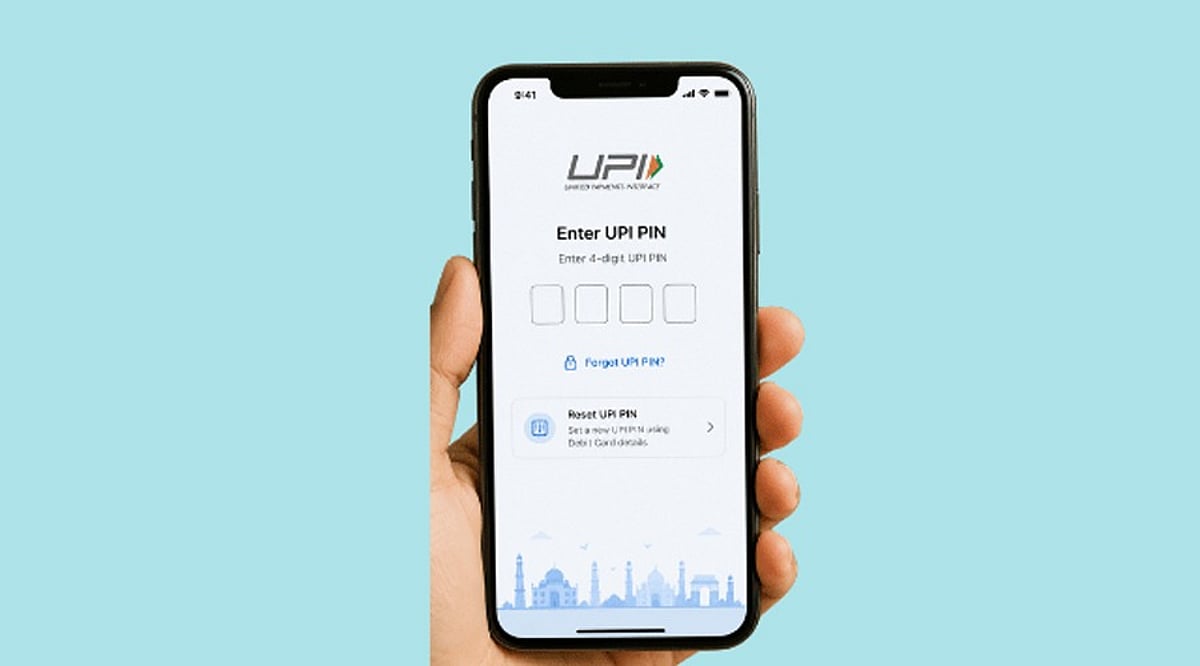
    A UPI PIN is a 4-6 digit passcode that authorizes bank transactions through UPI. According to NPCI, it is different from a bank-issued MPIN. Customer support staff will never ask for your UPI PIN. Entering the wrong PIN causes transaction failure, and multiple wrong attempts can temporarily block UPI payments. A PIN reset is for forgotten codes, while a change is for known codes that need replacement, such as after a suspected disclosure.

    How to Change a Known UPI PIN

    Open your UPI app and select the linked bank account. Look for the “Change UPI PIN” option. Enter your current PIN, then create a new 4-6 digit code and confirm it. Avoid using simple patterns, dates, or easily guessable numbers. The app does not store your PIN, and bank support never asks for it.

    How to Reset a Forgotten UPI PIN

    If you forget your PIN, use the “Reset UPI PIN” option. The standard method requires the last six digits of your debit card and its expiry date, followed by an OTP. After verification, you can set a new PIN. Some apps may also offer Aadhaar-based Face Authentication as an alternative.

    Aadhaar Face Authentication Option

    NPCI has introduced UIDAI Face Authentication as an additional method for PIN set and reset. In supported apps, select “Aadhaar-based Face Authentication” after choosing the reset option. Your Aadhaar must be linked to your bank account. You will be directed to the UIDAI Face RD app for a face scan, followed by a bank OTP on your registered mobile number. Then you can set a new PIN.

    Safety Checks Before a PIN Reset

    Never share your UPI PIN with anyone, including bank employees or support agents. Debit card details should only be entered in the trusted UPI or banking app, never via links or forms. A request for your PIN to receive money is a red flag. Always verify recipient details and amounts before approving payments.

    What to Do After Suspected Exposure

    If you suspect your PIN has been compromised, change or reset it immediately through the official app. If your phone is lost, contact your bank and mobile operator right away. NPCI also provides a complaint route for transaction disputes through your UPI app or bank.

    FAQs

    Can a forgotten UPI PIN be reset?
    Yes, using the reset option in your UPI app.
    Is a debit card required for every reset?
    No, supported apps may offer Aadhaar-based face authentication.
    Can I change my PIN without forgetting it?
    Yes, use the “Change UPI PIN” option.
    Should I share my UPI PIN with bank support?
    No, bank staff will never ask for it.
    What should I do after a suspected PIN leak?
    Change or reset your PIN immediately and review recent transactions.
  • Beyond Interest Rates: 5 Key Drivers of Stock Market Movements

    Beyond Interest Rates: 5 Key Drivers of Stock Market Movements

    Interest rates often dominate financial headlines, but they are far from the only force influencing stock markets. Corporate earnings, inflation, commodity prices, geopolitical events, currencies, investor sentiment, and capital flows all play significant roles. Understanding these factors helps investors interpret market movements and avoid relying on a single indicator.

    1. Corporate Earnings and Profit Expectations

    Corporate earnings are one of the strongest drivers of individual stock prices. Investors constantly compare reported results with market expectations. A company can report higher profits and still see its shares fall if earnings disappoint against already-high expectations. Revenue growth, profit margins, guidance, and future earnings estimates all matter. Strong results can support valuations when investors expect continued growth, while disappointing results can put pressure on share prices. The broader market also depends on earnings across major sectors such as technology, financials, healthcare, energy, and consumer companies.

    2. Inflation and Economic Data

    Investors track consumer prices, employment, wages, manufacturing, and economic growth. These reports can change expectations about future business conditions. Higher inflation can increase companies’ costs, pressuring profit margins, while lower inflation can improve purchasing power and reduce pressure on operating costs. Economic growth also matters: strong growth supports corporate revenue and consumer spending, while weak growth raises concerns about future earnings. Markets react quickly to major economic releases.

    3. Commodity Prices and Energy Costs

    Oil, natural gas, metals, and agricultural commodities can influence markets worldwide. Oil is particularly important as energy affects transportation and manufacturing costs. Higher prices can squeeze margins across industries such as airlines, chemicals, logistics, and manufacturing. Energy producers may experience a different earnings impact. Commodity movements also affect inflation expectations, creating another channel for market volatility. Recent oil price movements above USD 108 per barrel amid geopolitical tensions have put global equities under pressure.

    4. Geopolitical Events and Government Policies

    Wars, trade restrictions, elections, sanctions, and diplomatic disputes can quickly change investor expectations. Markets often react before the economic consequences become clear. Investors may reduce exposure to sectors facing direct risks. Trade policies can affect companies operating across borders—tariffs may increase costs or reduce demand for exported products. Geopolitical risks can also disrupt energy supplies and shipping routes, spreading across multiple economies. Energy prices and trade policies are extremely important in today’s situation.

    5. Investor Sentiment, Currency, and Market Flows

    Markets are influenced by how investors allocate capital. Foreign investment flows can affect stock prices, particularly in emerging markets, while domestic institutional flows can provide substantial buying or selling pressure. Currency movements matter for companies with international revenues or costs—a stronger local currency can reduce overseas earnings after conversion. Investor sentiment adds another layer: fear can accelerate selling, while optimism can increase demand for riskier assets. Market positioning can sometimes amplify an otherwise modest news event, explaining why similar announcements can produce different reactions.

    Why a Wider Market View Matters

    Interest rates are important, but they rarely explain every market move. Corporate earnings show whether businesses are generating profits. Economic data provides clues about demand and growth, while commodity prices reveal changing cost pressures. Geopolitical events can alter trade and supply chains. Currency movements and investor flows influence liquidity and valuations, and sentiment can magnify these underlying forces. By watching several indicators, investors gain better context—since no single market signal explains every rise or decline.

    Frequently Asked Questions

    What factors move the stock market besides interest rates?

    Corporate earnings, inflation, economic growth, commodity prices, currencies, geopolitical developments, investor sentiment, and capital flows can all influence stock markets. These factors often interact, making market movements more complex than a single interest-rate decision.

    How do corporate earnings affect stock prices?

    Earnings provide information about a company’s financial performance. Investors compare reported results with expectations. Strong revenue, profits, margins, and guidance can support valuations, while disappointing results can put pressure on share prices.

    Does inflation affect the stock market?

    Yes. Inflation can increase business costs and reduce consumer purchasing power. It can also influence expectations for monetary policy, affecting company earnings, bond yields, and investor valuations.

    Why do oil prices affect stocks?

    Oil is an important input for transportation, manufacturing, and several other industries. Rising prices can increase operating costs, while energy companies may see higher revenue from increased commodity prices.

    How do geopolitical events affect stock markets?

    Wars, sanctions, trade restrictions, and supply disruptions can change investor expectations. They affect energy prices, shipping costs, currencies, and specific industries. Markets can react before the full economic impact becomes visible.

    Disclaimer: This article is provided for informational purposes only and does not constitute investment advice. Readers should conduct their own research before making any investment decisions.


  • Tata Chemicals Jumps 13% as Tata Sons IPO Hopes Drive Rally, Then Governance Row Sparks Selloff

    Tata Chemicals Jumps 13% as Tata Sons IPO Hopes Drive Rally, Then Governance Row Sparks Selloff

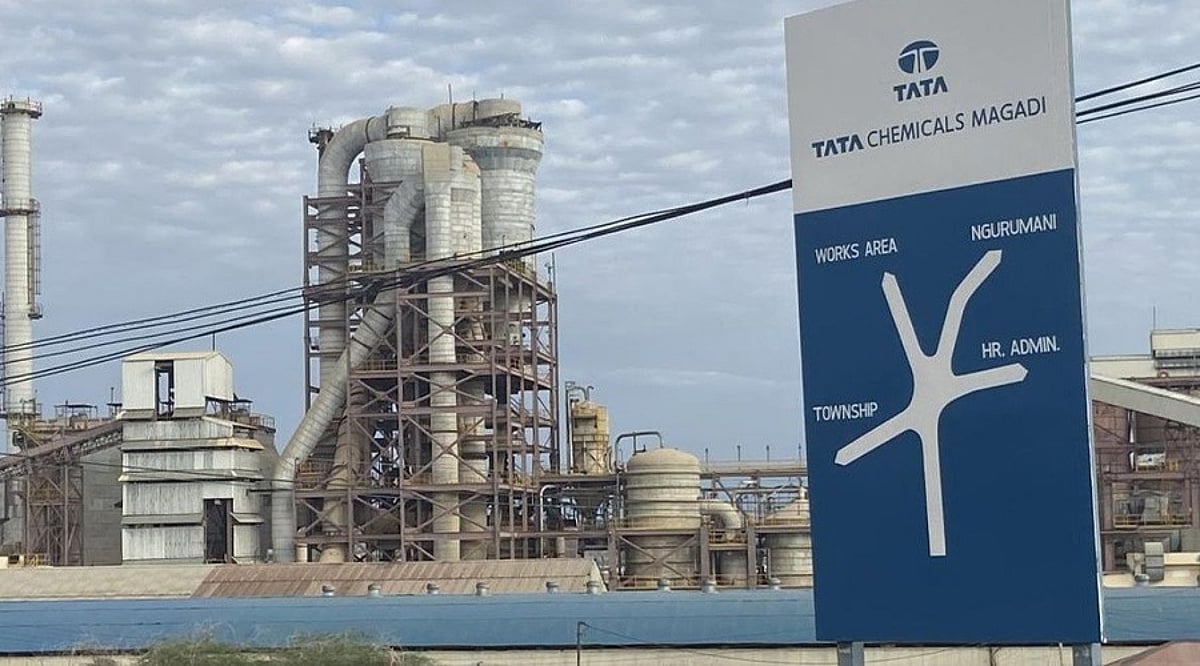
    Shares of Tata Chemicals led a sharp rally among Tata Group stocks this week, surging 13% as renewed speculation about a Tata Sons initial public offering (IPO) ignited buying interest. However, a leadership dispute between Tata Trusts and the board of Tata Sons erased nearly $4 billion in combined market value on Friday, capping a volatile period.

    RBI Decision Ignites IPO Expectations

    The rally began Tuesday after the Reserve Bank of India (RBI) reportedly rejected Tata Sons’ request to surrender its Certificate of Registration. Tata Sons had sought to be classified as an unregistered Core Investment Company, but the RBI’s decision reignited expectations that the holding company would eventually need to list its shares on the stock exchange.

    Board Reappointment Sparks Controversy

    Buying resumed on Thursday after the Tata Sons board approved a second five-year term for Chairman N. Chandrasekaran and initiated steps toward a long-awaited IPO. The optimism was short-lived. Tata Trusts, which holds a 66% stake in Tata Sons, opposed the reappointment, calling it a “legal nullity.” The dissent raised fresh uncertainty about both the listing plan and the group’s leadership succession.

    Tata Chemicals Delivers Best Weekly Performance

    Among the seven listed Tata Group companies with stakes in Tata Sons, Tata Chemicals posted the strongest gains. The stock hit the 20% upper circuit on Tuesday and rose another 6.5% on Thursday. On Friday, it tumbled approximately 11% as investors reacted to the governance dispute. Still, it managed to close the week 13% higher.

    The company owns a 2.5% stake in Tata Sons, valued at roughly Rs 30,052 crore. This holding is substantial compared with Tata Chemicals’ own market capitalization. Gaurav Garg, head of research at Lemonn, noted that “the Tata Sons listing story forms a large part of the valuation case for smaller listed companies. That cuts both ways, and today it cut one way,” he said after Friday’s decline.

    Other Group Stocks Gain, Then Fade

    Tata Investment Corporation added 8% for the week despite losing 2.5% on Friday. It holds a 0.08% stake in Tata Sons valued at about Rs 950 crore. Tata Power finished roughly 3% higher, with shares closing near Rs 375 on Friday. Tata Power owns a 1.65% stake, worth an estimated Rs 19,599 crore. The Indian Hotels Company (IHCL) gained about 2% for the week, holding a 1.11% stake valued at Rs 13,185 crore. Tata Motors Passenger Vehicles rose only 1% after a 4% gain on Thursday and a 3% drop on Friday; its 3.06% stake is worth roughly Rs 36,348 crore. Tata Steel, with a similar 3.06% stake, added about 1.4%. Tata Consumer Products ended nearly flat at a 0.5% gain, with a 0.43% holding valued at Rs 5,107.7 crore.

    Governance Row Wipes Out Billions

    On Friday, listed Tata Group companies collectively lost about Rs 38,361 crore ($4 billion) in market value. Tata Consultancy Services fell 3.88%, while Tata Chemicals dropped 11.04%. Tata Elxsi, Tata Motors, Tata Investment Corporation, and Tata Steel also closed lower.

    Analysts said investors will now monitor whether the two sides reach a compromise or take the matter to a tribunal. Until the governance dispute is resolved, news about the Tata Sons IPO is likely to keep volatility high across Tata Group stocks.

  • XRP Rebounds Above $1.40: Support Levels, ETF Demand, and Market Signals to Watch

    XRP Rebounds Above $1.40: Support Levels, ETF Demand, and Market Signals to Watch

    XRP has bounced back above $1.40 after a sharp weekly selloff, with lower open interest and heavy short liquidations shaping the recovery. The token had fallen from a weekly peak of $1.50 to below $1.30 after the U.S. Senate failed to advance the CLARITY Act in a 49–50 cloture vote. However, a broader crypto recovery—led by Bitcoin reclaiming $80,000—triggered a short squeeze that lifted several altcoins.

    Spot Volume and Short Liquidations Spike

    XRP spot volume reached approximately $1.36 billion in 24 hours as the price climbed about 7% to $1.41. Total turnover tracked by CoinMarketCap jumped nearly 90% to $4.9 billion. Meanwhile, short liquidations hit roughly $8.05 million, showing how quickly bearish positions came under pressure.

    The rebound followed a drop toward the $1.23–$1.30 area earlier in September. The move did not arrive with a fresh fundamental catalyst. Instead, it tracked the broader crypto recovery as Bitcoin pushed back above $80,000.

    Key Support and Resistance Zones in Focus

    Analyst Ali Martinez identified the $1.31–$1.35 range as the immediate support zone, with XRP repeatedly trading around that area after this week’s decline. A sustained hold would keep attention on $1.38–$1.40, followed by heavier resistance near $1.50–$1.54.

    The technical setup also includes a potential golden cross, as XRP’s five-day moving average approaches its 200-day moving average. Traders often treat that crossover as a bullish momentum signal, although it does not guarantee further gains.

    Can XRP defend $1.31–$1.35 while building enough spot demand to challenge the $1.50 area again? That question now sits at the center of the short-term price setup. Analysts also point to improving altcoin conditions as traders watch for capital rotation away from Bitcoin.

    Leverage Declines as Short Liquidations Rise

    Futures open interest dropped more than 20% within several days during this week’s deleveraging. That decline shows leveraged traders reduced exposure after regulatory and macro volatility. Lower leverage can weaken immediate momentum, but it can also reduce the risk of a liquidation cascade.

    Saturday’s rebound still carried a strong derivatives component. XRP shorts absorbed about $8.05 million in liquidations, while long liquidations reached roughly $2.36 million. Across the broader crypto market, leveraged liquidations totaled about $300 million as Bitcoin moved above $81,000.

    XRP futures volume remained near $5.71 billion, more than four times spot volume. Futures activity had also reached a six-month high in August before later volatility. That balance keeps leverage central to the next move even after open interest declined.

    The gap between futures and spot activity remains important because large derivatives positions can amplify price swings. Another leverage flush could reverse a fast rally, while lower open interest may reduce the risk of a similar cascade.

    ETF Flows and Utility Remain in the Spotlight

    Institutional demand remains visible through U.S. spot XRP ETFs, which have recorded more than $1.7 billion in inflows. That figure stands apart from the token’s recent price weakness and gives traders another measure of demand beyond short-term market moves.

    At the same time, 21Shares has pointed to a gap between XRPL utility growth and XRP price performance. Whale activity has also increased: about 1.6 billion XRP moved into Binance over 30 days, marking a six-month high, while exchange reserves reached a 69-day high.

    CryptoQuant analysts said those flows could reflect reallocation rather than direct selling. Even so, the larger Binance balance creates potential supply if holders choose to sell. Ripple has also added XRP and RLUSD to Stripe and Tempo’s AI agentic payments effort.

    Another derivative catalyst arrives next: the Moscow Exchange plans to launch XRP perpetual futures on September 22. That product will add another venue for XRP-linked derivatives as traders continue watching spot demand, leverage, support levels, and ETF flows.

    Conclusion

    XRP has recovered above $1.40 after its sharp selloff, with lower open interest and short liquidations shaping the rebound. Traders are now tracking $1.31–$1.35 support, resistance near $1.50, XRP ETF inflows, Binance whale activity, and the September 22 Moscow Exchange futures launch.

  • NSE IPO Attracts 43% Subscription on Opening Day for Rs 22,569 Crore Offering

    NSE IPO Attracts 43% Subscription on Opening Day for Rs 22,569 Crore Offering

    India’s National Stock Exchange (NSE) launched its much-anticipated initial public offering (IPO) on Thursday, and the Rs 22,569 crore issue saw a 43% subscription rate on the first day. Investors bid for 3.83 crore shares against the 8.86 crore shares on offer, making it the country’s second-largest public offering.

    The IPO faced cautious demand as eleven other public offerings competed for investor capital in the same week. Qualified institutional buyers subscribed 19%, while retail investors reached 44% and non-institutional investors hit 72%.

    The NSE IPO has a price band of Rs 1,700 to Rs 1,785 per share, implying a valuation near USD 46 billion. Regulatory changes and weaker options activity have raised questions about future derivatives-led earnings growth. NSE generates about 80% of its revenue from trading, with options contributing around 60% of trading revenue. Options volumes have fallen 27% from their 2024 peak, increasing investor focus on future revenue growth.

    The crowded IPO calendar added another hurdle for the massive NSE public offering this week. Five mainboard and six SME issues together targeted around Rs 24,500 crore from investors. The NSE issue represented more than 90% of that combined value, concentrating demand around one enormous offering. Market participants therefore had several opportunities to distribute capital instead of committing heavily on opening day.

    The offer follows an offer-for-sale structure, limiting the direct benefit for NSE from the public issue. Existing shareholders are selling shares, while the exchange receives no fresh funds for expansion or new investments. NSE reduced the offering from an earlier plan, bringing the issue below its initial estimate of around Rs 30,000 crore.

    Institutional caution became clearer through first-day figures, despite strong anchor investor participation before launch. NSE raised Rs 6,746 crore from anchors, including LIC, Goldman Sachs, Fidelity, and major sovereign wealth funds. Reuters quoted Fident Asset Management founder Aishvarya Dadheech on institutional participation near the closing stages: “Subscriptions will pick up as institutional buyers start coming in.”

    The NSE IPO remains open through September 21, with listing planned for September 24. The muted opening reflects timing, valuation concerns, and uncertainty around derivatives growth rather than a single factor.

  • Tata Group Stocks Slide as SP Group Moves to Monetize Rs 25,000 Crore Stake

    Tata Group Stocks Slide as SP Group Moves to Monetize Rs 25,000 Crore Stake

    Tata Group stocks witnessed a sharp decline on Friday as the SP Group announced plans to monetize its stake in Tata Sons, targeting at least Rs 25,000 crore through two transactions over an 18-month period. The proposal reignited concerns about ownership structure and governance within the conglomerate, triggering a selloff across key listed entities.

    Market Reaction

    Tata Chemicals led the decline, dropping as much as 7.8% during early trading. Tata Investment Corporation slipped nearly 3.9%, while TCS fell 3%. Tata Motors Passenger Vehicles declined 2.6%, and Tata Power was down 1.4%. Meanwhile, Tata Steel remained almost flat, and Tata Capital gained around 1.1% in early market hours.

    SP Group’s Proposal

    The SP Group, led by Cyrus and Ratan Tata’s estranged factions, seeks liquidity from its Tata Sons holdings without immediately forcing a public listing. The proposed transaction involves shares held through Sterling Investments Corporation and Cyrus Investments. Under the plan, Tata Sons could pursue selective capital reduction through the National Company Law Tribunal (NCLT).

    Governance Disputes Intensify

    The proposal adds to ongoing tensions over Tata Sons’ leadership and future listing ambitions. The board recently approved N Chandrasekaran’s five-year reappointment as executive chairman and moved toward exploring a public listing for the holding company. However, Tata Trusts, the majority shareholder, opposed both developments, stating, “The Trusts’ position remains unchanged, as a considered judgement of a majority shareholder.” The Trusts urged the board to consider alternatives beyond listing.

    Adding to the regulatory pressure, the Reserve Bank of India (RBI) rejected Tata Sons’ request to surrender its Core Investment Company registration, keeping it within the Upper Layer NBFC framework.

    Impact on Listed Entities

    The ownership structure links several listed Tata companies to Tata Sons’ fortunes. Tata Chemicals, Tata Motors, and Tata Investment hold stakes in Tata Sons, making their valuations indirectly sensitive to these developments. According to ICICI Securities, Tata Chemicals holds around 2.5% in Tata Sons.

    Friday’s selloff reflects uncertainty surrounding Tata Sons rather than operational weakness in the individual businesses. The previous day’s rally, driven by the leadership decision and renewed listing expectations, has now reversed as investors reassess the implications of the SP Group’s proposal.

  • NSE IPO Opens September 17 Alongside Six Stock Debuts: Key Details for Investors

    NSE IPO Opens September 17 Alongside Six Stock Debuts: Key Details for Investors

    NSE IPO Opens for Subscription

    Dalal Street is bracing for a busy session on Thursday, September 17, as the National Stock Exchange’s long-awaited initial public offering opens for subscription. The same day, six companies that completed their IPOs last week are scheduled to begin trading on the NSE and BSE.

    The NSE IPO is an offer for sale, meaning existing shareholders are selling their shares and the exchange itself will not receive any proceeds from the offering. The issue is valued at around Rs. 22,568 crore, making it one of India’s largest public offerings, with a price band fixed at Rs. 1,700 to Rs. 1,785 per share. The subscription window remains open from September 17 to September 21.

    Ahead of the public issue, 189 institutional investors participated in the anchor allocation, buying shares worth approximately Rs. 6,746 crore at Rs. 1,785 per share.

    Six Companies Ready for Listing Day

    Investors will also track the stock-market debut of six companies that wrapped up their IPOs last week:

    • RentoMojo
    • LCC Projects
    • Manipal Payment & Identity Solutions
    • Asset Reconstruction Company (India)
    • Karamtara Engineering
    • Steamhouse India

    Collectively, these six issues generated strong demand. According to the Times of India, the offerings drew total bids of around Rs. 1.4 lakh crore, against a combined mobilisation target of about Rs. 7,100 crore.

    Among the debutants, RentoMojo raised about Rs. 1,255.6 crore, Karamtara Engineering Rs. 875 crore, Manipal Payment & Identity Solutions Rs. 805 crore, Asset Reconstruction Company (India) Rs. 733 crore, LCC Projects Rs. 427 crore and Steamhouse India Rs. 414 crore.

    Derivatives Market in Focus

    The NSE listing also comes at a time of change in the derivatives segment, a key revenue source for the exchange. Reuters reported that investors are weighing recent regulatory changes and softer derivatives volumes while assessing the offer.

    With the primary market buzzing, Thursday’s session is expected to keep Dalal Street active as both the exchange’s IPO and the new listings take centre stage.

    This article is for informational purposes only and does not constitute investment advice. Readers should conduct their own research before making investment decisions.

  • NSE IPO Subscription Begins: Price Band, GMP, Brokerage Insights, and Key Dates

    NSE IPO Subscription Begins: Price Band, GMP, Brokerage Insights, and Key Dates

    The much-anticipated initial public offering (IPO) of the National Stock Exchange (NSE) opens for public subscription on September 17, giving investors a chance to participate in one of India’s largest public issues. The subscription window remains open through September 21, with trading on the BSE scheduled to begin on September 24.

    IPO Price Band and Offer Details

    The NSE IPO is priced between Rs. 1,700 and Rs. 1,785 per share. The issue, which totals approximately Rs. 22,569 crore at the upper price band, is entirely an offer for sale (OFS). This means all proceeds will go to existing shareholders, not to the exchange itself.

    Lot Size and Retail Subscription

    Retail investors can bid for a minimum of eight shares, requiring an outlay of Rs. 14,280 at the upper end of the price band. The net offer reserves 50% for qualified institutional buyers, 15% for non-institutional investors, and 35% for retail investors.

    The exchange has trimmed the number of shares on offer compared with earlier plans, with the final offer comprising up to 12.64 crore shares through the OFS route. On September 16, anchor investors were allocated shares worth roughly Rs. 6,746 crore at Rs. 1,785 per share. LIC was among the largest anchor investors, joined by Norway’s Government Pension Fund, Abu Dhabi Investment Authority, and Fidelity.

    NSE IPO GMP Today

    The grey market is signaling a premium over the upper price band. Business Standard reported a grey market premium (GMP) of up to 9%, placing NSE shares around Rs. 1,945 — a Rs. 160 premium over the issue price of Rs. 1,785.

    Important note: GMP is an unofficial, speculative indicator that can change before listing. It should not be viewed as a guaranteed listing gain or as a substitute for evaluating the company’s fundamentals and valuation.

    What Brokerages Recommend

    Brokerage views are mixed. Choice Broking, Ventura, and Swastika have issued “Subscribe” recommendations, citing NSE’s dominant position in cash equities and equity derivatives, along with its clearing, indices, market data, and analytics businesses.

    Religare Broking has taken a “Neutral” stance, pointing to NSE’s dependence on trading activity, transaction charges, and regulatory changes. The brokerage also cautioned that a slowdown in market volumes could pressure earnings.

    “There is no other way to own Indian market infrastructure at this scale, and a first listing rarely comes cheap. Accordingly, we assign a rating of SUBSCRIBE.” — Choice Broking

    Allotment and Listing Timeline

    Share allotment is expected to be finalized on September 22, with shares likely to be credited to investors’ demat accounts on September 23. NSE’s shares are scheduled to debut on the BSE on September 24.

    Investors evaluating the IPO should weigh NSE’s market position, valuation, reliance on trading volumes, regulatory environment, and the fact that the issue is entirely an offer for sale.