Tag: India

  • Gautam Adani Launches Vande Bharatam Initiative to Empower Entrepreneurs Across India

    Gautam Adani Launches Vande Bharatam Initiative to Empower Entrepreneurs Across India

    Adani Group Chairman Unveils National Program to Discover and Support Innovators

    Gautam Adani, Chairman of the Adani Group, has launched the Vande Bharatam initiative, a national effort to identify and nurture entrepreneurs, innovators, and problem-solvers from all corners of India. The program, announced on Adani‘s 64th birthday (June 25, 2026), aims to democratize access to mentorship, investor connections, and growth opportunities.

    “When I began my journey, I had nothing. Everything I am and everything I have achieved was given to me by the soil of Bharat. There is no shortage of talent in our nation, but opportunity has not always reached every corner of the country,” Adani said in a statement.

    What is the Vande Bharatam Initiative?

    The initiative is open to anyone with an idea, innovation, or entrepreneurial ambition—regardless of age, profession, education, or stage of development. Participants can apply with a concept, prototype, early-stage venture, or even an established business. A registered startup is not required.

    “India has built one of the world‘s largest startup ecosystems, yet most founders still emerge from a handful of cities. Vande Bharatam is our effort to discover the innovators, problem-solvers, and entrepreneurs whose ideas deserve recognition, support, and a larger platform,” Adani noted.

    How Will It Support Entrepreneurs?

    The program will span all 36 states and union territories, covering over 800 districts and multiple languages. Applications opened on June 24 at vandebharatam.org. A structured evaluation process will assess innovation, entrepreneurial potential, impact, and scalability. Detailed criteria, jury composition, and selection stages will be announced later.

    Entries are invited from sectors including technology, manufacturing, sustainability, agriculture, traditional crafts, and community-led solutions. Dedicated pathways will encourage participation from women entrepreneurs, tribal entrepreneurs, rural innovators, Divyang (differently-abled) entrepreneurs, and community-based innovators.

    From Regional Evaluation to Grand Finale

    After state and regional evaluations, 75 finalists will be invited to Ahmedabad for an intensive program featuring mentorship, industry interactions, and engagement with investors and business leaders. The Grand Finale is scheduled around India‘s Independence Day and will mark the start of an ongoing engagement platform connecting participants with mentors, investors, industry leaders, and fellow innovators.

    “If I can do it, any Indian can do it. All they need is an opportunity and a stage,” Gautam Adani said.

    What This Means for the Startup Ecosystem

    The Vande Bharatam program promises to open fresh avenues for emerging entrepreneurs by expanding access to mentorship, networks, and capital. As India’s startup ecosystem continues to grow, such initiatives can provide a much-needed boost for innovation and confidence.

  • EPFO Services to Remain Offline Until June 30: PF Claims, Balance Checks, and Passbook Access Suspended

    EPFO Services to Remain Offline Until June 30: PF Claims, Balance Checks, and Passbook Access Suspended

    The Employees’ Provident Fund Organization (EPFO) has announced a planned system upgrade that will temporarily take its online services offline for five days, from June 26 to June 30, 2026. During this period, members will be unable to submit new PF withdrawal claims, check claim statuses, download e-passbooks, or access the UMANG app.

    The maintenance window begins at 12:00 AM on June 26 and ends at 11:59 PM on June 30. EPFO confirmed via its official portal and social media channels that the upgrade is intended to improve platform speed, security, and overall performance. Employers will also be unable to file Electronic Challan cum Returns (ECR) during this time, and are advised to complete essential filings before the shutdown begins.

    EPFO assured members that pending claims submitted before June 26 remain safe and will be processed once services resume. For those needing basic account information, the SMS service and missed call facility remain functional for registered users. The EPFO helpline is also available for general support and account queries.

    While the temporary shutdown may cause inconvenience, the upgrade is expected to deliver faster claim processing, stronger security, and fewer technical issues when services return on July 1, 2026. This move is part of EPFO’s broader digital transformation strategy aimed at introducing faster, smoother online transactions for members and employers alike.

  • Top TV Picks and Buying Guides for 2025: From Budget Smart TVs to Premium OLEDs

    Choosing the right television can be overwhelming with so many options on the market. Whether you’re looking for an affordable smart TV under Rs 15,000 or a premium OLED model for the ultimate home theater experience, our curated guides help you find the perfect screen for your needs and budget.

    Best 4K Smart TVs Under Rs 50,000 in India

    Discover top-performing 4K smart TVs that deliver stunning picture quality without breaking the bank. Our picks balance features, performance, and price for the best value under Rs 50,000.

    Best Smart TVs Under Rs 15,000

    If you’re on a tight budget, these smart TVs under Rs 15,000 offer essential streaming capabilities and decent picture quality for casual viewing.

    QLED vs OLED vs QD-OLED: What’s the Best TV Tech for You?

    Understand the differences between QLED, OLED, and QD-OLED technologies to decide which display type suits your viewing habits and room lighting.

    Sony to Samsung: Best Large Screen TVs In India

    Explore the best large-screen TVs from leading brands like Sony and Samsung, perfect for immersive movie nights and sports viewing.

    Best Samsung TVs for Home Entertainment

    Samsung offers a wide range of TVs for every home. We highlight the best models for streaming, gaming, and everyday entertainment.

    The Best Gaming TVs in 2025

    Gamers need low input lag, high refresh rates, and VRR support. Check out our top gaming TV picks for 2025 that deliver smooth, responsive gameplay.

    Best 65-Inch TVs to Buy For Unlimited Entertainment

    Large 65-inch screens bring cinema-quality visuals home. We review the best 65-inch TVs for picture quality, smart features, and value.

    Best Portable Smart TVs for On-the-Go Entertainment

    Take your entertainment anywhere with portable smart TVs. Our top picks are lightweight, battery-powered, and perfect for camping, tailgating, or travel.

    Best Smart TVs Under Rs 30,000

    Affordable smart TVs under Rs 30,000 offer great value in 2025. Find models with good picture quality, smart features, and reliable performance.

    Best OLED TVs in 2025

    OLED TVs deliver perfect blacks and vibrant colors. Discover the top OLED models you can buy in 2025 for a premium viewing experience.

    From OLED to Mini LED: Best Sony 4K TVs for Every Budget

    Sony’s latest TVs combine OLED and Mini LED technology to bring theater-quality visuals home. We break down the best Sony 4K TVs for different budgets.

    From Realme to Samsung: Best Android TVs in India

    Android TVs offer a vast app ecosystem and Google Assistant. We list the best high-end and budget Android TVs available in India today.

  • India’s AI Startup Ecosystem Expands Beyond Bengaluru: Key Hubs and Specializations

    India’s AI Startup Ecosystem Expands Beyond Bengaluru: Key Hubs and Specializations

    India’s artificial intelligence ecosystem has entered a new phase. Bengaluru still dominates the funding charts and deep-tech innovation, but the country’s AI growth story no longer revolves around a single city. Hyderabad, Mumbai, Pune, Delhi-NCR, Chennai, and emerging cities like Kochi, Chandigarh, Ahmedabad, and Kolkata are developing specialized strengths in enterprise AI, fintech, healthcare, industrial automation, and language technologies.

    Why Bengaluru Continues to Lead India’s AI Economy

    Bengaluru remains the country’s biggest AI startup destination because of its unmatched scale. The city hosts India’s deepest pool of engineers, startup founders, venture capital firms, and multinational R&D centers. AI companies working on foundational models, cloud infrastructure, and enterprise software continue to choose Bengaluru as their primary base. Notable startups include Sarvam AI, Observe.AI, Mad Street Den, and Uniphore. Global firms have also strengthened Bengaluru’s position, driven by engineering talent and startup density.

    How Hyderabad Turned into India’s Fastest-Growing AI Hub

    Hyderabad has rapidly transformed from an IT outsourcing destination into one of India’s most ambitious AI ecosystems. Government-backed initiatives, better infrastructure, and lower operational costs have encouraged startups to expand aggressively. HITEC City and T-Hub have played a major role in building the ecosystem around enterprise technology and AI innovation. The city has gained traction in conversational AI, enterprise automation, and cloud technologies.

    Why Mumbai’s AI Ecosystem Focuses on Finance and Media

    Mumbai’s AI startup landscape reflects the city’s larger economy. Unlike Bengaluru’s engineering-heavy ecosystem, Mumbai specializes in fintech, advertising technology, and consumer-facing AI products. Banks, financial institutions, media companies, and large enterprises create strong demand for AI-driven analytics and automation tools. AI firms in Mumbai work on fraud detection, financial analytics, personalized advertising, and generative content systems.

    How Delhi-NCR Became a Major AI Innovation Corridor

    Delhi-NCR has quietly emerged as one of India’s strongest AI startup regions. The ecosystem spreads across Gurugram, Noida, and Delhi, creating a large network of enterprise software firms, logistics platforms, and edtech startups. AI companies operating in automation, mobility, and cloud infrastructure are increasingly based in the region. The region also benefits from access to policymakers and government-backed technology initiatives.

    Why Pune is Becoming an Engineering and Industrial AI Center

    Pune’s AI rise comes from its strong engineering and manufacturing base. The city is home to major automotive companies, industrial firms, and educational institutions, creating demand for AI-powered automation and predictive technologies. Startups in robotics, supply-chain optimization, and industrial analytics are increasingly choosing Pune. Lower operating costs and access to skilled engineering talent further strengthen its ecosystem.

    How Chennai Built a Strong Presence in Healthcare and Industrial AI

    Chennai’s AI ecosystem has developed around manufacturing, mobility, and healthcare. The city’s long-standing automotive and industrial network created early demand for AI-led automation. Healthcare technology has emerged as another important sector, with AI startups working on diagnostics, medical imaging, and hospital management systems. Engineering institutions and research centers continue supporting innovation in robotics, mobility technology, and semiconductor research.

    Why Ahmedabad is Emerging as a Growing AI Startup Destination

    Ahmedabad represents the expansion of India’s AI economy beyond Mumbai into western India. The city’s strong business culture and manufacturing ecosystem have encouraged startups building automation and analytics solutions for SMEs and industrial firms. AI companies in Ahmedabad focus on retail intelligence, logistics, and operational software. Lower business costs and faster operational execution are major advantages.

    How Kolkata is Building a New AI Startup Identity

    Kolkata entered the AI startup race later than most major cities, but the ecosystem has begun to show steady growth. Lower operating costs and a strong technical education network have helped several startups emerge in analytics, edtech, and language technologies. University incubators and state-backed innovation programs continue to support early-stage companies. Founders focus on niche areas such as regional-language AI and civic technology.

    Why Kochi and Chandigarh are Attracting the Next Generation of Founders

    India’s AI boom isn’t restricted to metros anymore. Kochi and Chandigarh have started luring startups because of cheaper costs, better infrastructure, and remote work capabilities. Kochi’s ecosystem revolves around health-tech, digital products, and marine technologies. Chandigarh has evolved into a thriving hub for SaaS and enterprise software startups targeting northern India. Remote working practices have lowered the need to recruit from Bengaluru-centric centers.

    Why India’s AI Future Now Belongs to Multiple Cities

    The AI ecosystem in India is slowly breaking free from centralized control. While Bengaluru continues to lead in funding, talent, and startups, other cities have found their own ways to attract entrepreneurs and venture capitalists. Hyderabad comes across as the key city for business development. Mumbai acts as the engine for AI implementation by businesses. Pune serves as the engine for industrial AI research and development. The Delhi-NCR region acts as the engine for both business software and governance technology. Smaller cities are now part of the conversation. The current Indian startup ecosystem has transformed into a diverse network of innovation centers, each developing specialized capabilities to drive progress in the artificial intelligence economy.

  • India’s Semiconductor Strategy: From Design Hub to Global Chip Manufacturing Powerhouse

    India’s Semiconductor Strategy: From Design Hub to Global Chip Manufacturing Powerhouse

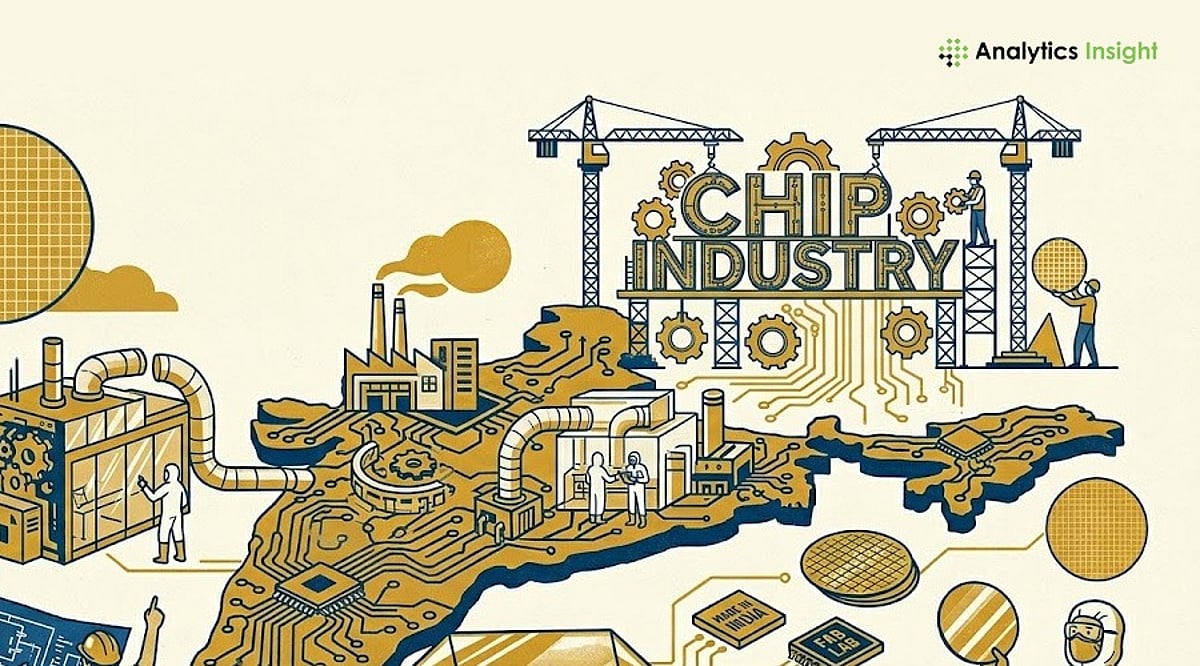
    India has long been a silent force in global technology, with nearly 20% of the world’s semiconductor design talent based in cities like Bangalore and Hyderabad. But designing chips and manufacturing them are vastly different challenges. Until recently, the country lacked the advanced fabrication plants, or ‘fabs,’ required to turn designs into physical silicon.

    The COVID-19 pandemic exposed the fragility of global supply chains, halting car production and highlighting the dangers of relying entirely on a few countries for chips. Driven by these lessons, India is now racing to build a semiconductor industry from scratch. The launch of the India Semiconductor Mission (ISM) 2.0, backed by billions in government support, marks a determined shift from being a design house to becoming a global manufacturing hub.

    Starting with Assembly and Testing

    Building a cutting-edge chip factory is one of the most expensive and complex undertakings imaginable—a single advanced machine can cost more than a large airplane. Instead of immediately competing with giants like Taiwan on 2-nanometer AI chips, India is pursuing a bottom-up strategy. The initial focus is on Outsourced Semiconductor Assembly and Test (OSAT): taking raw silicon wafers, slicing them into individual chips, and packaging them. This 10-to-12-step process is less capital-intensive than a full fab but equally vital.

    Companies such as Kaynes Semicon have already started production in Gujarat, concentrating on chips for automotive, telecom, and defense applications. These may not power the latest smartphones, but they are the workhorses of the modern economy. By serving its domestic market first, India is building the scale and manufacturing culture needed to eventually produce more advanced, smaller chips.

    Government Policy and Self-Reliance

    The Indian government is backing this push with investment and clear policy. The Union Budget for 2026-27 introduced ISM 2.0, allocating Rs. 8,000 crore specifically for manufacturing and design this year. The target is ambitious: by 2029, India aims to design and manufacture 70% to 75% of its own semiconductor needs—from home appliances to advanced defense technology.

    Under the first phase of the mission, ten major projects worth about Rs. 1.60 lakh crore have been approved, spanning silicon power plants and packaging units across six states. The broader vision is to position India as a trusted ‘Plan B’ for the world amid rising geopolitical tensions.

    Building Talent and Indigenous Tech

    One of the biggest hurdles is the shortage of trained engineers for chip manufacturing, which demands extreme precision and cleanroom protocols. India has launched programs like ‘Chips to Startup,’ providing hundreds of universities and over 1,000 startup engineers access to high-end design tools. Partnerships with firms like Lam Research aim to train 60,000 engineers over the next decade.

    India is also developing its own intellectual property to reduce reliance on foreign licensing. Indigenous microprocessors such as ‘DHRUV64,’ ‘SHAKTI,’ and ‘THEJAS’ are built on open-source architectures, lowering costs and fostering innovation in 5G, automotive electronics, and industrial automation. These chips represent a move toward digital sovereignty.

    Strategic Importance and Job Creation

    Semiconductors have become the oil of the 21st century, powering everything from medical devices to satellites. With India’s chip market projected to grow from $38 billion in 2023 to $110 billion by 2030, domestic production is a matter of national security and economic resilience. The new semiconductor units are expected to create thousands of high-quality jobs for engineers and technicians, helping retain top talent within the country.

    What Lies Ahead

    Progress is already visible. According to IT Minister Ashwini Vaishnaw, four semiconductor plants are expected to be operational by the end of 2026. Facilities in Sanand, Gujarat, have moved from foundation to production in just 14 months—a pace that has surprised global observers. India’s first major fabrication unit in Dholera is slated to be ready by 2028, targeting advanced 3-nanometer and 2-nanometer technologies.

    The journey is long and requires patient capital, but the pieces are falling into place. Combining world-class design talent with a new focus on assembly, testing, and eventually full-scale fabrication, India is slowly turning its semiconductor dreams into silicon reality. The government has set a goal of becoming a top-three semiconductor nation by 2047.

  • India’s Pursuit of Semiconductor Self-Sufficiency: From Design Hub to Manufacturing Powerhouse

    India’s Pursuit of Semiconductor Self-Sufficiency: From Design Hub to Manufacturing Powerhouse

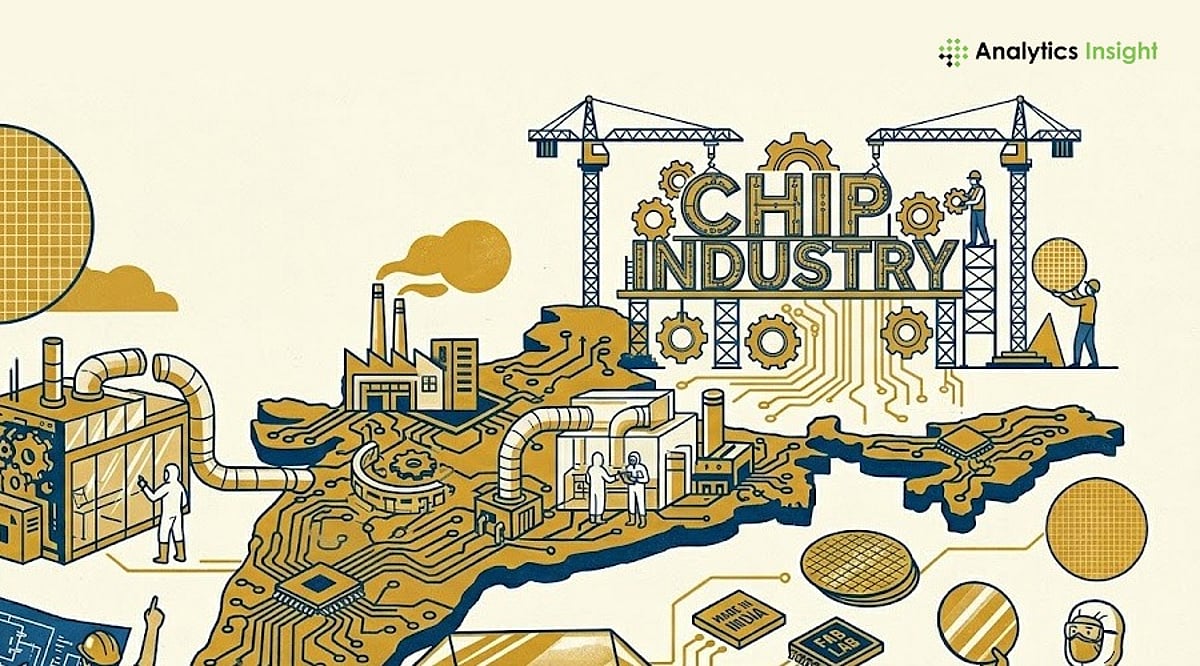
    India has long been a hidden force in global semiconductor design. Nearly 20% of the world’s chip design talent is based in the country, with engineers in Bangalore and Hyderabad playing a crucial role in creating the processors inside countless devices. However, designing a chip and manufacturing one are vastly different challenges. Until recently, India lacked the advanced fabrication plants—or fabs—needed to turn those designs into physical silicon.

    The COVID-19 pandemic delivered a harsh lesson about the fragility of global supply chains, disrupting car production and countless industries. That wake-up call has spurred India to move beyond its role as a design house and build a full-fledged chip manufacturing ecosystem. The India Semiconductor Mission (ISM) 2.0, backed by billions in government funding, represents the country’s most ambitious push yet to achieve this goal.

    A Strategic, Bottom-Up Approach

    Rather than trying to immediately compete with established leaders like Taiwan on cutting-edge 2-nanometer AI chips, India is pursuing a smarter, incremental strategy. The initial focus is on the third stage of production: Outsourced Semiconductor Assembly and Test (OSAT). This involves slicing raw silicon wafers into individual chips and packaging them—a process that is less capital-intensive than building a full fab but equally vital. Companies like Kaynes Semicon have already begun production in Gujarat, targeting chips for automobiles, telecommunications, and defense. These chips may not be as glamorous as those powering premium smartphones, but they are essential to the modern economy.

    Policy Support and Investment

    The government is backing this vision with substantial resources. The Union Budget for 2026-27 introduced ISM 2.0, allocating Rs. 8,000 crore specifically to support domestic manufacturing and design. By 2029, India aims to design and produce 70% to 75% of the chips it needs, from home appliances to advanced defense systems. Under the first phase, ten major projects—representing an investment of approximately Rs. 1.60 lakh crore—have been approved across six states. The plan positions India as a reliable ‘Plan B’ for global supply chains amid rising geopolitical tensions.

    Talent Development and Indigenous Innovation

    One of the biggest hurdles is the shortage of skilled workers for chip manufacturing, which demands extreme precision and meticulous documentation. To address this, India has launched training programs such as ‘Chips to Startup,’ providing high-end design tools to hundreds of universities and over 1,000 startup engineers. Partnerships with global firms like Lam Research aim to train 60,000 engineers in specialized manufacturing and cleanroom protocols over the next decade. Additionally, the development of indigenous microprocessors like DHRUV64, SHAKTI, and THEJAS demonstrates a push toward digital sovereignty. These open-source chips are more affordable and foster innovation in areas like 5G, automotive electronics, and industrial automation.

    Strategic Importance and Economic Impact

    Semiconductors have become the oil of the 21st century, powering everything from medical devices to satellite communications. India’s chip market is projected to grow from $38 billion in 2023 to $110 billion by 2030. Local production is not just an economic imperative but a matter of national security, ensuring the economy remains resilient during global crises or trade wars. The sector is also expected to create thousands of high-quality jobs for engineers and technicians, reducing brain drain and keeping India’s top talent engaged in cutting-edge technology.

    What Lies Ahead

    Progress is already visible. According to IT Minister Ashwini Vaishnaw, four semiconductor plants are expected to be operational by the end of 2026, with a facility in Sanand, Gujarat, moving from foundation to production in just 14 months—a pace that has impressed global observers. The country’s first major fabrication unit in Dholera, targeting advanced 3-nanometer and 2-nanometer technologies, is slated for completion by 2028. India’s journey is long and requires patient investment, but the pieces are falling into place. By combining world-class design talent with new manufacturing capabilities, the nation is steadily turning its semiconductor dreams into a reality. The government’s goal is to become one of the top three semiconductor nations by 2047.

  • India Pushes for Guaranteed Access to Anthropic’s Fable 5 as US-India AI Dialogue Opens

    India Pushes for Guaranteed Access to Anthropic’s Fable 5 as US-India AI Dialogue Opens

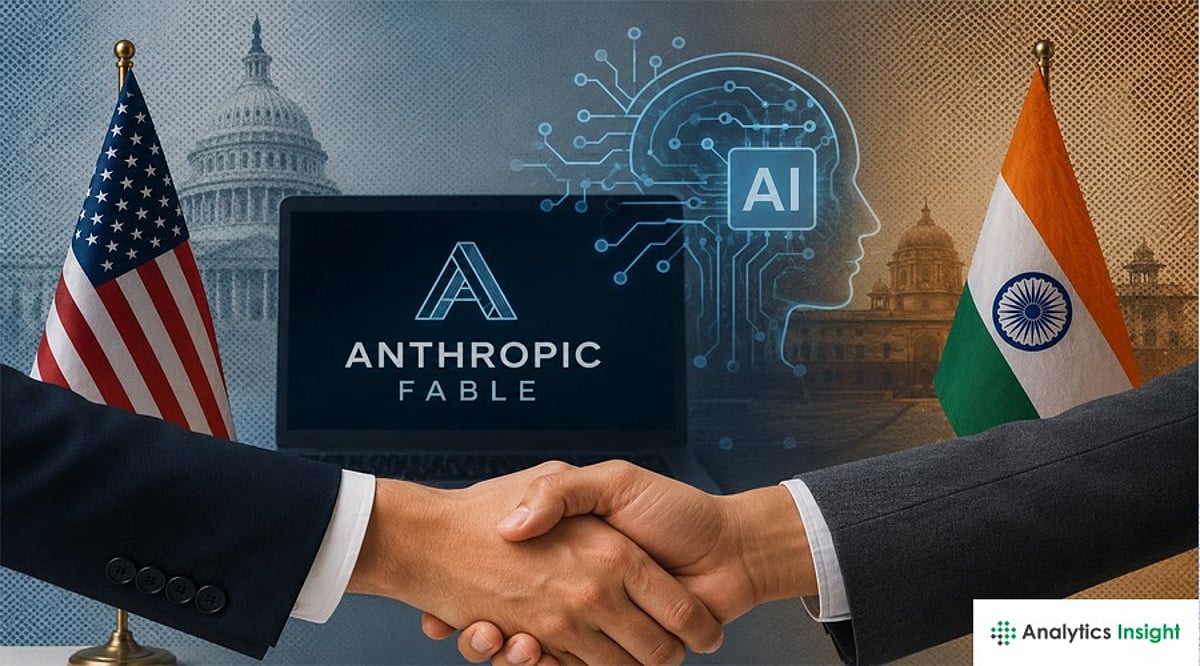
    India and the United States have launched high-level discussions focused on the rollout of Anthropic’s advanced Fable 5 AI model. The talks aim to balance the need for trusted partners to gain early, uninterrupted access to frontier AI while managing national security and infrastructure risks.

    Jacob Helberg, US Under Secretary for Economic Affairs, confirmed that both sides share a common understanding of the concerns at stake. The discussions center around national security safeguards, critical infrastructure protection, and the safe deployment of powerful AI systems.

    The US has advocated for a phased release of Anthropic’s latest models, including Claude Fable 5 and Mythos 5, arguing that a gradual approach will protect essential services such as power grids, digital networks, and government operations. India, for its part, has welcomed the dialogue but pressed for long-term assurance that trusted partners will not face sudden disruptions in AI access. Stable and predictable access is essential for India’s growing AI-driven projects in healthcare, education, finance, manufacturing, and public services.

    The negotiations come after the US introduced export controls limiting foreign access to Anthropic’s newest AI technology. MeitY Secretary S. Krishnan noted that India requested clarity on Washington’s long-term policy and commitments to uninterrupted supply for trusted allies. US officials have outlined a framework that could ensure reliable access moving forward.

    Industry experts see these talks as a potential blueprint for future global AI governance. As more nations view frontier AI models as strategic assets rather than ordinary software, the outcome of the Fable 5 discussions could shape how AI companies release advanced technology internationally. A successful agreement would also strengthen the broader technology partnership between India and the United States.