
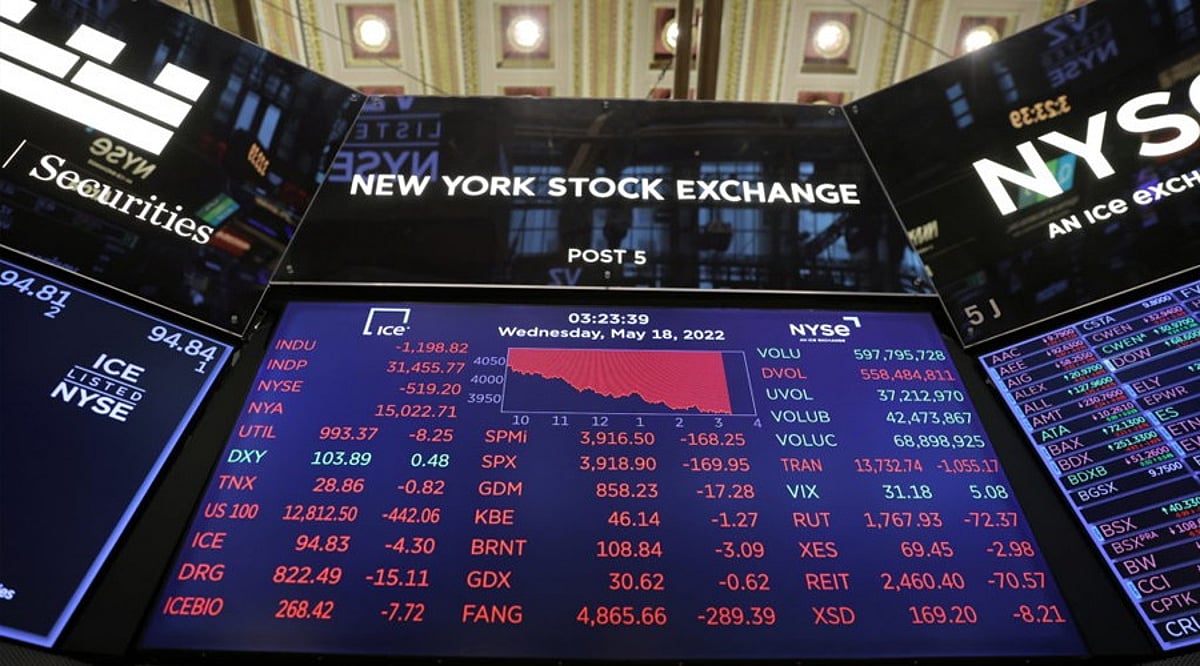
The S&P 500 posted gains on Friday after a surprising decline in U.S. payrolls for July dampened expectations of a September interest rate hike by the Federal Reserve. Technology and software stocks led the rally, while Treasury yields fell following the release of the employment report.
The index moved toward a second consecutive weekly gain after hitting a record high earlier in the week. Traders are now turning their attention to July inflation data, which could further shape the central bank’s next policy move.
S&P 500 Rises on Weak Payroll Data
The S&P 500 climbed 0.6%, while the NASDAQ Composite gained 1.1%. The Dow Jones Industrial Average added approximately 140 points, a 0.3% increase. According to the Labor Department, U.S. employers cut 23,000 jobs in July, contrasting sharply with economists’ expectations of an 83,000-job gain (Dow Jones poll) and an 80,000 increase projected by a Reuters survey.
The unemployment rate edged down to 4.1% from 4.2%, but the labor force participation rate fell to its lowest level in more than five years. Revised data also eliminated a combined 103,000 jobs from May and June payroll figures.
The disappointing report reduced the probability of a Fed rate hike at its September meeting. LSEG data placed the likelihood of an increase near 20%, down from 55% before the payroll release.
Fed Rate Outlook Shifts Toward a Pause
Fed funds futures traders now largely expect policymakers to hold rates within the current 3.50% to 3.75% range. The central bank kept rates unchanged during its July meeting. Under Chair Kevin Warsh, the Fed has offered limited guidance on its next move, leading investors to scrutinize labor, inflation, and wage data closely.
Anthony Saglimbene, chief market strategist at Ameriprise Financial, noted that the report gives policymakers more time. “Even with a negative job print, the job market remains healthy. But it gives the Fed some room to pause in September,” he said.
Former Dallas Fed Chair Richard Fisher added that he did not view the report as entirely weak. He pointed to slowing wage growth, which could affect consumer spending, and said he did not support raising rates at this time.
Technology Stocks Lead Wall Street Rally
Software and semiconductor shares fueled Friday’s gains. Atlassian surged more than 30% after its quarterly profit and revenue exceeded estimates, and the company issued a stronger financial forecast. Cloudflare also rose after raising its annual revenue outlook above market expectations. Microchip Technology advanced after forecasting quarterly revenue above estimates. NVIDIA and Broadcom also recorded gains.
The Philadelphia Semiconductor Index rose more than 2%, while the S&P 500 software and services index gained about 1.3%. The iShares Semiconductor ETF increased nearly 7% over the week.
Airbnb climbed approximately 14% after reporting stronger quarterly profit and revenue and raising its full-year revenue and margin guidance, pushing its shares to their highest level in four years. In contrast, Trade Desk dropped nearly 25% after issuing a third-quarter revenue forecast below analysts’ expectations.
Inflation Data Becomes the Next Market Test
The S&P 500 has gained more than 3% this week, while the NASDAQ has risen about 5%, on track for its strongest weekly performance since May. The Dow has added about 3%. Corporate earnings have supported the recovery: more than 400 S&P 500 companies have reported quarterly results, with over 85% exceeding analysts’ estimates, according to LSEG data.
Investors will now monitor the July consumer price index report on Wednesday. Economists expect annual headline inflation of 3.4% and core inflation of 2.5%. Producer price data will follow on Thursday. Retail sales figures are due Friday, offering another measure of household spending. Applied Materials, Cisco, and CoreWeave will also report earnings next week.
Treasury yields declined after the payroll release. The 10-year yield slipped to 4.65%, while the two-year yield fell to 4.20%, before partially recovering. Oil prices rose about 1% as investors watched US-Iran talks concerning the Strait of Hormuz. Brent crude traded near $83 per barrel, while West Texas Intermediate held around $78. Oil movements remain central to inflation expectations and future Fed decisions.
Weaker U.S. jobs data boosted hopes of a Federal Reserve pause, lifting Wall Street and supporting gains in technology stocks. Investors will now watch upcoming inflation and retail sales data for further clues on the direction of interest rates.
Leave a Reply