Tag: market analysis

  • Bitcoin Rebounds to $60,700, Solana Surges Past $78 as Fed Chair Warsh Eases Inflation Concerns

    Bitcoin Rebounds to $60,700, Solana Surges Past $78 as Fed Chair Warsh Eases Inflation Concerns

    Bitcoin is stabilizing above the crucial $60,000 level as long-term holders absorb heavy ETF outflows, while the upcoming US jobs report and shifting dollar strength are expected to shape the crypto market’s next major move.

    Bitcoin Price Today: $60,677

    Bitcoin is trading near $60,677, up 2.63% over the past 24 hours and holding above the $60,000 mark. The token slid to a 21-month low of $57,950 earlier this week but has since clawed back above $60,000, a level that dominated traders’ conversation through most of June.

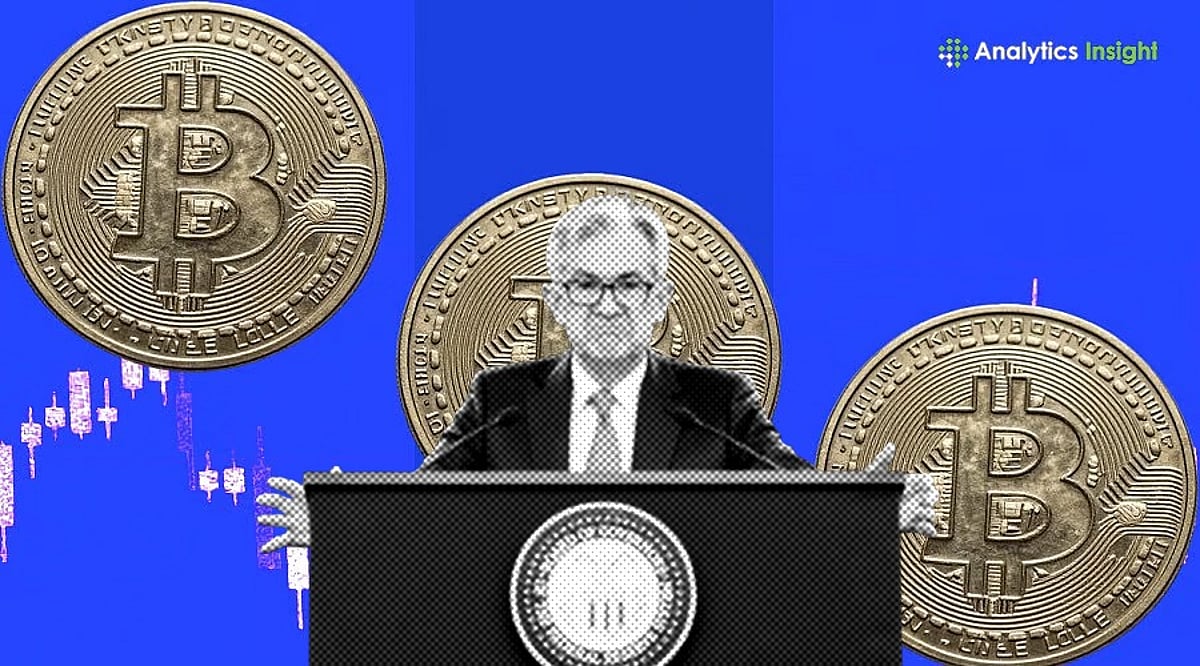
    Market sentiment improved after Fed Chair Kevin Warsh told an ECB forum panel that inflation risks appear to be easing, even as he avoided firm guidance on rate policy. A weaker US dollar and crude oil sliding to a four-month low have also removed some pressure from risk assets. Robinhood’s launch of its own public blockchain added further momentum, pulling fresh attention toward crypto infrastructure plays just as the broader market searched for a positive catalyst.

    Market Analysis and Expert Insights

    Akshat Siddhant, Lead Quant Analyst at Mudrex, noted: “Bitcoin is stabilising near the $60,000 psychological level after rebounding from a 21-month low of $57,950. A weaker U.S. dollar and crude oil prices falling to a four-month low have improved risk sentiment, helping BTC recover.” He added, “Although spot Bitcoin ETFs ended June with $4.5 billion in net outflows, long-term holders have absorbed some of the selling pressure, accumulating 270,000 BTC over the past two weeks.”

    The CoinSwitch Markets Desk commented: “BTC reclaimed the key $60K level after dipping to $58K. On the macro side, the US dollar pulled back from its highs, a tailwind for BTC. The long-dollar trade is crowded at +$34.3B, an 18-month high, hinting a dollar reversal may be near. Long-term holders added roughly 270K BTC in two weeks, showing big players are buying the dip.”

    Crypto Prices Today: Top 10 Coins at a Glance

    Based on CoinMarketCap data as of July 2:

    • Biggest Gainers: Solana leads with a 3.85% gain, followed by Hyperliquid at 2.98% and Bitcoin at 2.63%.
    • Biggest Laggards: TRON is the weakest mover among the top ten, up just 0.29%. USDC and Tether stayed near their dollar pegs.

    Crypto News Today Driving Market Sentiments

    Fed Chair Warsh Signals Cooling Inflation Risk

    Kevin Warsh told an ECB forum panel that inflation pressures appear to be easing. He declined to offer forward guidance on rates but described the upcoming July Fed meeting as likely to bring a real internal debate over policy direction. Bond yields stayed elevated after his remarks, with the 10-year Treasury near 4.50%.

    Spot Bitcoin ETFs Post Record Monthly Outflow

    US spot Bitcoin ETFs shed roughly $4.5 billion in June, their worst month since launching in January 2024. BlackRock’s IBIT absorbed a large share of the redemptions. XRP and Hyperliquid funds bucked the trend, pulling in $59.4 million and $161 million, respectively, suggesting investors are growing selective rather than exiting crypto altogether.

    Robinhood Launches Public Blockchain and Expands Crypto Suite

    Robinhood unveiled Robinhood Chain, a public layer-2 blockchain built on Arbitrum, at a London event this week. The launch brings tokenized stock trading live across more than 120 countries. A new lending product, Robinhood Earn, is part of the rollout too. Robinhood shares jumped 8% on the announcement.

    Investor and Market Outlook

    Bitcoin enters July with cautious optimism after a historically weak first half. The token fell in both Q1 and Q2, only the third time that has happened since 2018. In the two earlier instances, the second half brought little relief. July has historically been kind to Bitcoin, with the token closing green in 9 of the last 13 years, with average returns near 7.25%. That seasonal pattern, paired with Warsh’s softer tone, leaves room for further upside if ETF flows stabilize.

    Investors should track daily ETF flow data from SoSoValue and Treasury yield movement this week. Bitcoin’s ability to hold above $60,000 remains the key signal to watch. A confirmed break past $62,000 would strengthen the bullish case, while a slip under $58,000 would revive downside risk toward $55,000.

  • Bitcoin Clings to $60K as Record ETF Outflows and Dollar Strength Intensity Pressure

    Bitcoin Clings to $60K as Record ETF Outflows and Dollar Strength Intensity Pressure

    Bitcoin remained stubbornly near the $60,000 mark on July 2, 2026, as a combination of heavy institutional outflows from spot Bitcoin ETFs and a strengthening U.S. dollar kept the world’s largest cryptocurrency under pressure. After a dismal June performance, the digital asset traded within a tight range of $58,800 to $60,000, with traders closely watching the key support level.

    The total market value of Bitcoin hovered around $1.2 trillion, while daily trading volume remained robust at $38–$40 billion, signaling continued trader activity even as uncertainty dominated sentiment.

    Heavy ETF Outflows Shake Investor Confidence

    Spot Bitcoin ETFs bled a staggering $4.5 billion in outflows during June, the worst monthly withdrawal since their launch in early 2024. BlackRock’s iShares Bitcoin Trust (IBIT) and Grayscale’s Bitcoin Trust (GBTC) faced the heaviest redemptions, collectively losing roughly 71,600 BTC from their holdings. On June 30 alone, more than $220 million exited Bitcoin ETF products, highlighting persistent caution among large investors.

    These outflows have raised fresh concerns about waning institutional interest, which had previously been a major driver of Bitcoin’s upward momentum.

    Strong U.S. Dollar Adds Headwinds

    The U.S. Dollar Index (DXY) remained firm near 101.3, bolstered by expectations of strong labor market data and uncertainty around Federal Reserve interest rate cuts. A stronger dollar typically diverts capital away from riskier assets like cryptocurrencies, as investors seek safer returns in bonds and other traditional instruments.

    Citigroup Slashes Bitcoin Price Target

    Adding to the bearish sentiment, Citigroup lowered its 12-month Bitcoin price forecast from $112,000 to $82,000. The bank cited weaker ETF demand, lower institutional participation, and slower progress in crypto regulation. In a worst-case scenario, Citigroup warned Bitcoin could fall as low as $53,000 if ETF outflows persist and recession fears intensify.

    Derivatives Market Shows Mixed Signals

    Despite the broader weakness, the derivatives market displayed some resilience. Over $79 million in short liquidations occurred as traders who bet on further declines were forced to cover positions, triggering a brief price bounce. Bitcoin’s Fear and Greed Index hovered near 10, indicating extreme fear — a level that historically sometimes precedes temporary recoveries. Meanwhile, open interest in Bitcoin futures stood at roughly $44.5 billion, suggesting active trader participation.

    What’s Next for Bitcoin?

    Analysts are focused on the critical support zone between $57,700 and $58,000. A break below this level could trigger additional selling, potentially driving Bitcoin toward $55,000. Conversely, a move above $62,000 would likely restore some market confidence and set the stage for a July recovery. For now, direction hinges on ETF flow trends, Federal Reserve policy signals, and broader investor risk appetite.

  • Bitcoin Price at Critical Crossroads: Will BTC Break $60K or Slide to $49K?

    Bitcoin Price at Critical Crossroads: Will BTC Break $60K or Slide to $49K?

    Bitcoin has entered July 2026 under intense market pressure. As of July 2, 2026, BTC trades near $58,800 — one of its weakest price levels in over a year. The market has remained unstable for weeks, causing concern among traders and investors worldwide.

    In recent days, Bitcoin suffered another major decline, dropping to nearly $57,950 — the lowest level in almost 21 months. After touching that low, the cryptocurrency staged a modest recovery, moving back into the $58,600–$59,000 range. Despite this slight uptick, the overall trend remains bearish.

    This latest fall has surprised many market observers, given that Bitcoin reached an all-time high near $126,000 in late 2025. The stark contrast between that peak and the current price underscores how quickly crypto markets can shift.

    Current Price Reflects Weak Market Sentiment

    Sellers have clearly taken control. Bitcoin lost nearly 20% in June 2026 alone, making it one of the worst months for the asset this year. Year-over-year, Bitcoin has fallen roughly 44%, fueling fear across the crypto ecosystem. Trading volumes remain elevated, suggesting that many traders are rapidly entering and exiting positions amid uncertainty.

    Technical indicators also point to weakness. Bitcoin now trades below key long-term levels that institutional investors typically monitor — most notably the 200-week exponential moving average. Historically, when BTC falls below this threshold, it often enters a prolonged correction. Many analysts draw parallels to the 2022 crypto crash, when Bitcoin remained under pressure for months before recovering.

    Key Price Levels Under Watch

    Bitcoin faces formidable resistance near $60,000. Every recent recovery attempt has stalled at this zone, and buyers have failed to push through with conviction. On the downside, $57,500 serves as immediate support. A breakdown below this level could trigger a slide toward $53,000–$54,000, and if selling intensifies, the market may target $49,000 — what many analysts call the most dangerous short-term level.

    Conversely, a decisive break above $60,000 could restore market confidence and set the stage for a recovery toward $64,000. Analysts view the $60,000 zone as the most critical pivot point for Bitcoin’s near-term direction.

    Headwinds From Institutional and Regulatory News

    Recent developments have added to the selling pressure. Citigroup, a major global financial institution, slashed its 12-month Bitcoin forecast from $112,000 to $82,000, citing weak investor demand and slow progress on U.S. crypto regulation. Meanwhile, Bitcoin ETFs have seen nearly $3.3 billion in outflows during 2026, signaling diminished institutional confidence.

    Investor attention has also shifted to other sectors, particularly artificial intelligence and semiconductors, diverting capital away from digital assets. Adding to the unease, Strategy Inc. (formerly MicroStrategy) reportedly sold part of its Bitcoin holdings in June, rattling a market already on edge.

    What’s Next for Bitcoin?

    The path ahead remains uncertain, with analysts offering divergent views. Conservative forecasts suggest Bitcoin could recover to $82,000–$100,000 by year-end if institutional demand returns and ETF inflows resume. More bullish projections see BTC reaching $120,000–$180,000 by late 2026, driven by limited supply, rising global adoption, and improved market confidence.

    However, bearish scenarios persist. If recession fears mount and institutional money continues to exit, Bitcoin could fall to $40,000–$50,000 before finding a stable floor.

    Final Market Snapshot

    Bitcoin stands at a pivotal juncture. The current price near $58,800 reflects fear, weak short-term confidence, and extreme caution among investors. The next move hinges on two critical levels: $60,000 resistance and $57,500 support. Long-term belief in Bitcoin remains intact, as adoption continues worldwide, but short-term signals are undeniably fragile.

    As the second half of 2026 begins, the crypto market confronts one of its most uncertain periods in recent years, and all eyes remain fixed on Bitcoin as traders await the next major move.

  • BlockDAG Boosts World Cup Bonus to 100% While Ethereum Faces Resistance and MemeCore Rallies Briefly

    BlockDAG Boosts World Cup Bonus to 100% While Ethereum Faces Resistance and MemeCore Rallies Briefly

    The cryptocurrency market presents a mixed picture today as three major stories unfold. MemeCore (MEME) shows a short-term price jump, while Ethereum (ETH) struggles under heavy resistance. Meanwhile, BlockDAG (BDAG) has doubled its World Cup bonus to 100%, drawing significant attention from traders.

    MemeCore Crypto News: Temporary Gains with Long-Term Risks

    Recent MemeCore crypto news indicates a 15.2% price surge to $0.78, bringing its market cap back to $861.12 million. Daily trading volumes reached $16.67 million, reflecting steady liquidity. The price has climbed above its 20-day moving average of $0.7197 and 50-day average of $0.6573, leading some analysts to project a 71% chance of further upside into the $0.631 to $0.9466 range.

    However, the coin remains well below its 200-day moving average of $2.2263, indicating that the recovery is fragile and medium-term risks persist.

    Ethereum Price Chart: Weak Demand Limits Recovery

    The Ethereum price chart reveals ongoing challenges. ETH is trading within a falling channel below its 100-day and 200-day moving averages. Buyers are defending the $1,500 support zone, but strong resistance lies at $1,750 and $1,850. Weak demand from large U.S. institutional investors further dampens recovery prospects, making a sustained uptrend unlikely in the near term.

    BlockDAG’s 100% World Cup Bonus and AI Launch Fuel Momentum

    BlockDAG has captured the spotlight by doubling its World Cup bonus from 50% to 100%, meaning buyers receive double the coins for the same purchase price. This promotion coincides with the launch of BDAG AI, which boosted the project’s valuation by $500 million. Currently, BDAG is priced at $0.00000066, with a buyback program set at $0.03, offering a substantial potential return.

    Traders are moving quickly to secure the bonus before it expires. Coins are delivered instantly to wallets, allowing immediate participation in the ecosystem.

    Conclusion: A Diverging Market Landscape

    While MemeCore sees temporary gains and Ethereum faces headwinds, BlockDAG stands out with its aggressive bonus and AI-driven valuation spike. For investors seeking the best crypto to buy today, BDAG’s low entry price and 100% bonus present a compelling opportunity. As always, conduct your own research before investing.

    Disclaimer: This article is for informational purposes only and does not constitute investment advice. Cryptocurrency investments carry risk; perform your own due diligence.

  • Bitcoin Holds Near $59K as Solana Rallies 2% Ahead of Fed Chair’s ECB Speech — Market Overview

    Bitcoin Holds Near $59K as Solana Rallies 2% Ahead of Fed Chair’s ECB Speech — Market Overview

    Bitcoin Steadies, Solana Leads Gains as Markets Await Fed Chair Warsh

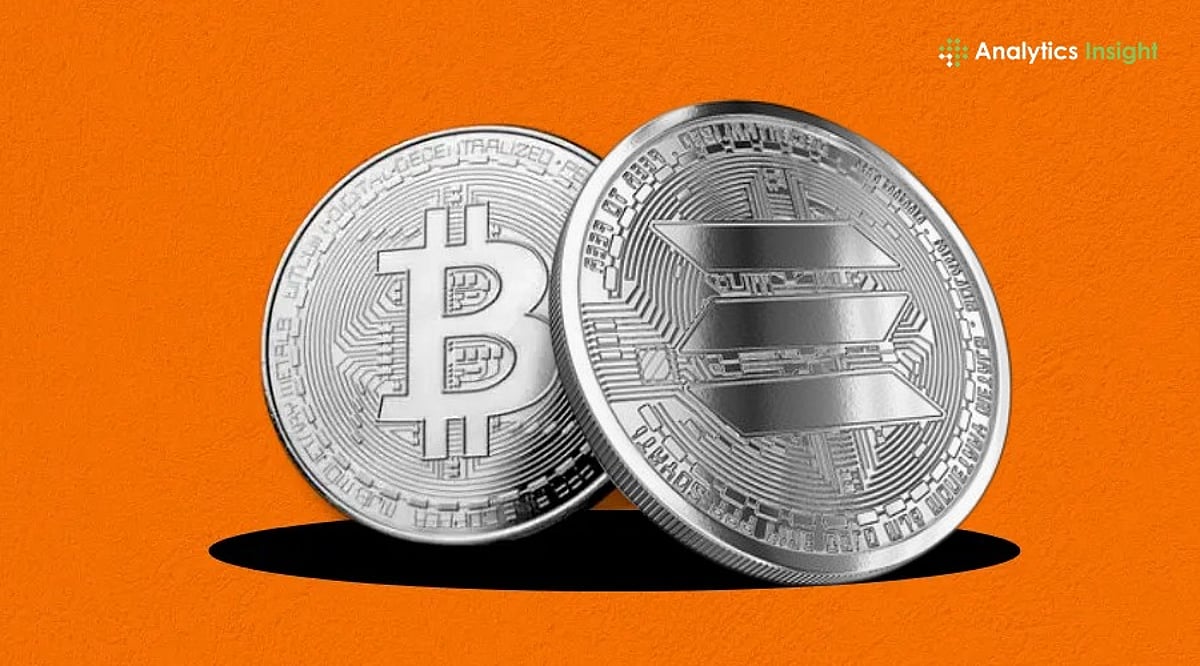
    Bitcoin opened July on firmer footing, trading near $59,190 after a rough June. The cryptocurrency is up 0.30% in the past 24 hours and 5.64% over the week, as bargain hunters begin to step back in. Meanwhile, Solana outperformed major coins, surging 2.05% on renewed DeFi activity. All eyes now turn to Federal Reserve Chair Kevin Warsh’s remarks at the ECB Forum, which could set the tone for the week ahead.

    Bitcoin Price Today

    Bitcoin is currently at $59,190.41, with a market cap near $1.18 trillion and 24-hour volume of $35.11 billion. Key support sits between $58,000 and $59,000, while resistance is at $61,800–$62,500. A breakout above $62,500 could open the door to $64,000.

    Akshat Siddhant, Lead Quant Analyst at Mudrex, notes that nearly 45% of Bitcoin’s supply is now at a loss — a level not seen since 2019. He warns that a hawkish Warsh could push Bitcoin to $55,000, while a dovish tone might fuel a rally back to $60,000.

    Solana and Other Top Movers

    • Solana (SOL): Up 2.05% daily, 8.55% weekly, driven by rising decentralized finance activity.
    • TRON (TRX): Gained 0.86%, supported by steady stablecoin settlement volumes.
    • Stablecoins (USDT, USDC): Traded flat near $1.00, behaving as expected.

    Key News Driving Sentiment

    • Circle shares slide after Stripe, Coinbase, and BlackRock back a competitor stablecoin network, Open USD, threatening USDC’s dominance.
    • Strategy (formerly MicroStrategy) nears its 11th losing month out of 12, with shares down 41% in June. The firm unveiled a $2 billion buyback plan and flexibility to sell Bitcoin if needed.
    • Spot Bitcoin ETFs posted their worst month ever in June, with $4.06 billion in outflows, driven by a hawkish Fed meeting and a stronger dollar.
    • SEC opens comment period on ETF rule changes that could reshape how crypto funds operate.
    • Jefferies warns the CLARITY Act faces a make-or-break Senate test; passage could boost institutional adoption, while failure keeps regulatory fog in place.

    Market Outlook

    This week hinges on two catalysts: Fed Chair Warsh’s ECB Forum remarks and the US payrolls report. A dovish surprise from either could send Bitcoin back toward $60,000. Traders should also monitor daily ETF flows, dollar strength, and whether Solana’s momentum spreads to other altcoins.

    FAQs

    What is the Bitcoin price today?

    Bitcoin is trading at $59,190.41, up 0.30% in 24 hours and 5.64% on the week. Support is at $58,000–$59,000; resistance is $61,800–$62,500.

    Why did Bitcoin fall in June?

    A record $4.06 billion in spot Bitcoin ETF outflows, a hawkish Fed meeting, a stronger dollar, and rising Treasury yields combined to pressure Bitcoin lower.

    What’s the biggest crypto story today?

    The launch of a rival stablecoin network (Open USD) backed by Stripe, Coinbase, and BlackRock is challenging Circle’s USDC. Also, the SEC’s ETF rule review could have long-term implications.

    Which coins are leading gains?

    Solana leads with a 2.05% daily gain, followed by TRON at 0.86%. Stablecoins remain flat.

    What should traders watch this week?

    Fed Chair Warsh’s ECB speech and US payroll data will be key. Also track ETF flows and Bitcoin’s ability to hold above $59,000.

    Disclaimer: This article is for informational purposes only and does not constitute financial advice. Always do your own research before investing.

  • Ethereum’s 2026 Growth Slowdown: Price, Network Activity and Competition Shake Confidence

    Ethereum’s 2026 Growth Slowdown: Price, Network Activity and Competition Shake Confidence

    Key Takeaways

    • Ethereum price sits nearly 68% below previous cycle highs, reflecting weakened market confidence.
    • Active wallet addresses have dropped 46% since February 2026, signaling lower network participation.
    • Competition from Solana, Avalanche, and Base intensifies pressure on Ethereum’s dominance.

    Ethereum has long been a cornerstone of the digital asset market. As the second-largest cryptocurrency by market cap, it pioneered decentralized finance (DeFi), NFTs, blockchain gaming, and smart contracts. For years, rapid adoption and innovation fueled the narrative of unstoppable growth. However, recent trends indicate that momentum is slowing.

    In 2026, Ethereum faces a tougher environment. Weak price performance, declining network activity, rising competition, and shifting investor sentiment have raised doubts about whether it can maintain its previous growth trajectory.

    Ethereum Price Remains Under Pressure

    One of the clearest signs of slowing momentum is Ethereum’s market performance. Currently trading near $1,570, ETH has fallen roughly 68% from its cycle highs. This weak performance has disappointed many investors, especially as Bitcoin has fared much better in the same period.

    Ethereum’s total market capitalization now stands around $190 billion, with daily trading volume between $9 billion and $10 billion. Although price swings persist, a sustained upward move has yet to materialize. The lack of a strong recovery has created uncertainty, with many investors waiting for clearer signals before committing capital.

    Network Activity Has Fallen Sharply

    On-chain activity is a critical health metric for any crypto network, and Ethereum’s metrics are flashing red. Since February 2026, the number of active wallet addresses has plummeted nearly 46% — from a peak of about 795,000 to just 420,000.

    This decline is significant because active wallets represent real user engagement. Fewer transactions and lower participation suggest waning demand for the network. Ethereum’s success has always depended on heavy usage; the current slowdown raises concerns about organic growth.

    Competition Has Intensified

    Ethereum once dominated the blockchain sector with little competition, but that has changed. Networks like Solana, Avalanche, and Base now aggressively court developers and users with faster transactions and lower fees. These advantages attract projects seeking better user experience and cost efficiency.

    While Ethereum still leads in Total Value Locked (TVL) — a measure of capital deployed in DeFi — its lead is no longer as secure as it once was.

    Questions Around Ethereum’s Value Model

    The successful transition to Proof-of-Stake (The Merge) reduced energy consumption by over 99%, a major achievement. However, questions remain about Ethereum’s economic model. Unlike Bitcoin, which is increasingly viewed as digital gold, Ethereum’s value proposition is more complex.

    The network supports applications, but investors debate whether higher usage directly translates into ETH price appreciation. Additionally, the rise of Layer 2 solutions moves many transactions off the main blockchain. While this improves efficiency, it also creates uncertainty about how much value flows back to the native ETH token.

    Institutional Investors Show Mixed Signals

    Despite market weakness, some large institutions still show confidence. Crypto treasury company Sharplink recently purchased 10,000 ETH ($16 million), and Bitmine Immersion Technologies bought over 71,000 ETH — one of the largest purchases in 2026.

    Development Work Continues at a Strong Pace

    Ethereum still leads in developer activity. The Ethereum Foundation is working on the Glamsterdam network upgrade, which aims to restructure data processing and block building to improve base-layer performance. Developers also introduced Reth v0.1.0-alpha, a modular node system designed to boost overall efficiency.

    Investor Confidence Has Weakened

    Sentiment around Ethereum has clearly deteriorated. The ETH/BTC ratio has fallen to multi-year lows, meaning Ethereum continues to underperform Bitcoin. Analysts increasingly view Bitcoin as the stronger institutional asset, especially after spot ETF products drove demand.

    Global economic uncertainty and tighter liquidity have also reduced risk appetite across crypto. Altcoins like Ethereum typically suffer more during such periods.

    Why This Matters

    Ethereum’s slowdown represents a major structural shift in Web3. With active mainnet addresses dropping 46% and the ETH/BTC ratio hitting multi-year lows, the second-largest cryptocurrency must defend its market share against faster, cheaper competitors like Solana and Base.

    The Growth Story Has Slowed, But Not Ended

    Ethereum is not losing relevance, but its rapid growth phase has clearly decelerated. The network still leads in innovation, developer activity remains strong, and some institutional investors continue to accumulate.

    Nevertheless, Ethereum faces a difficult period. Dropping user activity, fierce competition, and shaken investor confidence pose serious challenges. The old narrative of unstoppable growth no longer holds the same weight.

    Frequently Asked Questions

    1. What are the main drivers behind Ethereum’s momentum loss in 2026?

    The slowdown stems from a 46% drop in active wallet addresses since February 2026, prolonged price stagnation, and aggressive competition from low-cost blockchains like Solana and Avalanche.

    2. Where does Ethereum’s price and market valuation stand right now?

    Ethereum trades near $1,570, roughly 68% below its historic highs. Market capitalization is about $190 billion, with daily trading volumes between $9–10 billion.

    3. Are institutional investors still buying ETH despite declining user activity?

    Yes. Sharplink acquired 10,000 ETH ($16 million), and Bitmine Immersion Technologies bought over 71,000 ETH — one of 2026’s largest trades.

    4. Why are Layer 2 solutions causing debate over Ethereum’s economic value?

    Layer 2 networks improve speed and cost by moving activity off the main chain, but they complicate the investment narrative by making it unclear whether Layer 2 growth boosts ETH’s price.

    5. How are developers responding to Ethereum’s growth challenges?

    Development remains highly active. The Ethereum Foundation is progressing with the Glamsterdam upgrade and launching Reth v0.1.0-alpha, a modular node system to improve network efficiency.

  • Indian Stock Market Today: Sensex Drops 155 Points, Nifty Slips to 23,886 as IT Stocks Drag; Small Caps Advance

    Indian Stock Market Today: Sensex Drops 155 Points, Nifty Slips to 23,886 as IT Stocks Drag; Small Caps Advance

    Indian benchmark indices ended lower on Tuesday, June 30, 2026, after a positive start gave way to caution over global geopolitical developments. The Sensex slipped 155.87 points to close at 76,572.50, while the Nifty50 fell 59.45 points to settle at 23,886.80. Weakness in IT, auto, and metal sectors dragged the market down, but small-cap stocks managed to stay in positive territory.

    Key Takeaways

    • Nifty50 falls 59.45 points to 23,886.80; Sensex drops 155.87 points to 76,572.50.
    • Nifty IT declines over 2%, becoming the worst-performing sector, with Infosys among top losers.
    • Five new IPOs open today, while Aastha Spintex, Adon Agro, Twinkle Papers, and Crazy Snacks continue subscriptions.

    Global Tensions Weigh on Investor Sentiment

    The primary trigger for today’s decline was uncertainty surrounding US–Iran negotiations. Investors adopted a cautious stance as the outcome of these talks could influence global trade, oil prices, and overall economic stability. Early morning gains evaporated as traders reacted to the risk-off mood.

    Top Losers: Eicher Motors, Tata Consumer, Infosys

    Several heavyweight stocks came under selling pressure. Eicher Motors and Tata Consumer Products were among the worst performers on the Nifty50. Infosys also recorded sharp losses, reflecting the broader weakness in the technology sector.

    Mixed Performance in Broader Market

    The broader market presented a contrasting picture. The Nifty MidCap index edged down 0.05%, indicating mild selling in mid-sized companies. In contrast, the Nifty SmallCap index rose 0.37%, showing selective buying interest in smaller names despite the overall market decline.

    Sectoral Roundup: IT Worst Hit, Chemicals and Realty Shine

    The Nifty IT index plunged more than 2%, making technology the day’s worst-performing sector. The Nifty Auto and Nifty Metal indices also traded lower. On the positive side, the Nifty Chemical and Nifty Realty indices outperformed, closing higher.

    Busy Day in the IPO Market

    Six new initial public offers opened for subscription on Tuesday: Kratikal Tech, Vinit Mobile, Sampark India Logistics, Seemax Resources, Atharva Polyplast, and Teja Engineering Industries. Meanwhile, ongoing IPOs for Aastha Spintex (targeting ₹170 crore), Adon Agro Commodities (₹44.03 crore), Twinkle Papers (₹27.52 crore), and Crazy Snacks (₹31.47 crore) entered their second day of subscription.

    Outlook

    Market participants remain focused on the US–Iran talks for near-term direction. Until clarity emerges, volatility is likely to persist. However, strength in select sectors and active primary market issuance could provide pockets of opportunity.

    FAQs

    1. Why did the stock market fall today?
    The market declined due to caution ahead of US–Iran negotiations, which dampened global sentiment and erased early gains.

    2. What is the Nifty50 level today?
    The Nifty50 fell 59.45 points (0.25%) to close at 23,886.80.

    3. Which sector performed the worst today?
    The technology sector (Nifty IT) dropped over 2%, making it the worst-performing sector.

    4. Which stocks were the top losers?
    Eicher Motors, Tata Consumer Products, and Infosys were among the biggest losers on the Nifty50.

    5. Which IPOs opened for subscription today?
    Six IPOs opened: Kratikal Tech, Vinit Mobile, Sampark India Logistics, Seemax Resources, Atharva Polyplast, and Teja Engineering Industries.

    Disclaimer: This article is for informational purposes only and does not constitute investment advice. Always conduct your own research before making investment decisions.

  • Bitcoin 2026 Mid-Year Outlook: Will the Second Half Spark a Recovery?

    Bitcoin 2026 Mid-Year Outlook: Will the Second Half Spark a Recovery?

    Bitcoin entered 2026 with high expectations after a strong rally in late 2025. During the previous market surge, Bitcoin crossed $126,000, which created huge excitement across the crypto market. Now, Bitcoin trades close to $60,000, meaning the asset has lost more than 50% of its value from the peak level. The first half of the year turned into one of the weakest periods for Bitcoin since the major crypto crash of 2022.

    Why Bitcoin Fell

    Several major reasons pushed Bitcoin lower during the first half of the year. One of the biggest reasons came from the global economy. Central banks across many countries kept interest rates high for longer than expected. Higher rates usually hurt risky assets as investors move money into safer places.

    Another reason came from changing market trends. Over the past year, large investors shifted focus toward artificial intelligence companies, technology stocks, and traditional safe assets like gold. As money moved elsewhere, Bitcoin lost some of the strong demand that helped push prices higher in previous years.

    Recently, Bitcoin even dropped below the important $60,000 support level and touched nearly $59,800. This price level worried traders since it showed that sellers still control short-term market action.

    Institutional Demand Became Weak

    Institutional demand played a huge role in Bitcoin’s rally during 2024 and 2025. Large investment firms poured billions of dollars into Bitcoin exchange-traded funds, also known as ETFs. That steady flow of money helped prices move upward very quickly.

    Recent reports show nearly $4.5 billion moved out of Bitcoin investment funds this year. This large withdrawal clearly shows that big institutions have become more careful. Many investors now wait for stronger market conditions before they put fresh money back into crypto.

    Problems Faced by Bitcoin Mining Companies

    Bitcoin miners also faced serious challenges this year. Mining companies help secure the Bitcoin network, but their business depends heavily on the market price. Right now, many mining firms face rising costs. Electricity prices remain high in several countries, while equipment costs continue to put pressure on profits. For some miners, production expenses now sit dangerously close to Bitcoin’s actual market value.

    A Big Surprise From Strategy Inc

    Strategy Inc, the company previously known as MicroStrategy, has always stood as one of Bitcoin’s biggest corporate supporters. For years, the company followed a simple strategy and kept buying Bitcoin without any plan to sell. The company announced a major restructuring plan that could lead to up to $1.25 billion worth of Bitcoin sales. Along with this move, the company also announced stock buybacks and plans to strengthen reserves.

    Reasons Recovery Still Looks Possible

    Historically, Bitcoin often follows a four-year market cycle. Price weakness usually appears after major rallies, but recovery often arrives later than expected. Some analysts believe the current correction may continue for a few more months before the market finds stability. Technical experts say the $58,000 price zone now acts as a very important support level. If Bitcoin stays above this range, price could move back toward $70,000 to $75,000 before summer ends.

    Experts Still Expect Higher Prices

    Some analysts from major firms have predicted Bitcoin could reach anywhere between $100,000 and $170,000 by the end of the year. These forecasts depend on several important factors. One major factor involves ETF demand returning later this year. Another factor depends on better government regulation. If clear crypto laws arrive in major economies, many institutions may return with fresh capital.

    What Comes Next for Bitcoin

    Right now, market sentiment remains cautious, but long-term belief has not disappeared. Some market predictions suggest Bitcoin may recover toward $80,000 to $90,000 before 2027 begins, while others remain more conservative. Much depends on economic conditions, investor confidence, and regulatory progress during the next few months.

    Bitcoin faced a very disappointing first half of 2026, but history shows sharp corrections do not always signal the end of a bull cycle. If confidence returns and institutional demand rises again, the second half of the year may finally bring the recovery that many market watchers still expect.

  • Bitcoin Stumbles to $59,800 as $4 Billion ETF Exodus Rattles Crypto Markets

    Bitcoin Stumbles to $59,800 as $4 Billion ETF Exodus Rattles Crypto Markets

    Bitcoin is trading near the critical $60,000 support level after a steep decline from its all-time high of $126,223. The cryptocurrency has lost nearly 50% of its value since late 2025, with recent outflows of more than $4 billion from spot Bitcoin ETFs amplifying selling pressure. Market uncertainty, weak technical signals, and shifting investor sentiment have combined to create one of the most challenging periods for Bitcoin in 2026.

    Current Price Performance

    As of June 30, 2026, Bitcoin hovers between $59,800 and $60,000. The price briefly dipped below this key level during the past week before staging a modest recovery. Trading volume remains subdued compared to the highs of the 2025 rally, indicating that buyer conviction has not yet returned. The contrast with the $126,223 peak is stark, placing Bitcoin in its most severe correction since the previous bear market.

    Technical Indicators Point to Bearish Control

    Technical analysis shows Bitcoin trading below major long-term moving averages. The price is under the 20-month exponential moving average (EMA) near $79,900 and the 50-month EMA around $65,600. This positioning suggests that sellers retain control. The nearest support lies at $58,100; a break below that could open the door to $55,000. On the upside, resistance is clustered between $62,000 and $65,600. Momentum oscillators such as the Relative Strength Index (RSI) and Moving Average Convergence Divergence (MACD) remain weak, making a strong rally unlikely in the near term.

    Key Drivers of the Decline

    • Massive ETF Outflows: More than $4 billion has exited spot Bitcoin ETFs in recent weeks, as institutional investors reduce exposure.
    • Macroeconomic Headwinds: Central banks’ cautious stance on interest rate cuts continues to weigh on risk assets like cryptocurrencies.
    • Capital Rotation: Investor attention has shifted toward artificial intelligence and semiconductor stocks, siphoning demand from Bitcoin.
    • Corporate Selling: Strategy Inc. (formerly MicroStrategy) sold a portion of its Bitcoin holdings for the first time since 2022, raising concerns about corporate support.
    • Regulatory Caution and Weaker Retail Participation: Stricter crypto regulations in several countries and lower retail engagement have added to the pressure.

    Outlook for the Rest of 2026

    Despite the short-term gloom, many analysts maintain a bullish long-term outlook. Forecasts suggest Bitcoin could recover to the $100,000–$130,000 range by year-end if institutional demand returns and macroeconomic conditions improve. More optimistic projections place Bitcoin between $150,000 and $180,000, though such targets would require strong positive catalysts. For now, the $60,000 level is pivotal: holding above it may restore confidence, while a breakdown could trigger further downside. The market remains at a crossroads, making the coming weeks critical for Bitcoin’s trajectory.

    Frequently Asked Questions

    1. What is Bitcoin’s current price in June 2026?
      Bitcoin is trading near $59,800 to $60,000 following recent market weakness.
    2. Why has Bitcoin price fallen in 2026?
      Major reasons include ETF outflows, weak investor confidence, high interest rates, and reduced demand.
    3. What is the key support level for Bitcoin now?
      The strongest short-term support is at $60,000, with lower support around $58,100.
    4. Can Bitcoin recover later in 2026?
      Many analysts expect recovery if institutional demand returns and market conditions improve.
    5. What price targets do experts predict for Bitcoin by year-end?
      Most forecasts place Bitcoin between $100,000 and $130,000, with bullish estimates reaching $180,000.

    Disclaimer: This article is for informational purposes only and does not constitute investment advice. Cryptocurrency investments carry high risk; always conduct your own research.

  • Bitcoin Holds Near $59.3K, Solana Rises 3.9%: Strategy Buyback and Easing Iran Tensions Shape Q3 Crypto Outlook

    Bitcoin Holds Near $59.3K, Solana Rises 3.9%: Strategy Buyback and Easing Iran Tensions Shape Q3 Crypto Outlook

    Bitcoin enters July with measured stability after weeks of sustained selling pressure. The world’s largest cryptocurrency is wrapping up its worst June since mid-2022, down nearly 19% for the month. BTC has failed to sustain any move above $62,000 since late May. Spot Bitcoin ETFs have also bled over $4 billion in net outflows this month alone, the largest monthly redemption since their launch in January 2024.

    The broader macro environment remains unfriendly. Fed Chair Kevin Warsh is speaking at the ECB Forum today, with markets watching for any signal on rate direction. The US payrolls report follows later this week. A hotter-than-expected print could push BTC back toward $57,000 quickly. On the other side, a 60-day US-Iran ceasefire and lower crude oil prices are providing modest relief to risk assets heading into the final session of Q2.

    Bitcoin Price Today: $59,357

    Bitcoin is trading near $59,357, down 0.24% over 24 hours. The token has spent most of June trapped below all key moving averages. Weekly performance shows a 6.69% decline, reflecting the sustained institutional selling pressure of the past four weeks.

    The $58,000 level remains the most actively watched support on the chart. A confirmed breakdown below it opens a path toward $55,000, with $52,000 as the next structural floor. Reclaiming $61,800–$62,500 with volume remains the minimum threshold for any meaningful recovery.

    RSI on the daily sits near 30.85, close to oversold territory but lacking divergence signals needed to call a bottom. Open interest in BTC futures has contracted from $31.3 billion to roughly $21.6 billion over the past month. That deleveraging reduces crash risk but also removes the fuel needed for a sharp short squeeze.

    Speaking about the prevailing market dynamics, Akshat Siddhant, Lead Quant Analyst at Mudrex, said: “Bitcoin remains below the $61,000 level despite improving risk sentiment following lower crude oil prices and the 60-day ceasefire agreement between the US and Iran. The recovery lost momentum after Strategy announced plans to sell up to $1.25 billion worth of Bitcoin through 2027, weighing on investor confidence.” He further mentions, “While easing geopolitical tensions have encouraged investors back into risk assets, weak spot demand has kept Bitcoin trading in a narrow range. Markets are now focused on Fed Chair Warsh’s speech at the ECB Forum and the upcoming US jobs report for clues on liquidity conditions in the second half of the year. A sustained move above $61,000 could revive buying interest, while $59,000 remains the key support level.”

    The CoinSwitch Markets Desk noted, “BTC has reclaimed the $60K mark, with an improving macro backdrop after the US agreed to meet with Iran, with talks set for today. While some headwinds remain, including ongoing outflows from US spot Bitcoin ETFs and expectations that the Federal Reserve will keep interest rates elevated for longer, buyers are showing resilience. After a brief dip below $59.2K, they stepped in to push the price back above $60K. In the near term, $60.5K–$60.8K is the level to watch on the upside, while $60K is holding firm as solid support.”

    According to the WazirX Market Desk, “Global markets are entering an important week as investors await the US payrolls data, which could shape expectations for the Federal Reserve’s next policy move. A stronger-than-expected jobs report may reinforce the case for higher interest rates, keeping pressure on risk assets. Bitcoin continues to hold the key $58,000–$60,000 support zone, while $62,500 remains the immediate resistance to watch. These levels will likely drive futures activity, with traders positioning for a breakout above resistance. Until then, range-bound trading is expected to dominate market participation. Ethereum futures traders could be watching the $1,550–$1,560 support zone and the $1,690–$1,700 resistance zone.”

    Piyush Walke, Derivatives Research Analyst at Delta Exchange, added, “Bitcoin remains anchored near $60,000 amid a US stock market surge. Retail investors continue to offload holdings while institutional buyers remain on hold. Fresh capital is yet to return to Bitcoin, with trading volumes subdued and open interest showing only minor changes.” He further said, “Bitcoin remains range-bound, consolidating near the key $58,000–$59,000 support zone. The SuperTrend remains bearish, with immediate resistance at $61,800–$62,500. Ethereum faced rejection at the 9 EMA and has slipped from $1,614. Immediate resistance is seen at $1,650–$1,670. On the downside, a break below $1,500 could send ETH toward the $1,400–$1,450 range.”

    Crypto Prices Today: Top 10 Coins at a Glance

    Let’s take a look at the top crypto prices today, based on CoinMarketCap data as of June 30.

    Biggest Gainers: Hyperliquid, Solana

    Hyperliquid leads the top ten today with a 7.17% gain, extending its strong run through June’s broader market weakness. The token’s on-chain financial ecosystem continues attracting fresh speculative capital. Solana follows with a 3.92% advance, supported by renewed activity in tokenized assets and its growing DeFi ecosystem. Both assets stand out sharply against the red section among most large caps.

    Biggest Losers: XRP, BNB

    XRP slips 0.80% as the broader altcoin complex struggles to attract fresh buying amid elevated rate expectations. Thin institutional interest continues to weigh on the token despite improving legal clarity around Ripple. BNB follows with a 0.62% decline, dragged by weak market-wide sentiment and no fresh catalyst to break the month-long downtrend.

    Crypto News Today Driving Market Sentiments

    Let’s take a look at the top headlines impacting crypto prices today.

    Strategy Announces $2 Billion Buyback, Formalizes Bitcoin Monetization Program

    Strategy Inc. launched a $2 billion stock buyback program on June 29, authorizing repurchases of its common stock and preferred securities, including STRC. The company simultaneously unveiled a Digital Credit Capital Framework. This formally creates a Bitcoin monetization program to fund dividends and reserves. Strategy still holds 847,363 BTC on its balance sheet. The buyback signals management’s commitment to supporting its equity without fully liquidating the core BTC treasury. Investors are watching MSTR closely. Any further BTC sales under the monetization program would add fresh supply to an already fragile market.

    US-Iran 60-Day Ceasefire Reduces Near-Term Risk, But Caution Remains

    A 60-day ceasefire between the US and Iran has reduced the most immediate tail risk for global markets. Crude oil prices have pulled back from recent highs near $97, easing some inflation pressure. The Strait of Hormuz remains a sensitive flashpoint. Any breakdown in the agreement could reverse risk appetite quickly. Crypto markets have been tracking oil headlines closely all month. For now, the truce has given buyers enough confidence to defend the $59,000–$60,000 zone heading into the last session of Q2.

    Fed Chair Warsh at ECB Forum, US Payrolls Due This Week

    Fed Chair Kevin Warsh is speaking at the ECB Forum today. His comments on rate policy are the week’s single most-watched macro event. Warsh is widely expected to maintain a hawkish stance. The 10-year Treasury yield sits sticky near 4.45%, keeping the opportunity cost of holding a non-yielding asset like Bitcoin elevated. The US payrolls report arrives later this week. A stronger-than-expected reading would reinforce the case for prolonged rate tightening and likely push BTC back below $58,000. A softer print could give markets the catalyst for a clean break above $61,800.

    US Strategic Bitcoin Reserve Blueprint Due by July 22

    The White House is expected to release its Strategic Bitcoin Reserve blueprint by July 22, ahead of an inter-agency regulatory report deadline. White House digital asset adviser Patrick Witt stated a major announcement is imminent. The US holds an estimated 328,372 BTC, accumulated through criminal and civil asset seizures. Two competing bills remain in Congress. Senator Cynthia Lummis’s BITCOIN Act would authorize Treasury purchases as early as Q4 2026. The American Reserve Modernization Act takes a more measured approach with a 20-year lockup. A clear legislative path would be the most significant policy catalyst for Bitcoin in the second half of the year.

    Investor and Market Outlook

    Bitcoin closes June in a structurally weak but stabilizing position. The Fear and Greed Index sits at 18, deep in Extreme Fear. ETF outflows have not reversed yet. The $58,000–$60,000 band remains the market’s most critical price zone heading into July. Harish Vatnani, Head of Trade at ZebPay, noted that markets will be watching whether ETF flows stabilize and whether demand improves in Q3 or whether first-half weakness extends further.

    The macro calendar is front-loaded this week. Warsh’s ECB Forum speech today and the US payrolls report will define whether July opens with tightening or easing expectations. A concrete update on the Strategic Bitcoin Reserve before July 22 adds another potential catalyst. July has historically delivered average Bitcoin returns between 7.6% and 10.3%, though seasonal strength requires a macro unlock to activate.

    Investors should track daily ETF flow data from SoSoValue, crude oil prices as a leading risk sentiment signal, and Bitcoin’s ability to hold above $59,000 into the weekly close. Avoiding leverage and maintaining tight risk management remains the practical priority until $61,800 is reclaimed with volume and conviction.

    FAQs

    What is the Bitcoin price today? Bitcoin is trading near $59,357.99 today, down 0.24% over 24 hours. Key support sits at $58,000–$59,000. Resistance stands at $61,800–$62,500, with $64,000 as the next target above.

    Why is Bitcoin falling in June 2026? Spot Bitcoin ETFs recorded over $4 billion in outflows this month, the largest since their January 2024 launch. Hawkish Fed expectations, residual US-Iran geopolitical uncertainty, and capital rotation into semiconductor and AI stocks have compressed sentiment.

    What is the biggest crypto news today? Strategy’s $2 billion buyback framework, the 60-day US-Iran ceasefire reducing immediate tail risk, and the approaching July 22 deadline for the US Strategic Bitcoin Reserve blueprint are the top stories driving markets today.

    Which coins are gaining the most today? Hyperliquid leads the top ten with a 7.17% gain. Solana follows at +3.92%. XRP and BNB are today’s notable decliners among large-cap assets.

    What should crypto investors watch this week? Monitor Fed Chair Warsh’s comments at the ECB Forum today and the US payrolls report later this week. Track daily spot Bitcoin ETF flows from SoSoValue. Bitcoin’s ability to hold $59,000 and break $61,800 with volume are the most important technical signals heading into Q3.

    Disclaimer: This article is for informational purposes only and does not constitute investment advice. Cryptocurrency investments are risky. Always do your own research before investing.