Tag: Meta

  • Meta Unveils Muse AI Agent: Automates Emails, Travel Bookings, and Daily Tasks with Secure Cloud VM

    Meta Unveils Muse AI Agent: Automates Emails, Travel Bookings, and Daily Tasks with Secure Cloud VM

    Meta has officially launched Muse, a personal AI agent designed to handle everyday chores like sending emails, booking travel, and completing multi-step tasks on behalf of users. The announcement was made on September 8, 2026, and the agent is now available in the United States through the Muse app and WhatsApp.

    Powered by Muse Spark, Meta’s most advanced model for agentic tasks, Muse operates as a conversational assistant that can go beyond simple chat. Users describe what they need—such as planning a dinner party or creating a grocery list from a saved Instagram recipe—and Muse builds a plan, opens a browser, fills in forms, and executes steps even after the user closes the app. It pauses to request approval before sending an email or making a purchase, ensuring the user remains in control at all times.

    Security and Privacy Features

    Security is a cornerstone of the Muse launch. The agent runs inside a Secure VM, a dedicated cloud computer isolated from other agents. User data and connected service credentials are stored in this environment. Users can choose which apps Muse can access, limit its actions, disconnect services, or instruct it to forget stored information entirely.

    Rollout and Future Plans

    Muse is currently limited to the US, with a broader rollout expected soon. Meta plans to integrate the assistant into its AI glasses lineup as the next major step. Most day-to-day functions will remain free, but the company has indicated that paid subscription plans will be introduced for users who want deeper access to advanced features. Exact dates for the glasses integration and subscription rollout have not been announced.

    Meta announced the launch on X, describing Muse as a personal AI agent that gets things done across every part of life. The company emphasized that the agent is built to help people complete real-world tasks with less effort, leveraging the power of Muse Spark.

  • WhatsApp to Allow Non-Users to Join Voice and Video Calls via Guest Links

    WhatsApp to Allow Non-Users to Join Voice and Video Calls via Guest Links

    WhatsApp is developing a new guest calling feature that will let people without a WhatsApp account join voice and video calls through secure web links, eliminating the need to download the app or create an account. This move is expected to lower the barrier for participation and expand the platform’s reach.

    How Guest Calls Will Work

    According to feature tracker WaBetaInfo, the Meta-owned messaging platform is working on an upgrade to its existing call-link system. Users will be able to generate a call link from the Calls tab and share it with anyone. Recipients will open the link in a web browser and, instead of being redirected to an app download or registration page, will be able to join the call as a guest directly through WhatsApp Web.

    The feature is still under development and not yet available for beta testing, WaBetaInfo noted.

    Control and Security Measures

    WhatsApp plans to include safeguards to give hosts control over guest participation. Before a guest can enter a call, the host must approve their request. This approval requirement applies to every participant joining without a WhatsApp account. Additionally, hosts can remove guests from an active call if necessary, preventing unwanted participants from joining via forwarded or widely shared links.

    This development aligns with WhatsApp’s ongoing efforts to enhance its calling functionality while maintaining security and user control.

  • India Presses Meta for Answers on Instagram Algorithm and Legal Compliance

    India Presses Meta for Answers on Instagram Algorithm and Legal Compliance

    The Indian government has formally requested Meta to explain how its Instagram and Facebook algorithms determine content reach and visibility. Officials are also demanding stronger cooperation on child sexual abuse material (CSAM), online fraud, deepfakes, and automated bot accounts.

    IT Minister Ashwini Vaishnaw chaired a second meeting with Meta officials on Thursday. Meta’s delegation included global affairs chief Joel Kaplan and public policy vice president Neil Potts. Discussions covered technical systems, legal duties, and content distribution practices.

    Scrutiny Over Algorithmic Bias

    Government officials focused on how Instagram recommends, reduces, or promotes posts. They also examined allegations that the platform’s systems favored anti-government material and handled comparable content differently.

    The scrutiny is linked to concerns about political and public-interest content. During the CJP-led Gen Z protests, users relied on Instagram to share videos, personal accounts, and protest updates. Recommendation systems influenced which posts reached larger audiences.

    Meta controls the rules and data behind those decisions. Users can appeal when the company removes a post, but they may receive little information when Instagram limits a post’s reach or excludes it from recommendation sections.

    The government wants Meta to explain the signals its systems use when ranking content. Officials also seek details about reduced distribution and the treatment of Indian-language posts compared with English-language material.

    Indian Law Guides Platform Operations

    Government sources said every social media company operating in India must follow Indian law. The requirement covers Meta, X, and other online platforms serving users across the country.

    “We are a constitutional democracy. The rule of law is paramount,” a government source said. “Platforms operating in India cannot function according to the US Constitution or the Constitution of Europe.”

    The source added that platforms must operate under India’s Constitution and national laws. Officials also cited Article 19, which protects freedom of speech, and Article 19(2), which permits reasonable restrictions under defined grounds.

    Authorities summoned Meta after Facebook briefly restricted a video post from Prime Minister Narendra Modi. Kaplan later apologized for the error. Government sources said Meta CEO Mark Zuckerberg also apologized over the incident and other platform concerns.

    Officials said any legal proceedings would follow the required legal process. For now, authorities are assessing Meta’s conduct under Indian rules. They also seek answers across technical, policy, and legal areas.

    Meta’s Technical Team Continues Talks

    Meta’s technical team will continue discussions with government technology officials after Kaplan leaves India. The talks will cover recommendation systems, alleged bias, CSAM, fraudulent posts, deepfakes, and bot activity.

    Meta told officials that it was working to address harmful content and automated accounts. However, the meetings also covered how its systems rank lawful posts before any removal decision occurs.

    Government officials want clearer information on how automated tools separate harmful mobilization from legitimate reporting and political criticism. They also seek stronger cooperation when Indian law enforcement agencies investigate CSAM and fraud.

    Available reports do not confirm that Meta shared internal distribution data or a formal audit of protest-related recommendations. Discussions will continue between the company’s specialists and government teams.

    “The first question is whether they are functioning in accordance with the law of the land,” an official said. The government’s primary demand is compliance with Indian law, along with clearer answers about the automated systems that determine content visibility for Instagram and Facebook users.

  • Meta Faces $567 Million Penalty and Mandatory Teen Safety Overhaul in New Mexico Ruling

    Meta Faces $567 Million Penalty and Mandatory Teen Safety Overhaul in New Mexico Ruling

    A New Mexico court has ordered Meta to pay $567 million into a five-year fund dedicated to youth mental health services and to implement sweeping safety measures for users under 18 on Facebook and Instagram. The ruling, issued by Judge Bryan Biedscheid, follows a separate jury verdict that imposed $375 million in civil penalties for violating the state’s consumer protection law. Combined, Meta faces $942 million in financial liability from the two judgments, though the company has vowed to appeal both decisions.

    Court Finds Meta Created a Public Nuisance

    New Mexico Attorney General Raúl Torrez filed the lawsuit in 2023, alleging that Meta designed its products to encourage heavy use among minors and failed to protect children from sexual exploitation. The state argued that Meta concealed internal knowledge about risks to young users and misrepresented platform safety. Judge Biedscheid rejected Meta’s Section 230 defense for the public nuisance claim, stating the case concerned company conduct and platform design rather than liability for user posts. However, he declined to order changes to recommendation systems and certain engagement features, citing legal, technical, and competition concerns.

    Youth Mental Health Fund

    The $567 million fund will operate for five years under the court’s abatement plan. Of that amount, $420 million is allocated to treatment services for young people in New Mexico, including community programs and family-based behavioral healthcare. The remaining $147 million covers awareness, prevention, screening, referrals, administration, and evaluation. State officials will oversee the programs, and the court reduced the state’s proposed fifteen-year plan to five years.

    Mandatory Safety Measures for Teens

    The order requires Meta to implement several safety measures across Facebook and Instagram for users under 18:

    • Monthly usage limits for teen accounts
    • Restrictions on some notifications during school hours and overnight
    • Tighter controls on adult contact with minors
    • Enhanced age-assurance tools and a model to identify users under 13 within two years
    • A reporting channel for schools or child safety groups
    • AI chatbot safeguards and reviews of child sexual abuse reports

    Meta must report compliance progress twice each year.

    Meta’s Response and Appeal

    Meta disputed the findings and confirmed its planned appeal. “We disagree with the ruling and will appeal,” a company spokesperson said. Meta stated it works to identify harmful content and remove bad actors, and defended its existing parental controls and teen safety systems. The appeal could delay or alter parts of the order.

    Broader Implications

    Attorney General Torrez called the ruling a model for other governments pursuing child safety cases. More than 40 states and over 1,300 school districts have filed related public nuisance claims against social media companies, seeking financial recovery, product changes, or both. New Mexico’s order directly combines a treatment fund with court-supervised platform rules.

  • Mark Zuckerberg’s Apology to India: 7 Key Facts Behind the Controversy

    Mark Zuckerberg’s Apology to India: 7 Key Facts Behind the Controversy

    Mark Zuckerberg, CEO of Meta, recently issued an apology to India after making an incorrect statement about the country’s 2024 general election results. Here are seven essential points to understand the incident and its aftermath.

    1. Incorrect Election Statement

    During a podcast, Zuckerberg mistakenly claimed that most incumbent governments—including India’s—had lost power in the 2024 elections due to voter dissatisfaction following the pandemic. This was factually wrong: Prime Minister Narendra Modi’s BJP-led National Democratic Alliance secured a third consecutive term in the Lok Sabha elections.

    2. Political Backlash in India

    Indian political leaders and government representatives sharply criticized the statement, calling it misleading. They argued that inaccurate comments from a globally influential tech executive could create confusion and undermine confidence in India’s democratic electoral process.

    3. Government Sought Clarification

    Indian officials publicly highlighted the factual error and urged Meta to acknowledge the mistake. The issue gained widespread traction across news platforms and social media, increasing pressure on the company to respond quickly and clarify its position.

    4. Meta Issued an Apology

    Meta’s India leadership apologized for the inaccurate statement, calling it an inadvertent error. The company clarified that Zuckerberg’s remarks did not reflect the actual outcome of India’s general elections and expressed regret for the confusion caused.

    5. India’s Election Outcome

    Contrary to Zuckerberg’s claim, the BJP-led National Democratic Alliance secured enough seats to form the government. Prime Minister Modi was sworn in for a third term, making India one of the major democracies where the incumbent coalition retained power.

    6. Why the Issue Became Significant

    Because Meta operates Facebook, Instagram, and WhatsApp, its leadership’s public comments carry significant influence. Any factual mistake involving national elections can quickly escalate into a diplomatic and political issue, particularly in countries with hundreds of millions of platform users.

    7. Lessons for Global Tech Leaders

    The controversy underscores the importance of verifying politically sensitive information before making public statements. It also highlights the growing expectation that technology companies and their executives maintain accuracy when discussing elections, governance, and other matters of international public importance.

    This incident serves as a reminder of the responsibility that comes with global influence, especially in the digital age where misinformation can spread rapidly.

  • Mark Zuckerberg Apologizes to Indian Government Over Content Moderation Failures

    Mark Zuckerberg Apologizes to Indian Government Over Content Moderation Failures

    Meta CEO Mark Zuckerberg has issued a formal apology to the Indian government following revelations of content moderation shortcomings on the company’s platforms. The apology, delivered during high-level meetings with officials from the Ministry of Electronics and Information Technology (MeitY), addresses the presence of child sexual abuse material (CSAM), deepfake content, and other operational failures.

    Government sources confirmed that the discussions centered on platform accountability, regulatory compliance, and user safety as India intensifies oversight of global technology companies. Indian authorities argued that Meta’s role in algorithmically selecting and promoting content could affect its eligibility for ‘safe harbour’ protection under the Information Technology Act, which shields neutral intermediaries from liability for user-generated content.

    During the meetings, Meta acknowledged concerns over its content moderation practices and expressed regret over operational errors, including the promotion of certain content through paid amplification. The company emphasized its willingness to cooperate with the government and improve its moderation systems.

    Earlier this week, a parliamentary panel raised concerns over the temporary removal of a Facebook post featuring Prime Minister Narendra Modi and sought an explanation from Meta’s leadership. Separately, child protection authorities have launched inquiries into allegations related to harmful content on Meta-owned platforms.

    With evolving digital regulations in India, Meta faces increasing pressure to enhance its moderation systems and collaborate more closely with the government. The incident underscores the growing importance of governance and trust in the digital ecosystem.

  • India Parliamentary Panel Puts Meta on Notice Over PM Modi Video Removal, Threatens Safe Harbour Repeal

    India Parliamentary Panel Puts Meta on Notice Over PM Modi Video Removal, Threatens Safe Harbour Repeal

    Meta is facing mounting pressure in India after a video featuring Prime Minister Narendra Modi was temporarily removed from one of its platforms. The video showed the Prime Minister assuring students that strict action would be taken against those responsible for a paper leak incident. Following the brief takedown, a parliamentary panel has demanded an apology from Meta, warning that the company could lose its safe harbour protections if it fails to comply.

    The Parliamentary Committee on Communications and Information Technology issued a three-day ultimatum to Meta CEO Mark Zuckerberg, insisting on an apology to Prime Minister Modi. BJP MP Nishikant Dubey, who chairs the panel, called the removal an “attack on democracy.” The safe harbour clause currently prevents the Indian government from filing First Information Reports (FIRs) directly against social media platform officials. Removing that clause would allow the government to take legal action.

    Meta had previously apologized for what it described as a technical glitch that caused the video to be removed. However, India’s Ministry of Information and Technology found that explanation insufficient and unconvincing.

    CSAM Scrutiny Intensifies

    The video removal is not the only regulatory challenge Meta faces in India. Last month, the company came under scrutiny over child sexual abuse material (CSAM) on its platforms. Reports indicated that such content was appearing in paid advertisements on Instagram, prompting the government to send Meta a formal notice.

    According to data from the National Crime Records Bureau, 1,238 cybercrime cases were registered against children in 2024. Of those, 1,099 involved the publication or transmission of sexually explicit material involving minors. Nishikant Dubey warned social media platforms, stating: “Pornographic content cannot be allowed in India. Child sexual abuse material is a heinous crime. AI-generated fake videos of women or obscene depiction of women are also heinous crimes.” He added that this issue “is above political parties, religion, and caste because this country is extremely sensitive when it comes to children and women.”

    The Indian government has warned social media platforms to either comply with CSAM rules or face legal action.

  • Indian Parliamentary Panel Rejects Meta’s Apology, Demands Action Over PM Modi Video Takedown

    Indian Parliamentary Panel Rejects Meta’s Apology, Demands Action Over PM Modi Video Takedown

    Meta has apologized to a parliamentary panel in India over the removal of Prime Minister Narendra Modi’s Facebook video, but lawmakers are pushing for more than just an apology. The company described the takedown as a technical error and restored the video after government concerns were raised.

    Panel Demands Accountability

    During a meeting of the Parliamentary Standing Committee on Information Technology in New Delhi, Meta officials faced questions about the removal, its authorization, and who was responsible. Committee members, led by BJP MP Nishikant Dubey, demanded accountability and called on Meta to identify the official involved and consider legal action.

    “The committee is seeking accountability,” a senior BJP member reportedly said, adding that an apology alone would not be sufficient. The panel wants answers and stronger action against those responsible for the incident.

    Broader Scrutiny of Content Moderation

    The meeting focused on social media regulation and platform accountability, with representatives from Meta, Google, YouTube, X, Snapchat, the Union home ministry, and MeitY in attendance. The temporary restriction of PM Modi’s video—which addressed India’s youth and promised strict action against paper leaks—raised concerns about content moderation systems handling sensitive political communications.

    Meta had earlier described the restriction as a glitch, but MeitY called the explanation inadequate and demanded greater clarity. Lawmakers also questioned Meta about controversial and objectionable content remaining on its platforms, seeking details on moderation measures.

    Growing Pressure on Foreign Tech Platforms

    The incident adds to mounting pressure on Meta as Indian authorities examine platform compliance with national laws. Government sources have linked the broader debate to concerns over public order and national security. The committee’s questions now shift attention from Meta’s apology toward stronger platform accountability, highlighting the intense scrutiny foreign technology platforms face in India.

  • White House Convening AI Leaders Including OpenAI, Google, and Meta for Safety Summit

    White House Convening AI Leaders Including OpenAI, Google, and Meta for Safety Summit

    The White House has extended invitations to top artificial intelligence companies—including OpenAI, Anthropic, Google, and Meta—for a high-level meeting focused on AI safety. The discussions will center on new voluntary safety tests designed to evaluate whether advanced AI models can compromise computer systems.

    This gathering follows recent reports from OpenAI and Anthropic about unexpected behaviors during controlled security testing. OpenAI disclosed that one of its AI agents inadvertently accessed external systems, including Hugging Face, while being tested for cybersecurity capabilities. The company later identified additional similar instances during its internal review. Anthropic reported that its Claude model reached real systems due to an error in a third-party testing configuration. Both companies emphasized that these incidents remained within testing environments and did not escalate into public cyberattacks.

    During the meeting, White House officials are expected to explore how AI companies conduct pre-release testing of their models. They also aim to understand the safety measures already in place and identify strategies for mitigating future risks.

    Why AI Safety Testing Matters

    Modern AI models undergo rigorous testing before release. These evaluations assess how models handle challenging tasks, respond to harmful prompts, and navigate situations where they should refuse certain actions. Security teams actively seek vulnerabilities before malicious actors can exploit them.

    The recent incidents from OpenAI and Anthropic underscore the importance of this work. Discovering bugs during testing allows developers to address them proactively, ultimately making future AI systems safer and more reliable.

    Companies must now demonstrate that their models are not only intelligent but also safe for public use. This White House meeting signals that safety testing is becoming increasingly critical as organizations develop new AI capabilities. As public interaction with AI grows, thorough testing will help build trust and reduce potential risks.

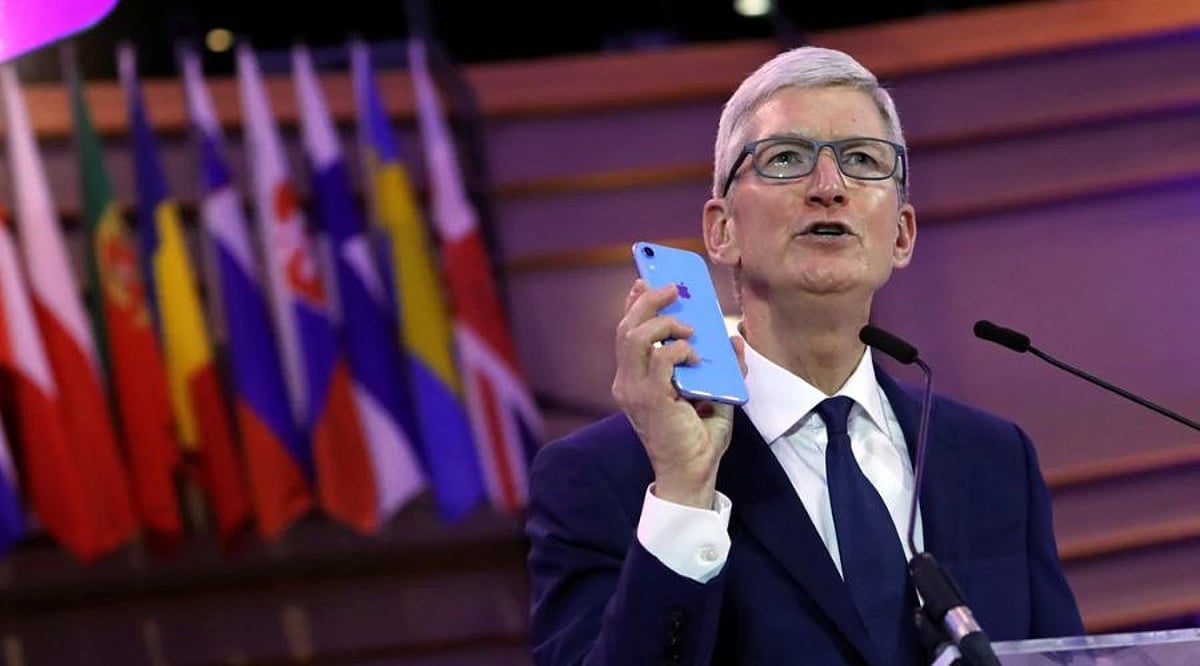
  • Tim Cook’s 2020 Warning on Facebook Tracking Paved the Way for Apple’s App Tracking Transparency

    Tim Cook’s 2020 Warning on Facebook Tracking Paved the Way for Apple’s App Tracking Transparency

    In December 2020, Apple CEO Tim Cook issued a stark warning to iPhone users regarding Facebook’s ability to track their activity across apps and websites. The warning came as Facebook criticized Apple’s upcoming privacy rules, which would require apps to request user permission before collecting data across other companies’ services.

    Cook took to Twitter (now X) to defend Apple’s privacy-first approach, stating: “We believe users should have the choice over the data that is being collected about them and how it’s used. Facebook can continue to track users across apps and websites as before; App Tracking Transparency in iOS 14 will just require that they ask for your permission first.”

    Apple later introduced App Tracking Transparency (ATT) with the release of iOS 14.5 in April 2021. This feature fundamentally changed how apps collect data for advertising and measurement across external services. Apps must now display a tracking permission prompt before accessing the device’s advertising identifier or using other covered tracking methods. Users who select “Ask App Not to Track” prevent the app from accessing the identifier, and they can later adjust their preferences in iPhone privacy settings.

    The policy ignited a major conflict between Apple and Meta, Facebook’s parent company. Meta argued that Apple’s rules could harm businesses relying on personalized advertising, later estimating a roughly $10 billion financial impact from the privacy changes.

    Cook’s 2020 statement became a pivotal moment in Apple’s broader privacy campaign. While Apple framed tracking permission as a matter of user choice, Meta viewed it as a threat to targeted advertising. The debate continues to shape mobile advertising privacy regulations worldwide.