Tag: Meta

  • Wall Street on Edge: Fed Decision, Inflation Data, and Big Tech Earnings Set for Volatile Week

    Wall Street on Edge: Fed Decision, Inflation Data, and Big Tech Earnings Set for Volatile Week

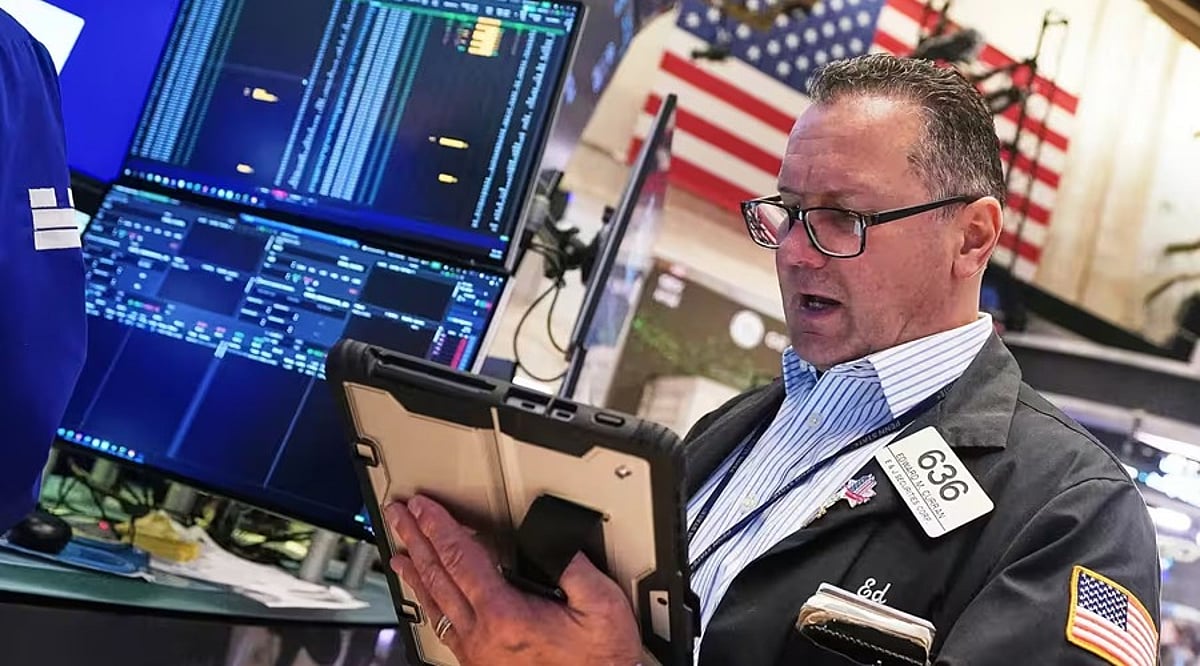
    Global markets are bracing for a turbulent 72-hour period as a wave of major events—including a Federal Reserve decision, key inflation data, GDP figures, and earnings from tech giants Microsoft, Meta, Apple, and Amazon—converge on the calendar. The sequence kicks off with consumer confidence data, followed by the Fed’s policy announcement, economic growth and inflation reports, and a flurry of earnings from four of the largest companies in the S&P 500. Traders are poised for sharp moves across stocks, bonds, currencies, and cryptocurrencies as each release could shift expectations for the next Fed meeting.

    Fed Decision Takes Center Stage

    Tuesday’s Conference Board consumer confidence report provides an early gauge of household demand. A weak reading may signal slower spending, while a stronger figure could reinforce the view that the economy can handle higher borrowing costs. Consumer spending drives the bulk of U.S. economic activity, making this data a key precursor to the Fed’s decision.

    The Federal Reserve will announce its rate decision Wednesday after a two-day meeting. Rate futures indicate roughly a one-in-three chance of a quarter-point increase, though most economists expect the central bank to hold the federal funds rate at 3.50% to 3.75%. Markets will scrutinize Chairman Kevin Warsh’s remarks for hints about September and any signs of policy division. A surprise hike would likely lift short-term yields and the dollar while pressuring rate-sensitive equities. Even a hold could spark volatility if the statement signals another increase is imminent. Investors will also watch the number of dissenting officials.

    PCE and GDP Data Drop on Thursday

    Thursday brings a double dose of economic data: the advance estimate for second-quarter GDP and the June personal income and outlays report, which includes the Personal Consumption Expenditures (PCE) price index—the Fed’s preferred inflation gauge. Both releases are scheduled for 8:30 a.m. Eastern Time.

    GDP data will reveal whether consumer demand and business investment sustained economic growth during the quarter. Forecasts generally point to annualized growth above 2%, though estimates vary. A stronger reading could buoy risk assets but may also strengthen the case for tighter policy if inflation remains elevated. The PCE figures may carry more weight for rate expectations. Softer monthly and annual readings would support the view that price pressures are easing, while firm core inflation could reignite concerns about the need for another rate increase. The worst-case scenario for markets would be weak GDP combined with stubborn inflation.

    Big Tech Earnings Add Pressure

    Microsoft and Meta report after Wednesday’s closing bell. Microsoft investors will focus on Azure growth, AI demand, and capital spending. Meta’s report will draw attention to advertising revenue, user activity, and the cost of expanding its AI infrastructure. Both companies have the power to influence broader tech valuations.

    Apple and Amazon follow after Thursday’s close. Apple’s iPhone demand, services sales, and AI plans will shape expectations for its next quarter. Amazon Web Services growth will indicate the pace of corporate cloud spending, while retail margins and delivery costs will impact Amazon’s broader results. Together, these four companies represent a significant portion of the S&P 500, and their guidance could move index futures even if headline earnings beat forecasts.

    Weekend Sentiment Check

    Friday’s final University of Michigan sentiment reading closes the seven-event stretch. Inflation expectations will be closely watched to see if the preliminary July improvement survived later changes in fuel prices, financial markets, and household views nationwide.
  • How to Disable AI Data Sharing on Meta Apps: A Step-by-Step Guide

    How to Disable AI Data Sharing on Meta Apps: A Step-by-Step Guide

    Meta’s apps, including Facebook and Instagram, use artificial intelligence to power features like recommendations, moderation, and personalization. If you’re concerned about your data being used for AI training, you can adjust your settings to limit or remove AI data sharing. Follow this guide to take control of your privacy across Meta’s platforms.

    Step 1: Access Meta’s AI Privacy Settings

    Open the Meta app you use most, such as Facebook or Instagram. Navigate to the Settings menu and look for the Privacy Center or an AI-related section. Meta periodically updates these options, so the exact location may vary depending on the app version and your region.

    Step 2: Open the Privacy Center

    The Privacy Center consolidates many controls related to your account and personal information. From here, you can review how Meta uses your data across its services. Read each option carefully before making changes, as some settings affect how AI features work inside the apps.

    Step 3: Review AI Data Usage Options

    Find the section that explains how Meta AI may use your information. Depending on your location, you may see options to object to certain data processing or limit how your public information is used. Review every setting before submitting any request or preference.

    Step 4: Submit an Objection Request

    If your region supports it, Meta allows users to submit a request to object to AI training using their personal information. Complete the required form with accurate details and send it through the app or website. Meta may review the request before confirming any changes.

    Step 5: Limit Public Information Sharing

    Reduce the amount of public information available on your Facebook and Instagram profiles. Delete old public posts if needed, change future posts to Friends or Private, and review profile visibility. Less public content means less information that could potentially be available for AI systems.

    Step 6: Manage Connected App Permissions

    Check which third-party apps and websites are connected to your Meta account. Remove services you no longer use and revoke unnecessary permissions. This helps reduce the amount of personal information shared across platforms and improves your overall account privacy.

    Step 7: Keep Privacy Settings Updated

    Meta regularly changes its privacy tools and AI features. Review your account settings every few months to see if new controls have been added. Staying updated helps you keep better control over your personal information and understand how your data may be used.

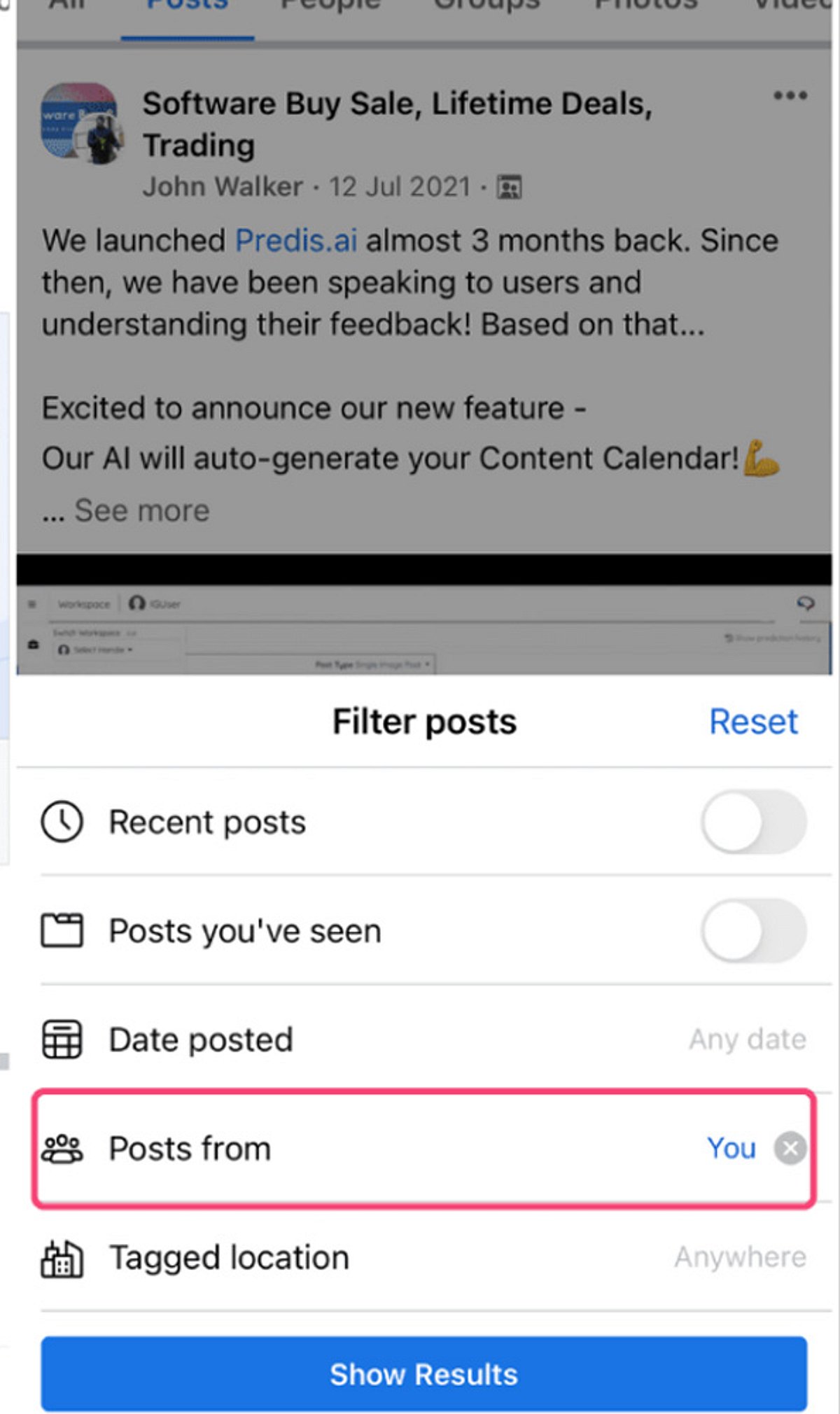
  • How to Check Who Shared Your Facebook Post: A Step-by-Step Guide

    How to Check Who Shared Your Facebook Post: A Step-by-Step Guide

    Ever wondered who shared your Facebook post? While Facebook doesn’t offer a direct “see all shares” button for every post, there are several ways to find out. Here’s how to check who shared your content while respecting user privacy settings.

    Check Public Shares

    Open your post and tap or click the share count displayed beneath it. Facebook will show you public shares that you can access directly. This is the quickest way to see visible shares.

    Understand Privacy Limits

    Facebook only displays shares you have permission to view. Private posts or shares restricted to specific audiences remain hidden from you. This is by design to protect user privacy.

    Open the Original Post

    Visit the original post on your timeline. The share count and any available public shares are displayed there clearly, making it easy to review.

    Click the Share Count

    Selecting the share number beneath your post opens a list of visible shares. What you see depends on each user’s privacy settings.

    Review Public Profiles

    You can view shares made by public profiles or pages. Personal accounts with private settings will always remain inaccessible.

    Check Facebook Notifications

    Notifications may occasionally show when someone shares your content, especially if the share generates interactions later. Keep an eye on your notification feed.

    Search Your Post

    Copy a unique sentence from your post and search Facebook. Public reposts that appear in search results can be found this way.

    View Insights for Pages

    If you manage a Facebook Page, Meta Business tools provide additional sharing insights and engagement statistics for published posts. This is the most powerful option for page owners.

    Respect User Privacy

    Facebook intentionally restricts access to private shares, ensuring users maintain control over who can view their shared content. Always respect these boundaries.

  • Instagram Bans Harassing Videos Recorded with Meta Smart Glasses to Protect Privacy

    Instagram Bans Harassing Videos Recorded with Meta Smart Glasses to Protect Privacy

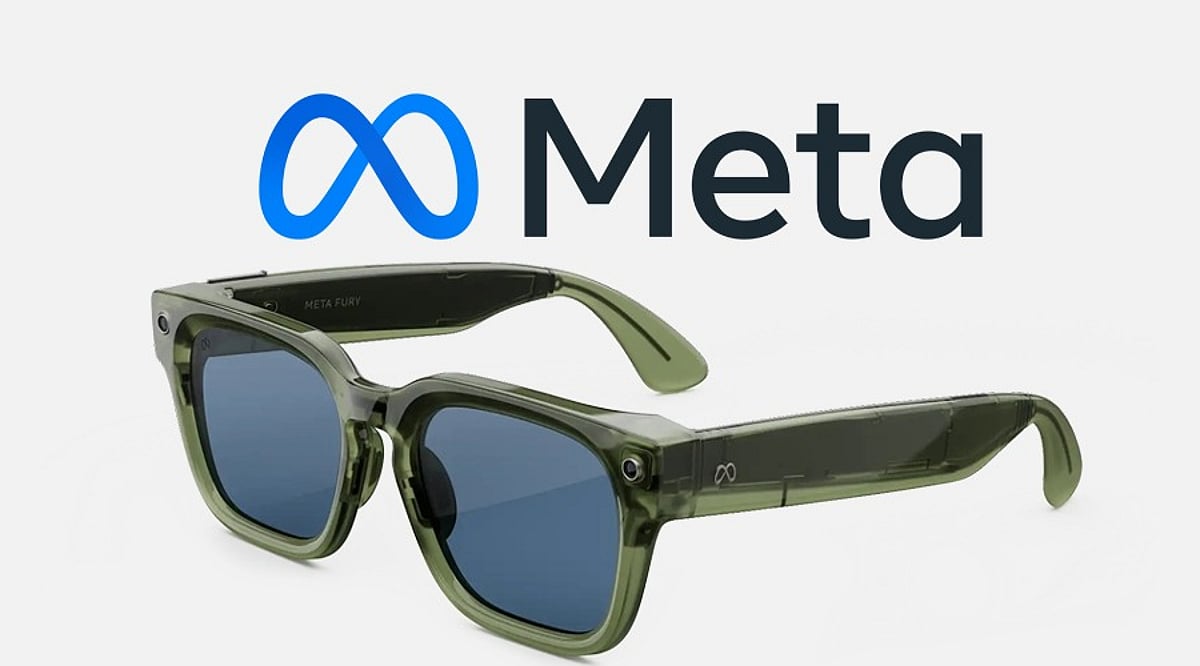
    Instagram is tightening its enforcement against secretly recorded videos captured using Meta’s smart glasses. The platform will now remove content that uses wearable cameras to harass individuals, particularly prank and pickup-style videos, following growing criticism over privacy violations.

    The policy change comes after a surge of clips showing creators approaching strangers, service workers, and women in public without their knowledge, then posting the footage as humorous content. This sparked widespread debate about consent and digital privacy.

    Instagram chief Adam Mosseri announced the update during a Q&A session on his Instagram Stories. “If you’re posting content that is taking advantage of people and harassing them, like a lot of these pickup line kind of videos, then we’re going to take the content down,” Mosseri said. He added, “We don’t want people to be surreptitiously taking videos of other people and harassing them and then posting them on our platform. So we’re trying to fight that every way we can.”

    According to a Business Insider report, Instagram has already deleted two popular accounts that frequently posted pickup videos recorded with Meta smart glasses. A Meta spokesperson confirmed that both accounts violated Instagram’s harassment policies.

    Meta has also introduced additional privacy safeguards in its smart glasses software. The company acknowledged that the recording indicator light on older models could be covered or altered, making it difficult for people to know if they were being recorded. A recent software update now automatically turns off the camera when it detects that the recording indicator light is blocked or tampered with.

    Despite these measures, concerns persist about the effectiveness of the recording indicator. The LED light is small and can be easily missed in bright outdoor conditions or large public spaces, leaving people unaware they are being filmed.

    Meta has not yet disclosed how it will determine whether uploaded videos violate the new policy, nor has it revealed how many videos have been removed since the policy took effect. The company has also not detailed how the rules will be applied in practice.

  • Top 7 Companies Offering Massive Manager Salaries in 2026: AI, Equity, and More

    Top 7 Companies Offering Massive Manager Salaries in 2026: AI, Equity, and More

    Overview

    AI is reshaping compensation: Managers with artificial intelligence, machine learning, and advanced computing expertise command premium salaries across leading technology companies. Equity drives earnings: Stock grants and performance incentives significantly increase total compensation beyond base salaries at major global technology firms. Leadership demand is rising: Companies increasingly reward managers who can lead large teams, deliver complex products, and manage high-impact technology programs.

    Management roles in technology have become some of the most lucrative positions in the global job market. In this tech-powered world, compensation at leading companies increasingly reflects the value of AI expertise, technical leadership, and the ability to manage large-scale engineering organizations.

    Companies Offering Highest Salary Packages to Managers

    These companies offer some of the strongest salaries across tech, finance, consulting, e-commerce, and product roles. Their pay ranges, bonuses, and stock options set them apart. You get high-value roles, fast growth, and exposure to global projects. Here are the best companies paying high salary packages to managers in 2026.

    Meta

    Meta has one of the best compensation structures for managers of software engineers. Reported compensation packages in US dollars range from ₹5.14 crore to ₹34.06 crore per year, depending on experience. The median compensation is around ₹7.30 crore per year. Equity constitutes a major portion of total compensation packages. Managers involved in artificial intelligence, machine learning, infrastructure, and large-scale engineering earn the best packages.

    Google

    Software engineers at Google earn roughly ₹3.66 crore to ₹18.91 crore per year on average in total compensation. The median package is nearly ₹6.22 crore. Google compensates employees through a combination of base salary, annual bonuses, and stocks. Engineers who manage important AI, cloud, and engineering projects get hefty compensation packages.

    Nvidia

    Nvidia’s technical expertise in AI leadership has increased its importance. Software engineering managers are earning approximately ₹3.59 crore to ₹6.66 crore per year, with a median salary of around ₹5.50 crore. Senior managers receive approximately ₹5.86 crore, while directors earn about ₹6.66 crore.

    Microsoft

    Microsoft continues to provide premium pay for managers working in artificial intelligence, cloud computing, cybersecurity, and enterprise software. Reported packages for engineering managers start from ₹3.38 crore, with top positions earning more. Base pay, year-end bonuses, and RSUs form the basic components of the package.

    Amazon

    Amazon’s Engineering Management salary packages depend on the size of its cloud and technology business. Salary for software engineering managers in the United States starts from about ₹2.95 crore and goes up to nearly ₹18.26 crore, with a median of roughly ₹4.95 crore. Cloud, AI, and infrastructure are among the most lucrative domains. Amazon also pays well in India, where software development managers earn an annual salary range between ₹86.2 lakh and ₹5.49 crore, median around ₹1.42 crore.

    Apple

    Apple offers substantial compensation to software engineering managers, especially those working on strategic products, platforms, and advanced technologies. In India, software engineering manager compensation ranges from approximately ₹1.49 crore to ₹2.56 crore annually, with a median total compensation of nearly ₹1.68 crore. Equity represents a significant portion of the overall package.

    HCLTech

    HCLTech focuses on exceptional remuneration at the pinnacle of the tech industry in India. For FY26, HCLTech’s CEO C Vijayakumar received about ₹176.47 crore in total compensation, including salary, bonuses, stock-based rewards, and other components. While not a manager-level figure, it shows the earning potential for tech industry leaders.

    Compensation Comparison Table

    Company Low (₹ crore/year) Median (₹ crore/year) High (₹ crore/year)
    Meta 5.14 7.30 34.06
    Google 3.66 6.22 18.91
    Nvidia 3.59 5.50 6.66
    Microsoft 3.38 — —
    Amazon (US) 2.95 4.95 18.26
    Apple (India) 1.49 1.68 2.56
    HCLTech (CEO) — — 176.47

    Note: US compensation figures converted at approximately ₹96.5 per US dollar; total compensation includes salary, stock, and bonuses where reported.

    Why Managerial Pay Is Rising

    The most generous bonuses go to positions related to AI, cloud computing, and advanced computing. The demand for leaders capable of assembling teams, managing complex infrastructure, and delivering products globally is intense.

    Stock-based compensation also plays a central role. At companies such as Meta, Google, and Nvidia, equity can represent a substantial share of total annual earnings. As a result, headline salary figures often understate the value of senior management packages. Looking ahead, technical managers responsible for high-value AI projects and infrastructure will get the most attractive compensation packages.

    Frequently Asked Questions

    1. Which company pays managers the highest salaries in 2026? Meta offers among the highest reported compensation packages, with senior software engineering managers potentially earning millions through salary, bonuses, and equity.
    2. Why are technology managers earning such high salaries? Technology managers combine leadership expertise with technical knowledge, enabling companies to execute complex AI, cloud, infrastructure, and software projects at global scale.
    3. Does total compensation include only the manager’s salary? No. Total compensation typically includes base salary, annual bonuses, stock awards, and other incentives, which can significantly increase a manager’s overall earnings.
    4. Which skills can help managers secure higher compensation? Artificial intelligence, machine learning, cloud computing, cybersecurity, infrastructure management, and large-scale engineering leadership remain among the most valuable skills for managers.
    5. Are these salary packages available to managers worldwide? Compensation varies by country, role, and seniority. The highest figures generally come from US-based technology roles and executive positions at global companies.
  • Leading US Tech Giants: Apple, Microsoft, NVIDIA, and More Dominate 2025

    Leading US Tech Giants: Apple, Microsoft, NVIDIA, and More Dominate 2025

    The United States continues to be the global epicenter of technological innovation, housing some of the most influential companies that shape industries ranging from consumer electronics to enterprise software and artificial intelligence. Here is an overview of the top 10 tech companies in the US, highlighting their core strengths and market impact.

    1. Apple

    Apple leads consumer technology with premium iPhones, Macs, and wearables. The company is expanding its AI capabilities, developing powerful silicon chips, and maintaining a thriving global ecosystem that keeps users engaged across devices.

    2. Microsoft

    Microsoft dominates enterprise software with Azure cloud services, AI innovation, productivity tools like Office 365, gaming through Xbox, cybersecurity solutions, and business applications used by millions worldwide.

    3. NVIDIA

    NVIDIA powers the AI revolution through advanced GPUs, data center technologies, autonomous driving platforms, and high-performance computing infrastructure that are critical for modern AI workloads.

    4. Amazon

    Amazon combines global e-commerce leadership with AWS cloud services, AI innovations, logistics expertise, and smart consumer devices like Alexa and Echo, reaching consumers and businesses across markets.

    5. Alphabet (Google)

    Alphabet, the parent company of Google, drives internet search, AI breakthroughs, cloud services, the Android ecosystem, and cutting-edge digital advertising technologies that underpin much of the web.

    6. Meta

    Meta connects billions through Facebook, Instagram, and WhatsApp, while investing heavily in AI research, virtual reality, and metaverse initiatives that aim to shape future digital interactions.

    7. Oracle

    Oracle specializes in enterprise databases, cloud infrastructure, AI-powered business applications, and mission-critical software that serve governments and multinational corporations worldwide.

    8. IBM

    IBM focuses on hybrid cloud, artificial intelligence, quantum computing, consulting services, and enterprise technology solutions tailored for regulated industries such as finance and healthcare.

    9. Intel

    Intel develops advanced processors, semiconductor technologies, AI accelerators, networking solutions, and manufacturing innovations that support global computing infrastructure from PCs to data centers.

    10. Cisco

    Cisco provides networking hardware, cybersecurity solutions, collaboration platforms like Webex, and enterprise connectivity that power businesses, governments, and digital transformation initiatives around the world.

    These ten companies not only drive technological progress but also create millions of jobs and generate trillions of dollars in market value, solidifying the US position as a leader in the global tech landscape.

  • Meta Tests AI-Powered StoryKit App for Personalized Children’s Stories

    Meta Tests AI-Powered StoryKit App for Personalized Children’s Stories

    Meta is testing StoryKit, an AI-driven storytelling app designed to create personalized children’s stories complete with custom characters, settings, lessons, illustrations, narration, and music. The tech giant aims to bring AI into your child’s bedtime storytelling routine.

    Currently in pilot phase in select countries, StoryKit explores how parents respond to AI-generated storybooks. The app helps users create personalized tales without requiring them to write the content themselves. Meta explained in its official blog, “StoryKit is designed to help users create personalized and imaginative storybooks for children using AI. The app includes built-in safety filters, does not offer any social networking features, and is restricted to users aged 18 and above.”

    The new feature allows you to choose a character, build a setting, and select a lesson or value for the story. The app then generates an entire story with visuals and audio elements. Meta has positioned StoryKit as a creative storytelling tool rather than a social platform.

    The app can also create a story based on your child’s favorite toy. Another person can become part of the story through an uploaded photo. This gives parents multiple ways to use the content, including screen-free storytelling. StoryKit supports different formats such as illustrated picture books, audiobooks, read-aloud stories, and printable PDFs.

    While StoryKit will help parents who struggle to create unique stories each night, it also raises ethical concerns about AI’s role in traditional human activities. Bedtime stories have long been a core part of bonding with children and creating memories with grandparents. The invasion of AI might hamper that emotional aspect. According to Meta’s experiment, AI will just help people with bedtime storytelling and not replace the human touch.

  • Meta Platforms Hit by Second Outage in Three Days: Thousands Report Facebook and Instagram Issues

    Meta Platforms Hit by Second Outage in Three Days: Thousands Report Facebook and Instagram Issues

    Meta’s social media platforms Facebook and Instagram experienced another significant outage on July 22, marking the second disruption in just 72 hours. Thousands of users worldwide reported problems accessing the apps, with many turning to X (formerly Twitter) to confirm the widespread nature of the issue.

    Thousands Report Problems

    Outage tracking website Downdetector recorded approximately 3,600 reports from users experiencing difficulties with both Facebook and Instagram. Common issues included trouble logging in, loading feeds, and accessing key features. As with most outage trackers, these figures represent only users who actively reported the problem, suggesting the actual number of affected users may have been higher.

    Another Disruption After Sunday’s Outage

    This latest outage comes just three days after Meta’s platforms suffered a similar disruption on Sunday. During that incident, Downdetector logged more than 4,000 reports for Facebook and over 1,500 reports for Instagram at its peak. Many users reported being unable to sign in, refresh feeds, or use parts of the platforms. Some Facebook users also received the message: “Account Temporarily Unavailable. Your account is currently unavailable due to a site issue. We expect this to be resolved shortly. Please try again in a few minutes.”

    Users Turn to X

    As services went down, users flocked to X to report the outage and confirm whether the problem was widespread. Several posts questioned why Meta’s platforms had experienced two outages in such a short period, while others reacted with humor. The repeated disruptions sparked fresh complaints from users who rely on Facebook and Instagram for communication, work, and content sharing.

    Meta Yet to Respond

    At the time of writing, Meta had not issued a statement explaining the latest outage or whether it was linked to Sunday’s disruption. The company also did not provide details on what caused the technical issues. Users and industry observers are awaiting clarification from Meta regarding the root cause and expected resolution timeline.

  • Big Tech’s Revenue Per Second: How Amazon, Apple, and Others Generate $68,000 Every Moment

    Big Tech’s Revenue Per Second: How Amazon, Apple, and Others Generate $68,000 Every Moment

    Every second, the world’s largest technology companies collectively generate nearly $68,000 in revenue, a staggering figure that puts their financial scale into perspective. Amazon, Apple, Alphabet, Microsoft, and Meta—the five US tech giants ranked by trailing twelve-month revenue through March 2026—drive this rapid cash flow through distinct business models: cloud infrastructure, digital advertising, enterprise software, hardware ecosystems, and online retail.

    Why Revenue Per Second Matters

    Market cap and headline revenue are common benchmarks, but revenue per second reveals how quickly money moves through a business. Calculated by dividing trailing twelve-month (TTM) revenue by 31,536,000 seconds in a year, this metric stays current—unlike stale annual reports. Critically, revenue is not profit; it’s income before costs, R&D, marketing, and taxes. A company can have high revenue per second yet thin margins, a distinction often overlooked in coverage.

    Company-by-Company Breakdown

    Amazon

    Amazon leads by a wide margin, thanks to its three-tiered model: retail (thin margins), AWS cloud (roughly 30% operating margin), and advertising (near-pure margin). Together, they outpace rivals even in categories where Amazon isn’t the largest player.

    Apple

    Apple’s speed comes from maximizing existing customers. Services like the App Store, Apple Music, iCloud, and Apple TV+ now boast gross margins above 70%. Each device sold becomes a platform for recurring services revenue.

    Alphabet

    Alphabet’s revenue flows from a live auction. Every search query triggers real-time bidding among advertisers, with Alphabet taking a cut. Billions of daily queries translate into constant per-second revenue tied to auction volume.

    Microsoft

    Microsoft benefits from structural stickiness. Enterprise customers reliant on Azure or Microsoft 365 face high switching costs, turning contracts into recurring compounding revenue. AI tools like Copilot further deepen that dependency.

    Meta

    Meta doesn’t sell products to its 3.56 billion daily active users; it sells access to their attention via ad inventory. Average ad prices rose 12% year-over-year while impressions climbed 19%, meaning Meta earns more per unit of attention and more units overall.

    What the Numbers Really Reveal

    Revenue per second says nothing about margin. Amazon’s TTM net income is about $90.8 billion on $743 billion revenue, a far lower conversion than Apple’s $451.4 billion revenue yielding over $100 billion profit. Two companies can move money at similar speeds but land in very different profit positions. The underlying business mechanism—ad auction, subscription, or cloud contract—matters far more than the per-second figure itself.

    Final Thoughts

    Two companies can match revenue speed yet have almost nothing in common underneath. One lives off subscriptions, another off cloud contracts, another off ad auctions in an ecosystem users rarely leave. The number grabs attention, but the differences underneath explain everything.

  • Anthropic and Meta Discuss $10 Billion AI Compute Lease, Boosting Meta Stock

    Anthropic and Meta Discuss $10 Billion AI Compute Lease, Boosting Meta Stock

    Anthropic is in early-stage talks to lease artificial intelligence computing capacity from Meta in a potential $10 billion, two-year agreement, according to reports. The deal would give Anthropic expanded access to AI chips while providing Meta with a new revenue stream from its data center investments.

    Meta Stock Rises on News

    Meta shares moved off their session lows after the report emerged on Friday. However, both companies declined to comment on the negotiations. The discussions are preliminary and may not result in a final contract.

    Potential Revenue Path for Meta

    Under the proposed terms, Anthropic would make monthly payments to Meta over two years. Either side could terminate the arrangement before the full term expires. If completed, this would mark Meta’s first large customer for rented computing capacity. Currently, Meta uses most of its data centers, chips, and power for its own services and AI models.

    CEO Mark Zuckerberg has previously discussed selling access to Meta’s infrastructure. At a shareholder meeting in May, he said cloud computing was “definitely on the table” and noted that companies approached Meta “almost every week” about buying models or spare computing power.

    Meta expects 2026 capital spending of between $125 billion and $145 billion, including finance lease payments and higher costs for components and data centers. Much of that spending supports AI systems and future computing capacity.

    Early Talks Leave Deal Uncertain

    Anthropic proposed a structure worth up to $10 billion across two years. Still, insiders describe the discussions as very preliminary. Meta must develop commercial systems for billing, customer support, security, and capacity management before operating a large cloud service.

    The companies have not disclosed how much computing power Anthropic could receive, nor have they identified specific chips, data center sites, pricing schedules, or start dates. The final value could fall below $10 billion, and either side could withdraw before the service period begins.

    Anthropic’s Growing Compute Needs

    Anthropic requires massive computing power to train and operate its Claude models. Demand for AI services has pushed developers to secure chips, electricity, and data center space through multiple providers.

    In May, Anthropic reached a separate agreement to use the full computing power of SpaceX’s Colossus 1 facility in Memphis. That site contains more than 220,000 Nvidia processors and provides 300 megawatts of capacity. Reports placed that arrangement at about $1.25 billion per month through May 2029, with early termination options.

    Anthropic also has computing arrangements with major cloud providers. Its talks with Meta show the company is adding more sources as usage grows across its consumer and business products. The proposal would diversify Anthropic’s infrastructure beyond its existing cloud partners.

    For Meta, a completed agreement would generate revenue tied directly to its AI infrastructure. The company is also building a broader cloud operation to sell spare capacity and access to selected AI models.

    No agreement has been announced, and neither Meta nor Anthropic has provided a timeline for completing or ending the talks.