Tag: Microsoft

  • Silicon Valley Divided: US Tech Giants Disagree Over Access to Chinese AI Models

    Silicon Valley Divided: US Tech Giants Disagree Over Access to Chinese AI Models

    Chinese AI models are creating a policy split across Silicon Valley as their cost, access, and technical ability improve. OpenAI and Anthropic want tighter controls on some Chinese systems, while Nvidia, Microsoft, Meta, and other companies support continued access to open models.

    The dispute has grown after Z.ai and Moonshot AI released new systems that compete with leading American products. The debate now covers national security, intellectual property, software access, and competition within the US technology sector.

    Chinese AI Models Raise Security Concerns

    Anthropic has accused DeepSeek, Moonshot AI, and MiniMax of using Claude outputs to improve competing systems. The company said the firms created about 24,000 false accounts and generated more than 16 million exchanges with Claude. Anthropic described the activity as “industrial-scale” extraction. The Chinese companies have not publicly accepted those claims, and the allegations have not been independently proven. Beijing has also rejected similar accusations as “groundless.”

    OpenAI and Anthropic have reportedly urged US officials to consider tighter controls on Chinese open-weight models. Their position treats advanced model files and training methods as valuable technology that needs stronger protection.

    Treasury Secretary Scott Bessent has said the administration may consider sanctions against companies that steal American AI property. White House technology adviser Michael Kratsios has also raised concerns about large-scale copying from US models. Officials have not announced a broad ban.

    Tech Leaders Defend Open Model Access

    Nvidia chief executive Jensen Huang has called for both closed and open frontier models. Microsoft chief executive Satya Nadella has also said open software supports a healthy AI market. Executives from Meta, IBM, and Palantir joined a letter backing open access.

    Their companies benefit when developers can test and deploy many models. Cloud providers gain more computing demand, while chipmakers sell hardware used to run the systems. Startups also use lower-cost models to avoid high fees from closed platforms.

    Supporters say open-weight systems allow developers to inspect, adapt, and host software on their own servers. They also argue that broad restrictions could reduce competition and give large closed-model companies more control over the market.

    Nearly 200 companies linked to the Little Tech Association reportedly asked Washington to avoid blanket restrictions. They supported action against proven intellectual property theft but opposed blocking models already available across global platforms.

    OpenAI appears to support open-weight AI in general while seeking targeted controls on Chinese systems. That position separates wider software access from concerns linked to specific companies and alleged data misuse.

    Chinese Providers Expand Through Lower Costs

    Chinese AI models have gained users through lower prices and open access. Developers can download some models, adjust them, and run them without relying on a single provider. That approach can reduce costs for coding, research, and automated tasks.

    Moonshot AI’s Kimi K3 and Z.ai’s GLM-5.2 have drawn attention after strong benchmark results. Users have also adopted DeepSeek and other Chinese systems for business tasks. Some American companies are testing them to cut operating expenses.

    The models still face limits, as independent evaluators say leading US systems offer stronger performance across a wider range of tasks. Chinese providers also face capacity pressure, financial losses, and export controls on advanced chips.

    Washington now appears to be considering targeted measures instead of a full ban. Such action could focus on companies accused of data theft or security risks. Meanwhile, open-model supporters want the government to protect US technology without limiting lawful access.


  • Microsoft’s Global Device Identifier (GDID) Tracks Windows Devices Across Networks

    Microsoft’s Global Device Identifier (GDID) Tracks Windows Devices Across Networks

    Microsoft uses a Global Device Identifier (GDID) to uniquely identify individual Windows installations across multiple services. The identifier recently drew public attention after FBI investigators used Microsoft records linked to GDID in a cybercrime investigation.

    According to a federal court filing, the GDID is a persistent, device-level identifier designed to uniquely identify an installation of a Windows operating system on a device. Each Windows installation—whether on a physical computer or virtual machine—receives a separate identifier.

    Microsoft generates the identifier on its servers and stores it locally in the Windows registry. Researchers report that the Passport identity service receives the number before the Connected Devices Platform registers it with Microsoft’s Device Directory Service.

    The GDID typically remains unchanged during Windows updates and common system changes. However, a full Windows reinstall creates a new GDID, though Microsoft may retain earlier records linked to the previous identifier.

    The identifier appears as a 64-bit value beginning with “g:” followed by a long number. Users can view the value stored on their computer through the Windows registry or a PowerShell command.

    How GDID Connects Activity Across Microsoft Services

    GDID supports several Windows and Microsoft services, including Windows activation, Microsoft Store purchases, app licensing, Phone Link, shared clipboard functions, device telemetry, and diagnostic information. Microsoft Edge can also connect enhanced diagnostic data to the identifier when users enable that setting, potentially including browser activity and browsing history.

    Microsoft’s public documentation provides few details about GDID. An Azure Monitor reference describes GlobalDeviceId as “Microsoft global device identifier” used internally by the company. Microsoft has not published a separate support page explaining its creation, retention period, or full use.

    Zerotrace Labs examined the system by replacing a device’s existing identifier during a controlled test. Their research found that several Windows components use GDID as part of Microsoft’s wider device identity system.

    FBI Uses Microsoft GDID Records in Hacker Case

    The identifier gained attention through the case against Peter Stokes, a 19-year-old dual US-Estonian citizen. US authorities accuse him of participating in a May 2025 cyberattack against a luxury jewelry retailer.

    Prosecutors claim attackers posed as company employees and contacted the retailer’s help desk, convincing staff to reset account credentials and multi-factor authentication controls. The group allegedly obtained at least 77GB of data and demanded about $8 million in cryptocurrency.

    According to the criminal complaint, the FBI obtained GDID records from Microsoft. Investigators said the same identifier accessed an ngrok registration page when the suspected attacker created an account and later connected to the victim’s website through the same VPN proxy.

    Authorities also linked the GDID to IP addresses in Tallinn, New York, and Thailand. Travel information and social media posts reportedly placed Stokes in those locations during the relevant periods.

    Stokes was arrested in Finland and later extradited to the United States. He faces charges related to conspiracy, computer intrusion, and fraud. The allegations have not been proven, and he is presumed innocent while the court case continues.

  • Top AI Certifications to Boost Your Data Science and Machine Learning Career in 2026

    Top AI Certifications to Boost Your Data Science and Machine Learning Career in 2026

    Whether you are a beginner or an experienced professional, earning a recognized AI certification can help you build practical data science and machine learning skills, strengthen your resume, and prepare for high-demand AI careers. With the rapid adoption of AI across industries, companies are actively seeking professionals who can analyze data, improve customer service, and drive better decision-making. Fortunately, you no longer need years of formal education—many high-quality online courses now offer foundational and advanced AI training in just weeks or months.

    In recent years, Google, IBM, Amazon, Microsoft, and other reputable institutions have launched AI and machine learning courses tailored to different skill levels. Some are ideal for beginners, while others are designed for professionals looking to deepen their expertise. Below, we highlight some of the best AI certifications to consider if you want to build a career in data science or machine learning.

    AI Foundations for Everyone Specialization

    Provider: IBM
    Duration: 4 Weeks
    Fee: Free

    This course is designed for people who want to understand AI without diving into programming. It uses practical examples rather than technical jargon. You will learn how AI is transforming workplaces, what responsible AI means, and how machine learning improves everyday tasks. It is an excellent choice for business professionals, students, and managers seeking a foundational understanding of AI.

    Fundamentals of Machine Learning and Artificial Intelligence

    Provider: Amazon AWS
    Duration: Approximately 1 hour
    Fee: N/A

    This short course is for learners with some prior knowledge who want to dive deeper into machine learning concepts. It covers supervised learning, data preparation, and model testing with practical exercises. It is a solid stepping stone for anyone planning to enter data science or machine learning.

    IBM Data Science Professional Certificate

    Provider: IBM
    Duration: Approximately 4 Months
    Fee: Free

    This advanced certification is for learners who already have a grasp of AI fundamentals. It teaches the latest practical skills data scientists use daily, including Python, SQL, and other essential tools and languages. Completing this course will prepare you for real-world data science roles.

    Microsoft AI & ML Engineering Professional Certificate

    Provider: Microsoft
    Duration: Approximately 6 Months
    Fee: N/A

    This certificate is ideal for learners seeking technical depth. Over six months, it covers Python, Azure AI services, machine learning, and model deployment. The program emphasizes hands-on projects that simulate real workplace scenarios, giving you valuable experience for AI and machine learning job applications.

    Data Science Specialization

    Provider: Johns Hopkins University
    Duration: Approximately 7 Months
    Fee: Free

    This comprehensive course is essential for aspiring data scientists with long-term career goals. Over seven months, you will learn to use R for data cleaning, analysis, and visualization; manage projects with GitHub; and perform regression analysis, least squares, and inference. By the end, you will master data manipulation, statistical analysis, data visualization, version control, and regression analysis.

    Which Course Should You Pick?

    The right certification depends on your current skill level. If you are a complete beginner, start with AI Foundations for Everyone to build a solid base without technical prerequisites. If you already have some programming knowledge and want to specialize in machine learning, Fundamentals of Machine Learning and Artificial Intelligence is a logical next step. For experienced data science professionals aiming to advance their careers, Data Science Specialization offers deep project management and analytical skills.

    Final Thoughts

    Mastering AI takes time and practice, but the right certification gives you a strong start and a clear learning path. The courses listed above cover different aspects of AI—from foundational concepts to practical development. Choose one that matches your current skills rather than simply picking the longest or most popular option. With dedication and the right certification, you can unlock exciting opportunities in data science and machine learning.

  • Microsoft Rolls Out Ad-Supported Xbox Cloud Gaming Trial for Insiders

    Microsoft Rolls Out Ad-Supported Xbox Cloud Gaming Trial for Insiders

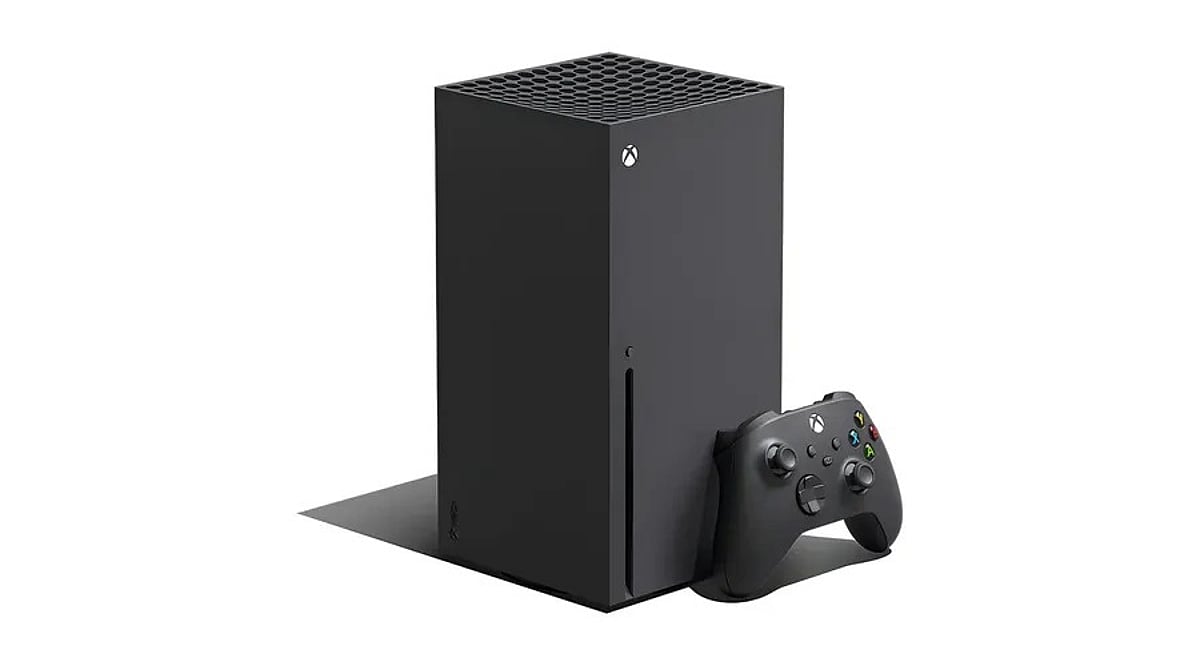
    Microsoft has officially begun testing advertisements within Xbox Cloud Gaming, rolling out the trial to a select group of Xbox Insiders. The initiative, which launched on July 23, allows Insiders with an Xbox account to stream games they already own for free in exchange for watching ads. Crucially, Microsoft has confirmed that ads will only appear before a gaming session begins — never during gameplay or while waiting in a queue.

    In an official blog post, Microsoft acknowledged that advertising has been part of the gaming industry for decades. The company stated, “When done well, advertising can help lower the cost of access. It creates another way for players to get into games without an upfront streaming purchase and expands audiences through new ways to play.”

    Under the current model, Insiders will view a short block of ads before each stream starts, then enjoy an uninterrupted hour of gameplay. Microsoft emphasized that player experience remains the top priority, and ads will be clearly labeled and held to the same quality standards as Xbox content.

    How This Differs from Competitors

    Many mobile games interrupt gameplay with ads, a practice that often frustrates users. Microsoft’s approach is notably different. Competitors like PlayStation Plus Cloud Streaming, NVIDIA GeForce NOW, and Amazon Luna rely primarily on subscription fees. By placing ads outside of gameplay rather than requiring every player to pay upfront, Microsoft is experimenting with a model that could lower the barrier to entry for cloud gaming.

    The success of this strategy will hinge on player reception. If Microsoft keeps its promise of uninterrupted gameplay and the ad load remains minimal, this ad-supported model could become a viable way to bring cloud gaming to a much broader audience.

    For now, the trial is exclusive to Xbox Insiders. The company has not announced plans for a wider rollout, but early feedback will likely shape the future of Xbox Cloud Gaming’s monetization.

  • Microsoft Brings Xbox Backward Compatibility to Windows PC: First Four Classic Games Announced

    Microsoft Brings Xbox Backward Compatibility to Windows PC: First Four Classic Games Announced

    Microsoft has officially launched Xbox backward compatibility on Windows PCs, enabling players to enjoy a selection of classic Xbox games without needing a console. The feature, announced via the Xbox official blog on July 22, 2026, is built directly into the Xbox PC app, eliminating the need for third-party emulators or old software.

    The first four games available are BLiNX: The Time Sweeper, Conker: Live and Reloaded, Crimson Skies: High Road to Revenge, and Fuzion Frenzy. Microsoft has confirmed that additional titles will be added over time, expanding the library for PC gamers.

    To access the feature, PCs must run Windows 11 with at least 8GB of RAM and 4GB of video memory. Minimum graphics requirements include an Nvidia GeForce GTX 950, AMD Radeon RX 550, or Intel Arc A310. Processors should have at least four cores and eight threads, with recommended options including Intel Core i3-10300, AMD Ryzen 3 3100, or AMD Ryzen Z2 A.

    This move aligns with Microsoft’s broader strategy to make Xbox games accessible across multiple devices—consoles, PCs, cloud gaming, and handhelds—rather than tying players to a single platform. Backward compatibility was first introduced on Xbox consoles to preserve older titles, and now the same principle extends to PC, allowing gamers to keep their library as they upgrade hardware.

  • Top 7 Companies Offering Massive Manager Salaries in 2026: AI, Equity, and More

    Top 7 Companies Offering Massive Manager Salaries in 2026: AI, Equity, and More

    Overview

    AI is reshaping compensation: Managers with artificial intelligence, machine learning, and advanced computing expertise command premium salaries across leading technology companies. Equity drives earnings: Stock grants and performance incentives significantly increase total compensation beyond base salaries at major global technology firms. Leadership demand is rising: Companies increasingly reward managers who can lead large teams, deliver complex products, and manage high-impact technology programs.

    Management roles in technology have become some of the most lucrative positions in the global job market. In this tech-powered world, compensation at leading companies increasingly reflects the value of AI expertise, technical leadership, and the ability to manage large-scale engineering organizations.

    Companies Offering Highest Salary Packages to Managers

    These companies offer some of the strongest salaries across tech, finance, consulting, e-commerce, and product roles. Their pay ranges, bonuses, and stock options set them apart. You get high-value roles, fast growth, and exposure to global projects. Here are the best companies paying high salary packages to managers in 2026.

    Meta

    Meta has one of the best compensation structures for managers of software engineers. Reported compensation packages in US dollars range from ₹5.14 crore to ₹34.06 crore per year, depending on experience. The median compensation is around ₹7.30 crore per year. Equity constitutes a major portion of total compensation packages. Managers involved in artificial intelligence, machine learning, infrastructure, and large-scale engineering earn the best packages.

    Google

    Software engineers at Google earn roughly ₹3.66 crore to ₹18.91 crore per year on average in total compensation. The median package is nearly ₹6.22 crore. Google compensates employees through a combination of base salary, annual bonuses, and stocks. Engineers who manage important AI, cloud, and engineering projects get hefty compensation packages.

    Nvidia

    Nvidia’s technical expertise in AI leadership has increased its importance. Software engineering managers are earning approximately ₹3.59 crore to ₹6.66 crore per year, with a median salary of around ₹5.50 crore. Senior managers receive approximately ₹5.86 crore, while directors earn about ₹6.66 crore.

    Microsoft

    Microsoft continues to provide premium pay for managers working in artificial intelligence, cloud computing, cybersecurity, and enterprise software. Reported packages for engineering managers start from ₹3.38 crore, with top positions earning more. Base pay, year-end bonuses, and RSUs form the basic components of the package.

    Amazon

    Amazon’s Engineering Management salary packages depend on the size of its cloud and technology business. Salary for software engineering managers in the United States starts from about ₹2.95 crore and goes up to nearly ₹18.26 crore, with a median of roughly ₹4.95 crore. Cloud, AI, and infrastructure are among the most lucrative domains. Amazon also pays well in India, where software development managers earn an annual salary range between ₹86.2 lakh and ₹5.49 crore, median around ₹1.42 crore.

    Apple

    Apple offers substantial compensation to software engineering managers, especially those working on strategic products, platforms, and advanced technologies. In India, software engineering manager compensation ranges from approximately ₹1.49 crore to ₹2.56 crore annually, with a median total compensation of nearly ₹1.68 crore. Equity represents a significant portion of the overall package.

    HCLTech

    HCLTech focuses on exceptional remuneration at the pinnacle of the tech industry in India. For FY26, HCLTech’s CEO C Vijayakumar received about ₹176.47 crore in total compensation, including salary, bonuses, stock-based rewards, and other components. While not a manager-level figure, it shows the earning potential for tech industry leaders.

    Compensation Comparison Table

    Company Low (₹ crore/year) Median (₹ crore/year) High (₹ crore/year)
    Meta 5.14 7.30 34.06
    Google 3.66 6.22 18.91
    Nvidia 3.59 5.50 6.66
    Microsoft 3.38 — —
    Amazon (US) 2.95 4.95 18.26
    Apple (India) 1.49 1.68 2.56
    HCLTech (CEO) — — 176.47

    Note: US compensation figures converted at approximately ₹96.5 per US dollar; total compensation includes salary, stock, and bonuses where reported.

    Why Managerial Pay Is Rising

    The most generous bonuses go to positions related to AI, cloud computing, and advanced computing. The demand for leaders capable of assembling teams, managing complex infrastructure, and delivering products globally is intense.

    Stock-based compensation also plays a central role. At companies such as Meta, Google, and Nvidia, equity can represent a substantial share of total annual earnings. As a result, headline salary figures often understate the value of senior management packages. Looking ahead, technical managers responsible for high-value AI projects and infrastructure will get the most attractive compensation packages.

    Frequently Asked Questions

    1. Which company pays managers the highest salaries in 2026? Meta offers among the highest reported compensation packages, with senior software engineering managers potentially earning millions through salary, bonuses, and equity.
    2. Why are technology managers earning such high salaries? Technology managers combine leadership expertise with technical knowledge, enabling companies to execute complex AI, cloud, infrastructure, and software projects at global scale.
    3. Does total compensation include only the manager’s salary? No. Total compensation typically includes base salary, annual bonuses, stock awards, and other incentives, which can significantly increase a manager’s overall earnings.
    4. Which skills can help managers secure higher compensation? Artificial intelligence, machine learning, cloud computing, cybersecurity, infrastructure management, and large-scale engineering leadership remain among the most valuable skills for managers.
    5. Are these salary packages available to managers worldwide? Compensation varies by country, role, and seniority. The highest figures generally come from US-based technology roles and executive positions at global companies.
  • Leading US Tech Giants: Apple, Microsoft, NVIDIA, and More Dominate 2025

    Leading US Tech Giants: Apple, Microsoft, NVIDIA, and More Dominate 2025

    The United States continues to be the global epicenter of technological innovation, housing some of the most influential companies that shape industries ranging from consumer electronics to enterprise software and artificial intelligence. Here is an overview of the top 10 tech companies in the US, highlighting their core strengths and market impact.

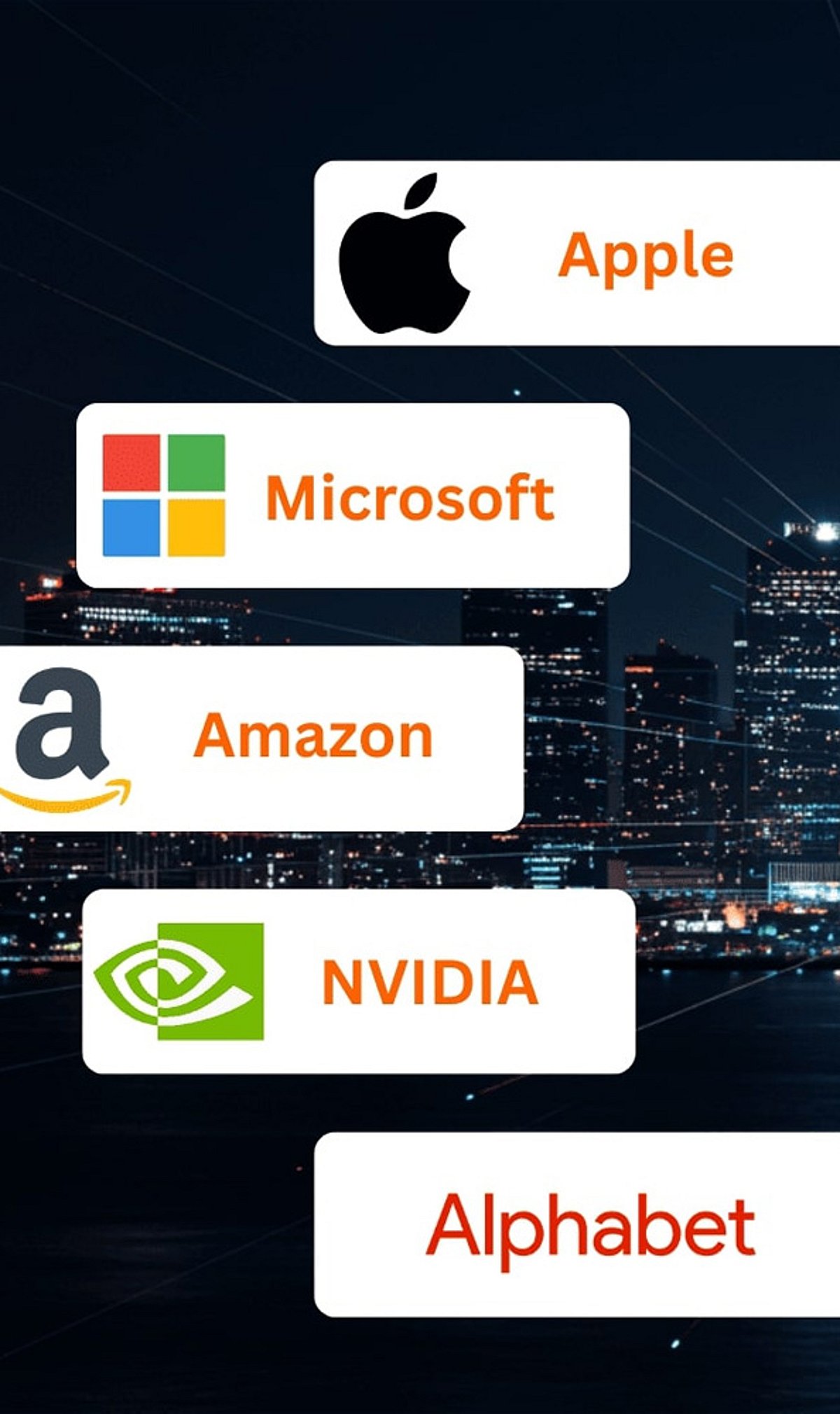
    1. Apple

    Apple leads consumer technology with premium iPhones, Macs, and wearables. The company is expanding its AI capabilities, developing powerful silicon chips, and maintaining a thriving global ecosystem that keeps users engaged across devices.

    2. Microsoft

    Microsoft dominates enterprise software with Azure cloud services, AI innovation, productivity tools like Office 365, gaming through Xbox, cybersecurity solutions, and business applications used by millions worldwide.

    3. NVIDIA

    NVIDIA powers the AI revolution through advanced GPUs, data center technologies, autonomous driving platforms, and high-performance computing infrastructure that are critical for modern AI workloads.

    4. Amazon

    Amazon combines global e-commerce leadership with AWS cloud services, AI innovations, logistics expertise, and smart consumer devices like Alexa and Echo, reaching consumers and businesses across markets.

    5. Alphabet (Google)

    Alphabet, the parent company of Google, drives internet search, AI breakthroughs, cloud services, the Android ecosystem, and cutting-edge digital advertising technologies that underpin much of the web.

    6. Meta

    Meta connects billions through Facebook, Instagram, and WhatsApp, while investing heavily in AI research, virtual reality, and metaverse initiatives that aim to shape future digital interactions.

    7. Oracle

    Oracle specializes in enterprise databases, cloud infrastructure, AI-powered business applications, and mission-critical software that serve governments and multinational corporations worldwide.

    8. IBM

    IBM focuses on hybrid cloud, artificial intelligence, quantum computing, consulting services, and enterprise technology solutions tailored for regulated industries such as finance and healthcare.

    9. Intel

    Intel develops advanced processors, semiconductor technologies, AI accelerators, networking solutions, and manufacturing innovations that support global computing infrastructure from PCs to data centers.

    10. Cisco

    Cisco provides networking hardware, cybersecurity solutions, collaboration platforms like Webex, and enterprise connectivity that power businesses, governments, and digital transformation initiatives around the world.

    These ten companies not only drive technological progress but also create millions of jobs and generate trillions of dollars in market value, solidifying the US position as a leader in the global tech landscape.

  • Top Free Quantum Computing Courses for Beginners to Explore in 2026

    Top Free Quantum Computing Courses for Beginners to Explore in 2026

    Quantum computing is rapidly emerging as a transformative field, and 2026 offers an abundance of free resources for beginners eager to dive in. From industry giants like IBM, Microsoft, and Google to academic platforms such as edX and Coursera, learners can access high-quality courses without spending a dime. Below is a curated list of the best free quantum computing courses and learning platforms available this year.

    IBM Quantum Learning

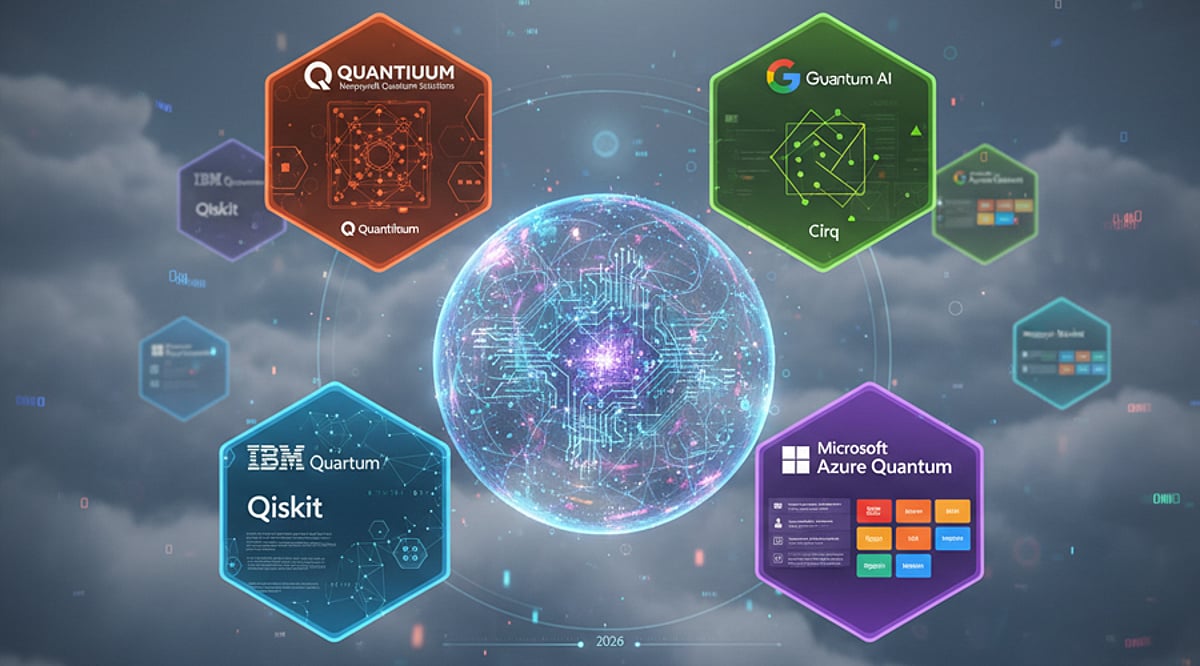
    IBM’s free learning platform remains a premier starting point for newcomers. It covers the fundamentals of quantum mechanics, quantum circuits, and Qiskit programming. Learners gain hands-on experience by accessing real quantum computers through the cloud. Interactive labs and guided learning paths help bridge theory and practical skills.

    Microsoft Azure Quantum Learning

    Microsoft offers free modules that introduce quantum computing concepts, quantum algorithms, and the Azure Quantum ecosystem. The content includes quantum-inspired computing and programming fundamentals via structured tutorials. The self-paced format is ideal for students, developers, and tech enthusiasts entering the field.

    Google Quantum AI Resources

    Google provides free educational materials explaining quantum computing principles, qubits, error correction, and quantum algorithms. Resources include research articles, tutorials, videos, and open-source tools, helping learners understand how quantum differs from classical computing while staying current with cutting-edge developments.

    Qiskit YouTube Channel and Documentation

    IBM’s Qiskit documentation and YouTube tutorials offer an accessible path into quantum programming. Learners explore quantum gates, circuits, simulations, and algorithms through detailed examples. The active developer community contributes additional tutorials, projects, and troubleshooting guides for self-paced study.

    edX Quantum Computing Courses

    edX hosts several free audit courses from leading universities covering quantum mechanics, computing principles, and introductory programming. While certificates require payment, all course materials are freely accessible. These structured academic programs combine lectures, quizzes, and assignments, making them ideal for university-level instruction.

    Coursera Free Audit Courses

    Coursera allows learners to audit many introductory quantum computing courses from top universities at no cost. Topics include foundational theories, quantum algorithms, and applications in computing and cryptography. Auditing provides access to video lectures and reading materials, offering an affordable way to start learning.

    Class Central Course Directory

    Class Central aggregates free quantum computing courses from universities, educational platforms, and tech companies worldwide. Rather than offering a single course, it helps learners compare ratings, duration, difficulty, and providers. This makes it easy for beginners to find the most suitable learning path in 2026.

    Whether you’re a student, developer, or hobbyist, these free resources provide a solid foundation in quantum computing without financial barriers. Start exploring today and build skills for the next computing revolution.

  • Big Tech’s Revenue Per Second: How Amazon, Apple, and Others Generate $68,000 Every Moment

    Big Tech’s Revenue Per Second: How Amazon, Apple, and Others Generate $68,000 Every Moment

    Every second, the world’s largest technology companies collectively generate nearly $68,000 in revenue, a staggering figure that puts their financial scale into perspective. Amazon, Apple, Alphabet, Microsoft, and Meta—the five US tech giants ranked by trailing twelve-month revenue through March 2026—drive this rapid cash flow through distinct business models: cloud infrastructure, digital advertising, enterprise software, hardware ecosystems, and online retail.

    Why Revenue Per Second Matters

    Market cap and headline revenue are common benchmarks, but revenue per second reveals how quickly money moves through a business. Calculated by dividing trailing twelve-month (TTM) revenue by 31,536,000 seconds in a year, this metric stays current—unlike stale annual reports. Critically, revenue is not profit; it’s income before costs, R&D, marketing, and taxes. A company can have high revenue per second yet thin margins, a distinction often overlooked in coverage.

    Company-by-Company Breakdown

    Amazon

    Amazon leads by a wide margin, thanks to its three-tiered model: retail (thin margins), AWS cloud (roughly 30% operating margin), and advertising (near-pure margin). Together, they outpace rivals even in categories where Amazon isn’t the largest player.

    Apple

    Apple’s speed comes from maximizing existing customers. Services like the App Store, Apple Music, iCloud, and Apple TV+ now boast gross margins above 70%. Each device sold becomes a platform for recurring services revenue.

    Alphabet

    Alphabet’s revenue flows from a live auction. Every search query triggers real-time bidding among advertisers, with Alphabet taking a cut. Billions of daily queries translate into constant per-second revenue tied to auction volume.

    Microsoft

    Microsoft benefits from structural stickiness. Enterprise customers reliant on Azure or Microsoft 365 face high switching costs, turning contracts into recurring compounding revenue. AI tools like Copilot further deepen that dependency.

    Meta

    Meta doesn’t sell products to its 3.56 billion daily active users; it sells access to their attention via ad inventory. Average ad prices rose 12% year-over-year while impressions climbed 19%, meaning Meta earns more per unit of attention and more units overall.

    What the Numbers Really Reveal

    Revenue per second says nothing about margin. Amazon’s TTM net income is about $90.8 billion on $743 billion revenue, a far lower conversion than Apple’s $451.4 billion revenue yielding over $100 billion profit. Two companies can move money at similar speeds but land in very different profit positions. The underlying business mechanism—ad auction, subscription, or cloud contract—matters far more than the per-second figure itself.

    Final Thoughts

    Two companies can match revenue speed yet have almost nothing in common underneath. One lives off subscriptions, another off cloud contracts, another off ad auctions in an ecosystem users rarely leave. The number grabs attention, but the differences underneath explain everything.

  • Xbox Game Pass Loses 7 Titles on July 31 – Final Chance to Play These Games

    Xbox Game Pass Loses 7 Titles on July 31 – Final Chance to Play These Games

    Microsoft has confirmed that seven games will leave Xbox Game Pass on July 31, giving subscribers a limited window to finish them or purchase them at a discount before they’re removed from the service.

    The departing titles are Crusader Kings 3, My Friendly Neighborhood, Back to the Dawn, Mount and Blade 2: Bannerlord, Rain World, Celeste, and Sniper Elite: Resistance. Among these, Crusader Kings 3 and Celeste hold impressive OpenCritic scores of 90 and 92, making them especially notable for gamers looking to grab a bargain before they vanish.

    As always, Game Pass members can purchase any of these games at a discounted price before they leave the library. This is the last opportunity to add them to your permanent collection without paying full retail.

    New Games Are on the Way

    Games rotate out of Xbox Game Pass every month, but fresh titles are constantly being added. Microsoft has not yet revealed the full lineup for the coming weeks, but two new arrivals have been confirmed: Shift at Midnight, a cooperative detective horror game, arrives on July 22, followed by Halo: Campaign Evolved on July 28. More announcements are expected shortly.

    Strategy Alternatives for Fans

    If you’re sad to see Crusader Kings 3 go, don’t worry — Game Pass still offers several strong strategy titles. Age of Empires IV lets you manage armies and build empires, while Age of Mythology: Retold adds mythological creatures and divine powers. If Civilization VI is available in your region, it’s another excellent choice for fans of deep, turn-based strategy.