Tag: Microsoft

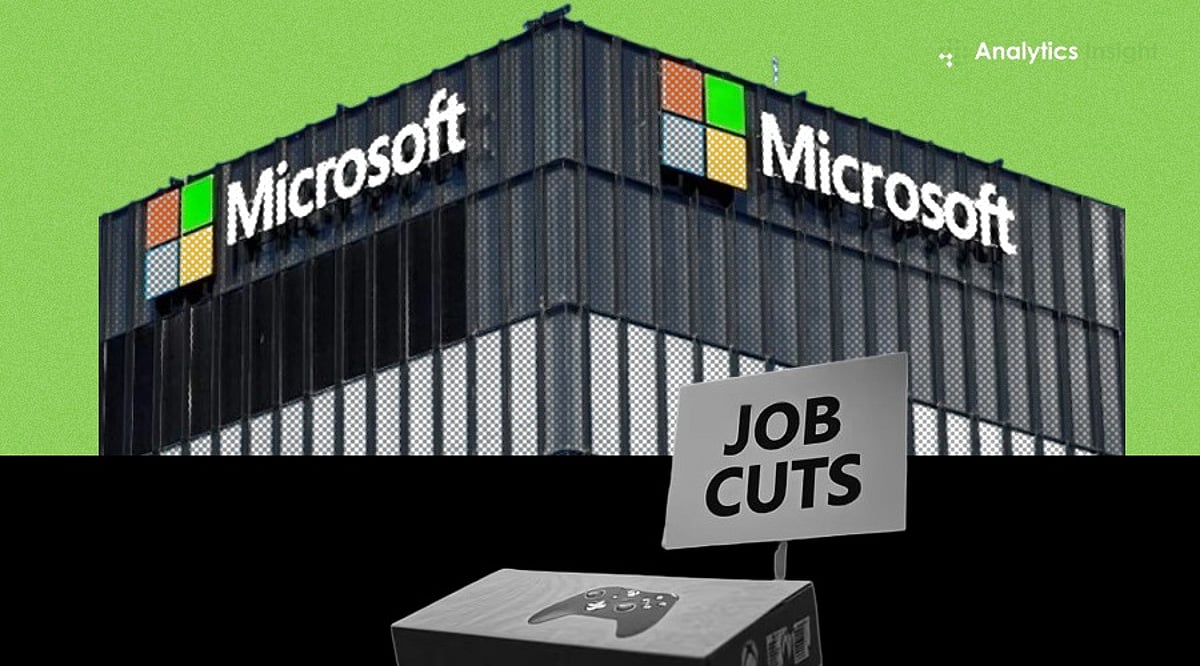
  • Microsoft Layoffs Could Reshape Xbox Gaming Division Amid Shift to AI: 5,700 Jobs at Risk

    Microsoft Layoffs Could Reshape Xbox Gaming Division Amid Shift to AI: 5,700 Jobs at Risk

    Microsoft is reportedly preparing another round of job cuts that could affect nearly 2.5% of its workforce, placing the Xbox gaming division at the center of the restructuring. The move comes as the tech giant continues to pivot heavily toward artificial intelligence, raising questions about the future of its gaming strategy.

    Multiple reports indicate that Microsoft may announce layoffs affecting around 5,700 positions globally, impacting sales, consulting, and the Xbox gaming division. With a current global workforce of approximately 228,000, even a 2.5% reduction represents a significant number of job losses. This would mark one of the largest workforce reductions at Microsoft since the 4% layoff in July 2025.

    Although Microsoft has not officially confirmed which teams will be affected, the gaming division is widely expected to be the most impacted. Xbox has already undergone major changes since the company completed its Activision Blizzard acquisition. Several studios have closed, projects have been canceled, and teams have been reorganized. Recent reports even suggest that Microsoft is about to close Arkane Studios, effectively halting development of Marvel’s Blade.

    The layoffs come at a time when Microsoft is investing billions of dollars in AI infrastructure, cloud services, and new software. Many industry experts believe AI has become Microsoft’s biggest priority. As a result, the gaming division may need to adjust to a new reality where efficiency and cost control take precedence over rapid expansion.

    “If Xbox teams are included in the latest layoffs, it could point to a broader change in Microsoft’s gaming strategy,” the report notes. Instead of pursuing more acquisitions or larger development teams, the company may focus on making existing studios more productive. Services such as Xbox Game Pass are still expected to remain central to the company’s gaming plans.

    Microsoft is unlikely to abandon gaming entirely, given that it owns some of the industry’s biggest franchises. However, the latest reports suggest that the company’s biggest investments are now flowing into AI. For Xbox, that means a stronger emphasis on careful spending rather than breakneck growth.

    As the tech landscape continues to evolve, Microsoft’s next moves will be closely watched by industry observers and gamers alike.

  • Big Tech’s Magnificent 7 Stocks Plunge $2.3 Trillion as AI Investment Doubts Mount

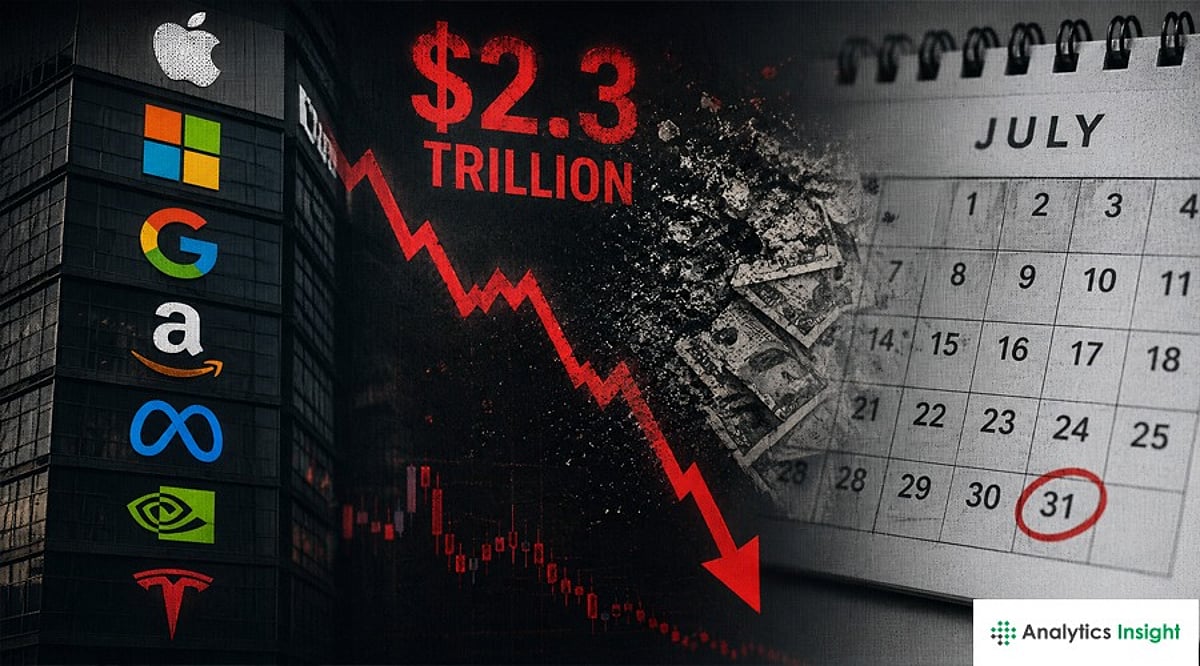
    Big Tech’s Magnificent 7 Stocks Plunge $2.3 Trillion as AI Investment Doubts Mount

    June proved disastrous for the Magnificent 7 stocks as investor anxiety over massive AI spending and uncertain returns triggered a selloff that erased nearly $2.3 trillion in market value. The decline ranks among the steepest monthly losses ever recorded for Big Tech.

    The group—comprising Microsoft, NVIDIA, Apple, Alphabet, Amazon, Meta, and Tesla—had led the market for months on AI enthusiasm. However, June brought a sharp reversal as attention shifted from future promise to current spending and profitability.

    The Magnificent 7 Index fell roughly 10% in June, extending its decline to more than 13% from a mid-May peak. Investors now demand concrete evidence that billions poured into AI infrastructure will translate into higher earnings.

    Microsoft suffered the steepest drop among the seven, with its stock tumbling about 20% in June. NVIDIA lost nearly 13%, while Apple and Amazon each declined around 8%. The broad selloff reflects growing caution around companies investing heavily in AI without clear financial payoffs.

    Big Tech continues to pour capital into AI. Microsoft, Amazon, Alphabet, and Meta are expanding data centers and purchasing advanced AI chips to support future growth. Industry analysts estimate AI-related spending could exceed $700 billion in 2026. Such outlays have depressed free cash flow expectations, undermining investor confidence in valuations.

    Analysts believe the upcoming earnings season will be pivotal. Investors want to see that AI investments are boosting revenue rather than simply inflating costs. Wedbush analyst Dan Ives noted that the next earnings reports could clarify whether the AI investment cycle is on the right track.

    Recent market moves suggest a preference for tangible results over ambitious promises. Companies that successfully convert AI spending into stronger earnings may recover investor trust more quickly.

    Capital has also rotated toward AI hardware makers. Semiconductor and memory companies have outperformed the Magnificent 7 this month. The Philadelphia Semiconductor Index gained about 6% in June and is still up more than 90% year-to-date, indicating that investors currently favor businesses directly benefiting from AI demand.

    Many experts argue that the selloff does not signal the end of the AI story. Instead, the market is demanding clearer proof that expensive AI projects will generate improved profits. The coming round of earnings reports will be crucial in determining whether the Magnificent 7 rebound or remain under pressure for the rest of the year.

  • Top Employers for Computer Vision Engineers in 2026: NVIDIA, Tesla, OpenAI, and More

    Top Employers for Computer Vision Engineers in 2026: NVIDIA, Tesla, OpenAI, and More

    Computer vision is one of the fastest-growing fields within artificial intelligence, enabling machines to interpret and analyze visual data like humans. From autonomous vehicles and robotics to medical imaging and security systems, the technology is transforming industries. As demand surges, leading companies are competing for skilled computer vision engineers. Here are the best employers in 2026.

    NVIDIA

    NVIDIA remains a powerhouse for computer vision engineers, thanks to its dominance in AI hardware and software. Its recent RTX Spark AI chip, designed for local AI processing, has driven demand for engineers skilled in image recognition, model optimization, and edge computing. The company provides access to cutting-edge tools for large-scale AI development.

    Google DeepMind

    DeepMind continues to push boundaries in AI research, focusing on advanced machine learning, image understanding, and multimodal systems like Gemini. Engineers work on projects that define the future of visual reasoning, benefiting from a research-driven culture and vast computing infrastructure.

    Tesla

    Tesla offers one of the most exciting opportunities for real-world computer vision applications. Its camera-based self-driving technology relies on fast image processing, object recognition, and multi-camera analysis. Engineers solve massive-scale challenges while working on systems deployed in millions of vehicles.

    Meta

    Meta has intensified its AI investments, particularly in augmented reality, smart glasses, and visual AI. Engineers work on facial recognition, video generation, scene understanding, and wearable devices. Its aggressive AI expansion makes Meta a top career destination.

    OpenAI

    OpenAI has expanded beyond language models into multimodal AI, including image generation, robotics, and visual reasoning. Demand for computer vision engineers has grown as the company pursues advanced general intelligence. Employees gain access to cutting-edge research and world-class infrastructure.

    Scale AI

    Scale AI is a fast-growing infrastructure company specializing in data preparation for autonomous vehicles and enterprise AI. Computer vision engineers work with synthetic data, automated labeling, and large visual datasets. As multimodal AI adoption rises, Scale AI offers strong long-term prospects.

    Microsoft

    Microsoft provides a stable, powerful environment for computer vision engineers through Azure and enterprise AI solutions. Key areas include optical character recognition, healthcare imaging, industrial automation, and cloud-based vision APIs. The company balances research with product development.

    DeepSeek

    DeepSeek has emerged as a surprise success, securing $7.4 billion in funding and planning to double its workforce. It focuses on advanced AI and general intelligence systems, creating major demand for engineers. Its rapid growth makes it an attractive option for computer vision professionals.

    Industry Outlook for 2026

    The global computer vision market is projected to grow over 35% annually through 2030, driven by robotics, autonomous vehicles, healthcare, surveillance, industrial automation, and generative AI. Key skills include PyTorch, TensorFlow, Vision Transformers, YOLO, edge AI, CUDA optimization, and distributed training.

    Final Thoughts

    The job market has shifted dramatically. While traditional tech companies once dominated, now AI startups, robotics firms, and autonomous vehicle manufacturers offer outstanding opportunities. NVIDIA, Google DeepMind, Tesla, Meta, OpenAI, Microsoft, Scale AI, and DeepSeek provide exceptional career growth for computer vision engineers working on technologies that will shape our future.

    Frequently Asked Questions

    Which company is best for computer vision engineers in 2026?

    NVIDIA currently stands out with its strong AI ecosystem and advanced computing infrastructure.

    Is computer vision a good career in 2026?

    Yes, demand continues to rise rapidly across robotics, healthcare, autonomous vehicles, and AI.

    Which skills matter most for computer vision jobs?

    PyTorch, TensorFlow, Vision Transformers, YOLO models, CUDA optimization, and edge AI deployment are highly valuable.

    Are startups good for computer vision careers?

    Yes, fast-growing AI startups like DeepSeek and Scale AI offer excellent growth opportunities and cutting-edge projects.

    What industries hire computer vision engineers the most?

    Autonomous vehicles, robotics, healthcare technology, surveillance systems, industrial automation, and generative AI lead hiring demand.

  • Best Stocks to Buy Now With $3,000: Turn a Small Investment Into Long-Term Wealth

    Best Stocks to Buy Now With $3,000: Turn a Small Investment Into Long-Term Wealth

    Investing doesn’t require a fortune. With just $3,000, you can build a diversified portfolio of high-quality stocks that have strong growth potential. Here are some of the top picks for long-term wealth creation.

    NVIDIA (NVDA)

    The AI chip leader continues to benefit from booming demand for data centers and artificial intelligence. NVIDIA’s GPUs are essential for training large language models and powering AI applications, making it a core holding for any tech-focused portfolio.

    Microsoft (MSFT)

    Its cloud business (Azure) and AI investments, including its partnership with OpenAI, make Microsoft one of the strongest long-term technology stocks. The company’s diversified revenue streams from productivity software, gaming, and enterprise services provide stability and growth.

    Amazon (AMZN)

    Beyond e-commerce, Amazon’s cloud platform (AWS) and AI services continue driving future growth. AWS remains the dominant cloud provider, and Amazon’s logistics network and advertising business add further upside.

    Alphabet (GOOGL)

    Google’s AI expansion and advertising business keep Alphabet among the market’s strongest performers. The company’s search dominance, YouTube growth, and investments in autonomous driving (Waymo) and cloud computing provide multiple growth engines.

    Meta Platforms (META)

    Meta is investing heavily in AI while maintaining strong revenue from digital advertising. Its social media platforms (Facebook, Instagram, WhatsApp) generate massive user engagement, and its metaverse and AI initiatives could unlock new revenue streams.

    Broadcom (AVGO)

    Its semiconductor and infrastructure software businesses continue benefiting from enterprise AI demand. Broadcom’s networking chips are critical for data centers, and its software acquisitions (VMware) provide recurring revenue.

    Eli Lilly (LLY)

    Strong demand for weight-loss and diabetes treatments makes Eli Lilly a healthcare favorite. Its drugs like Mounjaro and Zepbound have blockbuster potential, and the company’s pipeline includes promising treatments for Alzheimer’s and other conditions.

    Visa (V)

    Global digital payments continue expanding, giving Visa steady long-term growth potential. As cash transactions decline worldwide, Visa’s network effects and transaction volume growth provide reliable returns.

    Disclaimer: This article is for informational purposes only and does not constitute financial advice. Always do your own research before investing.

  • Xbox Game Pass July 2026 Lineup Revealed: Palworld and More Coming Soon

    Xbox Game Pass July 2026 Lineup Revealed: Palworld and More Coming Soon

    Microsoft has announced the next wave of Xbox Game Pass titles for July 2026, bringing a mix of day-one releases and popular games to console, PC, and cloud platforms. The lineup arrives during a traditionally quieter period for major game launches, giving subscribers fresh content to explore.

    One of the standout additions is Palworld, which joins the service on July 6. Since its beta launch in 2024, the Pokémon-style survival game has attracted millions of players worldwide. Now, Game Pass subscribers can jump in at no extra cost.

    Other titles coming in July include Winds of Arcana: Ruination, Ascend To Zero, Denshattack!, Fogpiercer Planet Crafter, Tears of Metal, Halo: Campaign Evolved, Mistfall Hunter, Shift at Midnight, Speedrunners 2: King of Speed, and Wuthering Waves. The selection spans action, survival, racing, horror, role-playing, and simulation genres, ensuring something for nearly every type of gamer.

    This month’s additions may not carry the weight of a major first-party Xbox release, but they help maintain momentum for the subscription service. A steady stream of new games gives players a reason to return each month and provides smaller studios with a larger audience. For Microsoft, Game Pass continues to evolve beyond a handful of headline titles, relying on a diverse monthly lineup to keep interest alive until the next wave of big Xbox exclusives arrives.

  • Microsoft Stock on Track for Worst Monthly Drop Since 2000 as AI Spending Surge Eclipses Strong Earnings

    Microsoft Stock on Track for Worst Monthly Drop Since 2000 as AI Spending Surge Eclipses Strong Earnings

    Microsoft Corp. is heading toward its weakest monthly stock performance in more than two decades, even as the company continues to report steady revenue growth and earnings that exceed Wall Street expectations. Investors have shifted their attention from quarterly results to the rising cost of expanding artificial intelligence infrastructure.

    AI Investment Costs Overshadow Earnings Beat

    Microsoft has delivered year-over-year revenue growth of 16% to 18% for eight consecutive quarters and consistently beaten analyst earnings estimates. Yet these strong results have done little to support the share price. The market is now laser-focused on spending rather than revenue.

    Capital expenditure has become the primary metric investors watch. Microsoft spent approximately $38 billion on capital projects in the latest quarter, much of it directed toward expanding AI data centers. Bank of America estimates the company’s capital spending could approach $190 billion in 2026. This surge is not unique to Microsoft—Amazon, Alphabet, Meta Platforms, and Oracle are also pouring billions into AI infrastructure, with combined spending by the five largest hyperscale cloud providers projected to exceed $700 billion in 2026.

    As more companies build data centers, demand for advanced chips and memory continues to rise, driving up equipment costs and extending investment cycles. Investors are now questioning how quickly these projects can generate meaningful financial returns.

    Cash Flow and Shareholder Returns Under Pressure

    Microsoft’s capital spending increased 63% from a year earlier, while free cash flow declined 10%. With more operating cash funneled into infrastructure, less remains available for share repurchases and dividend growth. Bank of America notes that hyperscaler capital spending has risen from roughly 70% of operating cash flow in 2025 to nearly 100% in 2026, raising concerns that large technology companies may have fewer resources for direct shareholder returns while AI investment remains elevated.

    Stifel lowered its Microsoft price target to $400, forecasting that Azure’s expansion will reduce gross margins by 100 to 150 basis points each quarter through fiscal 2027. Analysts estimate Microsoft’s fiscal 2027 gross margin could fall to about 63%, and earnings per share may trail actual results if spending continues at the current pace.

    Meanwhile, semiconductor companies have benefited from the AI investment cycle. Since January, the semiconductor sector has outperformed many large technology stocks as demand for AI hardware continues to increase.

    Technical Levels Under Scrutiny

    Technical analysts are also watching Microsoft’s stock price action closely. John Roque, a technical strategist at 22V Research, noted that the stock has struggled to stay above its 200-day moving average after repeated failures near resistance levels. He warned that a break below long-term support around $350 could trigger further weakness. “A break below $350 would, on his math, open the path to $250 — measured down from the stock’s failure near $450 in early June,” Roque said. That projection represents roughly 30% below recent trading levels, though it remains a technical scenario rather than a forecast.

    Outlook: AI Returns Remain the Key Question

    Current market conditions draw comparisons to earlier technology investment cycles, including the period following the dot-com boom. Many investors continue to monitor whether Microsoft’s expanding AI business, cloud platform, and related services will eventually generate returns that justify the record level of infrastructure spending. Until then, AI investment costs remain one of the biggest drivers of sentiment surrounding the company’s stock.

  • Microsoft Faces Allegations of Toxic Work Culture as Xbox Layoffs Loom, Ex-Workers Claim Retaliation

    Microsoft Faces Allegations of Toxic Work Culture as Xbox Layoffs Loom, Ex-Workers Claim Retaliation

    Microsoft’s gaming division is once again facing scrutiny as reports indicate the company is preparing another round of layoffs that could impact Xbox teams and related operations. While Microsoft has not disclosed the full scope of these cuts, former employees are speaking out about a toxic workplace culture that they say led to their departures.

    Former Employees Allege Retaliation and Toxic Management

    In recent interviews, ex-workers have shared troubling experiences. One former employee claimed they were included in a mass layoff after protesting against a manager who had humiliated team members during meetings. Others reported being placed in the company’s Performance Improvement Program (PIP) following disputes with their managers, which eventually forced them out of Microsoft.

    These allegations highlight concerns about reporting managers, human resources practices, and internal investigations. The timing is particularly sensitive as Microsoft’s gaming business is already under pressure from multiple rounds of layoffs over the past two years.

    Broader Context of Xbox Restructuring

    Microsoft has reshaped many teams and scaled back projects as part of its cost-control efforts. The latest claims renew discussion about Xbox’s public image, which has suffered from studio closures, canceled projects, and workforce reductions. However, the current controversy goes beyond job losses. Layoffs may fade from headlines, but questions about a toxic work culture can persist for years.

    For Microsoft, rebuilding its reputation is as important as releasing successful games. Whether the brand can survive this crisis depends on how the company responds to these allegations.

  • Xbox Faces New Layoffs as Former Staff Allege Retaliation and Toxic Work Culture at Microsoft

    Xbox Faces New Layoffs as Former Staff Allege Retaliation and Toxic Work Culture at Microsoft

    Microsoft’s gaming division is once again under scrutiny as reports indicate the company is preparing another wave of job cuts that could affect Xbox teams and related operations. While Microsoft has not disclosed the full scope of the reductions, growing concerns among employees have been fueled by recent claims from former workers.

    Ex-employees have raised alarms about workplace conduct, reporting managers, human resources practices, and participation in internal investigations. One former employee reported being included in a mass layoff after protesting against a manager who allegedly humiliated team members during meetings. Another group claimed they were placed in a Performance Improvement Program (PIP) following a dispute with their manager, eventually forcing them to leave the company.

    These allegations come at a time when Microsoft’s gaming business is already under financial pressure. Over the past two years, the company has executed multiple rounds of layoffs, reshaped teams, and scaled back projects to control costs. The latest claims have also reignited debate about Xbox’s public image, which has suffered from studio closures, canceled projects, and workforce reductions.

    While layoffs may fade from headlines, questions about toxic work culture often persist. For Microsoft, rebuilding its reputation is as critical as releasing successful games. The brand’s ability to navigate the crisis depends on how authorities and leadership respond to these serious allegations.

  • Microsoft and Inworld AI Join Forces to Create Generative AI Tools for Xbox Game Development

    Microsoft and Inworld AI Join Forces to Create Generative AI Tools for Xbox Game Development

    Microsoft has announced a multi-year partnership with Inworld AI to develop generative AI tools for Xbox game developers. The collaboration aims to empower creators with AI-driven tools for building characters, stories, quests, and dialogue, leveraging large language models similar to those powering OpenAI’s GPT.

    The partnership will produce an “AI design copilot” system that helps developers create detailed scripts, dialogue trees, and quest lines. Additionally, an AI character engine will enable more immersive and dynamic in-game interactions. The tools are designed to be cross-platform and accessible to developers of all sizes, from indie studios to major AAA teams.

    Ilya Gelfenbeyn, CEO of Inworld AI, noted that generative AI unlocks new opportunities for storytelling and character engagement within games. Haiyan Zhang, General Manager of Gaming AI at Xbox, emphasized that the approach is rooted in meaningful innovation, empowering people, and responsibility. She stated that the tools will be built on Microsoft’s AI principles and Responsible AI Standard.

    This announcement follows Microsoft’s broader AI push, including the recent introduction of Copilot for Office, which automates tasks like email drafting and document summarization. By extending generative AI into gaming, Microsoft aims to reduce complexity for developers and enhance player experiences, particularly as the metaverse and VR/AR sectors are projected to grow to $615 billion by 2030.

    The partnership brings together Inworld’s expertise in generative AI for characters, Microsoft’s Azure OpenAI Service, Microsoft Research’s insights into future play, and Xbox’s legacy of responsible creator tools. Together, they plan to deliver an accessible, responsibly designed multi-platform toolset for dialogue, story, and quest design.

  • Top AR/VR and AI Developments: From Apple Vision Pro to Generative AI in Gaming

    Top AR/VR and AI Developments: From Apple Vision Pro to Generative AI in Gaming

    The world of augmented reality (AR), virtual reality (VR), and artificial intelligence (AI) continues to evolve rapidly. Recent headlines highlight how these technologies are converging to reshape industries from entertainment to manufacturing. Here’s a roundup of key stories.

    Apple Vision Pro Ushers in a New Era of Spatial Computing

    Apple’s Vision Pro headset marks a significant milestone in AR technology. With spatial computing expected to dominate the global tech market, the device is poised to test multiple industries, from healthcare to education, by blending digital content seamlessly with the physical world.

    Microsoft and Inworld AI Partner on Generative AI for Xbox

    Microsoft has joined forces with Inworld AI to develop generative AI tools for Xbox game developers. This collaboration showcases how AI is extending beyond business digital transformation into entertainment, enabling more dynamic and responsive gaming experiences.

    Web3, AI, and the Metaverse Transform the Music Industry

    The metaverse is revolutionizing the music industry, with artists like Robbie Williams venturing into Web3 spaces. Virtual concerts and AI-driven experiences are creating new revenue streams and fan engagement models.

    Asian Games 2023 Embraces AI and Eco-Friendly Tech

    Held in Hangzhou, China, the Asian Games 2023 features esports as a medal event for the first time. The event also showcases AI and eco-friendly technologies, highlighting digital transformation on a global stage.

    Deloitte: Industrial Metaverse to Transform Manufacturing

    A report from Deloitte reveals that most manufacturing companies are leveraging the industrial metaverse. However, cybersecurity and data protection remain key concerns as factories become more digitized.

    Virtual Marriage: Woman ‘Marries’ AI-Powered Partner

    In a sign of emerging trends, a woman has entered into a virtual ‘marriage’ with an AI-powered partner. This unconventional union raises questions about the future of relationships and markets in a digitally connected world.

    Top 10 Augmented Reality Companies for Business

    Augmented reality is building on the Internet of Things (IoT) to unlock new commercial opportunities. From Pokémon Go to enterprise solutions, AR is expected to redefine how businesses interact with the physical world.

    Stay tuned for more updates as AR, VR, and AI continue to shape our future.