Tag: Oil Prices

  • NASDAQ Futures Climb as Chip Stocks Rebound and Oil Prices Pull Back

    NASDAQ Futures Climb as Chip Stocks Rebound and Oil Prices Pull Back

    US technology stocks entered the new week after another sharp pullback led by semiconductor companies. The NASDAQ 100 has become more sensitive to daily moves in NVIDIA, Micron, AMD and Intel. Their rising market values have also increased their weight within the index.

    Wall Street futures moved higher on Monday as several chipmakers recovered before the opening bell. However, oil prices and the conflict involving the United States and Iran kept pressure on stocks. Investors also prepared for earnings from Alphabet, Tesla, IBM and Intel.

    Chip Stocks Drive Sharp NASDAQ Swings

    Semiconductor shares now play a larger role in NASDAQ 100 volatility. Assenagon says the weight of chip companies other than NVIDIA rose from about 15% to nearly 30%. Micron, AMD and Intel gained more influence as their valuations climbed during the AI rally.

    The asset manager said average one-year expected volatility for those companies moved above 80 points at times. That marked the highest level since the global financial crisis. Assenagon said, “Semiconductor stock volatilities are doing the heavy lifting.” Lower correlation between NASDAQ companies reduced part of the pressure, but it did not remove it.

    The Philadelphia Semiconductor Index also entered a bear market after closing more than 20% below its late-June record. Earlier data showed the index had gained 83% during 2026 before the July reversal. Chip funds then recorded large inflows and outflows as traders changed positions quickly.

    Apple and NVIDIA Trade the Top Market Spot

    Apple overtook NVIDIA on Friday to become the world’s most valuable listed company. Apple carried a market value of about $4.88 trillion. NVIDIA stood near $4.86 trillion after its shares fell 3.5%. Apple had not held the top position since April 2025.

    The change came as investors reviewed the prices attached to AI-linked companies. New model releases from China added competition within the sector. Meanwhile, concerns grew over the pace of spending on chips, servers and data centers. NVIDIA and other semiconductor companies had led much of the market’s 2026 advance.

    Bianca Botes of Citadel Global said, “The AI demand story is real,” but prices had moved ahead of earnings evidence. Recent losses in Micron, NVIDIA and other chipmakers showed how quickly sentiment could change. The moves also spread to South Korean technology stocks, including Samsung Electronics and SK Hynix.

    Oil Retreat and Earnings Lift Stock Futures

    NASDAQ 100 futures rose about 0.8% early Monday, while S&P 500 futures gained around 0.4%. Dow futures added about 0.3%. Memory chipmakers also advanced before the market opened. Micron, Western Digital, Seagate and SanDisk gained between 3.2% and 4.2%.

    Brent crude briefly moved above $90 per barrel after US forces struck Iran for a ninth straight day. Prices later eased after Iran said diplomatic contacts remained open. The early oil rise raised fresh concerns about transport costs, inflation and interest rates.

    Investors will now focus on quarterly results from major technology companies. Alphabet, Tesla, IBM and Intel will report during the week. Intel and Texas Instruments will provide new data on chip demand and AI infrastructure spending. Their reports could guide the next move across semiconductor stocks and the NASDAQ 100.

  • Wall Street Slips as Chip Rout Deepens, Netflix Forecast Disappoints, and Oil Price Worries Return

    Wall Street Slips as Chip Rout Deepens, Netflix Forecast Disappoints, and Oil Price Worries Return

    The S&P 500 fell on Friday as investors reduced exposure to semiconductor stocks. The index dropped 0.6%, while the NASDAQ Composite lost 1%. The Dow Jones Industrial Average traded near the flatline.

    Wall Street also faced pressure from Netflix, higher oil prices, and fighting between the United States and Iran. The major indexes moved toward weekly losses after a reversal in stocks linked to artificial intelligence spending.

    Chip Stocks Extend Weekly Selloff

    Semiconductor shares led the decline. NVIDIA, Advanced Micro Devices, Applied Materials, Lam Research, Intel, and KLA traded lower. The Philadelphia Semiconductor Index fell close to 2% and moved deeper into bear-market territory from its late-June peak.

    The index has lost about 11% this week and nearly 24% from its record high. Investors took profits after a three-month rally that lifted the chip gauge more than 100%. The VanEck Semiconductor ETF headed for its third weekly loss in four weeks.

    Fresh doubts over AI spending added pressure. Chinese startup Moonshot AI introduced Kimi K3, a large open-weight model that it says can compete with leading US systems. The launch raised questions over whether costly AI infrastructure plans will deliver the returns investors expect.

    Strategists at BBH said investors are ‘increasingly questioning the sustainability of the ongoing AI capital expenditure boom.’ Barclays took a less cautious view and said the pullback could create ‘more attractive entry points’ for long-term investors.

    Netflix Drops as Forecast Disappoints

    Netflix shares fell about 9% after its third-quarter forecast came in below Wall Street estimates. The decline weighed on the communication services sector and made Netflix one of the largest S&P 500 losers.

    Intuitive Surgical also dropped more than 11%. The medical device company kept its procedure-growth forecast unchanged and warned that insurance changes may delay care for some patients.

    Meanwhile, Apple shares edged higher while NVIDIA fell, allowing Apple to move ahead of the latter as the most valuable US company. NVIDIA had held the top position since late June last year.

    Meanwhile, the CBOE Volatility Index rose above 18, its highest level in more than a week. Declining stocks outnumbered gainers on both the New York Stock Exchange and the NASDAQ.

    Oil and Inflation Risks Return

    Oil prices rose as fighting between the United States and Iran widened across the Middle East. West Texas Intermediate traded above $81 per barrel, while Brent crude moved above $86.

    Kuwait said Iran attacked a power and water desalination plant. US Central Command said it completed a sixth straight night of strikes on Iranian military targets. Iran later claimed attacks on US forces in Syria and Bahrain.

    The conflict disrupted energy flows through the Strait of Hormuz, a route that handles about one-fifth of global oil traffic. Higher oil prices renewed concerns over inflation and future Federal Reserve policy.

    Cleveland Fed President Beth Hammack said business leaders are asking whether the central bank should act against inflation. She wrote that companies face pressure from energy, insurance, supply chains, and AI data center construction. Hammack added that ‘persistently high inflation is the bigger concern.’

    Consumer sentiment improved to 54.4, while one-year inflation expectations fell to 4.2%. Still, survey director Joanne Hsu said the rise may be hard to sustain if gas prices increase again.

    With semiconductor stocks under pressure, earnings disappointments weighing on sentiment, and geopolitical risks driving oil higher, investors remain focused on the outlook for inflation and Federal Reserve policy.

  • Wall Street Rises as Bank Profits and Tech Rally Boost Dow, S&P 500, and NASDAQ

    Wall Street Rises as Bank Profits and Tech Rally Boost Dow, S&P 500, and NASDAQ

    Wall Street climbed on Wednesday as investors weighed stronger-than-expected bank earnings and cooling wholesale inflation data. The Dow Jones Industrial Average, S&P 500, and NASDAQ Composite all posted gains, led by financial and technology shares.

    Indexes Gain as Inflation Eases

    The Dow rose approximately 0.4%, the S&P 500 added 0.3%, and the NASDAQ Composite gained 0.4%, supported by consumer discretionary and technology stocks. Nine of the 11 S&P 500 sectors traded in positive territory, with consumer discretionary leading and financials up 0.6%.

    Market sentiment was buoyed by a weaker-than-expected Producer Price Index report, which showed final demand prices fell 0.3% in June against expectations of no change. This followed Tuesday’s softer Consumer Price Index reading, together reducing expectations for an immediate Federal Reserve rate hike.

    Bank Earnings Support Financial Shares

    BlackRock shares surged more than 7% after the asset manager beat quarterly forecasts, reporting earnings of $13.91 per share on revenue of $7.08 billion—above the $6.72 billion expected by analysts. Assets under management rose to $15.35 trillion from $13.90 trillion.

    Morgan Stanley also gained after reporting second-quarter profit above market estimates, extending a strong start to earnings season for financial firms. “The large banks continue to demonstrate the strength of the US consumer and corporate balance sheets,” said Charlie Anderson of UBS Wealth Management, adding that healthy banks support broader economic confidence.

    PayPal Jumps on Reported Takeover Offer

    PayPal shares jumped nearly 14% following reports that Stripe and Advent International submitted a joint acquisition offer valuing the company at approximately $53 billion, or $60.50 per share—a premium of about 28% over Tuesday’s close. The offer comes as PayPal works to improve growth and defend its position in digital payments. Neither party announced a completed agreement during the session.

    Technology Stocks Add to Market Gains

    Large technology stocks supported the broader market. Amazon, Apple, and Microsoft each gained around 3%, while Alphabet rose more than 1%. ASML shares advanced after the Dutch chip equipment maker raised its sales forecast, citing strong demand for systems used in advanced AI chip production. ASML also plans to expand equipment production capacity by 30%, easing supply chain concerns.

    Investors are also watching TSMC, which will report second-quarter earnings on Thursday, with focus on spending plans, AI chip demand, advanced packaging capacity, and its 2-nanometer production schedule.

    Fed Policy and Oil Prices Stay in Focus

    Traders reduced the probability of a July rate hike to about 12%, down from 41% before Tuesday’s CPI release, according to CME FedWatch data. Federal Reserve Chair Kevin Warsh continued his congressional testimony, cautioning that one inflation report is not enough to confirm a lasting trend.

    Oil prices moved higher after the United States launched additional strikes against Iran, with West Texas Intermediate above $80 per barrel and Brent above $85. Higher crude prices limited some of the market’s advance as investors monitored the Middle East conflict for effects on energy costs and future inflation readings.

    Meanwhile, Elevance Health fell more than 8% despite raising its annual profit forecast, as the revised outlook failed to meet investor expectations. Advancing stocks outnumbered decliners on both major US exchanges.

    Disclaimer: Analytics Insight does not provide financial advice or guidance on cryptocurrencies and stocks. This article is for informational purposes only and does not constitute investment advice. Always conduct your own research before making investment decisions.

  • FTSE 100 Drops 68 Points as Middle East Tensions Boost Oil Prices and Energy Stocks

    FTSE 100 Drops 68 Points as Middle East Tensions Boost Oil Prices and Energy Stocks

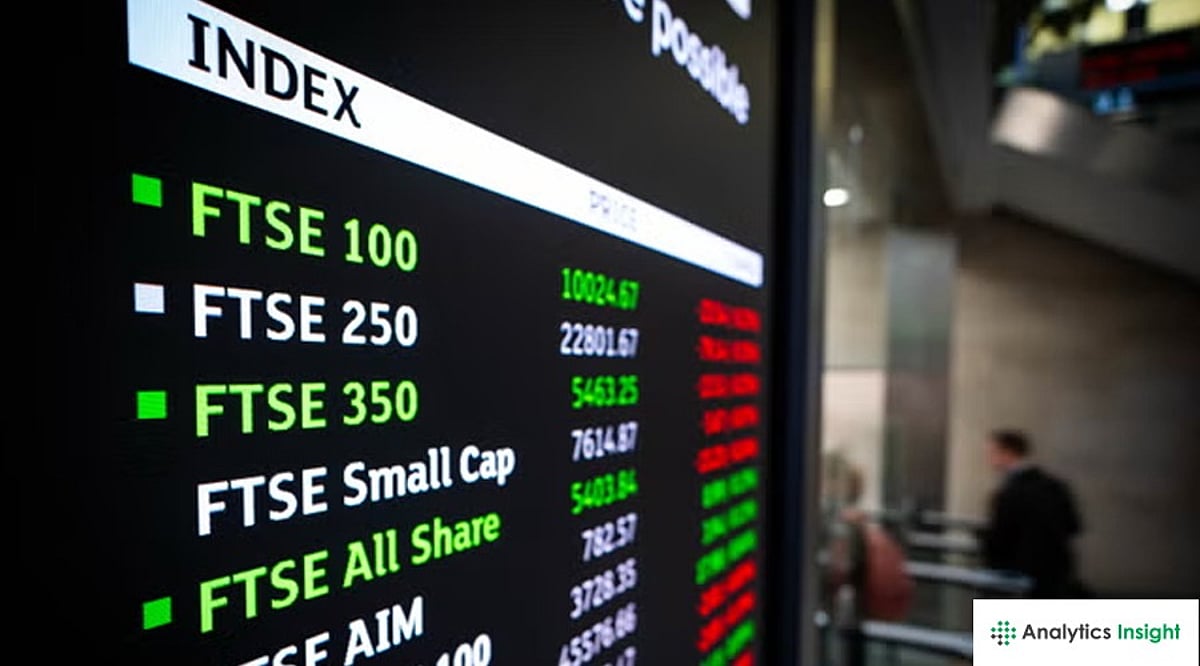
    The FTSE 100 opened 68.09 points lower at 10,430.20 on Monday, as escalating tensions in the Middle East—triggered by US strikes on Iran—pushed oil prices sharply higher and dampened risk appetite across European markets. Brent crude futures rose 3.54% to $86.25 a barrel, while US West Texas Intermediate (WTI) advanced 3.19% to $80.63 a barrel.

    Sterling was quoted at $1.3366 early Monday, lower than $1.3378 at the London equities close on Friday. Against the euro, sterling fell to €1.1727 from €1.1733 a day prior.

    Gainers & Losers

    On the upside, BP rose 2.99% to £520.10, while Vodafone Group advanced 1.72% to £118.15. Centrica gained 1.71% to £175.45, and Shell climbed 1.58% to £3,158. Glencore added 1.46% to £522, and Rio Tinto climbed 1.46% to £6,831.

    On the downside, Games Workshop Group declined 1.09% to £20,000, while AstraZeneca slipped 1.33% to £12,442. Next fell 1.12% to £14,595, and London Stock Exchange Group edged lower by 1.73% to £8,854. Lion Finance Group dropped 1.13% to £11,420, while 3i Group eased 3.09% to £2,603.

    Debenhams Owner Could Sell Brands

    Debenhams Group has said it could sell off some of its brands to eliminate its £90 million debt. The group, which owns Debenhams, Boohoo and Pretty Little Thing, said on Tuesday it plans to slash its debt, which stood at £93 million in its recent financial year, to below the level of its pre-tax earnings. “With strategic brand licensing opportunities and potential business disposals, there is the opportunity to eliminate the debt,” the firm said. Debenhams Group saw “positive” trading in June and July, it said, as it capitalised on the hot summer weather.

    BP’s Oil Production Declines

    BP’s oil production declined as upstream production of oil and gas is set to come in at as low as 2,170 thousand barrels equivalent in the second quarter of the year, a fall of 7.3% compared to the first quarter. However, BP has been fueled by soaring oil prices, which averaged $103.85 per barrel in the second quarter, a jump of 28% compared to the first quarter. Brent crude prices slid back to $72 per barrel at the start of the month on renewed hopes of an end to the Middle Eastern Conflict, but since then has climbed to a four-week high above $80.

    Retail Sales Growth Softens

    UK retail sales grew 1.9% year-on-year in June, down from a 3.7% gain in May, according to the BRC-KPMG Retail Sales Monitor. Like-for-like sales rose 1.7%, down from 3.4% in May, and below the consensus forecast of 2.7%. Food sales increased 2.8%, below the 12-month average growth of 3.4%, while non-food sales were up 1.2%, above the 12-month average growth of 0.6%. KPMG’s Linda Ellett says, “As the summer holiday season gets set to fully begin, retailers will be looking to build on the increase in clothing sales for both adults and children that was seen during June.”

    Global Market View

    In the US, Wall Street began the week on a weaker note, with the tech-heavy Nasdaq leading the decline, tumbling 1.6%, while the S&P 500 dropped 0.8% and the Dow Jones fell 0.3%. In Asia on Tuesday, Tokyo’s Nikkei 225 rose 0.74% to 67,743.5, while China’s Shanghai Composite gained 1.36%. Hong Kong’s Hang Seng climbed 0.50%, and South Korea’s Kospi advanced 0.72%. In India, Nifty 50 and Sensex declined by 0.5% and 0.52%, respectively.

    Disclaimer: Analytics Insight does not provide financial advice or guidance on cryptocurrencies and stocks. This article is provided for informational purposes and does not constitute investment advice. You are responsible for conducting your own research (DYOR) before making any investments.

  • S&P 500 Gains as June Inflation Slows and Bank Profits Surge

    S&P 500 Gains as June Inflation Slows and Bank Profits Surge

    U.S. stocks climbed on Tuesday after June inflation data came in cooler than expected, easing fears of an imminent Federal Reserve rate hike. The S&P 500 rose 0.5%, the NASDAQ Composite added 1%, and the Dow Jones Industrial Average gained roughly 86 points, or 0.2%. However, a steep drop in IBM shares and rising oil prices capped broader gains.

    June Inflation Data Boosts Market Sentiment

    The Consumer Price Index fell 0.4% in June from the prior month, bringing the annual inflation rate down to 3.5% from 4.2% in May. Economists had anticipated a 0.2% monthly decline and a 3.8% annual rate. The softer data reduced concerns that rising energy costs would push prices higher, and Treasury yields fell in response, lifting technology and housing-related stocks. Builders FirstSource and Lennar both gained as borrowing costs eased.

    Traders also scaled back bets on a July rate increase. According to CME FedWatch data, the probability of a hike dropped to 17% from 42% the previous day. Markets still see a higher chance of tighter policy at the September meeting.

    Bank Earnings Lift Financial Sector

    Major banks kicked off second-quarter earnings season with stronger-than-expected profits. Goldman Sachs rose after beating estimates, driven by dealmaking and equities trading. JPMorgan Chase, Citigroup, and Bank of America also gained on higher quarterly earnings. Wells Fargo traded lower despite reporting profit above expectations. The broader S&P 500 financial sector moved higher, with most major sectors posting gains during early trading.

    Investors are watching earnings reports for insights into consumer spending, business activity, and credit conditions. The reports showed steady card spending and stronger trading revenue, along with fresh data on loan demand.

    IBM Plunge Weighs on Dow

    IBM shares tumbled about 24% after the company warned that second-quarter revenue and profit would miss expectations due to weak demand in software and infrastructure. The decline pressured the Dow and dragged down other software stocks, including Oracle, ServiceNow, and Accenture. CEO Arvind Krishna acknowledged that the company failed to close several large deals on schedule, stating, “We did not adapt and move quickly enough,” while pointing to weaker execution across key businesses.

    Oil Prices Rise Amid Geopolitical Tensions

    Oil prices climbed as tensions between the United States and Iran escalated. U.S. crude traded above $80 per barrel, and Brent crude moved above $85 after President Donald Trump announced plans to restore a blockade on Iranian shipping through the Strait of Hormuz. The move raised concerns about global energy supplies. Higher fuel costs could slow the recent decline in inflation and maintain pressure on the Federal Reserve.

    Skyler Weinand of Regan Capital noted that the inflation surge linked to the conflict may be fading but warned that the relief “may just be temporary” as regional tensions increase.

    Chip Stocks Rebound After Monday’s Losses

    Semiconductor shares recovered after heavy selling in the previous session. The VanEck Semiconductor ETF rose nearly 2%, and the Philadelphia Semiconductor Index gained more than 3%. Applied Materials, Teradyne, Lam Research, Micron Technology, and STMicroelectronics all moved higher. NVIDIA also gained after falling sharply on Monday. The rebound helped the NASDAQ recover part of its previous decline, while investors continued to watch valuations in the volatile AI sector.

    Fed Chair Kevin Warsh prepared to testify before Congress later Tuesday, reiterating that returning inflation to the central bank’s 2% target remains a priority. He did not provide a direct signal about the Fed’s next rate decision.

    Disclaimer: Analytics Insight does not provide financial advice or guidance on cryptocurrencies and stocks. This article is for informational purposes only and does not constitute investment advice. Always conduct your own research before making any investments.

  • Oil Hits One-Month High as US-Iran Conflict Disrupts Strait of Hormuz Shipping

    Oil Hits One-Month High as US-Iran Conflict Disrupts Strait of Hormuz Shipping

    Oil prices surged to their highest level in four weeks on Tuesday as renewed hostilities between the United States and Iran disrupted tanker traffic through the strategic Strait of Hormuz, raising fresh concerns over global energy supplies.

    Brent crude futures climbed 3.29% to $86.04 a barrel, while U.S. West Texas Intermediate crude gained 2.83% to $80.35, both reaching levels not seen since mid-June. The move extended a sharp rebound that began after hopes for a lasting peace agreement faded over the weekend.

    The latest rise followed a 9.6% jump in Brent during the previous session, its largest one-day gain since May 2020. Traders reacted after Washington restored its naval blockade of Iranian shipping and proposed a 20% fee for vessels using the waterway. The U.S. also carried out a third consecutive night of strikes against Iran, which responded with attacks on military sites and commercial vessels. Two United Arab Emirates tankers were hit in Omani waters, according to the UAE Ministry of Defence, resulting in the death of one Indian sailor and injuries to eight crew members.

    Shipping activity through the Strait of Hormuz dropped to a two-month low as vessel operators assessed the growing security risk. The route carries about one-fifth of global oil and liquefied natural gas supplies. MarineTraffic recorded 57 transits from Friday through Sunday, down more than 50% from the previous week, compared to roughly 130 vessels per day before the conflict escalated in late February. Iran declared the strait closed “until further notice,” while Washington said military escorts kept oil moving.

    Market analysts said the next price move would hinge on whether tanker traffic and export volumes fall further. Priyanka Sachdeva of Phillip Nova noted that a prolonged drop in vessel movement could push oil prices higher, but prices could ease if crude shipments continue through the strait. ANZ analyst Soni Kumari placed oil in an $85-to-$90 range if disruptions persist, while TD Securities strategist Bart Melek warned that Brent could approach $100 if signs of a physical shortage emerge.

    Meanwhile, Iran’s oil minister said the country’s crude exports were operating normally despite the end of a U.S. sanctions waiver. Yemen’s Houthi movement also fired missiles at Saudi Arabia after accusing the kingdom of bombing an airport under its control. In a separate development, China’s June crude imports fell 41.3% to their lowest level in almost a decade, and refinery activity reached a 10-year low amid weak domestic demand and export limits.

  • Wall Street Slips as Renewed US-Iran Tensions Lift Oil Prices and Drag Down Chip Stocks

    Wall Street Slips as Renewed US-Iran Tensions Lift Oil Prices and Drag Down Chip Stocks

    US stocks declined on Monday as escalating tensions between the United States and Iran prompted investors to adopt a cautious stance. The S&P 500 fell 0.4% at its session low, while the NASDAQ Composite dropped 1%. The Dow Jones Industrial Average traded roughly 56 points lower, or 0.1%.

    The market weakened after President Donald Trump announced the reinstatement of a blockade targeting Iranian shipping through the Strait of Hormuz. Oil prices surged on the news, adding pressure to growth stocks and other risk assets. This came despite the S&P 500 posting two consecutive weekly gains amid volatile chip shares and renewed Middle East risks.

    Oil Surges After New Hormuz Order

    Trump stated that the United States would act as ‘THE GUARDIAN OF THE HORMUZ STRAIT’ and impose a 20% charge on cargo shipped through the route to cover security costs. He said the action would prevent Iranian ships and customers from entering or leaving via the waterway.

    West Texas Intermediate crude futures gained more than 5%, moving above $75 per barrel. Brent crude climbed about 5.3% to $80. The gains followed another exchange of strikes between the US and Iran over the weekend, renewing concerns over energy supplies and shipping access.

    Chip Stocks Lead the Market Decline

    Semiconductor shares posted some of Wall Street’s steepest losses. US-listed shares of SK Hynix fell 7% after surging 13% during its NASDAQ debut on Friday. Micron Technology dropped about 6% to 7%, while Sandisk lost close to 10%. Seagate Technology fell 6%, and Advanced Micro Devices and Intel traded around 4% lower. The Philadelphia Semiconductor Index slid 3.6%, standing more than 14% below its late-June record.

    Technology became the weakest S&P 500 sector during the morning session, falling about 1.3%. Four of the index’s 11 sectors traded lower early. The NASDAQ posted the largest decline among the three major indexes, while gains in IBM and UnitedHealth helped limit losses in the Dow.

    “Markets have started the week firmly on the defensive,” said Daniela Hathorn, senior market analyst at Capital.com. She linked the weaker mood to renewed US-Iran tension and uncertainty over the path toward a lasting agreement.

    Earnings and CPI Move into Focus

    Wall Street also prepared for a busy week of corporate results. JPMorgan Chase, Goldman Sachs, Morgan Stanley, Bank of America, Citigroup, and Wells Fargo will report. Netflix, Johnson & Johnson, and UnitedHealth also have results scheduled.

    Analysts expect second-quarter S&P 500 earnings to rise by more than 23% from a year earlier, based on FactSet and LSEG estimates. Investors will track bank results for signs of consumer strength and credit quality. Technology earnings will also draw attention as companies update AI spending plans.

    The June consumer price index report arrives Tuesday morning. The data could reshape interest-rate expectations after higher oil prices renewed inflation concerns. Federal Reserve Chair Kevin Warsh will also deliver his first monetary policy testimony before Congress on Tuesday.

    Apple drew attention after Citi raised its price target to $365 from $315, citing potential market share gains despite slower demand. Analyst Asiya Merchant noted that ‘selective price increases’ may offset margin pressure, and pointed to the September iPhone 18 launch as a possible catalyst before Apple reports earnings on July 30.

  • Bitcoin Holds Near $62,700 as Hormuz Tensions Lift Oil Prices, Zcash Prepares for Ironwood Upgrade

    Bitcoin Holds Near $62,700 as Hormuz Tensions Lift Oil Prices, Zcash Prepares for Ironwood Upgrade

    Bitcoin is trading in a tight band this week as geopolitical headlines take center stage. Oil prices surged after Washington signaled a renewed blockade on Iranian shipping through the Strait of Hormuz. Traders are staying cautious ahead of today’s inflation data.

    Most major tokens slipped modestly through the session, though the moves stayed shallow. Bitcoin held its footing near $62,700, and stablecoins barely budged. Attention now shifts to the CPI print and Fed Chair Kevin Warsh’s testimony for the next directional cue.

    Bitcoin Price Today

    Bitcoin trades near $62,736.94, down 0.04% over the past 24 hours. The figure reflects CoinMarketCap data tracked through today’s session. Price action remains sensitive to oil headlines and positioning ahead of today’s CPI release.

    Mudrex: Long-Term Holders Keep Accumulating

    Giving the market view, Akshat Siddhant, Lead Quant Analyst at Mudrex, said, “Bitcoin is consolidating around the $62,500 zone as renewed US-Iran tensions and concerns over the Strait of Hormuz pushed oil prices higher and revived inflation fears.” He further mentioned that “markets are now focused on today’s US CPI report and Fed Chair Kevin Warsh’s testimony, both of which could shape expectations for interest rates. However, on-chain data shows long-term holders accumulating 5,912 BTC in just two days, signalling continued conviction. Bitcoin needs to reclaim $64,000 to strengthen momentum, while $60,000 remains the key support level.”

    ETF Flows Still Inconsistent

    Vikram Subburaj, CEO of Giottus, placed Bitcoin near $62,450, down about 1.6% on the day as investors turned cautious ahead of inflation data. He noted a $239 million net ETF outflow on July 13, following modest inflows the week before. Immediate support sits near $62,000, with resistance between $63,500 and $65,000. He advised staggered entries and limited leverage until the Fed outlook clears.

    Risk-Off Setup Persists

    Riya Sehgal, Research Analyst at Delta Exchange, shared the market view, noting that global markets have shifted into an inflation-led risk-off phase after oil prices jumped amid renewed tensions in the Strait of Hormuz. Rising yields and dollar strength have pressured both gold and crypto. Bitcoin remains range-bound between $61,200 and $64,000, with a break above $64,000 opening a path toward $65,600. Ethereum continues showing relative strength, with $1,850 as its next resistance test.

    Stablecoin Supply Dips

    According to the CoinSwitch Markets Desk, “BTC slipped below $62,000 as renewed US-Iran tensions weighed on sentiment, though it closed last week above its 200-week moving average. Stablecoin supply has declined slightly, suggesting some capital rotated back into fiat. The desk views this as a temporary correction rather than a structural liquidity problem, with this week’s CPI data as the next key trigger.”

    Institutional Confidence Holds Firm

    Meanwhile, Nischal Shetty, founder of WazirX, also said that Bitcoin briefly slipped below $62,500 as rising tensions in the Middle East pushed oil higher and triggered broader risk-off flows. Despite the dip, spot Bitcoin and Ether ETFs both logged net inflows last week, ending multi-week outflow streaks. He added that XRP traders should watch the $1.03 to $1.05 support zone, while Solana’s $73 to $75 range could draw early recovery attempts.

    Crypto Prices Today: Top 10 Coins at a Glance

    Here is a look at the top crypto prices today, based on CoinMarketCap data as of July 14.

    Biggest Decliners: HYPE, TRX, SOL

    Hyperliquid led today’s losses, down 2.69% after a strong run over recent weeks. TRON followed with a 1.73% dip, while Solana slipped 1.39% amid broader profit-taking.

    Steadiest Performers: USDC, USDT, DOGE

    USDC stayed flat, holding tight to its dollar peg through the session. Tether edged up slightly, while Dogecoin held close to unchanged, down just 0.17%.

    Crypto News Today Driving Market Sentiment

    Bitcoin and Ether ETFs End Eight-Week Outflow Streak

    US spot Bitcoin ETFs pulled in $197.4 million in net inflows last week, snapping an eight-week run of redemptions. BlackRock’s IBIT led the recovery with $291.9 million in fresh capital. Spot Ether ETFs added $84.42 million over the same period, also ending eight straight weeks of outflows. Analysts note it is still early to call this a durable trend given seasonal patterns ahead.

    Oil Surges as Iran-US Tensions Reignite Over Hormuz

    Oil prices jumped sharply after Washington signaled a renewed blockade on Iranian shipping through the Strait of Hormuz. The waterway carries close to a fifth of the global oil supply. The spike revived inflation worries just as markets await today’s CPI print. Equity futures weakened, and the dollar firmed, adding pressure on risk assets heading into the session.

    Clarity Act Remains Stalled as August Deadline Approaches

    The Digital Asset Market Clarity Act remains parked on the Senate calendar with no floor vote scheduled. Disputes over ethics provisions and stablecoin yield continue blocking the votes needed for passage. The Senate returned from recess on July 13, leaving roughly three working weeks before the August break. A miss this summer would likely push the bill into the tougher midterm-election calendar.

    Zcash Stays in Focus Ahead of Ironwood Upgrade

    Zcash has drawn steady attention as traders position ahead of the July 28 Ironwood network upgrade. The update targets a shielded-pool vulnerability flagged earlier this year. Rising open interest and improving sentiment have supported the token in recent sessions. Traders are watching whether it can hold above key support while the broader market stays choppy.

    Investor and Market Outlook

    Bitcoin holds near $62,700 as traders weigh oil-driven risk aversion against improving ETF demand. A close above $64,000 would strengthen the case for a retest of $65,500, while a slip under $61,600 risks exposing $60,000. Ethereum trades near $1,787, with $1,850 acting as the next resistance test. Most major tokens stayed within a narrow range today, reflecting a cautious rather than a fearful mood.

    Today’s CPI report and Fed Chair Kevin Warsh’s testimony are the key catalysts ahead. A softer inflation print would likely support risk assets, while a hot reading could revive rate-hike bets and pressure crypto further. The Clarity Act’s stalled path in the Senate keeps a layer of regulatory uncertainty over the medium-term outlook.

    FAQs

    What is the Bitcoin price today?

    Bitcoin trades near $62,736.94, down 0.04% over the past 24 hours. The $62,000 zone remains key support for traders, with $64,000 acting as the next resistance level to watch through the CPI-driven session.

    Why did oil prices spike today?

    Oil jumped after Washington signaled a renewed blockade on Iranian shipping through the Strait of Hormuz. The move revived inflation concerns ahead of today’s CPI data, adding pressure across equities, crypto, and broader risk assets.

    What is happening with the Clarity Act?

    The Clarity Act remains stuck in the Senate with no floor vote scheduled yet. Disputes over ethics rules and stablecoin provisions continue blocking the votes needed before the August recess begins, leaving passage uncertain this year.

    Why is Zcash drawing attention right now?

    Traders are positioning ahead of Zcash’s July 28 Ironwood upgrade, which addresses a shielded-pool vulnerability flagged earlier this year. Rising open interest and improving sentiment have kept the token active through recent sessions.

    What should investors watch this week?

    Investors should track today’s CPI report, Fed Chair Kevin Warsh’s testimony, ETF flow trends, and any fresh developments around the Strait of Hormuz, since all four are likely to steer near-term crypto price action.

  • US Stock Futures Decline as Middle East Tensions Drive Oil Prices Higher, Stoking Market Anxiety

    US Stock Futures Decline as Middle East Tensions Drive Oil Prices Higher, Stoking Market Anxiety

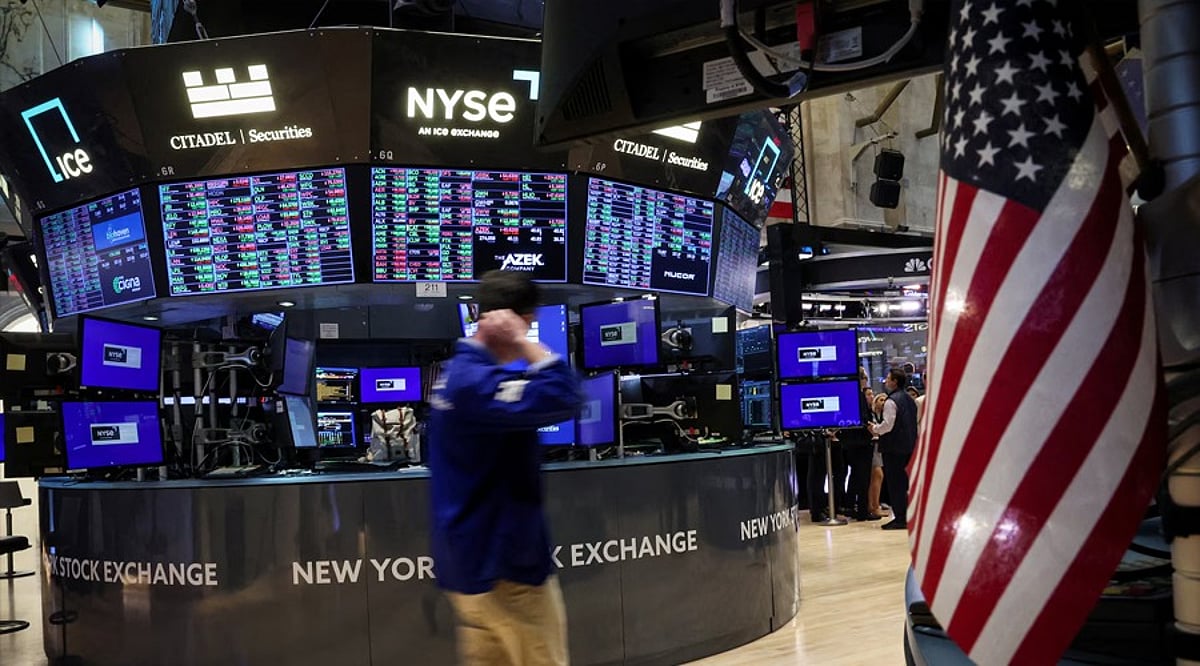
    US stock futures edged lower on Monday as renewed tensions in the Middle East unsettled investors and sent crude oil prices higher, raising concerns over inflation and global economic growth.

    Nasdaq futures suffered the biggest loss, with S&P 500 and Dow Jones Industrial Average futures indicating the market will open lower as investors weighed the impact of rising energy prices amid uncertainty over the interest rate outlook.

    Oil Rise Puts Pressure on Market Sentiment

    Oil prices increased amid growing tensions between the United States and Iran. Concerns about potential oil supply disruptions have arisen due to the strategically located Strait of Hormuz, which is among the most active oil transportation routes worldwide.

    Brent crude oil has been hovering near $79 per barrel, while West Texas Intermediate has exceeded $74 per barrel. Increased oil prices have caused inflation concerns.

    Tech and semiconductor stocks continued to underperform as investors cut positions in growth sectors. Increasing bond rates have contributed to weakness in tech stocks due to their sensitivity to rate changes.

    Attention Turns to Earnings and Inflation Reports

    Despite geopolitical and market uncertainties, investors are preparing for yet another busy week on Wall Street. Several big US banks are expected to report earnings next week, kicking off the earnings season. Market participants will watch how tech firms perform during earnings in the upcoming days.

    Moreover, investors will consider figures on US inflation and statements by Fed Chair Kevin Warsh, which may have a strong impact on market expectations for further Fed action. Any indications of inflation persistence, especially following the oil price hike, may add to the list of reasons to maintain high interest rates.

    For now, investors are trying to weigh geopolitical influences against company earnings and economic data. It seems that all these issues will play an important role in global markets in the coming days.

  • FTSE 100 Opens Lower as Middle East Tensions Drive Brent Crude Up 3.72%

    FTSE 100 Opens Lower as Middle East Tensions Drive Brent Crude Up 3.72%

    The FTSE 100 opened 10 points lower at 10,486.74 on Monday, as renewed escalation in the Middle East pushed oil prices sharply higher. Energy-heavy blue-chip stocks helped offset a broader risk-off mood across the market.

    Brent crude futures surged 3.72% to $78.90 a barrel, while US West Texas Intermediate (WTI) advanced 3.74% to $74.08 a barrel. Sterling weakened to $1.3380, down from $1.3419 at the London close on Friday, and fell against the euro to €1.1730 from €1.1737.

    Gainers and Losers

    Top Gainers:

    • Persimmon: +3.52% to £1,073.50
    • Vodafone Group: +3.13% to £113.55
    • Shell: +1.38% to £3,080.50
    • BP: +2.59% to £495.15
    • Computacenter: +1.93% to £4,540
    • BT Group: +1.55% to £193

    Notable Losers:

    • AstraZeneca: -1.26% to £12,672
    • Spirax Group: -1.53% to £6,455
    • Endeavour Mining: -1.80% to £3,610
    • Diploma: -0.96% to £6,735
    • Halma: -1.70% to £3,578
    • Antofagasta: -1.43% to £3,724

    Corporate Updates

    ME Group Reaffirms Profit Guidance

    ME Group has expanded into user-operated dog washing machines to recover from the revenue hit caused by the Iran war. The firm installed 200 machines across the UK, France, and the Republic of Ireland, noting they are proving popular. Revenue slipped 1% to £152 million on a constant currency basis in the six months to end of April, while pre-tax profit fell 6% to £32 million.

    PageGroup Profit Declines 5.4%

    Recruiter PageGroup reported a 5.4% drop in second-quarter profit to £21.8 million, an improvement from the 11.4% decline in the prior quarter. Temporary recruitment rose 1%, outperforming permanent recruitment, which fell 8%. Group profit remained flat at £197.6 million, with about half of operating markets seeing growth, particularly southern Europe.

    Plus500 Half-Year Revenue Jumps 12%

    Plus500 reported its highest half-year revenue in three years at $462.9 million, up 12% year-over-year. Customer income rose 24% to a five-year record of $460.8 million. Underlying EBITDA edged up 1% to $187.5 million, though the margin slipped to 41% from 45% due to increased spending on customer acquisition and US investment.

    Global Market Overview

    US futures pointed lower, with the Nasdaq expected to fall 1.3%, while the Dow Jones and S&P 500 were seen dropping 0.35% and 0.55%, respectively. In Asia, Tokyo’s Nikkei 225 fell 1.92% to 67,242.73, China’s Shanghai Composite dropped 2.06%, and Hong Kong’s Hang Seng edged up 0.064%. Australia’s S&P/ASX 200 rose 0.03%. In India, the Nifty 50 and Sensex advanced 0.14% and 0.11%, respectively.