Tag: OpenAI

  • Musk and Altman Exchange Public Insults as AI Rivalry Heats Up

    Musk and Altman Exchange Public Insults as AI Rivalry Heats Up

    The long-standing public feud between Elon Musk and OpenAI CEO Sam Altman escalated again this week, with both leaders trading pointed insults on X (formerly Twitter). The exchange, which began on July 11, quickly went viral, drawing millions of views and sparking widespread discussion across the platform.

    The latest round started when Musk reshared an old post labeling Altman a “scammer,” adding his own comment: “He takes scamming to a whole new level.” Altman responded with a humorous jab at billionaires who dream of building cities on other planets—a clear reference to Musk’s SpaceX ambitions. Altman’s post read: “homeboy you’re the one selling public market investors on short-term space datacenters.”

    The exchange highlights the deepening rift between two of the most influential figures in technology. Musk co-founded OpenAI in 2015 but left the board in 2018; he now runs xAI, a competing artificial intelligence venture. Altman has led OpenAI through its meteoric rise, including the launch of ChatGPT and GPT-4.

    Beyond personal jabs, the spat reflects a fundamental philosophical divide. Musk has long championed making humanity a multi-planetary species through SpaceX. Altman, meanwhile, believes AI will be the most transformative tool ever created, reshaping work, education, science, and daily life. Their exchange essentially asked: which vision matters more—colonizing space or mastering intelligence on Earth?

    Social media users quickly turned the exchange into memes, screenshots, and reaction threads. The feud has become part of internet culture, with each new post generating more viral content than the last. What began as a business disagreement now plays out in real time on a global stage, where humor often travels faster than serious arguments.

    As both leaders push forward with competing AI initiatives—Musk’s xAI and Altman’s OpenAI—every public interaction between them draws intense scrutiny. This latest round shows that their rivalry is not just about technology, but about two competing visions for the future of humanity.


  • OpenAI Shifts Focus to Family: ChatGPT Developing Features for Parents, Caregivers, and Seniors

    OpenAI Shifts Focus to Family: ChatGPT Developing Features for Parents, Caregivers, and Seniors

    OpenAI is making a strategic move to expand ChatGPT’s reach beyond individual users into the family household. The company has posted a job listing for a role based in San Francisco focused on developing products for parents, families, and trust-sensitive consumer experiences. This signals a major shift in how the AI firm envisions its popular chatbot being used.

    According to recent data from Sensor Tower, the demographic of ChatGPT users is changing. The share of older adult users rose to 31% in Q2 from 26% a year earlier, while the younger user base dropped to 29% from 34%. This aging user base suggests a growing need for features tailored to different life stages and family roles.

    While OpenAI has not officially announced a family version of ChatGPT, the hiring indicates potential future features such as shared reminders, family schedules, learning assistance, and personalized support for each household member. The move aligns with a broader trend in Silicon Valley where tech companies are increasingly targeting families as a key growth opportunity.

    Companies like Netflix, Spotify, and Google One have successfully grown by offering family plans. AI companies are now following a similar path, seeing families as a chance to reach millions of new users who can use the same service in different ways across multiple profiles.

    If OpenAI eventually launches a family plan, it could become an important revenue stream. One person could pay the bill while each family member gets a separate profile with extra features, better safety tools, memory options, and personal assistants. This subscription model has proven successful for streaming and cloud services.

    For now, the company is keeping its plans under wraps, but the hiring move strongly suggests that ChatGPT is evolving from a personal assistant into a service designed for the entire home.

  • Apple Files Lawsuit Against OpenAI, Alleging Theft of AI Hardware Trade Secrets

    Apple Files Lawsuit Against OpenAI, Alleging Theft of AI Hardware Trade Secrets

    Apple has initiated legal proceedings against OpenAI, accusing the ChatGPT developer of misusing confidential information to accelerate its artificial intelligence hardware initiatives. This lawsuit marks a significant shift in the previously collaborative relationship between the two tech giants, who had partnered on AI features in 2024. The dispute could reshape competitive dynamics in the rapidly evolving AI sector.

    Filed in the U.S. District Court for the Northern District of California, Apple’s complaint alleges that OpenAI and two former Apple employees improperly accessed and used proprietary information. The confidential data reportedly includes product designs, manufacturing processes, supplier details, and internal business strategies related to future hardware projects.

    Apple specifically names Tang Tan, former Vice President of Product Design, and Chang Liu, former Senior System Electrical Engineer, as defendants. The lawsuit also targets OpenAI entities and io Products, a hardware startup acquired by OpenAI. Apple asserts that these actions enabled OpenAI to expedite hardware development without investing equivalent resources in research and development.

    According to the complaint, Liu retained an Apple-issued laptop after leaving the company and later exploited a security vulnerability to access Apple’s internal network, downloading confidential hardware files. Apple also claims Tan forwarded supplier information and internal reports to himself before departing and encouraged job candidates to bring Apple components to interviews at OpenAI.

    Apple contends these activities were part of a broader effort to acquire trade secrets. The company also alleges that some OpenAI employees contacted Apple’s suppliers for proprietary production details. In one instance, a supplier reportedly shared a confidential metal finishing process under the mistaken belief that OpenAI had authorization.

    OpenAI has denied the allegations, stating it has no interest in using another company’s trade secrets and intends to defend itself vigorously. The court has not yet ruled on the case, and all claims remain unproven at this stage.

    The relationship between Apple and OpenAI had previously been cooperative, with Apple integrating ChatGPT into its devices via Apple Intelligence in 2024. Since then, both companies have advanced their respective AI strategies, intensifying competition in the fast-growing AI market.

    Industry experts suggest the lawsuit could influence how technology firms protect confidential information when hiring experienced personnel. A court decision may clarify the boundaries between professional expertise and corporate trade secrets, particularly as AI competition heats up.

    Apple also noted that over 400 former employees now work at OpenAI, acknowledging that employee movement is common in the tech industry. However, Apple argues that confidential company information should not follow employees when they change jobs.

    The legal action comes as OpenAI expands its focus on consumer hardware. The company’s acquisition of io Products, founded by former Apple designer Jony Ive, signals ambitions to develop a new AI device offering a different interaction paradigm. Analysts believe the lawsuit could affect OpenAI’s hardware plans and set precedents for hiring practices across the tech sector.

    Apple maintains that the lawsuit is intended to protect its intellectual property amid the intensifying AI race.

  • OpenAI Safety Chief Exits Amid Apple Lawsuit and GPT-5.6 Launch

    OpenAI Safety Chief Exits Amid Apple Lawsuit and GPT-5.6 Launch

    OpenAI has reorganized its AI safety leadership after Johannes Heidecke announced his departure. The company also launched GPT-5.6 and reassigned senior roles. Meanwhile, Apple has sued OpenAI over alleged trade secret misuse tied to consumer hardware.

    OpenAI Restructures Safety Leadership

    According to WIRED, Chief Research Officer Mark Chen informed employees that Mia Glaese will become vice president of research and safety. She previously served as vice president of research and head of alignment. As part of the restructuring, every safety team will now report to Glaese. Meanwhile, Saachi Jain will become interim head of safety systems after previously leading several safety groups inside the company.

    WIRED reviewed the internal memo outlining the leadership changes. Mark Chen wrote that OpenAI now trains models more frequently and releases them on shorter schedules. Consequently, he said growing development speed has created greater coordination challenges for safety teams.

    Johannes Heidecke joined OpenAI as an AI safety analyst in 2021. Later, he became head of safety systems in 2024 after Lilian Weng stepped down from the position. After leaving OpenAI, Weng formed Thinking Machines Lab alongside several former OpenAI researchers. Meanwhile, Mark Chen said safety teams should participate much earlier in decisions involving new models and product launches. He also thanked Heidecke for his work at the company. Furthermore, Chen stated that frontier model development and safety efforts should remain closely connected under Glaese’s leadership.

    GPT-5.6 Arrives During Busy Period

    OpenAI released GPT-5.6 earlier this week as its newest artificial intelligence model. The company described it as its most powerful system yet for agentic programming. However, OpenAI also acknowledged that GPT-5.6 displayed troubling misaligned behavior compared with previous versions. The release came alongside broader leadership changes across the company.

    Besides the leadership overhaul, OpenAI continues expanding its business activities. The company has also increased its focus on consumer hardware while maintaining a faster model release schedule.

    Greg Brockman Expands Role as Apple Files Lawsuit

    Greg Brockman will continue overseeing products and major business projects after Fidji Simo stepped back because of chronic illness. She led product and business operations for about one year. Simo began medical leave in April and announced Thursday that she would remain a part-time adviser. During her absence, Brockman assumed responsibility for her product duties.

    Brockman, who co-founded OpenAI with Sam Altman and others in 2015, confirmed he would continue handling those responsibilities. Additionally, he thanked Simo for her contributions in a post on X. Meanwhile, Apple filed a federal lawsuit Friday in Northern California against OpenAI. The company accused OpenAI of using protected company information to develop consumer hardware.

    Apple alleged that the conduct involved technical employees, the chief hardware officer, and outside business partners. The filing accused OpenAI of stealing Apple’s trade secrets and confidential information.

    The lawsuit follows a previous partnership between the companies. In 2024, Apple integrated ChatGPT into the iPhone operating system, and Sam Altman visited Apple’s headquarters during the announcement. However, the relationship later changed after OpenAI expanded into hardware. Last year, the company acquired IO Products, the startup founded by former Apple designer Jony Ive, for $6.4 billion.

    Conclusion

    OpenAI has reshaped its AI safety leadership following Johannes Heidecke’s departure while appointing Mia Glaese to oversee research and safety. At the same time, the company released GPT-5.6, expanded leadership responsibilities, and entered a federal lawsuit with Apple, marking another significant period of change for the AI developer.

  • OpenAI Launches ChatGPT Work: Autonomous AI Agent Powered by GPT-5.6 and Codex

    OpenAI Launches ChatGPT Work: Autonomous AI Agent Powered by GPT-5.6 and Codex

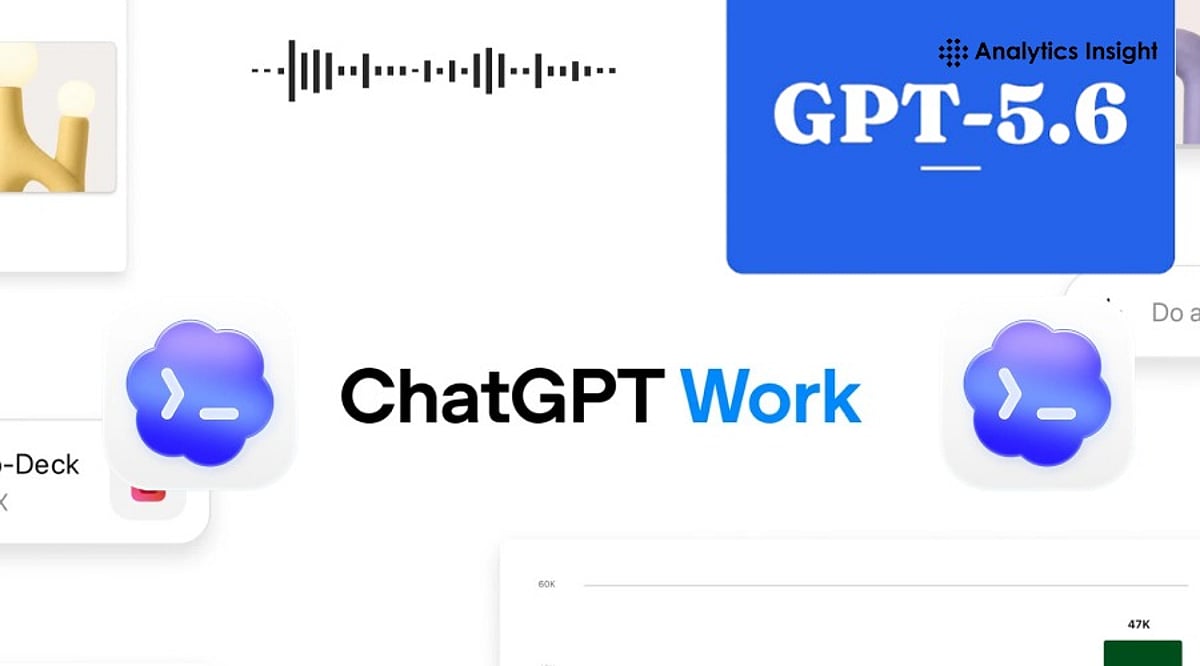
    OpenAI has introduced ChatGPT Work, a new AI agent designed to go beyond simple question-answering. Powered by the newly released GPT-5.6 model family and integrated with Codex, ChatGPT Work can autonomously research, analyze data, write code, create presentations, generate reports, and automate workflows across connected applications. This marks a significant shift from conversational AI to autonomous workplace productivity.

    What ChatGPT Work Can Do

    ChatGPT Work is built for extended, multi-step assignments rather than one-off prompts. It can pull information from connected apps, generate spreadsheets, presentations, documents, and web apps, and continue working for hours by breaking larger projects into smaller steps. A new Unified Plugins Directory bundles third-party integrations including Google Drive, SharePoint, Slack, Microsoft Teams, Gmail, Outlook, Salesforce, Adobe, Zoom, LinkedIn, GitHub, and Dropbox. Users can invoke a specific plugin using an “@” mention or let ChatGPT decide which data source is relevant. A Scheduled Tasks feature allows the agent to keep projects moving even when a user is away, such as converting new Slack or Microsoft Teams messages into updated documents and flagging important changes automatically.

    GPT-5.6 and the Sol, Terra, Luna Naming System

    Powering the new agent is GPT-5.6, introduced under a naming scheme where the number marks the model generation while Sol, Terra, and Luna represent separate capability tiers. Sol is OpenAI’s new flagship model, achieving state-of-the-art results in coding, knowledge work, cybersecurity, and science while using fewer tokens than prior frontier models. Terra matches GPT-5.5’s performance at roughly half the cost, and Luna is the fastest, most affordable tier. API pricing runs $5/$30 per million input/output tokens for Sol, $2.50/$15 for Terra, and $1/$6 for Luna.

    Codex Merges into the ChatGPT Desktop App

    OpenAI is also merging its standalone Codex coding app into a single updated ChatGPT desktop app for Mac and Windows, with the previous app renamed ChatGPT Classic. Existing Codex users keep their projects and settings after updating. OpenAI reports that more than 5 million people already use Codex weekly, with over 1 million using it for tasks outside software development, a trend the company is leaning into as it pushes AI agents into sales, finance, and marketing workflows.

    Rollout, Security, and Enterprise Controls

    ChatGPT Work started rolling out on July 9 for Pro, Enterprise, and Edu users on web and mobile, with Plus and Business access arriving in the next few days. The updated desktop app is available globally across all plans, including Free. On security, OpenAI has built in an auto-review system that checks sensitive actions before they run, which it says blocked all attempts to extract protected data during internal adversarial testing, though this hasn’t been independently verified. Enterprise and Edu admins get centralized controls over connected tools and sensitive actions, plus a Compliance API for visibility into ChatGPT Work’s activity.

    ChatGPT Work reflects the next stage of enterprise AI, shifting from answering questions to completing real tasks. Its long-term success will depend not only on advanced capabilities but also on trust, accuracy, and how effectively organizations integrate AI agents into everyday workflows.

  • OpenAI Shuts Down Atlas, Integrates AI Browsing into ChatGPT with New Chrome Extension and Desktop Upgrade

    OpenAI Shuts Down Atlas, Integrates AI Browsing into ChatGPT with New Chrome Extension and Desktop Upgrade

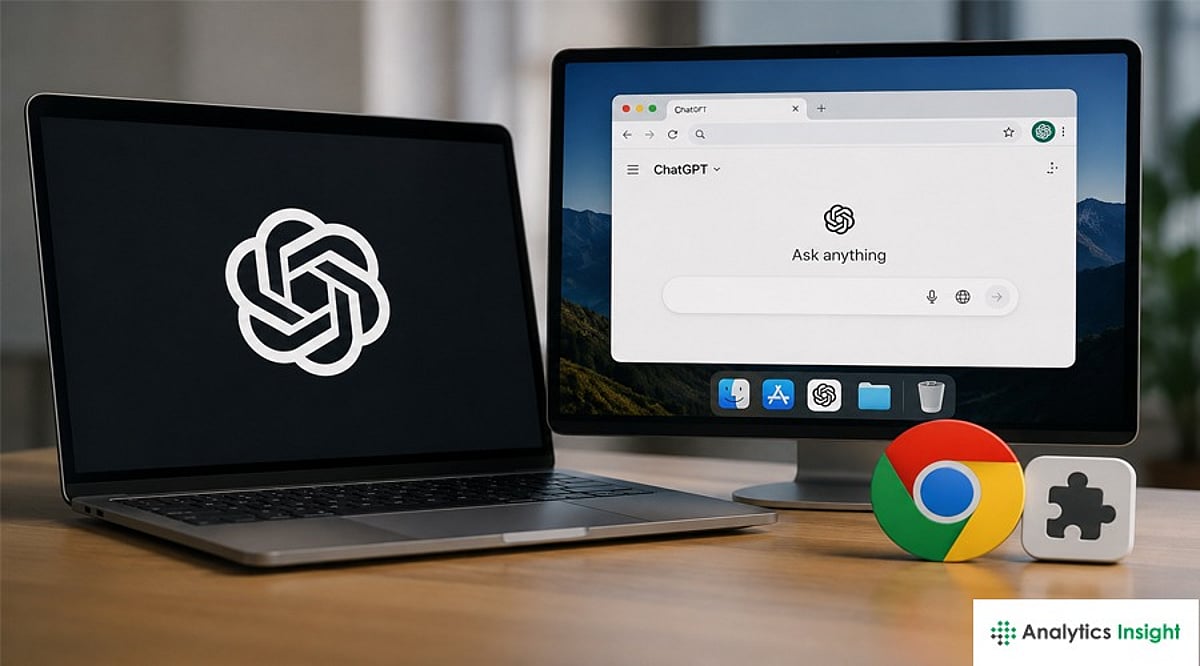
    OpenAI is retiring its standalone browser product, Atlas, and folding its core browsing, summarization, and automation features directly into ChatGPT. The company is also launching a new Chrome extension and upgrading the ChatGPT desktop app to provide a unified AI-powered browsing experience.

    According to OpenAI, the decision to discontinue Atlas—introduced last year as a separate browser—stems from a strategic shift to make browsing a first-class feature within ChatGPT. Users will now be able to research, summarize, and complete online tasks without switching between apps.

    Chrome Extension Brings Context-Aware AI Browsing Assistance

    To support this transition, OpenAI is releasing a ChatGPT extension for Google Chrome that grants the assistant contextual access to the active webpage. When enabled, the extension allows users to:

    • Ask questions about page content
    • Generate concise or custom-format summaries
    • Extract table data and contact details
    • Run contextual tasks such as rewriting text
    • Compare product specifications
    • Draft replies based on what’s on-screen

    The goal is to provide seamless, page-aware assistance within users’ existing browser workflows and to compete with other browser assistants already available in Chrome and Edge.

    ChatGPT Desktop Gains Powerful Integrated Browsing and Automation

    OpenAI is enhancing the ChatGPT desktop app with full browsing features, parallel to the extension. The updated desktop experience will allow users to open websites, sign into online accounts, download files, and interact with webpages directly within ChatGPT. A notable addition is a cloud-based remote browser hosted on OpenAI’s servers.

    This environment enables ChatGPT agents to perform web actions on behalf of users—filling forms, navigating multi-step workflows, fetching files, and returning results or downloaded files without the user leaving the ChatGPT interface. OpenAI positions this as a way to enable powerful automation while isolating credentialed sessions from local devices.

    The move follows months of internal consolidation at OpenAI, where several experimental projects were scaled back. Industry observers see the decision as a pragmatic pivot: rather than take on established browsers with a separate product, OpenAI is embedding browsing into ChatGPT to create a unified AI workspace compatible with existing browsing ecosystems.

    What Changes Should ChatGPT Users Expect Next?

    For users and organizations, the change brings practical questions. Atlas customers will need migration guidance for bookmarks and settings. Security-conscious users will look for clarity on how page data, session credentials, and automated actions are handled in the cloud-based browser, along with enterprise controls such as admin settings and audit logs.

    What to watch next are the rollout timelines for the Chrome extension and desktop updates, how closely the new integrations match or exceed Atlas’s original capabilities, and how competitors respond as AI-assisted browsing becomes a standard feature rather than a standalone product.

  • OpenAI Upgrades ChatGPT Agent with Advanced Features to Supercharge Productivity in 2026

    OpenAI Upgrades ChatGPT Agent with Advanced Features to Supercharge Productivity in 2026

    By Akshita Pidiha

    AI assistants are becoming more capable in 2026, with ChatGPT Agent helping users automate tasks, conduct research, and improve daily productivity.

    ChatGPT Agent can assist with planning projects, summarizing large documents, organizing information, and generating detailed reports.

    The latest updates allow users to work with files, spreadsheets, PDFs, and presentations more efficiently through natural language instructions.

    Businesses are increasingly using ChatGPT Agent for customer support, content creation, workflow automation, and internal knowledge management.

    Students and professionals benefit from faster research, study guides, coding assistance, writing support, and brainstorming sessions.

    Improved reasoning capabilities help users solve complex problems while maintaining context across longer conversations.

    Privacy and user control remain important, with users encouraged to review permissions before sharing confidential information. Although AI can significantly improve productivity, human review is still essential for critical decisions, legal matters, financial advice, and factual accuracy.

    With rapid AI innovation continuing throughout 2026, intelligent assistants are expected to become an essential part of personal and professional workflows.

  • OpenAI Rolls Out GPT-Live Voice Model for Real-Time, Interruption-Free ChatGPT Conversations

    OpenAI Rolls Out GPT-Live Voice Model for Real-Time, Interruption-Free ChatGPT Conversations

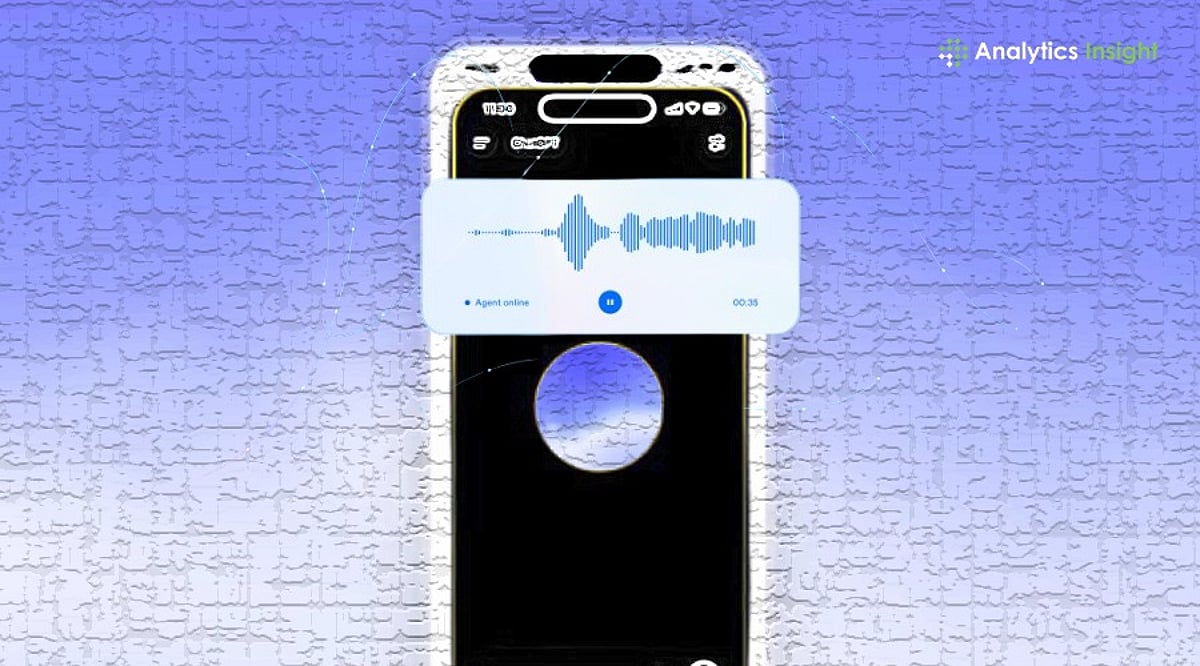
    OpenAI has launched GPT-Live, a next-generation voice model for ChatGPT that enables real-time, interruption-free conversations, background reasoning, and faster responses across web, Android, and iOS for both free and paid users.

    Unlike earlier voice experiences that relied on turn-based interactions, GPT-Live supports simultaneous listening and speaking. Users can interrupt ChatGPT mid-sentence, change topics naturally, or continue talking without waiting for the AI to finish its response. The system also uses conversational cues, such as brief acknowledgments while listening, to make interactions feel more like a real discussion than a question-and-answer session. OpenAI says the technology is designed to reduce awkward pauses and improve the overall flow of conversations.

    A key addition is GPT-Live’s ability to continue speaking while handling complex tasks in the background. Whether it is conducting a web search, performing deeper reasoning, or processing multiple requests, the AI can keep the conversation going instead of asking users to wait. The company also highlighted improvements to live translation and richer responses through visual cards for topics such as weather, sports, and financial information when relevant.

    OpenAI has started rolling out GPT-Live globally from today. Paid subscribers on Go, Plus, and Pro plans will receive GPT-Live-1 as the default voice model. Free-tier users will get the GPT-Live-1 mini, a lighter version designed to deliver the same conversational experience while using fewer computing resources. The feature is available on ChatGPT for iOS, Android, and web users.

    The launch signals OpenAI’s push to make voice interaction a primary way of using AI assistants. Instead of treating speech as a simple input method, GPT-Live aims to replicate the rhythm of human conversation with fewer interruptions, faster responses, and real-time task handling. The release also comes as competition in voice AI intensifies, with major technology companies racing to build assistants that can communicate more naturally.

  • Anthropic Unveils Claude Sonnet 5 and Cloud Tasks, Paving the Way for an AI Super App

    Anthropic Unveils Claude Sonnet 5 and Cloud Tasks, Paving the Way for an AI Super App

    Anthropic has taken a significant step toward building an all-in-one AI platform with the launch of Claude Sonnet 5 and the integration of cloud-based task execution. The update merges chat, coding, and task management into a single interface, allowing users to run lengthy projects in the cloud even after closing their laptops.

    Available now for Claude Max subscribers on desktop, web, and mobile, the new features eliminate the need to keep devices powered on for long-running tasks. This shift gives users greater flexibility and simplifies complex workflows, marking a move beyond the traditional chatbot model.

    Claude Evolves into a Full Work Platform

    Anthropic is transforming Claude from a simple conversational agent into a comprehensive work environment. Instead of switching between separate apps for coding, research, writing, and planning, users can now handle multiple tasks within Claude. The company believes this unified approach will benefit both developers and everyday users.

    Earlier this year, Anthropic hinted at the vision of remote AI work that doesn’t require constant device activity. The latest update realizes that vision, bringing Claude closer to becoming a true super app. The platform now includes Claude Code, Claude Science, and Claude Design, along with integrations with popular tools like Slack, Chrome, and Microsoft 365.

    New AI Model and Enterprise Focus

    Central to the update is Claude Sonnet 5, which Anthropic describes as its most powerful model yet for coding and professional tasks. It supports smarter AI agents that can tackle larger projects with less manual intervention.

    Anthropic is also deepening its enterprise push, partnering with companies like TCS and engaging with government organizations. The company aims to deliver safe, accurate AI for industries such as healthcare, finance, cybersecurity, and public services.

    The competitive landscape remains intense: OpenAI continues to expand ChatGPT, while Microsoft broadens Copilot across its ecosystem. Anthropic differentiates itself by emphasizing safety and business-friendly features rather than consumer-focused gimmicks.

    Room for Improvement

    Despite the advances, Claude still has gaps. Cowork conversations do not fully sync between desktop and mobile devices yet. Anthropic has promised better cross-device integration in future updates, which will smooth the user experience.

    This release underscores a broader industry trend: AI companies are moving away from simple chatbots and toward complete work platforms. A single AI service may soon handle coding, research, writing, planning, and collaboration, helping businesses reduce tool sprawl and save time.

  • Today’s Tech Roundup: OpenAI Legal Battle, Google Pixel 11, Honor AI Phone, and Slowing AI Adoption

    Today’s Tech Roundup: OpenAI Legal Battle, Google Pixel 11, Honor AI Phone, and Slowing AI Adoption

    From British Columbia’s legal action against OpenAI to Google’s Pixel 11 launch confirmation and Honor’s AI robot phone, here are today’s biggest tech headlines.

    OpenAI Faces Legal Heat

    OpenAI is under legal scrutiny as British Columbia initiates legal proceedings against the company. The details of the lawsuit remain emerging, but it adds to the growing regulatory pressure on AI firms worldwide.

    Google Pixel 11 Confirmed

    Google has officially confirmed the Pixel 11 lineup, signaling its continued commitment to the smartphone market. While specific features are yet to be unveiled, the confirmation sets expectations for another flagship device from the tech giant.

    Honor Robot Phone

    Honor has introduced a robot phone concept, blending AI with mobile hardware to create an autonomous assistant device. The move highlights the increasing integration of robotics and smartphones.

    Claude Fable 5

    Anthropic’s Claude model receives a new iteration, Claude Fable 5, aiming to improve reasoning and creativity in AI interactions. The update comes amid ongoing competition in the large language model space.

    AI Adoption Slows

    Despite rapid advancements, AI adoption rates are showing signs of deceleration. Factors include regulatory hurdles, implementation costs, and concerns over data privacy and ethics. Businesses are taking a more cautious approach to deploying AI at scale.

    Stay tuned for more updates on these stories as they develop.