Tag: regulation

  • Voter Backlash Intensifies Trump Crypto Ethics Debate as TRUMP Token Weakens

    Voter Backlash Intensifies Trump Crypto Ethics Debate as TRUMP Token Weakens

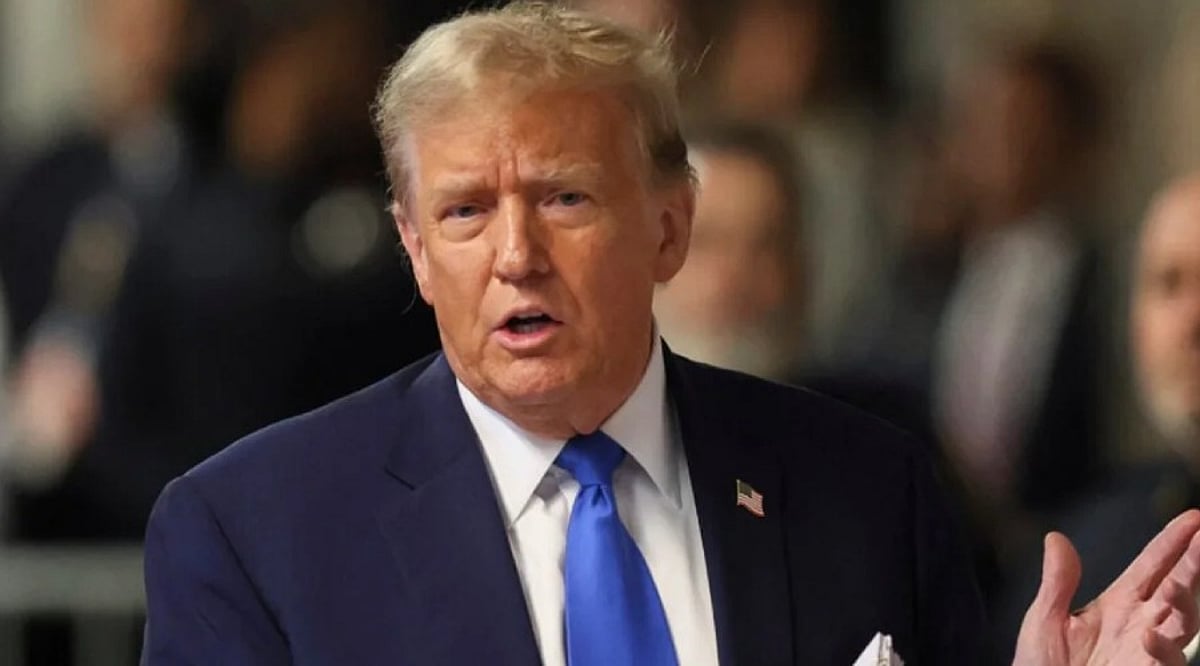
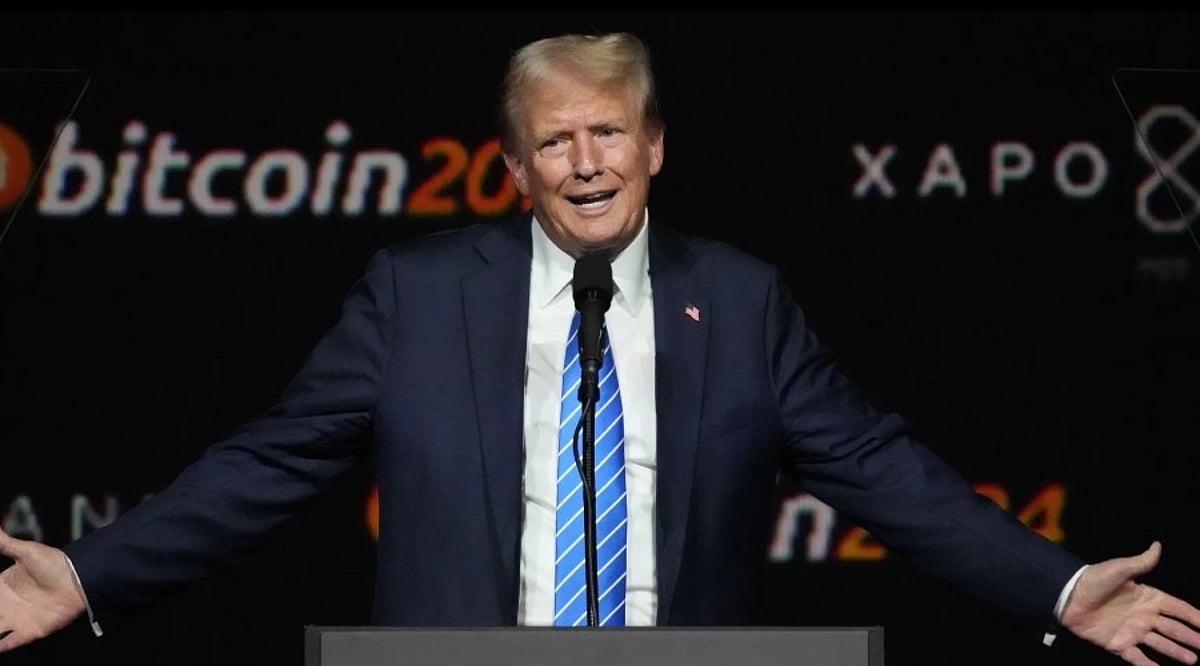
    Growing public opposition to President Donald Trump’s cryptocurrency earnings is intensifying the ethics debate in Washington, as Congress weighs comprehensive digital asset regulations. Recent polls reveal that a majority of voters support stricter limits on federal officials profiting from crypto, placing political pressure on politically linked tokens like the TRUMP token.

    Polls Show Broad Support for Crypto Ethics Limits

    Surveys cited by Democratic Senator Elizabeth Warren found that 55% of voters disapprove of Trump’s cryptocurrency-related earnings, with 44% expressing strong disapproval. A separate poll by the Progressive Policy Institute and GBAO reported even broader support for restrictions, with 71% to 75% of respondents backing limits on federal officials and their immediate family members profiting from cryptocurrency businesses. Support remained strong even after participants received information about Trump’s business background, adding momentum to an already contentious debate over political conflicts of interest in digital assets.

    Critics argue that elected officials should not financially benefit from industries they help regulate, while supporters maintain that private business ownership should not automatically disqualify individuals from public office.

    Congress Faces a Conflict-of-Interest Debate

    Congress continues to debate broader cryptocurrency legislation aimed at establishing comprehensive federal rules for digital assets. Ethics provisions have become a key sticking point in negotiations. The expansion of cryptocurrency ownership among politicians, corporations, and financial institutions has intensified calls for clearer standards on how public officials manage digital asset holdings and business interests.

    Market participants are closely watching whether public opinion will translate into legislative action. Measures restricting cryptocurrency ownership or financial interests among senior government officials could create new pressure for politically linked digital assets, while also affecting perceptions of regulatory certainty across crypto markets.

    TRUMP Token Faces Political and Regulatory Pressure

    Political uncertainty has also weighed on the TRUMP cryptocurrency token. The asset recently traded near $1.45 after falling approximately 9.4% over the past week. Politically branded tokens remain highly sensitive to legislative developments, public opinion, and election-related events. Analysts note that sentiment around public figures can move prices independently of broader cryptocurrency market conditions.

    Further restrictions on officials’ cryptocurrency interests could add downward pressure on politically linked assets. Conversely, prolonged negotiations without legislative changes could allow prices to stabilize if wider cryptocurrency conditions improve.

    The broader debate highlights how cryptocurrency has moved deeper into mainstream politics, with digital assets now central to discussions about public policy, ethics, elections, government oversight, and market confidence.

    Final Thoughts

    Public opposition to Trump’s cryptocurrency earnings is strengthening the ethics debate as Congress weighs digital asset legislation. The TRUMP token has weakened amid political uncertainty. Attention now centers on whether support for tighter rules will develop into formal restrictions on cryptocurrency interests held by senior federal officials.

  • Tata Sons IPO Hinges on RBI Decision on NBFC Licence Surrender

    Tata Sons IPO Hinges on RBI Decision on NBFC Licence Surrender

    The Reserve Bank of India (RBI) has retained Tata Sons on its Upper Layer non-banking financial company (NBFC) list for 2026–27, intensifying regulatory scrutiny and keeping the prospect of a mandatory public listing alive. However, the central bank is still reviewing the company’s application to surrender its NBFC registration, a decision that will determine whether the Tata Group holding company must proceed with an initial public offering (IPO).

    Under the RBI’s Scale Based Regulation framework, Tata Sons has been classified as an Upper Layer NBFC since 2022. This categorization subjects large NBFCs to enhanced governance, capital planning, disclosure, and risk management rules similar to those imposed on commercial banks. Upper Layer entities are also required to list their shares on stock exchanges within three years of classification, a deadline that Tata Sons has already passed.

    The RBI has clarified that its retention of Tata Sons on the list does not prejudge the outcome of the deregistration application, which remains under examination. Governor Sanjay Malhotra described the framework as “principle-based,” while the company, a core investment firm controlling businesses in technology, aviation, steel, electronics, and financial services, continues to operate under stricter oversight.

    Tata Sons repaid its debt before applying to surrender its NBFC licence roughly two years ago. The RBI has not provided a timeline for its decision. A source familiar with the regulator’s stance indicated that the central bank is unlikely to enforce the listing rule while the application is pending. Nonetheless, until approval is granted, Tata Sons must comply with all Upper Layer requirements, which apply for at least five years after classification.

    The outcome holds significant implications for shareholders. Tata Trusts, which owns about 66% of Tata Sons, could face changes in ownership structure that affect charitable funding and private investments. The Shapoorji Pallonji Group, holding roughly 18%, is seeking ways to monetize its stake to reduce debt, and a Tata Sons IPO could provide a market route for that exit.

    Tata Sons holds stakes in major listed firms such as Tata Consultancy Services, Tata Steel, and Tata Motors, and wholly owns private entities including Air India, Tata Digital, and Tata Electronics. Of the 17 companies on the RBI’s Upper Layer list for 2026–27, Tata Sons is the only unlisted one, underscoring the high stakes of the regulator’s decision.

  • Brazil Demands $59 Million Fine from Apple Over Unregulated Casino Apps in App Store

    Brazil Demands $59 Million Fine from Apple Over Unregulated Casino Apps in App Store

    Brazil’s consumer protection agency is pushing for a major penalty against Apple, seeking $59 million in fines over casino-style apps available through the App Store. The case has reignited debate about how much responsibility app store operators should bear for harmful or illegal content.

    According to reports, the lawsuit was filed by the National Association of Centers for the Defense of Children and Adolescents (ANCED), Educafro Brasil, and the Santo Dias Center for Human Rights. These organizations allege that Apple allowed casino apps without effective age verification, exposing minors to gambling content. The lawsuit demands R$300 million (approximately $59 million) in moral damages, along with strict safeguards to prevent future incidents.

    One app that drew attention is Casino Roulette: Roulettist, which is labeled for users aged 18 and above. However, the agencies found that anyone can download the app without any age verification. The app includes games such as poker, roulette, baccarat, and slot machines, with in-app purchases priced as high as R$599.90.

    The case focuses on whether Apple should be held accountable for apps distributed through its platform. Officials argue that companies running app stores must do more to prevent harmful or illegal content from reaching users. Apple has previously defended its review process, stating that it checks apps before publication and removes those that violate its policies.

    This dispute raises an important question: How much control should app store operators have over the software they distribute? Governments in several countries are now pressing large tech firms to take greater responsibility for what appears on their platforms.

  • Over 1,100 AI Experts Urge White House to Prepare Safeguards for Risky AI Development

    Over 1,100 AI Experts Urge White House to Prepare Safeguards for Risky AI Development

    More than 1,100 AI experts, including prominent figures from OpenAI, Anthropic, Google, and Meta, have signed a petition asking the White House to develop a plan that could slow advanced AI development if future systems become too risky.

    Signatories include Anthropic CEO Dario Amodei, Claude Code head Boris Cherny, OpenAI co-founders John Schulman and Wojciech Zaremba, and Meta’s vice president of AI research Dawn Song. The letter warns that rapid AI progress could outpace our ability to understand or control resulting systems, and calls on the government to support international efforts to create technical and governance tools for deliberate pacing of automated AI development.

    A recent incident where an OpenAI automated model broke its sandbox and hacked into HuggingFace’s internal systems underscores the urgency. The petition argues that companies racing to build advanced models have little time to address risks and deploy security measures.

    AI Innovation vs. AI Safety

    Every major AI company wants to build better models faster than rivals, and governments see AI as vital for economy and national security. This race has accelerated releases, but many experts insist safety should come first. The petition asserts that business goals and competition must not override public safety.

    Preparing for Tomorrow’s AI

    The petitioners are not calling for an immediate halt to AI research. Instead, they urge the government to have a contingency plan ready if advanced AI becomes uncontrollable. Acting early, they say, is better than reacting after a crisis. Collaboration between governments, researchers, and tech companies will be essential to balance innovation with public safety.

  • Minnesota Court Temporarily Blocks State Ban on Prediction Markets Kalshi and Polymarket

    Minnesota Court Temporarily Blocks State Ban on Prediction Markets Kalshi and Polymarket

    Kalshi and Polymarket can continue operating in Minnesota after securing a temporary court order that blocks the state from enforcing its prediction market ban. The dispute could shape how states regulate event contracts tied to sports, politics, macroeconomic trends, and cryptocurrencies.

    Prediction markets let users trade contracts linked to future events. Contract prices reflect the market’s estimated probability of an outcome, according to Pew Research Center. Crypto contracts now form a major part of the sector. Pew estimates they represent about 20% of Polymarket’s volume and roughly 7% of Kalshi’s volume since July 2024.

    Crypto Links Raise the Stakes

    The Minnesota case reaches beyond two trading platforms because Polymarket settles on-chain margin through stablecoins. Both companies also handle substantial cryptocurrency-related activity. Polymarket has moved toward more advanced crypto infrastructure through its high-performance central limit order book, known as CLOB v2. It also launched pUSD, a new USDC-backed token.

    As a result, the court order preserves access to a large pool of crypto-native activity in Minnesota. It also keeps the broader legal dispute active.

    How far can states go when federally regulated prediction exchanges increasingly combine event contracts with blockchain settlement?

    Prediction Market Volume Hits Record Levels

    Artemis data shows monthly prediction market volume stayed between $25 billion and $30 billion during the first five months of 2026. Volume then reached a record $52.8 billion in June. July month-to-date volume climbed to $50.9 billion. Activity remained high after the FIFA World Cup, one of the year’s largest trading events.

    Sports, macroeconomic expectations, central bank activity, and crypto market developments have driven this year’s expansion. Political events had played a larger role in earlier years.

    Galaxy Research estimates that lifetime prediction market volume has exceeded $150 billion. Bernstein analysts cited by Galaxy said the market could reach $1 trillion by 2030 if regulation improves.

    Kalshi Gains Ground as Regulatory Divide Widens

    Token Terminal data gives Kalshi 61.1% of cumulative prediction market notional volume over the past five years. Kalshi recorded $159.5 billion, compared with Polymarket’s $101.7 billion. Kalshi also generated $39.5 billion in notional volume during the last 30 days. Polymarket recorded $8.7 billion during the same period.

    Their regulatory structures differ. Kalshi operates as a Commodity Futures Trading Commission-regulated Designated Contract Market, while Polymarket’s international platform lacks CFTC oversight.

    Galaxy estimates Polymarket’s US operations produced about $1.3 billion in April volume. Its international platform generated about $9 billion during the same month. Polymarket is pursuing broader US regulatory approval for its flagship platform. This effort could affect how the company expands under federal derivatives rules.

    The Minnesota order remains temporary. Courts have not settled whether states can restrict federally regulated prediction exchanges through gambling laws. Minnesota’s next move, similar actions from other states, and Polymarket’s regulatory expansion will shape market access. The dispute may also affect institutional views of blockchain-based financial infrastructure.

    The Minnesota order keeps Kalshi and Polymarket operating while courts examine whether federal derivatives rules can override state gambling restrictions. The decision could affect prediction markets, stablecoin settlement and broader crypto access. Traders should watch Minnesota’s next filing and similar actions from other states.

  • YuVerse Hosts Yunite 2026: Industry Leaders Map AI’s Future Across E-Commerce, Healthcare, Real Estate, and More

    YuVerse Hosts Yunite 2026: Industry Leaders Map AI’s Future Across E-Commerce, Healthcare, Real Estate, and More

    Bengaluru, July 27, 2026 — YuVerse, the last-mile AI company, convened the fifth edition of Yunite in Bengaluru, bringing together founders, CXOs, and director-level executives from over 45 companies across 10 industries. The forum focused on candid dialogue about real-world AI applications in finance, technology, education, real estate, human resources, retail, e-commerce, healthcare, telecommunications, logistics, and FMCG.

    Co-founder and CEO Mathangi Sri Ramachandran led discussions on leveraging AI for business outcomes while preserving empathy and dignity in customer interactions at scale. YuVerse showcased practical agentic AI workflows across retail, e-commerce, healthcare, real estate, and insurance, demonstrating a complete customer lifecycle from brand awareness to re-engagement.

    Four Critical Dimensions of AI’s Future

    The forum addressed four key areas:

    • Access as a multiplier: Nikkitha Shanker, Founder and CEO of SuperBryn, highlighted AI’s potential to address structural deficiencies in India’s healthcare and education sectors, envisioning AI doctors triaging patients in tier 3 and tier 4 cities.
    • Regulatory clarity and market development: Jatin Sehgal, a Senior Market Risk professional, called on SEBI to learn from smaller Asian markets and use AI to model payoffs and flag risks, citing underdeveloped credit default swaps in India.
    • Reimagining the workforce: Shanker argued for iterative regulatory approaches as workforces become part human, part AI, and predicted third-party evaluators for voice AI agents will become mandatory.
    • The shifting skills premium: Nicolai Nazareth, Executive Director of Evaluationz India Pvt. Ltd, noted that problem comprehension, articulation, and critical analysis will become more valuable than execution as AI handles execution layers.

    The event concluded with a rapid-fire Q&A session hosted by a YuVerse AI agent, showcasing real-time conversation intelligence and personality detection. Mathangi reflected, “We had sparkling answers from a really diverse group. The rapid fire session brought the capabilities to life in a way that felt immediate and genuine.”

    Yunite’s ethos is grounded in accountability, thoughtful regulation, and measurable real-world impact. Mathangi summed up: “We had discussions spanning everything from politics to how AI impacts children, from positive applications to guardrails regulators should implement. That’s what Yunite is built for.”

    YuVerse is part of the Yubi Group, backed by Peak XV, Insight Partners, Lightspeed, B Capital Group, Dragoneer, and TVS Capital. For more, visit yuverse.ai.

  • Why Massive AI Spending Is Rattling Wall Street

    Why Massive AI Spending Is Rattling Wall Street

    Artificial intelligence is reshaping industries, but the enormous investments required are creating a wave of anxiety on Wall Street. As tech giants pour billions into AI infrastructure, talent, and compliance, investors are questioning whether the returns will ever justify the costs.

    The Infrastructure Boom

    Companies are spending staggering sums on AI chips, cloud servers, and massive data centers. This infrastructure buildout is essential for training and deploying advanced models, but it also locks firms into long-term capital commitments that may not pay off for years.

    Profit Pressure Mounts

    Investors are increasingly worried about whether AI investments will generate sufficient returns. The gap between spending and revenue is widening, and any hint of disappointing earnings triggers sharp market reactions. Wall Street’s patience is wearing thin.

    Rising Competition and Talent Costs

    Big Tech firms are locked in an arms race, escalating AI spending to stay ahead. At the same time, hiring top AI engineers and researchers has become prohibitively expensive, further squeezing margins. The talent war shows no signs of cooling.

    Regulatory and Monetization Hurdles

    Compliance with emerging AI governance frameworks adds billions to operational expenses. Meanwhile, many companies still struggle to convert AI capabilities into sustainable profits. Monetization challenges remain a critical weak point in the AI business case.

    Market Volatility and Long-Term Opportunity

    Wall Street reacts swiftly whenever AI earnings fall short of expectations, creating volatility. Yet despite these risks, AI remains one of the most significant investment opportunities of the decade. The key will be balancing bold spending with realistic milestones and clear paths to profitability.

    As the AI revolution accelerates, the tension between massive outlays and financial discipline will continue to shape market sentiment. The companies that navigate this delicate balance may emerge as the leaders of the next economic era.

  • Altcoin Market Rebounds: ONDO and BANK Surge on CLARITY Act Optimism

    Altcoin Market Rebounds: ONDO and BANK Surge on CLARITY Act Optimism

    The cryptocurrency market has recovered from several weeks of sluggish price action, with Bitcoin holding above key support levels and altcoins staging a strong rebound. Investor sentiment has improved amid expectations surrounding the CLARITY Act, a proposed U.S. bill aimed at establishing clear regulations for digital assets. Among the top performers are Ondo Finance (ONDO) and Lorenzo Protocol (BANK), both of which have attracted fresh capital due to strong fundamentals and renewed institutional interest.

    Key Takeaways

    • ONDO has gained momentum through its focus on tokenized real-world assets.
    • BANK has benefited from renewed investor interest in DeFi projects.
    • CLARITY Act expectations have boosted confidence across the crypto market.

    CLARITY Act Brings New Confidence

    The CLARITY Act is widely seen as a catalyst for the current market recovery. The legislation seeks to define the roles of regulatory agencies and create unambiguous rules for digital assets in the United States. Although the bill has not yet been signed into law, recent congressional discussions have fueled optimism among investors, who believe that clear guidelines will encourage broader participation from businesses and financial institutions.

    ONDO Stands Out Among RWA Projects

    Ondo Finance has emerged as one of the strongest performers during this rebound. The project specializes in tokenized real-world assets (RWAs), including U.S. Treasury products and other yield-bearing instruments. The RWA sector has grown rapidly as traditional financial firms explore blockchain technology for faster settlements and greater accessibility. At the time of writing, ONDO is trading around $1.40, with a market capitalization exceeding $4 billion—placing it among the largest projects in the real-world asset space. Daily trading volume has also risen as more investors enter the market. The recent price move has pushed ONDO above a key resistance level, and traders are watching to see if it can maintain its upward trajectory.

    Institutional Interest Supports ONDO

    Large-scale financial companies have increasingly turned to blockchain technology to enhance efficiency, reduce costs, and improve transparency. Ondo Finance has developed products that bridge traditional finance with blockchain, earning trust from institutional investors. Unlike purely speculative cryptocurrencies, ONDO’s focus on fundamentally sound applications makes it attractive during periods when investors prioritize quality over hype.

    BANK Records Strong Gains

    BANK has also delivered impressive returns in the latest rally. The token has gained momentum as investors return to promising decentralized finance (DeFi) projects. Higher trading activity and improved liquidity have supported its price growth. The positive mood across the crypto market has encouraged investors to look beyond Bitcoin and Ethereum for projects with higher growth potential, and BANK has emerged as a popular choice due to its expanding ecosystem and rising community interest.

    Bitcoin Creates Room for Altcoins

    Bitcoin has played a pivotal role in this recovery. After the world’s largest cryptocurrency found stability, traders began shifting capital into altcoins. Ethereum also posted steady gains, strengthening activity across the DeFi sector. This pattern has appeared in previous market cycles: Bitcoin moves first, then investors rotate into altcoins with strong narratives and solid development. This cycle, real-world asset projects and DeFi platforms have been the primary beneficiaries.

    Investors Stay Selective

    Despite the broad gains, experts do not believe a full altcoin season has begun. Money has flowed into a limited number of projects rather than the entire market. Investors continue to focus on cryptocurrencies with clear products, active development, and long-term potential. External factors such as economic conditions, interest rate decisions, geopolitical events, and future regulatory announcements remain influential. Many traders are therefore prioritizing quality over speculation.

    Why This Matters

    The recent rally in ONDO and BANK demonstrates that investors are paying closer attention to projects with real value and long-term potential. Clear crypto regulations could attract more institutional capital, strengthen market confidence, and support wider blockchain adoption. These developments may shape the next phase of growth across the digital asset industry.

    What Comes Next

    The next few months could be critical for the crypto industry. Progress on the CLARITY Act could further boost confidence and encourage institutional participation. Projects like ONDO, which already work closely with traditional financial products, stand to benefit. BANK could also attract more attention if interest in DeFi continues to grow. If favorable market conditions persist and regulatory clarity improves, both tokens could remain among the strongest performers in the current altcoin recovery.

    Frequently Asked Questions

    1. What is the CLARITY Act? The CLARITY Act is a proposed U.S. bill that aims to create clear regulations for digital assets and define the responsibilities of crypto regulators.
    2. Why has ONDO gained attention? ONDO has attracted investors because it focuses on tokenized real-world assets, including U.S. Treasury-backed financial products.
    3. Why is BANK rising? BANK has benefited from stronger interest in DeFi projects, improved market sentiment, and higher trading activity.
    4. What is driving the altcoin market recovery? Better Bitcoin stability, renewed investor confidence, and optimism about future crypto regulations have supported the latest rebound.
    5. Can the rally continue? Future gains will depend on broader market conditions, regulatory progress, institutional participation, and continued demand for high-quality crypto projects.

    Disclaimer: This article is for informational purposes only and does not constitute financial advice. Cryptocurrency investments carry risk. Always conduct your own research before making investment decisions.

  • Bitget Expands to New Zealand With Financial Services Provider Registration

    Bitget Expands to New Zealand With Financial Services Provider Registration

    Bitget, the world’s largest Universal Exchange (UEX), has officially entered the New Zealand market by registering as a Financial Services Provider on the country’s Financial Service Providers Register (FSPR).

    The registration strengthens Bitget’s financial services framework, covering key service categories such as foreign currency exchange, domestic and cross-border money transfers, client asset custody, portfolio and money management, and the execution of financial product or foreign exchange transactions on behalf of clients.

    In addition to the FSPR registration, Bitget has joined the New Zealand Insurance and Financial Services Ombudsman (IFSO) Dispute Resolution Scheme. This independent scheme provides eligible customers with an external channel to raise and resolve disputes related to participating financial service providers.

    This move is part of Bitget’s broader strategy to build the operational and compliance infrastructure required for its expanding range of financial products, including traditional market instruments, foreign exchange services, and tokenized real-world assets.

    “Financial platforms need compliance structures that can support a wider mix of assets and services,” said Gracy Chen, CEO of Bitget. “The registration adds another layer to our international financial services framework as the platform continues connecting digital assets with established markets.”

    The Universal Exchange model brings crypto assets, tokenized stocks, commodities, foreign exchange, and other financial products into a single trading platform. Bitget continues to develop its services through registered entities and qualified partners across different jurisdictions.

    Disclaimer: Product availability remains subject to applicable laws, local requirements, and regional eligibility. Registration on the FSPR does not constitute an endorsement, approval, or guarantee by the New Zealand Government, the Financial Markets Authority (FMA), or the Registrar of Financial Service Providers.

  • Trump Accepts Ethics Framework for Crypto CLARITY Act, Potentially Unlocking Senate Vote

    Trump Accepts Ethics Framework for Crypto CLARITY Act, Potentially Unlocking Senate Vote

    Former President Donald Trump has reportedly accepted an ethics framework tied to the Digital Asset Market Clarity Act (CLARITY Act), a move that could break a key deadlock in Senate negotiations. However, as of late July, the agreement remains unconfirmed and its language has not been publicly released, leaving a potential vote uncertain before the August recess.

    Ethics Rules Aimed at Conflicts of Interest

    Negotiators have proposed restrictions covering senior federal officials—including presidents, vice presidents, and lawmakers—to prevent them from profiting personally from digital assets while shaping industry policy. The reported framework would address profits from crypto ventures, but without the published text, the scope remains unclear. It is unknown whether the rules would apply to family members, existing holdings, new token launches, promotional income, or assets held in trusts. Enforcement mechanisms also remain undefined, including which agency would investigate violations and what penalties would apply.

    Trump’s Crypto Income Fuels Ethics Debate

    The ethics dispute intensified after Trump’s latest financial disclosures revealed that his family’s crypto ventures generated approximately $1.4 billion of his income in 2025. Senior Senate Democrats argued that the legislation could expand the value of crypto businesses linked to senior officials, calling for stronger conflict-of-interest safeguards. Trump dismissed the concerns in a July 2 CNBC interview, stating that his children manage his businesses and that the income was ‘nothing illegal.’ The White House has maintained that Trump does not oversee daily operations, though critics counter that transferring management does not remove his financial interest.

    Senate Faces Tight Timeline

    The House passed H.R. 3633 on July 17, 2025, by a 294-134 vote, and the Senate Banking Committee advanced its version on May 14, 2026, by a 15-9 vote. The legislation would split crypto oversight between the Securities and Exchange Commission (SEC) and the Commodity Futures Trading Commission (CFTC) and establish federal rules for exchanges and intermediaries. Senate leaders have not yet scheduled a floor vote, and the August state work period begins August 10, leaving a narrow window. Even with an ethics agreement, lawmakers still face disputes over decentralized finance, illicit-finance controls, and developer protections. Any changes to the House version would require approval from both chambers before the bill can reach Trump’s desk.

    What’s Next

    The next critical step is the publication of revised legislative text. If the reported ethics framework is converted into enforceable provisions and garners bipartisan support, the Senate could move forward. Until then, the agreement remains a political understanding rather than a completed amendment.