Tag: robotics

  • Nvidia Partners with Japanese Robotics Firms to Accelerate AI-Powered Automation

    Nvidia Partners with Japanese Robotics Firms to Accelerate AI-Powered Automation

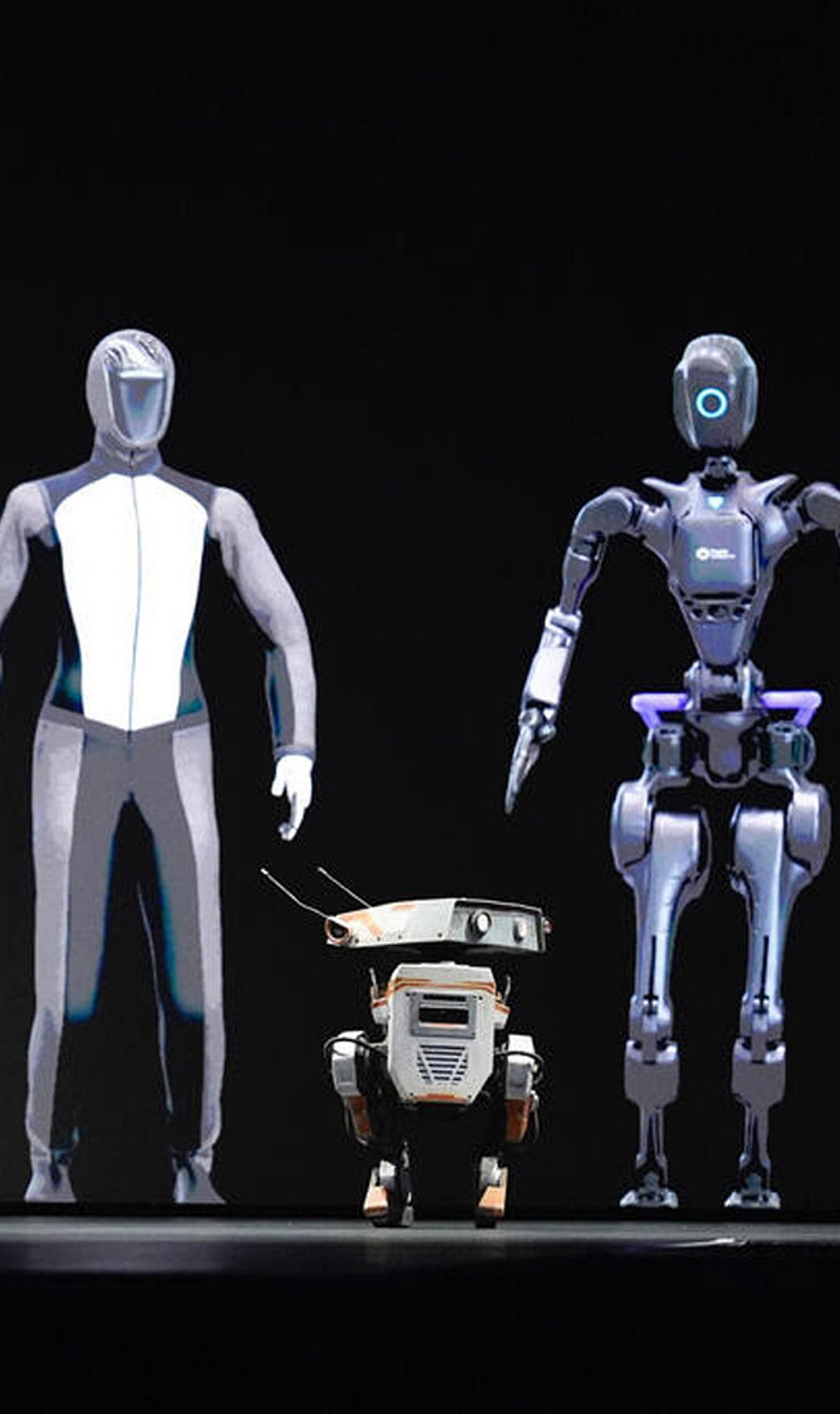
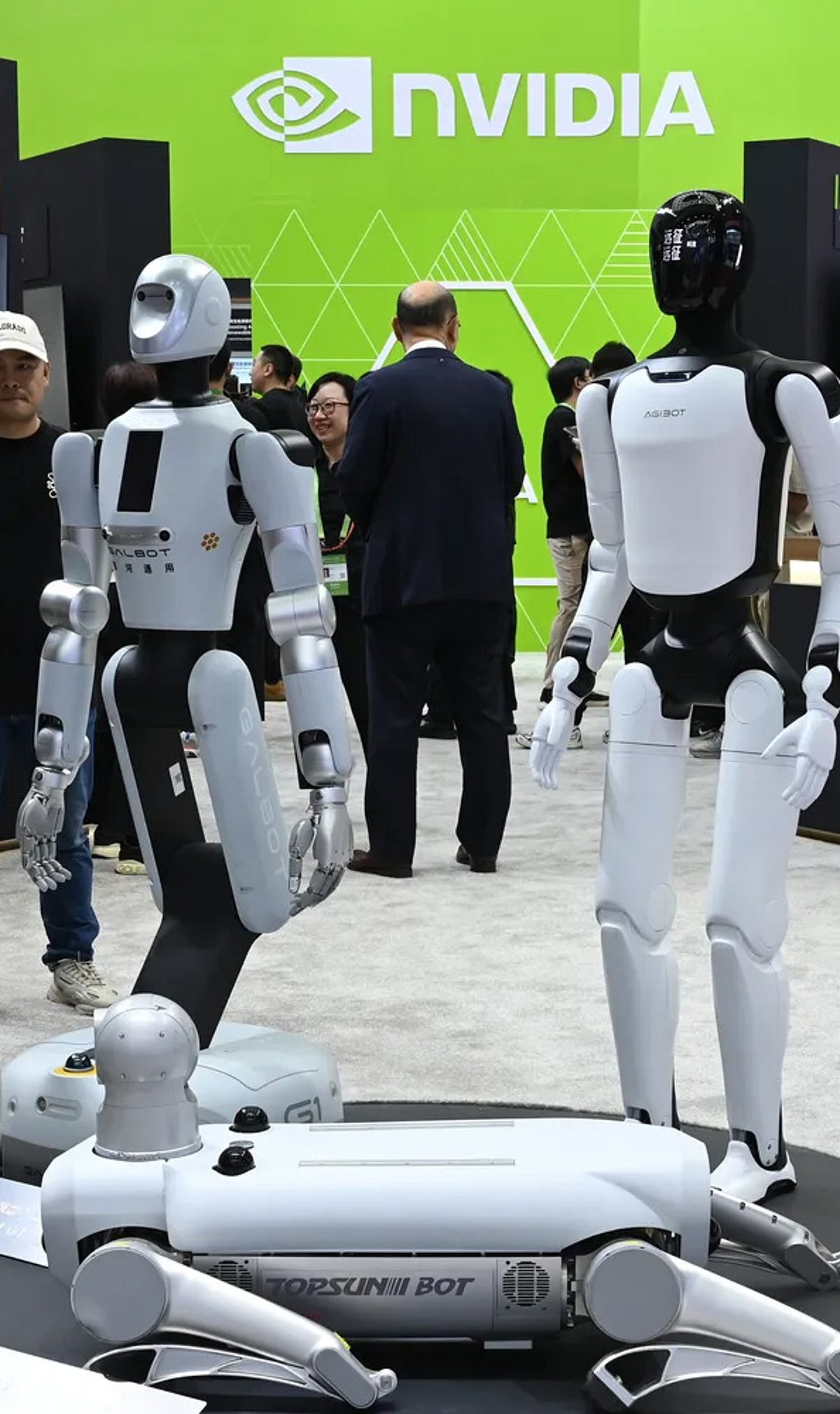
    Nvidia is deepening its commitment to robotics by partnering with leading Japanese companies to develop advanced AI-powered machines. This collaboration targets the creation of next-generation factory robots, AI-powered humanoids, and digital twin simulations that streamline development and testing.

    Japan’s longstanding leadership in robotics, combined with Nvidia’s powerful GPU computing platforms, positions the partnership to drive a new wave of industrial automation. The goal is to improve productivity and efficiency in manufacturing through smarter, AI-driven systems.

    Beyond factories, the technology could extend to healthcare, logistics, and service robots, enabling more intelligent and autonomous operations. The move reflects the global race to invest in intelligent automation, with Nvidia providing the computational backbone for training and deploying robotics AI models.

    This strategic partnership underscores how Japan is strengthening its role in global AI development, leveraging digital twins and advanced simulations to accelerate innovation. The collaboration is expected to have a significant impact on the future of robotics and AI across multiple industries.

  • Wearable Robot from South Korea-US Team Helps Users Dress Independently

    Wearable Robot from South Korea-US Team Helps Users Dress Independently

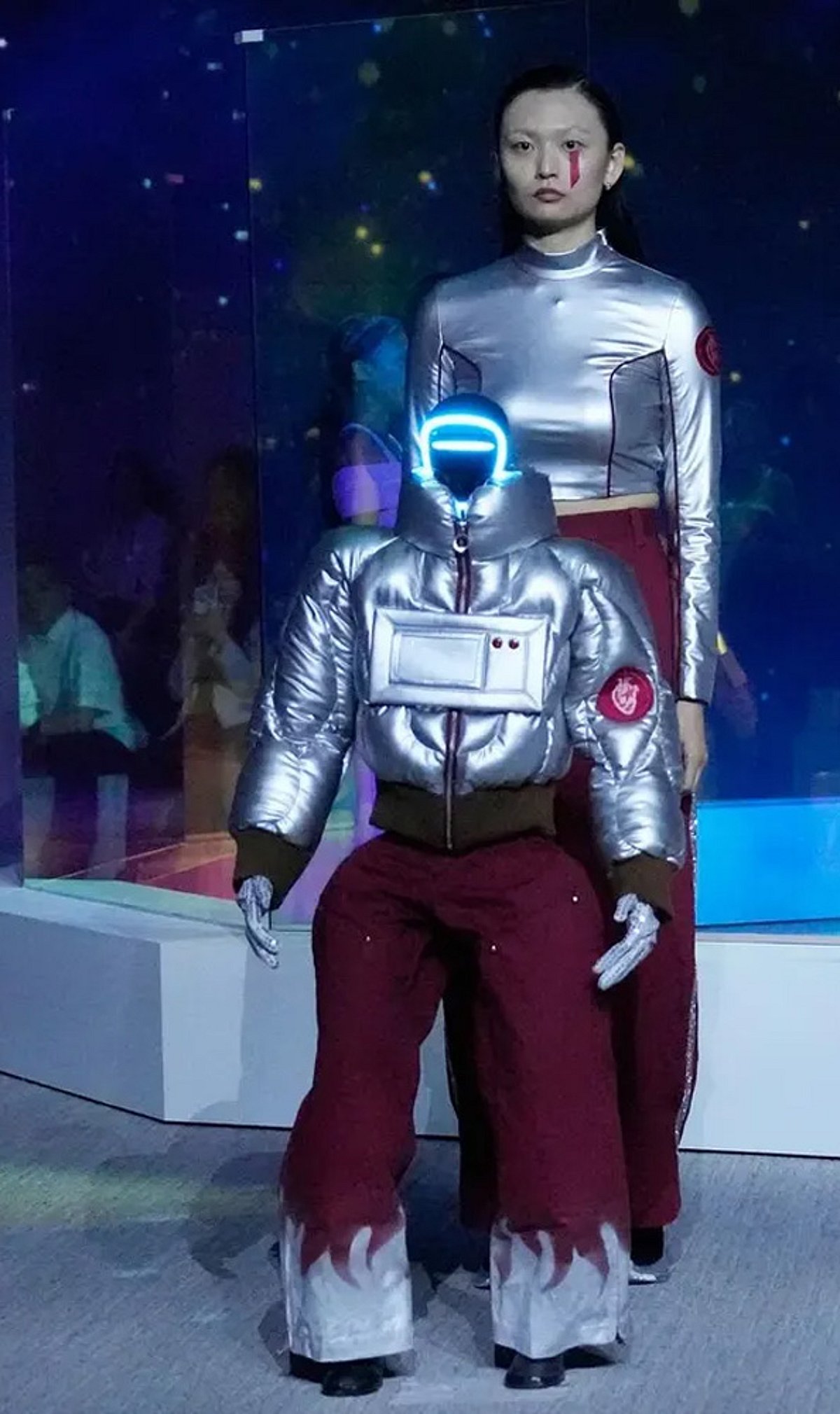
    Researchers from South Korea and the United States have developed a groundbreaking wearable robotic system that assists individuals with dressing. The technology combines smart sensors and robotic arms to provide gentle, precise movements, making it easier for elderly people and those with mobility challenges to put on clothes without assistance.

    The robot uses artificial intelligence to adapt its force and movement, ensuring that clothing is handled safely and comfortably. This innovation is designed to promote independence and improve the quality of life for millions who struggle with daily tasks.

    Hospitals and rehabilitation centers are expected to be major adopters of this technology, which also holds promise for home care and assisted living facilities. The developers plan to make the system smaller, faster, and more affordable in future iterations.

    Assistive robotics like this one could transform daily living for people worldwide, offering a new level of autonomy and dignity. The collaboration between South Korea and the US underscores the global effort to advance healthcare through robotics and AI.

  • NVIDIA Jetson Thor T3000: A Game-Changer for Robotics and Edge AI

    NVIDIA Jetson Thor T3000: A Game-Changer for Robotics and Edge AI

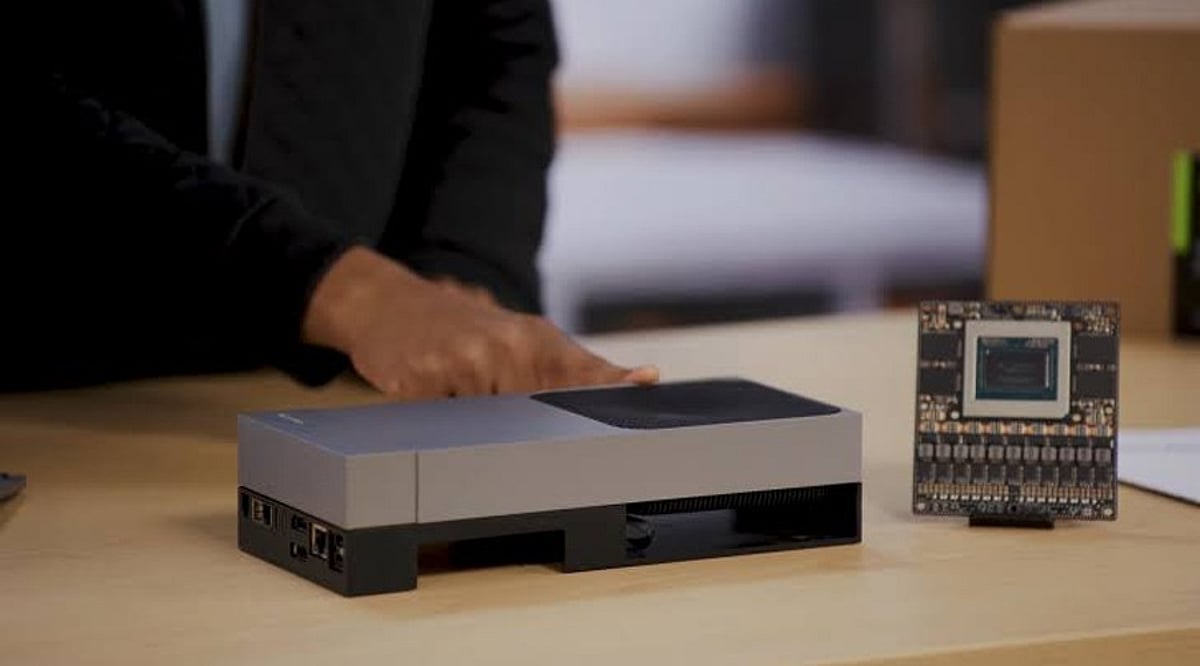
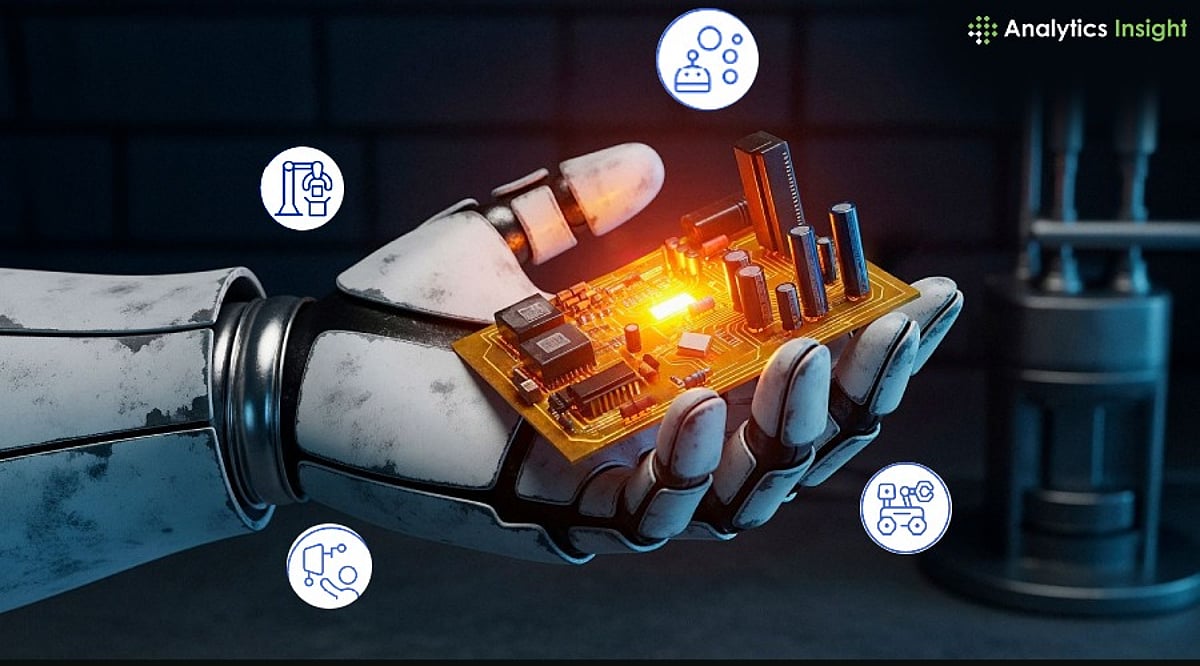
    NVIDIA introduced the Jetson Thor T3000 and T2000 AI modules on July 15 to support robotics and Edge AI applications. The new NVIDIA Blackwell-powered modules help developers build smarter robots and AI machines with less power and smaller hardware. The company plans to launch both modules in the first quarter of 2027.

    The launch comes as more industries adopt robots for real-world work. NVIDIA created the new Jetson Thor modules to run powerful AI models directly on robots and edge devices. This approach reduces cloud dependence while improving speed, safety, and overall performance.

    The Jetson Thor T3000 is the more powerful model in the lineup. It delivers up to 865 FP4 teraflops of AI performance and includes an eight-core Arm Neoverse CPU with 32GB LPDDR5X memory. NVIDIA said that the module is about half the size and uses nearly half the power of the larger T5000 while offering similar AI performance for language, vision, and robotics tasks.

    The Jetson Thor T2000 targets developers looking for a more affordable option. It delivers up to 400 FP4 teraflops with 16GB memory and supports visual AI, autonomous mobile robots, and industrial machines. NVIDIA also introduced new software tools that reduce memory use and make advanced AI models easier to run on smaller systems.

    NVIDIA stated that companies like Amazon Robotics, Boston Dynamics, Agile Robots, Hitachi, 1X, and Techman Robot already use the Jetson Thor platform. Developers can test the T3000 through JetPack 7.2.1 emulation today, while T2000 support will arrive later. Both modules are expected to become available in the first quarter of 2027.

  • Today’s Tech Roundup: Tata’s Semiconductor Strategy, NVIDIA Robotics, Bybit in Indonesia, and Cognizant Hiring

    Today’s Tech Roundup: Tata’s Semiconductor Strategy, NVIDIA Robotics, Bybit in Indonesia, and Cognizant Hiring

    Welcome to today’s tech roundup! From chips and AI to crypto, climate tech, and hiring, here’s a quick look at the stories shaping the technology world today.

    Tata Group Resorts to Older Tech to Launch Its Chip Foray

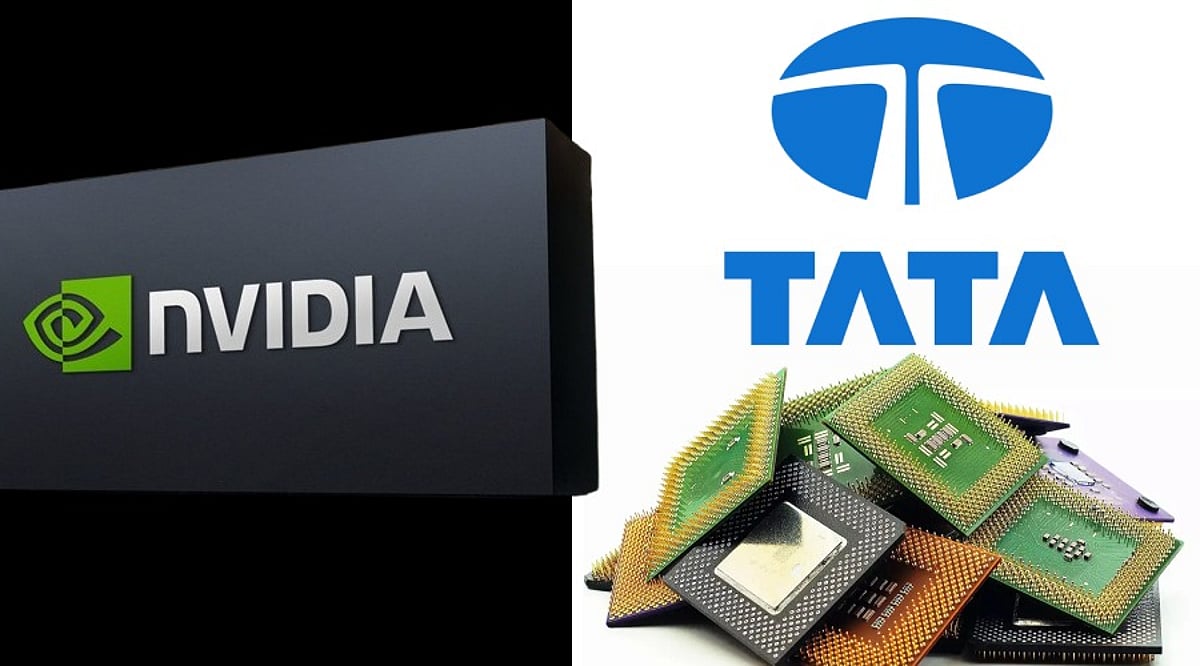
    Tata Group’s entry into the field of semiconductors takes an efficient course whereby the company begins its venture from older and tested technologies of chips rather than advanced technology. This ensures cost efficiency, quicker production, and helps meet demands in fields such as the automotive industry, power, and industrial electronics.

    Climate Tech Venture Funding Surges Driven by AI Infrastructure Demand

    There has been renewed interest in climate technology, driven by the accelerated development of AI infrastructure. With the increased usage of energy by data centers, venture capital firms are funding startups that specialize in renewable energy, batteries, smart power grids, and energy efficiency.

    Bybit Launches in Indonesia After NOBI Acquisition

    Bybit crypto exchange has now officially made its entry into Indonesia after taking over local exchange platform NOBI. This marks the extension of their operations in Southeast Asia and gives the firm the ability to provide regulated crypto trading services to customers.

    NVIDIA Partners with Japanese Robotics Firms to Accelerate AI Development

    With the collaboration between NVIDIA and Japanese robotics firms, there is an effort to make progress in developing AI automation. By using its computing technology together with Japan’s robotics expertise, it hopes to produce industrial robots that are better than current ones.

    Cognizant to Hire 1,500 US Graduates by End of 2026

    As part of efforts to build its artificial intelligence team, Cognizant is set to recruit 1,500 graduates in the US by 2026. These new employees will be trained in areas such as artificial intelligence, digital engineering, and other new technologies.

  • NVIDIA Teams Up with Fanuc, Yaskawa to Boost Robotics and AI in Japan

    NVIDIA Teams Up with Fanuc, Yaskawa to Boost Robotics and AI in Japan

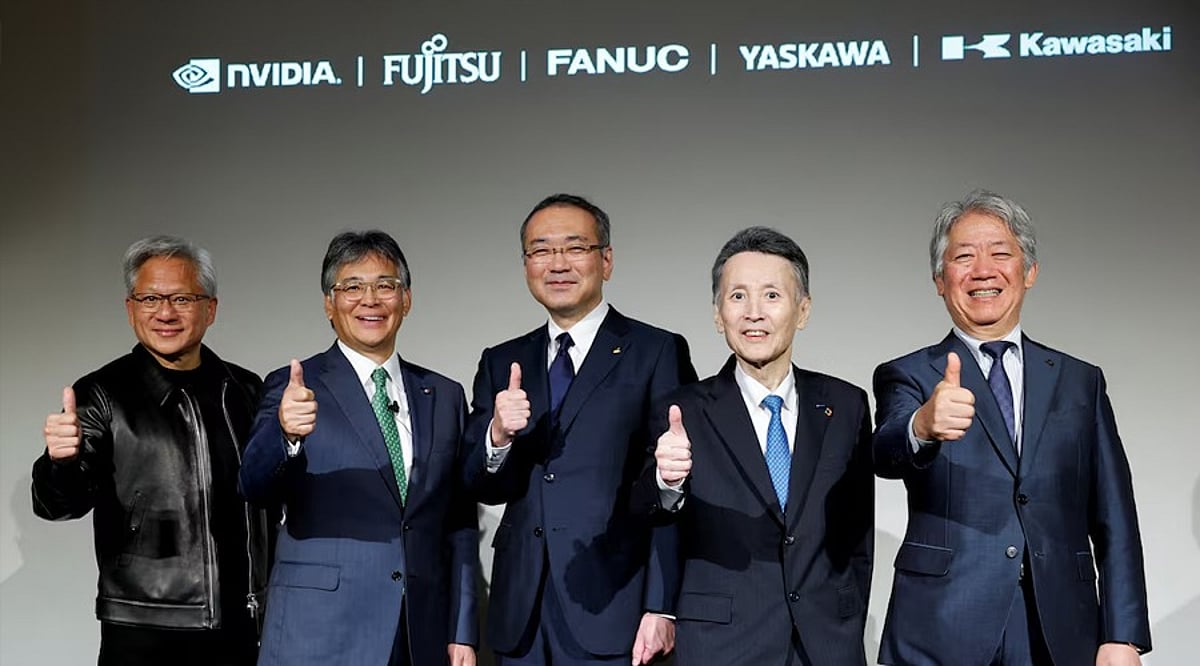
    NVIDIA has announced partnerships with major Japanese robotics manufacturers, including Fanuc and Yaskawa Electric, to accelerate the development of artificial intelligence and robotics. The chipmaker revealed the collaborations during a media event in Tokyo on Thursday, signaling a deepening commitment to Japan’s industrial automation sector.

    NVIDIA CEO Jensen Huang emphasized that AI can make industrial robots smarter, more adaptable, and easier to deploy. “With AI, robots will become smart, easily adaptable and accessible,” Huang said at the Tokyo event. Fanuc and Yaskawa Electric are among Japan’s leading industrial robotics suppliers, providing automation systems to factories worldwide in sectors such as automotive production, electronics, logistics, and industrial equipment.

    The partnerships integrate NVIDIA’s computing platforms and AI software into Japan’s established robotics ecosystem. Financial terms and specific rollout schedules were not disclosed. During his visit, Huang also met with executives from memory chipmaker Kioxia and semiconductor equipment producer Tokyo Electron, and attended an event hosted by Sega Sammy in Tokyo’s Akihabara district.

    Japanese Organizations Adopt NVIDIA’s Nemotron Models

    NVIDIA announced that several Japanese organizations are using its Nemotron open models, datasets, and software tools to build AI systems tailored for Japanese language tasks and industry-specific applications. The Institute of Science Tokyo leveraged NVIDIA datasets and NeMo software to develop the Swallow model family, which supports Japanese language processing, reasoning, coding, and mathematics. Companies are applying Swallow for financial document translation and asset management reports.

    SB Intuitions, SoftBank’s generative AI research arm, trained its Sarashina models with NVIDIA technology. Japan’s Digital Agency selected Sarashina3 mini for specialized AI projects, while SoftBank built a telecom model for automated network operations. Stockmark released a Japanese document-understanding model based on NVIDIA Nemotron 3 Nano Omni and is developing business knowledge systems for manufacturing, energy, and chemical sectors. Sakana AI is integrating Nemotron into its Fugu model-routing platform, which selects different AI models based on accuracy, speed, and cost.

    Enterprise Applications Expand Across Industries

    Japanese companies are deploying Nemotron for customer service, research, remote operations, and workplace automation. Avatarin is developing Japanese-language AI agents for customer conversations and remote-presence systems, using NVIDIA HGX B300 systems for private AI processing and NVIDIA Jetson hardware for digital avatar services at airports and other locations. ENEOS Holdings applies Nemotron tools to energy and materials research, combining document search, image analysis, language processing, and molecular simulations for cooling fluids, catalysts, and other industrial materials.

    NTT Data used NVIDIA’s Japanese training dataset to improve its tsuzumi 2 language model and is exploring a multi-agent system that assigns tasks to different AI models. Hitachi is developing physical AI systems with NVIDIA Nemotron and Cosmos open models, connecting information technology with factory and infrastructure operations. NVIDIA releases Nemotron models with open weights, datasets, and development instructions, allowing companies to customize and run them on private systems or cloud platforms. The models are available through Hugging Face, ModelScope, OpenRouter, NVIDIA’s developer platform, and selected cloud providers.

  • Top Smart Hotels You Can Book Today: From Robot Staff to Voice-Controlled Rooms

    Top Smart Hotels You Can Book Today: From Robot Staff to Voice-Controlled Rooms

    The hospitality industry is rapidly embracing technology, and a growing number of hotels now offer guests a truly connected, automated experience. From mobile check-ins and robotic luggage storage to voice-controlled lighting and blockchain-powered rooms, these smart hotels are redefining what it means to stay away from home. Here are some of the most innovative smart hotels you can actually book today.

    CitizenM

    CitizenM hotels offer app-based check-in, smart room controls, and modern automation, delivering seamless stays with stylish spaces and efficient digital convenience. Guests can adjust the room’s mood lighting, temperature, and entertainment from their smartphone or an in-room tablet.

    YOTEL

    YOTEL is known for its technology-driven hospitality, featuring robotic luggage storage, self-service kiosks, and adjustable smart beds. The hotel is designed for modern business and leisure travelers who value efficiency and comfort.

    Henn na Hotel (Japan)

    Henn na Hotel, located in Japan, is famous for its robot staff, facial recognition check-in, and automated services. This futuristic property redefines traditional hotel hospitality with a completely automated experience.

    Hilton Connected Room

    Hilton’s Connected Room allows guests to control lighting, temperature, the television, and curtains through a smartphone. This personalized comfort system ensures every stay is tailored to individual preferences.

    Marriott Smart Rooms

    Marriott’s smart rooms integrate voice assistants, mobile room access, and customized preferences, ensuring convenience and enhancing the overall guest accommodation experience.

    Wynn Las Vegas

    Wynn Las Vegas is equipped with smart voice controls that operate lighting, entertainment, and room settings, delivering premium comfort with advanced automation technology.

    Eccleston Square Hotel (London)

    Eccleston Square Hotel features tablet-controlled lighting, curtains, and entertainment systems, combining luxury accommodation with cutting-edge in-room technology for travelers.

    The Sinclair Hotel (Fort Worth, Texas)

    The Sinclair Hotel uses blockchain technology and IoT-enabled smart rooms to deliver energy-efficient operations alongside enhanced guest convenience and security features.

    Hotel EMC2 (Chicago)

    Hotel EMC2 combines artistic design with smart room technologies, interactive digital experiences, and personalized guest services for a memorable modern hospitality experience.

  • Tesla Optimus Robot: 10 Impressive Capabilities Already Demonstrated

    Tesla Optimus Robot: 10 Impressive Capabilities Already Demonstrated

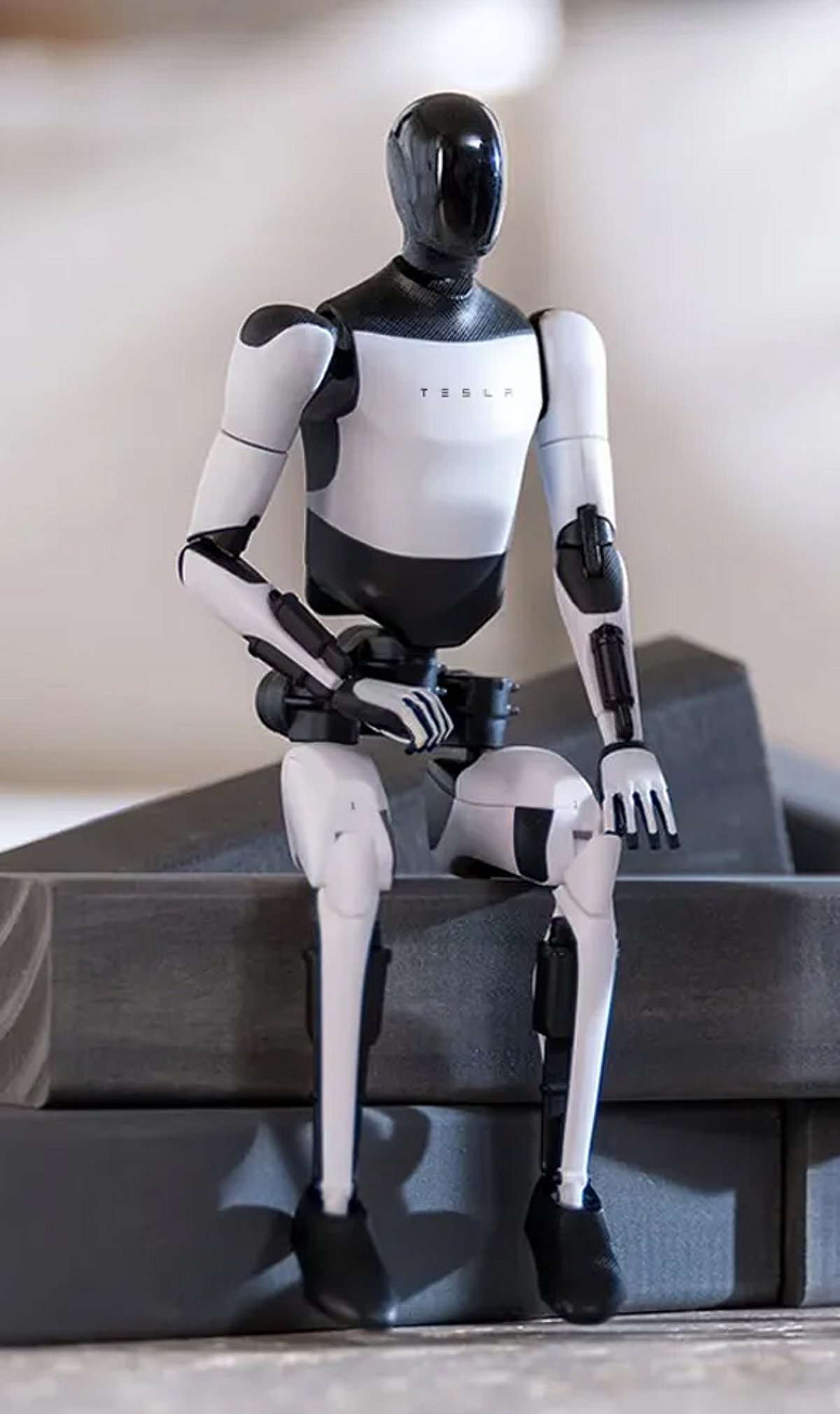
    Tesla’s humanoid robot, Optimus, has already demonstrated a wide range of practical skills, from walking independently to assisting with household chores. Here are 10 things Tesla Optimus can already do, showcasing its rapid progress in robotics and artificial intelligence.

    • Walk Independently: Optimus can walk steadily across different surfaces using advanced balance systems and AI-powered movement coordination for stable navigation.
    • Carry Objects: The robot lifts, carries, and transports everyday items carefully, demonstrating practical usefulness in warehouses, factories, and future household environments.
    • Sort Items: Optimus identifies, categorizes, and organizes objects using computer vision, making repetitive industrial and logistics tasks more efficient and accurate.
    • Perform Factory Tasks: Tesla designed Optimus to handle repetitive manufacturing jobs, reducing human workload while increasing productivity across production facilities and assembly lines.
    • Climb Small Steps: The robot navigates slight elevation changes and steps with improved stability, expanding mobility across real-world indoor environments effectively.
    • Use Human-Like Hands: Advanced robotic hands grip delicate and heavy objects precisely, enabling versatile performance in numerous practical everyday applications.
    • Respond to Voice Commands: AI-powered speech recognition allows Optimus to understand instructions and complete assigned tasks through natural voice interactions efficiently.
    • Learn Through AI Training: Optimus continuously improves movement and task performance using artificial intelligence models trained on real-world human demonstrations and experiences.
    • Assist with Household Chores: Tesla envisions Optimus helping with cleaning, organizing, carrying groceries, and other repetitive household responsibilities in the near future.

    These capabilities mark significant strides toward a versatile, general-purpose robot that could transform industries and daily life. Stay tuned for more updates on Tesla Optimus.

  • Top Advanced Humanoid Robots Shaping the Future of Automation and AI

    Top Advanced Humanoid Robots Shaping the Future of Automation and AI

    The field of humanoid robotics has seen remarkable advancements, with robots now capable of performing complex tasks in industrial, research, and commercial settings. Below is a look at the world’s most advanced humanoid robots and their unique capabilities.

    Tesla Optimus

    Designed to handle repetitive workplace tasks, Tesla Optimus leverages advanced artificial intelligence, autonomous movement, and human-like dexterity for industrial applications worldwide.

    Figure 02

    Built for manufacturing environments, Figure 02 combines AI reasoning, natural conversations, precise manipulation, and autonomous task execution inside modern industrial facilities.

    Boston Dynamics Atlas

    Boston Dynamics Atlas demonstrates remarkable agility through running, jumping, lifting, balancing, and performing complex physical tasks with advanced robotic intelligence and control.

    Unitree G1

    Unitree G1 offers affordable humanoid robotics featuring agile movement, AI-powered capabilities, and versatile applications across research, education, and commercial development environments.

    Agility Robotics Digit

    Engineered for warehouse logistics, Agility Robotics Digit can lift packages, navigate obstacles, and assist human workers with repetitive operational tasks efficiently.

    Sanctuary AI Phoenix

    Sanctuary AI Phoenix focuses on general-purpose intelligence, enabling robots to perform human-like tasks using advanced AI reasoning and adaptable physical capabilities daily.

    Engineered Arts Ameca

    Engineered Arts Ameca is famous for lifelike facial expressions, realistic interactions, advanced conversational abilities, and demonstrations that showcase human-robot communication and emotional engagement effectively.

    Xiaomi CyberOne

    Xiaomi CyberOne combines AI vision, speech recognition, human motion sensing, and balanced walking to demonstrate China’s progress in humanoid robotics innovation.

    UBTECH Walker S2

    Developed for smart factories, UBTECH Walker S2 integrates autonomous mobility, object handling, collaborative operations, and intelligent manufacturing support with advanced robotic capabilities.

  • 2030 Robotics Forecast: Top Trends Driving the Industry’s Next Decade

    2030 Robotics Forecast: Top Trends Driving the Industry’s Next Decade

    The robotics industry is undergoing a profound transformation. No longer confined to rigid, pre-programmed tasks, modern machines are learning, adapting, and collaborating with humans at an unprecedented pace. Driven by advances in artificial intelligence, sensor technology, and declining hardware costs, the sector is poised for explosive growth. By 2030, experts predict the global robotics market will surpass $110 billion, with some estimates reaching beyond $200 billion. Here are the top ten predictions shaping the future of robotics.

    1. Humanoid Robots Become Mainstream

    Humanoid robots, designed to navigate environments built for people, are moving from research labs into commercial settings. By 2030, these machines will be common in factories, warehouses, hotels, and healthcare facilities. Industry forecasts suggest that at least one million humanoid robots could be deployed between 2026 and 2030, though specialized robots will still outperform them in many specific tasks.

    2. AI Becomes the Brain of Every Robot

    Artificial intelligence is transforming robots from simple tools into intelligent agents. Future robots will understand voice commands, recognize objects, and make real-time decisions. The intelligent robotics market is projected to grow from $13.99 billion in 2025 to $50.33 billion by 2030, a compound annual growth rate (CAGR) of 29.2 percent.

    3. Collaborative Robots Work Alongside Humans

    Collaborative robots, or cobots, are designed to operate safely with people without extensive safety barriers. Their ease of use and lower cost make them accessible to small and mid-sized businesses. With the global stock of industrial robots reaching 4.664 million units in 2024—a 9 percent increase from the prior year—automation continues to drive productivity and address labor shortages.

    4. Smart Factories Achieve Greater Autonomy

    Factories are integrating robots, sensors, cameras, and software into unified systems that can adapt to changing demand, equipment issues, or supply chain disruptions. Digital twins and machine vision enhance quality control. Asia leads this trend, accounting for 66.6 percent of the global industrial robotics market in 2024, fueled by strong manufacturing growth and automation investments.

    5. Healthcare Robots Expand Their Role

    Robots are increasingly assisting in surgery, transporting supplies, disinfecting rooms, and supporting rehabilitation. An aging population and healthcare worker shortages are driving demand. The service robotics market is expected to grow from $26.35 billion in 2025 to $131.9 billion by 2034, at a CAGR of 19.8 percent.

    6. Warehouse Automation Accelerates

    E-commerce growth is pushing warehouses to process orders faster. Autonomous mobile robots, robotic picking systems, and smart inventory tools are becoming essential. The warehouse robotics market is forecast to rise from $6.51 billion in 2025 to $25.41 billion by 2034, a CAGR of 16.8 percent.

    7. Robot Teams Tackle Complex Tasks

    Future workspaces will rely on teams of robots that share information and coordinate tasks. This approach improves resilience—if one robot fails, others can step in. Annual industrial robot installations now exceed 500,000 units, roughly double the rate from a decade ago.

    8. Edge AI Boosts Robot Performance

    Edge AI enables robots to process data locally, reducing latency and enhancing privacy. This is critical for applications in factories, hospitals, and remote locations. The industrial robotics market could reach $60.6 billion by 2030, with edge computing and AI as key drivers.

    9. Digital Twins Speed Up Development

    Digital twin technology creates virtual replicas of machines and production lines, allowing engineers to test and refine robotic systems before deployment. This reduces costs and risks. As AI advances, digital testing will become a standard part of robot development.

    10. Robotics Becomes a Massive Global Industry

    The convergence of smarter AI, cheaper hardware, and labor shortages is fueling demand across manufacturing, healthcare, logistics, agriculture, retail, and construction. The global robotics market is expected to exceed $110 billion by 2030, and with software and service robots included, could top $200 billion. Robotics is set to become one of the most lucrative and influential technology sectors of the decade.

  • Top AI Healthcare Stocks and ETFs to Watch in 2026: Intuitive Surgical, Tempus AI, and More

    Top AI Healthcare Stocks and ETFs to Watch in 2026: Intuitive Surgical, Tempus AI, and More

    Artificial intelligence is rapidly reshaping the healthcare sector, with applications in robotic surgery, diagnostics, medical imaging, drug discovery, genomics, and clinical workflow automation. Investors can gain exposure through individual stocks or diversified ETFs. Here’s a look at the leading opportunities.

    Intuitive Surgical

    Intuitive Surgical is the maker of the da Vinci robotic surgery system, widely used in minimally invasive procedures. The stock offers exposure to surgical automation and data-driven operating rooms. In Q1 2026, the company reported revenue of $2.77 billion, up 23% year-over-year, with adjusted earnings of $2.50 per share. Both the da Vinci and Ion systems saw procedure growth of 17% and 39%, respectively, and 431 new da Vinci systems were installed globally.

    Tempus AI

    Tempus AI uses AI and medical data to enable precision medicine, focusing on oncology, cardiology, radiology, and depression. Listed on Nasdaq under ticker TEM in 2024, the company specializes in diagnostics and genome sequencing. While the opportunity is large—precision medicine requires integrating genomic, clinical, and imaging data—Tempus remains a growth-stage business, so investors should monitor revenue growth, margins, cash burn, and adoption rates.

    GE HealthCare

    GE HealthCare provides AI exposure through medical imaging and hospital technology at scale. The company operates four segments: medical imaging, ultrasound, patient care solutions, and pharmaceutical diagnostics. It has acquired AI firms such as Caption Health (2023) and Intelligent Ultrasound’s clinical AI business (2024). Trading near $64, about 27.77% below its 52-week high of $89.77, GE HealthCare offers a less momentum-driven AI healthcare play.

    AI Healthcare ETFs

    For diversified exposure, consider these ETFs:

    • Global X Robotics and Artificial Intelligence ETF (BOTZ) – $3.52 billion AUM, 0.68% expense ratio. Includes industrial robotics, autonomous systems, and medical robotics, with holdings like Intuitive Surgical.
    • First Trust Nasdaq Artificial Intelligence and Robotics ETF (ROBT) – 114 stocks, 0.65% expense ratio. Broader exposure across tech, industrials, and healthcare, including Tempus AI and Illumina.
    • ROBO Global Robotics and Automation Index ETF (ROBO) – $2.05 billion AUM, 0.95% expense ratio. Targets robotics, automation, and AI across healthcare, life sciences, and industrials, with no single oversized holding.

    Final Thoughts

    Intuitive Surgical offers robotic surgery exposure; GE HealthCare provides scale in hospital technology; and Tempus AI targets high-growth precision medicine. ETFs like BOTZ, ROBT, and ROBO reduce single-stock risk. A balanced strategy combining established names, ETFs, and a smaller allocation to higher-risk AI stocks may be prudent.

    Disclaimer: This article is for informational purposes only and does not constitute investment advice. Always conduct your own research before making investment decisions.