
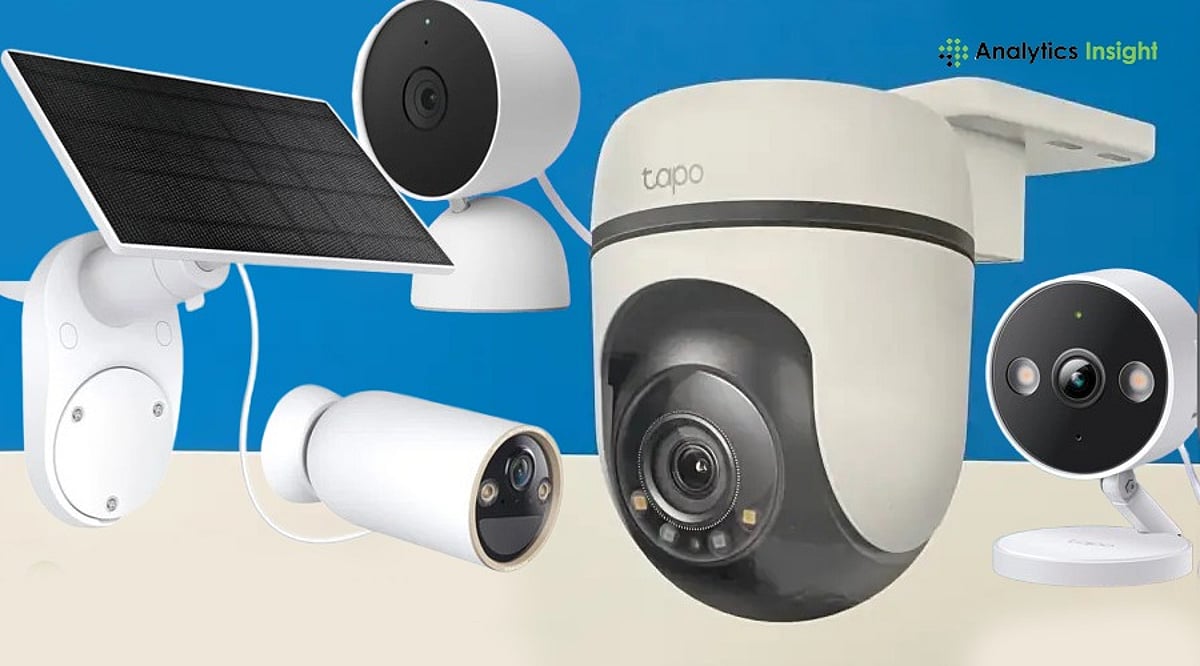
Home security cameras have evolved from simple recording devices into intelligent smart systems. Today’s models offer advanced AI-powered features such as smart motion detection, 4K Ultra HD, night vision, smartphone integration, and multi-device connectivity, providing a complete security solution for any property.
Whether you live in a city apartment, a suburban house, or a farmhouse, choosing the right camera is essential to deter intruders and protect your loved ones. This comprehensive guide helps you match buyer requirements to your specific home or office space.
Key Factors to Consider
Before buying a home security camera, it’s important to understand the features available in the market to find the most compatible product for your living space. Here are the most critical factors:
- Resolution & Image Quality: For clear footage, aim for 2K to 4K resolution.
- Storage Options: Choose between cloud subscriptions (Ring, Nest, Arlo) or local storage (Eufy, Reolink, CP Plus).
- Power Source: Wireless battery cameras are easy to install and require recharging every 3–6 months. Wired cameras need a constant power source, which can limit placement. PoE (Power-over-Ethernet) cameras are ideal for permanent setups and are extremely reliable for large homes.
- Smart Features: Look for AI detection, two-way audio, floodlights, and app control.
- Privacy & Security: Subscription-free systems reduce dependence on large tech ecosystems.
Quick Comparison
For a fast overview of popular camera types, see our comparison table below (not shown here for brevity).
Best Brand Options for Indian Homes
CP Plus 2MP Wi-Fi Smart CCTV is a trusted brand among Indian households for its reliability and adaptability to local climatic conditions. It is perfect for apartments and small homes where reliability and ease of operation are critical.
Eufy Outdoor Cameras are known for their no-subscription model and efficient memory storage. Great for families wanting to avoid recurring costs.
For large properties such as villas or farmhouses, Reolink PoE Kits provide comprehensive coverage with professional security, though installation may be more complex.
Wyze and TP-Link Tapo are affordable smart home security cameras, but they are less reliable and durable than premium brands. These options help Indian homeowners balance cost, convenience, and long-term security needs.
Risks & Trade-offs
Depending on your requirements and budget, certain trade-offs may be unavoidable. Being aware of them helps you optimize risk and make an informed decision.
- Subscription Costs: Over five years, subscription fees can exceed hardware costs (₹40,000–₹1,50,000 for four cameras).
- Privacy Concerns: Cloud-based systems raise data security issues.
- Installation Complexity: PoE and floodlight cameras often require professional assistance.
- Internet Reliability: In India, local storage systems are more resilient to outages.
Final Thoughts
Choosing the best home security camera is about more than specs—it’s about peace of mind, adaptability, and long-term value. Whether you opt for a budget-friendly Wi-Fi model, a subscription-free system with local storage, or a professional-grade PoE kit, the best camera fits your lifestyle and protects what matters most. Investing in a reliable security setup today ensures your home stays safe, smart, and ready for future technological changes.
Frequently Asked Questions
- Which type of home security camera is best for Indian homes? Wireless Wi-Fi cameras are ideal for apartments and small homes, while PoE cameras offer reliable, long-term security for larger houses, villas, and farmhouses.
- Do home security cameras work without an internet connection? Yes. Cameras with local storage (microSD cards or NVR systems) can continue recording without the internet. However, remote viewing and instant alerts typically require an internet connection.
- Are subscription-based security cameras worth it? Subscription plans provide cloud storage, advanced AI detection, and extended video history. If you prefer avoiding recurring costs, cameras with local storage are a better option.
- What resolution should I choose? A 2K or 4K camera is recommended for clear footage and better facial recognition. Higher resolutions capture more detail but require more storage.
- Which features should I prioritize? Look for AI motion detection, night vision, two-way audio, smartphone app support, weather resistance for outdoor use, and secure storage options to ensure comprehensive protection.
Leave a Reply