Tag: SpaceX

  • SpaceX Leads MEXC RealStocks’ Debut Month with Nearly 30% of Trading Volume

    SpaceX Leads MEXC RealStocks’ Debut Month with Nearly 30% of Trading Volume

    MEXC, a leading zero-fee digital asset trading platform, has released the first-month trading insights for its newly launched RealStocks product. The feature allows eligible users to purchase real US stocks and ETFs through a licensed securities broker partner. Launched on June 1, 2026, RealStocks quickly showed distinct trading patterns, with one event-driven name—SpaceX (ticker: SPCX)—capturing massive consensus and AI-related interest spreading beyond the most obvious tickers.

    According to the data, SPCX accounted for 29.70% of June’s total trading volume and 29.06% of trading users, finishing far ahead of every other asset. The simultaneous rise in both metrics indicates that SpaceX attracted not just heavy volume from a narrow group of aggressive traders, but also broad participation from a wide user base placing modest orders—making it the firmest consensus holding of RealStocks’ opening month.

    Seven AI-related assets—AAOI, MU, NVDA, MRVL, DRAM, AVGO, and SNDK—together accounted for 23.67% of total trading volume. These names span GPU compute, memory and storage, data center networking, and optical communications, reflecting how investor interest traveled well beyond the single best-known compute name and followed data center demand into its supply chain—a pattern that echoes the wider AI capital rotation seen across markets in June.

    Three distinct trading structures emerged over the month:

    • Well-known large caps: AAPL, MSFT, INTC, and GOOGL drew broad participation and widened overall user coverage.
    • Core hot assets: SPCX, NVDA, MU, TSLA, SNDK, and MRVL combined wide participation with heavy activity.
    • Narrower industry-chain names: AAOI, DRAM, STRC, and AVGO reached the top 10 by volume without reaching the top 10 by users, meaning fewer traders each contributed more. MRVL exemplifies this split, drawing 2.12% of trading users but 3.15% of volume.

    Similar themes surfaced on both RealStocks and MEXC’s futures products: SPCX, MU, NVDA, SNDK, and MRVL ranked in the top 10 by volume for both. However, concentration diverged sharply. RealStocks’ top 10 assets made up 57.71% of volume versus roughly 84.94% for futures, leaving 42.29% of RealStocks volume spread across everything outside the leaderboard. AAOI, DRAM, TSLA, and AVGO placed high on RealStocks but ranked lower on futures, and STRC has no corresponding futures product.

    “Futures follow the news cycle. RealStocks showed conviction as a portfolio product,” said Vugar Usi, CEO of MEXC. “More than 40% of first-month volume sat outside the top ten names. That is portfolio building, not headline trading. Our users finally got real access to this market and they used it like investors.”

    RealStocks supports USDT funding, charges 0 trading fees, and delivers the ownership rights attached to real shares—including eligible dividend distributions. The product is supported by Atomic Vaults Securities (AVS), a FINRA-registered broker-dealer, providing access to real U.S. equities through regulated securities infrastructure. Over 120,000 users signed up during the first month; more than half of those new accounts went on to make a first deposit. As of July 27, 2026, RealStocks had settled dividends for 154 stocks and ETFs.

    Alongside RealStocks, MEXC offers more than 260 stock and index futures products, tokenized US equities, and a Pre-IPO Launchpad—covering derivatives, on-chain exposure, and early-stage opportunities within a single account.

  • 9 Pioneering Companies Building the Future of Space Hotels

    9 Pioneering Companies Building the Future of Space Hotels

    The dream of spending a vacation in orbit is moving closer to reality thanks to a growing roster of ambitious companies. From rotating space stations with artificial gravity to luxury hotel modules and inflatable habitats, these nine organizations are leading the charge to make space hospitality a tangible experience.

    1. Voyager Space

    Voyager Space is developing Starlab, a commercial space station designed to support future space tourism and orbital hospitality services.

    2. Orbital Assembly Corporation

    Orbital Assembly Corporation plans to build rotating space stations with artificial gravity, aiming to create the world’s first true space hotel experience.

    3. Axiom Space

    Axiom Space is constructing private space station modules, laying the foundation for luxury stays beyond Earth in the coming years.

    4. Blue Origin

    Blue Origin is expanding private spaceflight through reusable rockets, bringing future orbital tourism and space hotel access closer to reality.

    5. SpaceX

    SpaceX’s Starship could transport large numbers of passengers, making commercial space hotels more practical and affordable for future travelers.

    6. Sierra Space

    Sierra Space develops inflatable habitat technology designed for commercial stations, supporting comfortable living spaces for future orbital visitors worldwide.

    7. Vast

    Vast is creating Haven-1, a private space station designed to host astronauts today while supporting future commercial tourism opportunities.

    8. Hilton Hotels & Resorts

    Hilton partners with Voyager Space, contributing hospitality expertise to help shape guest experiences aboard future commercial space stations worldwide.

    9. Above: Space Development Corporation

    Above: Space Development Corporation is designing artificial gravity stations that could redefine long-term stays and luxury accommodation in Earth’s orbit.

  • Alphabet Reveals $94.1 Billion SpaceX Stake Under Full Trading Lock-Up

    Alphabet Reveals $94.1 Billion SpaceX Stake Under Full Trading Lock-Up

    Alphabet has disclosed that its SpaceX investment was valued at approximately $94.1 billion at the end of the second quarter. This holding makes the Google parent one of SpaceX’s largest outside shareholders.

    The disclosure follows SpaceX’s listing on NASDAQ in June. The filing explains how market gains boosted Alphabet’s reported profit without adding cash to its accounts. Currently, Alphabet cannot sell any part of the position because all shares remain under short-term or long-term trading restrictions.

    Alphabet’s SpaceX Stake Reaches $94.1 Billion

    Alphabet’s quarterly filing shows that about $80 billion of SpaceX shares carry short-term restrictions on the ability to sell. Another $14.1 billion remains restricted through the third quarter of 2027. Together, these two groups cover the full reported position.

    The investment dates back to January 2015, when Google and Fidelity invested a combined $1 billion in SpaceX, receiving a stake of just under 10% at the time. Later funding rounds and SpaceX’s public offering reduced Alphabet’s ownership percentage through dilution.

    The filing provides the stake’s dollar value but does not disclose an ownership percentage. Published estimates range from about 4% to 6%, based on valuation and share-count methods. SpaceX stock has since fallen below its $135 IPO price, so Alphabet’s position is now worth less than its reported June 30 value.

    Unrealized Gain Boosts Alphabet’s Quarterly Profit

    Alphabet recorded a $99 billion gain on equity securities during the quarter. The company stated that the increase mainly came from unrealized gains tied to SpaceX and another private company investment, which media reports have identified as AI developer Anthropic.

    Alphabet’s net income rose to $112.1 billion, with earnings reaching $9.11 per share. Revenue increased 24% from a year earlier to $119.8 billion. Google Cloud revenue rose 82% to $24.8 billion during the same period.

    However, the equity gain did not provide cash for Alphabet’s daily operations or investment plans. The company adjusted the value of the holdings on its balance sheet without selling the shares. Future price changes can raise or lower the reported value.

    Meanwhile, Alphabet reported negative free cash flow of $5.9 billion. It also raised its 2026 capital spending forecast to between $195 billion and $205 billion, mainly to support data centers, servers, networking equipment, and other AI infrastructure.

    SpaceX Lock-Up Releases Start in August

    SpaceX priced its initial public offering at $135 per share and began trading under the SPCX ticker on June 12. The company later confirmed that the offering raised about $85.7 billion after underwriters exercised their option for additional shares.

    SpaceX plans to publish its first quarterly results as a public company after the market closes on August 4. Its lock-up schedule starts releasing some restricted shares on August 6, two full trading days after the earnings report.

    Alphabet has not announced plans to sell its shares when the first restrictions expire. A separate $14.1 billion group will stay restricted through September 2027, limiting how much of the position Alphabet can convert into cash. SpaceX shares recently traded near $112, below both the IPO price and their June peak.

    This decline lowers the market value of Alphabet’s holding. Later quarterly filings will record changes based on SpaceX’s share price and any shares that Alphabet sells after the restrictions end.

  • Elon Musk Fuels Tesla-SpaceX Merger Speculation in Q2 Earnings Call – What Investors Should Know

    Elon Musk Fuels Tesla-SpaceX Merger Speculation in Q2 Earnings Call – What Investors Should Know

    Elon Musk reignited speculation about a potential merger between Tesla and SpaceX during Tesla’s second-quarter earnings call, declining to rule out a future deal. The comments came as the two companies already share projects across batteries, artificial intelligence, and advanced manufacturing.

    “We can’t talk about combining companies on an earnings call,” Musk said, adding that any merger discussion would require a formal corporate process. Tesla General Counsel Brandon Ehrhart described SpaceX as an important business partner, noting several mutually beneficial transactions, but did not confirm any active review of a merger.

    Musk’s Comments Renew Merger Debate

    Musk acknowledged growing operational overlap between Tesla and SpaceX during the call. Investors have long debated the merits of combining the two companies. Gene Munster of Deepwater Asset Management said the remarks increased his confidence in a future combination, possibly within several years.

    JPMorgan analysts pointed to shared talent, AI infrastructure, and manufacturing knowledge, suggesting those links could reduce some operational barriers. SpaceX President Gwynne Shotwell said in June that combining Musk’s companies could simplify management.

    Existing Collaborations and Synergies

    Tesla and SpaceX already cooperate on batteries, engineering, AI, and advanced manufacturing. They are jointly developing Terafab, a semiconductor facility aimed at producing chips for AI systems. Both companies rely on large computing networks and specialized engineering teams, with Musk leading strategy across both entities.

    Some Tesla investors envision a broader technology group encompassing vehicles, robotics, energy, satellites, and AI. However, no timeline, valuation, or transaction structure has been announced.

    Tesla Q2 Earnings Mixed; Focus Shifts to Spending

    The merger discussion followed Tesla’s mixed second-quarter results. Revenue reached $28.24 billion, beating the $26.32 billion estimate. Adjusted earnings of $0.33 per share missed analyst expectations of $0.50. Tesla shares fell about 6% in premarket trading.

    Vehicle deliveries rose 25% year-over-year to 480,126 units. Energy storage deployments hit 13.5 GWh, up from 8.8 GWh in the prior quarter. Capital spending is expected to exceed $25 billion this year, funding Robotaxi, Optimus, Cybercab, and AI data centers. Free cash flow was negative $1.09 billion, better than the expected negative $3.64 billion.

    Regulatory and Governance Hurdles Remain

    Any Tesla-SpaceX merger would face intense regulatory scrutiny in the U.S. and other major markets, especially China. SpaceX’s close ties with the U.S. government and defense agencies could raise national security concerns during foreign reviews. Governance is also a key issue: Musk controls a larger voting stake in private SpaceX than in public Tesla, potentially raising questions about valuation and minority shareholder treatment. Independent directors and shareholder approval would be critical.

    For now, neither company has announced a merger process. Musk’s comments only left the possibility open while cooperation continues.

  • SpaceX Stock Price Target Set at $300 by Morgan Stanley Amid AI and Starlink Growth Prospects

    SpaceX Stock Price Target Set at $300 by Morgan Stanley Amid AI and Starlink Growth Prospects

    Morgan Stanley has issued a $300 price target for SpaceX stock, marking one of Wall Street’s highest valuations for the newly public company. Analyst Adam Jonas initiated coverage with an ‘Overweight’ rating, describing $300 as the firm’s base case. As of July 20, SpaceX shares traded at $123.99, below the $135 IPO price set on June 12.

    The target implies approximately 142% upside from the current market price. However, Morgan Stanley employed an ‘intentionally wide’ valuation range, with a bear case of $75 and a bull case of $600. This wide spread reflects the numerous projects that must meet growth and cost targets over many years.

    AI Growth Drives Morgan Stanley’s Optimism

    Morgan Stanley projects SpaceX revenue will surge from $18.7 billion in 2025 to $319 billion by 2030—growth of about 17 times within five years. The bank forecasts revenue could reach $3.3 trillion by 2040, with AI services contributing a significant share.

    The forecast extends beyond rocket launches and Starlink internet services. Morgan Stanley’s model includes terrestrial data centers, enterprise AI services, satellite connectivity, and orbital computing. SpaceX’s acquisition of xAI in February integrated the Grok developer and its computing assets into the wider company.

    In its IPO filing, SpaceX presented a $28.5 trillion total addressable market, with approximately $26.5 trillion coming from AI-related markets and the remaining $2 trillion from space and connectivity. These figures represent the full market SpaceX could serve, not company revenue forecasts.

    Orbital Data Centers Underpin Long-Term Case

    SpaceX plans to leverage Starship and large satellite networks to support computing infrastructure in orbit. The company has discussed placing AI data centers above Earth, where satellites could use solar power and avoid land, power, and cooling constraints faced by ground facilities.

    However, this plan depends on Starship achieving regular and lower-cost operations. SpaceX postponed its 13th Starship test on July 16 after an engine issue triggered an automatic abort, causing shares to extend their decline and close below the IPO price for a second session.

    Starship also supports future Starlink launches. Larger satellites and higher launch capacity could expand broadband coverage and carry more computing equipment. Morgan Stanley treats launch reliability, satellite deployment, and AI demand as interconnected components of the $300 valuation.

    Valuation and Supply Risks Loom

    SpaceX reported a $4.9 billion net loss on $18.7 billion of revenue in 2025. The stock climbed as high as $225.64 after the IPO before losing more than 40% from that peak. The current market price values the company near $1.63 trillion.

    The stock faces potential selling pressure from share lockup expirations after the company reports second-quarter results. Reports indicate approximately 1.37 billion shares could become eligible for sale. While eligible shares do not always enter the market, a larger tradable supply can add volatility.

    Morgan Stanley’s $300 target rests on long-range estimates rather than current earnings. The $75 to $600 range illustrates how the valuation changes under different launch, AI, and cash-flow assumptions. SpaceX’s earnings reports, Starship tests, and AI contracts will provide fresh data for these forecasts. The stock remains sensitive to launch updates.

  • SpaceX Stock Dips Below IPO Price as Lockup Expirations Loom

    SpaceX Stock Dips Below IPO Price as Lockup Expirations Loom

    SpaceX (SPCX) closed at $135.27 on Wednesday, barely above its $135 initial public offering price after touching an intraday low of $132.28. This marks the first time the stock has closed below its IPO price since its Nasdaq debut on June 12.

    Investors are now bracing for a series of scheduled share unlocks and the company’s inaugural quarterly earnings report, both of which are expected to significantly influence trading activity in the weeks ahead. Currently, only about 5% of SpaceX shares are available for public trading, with the vast majority of insider holdings still under lockup restrictions.

    Limited Share Supply Faces Major Change

    SpaceX entered public markets with nearly 95% of its shares locked, leaving a thin float that supported an early rally and pushed the company’s valuation beyond $2.6 trillion shortly after its debut.

    That structure is about to shift. SpaceX plans to release additional 7% tranches during August and September, followed by a larger release after the third-quarter earnings report later this year.

    Elon Musk’s holdings, however, are subject to separate restrictions. His 6.4 billion shares remain locked until June 2027, exempting his stake from the early-release schedule.

    Earnings Report Will Trigger the First Unlock

    Analysts expect SpaceX to publish its first quarterly earnings during the first week of August. That reporting period will activate the first major lockup expiration, allowing insiders to sell roughly 20% of previously restricted shares. An additional 10% becomes eligible if the stock meets a performance requirement: closing at least 30% above the $135 IPO price, or $175.50, during five of the ten trading days before the earnings release. Currently, SPCX trades well below that threshold, so the extra early release has not yet qualified.

    More Shares Will Enter the Market Through December

    SpaceX’s IPO filings outline additional unlock dates after the first earnings release. The company will release another 7% of locked shares after 70, 90, 105, 120, and 135 days following the IPO. After third-quarter earnings, another 28% of pre-IPO shares will become eligible for sale.

    The standard 180-day lockup expires on December 8. Some investors follow extended schedules that continue into 2027. Elon Musk controls about 40% of the company’s equity and roughly 85% of its voting power, and his holdings remain locked until mid-June 2027.

    The stock has failed to regain momentum after joining the Nasdaq-100, and shares remain well below earlier highs. Even so, some technical analysts continue to watch for a possible move toward $158.

    What’s Next?

    SpaceX stock closed below its IPO price for the first time since listing, as upcoming earnings and scheduled share unlocks move into focus. Several lockup expirations will increase the available share float, while Elon Musk’s holdings remain locked until 2027. Investors will closely monitor the next earnings report for further market direction.

  • Space Tourism in 2025: Suborbital Flights, Orbital Hotels, and What’s Next for Vacationers

    Space Tourism in 2025: Suborbital Flights, Orbital Hotels, and What’s Next for Vacationers

    The dream of vacationing beyond Earth is closer than ever. Over the past few years, private aerospace companies have turned what was once science fiction into a tangible — albeit pricey — reality. From minutes-long suborbital hops to plans for orbital hotels, the space tourism industry is rapidly evolving. Here’s a breakdown of current achievements, ongoing challenges, and the road ahead.

    Suborbital Flights Are Here

    Several companies now offer brief space experiences that provide passengers with weightlessness and breathtaking views of Earth before safely returning within minutes. These suborbital journeys mark the first step toward making space accessible to civilians.

    Orbital Hotels on the Horizon

    Private firms are developing commercial space stations where future tourists could stay for extended vacations. These orbital habitats promise comfort and spectacular views from beyond Earth’s atmosphere, setting the stage for longer stays in space.

    Reusable Rockets Lower Costs

    Advances in reusable launch technology are significantly reducing the cost per mission. By recovering and refurbishing rocket stages, companies like SpaceX have made commercial space travel increasingly affordable over the coming years.

    Blue Origin and Virgin Galactic Lead the Way

    Blue Origin has successfully flown paying passengers on suborbital journeys, proving that commercial space tourism is already a reality. Virgin Galactic offers civilian spaceflights that reach the edge of space, allowing passengers to experience microgravity before returning to Earth.

    SpaceX’s Grand Ambitions

    SpaceX aims to enable longer orbital missions and ultimately support human travel to the Moon and Mars for adventurous explorers. Their Starship vehicle is designed to carry large numbers of people and cargo, opening the door to deep-space tourism.

    High Ticket Prices Remain a Barrier

    Current space vacations are extremely expensive, limiting access mainly to wealthy travelers. Until technology reduces overall operational costs, space tourism will remain a luxury experience.

    Safety Improvements Are Ongoing

    Engineers continue to enhance spacecraft reliability, emergency systems, and passenger safety standards. Before space vacations become mainstream, rigorous testing and certification must be completed.

    The Future of Space Vacations

    Experts believe that advancing technology, increased competition, and lower launch costs will gradually make recreational space travel more widely available. As the industry matures, the dream of a holiday among the stars may become accessible to a broader population.

  • SpaceX Stock Plunges 33% From Peak, Nears $135 IPO Price Amid Valuation Worries

    SpaceX Stock Plunges 33% From Peak, Nears $135 IPO Price Amid Valuation Worries

    SpaceX shares closed at $136.08 on Tuesday, July 14, marking a third consecutive daily decline and putting the stock just $1.08 above its initial public offering price of $135. The drop represents a 33% fall from the post-listing peak of $225.64, erasing nearly $850 billion in market value according to Bloomberg estimates.

    SpaceX Stock Tests Key IPO Level

    The stock’s slide has brought the $135 IPO price back into focus. A move below that level would put early buyers in a losing position, particularly concerning given that retail investors received roughly 20% of the IPO allocation. The stock already trades below its opening price of $150 and its first-day close of $160.95, despite being added to the NASDAQ-100 through fast-entry rules last week.

    High Valuation and New Supply Add Pressure

    SpaceX trades at an estimated forward price-to-sales ratio above 30 times, among the highest in the NASDAQ-100. The valuation has drawn increased scrutiny as technology shares face broader questions about growth expectations. Additionally, a staggered lock-up schedule will release insider shares over the coming months, potentially adding supply. Ken Mahoney, CEO of Mahoney Asset Management, noted, “We still don’t think SpaceX has found its low,” citing the need for sufficient market demand to absorb new shares.

    Wall Street Targets Stay Well Above the Price

    Despite the recent decline, Wall Street analysts remain broadly supportive. Over 80% of analysts covering SpaceX recommend buying, with an average price target of $236.25—more than 70% above Tuesday’s close. However, early volatility is common among large tech listings; a Truist Wealth review of 30 major technology IPOs over 15 years found an average maximum first-year decline of 55%. Some investors may view the $135 area as an attractive entry point after missing the IPO allocation. Talley Leger, chief market strategist at Wealth Consulting Group, said he may consider buying if the decline continues. The coming sessions will test whether demand holds near the offer price as insider supply approaches.

  • Musk and Altman Exchange Public Insults as AI Rivalry Heats Up

    Musk and Altman Exchange Public Insults as AI Rivalry Heats Up

    The long-standing public feud between Elon Musk and OpenAI CEO Sam Altman escalated again this week, with both leaders trading pointed insults on X (formerly Twitter). The exchange, which began on July 11, quickly went viral, drawing millions of views and sparking widespread discussion across the platform.

    The latest round started when Musk reshared an old post labeling Altman a “scammer,” adding his own comment: “He takes scamming to a whole new level.” Altman responded with a humorous jab at billionaires who dream of building cities on other planets—a clear reference to Musk’s SpaceX ambitions. Altman’s post read: “homeboy you’re the one selling public market investors on short-term space datacenters.”

    The exchange highlights the deepening rift between two of the most influential figures in technology. Musk co-founded OpenAI in 2015 but left the board in 2018; he now runs xAI, a competing artificial intelligence venture. Altman has led OpenAI through its meteoric rise, including the launch of ChatGPT and GPT-4.

    Beyond personal jabs, the spat reflects a fundamental philosophical divide. Musk has long championed making humanity a multi-planetary species through SpaceX. Altman, meanwhile, believes AI will be the most transformative tool ever created, reshaping work, education, science, and daily life. Their exchange essentially asked: which vision matters more—colonizing space or mastering intelligence on Earth?

    Social media users quickly turned the exchange into memes, screenshots, and reaction threads. The feud has become part of internet culture, with each new post generating more viral content than the last. What began as a business disagreement now plays out in real time on a global stage, where humor often travels faster than serious arguments.

    As both leaders push forward with competing AI initiatives—Musk’s xAI and Altman’s OpenAI—every public interaction between them draws intense scrutiny. This latest round shows that their rivalry is not just about technology, but about two competing visions for the future of humanity.

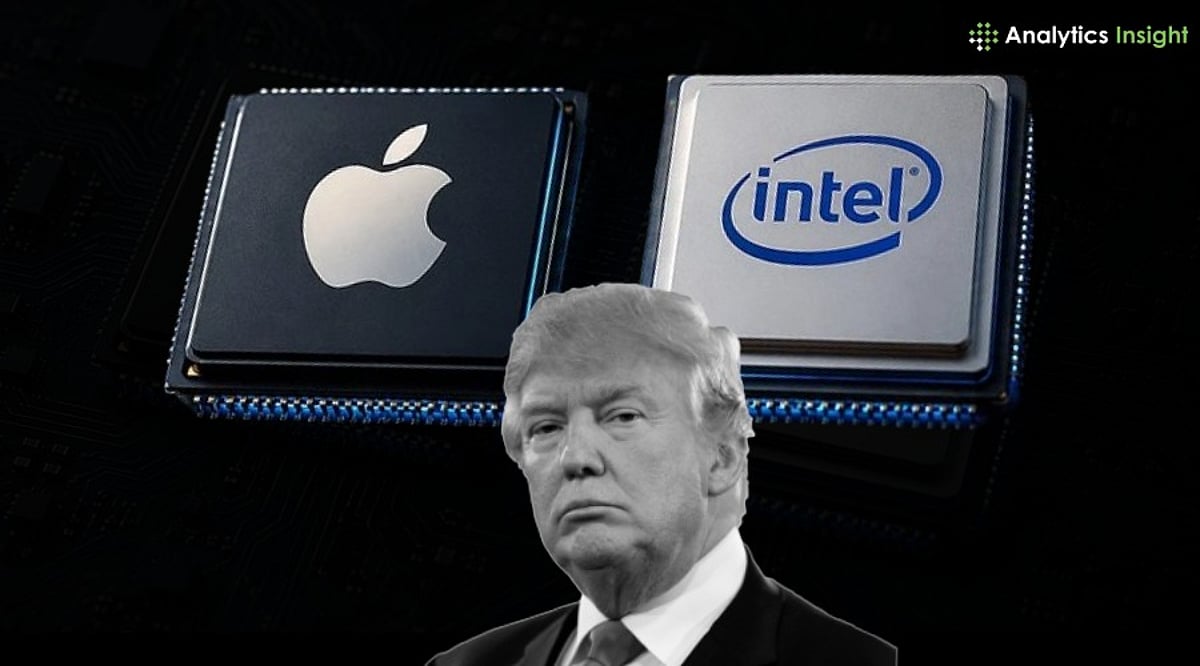
  • White House Urges Apple, NVIDIA, and SpaceX to Boost Intel’s US Chip Production

    White House Urges Apple, NVIDIA, and SpaceX to Boost Intel’s US Chip Production

    The Trump administration has taken an active role in Intel’s recovery, urging major US technology companies to invest in or work with the chipmaker. Apple, NVIDIA, and SpaceX have entered talks or partnerships with Intel as Washington seeks to expand semiconductor production within the United States.

    This support has improved Intel’s access to capital and raised demand for its processors. However, the company’s contract manufacturing business still relies heavily on work from Intel’s own product units. Outside foundry revenue remains small compared with the wider manufacturing division.

    White House Presses Tech Firms to Back Intel

    President Donald Trump and Commerce Secretary Howard Lutnick urged Apple Chief Executive Tim Cook to use Intel’s US factories during talks over proposed semiconductor tariffs. Apple later reached a preliminary agreement for Intel to manufacture selected chips, though large-scale production may take several years.

    Washington also converted about $8.87 billion in federal funding into an equity position of roughly 10% in Intel, making the US government the company’s largest shareholder. NVIDIA subsequently invested $5 billion, while SoftBank added $2 billion. Officials also encouraged Intel to work with NVIDIA and SpaceX.

    Meanwhile, Intel Chief Executive Lip-Bu Tan reorganized engineering teams and shifted spending toward equipment for advanced production and packaging. Intel also recruited managers with experience at Samsung Electronics and SK Hynix.

    Server Sales Rise as Intel Posts a Loss

    Intel reported first-quarter revenue of $13.6 billion, up 7% from one year earlier. Data Center and AI revenue rose 22% to $5.1 billion as cloud and AI customers bought more Xeon processors. Intel still recorded a net loss of $3.7 billion, partly linked to restructuring charges.

    The company expects second-quarter revenue between $13.8 billion and $14.8 billion and projects adjusted earnings of $0.20 per share. Tan said AI inference is ‘significantly increasing the need for Intel’s CPUs and wafer and advanced packaging offerings.’

    Additionally, Intel expanded its work with Google Cloud. The companies agreed to use Intel Xeon processors across AI, inference, and general computing tasks. The agreement gives Intel a large processor customer, though it does not establish Google as a major outside buyer for Intel’s foundry plants.

    Outside Foundry Revenue Stays Limited

    Intel Foundry reported $5.4 billion in first-quarter revenue, up 16% from a year earlier. Most of that amount came from Intel’s internal product groups. External foundry revenue reached only $174 million, compared with $31 million in the same quarter of 2025.

    The increase mainly came after Altera became an outside customer following its separation from Intel. Intel’s filing said the change accounted for much of the $143 million annual rise. Chief Financial Officer David Zinsner described the outside sales as ‘legacy business that we have mainly on the wafer side.’

    Intel has identified external foundry growth as a key long-term strategy. The company has secured capital, processor agreements, and government support, but first-quarter figures show that third-party manufacturing orders have not yet become a major source of revenue.