Tag: Stock Market

  • SK Hynix Stock Jumps 13% on Nasdaq Debut After Record $26.5 Billion IPO

    SK Hynix Stock Jumps 13% on Nasdaq Debut After Record $26.5 Billion IPO

    SK Hynix shares surged nearly 13% in their Nasdaq debut on Friday, marking a strong entry into the U.S. market for the South Korean chipmaker. The company’s American depositary receipts opened at $170 and closed at $168.01, well above the $149 offer price.

    The $26.5 billion raised through the sale sets a record for the largest U.S. initial share offering by a foreign company. The listing gives American investors direct access to one of the leading suppliers of memory chips for artificial intelligence systems, amid a busy IPO market.

    Record-Breaking $26.5 Billion Sale

    SK Hynix sold 177.9 million American depositary receipts, with each ADR representing one-tenth of a common share. Demand exceeded available shares by more than seven times, according to reports, allowing the company to price the offer at $149 per ADR.

    The shares traded under the temporary ticker SKHYV during Friday’s when-issued session. Nasdaq said the ticker will change to SKHY on Monday, July 13, when regular trading begins. The company’s main stock market listing will remain on the Korea Exchange.

    AI Memory Demand Fuels Investor Interest

    SK Hynix leads the market for high-bandwidth memory (HBM), a type of chip placed close to advanced processors. HBM provides AI systems with quick access to data for complex computing tasks. Nvidia uses the technology in graphics processors built for data centers.

    Chairman Chey Tae-won said customer demand has remained high as companies expand AI infrastructure. “The demand is enormous, exponentially,” he said. He added that customers asked for more supply after SK Hynix announced plans to double production capacity within five years.

    The company supplies major technology firms, including Nvidia and Apple. Its regulatory filing indicates it holds 56.4% of the HBM market. Samsung Electronics and Micron Technology also produce HBM and storage chips for servers, phones, computers, and other electronic devices.

    New Funding Targets Factories and Equipment

    SK Hynix plans to use the proceeds from the U.S. offering to finance factories and production equipment. The company is expanding capacity as memory shortages raise prices and limit supply across the technology sector. New chip plants take several years to build and prepare for production.

    Part of the expansion includes a $4 billion advanced packaging facility in Indiana. The company also plans large manufacturing projects in South Korea, including a chip cluster in Yongin. These sites will support production of HBM and other memory products for AI servers.

    Memory manufacturing has a long history of sharp supply cycles. High demand can lead chipmakers to add capacity, while later oversupply can push prices lower. SK Hynix said newer uses, including AI agents and robots, require more memory than earlier computing systems.

    The U.S. listing follows a steep rise in SK Hynix’s Korea-listed shares. The stock gained 634% over the past year, supported by higher memory prices and AI spending. Friday’s Nasdaq debut broadens the company’s investor base while its Seoul listing remains active.

  • Meta Stock Surges on AI Monetization Plans and Data Center Expansion in 2026

    Meta Stock Surges on AI Monetization Plans and Data Center Expansion in 2026

    Meta Platforms stock rebounded strongly on Friday as investors welcomed fresh details about the company’s artificial intelligence revenue strategy, data center investments, and competitive model pricing. Shares climbed approximately 6% on the day and posted a nearly 15% weekly gain—the best weekly performance since early 2024.

    The rally erased Meta’s year-to-date losses. The stock had been under pressure due to concerns over rising capital expenditure and slower-than-expected returns from AI investments. The latest updates provided Wall Street with clearer signals on how Meta intends to convert its heavy infrastructure spending into new revenue streams beyond advertising.

    Meta Explores AI Cloud Business

    CEO Mark Zuckerberg revealed that Meta is considering renting AI computing power to external customers, noting that demand for the company’s compute capacity is “so high that it may make sense” to offer access through a cloud business. While the plan remains in early stages, it could involve providing access to AI chips and servers or hosting models for enterprises that need additional computing power. This move would position Meta in direct competition with Amazon Web Services, Microsoft Azure, and Google Cloud.

    Demand for computing capacity is rising as users adopt chatbots, coding tools, and agentic systems. Meta already invests heavily in data centers to support Facebook, Instagram, advertising, and AI tools. A cloud offering could generate revenue from the same infrastructure that supports its core platforms.

    Muse Spark 1.1 Introduces Paid Model Access

    Meta released Muse Spark 1.1, a new AI model optimized for coding and agentic workloads, and introduced pricing for developer access. The company will charge $1.25 per million input tokens and $4.25 per million output tokens—significantly lower than Anthropic’s Claude Opus 4.8, which costs $5 per million input tokens and $25 per million output tokens. This aggressive pricing may appeal to developers seeking cost-effective tools for coding, workflow automation, and AI agents.

    Tokens are units of text processed by AI models. Input tokens cover user prompts and commands, while output tokens cover the model’s responses. Lower token prices help developers manage costs when applications handle large volumes of text.

    Earlier in the week, Meta also launched Muse Image, an image generation model targeting creators, advertisers, and subscription products. Together, Muse Image and Muse Spark 1.1 demonstrate Meta’s expanding portfolio of AI tools for both business users and developers.

    Data Centers and Custom Chips Shape the Spending Debate

    Meta announced a new data center in Alberta, Canada, as part of its global infrastructure build-out. The facility will support the company’s growing needs for AI training and model delivery.

    Meanwhile, Meta is advancing its custom AI chip, Iris, with production expected to begin in September. Iris is part of Meta’s effort to reduce costs and gain greater control over the hardware powering its AI systems.

    Capital spending remains a key investor concern. Meta previously guided 2026 capital expenditure as high as $145 billion, raising questions about the pace at which AI investments will generate returns. However, Bank of America analyst Justin Post noted that Meta “may have engineered significant cost savings” in data center capacity, supporting the view that the company could manage its AI build-out at a lower cost than anticipated.

    These developments—combined with AI cloud services, competitive model pricing, infrastructure expansion, and custom chip progress—have renewed investor confidence in Meta’s ability to turn its AI strategy into tangible revenue growth.

  • S&P 500 Heads for Weekly Gain as Meta Rallies on AI Cost Savings and Circle Soars on OCC Nod

    S&P 500 Heads for Weekly Gain as Meta Rallies on AI Cost Savings and Circle Soars on OCC Nod

    The U.S. stock market moved in a narrow range on Friday, with the S&P 500 holding near the flatline as Wall Street wrapped up a largely positive week. The benchmark index is on track for a weekly gain of nearly 1%, while the Nasdaq Composite is set to rise more than 1%. The Dow Jones Industrial Average lagged slightly, heading for a weekly loss of less than 1%.

    Investors weighed a sharp rally from the previous session, driven by cooling oil prices and a temporary easing of Middle East tensions. President Donald Trump said Iran had called to make a deal, and officials from Qatar and Pakistan are working to restart talks between Washington and Tehran. “The muted stock market reaction to the re-escalation of Iran tensions this week is prime evidence that the market is looking past geopolitical tensions,” said Clark Bellin, president and chief investment officer at Bellwether Wealth.

    Chip Stocks Weaken Ahead of SK Hynix NASDAQ Debut

    Chip stocks traded lower ahead of SK Hynix’s U.S. market debut on the Nasdaq. The South Korean memory-chip maker priced its American depositary receipts at $149 each, raising $26.5 billion. The listing underscores strong investor demand for a major supplier in the AI chip supply chain. Micron Technology fell around 3%, while Marvell Technology and Lam Research lost more than 1%. Intel dropped nearly 3%, and Broadcom also traded lower. The iShares Semiconductor ETF declined 1.2%, and the VanEck Semiconductor ETF lost 0.8%.

    Meta Rallies on AI Cost Report

    Meta Platforms stood out among large technology stocks, rising nearly 6% on Friday and extending its five-session advance to more than 14%. The move placed Meta on track for its strongest weekly gain since February 2024. Bank of America maintained its buy rating after reviewing details tied to Meta’s AI infrastructure plans. According to Reuters, Meta plans to begin production of an in-house AI chip in September as part of a broader plan to double computing capacity. “Meta may have engineered significant cost savings to get capacity cost per MW well below our and Street expectations,” Bank of America analyst Justin Post wrote.

    Circle Shares Jump After OCC Approval

    Circle Internet Group shares surged more than 12% after the stablecoin issuer received final approval from the U.S. Office of the Comptroller of the Currency to establish a national trust bank. The approval moves Circle further into the regulated U.S. banking system, supporting its USDC infrastructure and adding federally regulated custody. Reserve management is planned as a future capability.

    Economy and Stocks Move at Different Speeds

    The stock market’s performance continues to diverge from the broader economy. The S&P 500 rose nearly 10% in the first half of 2026, while the Dow gained almost 9% over the same period. Meanwhile, economists say U.S. growth has slowed. “I think there’s this widespread perception the two should be in sync,” said Joe Seydl, senior markets economist at J.P. Morgan Private Bank. “But, from a purely analytical perspective, they’re two very different phenomena.” Mark Zandi, chief economist at Moody’s, added, “We’re growing. We’re not in recession. But we’re not going anywhere quickly.”

    For Friday’s session, investors focused on weekly gains, chip stock weakness, Meta’s rally, Circle’s bank approval, and the first trading day for SK Hynix in the United States.

  • Swiggy Shares Slip to Rs 273.29 as Foreign Ownership Dips Below 50%, Analysts Eye Long-Term Gains

    Swiggy Shares Slip to Rs 273.29 as Foreign Ownership Dips Below 50%, Analysts Eye Long-Term Gains

    Swiggy shares ended Friday at Rs 273.29 on the NSE, down 2.73% from the prior close, as profit-taking followed a recent rally. Despite the dip, the stock remains in focus after the company disclosed that foreign shareholding fell below the critical 50% threshold, a shift analysts believe strengthens its long-term prospects.

    Key Ownership Milestone

    Swiggy informed stock exchanges that total foreign shareholding has dropped to 49.76%, with domestic holdings rising to 50.24%. Crossing this mark makes Swiggy eligible for Indian-Owned and Controlled Company (IOCC) status under FEMA guidelines. While the change does not immediately affect operations, it grants greater regulatory flexibility, especially in sectors with foreign investment caps.

    Market Response and Profit Booking

    The ownership news initially sparked aggressive buying earlier in the week, pushing the stock into bullish technical territory with high volumes. However, Friday’s decline suggests traders are locking in gains after the sharp run-up. Analysts view this as a normal correction following news-driven moves.

    Technical Indicators Improve

    From a chart perspective, Swiggy is showing signs of base formation after months of weakness. Sustained buying will be needed to confirm a stronger upward trend, but momentum indicators are improving.

    Quick Commerce Remains Key Growth Driver

    Beyond ownership changes, Swiggy’s long-term appeal hinges on its expanding quick-commerce ecosystem. The company continues to invest heavily in Instamart, dark stores, and logistics to compete with Blinkit and Zepto. India’s online grocery and food delivery market is growing in both user base and order value.

    Risks to Watch

    Swiggy operates in one of India’s most competitive internet markets. Key risks include:

    • Ongoing pricing pressure from rivals
    • High capital expenditure on dark stores
    • Lagging profitability due to aggressive growth
    • Elevated market expectations after the recent bounce
    • Potential impact on consumer discretionary spending

    Outlook

    Swiggy’s shift to majority Indian ownership gives it strategic freedom and strengthens its position in the digital commerce landscape. While Friday’s fall reflects profit-taking, the broader narrative remains intact. If the company balances growth with improving profitability, it could emerge as a compelling long-term bet in India’s consumer tech space. Analysts will closely watch upcoming quarterly results and quick-commerce execution.

  • FTSE 100 Climbs 30 Points on US-Iran Diplomatic Hopes and Falling Oil Prices; Vodafone Surges 10.32%

    FTSE 100 Climbs 30 Points on US-Iran Diplomatic Hopes and Falling Oil Prices; Vodafone Surges 10.32%

    The FTSE 100 opened 30 points higher at 10,503 on Friday, buoyed by growing diplomatic optimism between the US and Iran that eased investor concerns over the Middle East conflict. The positive sentiment was further supported by a decline in oil prices, with Brent crude futures falling 0.83% to $75.71 a barrel and US West Texas Intermediate (WTI) dropping 0.74% to $71.55 a barrel.

    Sterling strengthened against both the dollar and the euro, trading at $1.3424 early Friday compared to $1.3397 at the London equities close on Thursday, and rising to €1.1736 from €1.1717 a day earlier.

    Gainers & Losers

    Top Gainers: Vodafone Group led the rally, soaring 10.32% to £107.85, after UAE telecom operator e& Group agreed to sell its entire 16.3% stake in Vodafone for $5.95 billion to an investment vehicle controlled by Xavier Niel’s family at a 13% premium to Vodafone’s last close. BT Group advanced 1.60% to £190, International Consolidated Airlines Group gained 1.52% to £473.40, Rio Tinto moved higher by 1.35% to £6,765, Airtel Africa added 1.31% to £325.80, and British Land climbed 1.29% to £424.60.

    Top Losers: On the downside, AstraZeneca declined 1.29% to £13,182, St. James’s Place slipped 6.81% to £1,177.50, Next fell 0.38% to £14,480, Admiral Group moved lower by 1.09% to £3,634, Coca-Cola HBC dropped 0.70% to £4,858, and Lion Finance Group eased 0.26% to £11,510.

    Political Developments

    In political news, Andy Burnham moved closer to becoming Prime Minister after hundreds of Labour MPs formally nominated him to succeed Keir Starmer as party leader. Burnham appeared on course to become Labour leader unopposed after the party said 322 of its 403 MPs backed his candidacy on the first day of nominations. The process closes on July 16, with Burnham set to be confirmed as Labour leader the following day if no challenger emerges.

    Mergers & Acquisitions

    Apollo has agreed to buy EasyJet in a deal valued at £5.7 billion, usurping an earlier bid from asset manager Castlelake. EasyJet said it had accepted an all-cash offer from the US investment giant valuing the airline at £714 a share, an 80% premium on the airline’s closing share price. The carrier stated that Apollo’s bid “delivers a superior outcome for EasyJet shareholders.”

    Corporate News

    Vodafone shares jumped after e& Group agreed to sell its entire 16.3% stake in Vodafone for $5.95 billion to Vega, an investment vehicle controlled by the family of French telecommunications entrepreneur Xavier Niel, at 112.5 pence per share—a 13% premium to Vodafone’s last close.

    Hays reported that it expects profit for the 2026 financial year to come in at the higher end of market estimates after cost cuts offset another quarter of weak recruitment activity. The recruiter said like-for-like net fees fell 5% in the three months to June 30, with temporary and contracting fees falling 3% and permanent fees dropping 7% as hiring declined through the quarter.

    Global Market View

    In the US, the tech-heavy Nasdaq climbed 1.3%, the S&P 500 added 0.8%, and the Dow Jones inched up 0.3%. In Asia, Tokyo’s Nikkei 225 rose 1.2% to 68,557.73, while China’s Shanghai Composite fell 1%. Hong Kong’s Hang Seng climbed 0.65%, and Australia’s S&P/ASX 200 rose 0.5%. In India, Nifty 50 and Sensex declined by 0.92% and 0.98%, respectively.

    Disclaimer: This article is provided for informational purposes only and does not constitute investment advice. You are responsible for conducting your own research before making any investments.

  • Nifty 50 Targets 24,200, Sensex Aims for 77,000 as Middle East Tensions Ease

    Nifty 50 Targets 24,200, Sensex Aims for 77,000 as Middle East Tensions Ease

    Indian equity markets are poised for a positive open on Friday, buoyed by easing geopolitical tensions in the Middle East and strong global cues. GIFT Nifty is trading at 24,110, up 111 points from the previous Nifty futures close, signaling a gap-up start for the session.

    On Thursday, the Sensex advanced 238.22 points (0.31%) to settle at 76,741.82, while the Nifty 50 gained 80.75 points (0.34%) to close at 23,962.80. The Indian rupee also strengthened, opening 13 paise higher at 95.26 against the US dollar.

    Foreign institutional investors (FIIs) were net sellers in Indian equities on July 9, offloading shares worth Rs. 334.72 crore. In contrast, domestic institutional investors (DIIs) remained buyers, investing Rs. 1,285.25 crore during the same period.

    Sensex Outlook

    Technically, the Sensex formed a small-bodied candle with a longer upper shadow on the daily chart, indicating selling pressure at higher levels. Hitesh Tailor, Technical Research Analyst at Choice Equity Broking, noted, “Going ahead, 76,000-76,200 is expected to act as an immediate support zone, while 77,000-77,300 remains the key resistance range for Sensex. The broader trend remains cautiously positive as long as Sensex sustains above the 76,000-76,200 support zone. A decisive move above 77,000-77,300 could strengthen bullish momentum and pave the way for further upside, while failure to cross this hurdle may keep Sensex range-bound with intermittent profit booking.”

    Nifty 50 Outlook

    The Nifty 50 formed an inverted hammer candle on the daily chart, suggesting the market is pausing after recent volatility rather than entering a fresh downtrend. According to Bajaj Broking Research, “Going ahead, we believe the index holding above the support area of 23,800—being the almost identical lows of the last three weeks—will lead to consolidation in the range of 23,800-24,350. Within the consolidation range, Thursday’s low of 23,925 is crucial; holding above the same will lead to a pullback towards 24,200 levels in the coming session.”

    For Friday, 23,925 remains a key level to watch. If the Nifty stays above it, the index could attempt to move towards 24,200. However, if geopolitical tensions intensify and the Nifty falls below 23,800, selling pressure could increase and drag the index towards the 23,500-23,600 zone.

    Bank Nifty Outlook

    On Thursday, Bank Nifty rose 509.85 points (0.90%) to close at 57,252.45, forming a small bullish candle that remained inside the previous session range, signaling consolidation. Bajaj Broking noted, “A weakness below Wednesday’s low of 56,550 will open downside towards the key short-term support of 55,500-55,000 levels. On the higher side, only a move above 58,000 will signal resumption of the up-move; failure to do so will lead to some consolidation in the range of 55,500-58,000 levels. The daily stochastic remains in a downtrend signal, indicating immediate corrective bias.”

    Disclaimer: This article is for informational purposes only and does not constitute investment advice. Readers are encouraged to conduct their own research before making any investment decisions.

  • Indian Stock Market Surges: Sensex Gains 805 Points, Nifty50 Crosses 24,200 Led by IT Rally

    Indian Stock Market Surges: Sensex Gains 805 Points, Nifty50 Crosses 24,200 Led by IT Rally

    The Indian stock market traded higher on July 10, 2026, as global market strength lifted investor confidence. IT stocks led gains, while pharma declined. Several IPOs also remained open for subscription.

    Key Takeaways

    • Nifty50 gained 250 points to 24,212.40, while Sensex rose 804.59 points to 77,546.41.
    • IT stocks led the rally, with Tech Mahindra, HCLTech, and Tata Consultancy Services as the top gainers.
    • Laser Power & Infra, Devson Catalyst, Happy Steels, and Kusumgar IPOs remained in focus.

    The Indian stock market traded higher on Friday, July 10, 2026, as positive signals from global markets helped investor confidence. A strong rally in chip stocks across international markets created a better mood among investors. This support helped both benchmark indices move higher during the trading session.

    At the time of writing, the Nifty50 traded at 24,212.40. The index gained 250 points, which means a rise of 1.04 percent. The Sensex also moved up sharply. It added 804.59 points, or 1.05 percent, and reached 77,546.41. The strong rise in both indices showed healthy buying across several sectors.

    Global Market Support Helps Indian Shares

    Global equity markets gave strong support to Indian stocks on Friday. A rally in chip stocks across major international markets improved investor confidence. This positive trend spread across different markets and helped Indian equities trade with strength.

    Investors also showed interest in sectors that usually perform well when global technology stocks move higher. As a result, buying remained strong in technology shares throughout the session. The positive trend in overseas markets also reduced concerns about short-term market pressure.

    IT Stocks Lead the Market Rally

    Information technology stocks became the biggest drivers of the day’s market gains. The Nifty IT index rose 3 percent and emerged as the best-performing sector during the session. Strong buying in leading IT companies pushed the sector much higher than the rest of the market.

    Tech Mahindra became one of the top gainers in the Nifty50 index. HCLTech also traded with solid gains, while Tata Consultancy Services joined the list of top performers. The rise in these large technology companies gave strong support to the benchmark indices and helped the market stay in positive territory.

    Mid and Small-Cap Stocks Stay Positive

    The positive mood was not limited to large-cap stocks. The broader market also remained in the green during the session. This showed that buying interest spread across different company sizes.

    The Nifty MidCap index rose 0.7 percent, while the Nifty SmallCap index gained 0.6 percent. These gains suggested that investors also looked at companies beyond the benchmark indices. A healthy rise in the broader market often reflects wider participation and better overall market sentiment.

    Metal and Consumer Durable Shares Perform Well

    Apart from information technology, a few other sectors also posted healthy gains. The Nifty Metal index traded higher as investors showed interest in metal companies. Better global sentiment supported buying in this space.

    The Nifty Consumer Durables index also performed well during the trading session. Demand for stocks from this sector remained healthy and helped the index move higher. Strong performance across several sectors added strength to the overall market and supported the gains in the benchmark indices.

    Pharma and Healthcare Stocks Face Pressure

    While many sectors traded with gains, not every part of the market performed well. The Nifty Pharma index remained under pressure and became one of the weakest sectoral indices during the session.

    The Nifty Healthcare index also traded lower. Selling in these sectors limited gains in some parts of the market. Even with this weakness, the strong performance in IT, metal, and consumer durable stocks kept the overall market firmly in positive territory.

    IPO Market Remains Active

    The primary market also stayed busy on Friday, with several public issues open for subscription.

    The Laser Power & Infra initial public offer (IPO) entered its second day of subscription. The company aims to raise Rs. 742 crore from the primary market. Investors continued to watch the issue closely as the subscription process moved ahead.

    Devson Catalyst IPO also entered its second day of subscription. This is a book-built issue worth Rs. 42.32 crore. Happy Steels IPO reached its second day as well. It is another book-built issue with a total size of Rs. 25 crore.

    Meanwhile, Kusumgar IPO entered the final day of subscription. The company seeks to raise Rs. 650 crore from the primary market. The public issue consists only of an offer for sale (OFS), which means existing shareholders plan to sell their shares through the IPO instead of the company issuing new shares.

    Market Outlook

    Friday’s trading session reflected strong optimism across the Indian stock market. Positive global cues, especially the rally in chip stocks, lifted investor confidence and supported buying in key sectors. The Nifty50 and the Sensex both posted gains of more than 1 percent, with technology stocks leading the advance.

    At the same time, gains in the Nifty MidCap and the Nifty SmallCap indices showed that buying spread across the broader market. Although pharma and healthcare stocks traded lower, strong performance in IT, metal, and consumer durable shares kept the overall market on a positive path. Investors also kept a close watch on the active IPO market, where several public issues remained open for subscription.

  • TCS Stock Surges 4% on Q1FY27 Beat: Should Investors Buy, Sell, or Hold?

    TCS Stock Surges 4% on Q1FY27 Beat: Should Investors Buy, Sell, or Hold?

    Tata Consultancy Services (TCS) shares surged over 4% on Friday, July 10, following the release of the company’s Q1FY27 earnings. The stock rose to Rs. 2,132 on the BSE and hit a high of Rs. 2,133.30 on the NSE after opening at Rs. 2,105.20.

    While the rally is a welcome reprieve, TCS shares have struggled recently, falling 2% over the past month, 16% over three months, 33% over six months, and 38% over the past year.

    Q1FY27 Results at a Glance

    TCS reported a consolidated net profit of Rs. 13,349 crore for the quarter ended June, a near 5% year-on-year increase from Rs. 12,760 crore. However, profit declined 3% sequentially from Rs. 13,718 crore in the March quarter.

    Revenue from operations rose 14% YoY to Rs. 72,275 crore from Rs. 63,437 crore, and grew 2% sequentially from Rs. 70,698 crore. The company’s operating margin stood at 24%, with a net margin of 19.2%.

    TCS also recorded a strong total contract value of $9.5 billion in the quarter. Its AI revenue run rate hit an annualized $2.6 billion, representing 13.6% quarter-on-quarter growth.

    The Board announced an interim dividend of Rs. 12 per share, with a record date of July 15, 2026, and payment on July 31, 2026.

    Management Commentary

    TCS CEO and Managing Director K. Krithivasan highlighted the company’s resilience amid geopolitical and macroeconomic headwinds. “Q1 FY27 reflects continued growth momentum and the strength of our strategic positioning… We delivered a strong order book of $9.5 billion, including a marquee AI-led transformation deal with SKF, while continuing to add clients across key revenue bands and scaling our AI business to a $2.6 billion annualized revenue run rate,” he said.

    Krithivasan added, “As customers accelerate investments in AI, modernization, cybersecurity, sovereign cloud, and platform simplification, our strong deal conversion, improving client mining, and expanding ecosystem partnerships position TCS well to translate opportunity into sustained growth.”

    Brokerage Views Remain Divided

    Nomura maintained a ‘Buy’ rating on TCS, raising its target price to Rs. 2,590, citing “reasonable growth visibility” from deal bookings. Centrum Broking also kept a ‘Buy’ rating with a target of Rs. 3,480, noting record deal wins and enterprise adoption of AI-driven transformation.

    Anand Rathi retained a ‘Buy’ rating with a target of Rs. 2,408, pointing to “resilient deal bookings and improving revenue conversion.” In contrast, 360 ONE Capital maintained a ‘Hold’ rating with a target of Rs. 2,290, warning that re-rating may be limited in the near term due to AI disruption, pricing pressure, and weak macro conditions.

  • Top Pharmaceutical Stocks to Watch for Long-Term Growth in 2026

    Top Pharmaceutical Stocks to Watch for Long-Term Growth in 2026

    Investors seeking stable, long-term returns often turn to the pharmaceutical sector, which benefits from consistent demand, innovation, and global expansion. Here are some of the most promising pharma stocks for long-term growth in 2026.

    • Sun Pharma – India’s largest pharmaceutical company continues expanding globally with strong specialty drug portfolios and consistent financial performance.
    • Dr. Reddy’s Laboratories – Diversified product offerings and an international presence make it a reliable long-term pharmaceutical investment opportunity.
    • Cipla – Strong respiratory, chronic care, and global generic medicine business support steady long-term growth prospects.
    • Lupin – Focus on specialty medicines and expanding global markets strengthens Lupin’s long-term revenue and innovation potential.
    • Aurobindo Pharma – Robust manufacturing capabilities and diversified exports position the company for sustained pharmaceutical sector expansion.
    • Torrent Pharmaceuticals – A healthy domestic market presence and consistent earnings growth make Torrent an attractive long-term healthcare stock.
    • Divi’s Laboratories – A leading pharmaceutical ingredient manufacturer that benefits from growing global demand and long-term supply partnerships.
    • Zydus Lifesciences – Innovation, biosimilars, and expanding international operations support strong future growth across multiple healthcare segments.
    • Alkem Laboratories – Consistent domestic performance, an expanding product portfolio, and a strong distribution network enhance long-term investment potential.

    These companies represent a mix of established leaders and innovative players in the Indian pharmaceutical landscape, making them compelling choices for investors looking toward 2026 and beyond.

  • SpaceX Stock Slips Below IPO Price as Blue Origin Raises $10 Billion to Expand Space Operations

    SpaceX Stock Slips Below IPO Price as Blue Origin Raises $10 Billion to Expand Space Operations

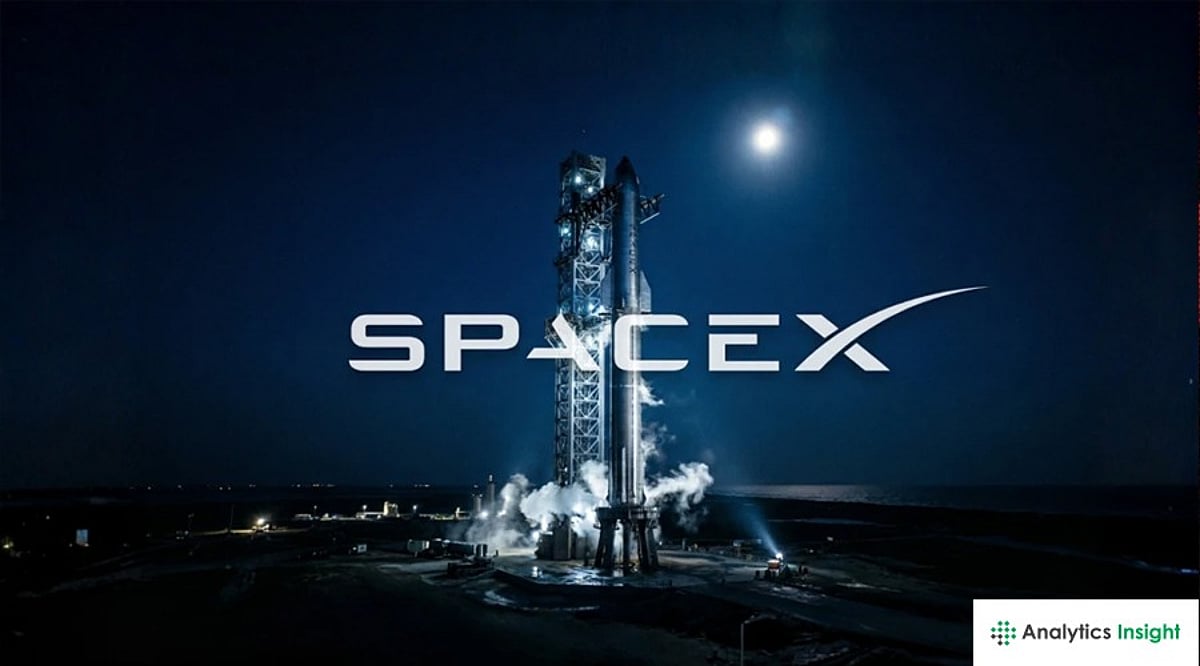
    SpaceX shares dropped below their IPO opening price this week, closing at $148 on Wednesday after a two-day decline following the company’s inclusion in the NASDAQ-100 index. The stock touched an intraday low of $145.20 before recovering some losses. The decline came as rival Blue Origin moved to raise $10 billion in outside capital at a reported $130 billion valuation, intensifying competition in the space launch and satellite connectivity markets.

    SpaceX’s IPO opened at $150 per share in June after the company raised $85.7 billion, including the greenshoe option. The stock reached a closing high of $201.80 on June 16 but has since pulled back. Analysts attribute the decline to a post-IPO adjustment phase, where early demand cools and investors test valuation support. Despite the drop, most analysts remain bullish, with price targets above $200. Morgan Stanley rates the stock overweight with a $300 target, while Bernstein, RBC, and UBS initiated coverage with positive ratings.

    Analysts point to SpaceX’s leadership in reusable rockets, launch services, and Starlink satellite internet, as well as potential growth from AI tools, orbital data centers, and broader space infrastructure. Morgan Stanley’s Adam Jonas described SpaceX as more than a rocket company, noting its ability to connect launch economics, satellite networks, and AI infrastructure into a single business model.

    Meanwhile, Blue Origin is seeking outside funding for the first time in its 25-year history. The Jeff Bezos-backed company is raising $10 billion, including $4 billion from Coatue Management, $4 billion from other large investors, and $2 billion from Bezos himself. The raise follows a difficult period that included a New Glenn rocket explosion during a static engine test that damaged its only launch pad. Bezos told CNBC in May that the company has enough visibility into its future to bring in outside investors. Blue Origin also plans to operate TeraWave, an enterprise satellite connectivity service, using New Glenn rockets to launch satellites into medium and low Earth orbit.

    Amazon is preparing its own satellite internet service, Amazon LEO, which would compete with Starlink in consumer connectivity, but TeraWave targets large business customers. The funding signals Blue Origin’s push to strengthen its capital base as competition in launch services and satellite internet intensifies. SpaceX still leads in satellites in orbit, but Blue Origin is working to build a stronger position across rockets and connectivity.