Tag: Stock Market

  • Goat Academy Review: Felix Prehn’s Practical Investing Skills for Everyday Investors

    Goat Academy Review: Felix Prehn’s Practical Investing Skills for Everyday Investors

    Buy-and-hold investing worked for a previous generation, but today’s markets move faster. Money shifts rapidly from one sector to the next, and investors who simply buy and wait may end up holding names that big money has already left behind. Felix Prehn, a former investment banker and economist, created Goat Academy to help everyday investors learn how professionals approach the market—using clear, plain-language lessons that teach you to follow the money rather than chase it.

    Key Takeaways

    • Index funds include both strong and weak companies; the average hides the split.
    • Lessons focus on identifying where institutional money is flowing.
    • Students learn professional tools like positioning analysis and crowded trade reversals.
    • Felix Prehn is not a registered financial adviser; the platform never recommends specific buys or sells.
    • The teaching style works for both stock pickers and index-fund investors.

    What Is Inside Your Index Fund

    When you buy an index fund, you own every company in the index—winners, losers, and names you would never choose yourself. The fund shows an average return but hides the underlying divergence. Two stocks may move in opposite directions while your statement prints a single calm number. Felix points out what Wall Street already knows: big institutions shift money between sectors rather than buying a basket and waiting a decade. Goat Academy teaches you to read where the money is flowing, so one number stops covering the true picture. Learning to read the move is the first skill the program delivers.

    The Core Skill Felix Teaches

    The core skill is simple: read where the money is going. Each week, Felix scans the entire market, sector by sector, asking one question: where is money entering, and where is it leaving? Money rarely spreads evenly; it piles into a few sectors and drains from others, even when the overall index looks calm. A record-high index only tells you that the market is up—it never reveals which sectors the money moved into. Felix teaches you to spot that movement for yourself.

    Professional Tools Students Learn

    Goat Academy breaks professional tools into plain language. Positioning analysis counts how many traders are betting on a stock rising versus falling. When a crowd is heavily on one side, pressure builds until the move snaps back in the opposite direction. Felix also explains how much cash money managers hold, because a fully invested market has little spare cash to push prices higher. He covers short selling and forced buying: a heavily shorted stock rises, sellers rush to buy back, and that buying drives the price even higher.

    How Goat Academy Teaches

    Goat Academy shares research and shows students how to think—not what to click. Felix Prehn, the founder, is not a registered financial adviser, and the platform never tells students what to buy or sell. Students also learn from coaches who focus on different parts of the market. A free investing masterclass is available before any payment is required.

    Who the Teaching Fits

    The method works for both cautious and confident learners. Cautious investors can lean on a single ETF to hold an entire sector, such as a software fund that includes more than 130 companies. Those who want more control can study individual companies with Felix’s reasoning laid out for each. The framework remains the same in either case, so anyone can follow the same steps.

    Frequently Asked Questions

    What does Goat Academy teach?

    Goat Academy provides financial education for everyday people through its flagship program, the Wall Street Protocol. The method is built on five disciplines: technical structure, capital flow analysis, condition-aware positioning, risk and exit management, and execution. Students learn to read price by rules, follow where institutional money moves, and plan entries and exits in advance. The goal is a clear, repeatable method for managing money.

    Who runs Goat Academy?

    Felix Prehn, a former investment banker and economist, founded the platform. He teaches alongside coaches who focus on different parts of the market. Together they have taught over 25,000 students.

    Is there free content to try first?

    Yes. Goat Academy publishes free educational videos on its YouTube channel, which has surpassed 670,000 subscribers, 2,700+ videos, and 80 million+ views. Beginners can also join a free trading masterclass before paying anything.

    What is the Wall Street Protocol?

    The Wall Street Protocol is the decision-making framework used at Goat Academy. It gives students a structured way to read financial markets and guides how members weigh a position before acting.

    How does the learning path work?

    Students follow a structured path from basics to advanced skills. Live coaching sessions and webinars cover current market topics. Members also join Q&A sessions and receive support to track progress each week.

    Does Goat Academy cover risk management?

    Yes, risk management is central to the teaching. Felix stresses financial literacy and clear exit strategies. Students learn how a single mispriced position can undo weeks of progress and how to avoid it.

    What kind of support do members get?

    Members gain community access and daily live sessions. Many students value the one-on-one mentoring and direct coaching. Members stay in touch through the community between sessions.

    Can I check Goat Academy reviews independently?

    Yes. Goat Academy holds a 4.6 rating on Trustpilot from over 600 reviews, growing weekly. The profile reads “Goat Academy by Felix Prehn” under the Adult Education School category.

    What is Goat Academy’s mission?

    The mission is to give everyday people the tools professionals use. Felix wants to get a million people on the path to real financial education. He shares how he thinks, and he is not a registered financial adviser.

    What do students say about the experience?

    Reviews commonly highlight the quality of the staff and their support. Members report more confidence in reading the market after working through the material. Success depends on each student’s effort and how they apply what they learn.

    Disclaimer: This article is for informational purposes only and does not constitute financial advice. Cryptocurrencies and investments mentioned may be risky. Always conduct your own research before making any investment decisions.


  • Wall Street Today: NASDAQ Declines as DeepSeek Chip Ambitions and Samsung Selloff Weigh on Sentiment

    Wall Street Today: NASDAQ Declines as DeepSeek Chip Ambitions and Samsung Selloff Weigh on Sentiment

    U.S. stocks opened mixed on Tuesday, with weakness in chip stocks dragging down the NASDAQ Composite and S&P 500. The Dow Jones Industrial Average hovered near record levels, buoyed by gains in healthcare, financials, and select large-cap names.

    Investor attention returned to the AI trade after reports emerged that China’s DeepSeek is developing its own AI chip. The news introduced fresh uncertainty about demand for U.S.-linked semiconductor names, even as Samsung posted a strong profit update.

    NASDAQ Falls as Chip Stocks Retreat

    The NASDAQ Composite opened 161 points lower, or 0.62%, at 25,960.13. The S&P 500 fell 20.8 points, or 0.28%, to 7,516.63. The Dow Jones Industrial Average rose 48.1 points, or 0.09%, to 53,104.06 at the opening bell. Later in the morning, the Dow gave back part of its early gain and traded near the flat line. The blue-chip index had earlier touched a new all-time intraday high. The S&P 500 declined 0.5%, while the NASDAQ lost 1.3% as chip selling intensified.

    DeepSeek AI Chip Report Roils Semiconductor Sentiment

    According to reports, DeepSeek is working on its own AI chip, a move that could reduce its reliance on suppliers such as NVIDIA and Samsung. NVIDIA shares traded more than 1% lower as investors assessed the implications. The selling spread across major chip names: Micron fell about 7%, while KLA, Marvell Technology, Broadcom, and AMD also posted losses. The VanEck Semiconductor ETF dropped more than 5%, reflecting broad weakness across the sector.

    Samsung Reaction Adds to Doubts About AI Earnings Bar

    The pressure originated in Asia-Pacific markets before reaching Wall Street. South Korea’s Kospi dropped nearly 5% after Samsung Electronics fell close to 7%. Samsung reported a sharp rise in second-quarter profit, but the market focused on spending plans and demand concerns. Adam Crisafulli of Vital Knowledge noted that the Samsung reaction highlights one of the biggest risks heading into earnings season: “Q2 earnings results are likely to be quite robust on an absolute basis … but unlike with the Q1 season, expectations are presently very bullish.” His comment pointed to uncertainty about whether strong earnings alone can support AI-linked stocks, given that the S&P 500 has moved significantly higher since the first-quarter reporting season.

    Dow Holds Near Record as Investors Rotate

    While chip stocks came under pressure, investors rotated into other parts of the market. Eli Lilly gained more than 2%, while JPMorgan Chase and Microsoft also advanced. Walmart added more than 2% after announcing price cuts on products such as ground beef and Coca-Cola. The rotation helped the Dow stay near 53,000 even as the NASDAQ weakened, showing that selling was concentrated in AI- and chip-linked shares rather than across the full market.

    Apple, Rivian, Amazon, and Trade Data in Focus

    Apple drew attention after JPMorgan raised its price target to $345 from $325, maintaining an Overweight rating. Analyst Samik Chatterjee said Apple’s revenue and earnings could be better than feared, even after a 20% price increase on iPads and Macs. Rivian shares fell more than 13% in morning trading after the electric vehicle maker announced a public offering of 75 million Class A shares. The drop followed a 8.1% rise on Monday and a 19% gain last week. Amazon also stayed in focus after sources said the company planned to raise $25 billion through a bond sale; its shares gained 0.8% in premarket trading.

    Meanwhile, the U.S. trade deficit widened sharply in May. The Commerce Department reported a deficit of $77.6 billion, up from a revised $54.6 billion in April. Exports fell 3.2%, while imports rose 3.3%. Economists polled by Dow Jones had expected a deficit of $78.08 billion.

    The market now shifts its attention to upcoming corporate earnings, which will determine whether the recent rotation out of AI chip stocks is temporary or the start of a broader change in investor sentiment.

  • Key Financial Policy Updates Taking Effect This Month: Taxes, UPI, Credit Cards, and More

    Key Financial Policy Updates Taking Effect This Month: Taxes, UPI, Credit Cards, and More

    A wave of financial policy changes is rolling out this month, affecting everything from income tax and bank accounts to UPI transactions, credit card rewards, and retirement savings. Here’s a quick guide to what’s changing and how it may impact your wallet.

    Income Tax Updates

    New tax provisions could alter deductions, exemptions, filing requirements, and overall tax planning strategies for eligible taxpayers nationwide. Review your withholding and consult a professional to adjust your plan.

    Bank Account Rules

    Banks may introduce revised minimum balance policies, revised service charges, upgraded digital banking features, and new customer compliance requirements. Check your bank’s notifications to avoid surprise fees.

    UPI Transaction Changes

    Updated transaction guidelines aim to enhance payment security, streamline digital transfers, improve user experience, and strengthen fraud prevention measures across the country. Users may notice new limits or authentication steps.

    Credit Card Benefits

    Several issuers are revising reward structures, cashback offers, lounge access, annual fees, and spending-based privileges. Compare your card’s new terms to ensure you’re still maximizing value.

    Fixed Deposit Rates

    Banks are adjusting fixed deposit interest rates, which influences investment returns, savings decisions, and long-term financial planning. Lock in rates now if you expect further declines.

    EPF Regulations

    Revised provident fund guidelines affect withdrawals, contributions, account management, and retirement planning for salaried employees in eligible organizations. Check your EPF statement for changes in contribution caps or withdrawal rules.

    GST Compliance Rules

    Businesses must follow updated GST compliance measures, including invoicing requirements, return filing procedures, and digital reporting obligations. Non-compliance may lead to penalties, so update your systems promptly.

    Insurance Premium Changes

    Revised premium structures and policy features are affecting health, life, and general insurance costs for both new and existing policyholders. Shop around or review your renewal notices to avoid unexpected hikes.

    Stock Market Regulations

    Updated regulatory measures strengthen investor protection, market transparency, trading efficiency, and compliance standards across financial markets this month. Stay informed about new reporting or disclosure requirements.

    Stay ahead of these changes by reviewing your finances and consulting with a professional as needed.

  • Swiggy Stock Surges 6% as Domestic Ownership Crosses 50% Mark

    Swiggy Stock Surges 6% as Domestic Ownership Crosses 50% Mark

    Swiggy’s share price jumped nearly 6% on Tuesday after the company disclosed that foreign investment had fallen below 50%, pushing domestic ownership above that critical threshold. The news boosted investor confidence and sent the stock to an intraday high of around ₹267 before closing at ₹264 on the BSE. Despite the rally, the stock remains well below its 52-week high of ₹473, and its 52-week low of ₹235.85, recorded in June 2026.

    Shareholding Structure Shift

    In a stock exchange filing dated July 7, 2026, Swiggy reported that total foreign investment—including foreign direct investment, foreign portfolio investment, and other indirect holdings—stood at 49.76% as of July 6. Consequently, domestic ownership rose to 50.24%. The update follows a failed attempt by the company to amend its Articles of Association, a move that required 75% shareholder approval but received only 72.36%. Despite that setback, Swiggy reiterated that achieving Indian Owned and Controlled Company (IOCC) status remains a key long-term objective.

    Why This Matters

    Domestic ownership exceeding 50% is a significant milestone for Swiggy. It brings the company closer to qualifying as an IOCC under Indian regulations, which could grant Instamart—Swiggy’s quick-commerce arm—greater flexibility to operate an inventory-based model. This shift may improve operational efficiency and support better profit margins over time. The company clarified that the latest disclosure does not alter its ownership structure, management, voting rights, share capital, or daily operations; it merely informs investors of the updated foreign investment level.

    Market Reaction and Outlook

    The market welcomed the development, though the stock still faces headwinds. Swiggy’s share price has gained about 5% over the past month but declined 27% in the last six months and remains roughly 20% lower year-over-year. Investors are now watching for further updates on the IOCC process, which requires additional legal and regulatory steps. The company’s long-term stock performance will ultimately depend on business growth, improved earnings, and stronger results from both its food-delivery and Instamart segments.

  • SpaceX’s Rapid NASDAQ 100 Entry Could Trigger $4.3 Billion in Passive Fund Inflows

    SpaceX’s Rapid NASDAQ 100 Entry Could Trigger $4.3 Billion in Passive Fund Inflows

    SpaceX officially joined the NASDAQ 100 index on Tuesday, July 7, 2026, just 15 trading days after its historic public market debut. The swift inclusion follows NASDAQ’s revised entry rules designed to accommodate large new listings, making the rocket and satellite company one of the fastest additions to the benchmark.

    The company’s IPO on June 12 priced at $135 per share and raised $75 billion — the largest IPO on record. With its market capitalization now above $2 trillion, SpaceX’s inclusion in the NASDAQ 100 ensures that millions of index fund investors gain automatic exposure to the stock through ETFs and mutual funds, including those tracking the Invesco QQQ complex.

    Passive Buying Pressure Expected

    J.P. Morgan estimates that the index inclusion could generate approximately $4.3 billion in passive fund inflows. This buying is driven by index rules rather than a fundamental view on the company, meaning fund managers must adjust their portfolios to match the new benchmark composition.

    However, SpaceX’s starting weight in the index will be limited. Despite its massive market cap, only about 5% of shares are freely traded. NASDAQ uses free-float market capitalization in its index calculations, keeping SpaceX’s initial weight near 1% to 1.3%.

    Volatility Risks Remain

    SpaceX shares surged after the IPO, reaching a post-listing high near $225.64 before pulling back to around $160 just ahead of the index entry. Even after the decline, the stock remains above its $135 IPO price and $150 opening price.

    Avery Marquez of Renaissance Capital noted, “IPOs are inherently volatile, and especially in those early weeks.” The small float — combined with broader market volatility — could amplify price swings. The Cboe NASDAQ 100 Volatility Index rose about 43% through Thursday, compared with an 8% rise for the Cboe Volatility Index tied to the S&P 500.

    S&P 500 Entry Still Distant

    While SpaceX has joined the NASDAQ 100, its inclusion in the S&P 500 is not imminent. S&P Dow Jones Indices requires a one-year listing and profitability standards, which SpaceX has not yet met. This gap means that passive demand from S&P 500 index funds will come later, if at all.

    Lockup expirations also loom. Early investors and employees may become eligible to sell shares in stages. Louis Navellier of Navellier & Associates said he would consider buying SpaceX after insiders sell some shares and once the company appears ready to report a profitable quarter, highlighting the uncertainty around public market performance.

  • Undervalued Stocks to Watch in July 2026: Indian and Global Opportunities

    Undervalued Stocks to Watch in July 2026: Indian and Global Opportunities

    July 2026 presents compelling opportunities in undervalued stocks across Indian and global markets. Strong earnings, reasonable valuations, and clear business growth make these companies worth watching for long-term investors.

    Overview

    Strong companies can become attractive investments when market prices stay below their true value. Indian banking, pharmaceuticals, logistics, and financial services offer several promising value opportunities. Global technology, financial, industrial, and gold companies also present attractive long-term potential.

    July 2026 has brought a new phase for stock markets. Many companies have delivered solid business results, but their share prices have not fully reflected that progress. This gap between business value and market price has created fresh opportunities for long-term investors. Instead of broad market rallies, experts now believe careful stock selection offers better chances for success.

    In India, foreign institutional investors have reduced their holdings in several large companies. Their ownership in the country’s ten biggest stocks has fallen to the lowest level seen in almost twenty years. This decline has pushed the prices of some strong businesses below their usual valuation levels. Market experts believe this situation has opened the door for investors who focus on company fundamentals instead of short-term market movements.

    Strong Indian Stocks with Attractive Valuations

    Several Indian companies stand out for their healthy financial performance and reasonable share prices. ICICI Bank is one of the strongest names in the banking sector. The bank has reported steady profit growth and continues to expand its lending business. Even after this progress, its valuation is below that of many leading international banks. Strong credit demand and retail loan growth could support future gains.

    Axis Bank also looks attractive. The bank has improved its asset quality over the last few years, while profits have continued to rise. Better operating margins have added further confidence. Despite these improvements, the stock still trades at a valuation that many analysts consider attractive.

    Sun Pharmaceutical Industries continues to show strength through stable earnings and healthy cash flow. The company’s specialty medicine business has also added new growth opportunities. Even with these positives, the stock is reasonably priced compared with its long-term potential.

    Adani Ports and Special Economic Zone is an important player in India’s logistics sector. Trade activity and cargo movement continue to support business growth. After a correction in valuation, the company now appears more attractive for long-term investors.

    Motilal Oswal Financial Services has also attracted attention. The company has delivered strong earnings and continues to expand its presence in financial services. Growth in capital market activity may support future business performance.

    Godawari Power and Ispat has maintained a healthy balance sheet and strong earnings. Infrastructure development across the country could increase demand for steel products, which may benefit the company in the coming years.

    Can Fin Homes has continued to report stable loan growth. The housing finance sector is an important part of India’s economic expansion, and the company’s current valuation appears reasonable.

    Tamilnad Mercantile Bank also deserves attention. The bank combines solid profitability with a comparatively low market valuation. Continued growth in regional banking could provide additional support for future performance.

    Global Companies Worth Watching

    Several international companies also appear undervalued based on current market conditions. Charles Schwab is a leading financial company in the United States. Market experts believe its current valuation does not fully reflect its earnings potential. As financial activity improves, the company could benefit from stronger business performance.

    Bank of America also trades below its historical valuation levels. The bank continues to report stable earnings and is one of the largest financial institutions globally. Many analysts expect future improvements as economic conditions stay stable.

    Intel continues to attract attention as a turnaround opportunity. The company has faced challenges in recent years, but investments in advanced chip manufacturing and technology development may strengthen its long-term position.

    Accenture also appears attractive despite its leadership in technology consulting. Demand for artificial intelligence services continues to rise, and the company is well placed to benefit from this trend. Many analysts believe its current valuation offers meaningful upside.

    Opportunities Beyond Technology

    The industrial and mining sectors also offer attractive opportunities. Regal Rexnord has gained attention for its role in AI infrastructure. Market experts, including Kerrisdale Capital, estimate that the company could deliver about 81% upside based on a detailed valuation study. Growing demand for data centers and industrial equipment may support future growth.

    Gold producers have also entered the spotlight. Newmont is one of the largest gold mining companies in the world. Strong cash flow and healthy gold prices continue to support its business.

    Equinox Gold also appears attractive. Stable production and supportive commodity prices have improved investor confidence. Both companies could benefit if demand for gold stays strong.

    Stocks That Analysts Currently Prefer

    Recent market reports have also highlighted CreditAccess Grameen and Lodha Developers as stocks to watch during the first week of July 2026. Analysts believe these companies offer attractive opportunities with healthy earnings expectations and supportive technical indicators. These stocks suit investors who prefer short- to medium-term market opportunities rather than deep value investing.

    Final Thoughts

    July 2026 has created several attractive opportunities across both Indian and global markets. Strong businesses with healthy earnings, stable cash flow, and solid growth plans now trade at valuations that many experts consider reasonable. Indian names such as ICICI Bank, Sun Pharmaceutical Industries, Adani Ports and Special Economic Zone, Motilal Oswal Financial Services, and Godawari Power and Ispat continue to receive positive attention.

    Among global companies, Accenture, Charles Schwab, Regal Rexnord, Newmont, and Intel are popular choices for their long-term growth potential and attractive valuations. While every investment carries some level of risk, these companies combine strong business fundamentals with clear future growth opportunities. Careful research and a long-term approach are important when evaluating any investment decision.

    FAQs

    1. What is an undervalued stock? An undervalued stock trades below its estimated true value based on business performance and financial strength.
    2. Why are undervalued stocks attractive? They may offer better long-term returns if the market later recognizes their true value.
    3. Which Indian sectors look attractive in July 2026? Banking, pharmaceuticals, logistics, housing finance, financial services, and steel stand out.
    4. Which global sectors offer value opportunities? Financial services, technology, industrial companies, and gold mining companies appear attractive.
    5. Are undervalued stocks risk-free? No. Every investment carries risk, so careful research and a long-term approach remain important.
  • S&P 500 and Nasdaq Rise on Chip Stock Rebound, Dow Slips After Record High

    S&P 500 and Nasdaq Rise on Chip Stock Rebound, Dow Slips After Record High

    U.S. stocks closed mixed on Monday as investors returned from the Independence Day holiday with renewed interest in technology and semiconductor shares. The S&P 500 and Nasdaq Composite advanced, while the Dow Jones Industrial Average slipped after briefly crossing the 53,000 threshold for the first time.

    The market’s focus remained on semiconductor stocks, Federal Reserve meeting minutes, and the start of second-quarter earnings season. Key names watched by traders included Broadcom, Apple, Microsoft, SpaceX, and SK Hynix.

    Chip Stocks Lead Nasdaq and S&P 500 Higher

    The Nasdaq Composite gained approximately 1.1%, while the S&P 500 rose 0.5% in morning trading. The Dow Jones Industrial Average fell 0.3% after briefly touching a fresh intraday record above 53,000. This divergence highlighted a split market, with technology stocks leading gains while some blue-chip names lost ground.

    Chip stocks rebounded after two weak sessions last week. The Philadelphia SE Semiconductor Index surged more than 4%, and the information technology sector led gains on the S&P 500. The recovery helped lift investor sentiment following recent pressure on AI-linked shares.

    Broadcom rose 5.7% after extending its chip supply partnership with Apple through 2031. The deal covers custom chip development and supply, giving investors another reason to return to semiconductor names. Micron Technology, Marvell Technology, Teradyne, Western Digital, and Oracle also gained as AI and data center demand remained in focus.

    Meanwhile, SK Hynix prepared to launch a U.S. listing aimed at raising approximately $28 billion. The offering added more attention to the global AI chip trade. The South Korean memory chipmaker has already drawn strong market interest this year, although its shares have also experienced sharp swings.

    Investors Watch Fed Minutes and Economic Data

    Investors also looked ahead to minutes from the Federal Reserve’s latest policy meeting. The minutes are due Wednesday and will be closely watched after the first meeting led by new Fed Chair Kevin Warsh. Traders have reduced bets on a July rate hike after last week’s cooler jobs report.

    According to CME FedWatch data, traders now see a 24% chance of a 25-basis-point rate hike at the July 29 meeting, down from about 30% a week earlier. The shift came as investors judged whether softer labor data could give the Fed more room to wait.

    The Institute for Supply Management reported that its services index slipped to 54.0 in June, close to market forecasts. The reading indicated that U.S. services activity continued to grow, though at a slightly slower pace. Prices eased but remained high, while employment moved back into growth territory.

    Trade Nation’s senior market analyst, David Morrison, expressed doubt about how much clarity the Fed minutes may offer. “Warsh wants the Fed to concentrate on the data and stick to that and not give any projections,” he said. “So it could be that the minutes don’t really give very much away.”

    Earnings Season and Stock Movers Stay in Focus

    Second-quarter earnings will become a key test for Wall Street later this week. Delta Air Lines and PepsiCo are among the companies expected to report results. Investors are watching whether corporate updates can support the market after strong gains in the major indexes last week.

    Morrison also pointed to uncertainty around the largest technology stocks. “This earnings season is important, given the fact that the Magnificent 7 have had a pretty tough time with things of late,” he said. He added that “just a little bit of good news” could help them resume their rally.

    Microsoft shares fell 1.8% after the company announced it would cut about 4,800 jobs, equal to roughly 2.1% of its workforce. The stock’s decline weighed on sentiment around large-cap technology, even as broader tech shares rose.

    SpaceX gained as investors prepared for its entry into the Nasdaq 100 on Tuesday. The move is expected to drive buying from funds that track the index. Elsewhere, O’Reilly Automotive dropped after reports indicated the company made a cash offer for Genuine Parts’ auto unit.

    Global markets were more muted. European stocks slipped slightly, while Asian markets ended mixed. Japan’s Topix rose, South Korea’s Kospi fell, and Hong Kong’s Hang Seng gained. Oil prices drifted after OPEC+ members agreed to raise output again in August, while U.S. Treasury yields edged lower.

    With the second-quarter earnings season beginning and the Federal Reserve minutes due later this week, investors are expected to look for fresh signals on corporate profitability and the future path of U.S. interest rates, which could shape the market’s next move.

  • Tesla and SpaceX Stock Slide Hits Retail Investors as AI-Led Rally Fades

    Tesla and SpaceX Stock Slide Hits Retail Investors as AI-Led Rally Fades

    Retail investors are facing significant losses after a sharp decline in Tesla and SpaceX shares, following a strong rally earlier this year. The downturn has affected global investors, including those in India who purchased U.S. stocks through international platforms.

    Tesla is currently trading near $393, roughly 21% below its 52-week high of $498.83. SpaceX has fallen about 30% from its post-listing intraday high of $225.64 to around $157–158. The company debuted on Nasdaq on June 12 after pricing its IPO at $135 and opening at $150.

    The correction has also eroded Elon Musk’s paper wealth. His net worth briefly surged after the SpaceX listing but later dropped below the trillion-dollar mark as both stocks weakened. For retail investors, the focus has shifted from Musk’s fortune to their own exposure in these two volatile stocks.

    Why Tesla and SpaceX Fell After Strong Performance

    Tesla’s decline came despite the company reporting strong second-quarter delivery numbers. This indicates that investors are looking beyond vehicle sales and weighing future plans in autonomy, robotaxis, and AI-linked businesses. SpaceX faces a different challenge: its Starlink, rocket launch, and space infrastructure businesses have drawn interest, but a limited public float has amplified price swings.

    The correction has already triggered selling by some investors. Tesla has appeared among the most sold stocks on Vested Finance, according to platform data. SpaceX also saw strong retail demand after its IPO, including from Indians investing under the Liberalised Remittance Scheme (LRS).

    Viram Shah, founder and CEO of Vested Finance, explained that the selloff reflects both business expectations and broader market repricing. “One is the actual businesses, and the other is the way the market’s re-pricing a whole basket of AI-linked names right now,” he said.

    AI-Linked Valuations Under Scrutiny

    Shah noted that Tesla’s recent stock move shows the market is not solely focused on cars. “Tesla just posted its strongest Q2 deliveries in a while, and the stock still fell. That tells you the move isn’t really about cars,” he said. He added that investors are questioning how much of Tesla’s valuation should depend on autonomy and robotaxi plans, which may take time to prove.

    SpaceX has faced pressure despite strong interest in its core business. “Starlink’s profitable and growing, the launch business is setting records; what’s moving the stock is a very thin float and a premium valuation, so any selling gets magnified,” Shah said.

    The broader market mood has turned cautious toward AI-linked stocks. Investor Michael Burry, known for his bet before the 2008 housing crash, has disclosed bearish positions against Tesla and other AI-related names, adding concern that some technology shares may have outpaced earnings support.

    Shah described the current fall as a mix of profit-booking and a market re-rating. “You had a near-vertical run in SpaceX right after listing and a strong 2025 in Tesla, so some of this is just gains being taken. But underneath it, the market’s asking a harder question about how it wants to price these AI and space bets, and that’s the re-rating part.”

    Advice for Indian Retail Investors

    For Indian investors, experts recommend reviewing portfolio allocation rather than reacting to price moves. Selling only during a fall can lock in losses, while buying more at a lower price can increase risk. High-growth stocks like Tesla and SpaceX can move sharply, with large portions of their valuations depending on future businesses.

    Investors should check whether one or two U.S. stocks have become too large in their portfolio. A long-term investor may view short-term volatility differently from someone with a shorter time horizon. However, a large position can heighten risk even if the company’s business remains strong.

    “A great company and a great entry price aren’t the same thing,” Shah said. “For Indian investors going global through the LRS route, the discipline’s the same as always: size it so a rough quarter is a nuance in the portfolio, not the whole story.”

    Newly listed stocks can remain unstable for several quarters. SpaceX still has a limited public float, and future lock-up expiries may add more shares to the market, potentially affecting prices.

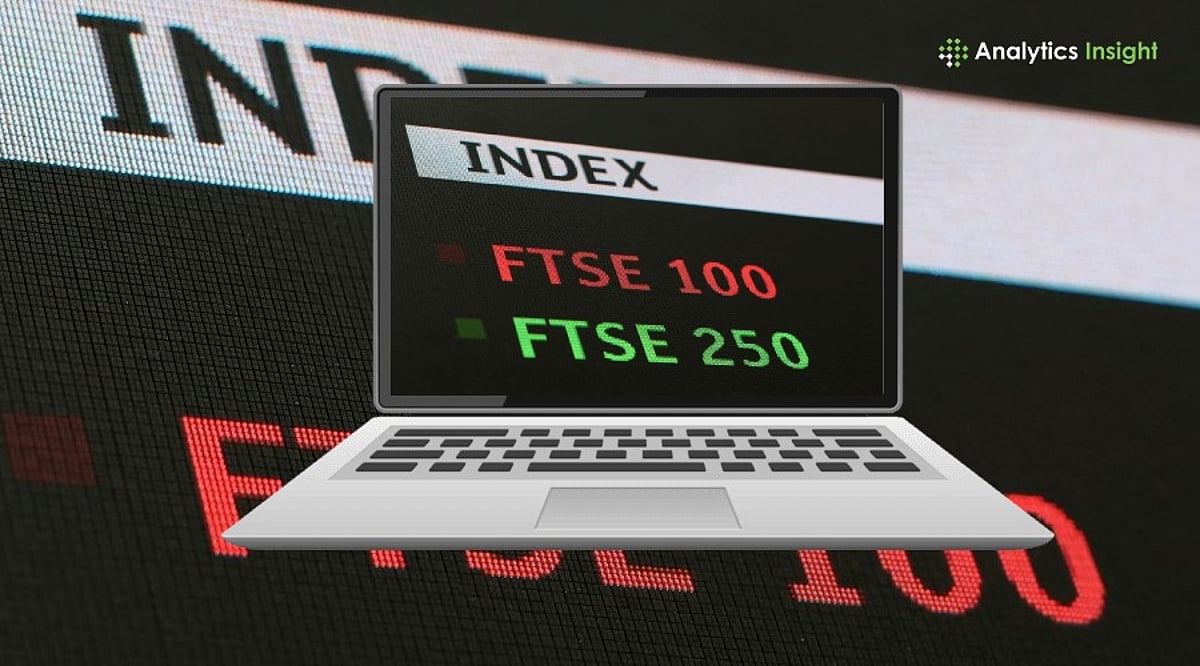
  • FTSE 100 Opens Higher on Ukraine Diplomacy, Brent Crude Drops; Sky-ITV Deal and EasyJet Takeover Move Markets

    FTSE 100 Opens Higher on Ukraine Diplomacy, Brent Crude Drops; Sky-ITV Deal and EasyJet Takeover Move Markets

    The FTSE 100 opened 40 points higher at 10,720 on Monday, buoyed by diplomatic developments over Ukraine and a drop in Brent crude prices. The index gained as investors weighed positive geopolitical signals alongside a busy UK corporate calendar featuring a major broadcasting merger and a budget airline takeover.

    Market Open and Key Drivers

    Brent crude futures fell 0.46% to $71.79 a barrel, while US West Texas Intermediate (WTI) rose 0.36% to $68.44. The decline in oil prices helped ease inflation concerns, supporting equity markets. On the diplomatic front, US President Donald Trump held separate calls with Russian President Vladimir Putin and Ukrainian President Volodymyr Zelensky ahead of this week’s NATO summit in Ankara. The Kremlin said the discussions covered efforts to resolve the conflict in Ukraine as well as issues in Iran and the wider Middle East. Meanwhile, Ukraine rejected Russia’s claim that Moscow had captured the strategic eastern city of Kostyantynivka.

    The pound stood at $1.3343 early Monday, down from $1.3351 on Friday. Against the euro, sterling eased to €1.1666 from €1.1672.

    Gainers and Losers

    Top gainers:

    • BAE Systems: +2.55% to £2,032
    • Aberdeen Group: +2.40% to £264.60
    • RELX: +2.36% to £2,389
    • Experian: +2.08% to £2,699
    • Babcock International Group: +1.97% to £1,059.50
    • St. James’s Place: +1.96% to £1,328.50

    Top losers:

    • Halma: -1.30% to £3,962
    • Diploma: -0.97% to £7,130
    • Spirax Group: -0.96% to £6,710
    • Fresnillo: -0.72% to £2,901
    • DCC: -0.58% to £6,055
    • Games Workshop: -0.28% to £21,080

    Sky Acquires ITV Broadcasting Business

    Sky confirmed plans to acquire ITV’s broadcasting business for £1.6 billion. The deal includes £1.2 billion in cash upfront and another £200 million in cash payable in 2028. As part of the agreement, Sky will also transfer ownership of its production company Love Productions—the creator of The Great British Bake Off—to ITV. The acquisition comes as Comcast, Sky’s owner, works to spin off its media businesses, including Sky, into the separately listed NBCUniversal.

    EasyJet Agrees £5.2 Billion Takeover

    EasyJet has agreed to a £5.2 billion takeover offer from US investment firm Castlelake at £6.90 per share. Chris Beauchamp, chief market analyst at IG, commented: “Castlelake’s pursuit of easyJet is ending the way we knew it would, the board having satisfied honour by getting the bidders to boost their original offer. While a decent premium to the lacklustre trading of recent years, it still represents a deep discount to the share price of the late 2010s, a sign of how in need easyJet is for someone to take the controls and plot a more successful flightpath.” EasyJet shares rose nearly 10% to £612.20, a four-year high.

    CBI Survey Shows Financial Services Decline

    Rising oil prices fueled concerns about inflation and interest rates, leading to a sharp slump in financial services activity in the second quarter. Profitability fell heavily to -65% in June from +38% in March, and sentiment deteriorated from +31% in March to -34% in June. Louise Hellem, CBI Chief Economist, said: “The political transition underway must not slow delivery of the government’s Financial Services Growth and Competitiveness Strategy at a time when activity has deteriorated, and firms are facing a more uncertain outlook.”

    Global Market Overview

    US markets were closed on Friday for the Independence Day holiday. In Asia on Monday, Japan’s Nikkei 225 fell 0.2%, China’s Shanghai Composite dropped 0.3%, Hong Kong’s Hang Seng rose 0.8%, and Australia’s S&P/ASX 200 slipped 0.2%. In India, the Nifty 50 and Sensex both gained 0.66% and 0.70%, respectively.

  • Vodafone Idea Stock at ₹14.21 as ₹35,000 Crore Loan Faces Lender Guarantee Demands

    Vodafone Idea Stock at ₹14.21 as ₹35,000 Crore Loan Faces Lender Guarantee Demands

    Vodafone Idea shares were trading at ₹14.21 on the NSE, hovering around ₹14.20 during Monday’s session, as investors closely tracked the telecom operator’s fundraising plans, improving financial performance, and the progress of its long-awaited turnaround strategy.

    Vodafone Idea (Vi) has begun showing early signs of operational recovery, reporting stronger revenue, improving cash generation, and higher customer monetization in FY26. The telecom operator has also unveiled an aggressive ₹45,000-crore capital expenditure plan aimed at expanding its 4G and 5G networks over the next few years.

    However, the success of that strategy depends largely on securing a proposed ₹35,000-crore loan, with lenders reportedly seeking additional guarantees before extending fresh funding.

    FY26 Financial Performance Reflects Gradual Improvement

    According to Vodafone Idea, FY26 income is estimated at ₹44,873 crore, while Cash EBITDA is ₹9,217 crore, indicating an improvement in the company’s operational performance despite its large debt burden.

    In Q4, the company recorded a 2.9% increase in revenue to ₹11,332 crore, while EBITDA grew 4.9% to ₹4,889 crore. Cash EBITDA rose by ₹2,432 crore, driven by increased consumer spending and greater use of data services.

    Subscriber Monetization Continues to Improve

    Improving customer monetization performance has been one of the positives for Vodafone Idea. The company’s ARPU grew by 8.3% year-over-year to reach ₹190, driven by improved realization and increased demand for mobile data services. Daily data consumption over the network has jumped over 30% to 83 petabytes.

    Vodafone Idea has added about 202,000 broadband towers to its network and brought in almost 129 million subscribers under its 4G and 5G networks. While the company holds a lower market share than some larger competitors, this trend is a positive sign for its financial health.

    ₹45,000 Crore Network Investment to Drive Growth

    To strengthen its competitive position, Vodafone Idea has announced a ₹45,000 crore capital expenditure program through FY29. The funds will largely go toward boosting 4G availability and deploying 5G. The corporation is also investing in artificial intelligence-powered digital platforms to improve service delivery efficiency. Management believes such investments are crucial to improving network performance and retaining customers.

    Lenders Seek Additional Guarantees for ₹35,000 Crore Loan

    While Vodafone Idea’s operational performance has improved, its financing plans remain under scrutiny. A consortium of lenders led by the State Bank of India is evaluating the company’s proposal to raise ₹35,000 crore in funded debt, along with another ₹10,000 crore in non-funded credit facilities.

    According to reports, banks have asked Vodafone Idea to moderate certain business projections and are also seeking a corporate guarantee from another Aditya Birla Group company before approving the loan. This added assurance should help reduce lending risks, given the telecom service provider’s debt burden and its obligation to make spectrum payments.

    The funding plan has been deemed vital to implementing the company’s long-term network expansion strategy.

    Why Banks Are Being Cautious

    Despite Vodafone Idea’s improving operational performance, lenders remain cautious because of the company’s substantial debt obligations and future spectrum payment liabilities. Banks want stronger financial backing before committing fresh capital, believing an additional corporate guarantee from the Aditya Birla Group would significantly improve credit comfort and reduce lending risk.

    Funding Remains the Biggest Catalyst

    According to industry analysts, Vodafone Idea’s recovery from this point forward is likely to depend less on its operational efficiency and more on its capacity to raise funds. With additional capital in place, the telco can accelerate its network rollouts, enhance service quality, and become more competitive against rivals such as Reliance Jio and Bharti Airtel.

    The timing of funding acquisition will directly impact progress in making planned investments and growing the subscriber base amid rapid 5G network growth in India’s telecommunications industry. Recent company performance provides grounds for investor confidence, but the success of the turnaround process ultimately depends on the availability of capital.

    Market Outlook

    Even though Vodafone Idea has already achieved some success—with growing revenues, ARPU, and enhanced cash flow generation—the next stage of its recovery hinges on the decision regarding its proposed ₹35,000 crore financing package.