Tag: Stock Market

  • Hero Motors IPO Listing: Shares Open 2.4% Below Issue Price Despite 6.66x Subscription

    Hero Motors IPO Listing: Shares Open 2.4% Below Issue Price Despite 6.66x Subscription

    Hero Motors shares made a subdued stock-market debut on September 23, 2026, opening below their initial public offering (IPO) price despite strong demand during the subscription period.

    Soft Listing on NSE and BSE

    The stock opened at Rs. 82 on the National Stock Exchange (NSE), a 2.38% discount to the final IPO price of Rs. 84 per share. On the Bombay Stock Exchange (BSE), Hero Motors listed at Rs. 82.10, down 2.26% from the issue price.

    The muted listing was broadly in line with grey market signals ahead of the debut. However, grey market premium (GMP) data is unofficial and does not guarantee actual listing performance.

    IPO Subscription: 6.66 Times Covered

    The Rs. 1,000-crore Hero Motors IPO attracted bids for 58.97 crore shares against 8.86 crore shares on offer, translating to an overall subscription of 6.66 times.

    • Non-institutional investors: 9.86 times
    • Retail investors: 8.23 times
    • Qualified institutional buyers (QIBs): 1.49 times

    The bidding window opened on September 16 and closed on September 18. The company set the price band at Rs. 79-84 per share and fixed the final issue price at the upper end.

    Fresh Issue, Offer-for-Sale and Fund Utilization

    The IPO combined a fresh issue of Rs. 600 crore with an offer-for-sale (OFS) of Rs. 400 crore. Selling shareholders included O P Munjal Holdings and Hero Cycles.

    Hero Motors plans to use part of the fresh proceeds to repay or prepay borrowings. It has also earmarked funds to buy equipment for expanding capacity at its Gautam Buddha Nagar facility in Uttar Pradesh. Remaining proceeds will support acquisitions, strategic initiatives, and general corporate purposes.

  • Coinbase Surges 11.7% as Bitcoin Reclaims $80K; CEO Armstrong Reaffirms $400K Target for 2030

    Coinbase Surges 11.7% as Bitcoin Reclaims $80K; CEO Armstrong Reaffirms $400K Target for 2030

    Coinbase shares closed at USD 194.00 on September 18, 2026, surging 11.7% during the NASDAQ session. The rally followed renewed strength in Bitcoin, which reclaimed USD 80,000 and briefly moved above USD 81,000. Yahoo Finance placed Coinbase among the S&P 500’s strongest percentage gainers that day, while TradingKey recorded an 11.66% advance.

    Coinbase Global Inc. (ISIN US19260Q1076) far outperformed the broader market. TradingKey noted the NASDAQ Composite gained only about 0.40% on September 18. Crypto-related stocks, by contrast, formed one of the session’s strongest groups and posted several double-digit gains. The performance came as investors returned to digital-asset exposure, with Bitcoin’s rebound above USD 80,000 supporting interest in companies tied closely to crypto trading and digital-asset demand.

    Armstrong Renews USD 400,000 Bitcoin Target for 2030

    Coinbase CEO Brian Armstrong also renewed a long-term Bitcoin projection. In a podcast shared on September 21, he said Bitcoin could reach USD 400,000 by 2030. Armstrong linked the forecast to expanding institutional adoption, clearer regulation, Bitcoin’s halving cycle, scarcity, and macroeconomic debasement. He stated that spot Bitcoin ETFs are purchasing Bitcoin at a rate 20 times higher than daily mining output, driving further demand.

    Regulation and New Coinbase Products Stay in Focus

    Armstrong said regulatory progress could continue even if the CLARITY Act fails to secure approval, expecting the CFTC and SEC to shape crypto rules. Coinbase also submitted a rulebook update with the SEC on September 18 regarding proposed single-stock perpetual contracts, adding a product-development angle for traders to watch.

    Market attention on September 21 centers on whether Bitcoin can hold above the USD 80,000 area after its latest recovery. COIN’s recent jump, Armstrong’s bullish outlook, and the derivatives filing now shape the immediate news flow around the company.

  • AI Rally Propels Nasdaq to Record Close, AMD Joins Trillion-Dollar Chip Club

    AI Rally Propels Nasdaq to Record Close, AMD Joins Trillion-Dollar Chip Club

    Wall Street opened the week with a strong tech rally. The Nasdaq Composite jumped 2.26% to 27,122.09 points, setting a new record close and marking its first record high since June 2. The S&P 500 rose 1.49% to 7,764.70 points, while the Dow gained 0.71%.

    Notably, chip stocks led the rise. AMD jumped nearly 10% and crossed a USD 1 trillion market value for the first time. Intel gained 12.2%, Arm Holdings rose 10% and Meta climbed 11.4%.

    The gains were not limited to stocks. Bitcoin rose more than 6% to a fresh seven-month high. Falling oil prices and lower US Treasury yields also helped markets. Brent crude settled at USD 100.34 a barrel, while the 10-year Treasury yield fell below 5%. Investors are still watching US interest rates, Middle East developments and the upcoming US-China meeting.

    AMD was one of the biggest names in Monday’s rally. Its shares have gained about 25% in five trading sessions. The move shows that investor interest in AI stocks is picking up again after concerns about high AI spending had cooled the market.

    AMD now joins NVIDIA, Broadcom and Micron as the fourth US chipmaker to reach a USD 1 trillion valuation. NVIDIA remains far ahead at more than USD 5 trillion. The growing list shows how much value investors are placing on chips as AI use expands across data centers and other services.

    AMD’s milestone is another sign that AI is reshaping the chip industry. For investors, the focus is no longer only on software or AI models. Companies building the chips and systems behind them are also drawing major market attention.

  • Stock Futures Flat as Oil Prices Exceed $100, Fed Rate Hike Fears Intensify

    Stock Futures Flat as Oil Prices Exceed $100, Fed Rate Hike Fears Intensify

    US stock futures remained largely unchanged on Tuesday following a sharp rally on Wall Street Monday, as brent crude surged above $100 per barrel, stoking inflation concerns and reviving expectations of another Federal Reserve interest rate hike. Meanwhile, traders are monitoring Middle East tensions, President Donald Trump’s speech at the United Nations, and Alibaba’s unveiling of a new AI chip.

    Dow Jones Futures Flat

    Dow Jones futures were down by 25 points, or 0.1%, at 3:09 AM ET (7:09 GMT), while futures linked to the S&P 500 and NASDAQ 100 held largely steady. The flat start came after the S&P 500 posted its best performance since August on Monday, driven by gains in technology and artificial intelligence stocks. Meta Platforms advanced on its new AI model, and chipmakers like AMD and Intel rose as investors focused on AI processing technologies. The US 10-year Treasury yield slipped slightly on Tuesday.

    Oil Prices Cross USD 100

    Brent crude futures climbed about 1% to $101.36 a barrel, crossing the $100 threshold as investors worried about supply disruptions from ongoing tensions in the Middle East. The focus also remains on President Trump’s planned address to the United Nations General Assembly in New York, expected to cover international security, conflicts in the Middle East and Ukraine, and AI safety.

    Fed Rate Hike Fears Return

    Federal Reserve rate hike concerns added another layer of uncertainty. St. Louis Federal Reserve President Alberto Musalem said the central bank may need to raise interest rates again as higher energy prices add to inflation pressures. The Fed raised rates by 25 basis points last week, and updated projections from Chair Kevin Warsh hinted at the possibility of another increase before the end of 2026.

    Alibaba Unveils New AI Chip

    At its annual Apsara Conference in Hangzhou, Alibaba unveiled the Zhenwu V900 AI accelerator. CEO Eddie Wu said the chip delivers three times the performance of its predecessor, the Zhenwu M890. Alibaba noted that the V900 can be used in clusters of up to 500,000 chips for training advanced AI models.

  • Alibaba Stock Rallies on New AI Chip and Flagship Model as China’s AI Ambitions Intensify

    Alibaba Stock Rallies on New AI Chip and Flagship Model as China’s AI Ambitions Intensify

    Alibaba shares rose in premarket trading on Tuesday after the Chinese technology giant unveiled its latest artificial intelligence chip and its most powerful flagship AI model to date. The announcements mark another step in China’s efforts to close the gap with US tech leaders, though significant challenges remain.

    Alibaba Unveils Its Most Powerful AI Chip

    The company introduced the Zhenwu V900, which it described as its most powerful AI chip to date. Alibaba said the new chip delivers three times the performance of its predecessor, which was released just four months ago. Alongside the chip, Alibaba also launched Qen3.8-Max, its most powerful flagship AI model so far.

    Data-Center Expansion Plans

    Alibaba CEO Eddie Wu said the company expects significant growth in annual AI chip shipment volumes. He also pointed to shortages across the global AI data-center supply chain as a constraint on the pace at which Alibaba can expand its computing infrastructure. Wu said Alibaba would work with partners to address these challenges.

    Alibaba Cloud is targeting more than 20 gigawatts of global data-center capacity by 2032. The company sees expanding computing infrastructure as a core part of its broader AI strategy as demand for AI services continues to grow.

    Alibaba Still Trails US AI Leaders

    Despite the latest announcements, Alibaba’s AI infrastructure still lags behind leading US companies. The Zhenwu V900 is considered competitive with NVIDIA’s Hopper hardware, which is now two generations old. The data-center gap is also significant: one major US player has said it intends to have enough power and cooling to support 20 gigawatts of computing capacity by the end of next year.

    Parv Sharma, senior analyst at Counterpoint Research, said China’s AI infrastructure is more supply-constrained because AI has become a strategic priority. He noted that Alibaba’s 20-gigawatt target by 2032 should be viewed against the scale already operated by US hyperscalers.

    US-China Talks Could Shape AI Competition

    Investors are also watching talks between US President Donald Trump and Chinese President Xi Jinping, particularly for any developments affecting AI technology and access to advanced chips. According to Barron’s, China’s ability to close the gap with the US could remain constrained unless access to cutting-edge chips improves.

    Before Tuesday’s trading session, Alibaba’s American depositary receipts had fallen 21% so far this year.

  • Indian Stock Market Opens Mixed: Nifty Dips 16 Points, Sensex Rises 240 Points Amid Global Headwinds

    Indian Stock Market Opens Mixed: Nifty Dips 16 Points, Sensex Rises 240 Points Amid Global Headwinds

    The Indian stock market opened on a mixed note as oil prices edged higher and bond yields rose, dampening investor sentiment amid fears of slowing economic growth. The Nifty 50 opened at 23,330.30, down 16.2 points, while Bank Nifty opened flat at 56,361.90, up 3 points from its previous close. The Sensex, however, rose 240.22 points to 74,535.18.

    The Indian rupee opened higher at Rs. 95.82 against its previous close at Rs. 95.87 on Friday.

    On September 18, Foreign Institutional Investors (FIIs) turned net buyers in the cash market, purchasing equities worth Rs. 599.54 crore. Domestic Institutional Investors (DIIs) were also net buyers, with total acquisitions of Rs. 1,019.69 crore.

    Sensex Outlook

    “The Sensex is likely to maintain a sideways outlook, with the 73,500-73,700 zone acting as the broader support area. Sustained buying above 74,600 could support a recovery towards 74,800-75,000, while weakness below 74,000 may increase downside pressure. Traders should monitor the key OI levels and wait for a decisive breakout or breakdown before taking fresh directional positions,” said Sachin Gupta, VP, Technical Research at Choice Equity Broking Private Limited.

    Nifty 50 Outlook

    The Nifty 50 formed a bearish candlestick on its weekly chart, highlighting a weak short-term trend. Currently, the market is in oversold territory, indicating a high chance of a sharp pullback from current levels.

    For traders, 23,200 and 23,150 can remain the key support zones. As long as the Nifty holds above these levels, a pullback towards 23,500 is possible. If the Nifty manages to press above 23,500, a further recovery towards 23,600-23,700 is likely. However, a prolonged fall below 23,150 would weigh on investor sentiment and push the index towards 23,000-22,800, said Shrikant Chouhan, Head Equity Research, Kotak Securities.

    Bank Nifty Outlook

    The Bank Nifty fell 0.44% during the week, marking its fourth consecutive weekly decline. However, the index seems to be trying to form a base around the 55,600-55,700 area, which also coincides with a notable horizontal support zone.

    “The index could provide support to the broader market and witness a rebound towards 57,000, which also coincides with the 55-day EMA. As long as the index holds its recent lows, a cautious buy-on-dips approach is recommended, although traders should remain vigilant given the prevailing broader weakness,” said Dr. Ravi Singh, Chief Research Officer from Master Capital Services Ltd.

    Disclaimer: Analytics Insight does not provide financial advice or guidance on cryptocurrencies and stocks. This article is provided for informational purposes and does not constitute investment advice. Always conduct your own research before making any investments.

  • Beyond Interest Rates: 5 Key Drivers of Stock Market Movements

    Beyond Interest Rates: 5 Key Drivers of Stock Market Movements

    Interest rates often dominate financial headlines, but they are far from the only force influencing stock markets. Corporate earnings, inflation, commodity prices, geopolitical events, currencies, investor sentiment, and capital flows all play significant roles. Understanding these factors helps investors interpret market movements and avoid relying on a single indicator.

    1. Corporate Earnings and Profit Expectations

    Corporate earnings are one of the strongest drivers of individual stock prices. Investors constantly compare reported results with market expectations. A company can report higher profits and still see its shares fall if earnings disappoint against already-high expectations. Revenue growth, profit margins, guidance, and future earnings estimates all matter. Strong results can support valuations when investors expect continued growth, while disappointing results can put pressure on share prices. The broader market also depends on earnings across major sectors such as technology, financials, healthcare, energy, and consumer companies.

    2. Inflation and Economic Data

    Investors track consumer prices, employment, wages, manufacturing, and economic growth. These reports can change expectations about future business conditions. Higher inflation can increase companies’ costs, pressuring profit margins, while lower inflation can improve purchasing power and reduce pressure on operating costs. Economic growth also matters: strong growth supports corporate revenue and consumer spending, while weak growth raises concerns about future earnings. Markets react quickly to major economic releases.

    3. Commodity Prices and Energy Costs

    Oil, natural gas, metals, and agricultural commodities can influence markets worldwide. Oil is particularly important as energy affects transportation and manufacturing costs. Higher prices can squeeze margins across industries such as airlines, chemicals, logistics, and manufacturing. Energy producers may experience a different earnings impact. Commodity movements also affect inflation expectations, creating another channel for market volatility. Recent oil price movements above USD 108 per barrel amid geopolitical tensions have put global equities under pressure.

    4. Geopolitical Events and Government Policies

    Wars, trade restrictions, elections, sanctions, and diplomatic disputes can quickly change investor expectations. Markets often react before the economic consequences become clear. Investors may reduce exposure to sectors facing direct risks. Trade policies can affect companies operating across borders—tariffs may increase costs or reduce demand for exported products. Geopolitical risks can also disrupt energy supplies and shipping routes, spreading across multiple economies. Energy prices and trade policies are extremely important in today’s situation.

    5. Investor Sentiment, Currency, and Market Flows

    Markets are influenced by how investors allocate capital. Foreign investment flows can affect stock prices, particularly in emerging markets, while domestic institutional flows can provide substantial buying or selling pressure. Currency movements matter for companies with international revenues or costs—a stronger local currency can reduce overseas earnings after conversion. Investor sentiment adds another layer: fear can accelerate selling, while optimism can increase demand for riskier assets. Market positioning can sometimes amplify an otherwise modest news event, explaining why similar announcements can produce different reactions.

    Why a Wider Market View Matters

    Interest rates are important, but they rarely explain every market move. Corporate earnings show whether businesses are generating profits. Economic data provides clues about demand and growth, while commodity prices reveal changing cost pressures. Geopolitical events can alter trade and supply chains. Currency movements and investor flows influence liquidity and valuations, and sentiment can magnify these underlying forces. By watching several indicators, investors gain better context—since no single market signal explains every rise or decline.

    Frequently Asked Questions

    What factors move the stock market besides interest rates?

    Corporate earnings, inflation, economic growth, commodity prices, currencies, geopolitical developments, investor sentiment, and capital flows can all influence stock markets. These factors often interact, making market movements more complex than a single interest-rate decision.

    How do corporate earnings affect stock prices?

    Earnings provide information about a company’s financial performance. Investors compare reported results with expectations. Strong revenue, profits, margins, and guidance can support valuations, while disappointing results can put pressure on share prices.

    Does inflation affect the stock market?

    Yes. Inflation can increase business costs and reduce consumer purchasing power. It can also influence expectations for monetary policy, affecting company earnings, bond yields, and investor valuations.

    Why do oil prices affect stocks?

    Oil is an important input for transportation, manufacturing, and several other industries. Rising prices can increase operating costs, while energy companies may see higher revenue from increased commodity prices.

    How do geopolitical events affect stock markets?

    Wars, sanctions, trade restrictions, and supply disruptions can change investor expectations. They affect energy prices, shipping costs, currencies, and specific industries. Markets can react before the full economic impact becomes visible.

    Disclaimer: This article is provided for informational purposes only and does not constitute investment advice. Readers should conduct their own research before making any investment decisions.


  • Tata Chemicals Jumps 13% as Tata Sons IPO Hopes Drive Rally, Then Governance Row Sparks Selloff

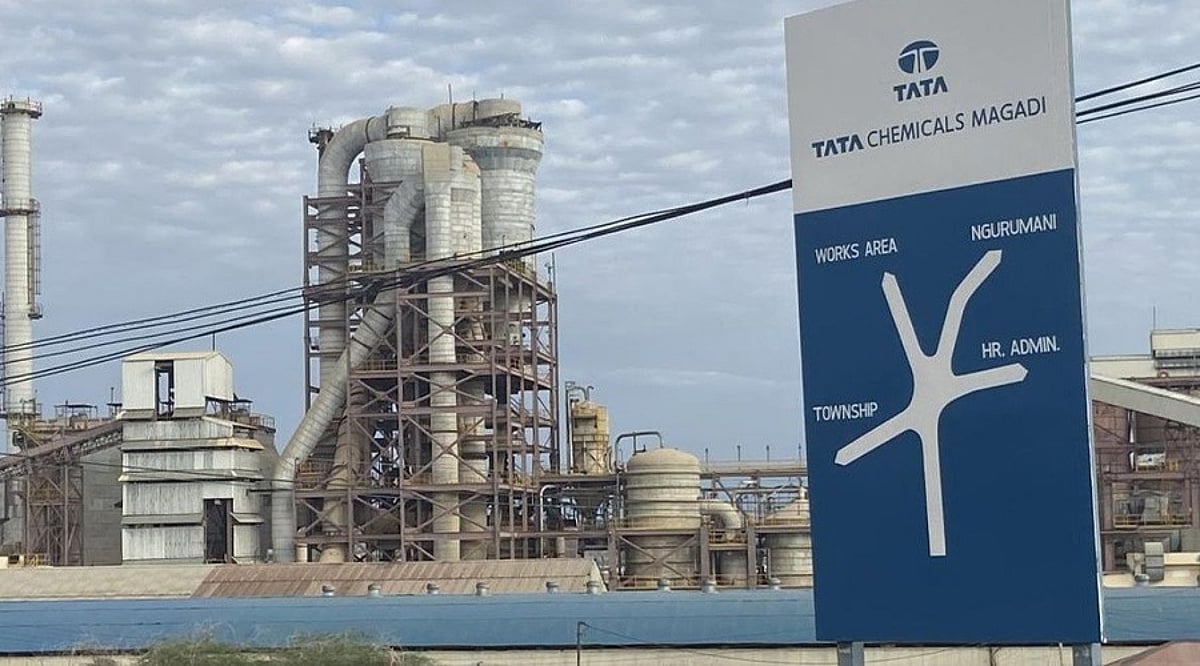
    Tata Chemicals Jumps 13% as Tata Sons IPO Hopes Drive Rally, Then Governance Row Sparks Selloff

    Shares of Tata Chemicals led a sharp rally among Tata Group stocks this week, surging 13% as renewed speculation about a Tata Sons initial public offering (IPO) ignited buying interest. However, a leadership dispute between Tata Trusts and the board of Tata Sons erased nearly $4 billion in combined market value on Friday, capping a volatile period.

    RBI Decision Ignites IPO Expectations

    The rally began Tuesday after the Reserve Bank of India (RBI) reportedly rejected Tata Sons’ request to surrender its Certificate of Registration. Tata Sons had sought to be classified as an unregistered Core Investment Company, but the RBI’s decision reignited expectations that the holding company would eventually need to list its shares on the stock exchange.

    Board Reappointment Sparks Controversy

    Buying resumed on Thursday after the Tata Sons board approved a second five-year term for Chairman N. Chandrasekaran and initiated steps toward a long-awaited IPO. The optimism was short-lived. Tata Trusts, which holds a 66% stake in Tata Sons, opposed the reappointment, calling it a “legal nullity.” The dissent raised fresh uncertainty about both the listing plan and the group’s leadership succession.

    Tata Chemicals Delivers Best Weekly Performance

    Among the seven listed Tata Group companies with stakes in Tata Sons, Tata Chemicals posted the strongest gains. The stock hit the 20% upper circuit on Tuesday and rose another 6.5% on Thursday. On Friday, it tumbled approximately 11% as investors reacted to the governance dispute. Still, it managed to close the week 13% higher.

    The company owns a 2.5% stake in Tata Sons, valued at roughly Rs 30,052 crore. This holding is substantial compared with Tata Chemicals’ own market capitalization. Gaurav Garg, head of research at Lemonn, noted that “the Tata Sons listing story forms a large part of the valuation case for smaller listed companies. That cuts both ways, and today it cut one way,” he said after Friday’s decline.

    Other Group Stocks Gain, Then Fade

    Tata Investment Corporation added 8% for the week despite losing 2.5% on Friday. It holds a 0.08% stake in Tata Sons valued at about Rs 950 crore. Tata Power finished roughly 3% higher, with shares closing near Rs 375 on Friday. Tata Power owns a 1.65% stake, worth an estimated Rs 19,599 crore. The Indian Hotels Company (IHCL) gained about 2% for the week, holding a 1.11% stake valued at Rs 13,185 crore. Tata Motors Passenger Vehicles rose only 1% after a 4% gain on Thursday and a 3% drop on Friday; its 3.06% stake is worth roughly Rs 36,348 crore. Tata Steel, with a similar 3.06% stake, added about 1.4%. Tata Consumer Products ended nearly flat at a 0.5% gain, with a 0.43% holding valued at Rs 5,107.7 crore.

    Governance Row Wipes Out Billions

    On Friday, listed Tata Group companies collectively lost about Rs 38,361 crore ($4 billion) in market value. Tata Consultancy Services fell 3.88%, while Tata Chemicals dropped 11.04%. Tata Elxsi, Tata Motors, Tata Investment Corporation, and Tata Steel also closed lower.

    Analysts said investors will now monitor whether the two sides reach a compromise or take the matter to a tribunal. Until the governance dispute is resolved, news about the Tata Sons IPO is likely to keep volatility high across Tata Group stocks.

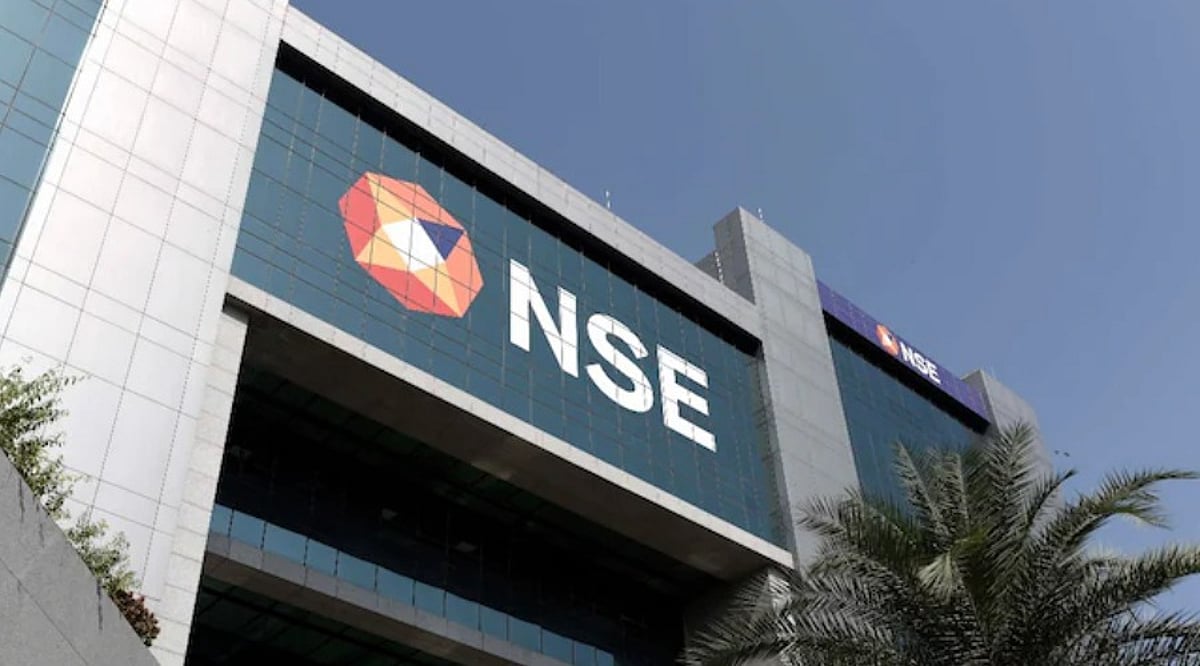
  • NSE IPO Enters Day 2 With 43% Day-1 Subscription; Grey Market Premium Holds Near 8%

    NSE IPO Enters Day 2 With 43% Day-1 Subscription; Grey Market Premium Holds Near 8%

    NSE IPO Bidding Continues After Strong Opening-Day Demand

    The National Stock Exchange’s much-awaited initial public offering moved into its second day of bidding on September 18 after receiving 43% subscription on the opening day. The Rs 22,569-crore issue is one of India’s largest public offerings and has drawn strong interest from investors and market participants.

    The IPO opened on September 17 and will remain available for subscription until September 21. NSE has set the price band at Rs 1,700 to Rs 1,785 per share. The issue is structured as an offer for sale (OFS), meaning the exchange itself will not receive any proceeds from the shares sold by existing shareholders.

    Day 1 Subscription Highlights

    By the end of the first day, investors had placed bids for about 3.84 crore shares against the 8.86 crore shares available, taking the overall subscription to 0.43 times. Here is the segment-wise subscription:

    • Retail investors: 0.44 times
    • Non-institutional investors: 0.72 times
    • Qualified institutional buyers: 0.19 times
    • Employee portion: 0.98 times

    The IPO comprises 12.64 crore shares offered by existing shareholders. Around 50% of the issue is reserved for qualified institutional buyers, 15% for non-institutional investors, and 35% for retail investors. The minimum retail application is for eight shares, which costs Rs 14,280 at the upper end of the price band.

    Grey Market Premium Signals Moderate Listing Expectations

    In the unofficial grey market, NSE shares were commanding a premium of around 8% on the second day of bidding. Business Standard reported a premium of up to 7.96%, with shares changing hands at roughly Rs 1,927 — about Rs 142 above the upper end of the IPO price band.

    Investors should note that the grey market premium is not an official market indicator. It can change before listing and does not guarantee the price at which NSE shares will eventually trade.

    What Brokerages Are Saying

    Brokerages have largely focused on NSE’s strong market position, earnings potential, and valuation, while also flagging risks tied to trading volumes and regulatory changes.

    Swastika Investmart highlighted NSE’s valuation against listed peer BSE and noted that the exchange’s earnings remain sensitive to market activity.

    Religare Broking said in an IPO note: “NSE’s IPO presents a balanced outlook, with financial performance in FY26 impacted by regulatory changes and moderation in trading activity, while operational metrics remained resilient, supported by increasing investor participation, fund mobilization and market presence. At a P/E of 42.9x, the valuation reflects the company’s established market position and future growth potential, while leaving limited room for earnings disappointments.”

    The note added: “Regulatory developments, including SEBI measures on options trading, remain key factors influencing trading volumes and transaction-based income. While the long-term growth opportunity in India’s capital markets remains favorable, the sustainability of earnings growth will depend on trading activity, regulatory stability and continued market participation. Given the balance between structural growth opportunities, regulatory uncertainties and valuation considerations, we assign a Neutral rating.”

    Ventura pointed to NSE’s scale, technology capabilities, and position within India’s capital-market ecosystem. These observations represent the respective brokerages’ views and are not a guarantee of future returns.

    IPO Timeline

    The IPO will close on September 21. Allotment is likely on September 22, with shares credited on September 23 and listing expected on September 24.

  • Fed Signals Tougher Inflation Fight: Markets Anticipate Short-Lived Rate Hikes

    Fed Signals Tougher Inflation Fight: Markets Anticipate Short-Lived Rate Hikes

    US stock futures crept higher on Monday as investors turned their focus to the Federal Reserve’s upcoming rate decision, weighing persistent inflation, rising Treasury yields, and the broader interest rate outlook.

    Market Moves Ahead of Fed Decision

    S&P 500 futures climbed 0.2%, Dow futures edged up 0.1%, and Nasdaq futures added 0.4%. The modest gains came as market participants braced for a possible rate hike. Inflation remains stubbornly above the Fed’s 2% target, keeping pressure on the central bank to act.

    The 10-year US Treasury yield hovered near 5% after briefly touching 5.04%, its highest level in years. Higher yields typically increase borrowing costs for businesses and households and make bonds more attractive relative to equities. Meanwhile, oil prices added another layer of concern: Brent crude traded at $107.61 a barrel and US crude at $103.70.

    At first glance, rising stocks alongside the prospect of higher rates may seem counterintuitive. However, investors had already priced in a rate increase, muting the immediate impact. Market attention is now shifting to what comes after the first move.

    The Real Question: Duration of Tightening

    A single rate hike does not reveal how long borrowing costs will remain elevated. If inflation stays sticky, the Fed could keep rates high for an extended period. If price pressures ease and economic growth slows, the tightening cycle could prove short-lived.

    Investors will focus on upcoming inflation reports, jobs data, oil price trends, and consumer spending figures. The immediate rate decision is only one piece of a larger puzzle. The bond market and inflation trajectory will ultimately determine whether this becomes a drawn-out phase or a brief adjustment.

    Also read: Crude Oil Prices Rise as US-Iran Escalation Revives Supply Fears, Brent Holds Above $70