
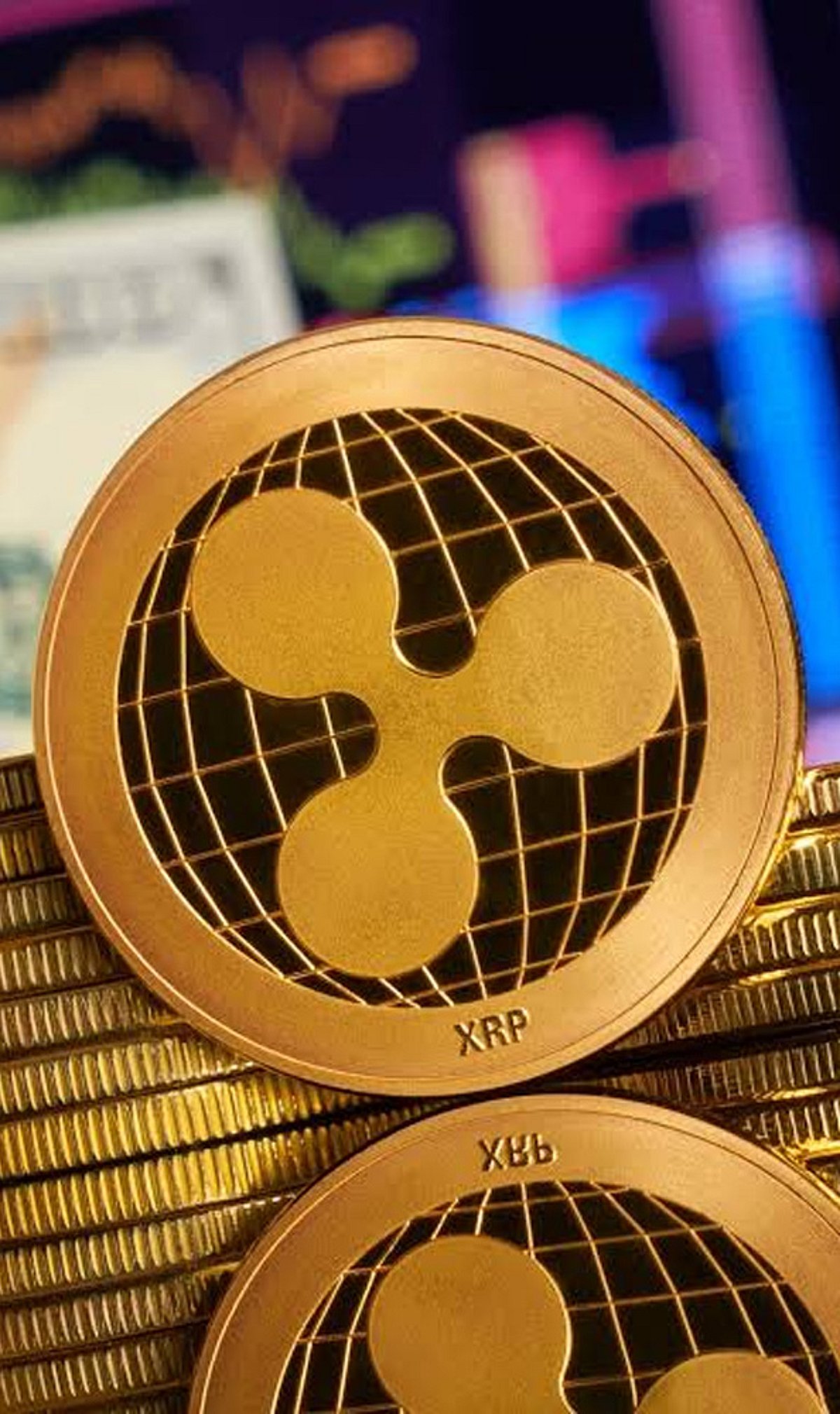
The world of digital payments is evolving fast, and XRP is emerging as a key player in the shift toward faster, always-on transactions. Here are nine essential things to know about XRP and how it fits into the broader rise of crypto payments.
1. XRP Is Built for Payments
XRP is the native digital asset of the XRP Ledger, specifically designed to move value quickly between accounts and support a wide range of payment use cases.
2. Blazing-Fast Settlement on the XRP Ledger
The XRP Ledger can process payments in seconds, making it well-suited for applications that require fast and transparent transaction settlement.
3. Transforming Cross-Border Payments
XRP can help bridge currencies in international payments, potentially reducing reliance on the multiple intermediaries traditionally involved in cross-border transfers.
4. Seamless Cross-Currency Transactions
The XRP Ledger supports cross-currency payments, allowing different currencies or tokens to be exchanged through available liquidity paths with ease.
5. Low Transaction Costs
XRP payments require only a small network transaction cost, making the asset potentially useful for frequent digital transfers and everyday payment applications.
6. Ripple Powers Global Money Movement
Ripple leverages blockchain technology and digital assets to help businesses move money across borders, supporting fiat currencies, stablecoins, and crypto-based settlement options.
7. Stablecoins and XRP Work Together
Ripple’s payment infrastructure now supports stablecoins such as RLUSD alongside XRP, giving businesses more choices when seeking blockchain-based settlement.
8. AI-Powered Payments on the Horizon
The XRP Ledger is being developed for emerging agentic payments, allowing AI applications to transact using XRP and RLUSD for digital services.
9. The Future of Crypto Payments
XRP’s payment-focused infrastructure positions it within the broader shift toward faster, always-on digital transactions across businesses and financial networks.
Leave a Reply