
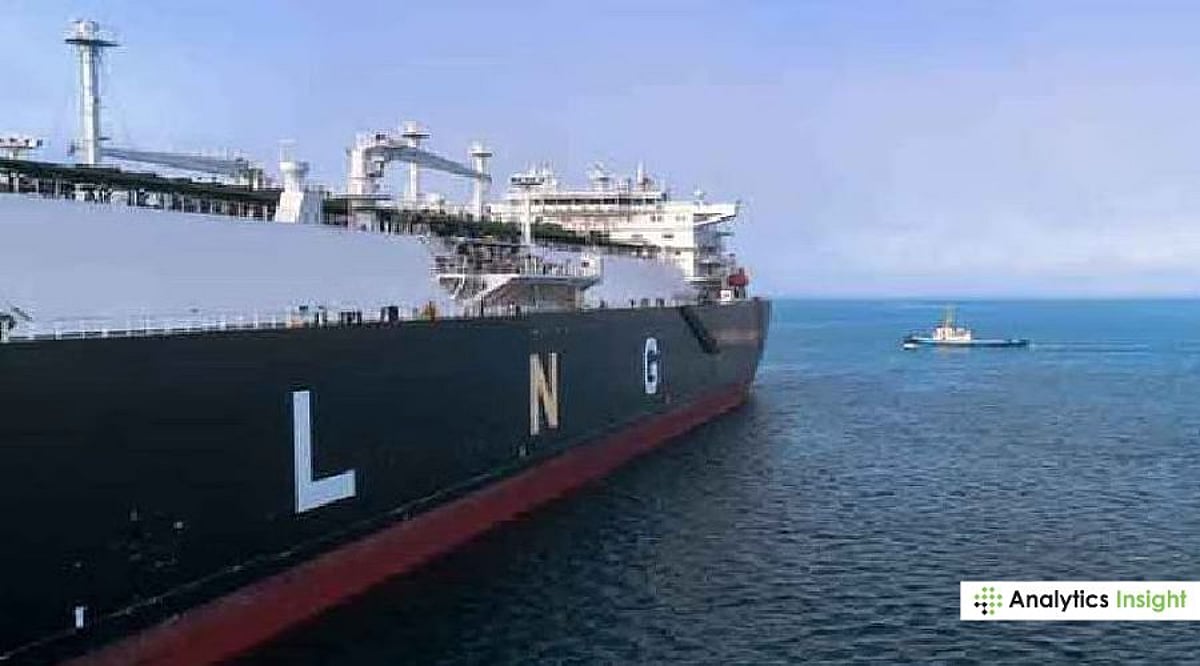
The Indian government has withdrawn most of the emergency natural gas regulations it imposed earlier this year, following the resumption of liquefied natural gas (LNG) shipments through the Strait of Hormuz after a ceasefire in the West Asia conflict. The Ministry of Petroleum and Natural Gas issued a notification on Saturday amending the Natural Gas (Supply Regulation) Order, 2026, removing the operational provisions that had governed how domestic and imported gas was allocated across sectors.
What Changes Now
With a ceasefire in place, negotiations ongoing, and maritime traffic through Hormuz restored, the ministry determined that emergency measures were no longer necessary. The notification specifically cited the resumption of sea traffic through the strait as the basis for withdrawing the priority-customer framework that had overridden existing commercial gas contracts.
This was the last of three emergency measures introduced during the crisis to be rolled back. The government had already lifted earlier restrictions directing refiners to maximize LPG output by diverting petrochemical feedstock, and curbs on diesel sales to bulk consumers, as supply conditions eased.
“The ongoing conflict in the Middle East that had resulted in the disruption of liquefied natural gas shipments through the Strait of Hormuz has been subject to a ceasefire, and negotiations are ongoing, as part of which, sea traffic through the Strait of Hormuz has been permitted to be resumed,” the notification stated.
Reasons Behind the Restrictions
The original order was issued on March 9 under the Essential Commodities Act, after fighting between the US, Israel, and Iran triggered by strikes on Iran on February 28. Tehran’s retaliation disrupted LNG shipments passing through the Strait of Hormuz. Several suppliers invoked force majeure clauses and diverted cargoes elsewhere, prompting the government to step in with sector-wise gas rationing to protect priority consumers.
Piped natural gas for households, CNG for transport, LPG production, and pipeline operations were guaranteed full supply based on their prior six-month average consumption, while sectors like petrochemicals and select power stations absorbed the resulting cutbacks.
Why the Strait of Hormuz Matters for India’s Energy Security
The episode underscored how exposed India remains to disruptions along the Hormuz corridor despite years of energy diversification efforts. The country imports about 88% of its crude oil needs and roughly half of its natural gas requirement, with West Asia supplying 40-45% of its crude oil imports and nearly 65% of its LNG.
While India was able to shift crude purchases toward other producers during the disruption, its gas imports remained far more vulnerable, since the bulk of LNG cargoes from Qatar travel through the same strait. With shipping now restored and commercial contracts in force, attention shifts to whether current ceasefire terms hold, given how quickly a fresh escalation could reintroduce the same supply risks the March order was designed to manage.
Leave a Reply