
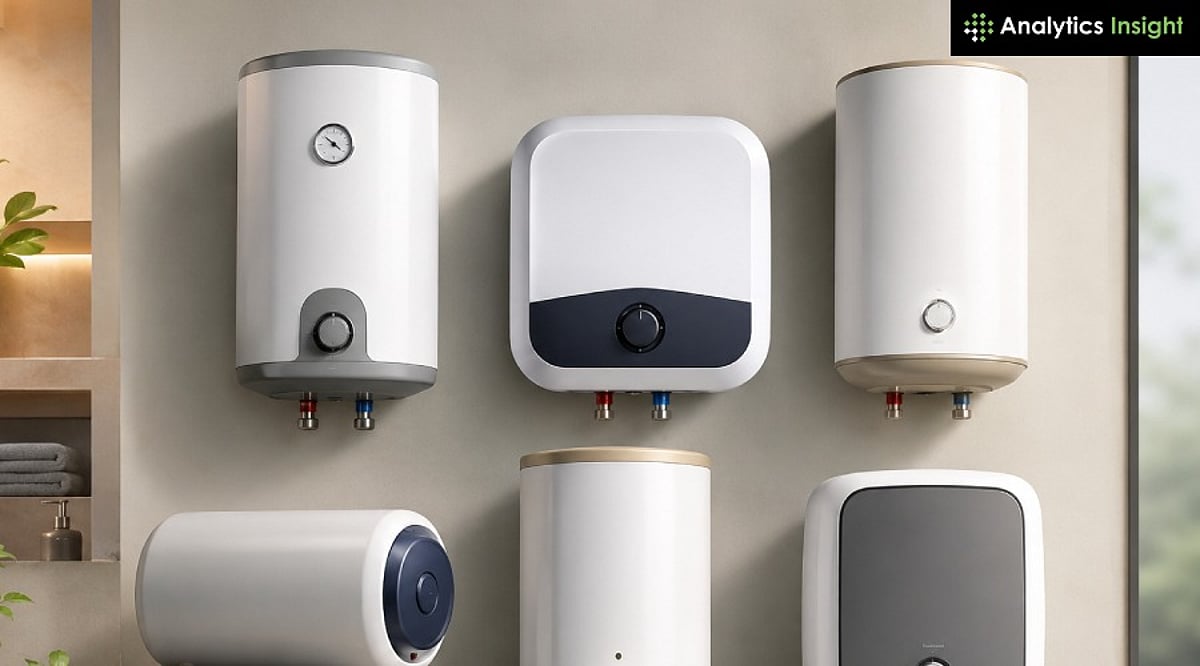
A well-chosen water heater provides consistent hot water while keeping electricity consumption under control. With several geyser options available in 2026, understanding their differences is more important than ever. The right choice depends on your home, usage, and budget.
Step 1: Pick the Type First
Every other decision comes back to this one. An instant heater has no tank; it heats water as it flows through. That’s enough for one or two people who want a quick shower and don’t have space to spare. A storage geyser keeps a tank of hot water sitting ready, which matters when two bathrooms are running at once. Gas geysers heat cheaply but need ventilation and a gas line, so most apartments are out. Heat pump water heaters cost more initially but move heat instead of generating it from scratch—busy households will feel that difference on the electricity bill. For one or two people with modest needs, go for an instant heater. For households with more than three people, storage is usually the smarter call.
Step 2: Size for Recovery Time, Not Just Family Size
Capacity gets treated like a headcount problem, but the number that matters is recovery time: how fast the tank reheats once emptied. Two people showering back-to-back need a bigger tank or faster recovery, even in a small household. A 15L tank with slow recovery can leave the second person waiting fifteen minutes for warm water. A 10L model with a higher heating capacity may recover much faster. As a rough starting point, one or two people need 6 to 15 L, three or four need 15 to 25 L, and five or more should look at 25 to 35 L or a heat pump system. Push that number up if mornings are rushed.
Step 3: Understand What Actually Drives the Electricity Bill
BEE rates geysers on a 1 to 5-star scale based on standing loss—the energy lost keeping stored water hot while nobody’s using it. A 5-star tank loses less heat overnight than a 3-star tank of the same size. BEE published revised star-rating norms in the Gazette of India in December 2025, with new thresholds taking effect from July 1, 2026. A 5-star label bought this year is actually a stricter standard than one bought two years ago, even though the sticker looks the same.
Wattage tells a different part of the story. Instant heaters pull more power, 3 to 4.5 kW, but only while water’s running. Storage heaters draw less, around 2kW, but stay on longer. For one person, instant usually costs less over a month. For a family running the geyser all evening, a well-insulated storage tank tends to win: it just reheats less often.
Step 4: Match the Geyser to Your Water and Your Building
Hard water shortens a geyser’s life faster than almost anything else. A glass-lined or enamel-coated tank resists corrosion, a magnesium anode rod helps protect the tank from rust, and an Incoloy heating element withstands hard-water conditions better than a standard copper element. Together, they improve durability and help extend the geyser’s service life.
Pressure rating matters just as much, and it’s the one buyers skip most often. A 6.5 bar-rated unit is usually plenty for an independent house or low-rise building. High-rise apartments with running pressure pumps generally need 8 bar or higher. A standard-pressure geyser in a high-rise risks leaks or early failure, and most warranties won’t cover damage from exceeding the rated pressure. Worth checking before you buy, not after something leaks.
Step 5: Don’t Skip Safety and Installation
A geyser should carry BIS certification (ISI mark), along with a pressure relief valve and a thermostat with thermal cutoff. It should run on dedicated earthing with its own MCB rather than sharing a circuit. Instant geysers pulling 3kW or more need wiring rated for that load, so older homes should get this checked first. A mid-range geyser installed correctly is safer than a premium model installed carelessly, so budget for installation as part of the purchase.
Quick Checklist Before Buying
- Pick the type that fits the household size and daily hot water usage.
- Choose capacity based on recovery time, not just the liters on the box.
- Check the BEE star rating and make sure it meets the 2026 norms.
- Confirm the geyser is compatible with your water quality and the pressure rating matches the building.
- Look for ISI certification, a pressure relief valve, dedicated earthing, and proper installation.
- Compare the tank warranty and the heating element warranty separately—they’re often not the same.
Final Thoughts
There’s no single geyser that’s right for every home. It comes down to family size, water quality, and the building itself, not whichever brand has the longest feature list. Get that part right, and everything else follows: lower bills, safer operation, fewer headaches years down the line.
FAQs
1. Which type of water heater is better: instant or storage?
Instant water heaters are ideal for small households and quick hot water needs, while storage geysers are better for families requiring a steady supply of hot water for multiple users.
2. What geyser capacity is suitable for a family of four?
A 15L to 25L storage water heater is generally suitable for a family of four. The ideal capacity depends on bathing habits, the number of bathrooms, and simultaneous usage.
3. How important is the BEE star rating when buying a water heater?
The BEE star rating indicates a water heater’s energy efficiency. Higher-rated models consume less electricity over time, helping reduce energy bills without compromising performance.
4. Can I use a regular geyser in areas with hard water?
Yes, but choosing a model with a glass-lined tank, corrosion-resistant heating element, and magnesium anode rod helps improve durability and reduces damage caused by hard water.
5. What safety features should I look for in a water heater?
Choose a water heater with an ISI certification, thermostat, thermal cut-out, pressure relief valve (PRV), and proper earthing compatibility to ensure safe and reliable everyday operation.
Leave a Reply