
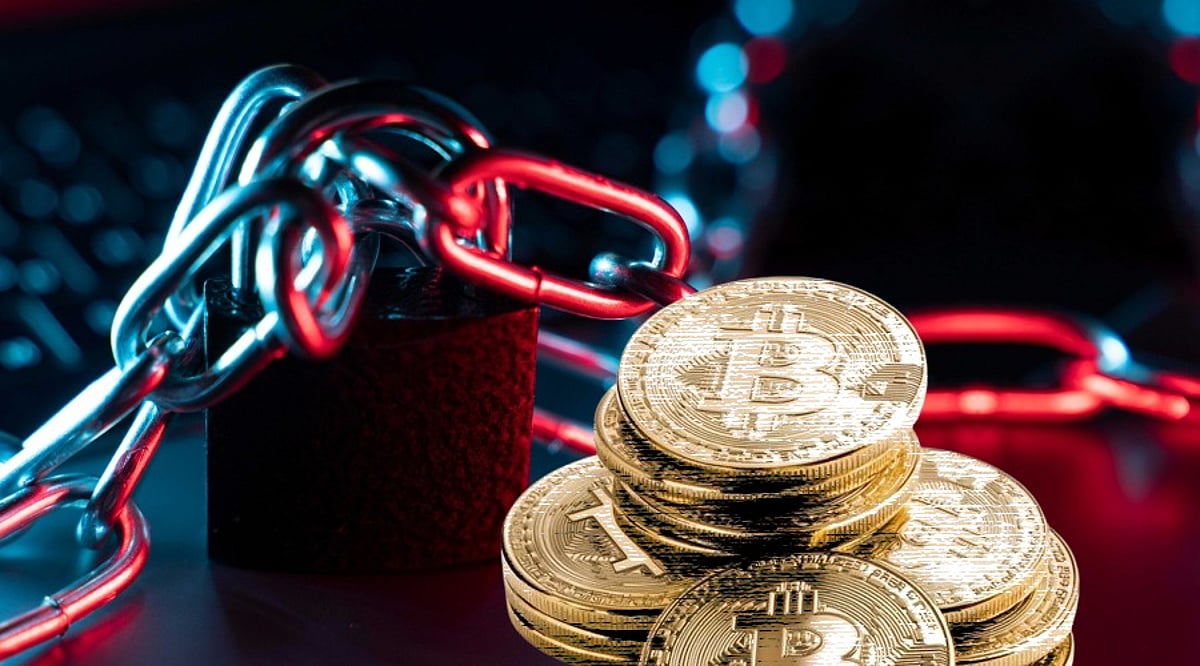
Why Crypto Security Matters More Than Ever
The crypto market has grown more advanced, but so have the threats. Cybercriminals now use AI-powered tools like deepfakes, voice cloning, and phishing to trick investors. Strong security habits are just as important as smart investment choices. A few simple steps can protect years of savings.
Choose a Hardware Wallet for Long-Term Storage
A hardware wallet keeps private keys offline, making it much harder for hackers to steal your assets—even if your computer is infected with malware. It also requires on-device approval for every transaction, stopping fake transfers. Keep only trading funds on exchanges; store long-term holdings in cold storage with a trusted hardware wallet.
Protect Your Recovery Phrase at All Costs
Your recovery phrase gives full control of your wallet. Never store it online—no cloud storage, email, notes apps, or screenshots. Write it on paper or a metal backup device. Recent attacks have targeted cloud services like Google Drive to steal recovery phrases.
Stronger Authentication: Move Beyond SMS
SIM swap attacks are rising, making SMS two-factor authentication risky. Use authenticator apps, passkeys, or physical security keys instead. Also, create strong, unique passwords for every exchange and wallet.
Verify Every Transaction Before Approving
Hackers often use fake approvals to gain control of your assets. Read all on-screen details—wallet addresses, token amounts, and smart contract permissions. Use transaction simulation tools available in many crypto wallets.
Use Separate Wallets for Different Activities
Spread your crypto across multiple wallets: one for long-term investments, one for trading, and another for DeFi or NFTs. This limits damage if one wallet is compromised.
Stay Alert to AI-Powered Scams
AI enables convincing fake videos, voice calls, emails, and websites. If you receive a message urging immediate action, pause. Visit the official website directly instead of clicking links. A few minutes of verification can save your assets.
Secure Your Devices and Online Activity
Malware can replace wallet addresses, steal passwords, or log keystrokes. Keep your OS, wallet software, and hardware firmware updated. Download apps only from official sources, remove unused browser extensions, and avoid pirated software. Use a dedicated browser profile for crypto to reduce risk.
Review Permissions and Exchange Security
Revoke old smart contract approvals after you stop using a DeFi platform. Enable withdrawal whitelists on exchanges to limit withdrawals to approved addresses. Remember: exchanges are for trading, not long-term storage. Not your keys, not your coins.
Don’t Ignore Physical Security
Protect your hardware wallet and recovery phrase from theft, fire, and water damage. Store backups in secure, separate locations. Avoid sharing details about your crypto holdings on social media or with strangers.
Final Thoughts
Crypto security depends on smart habits, not expensive technology. Combine hardware wallets, offline recovery phrases, strong authentication, careful transaction checks, and separate wallets. Stay vigilant against AI scams, malware, and hidden approvals. No single step stops every threat, but these layers greatly reduce risk.
FAQs
1. Why is a hardware wallet safer than a software wallet?
Hardware wallets keep private keys offline, making them resistant to online hacks and malware.
2. Is SMS two-factor authentication still safe in 2026?
No—SIM swap attacks are common. Use authenticator apps, passkeys, or security keys.
3. Why should I use different wallets for different activities?
Separate wallets limit risk. If one is compromised, your other assets remain safe.
4. What are AI-powered crypto scams?
Scams that use AI to create fake videos, voice calls, emails, and websites that appear genuine.
5. Should I keep all my crypto on an exchange?
No. Exchanges are for trading; long-term holdings belong in a self-custody hardware wallet.
Leave a Reply