
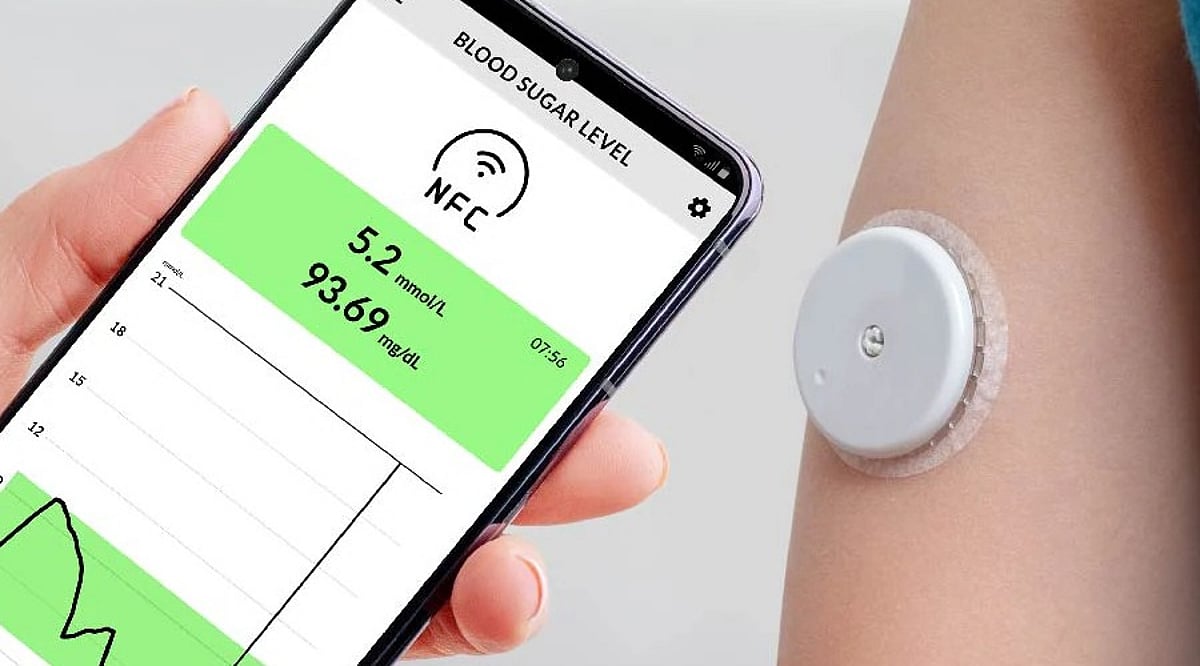
Continuous Glucose Monitoring (CGM) has moved far beyond its origins as a niche tool for Type 1 diabetes management. Today, it is widely adopted by individuals with Type 2 diabetes, healthcare professionals, athletes, and health-conscious consumers seeking deeper insights into metabolic health. As technology accelerates, the next five years promise to expand both the capabilities of CGMs and the range of people who benefit from them. By 2030, these devices are expected to become smaller, smarter, and more connected, with artificial intelligence (AI), wearable ecosystems, and automated insulin delivery playing a much larger role. This article explores the key trends shaping the future of CGM.
From Monitoring to Predicting Blood Sugar Trends
Current CGM devices notify users when glucose levels change. However, future systems will likely predict changes before they occur. AI-enhanced algorithms will analyze glucose data alongside diet, physical activity, stress, sleep patterns, and medication history. This will enable proactive warnings and personalized recommendations, helping users prevent extreme glucose fluctuations rather than simply reacting to them.
Artificial Pancreas Systems Become More Autonomous
Closed-loop insulin pumps, often called artificial pancreas systems, are already in use but still require manual meal input or adjustments in some scenarios. By the end of the decade, these systems are expected to become fully automated, regulating insulin delivery based on real-time CGM data with minimal user involvement. Researchers are also exploring dual-hormone systems that administer both insulin and glucagon, offering better glucose control while reducing the risk of hypoglycemia.
Smaller Sensors, Longer Wear, and Less Discomfort
Sensor technology is advancing rapidly. Most current CGMs need replacement every 10–15 days, though implantable versions already last months. Future sensors will be thinner, more comfortable, and capable of operating far longer without sacrificing accuracy. Non-invasive methods—measuring glucose from sweat, tears, or saliva—are also under investigation. While still in development, these breakthroughs could eliminate the need for needle-based sensors altogether.
Beyond Glucose: A Broader Health Picture
Next-generation wearables will track more than glucose. Researchers are designing sensors that simultaneously measure ketones, lactate, cortisol, hydration, inflammation, and other metabolic markers. Combined with data from smartwatches—heart rate, sleep quality, activity levels—CGMs will provide a comprehensive snapshot of an individual’s health, enabling more personalized treatment plans and deeper insights into daily metabolic responses.
Expanding Beyond Diabetes Care
Although CGMs were developed for diabetes management, their applications continue to grow. People with prediabetes use them to identify glucose-raising foods and behaviors. Athletes leverage CGM data to optimize training and performance. Scientists are also exploring their role in weight management and early detection of metabolic conditions. However, current evidence does not yet support routine CGM use for healthy individuals without a medical need.
Affordability and Access Remain Major Challenges
Despite rapid innovation, widespread adoption depends on overcoming significant barriers. High device costs, limited insurance coverage, data security concerns, and uneven access to healthcare continue to hinder uptake in many regions. Regulatory approvals and clinical evidence will also determine how quickly new technologies reach patients. At the same time, improvements in sensor precision, reduced latency, and seamless connectivity with phones, smartwatches, and telehealth platforms are making CGMs more practical and user-friendly.
The Road to 2030
Continuous glucose monitoring is entering a new chapter. By 2030, these tools will act less like passive monitors and more like intelligent health companions—anticipating glucose fluctuations, automating treatments, and delivering personalized insights. Not every innovation will become mainstream by the end of the decade, but the direction is clear: diabetes care is becoming more connected, data-driven, and proactive. For millions living with diabetes and for many others seeking to improve metabolic health, the next generation of CGMs promises simpler, more precise, and less intrusive daily management.
Leave a Reply