
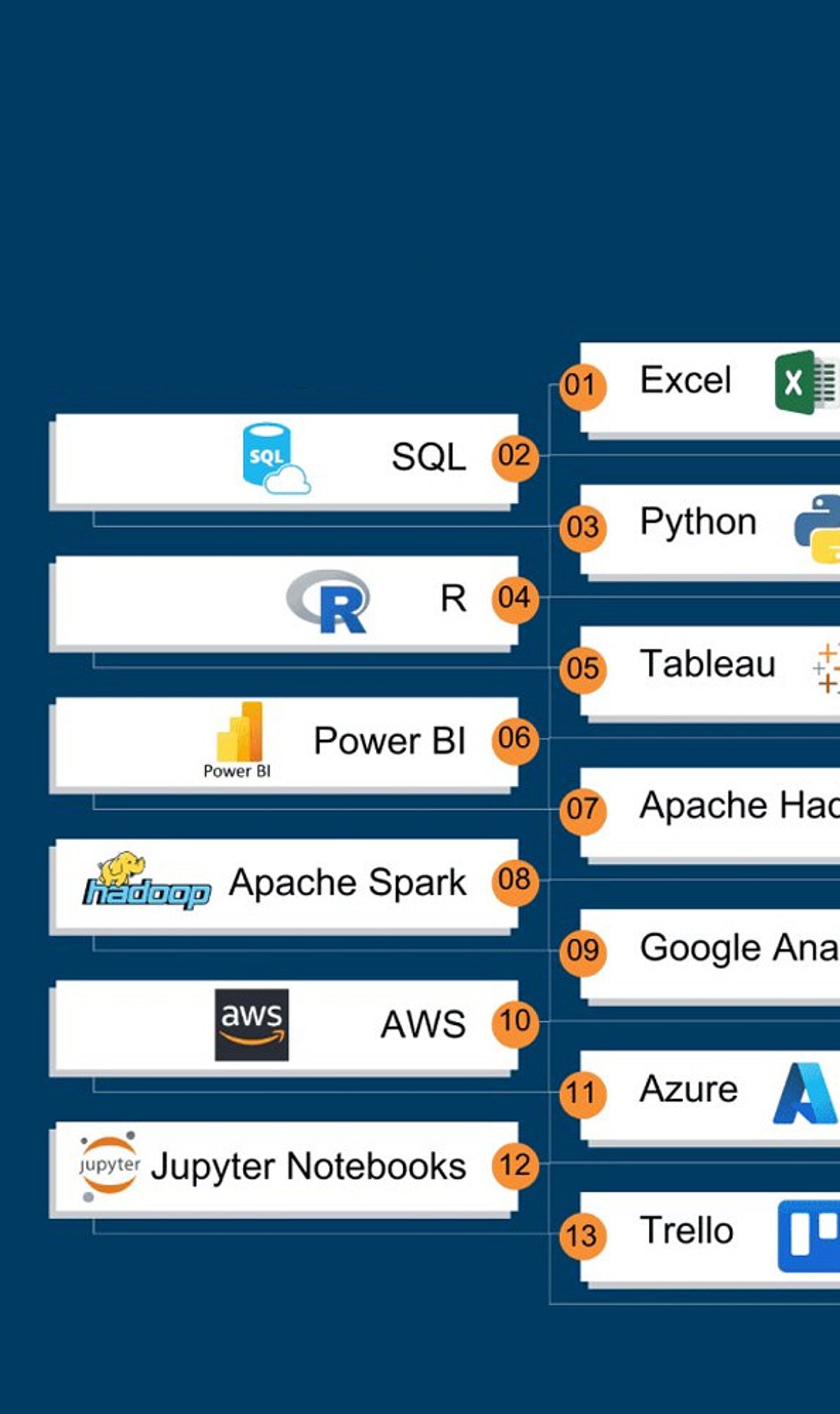
Excel vs. AI-Powered Spreadsheets
A decade ago, Microsoft Excel was the undisputed king of data analysis. Today, modern spreadsheets integrate AI assistants, automation, predictive formulas, and real-time collaboration—transforming how analysts work with numbers.
Traditional SQL vs. AI SQL Assistants
Analysts used to write every SQL query by hand. Now, AI-powered tools generate, optimize, and explain complex database queries in seconds, dramatically cutting the time spent on data retrieval.
Static Dashboards vs. Interactive BI
Basic, static reports have given way to interactive dashboards in Power BI, Tableau, and Looker. These platforms offer real-time visualization and self-service analytics, putting insights into the hands of decision-makers instantly.
Local Databases vs. Cloud Data Warehouses
On-premise databases were once the norm. Organizations now rely on cloud platforms like Snowflake, BigQuery, and Redshift for scalable analytics, faster processing, and lower maintenance overhead.
Manual ETL vs. Automated Data Pipelines
Data preparation used to involve manual effort for extraction, transformation, and loading. Automated ETL platforms now streamline the entire pipeline, handling data from multiple sources with validation and error-checking built in.
Basic Python Scripts vs. AI Coding Assistants
Python remains an essential tool, but AI coding assistants accelerate script creation, debugging, documentation, and workflow automation—enabling analysts to focus on insights rather than syntax.
Historical Reporting vs. Predictive Analytics
Analysts once focused on reporting what had happened. Now, machine learning models forecast trends, customer behavior, and business performance with remarkable accuracy, enabling proactive decision-making.
Desktop Collaboration vs. Cloud Workspaces
Emailing spreadsheets back and forth is a thing of the past. Cloud-based collaboration allows simultaneous editing, data governance, and secure enterprise-wide sharing in real time.
Manual Insights vs. Generative AI Analytics
Modern analytics platforms summarize datasets, generate reports, recommend visualizations, and answer natural-language questions—all powered by generative AI, making data exploration faster and more accessible than ever.
Leave a Reply