
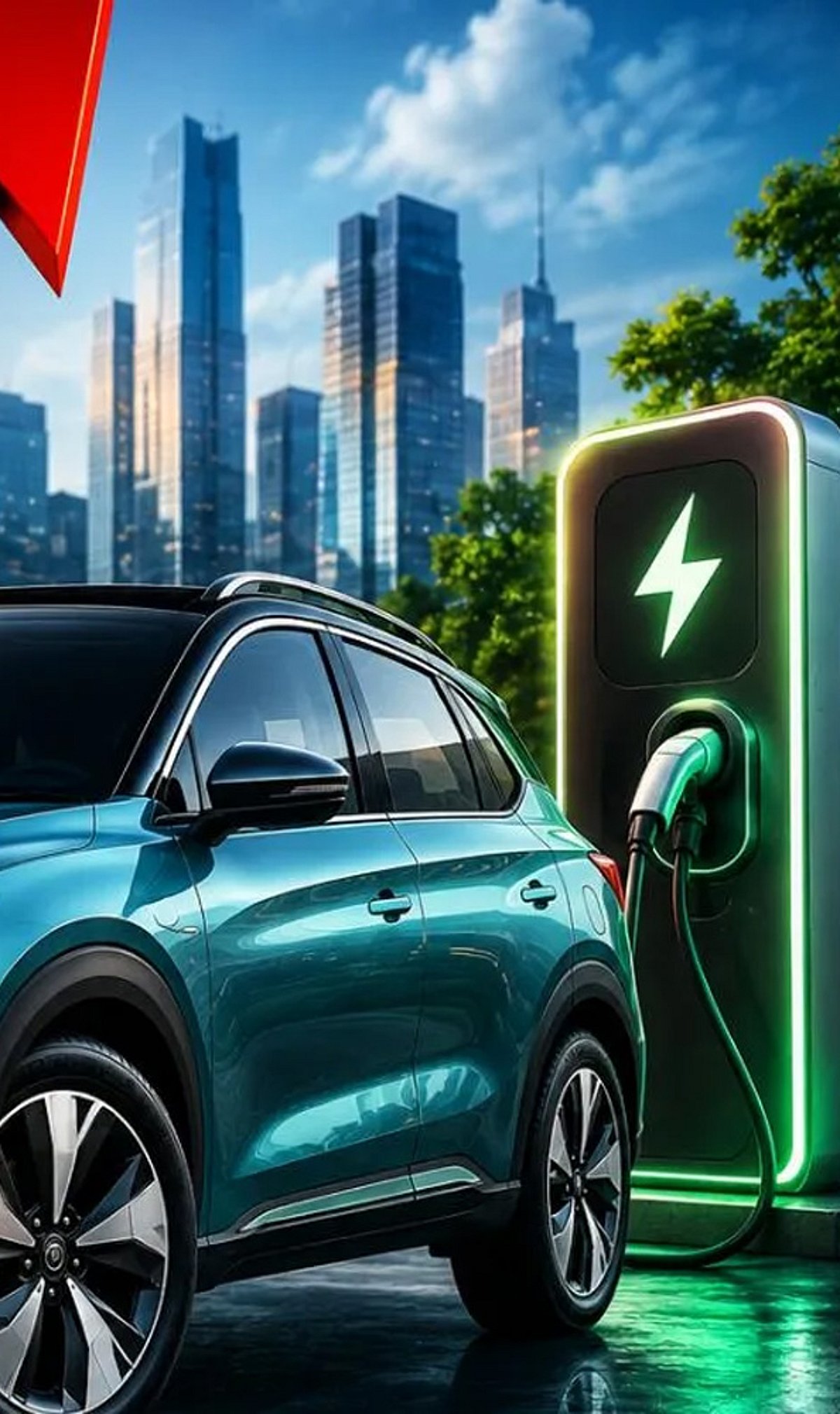
Switching from a petrol car to an electric vehicle (EV) is a major decision that involves more than just environmental benefits. Before you make the leap, here are seven key factors to evaluate.
1. Charging Infrastructure
Before choosing an EV, check the availability of charging stations near your home, workplace, and along your regular routes. This ensures convenient daily charging and reduces range anxiety.
2. Driving Range
Compare the manufacturer’s claimed range with your typical travel needs. Remember that real-world range can be affected by traffic, weather, driving style, and highway speeds.
3. Charging Time
Understand the different charging speeds and connector types. Charging an EV can take significantly longer than refueling a petrol vehicle, so plan accordingly.
4. Purchase Cost
EVs often have higher upfront prices. Compare financing options, available incentives, insurance premiums, and expected running costs to get a full picture of the investment.
5. Battery Life
Check the battery warranty, replacement coverage, and expected lifespan. These factors are crucial for understanding potential long-term ownership costs.
6. Maintenance Costs
EVs have fewer moving parts, which can lower routine maintenance. However, components like tyres, brakes, and battery systems still require regular attention.
7. Home Charging
If possible, install a suitable home charger. Overnight charging makes daily EV ownership far more convenient and practical.
Additionally, consider resale value trends for your preferred model, as battery condition, technology updates, warranty coverage, and market demand can affect future value. Finally, be prepared for a different driving experience—EVs deliver instant torque, quiet operation, and smooth acceleration compared to conventional petrol cars.
Leave a Reply