
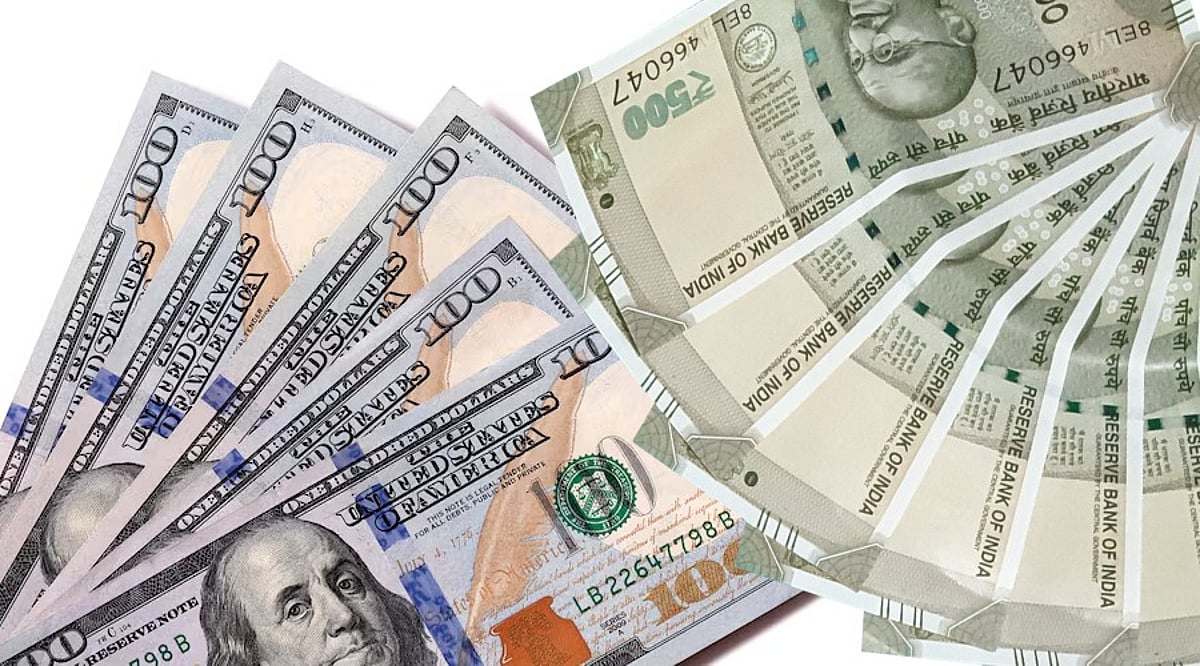
The Indian rupee faced renewed selling pressure on Friday (September 11, 2026), weakening by 27 paise to Rs. 95.79 against the U.S. dollar in early trade. The decline extended the currency’s recent losing streak, driven by surging crude oil prices and sustained foreign portfolio outflows.
Crude Oil Crosses USD 108
A key factor weighing on the rupee is the sharp rise in international crude prices. Brent crude climbed above USD 108 a barrel, raising India’s import bill since the nation relies heavily on imported oil to meet its energy needs. The oil surge also hit broader financial markets, with the Nifty 50 and Sensex sliding to their lowest levels in about three months amid inflation and global interest-rate concerns.
Foreign Outflows Add to Currency Pressure
Continued foreign investor selling has added another layer of pressure on the rupee. Portfolio outflows increase demand for dollars as investors withdraw funds from Indian assets, making it harder for the currency to recover. The rupee has now been under pressure for several consecutive sessions, with traders closely watching developments in global oil markets and West Asia.
The Reserve Bank of India (RBI) has been conducting dollar/rupee sell-buy swaps for a second consecutive day, with much of the activity concentrated in December maturities. “Such operations can drain excess rupee liquidity and support forward premiums, potentially offering some cushion to the currency,” said Amit Pabari, MD and CEO of CrForex Advisors. “These operations help drain surplus rupee liquidity and support forward premiums, which can provide support to the currency. Yet, the rupee continued to depreciate.”
What Lies Ahead for the Rupee?
The near-term outlook will depend heavily on how long crude prices remain elevated. A prolonged period above USD 100 could increase India’s energy import costs, widen external-sector pressures, and make the rupee more vulnerable. Markets are also watching U.S. bond yields and expectations around global monetary policy. Higher inflation risks linked to oil could limit the scope for easier interest rates worldwide. Unless oil prices ease or investor flows improve, the domestic currency is likely to remain volatile in the near term.
Leave a Reply