
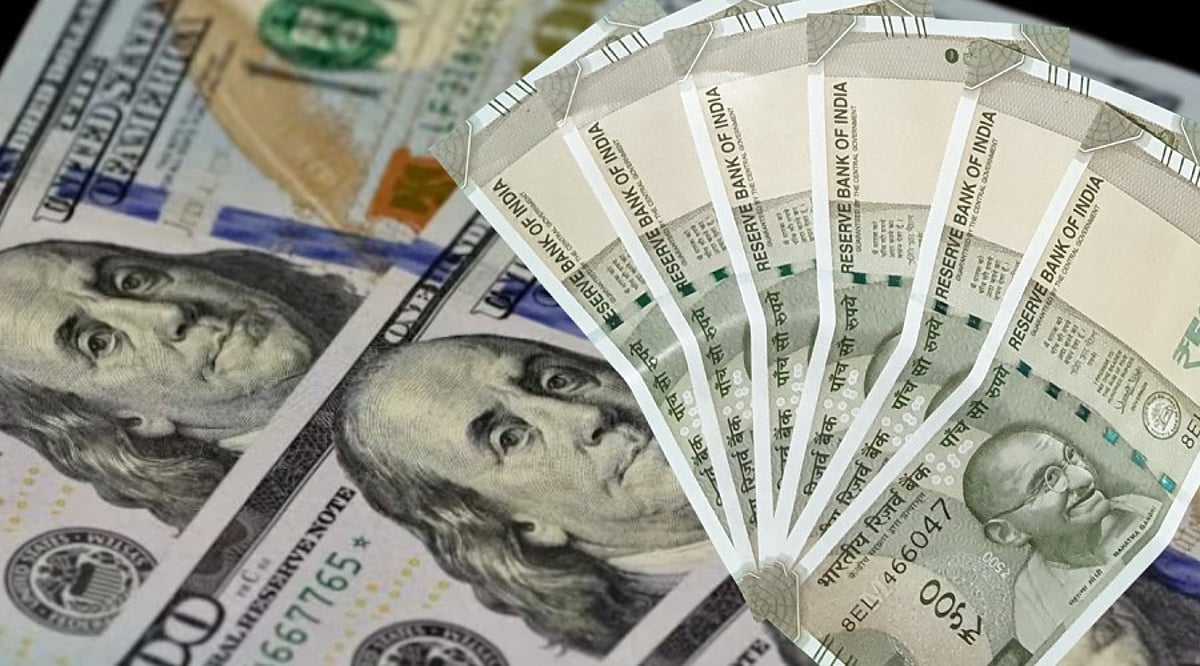
India’s foreign exchange reserves rose by a record USD 44.9 billion in the week ended September 4, reaching an all-time high of USD 785.7 billion, according to data released by the Reserve Bank of India (RBI) on Friday.
The sharp increase followed a USD 11.475 billion rise in the previous week, when reserves stood at USD 740.8 billion. The latest weekly addition was the largest ever recorded, driven by stronger foreign-currency inflows under measures introduced by the RBI in June.
RBI Measures Boost Reserves
Earlier this year, India’s forex reserves faced pressure as the rupee weakened during the West Asia conflict. The RBI sold dollars in the foreign exchange market to curb sharp currency movements. Total reserves had fallen to USD 666.9 billion in the week ended June 26.
However, the trend reversed after the central bank introduced concessional foreign exchange swap measures aimed at attracting foreign-currency funds and improving domestic market liquidity. By August 31, the programme had brought in about USD 136.4 billion.
Foreign Currency Non-Resident Bank (FCNR(B)) deposits accounted for the bulk of these flows. Banks mobilized USD 127.226 billion through the scheme, while overseas foreign-currency borrowings and external commercial borrowings added to the total.
The RBI launched the FCNR(B) window on June 8 with an initial closing date of September 30, but closed it on August 31 after stating the programme had achieved its objective ahead of schedule.
Forex Assets Surge
Foreign currency assets—the largest component of India’s foreign exchange reserves—increased by USD 47.498 billion during the week to USD 648.168 billion, RBI data showed. These assets include currencies such as the euro, pound, and yen, though the RBI reports their value in US dollars, so exchange rate fluctuations can affect the reported value.
A private bank treasury head commented, “This rise in foreign exchange reserves was expected given the amount of FCNR(B) flow.” The person added, “If we exclude gold, we almost had a USD 48 billion addition to the reserves.”
Gold reserves moved in the opposite direction, falling by USD 2.594 billion to USD 113.816 billion during the week. Special drawing rights with the International Monetary Fund declined by USD 4 million to USD 18.806 billion, while India’s reserve position with the IMF rose by USD 2 million to USD 4.916 billion.
India Moves to No. 4
The latest increase pushed India above Russia to become the world’s fourth-largest holder of foreign exchange reserves, behind China, Japan, and Switzerland, according to Bloomberg data. India’s reserves have increased by about USD 120 billion in the current financial year. Foreign currency assets also recovered sharply from USD 541 billion in the week ended June 26.
Meanwhile, the rupee remained under pressure despite the reserve boost. It fell for a fourth consecutive session on Friday, September 11, closing at 95.56 against the US dollar, compared with 94.45 in the previous session. Higher crude oil prices and rising US Treasury yields weighed on the currency. Dealers said RBI intervention, including a swap alongside spot intervention, helped the rupee recover some losses.
Foreign-currency inflows may continue through some RBI facilities. External commercial borrowings and overseas foreign-currency bonds remain eligible under the programme until December 31.
Leave a Reply